Tag Archives: 100 years

An A-Z of Collecting Royal Doulton – Awards

From the 19c into the 20c Doulton was represented at all the major exhibitions and has been detailed in the great tomes on the Royal Doulton Potteries by Eyles and Irvine, the company itself won many of the major prizes at these exhibitions. The first exhibition Doulton took part in were in 1851, the year of the great Crystal Palace exhibition.
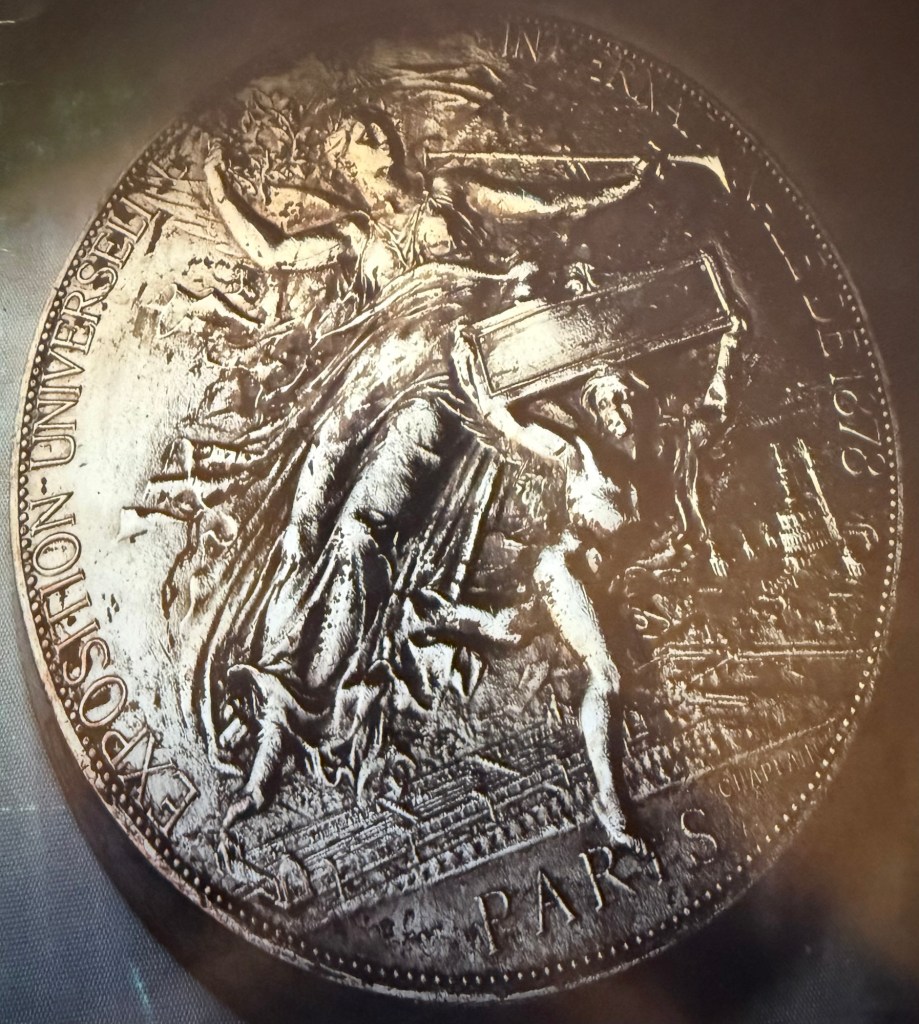
One of 9 awards given to Doulton at the Paris Exhibition of 1878.

The awards mentioned are but a selection from the hundreds the company won over the centuries. The first offerings presented were of utilitarian nature such as drain pipes and sanitary wares as one would expect.

At the South Kensington Exhibition of 1871 Doulton showed their first selection of set pottery, Sir Henry having been persuaded to branch out into art pottery.

A mere five years after this, Doulton presented over 1500 items at the American Centennial Exhibition in Philadelphia. At the Chicago exhibition of 1893, Doulton won more prizes than any other pottery in the world. The success in Chicago brought the award tally then to 94 Gold medals and 1st class awards, plus 101silver medals and second class awards.
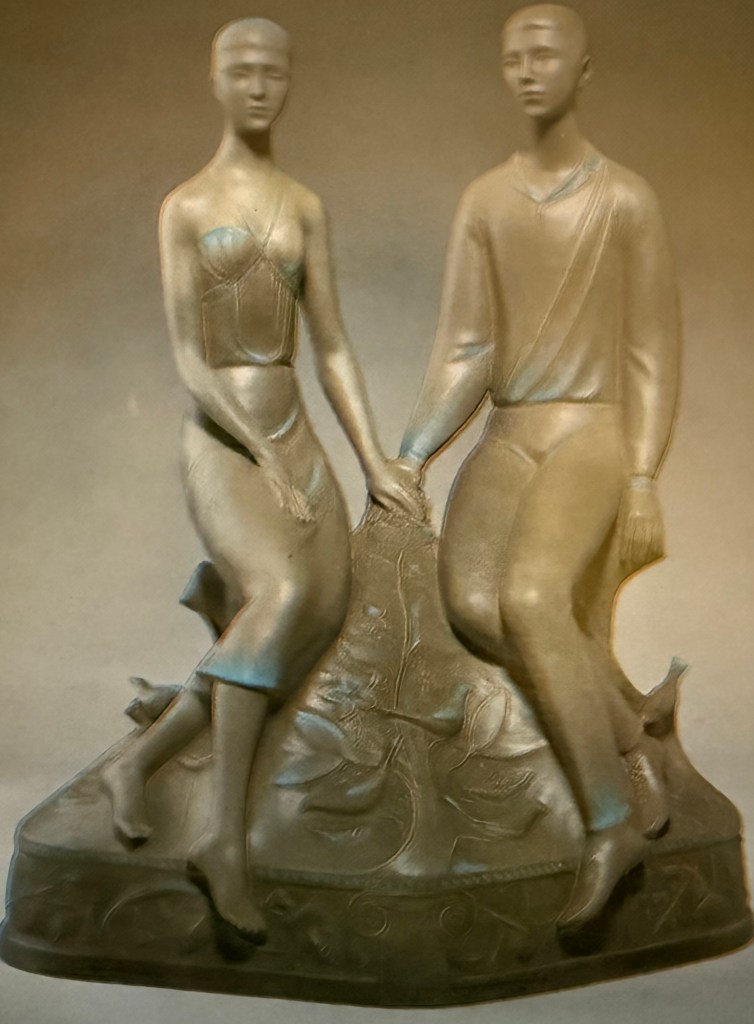
The Peggy Davies study that won the Grand Prix at Brussels in 1958.

The last of the major world exhibitions took place in Brussels in 1958 and befittingly, Doulton won the only Grand Prix awarded to a British pottery firm for the Peggy Davies study ‘Art and Technology’. Manufactures were subsequently not included in world exhibitions.

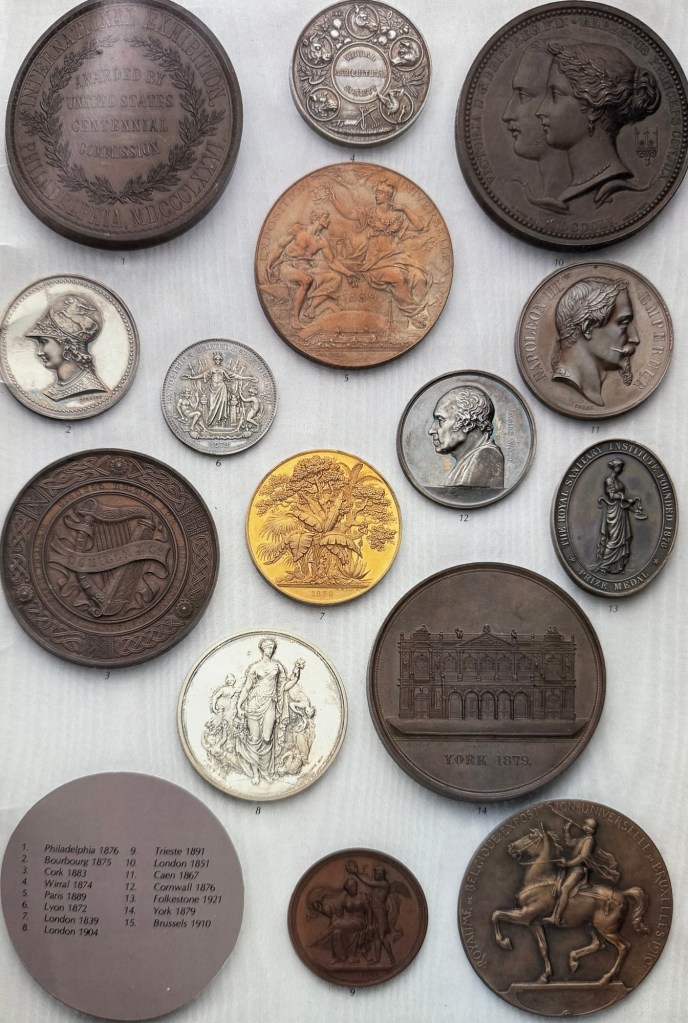
Here is a selection of Doulton’s awards…..

  1. Philadelphia 1876
  2. Cork 1883
  3. Wirral 1874
  4. Paris 1889
  5. Lyon 1872
  6. London 1839
  7. London 1904
  8. Trieste 1891
  9. London 1851
  10. Caen 1867
  11. Cornwall 1876
  12. Folkestone 1921
  13. York 1879
  14. Brussels 1910
  15. St Louis 1904
  16. Melbourne 1880
  17. Chile 1875
  18. Versailles 1873
  19. London 1862
  20. Hamburg 1863
  21. Paris 1878
  22. London 1865
  23. Vienna 1873
  24. Cape Town 1877
  25. Far worth 1876
  26. Tasmania 1891
  27. Chelsea 1905
  28. Birmingham 1872
  29. Columbia 1892

That is not to mention the individual awards won by the company’s artists for their work for the great firm. 
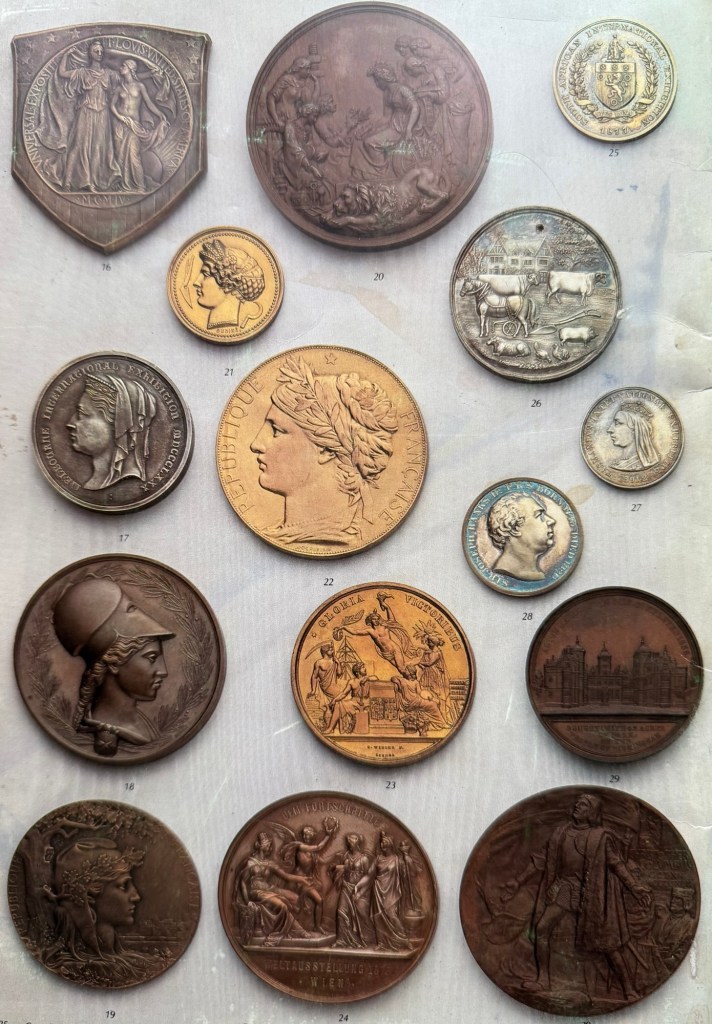
Images from the Royal Doulton Review 1980.

100 Years of Doulton figures

Check out this link for a look at the first chapter in the 100 years of Doulton figures by me and published by Seaway China.

Image

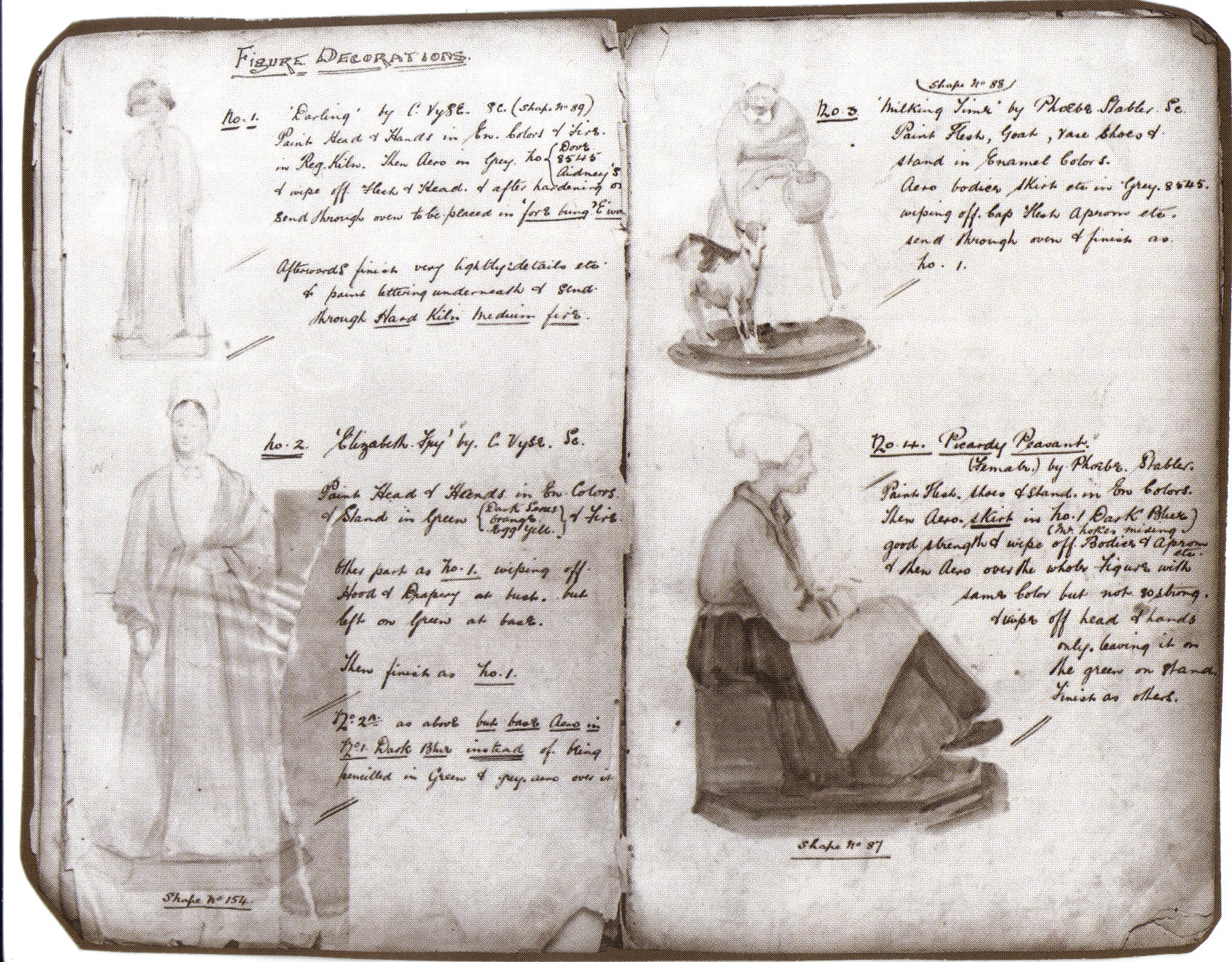
Here is the first page of the HN figure decoration book

Click to access 1-11_cover-doulton-insight.pdf


Here is a sample:

Few people in 1913 would have imagined that this article would be being written to celebrate the 100th anniversary of Royal Doulton’s HN Collection. It was not after all Doulton’s first attempt at a introducing a figure range and many other famous factories had attempted and failed at this ambition. In 1893 at the World Columbian Exhibition in Chicago, a handful of figurative models by one of Doulton’s newest recruits Charles J. Noke were among their exhibits. These minimally decorated figures, now commonly referred to as Vellum Figures, met with a mixed reception from the buying public and Noke’s ambition of reviving the once famous, Staffordshire figure production was put on hold as his attention was drawn away by other projects including the introduction of Kingsware, Rembrandtware, Holbeinware, Hyperionware, the famous flambé glazes and the introduction of Doulton’s Series Ware with patterns such as the popular Dickens series. The range of Vellum Figures was very much influenced by the products of the Worcester factory where Noke had worked for some sixteen years until leaving to join Doulton in Burslem in his early 30’s. He would later comment that he joined Doulton ‘not for the money but for the freedom’ as Henry Doulton famously allowed his artists free rein.

A timely visit to the Doulton Burslem factory in April 1913 by England’s then King George V and Queen Mary provided a re-newed impetus to Noke’s desire to launch a new range of figures. In the years preceding this visit Noke had been approaching a carefully selected group of artists to provide models for Royal Doulton to reproduce in ceramic. It is reported that the new range of figures was completed in late 1912 but the launch of the range was held back to coincide with the Royal visit, and what a good decision this proved to be as Queen Mary would become a fan of the range making many purchases over the coming decades. In Royal Doulton’s brochures from the 1920’s and 1930’s they even pin pointed the figures Her Majesty had purchased – it undoubtedly proved very useful to have the most famous lady in the land favouring their figures.