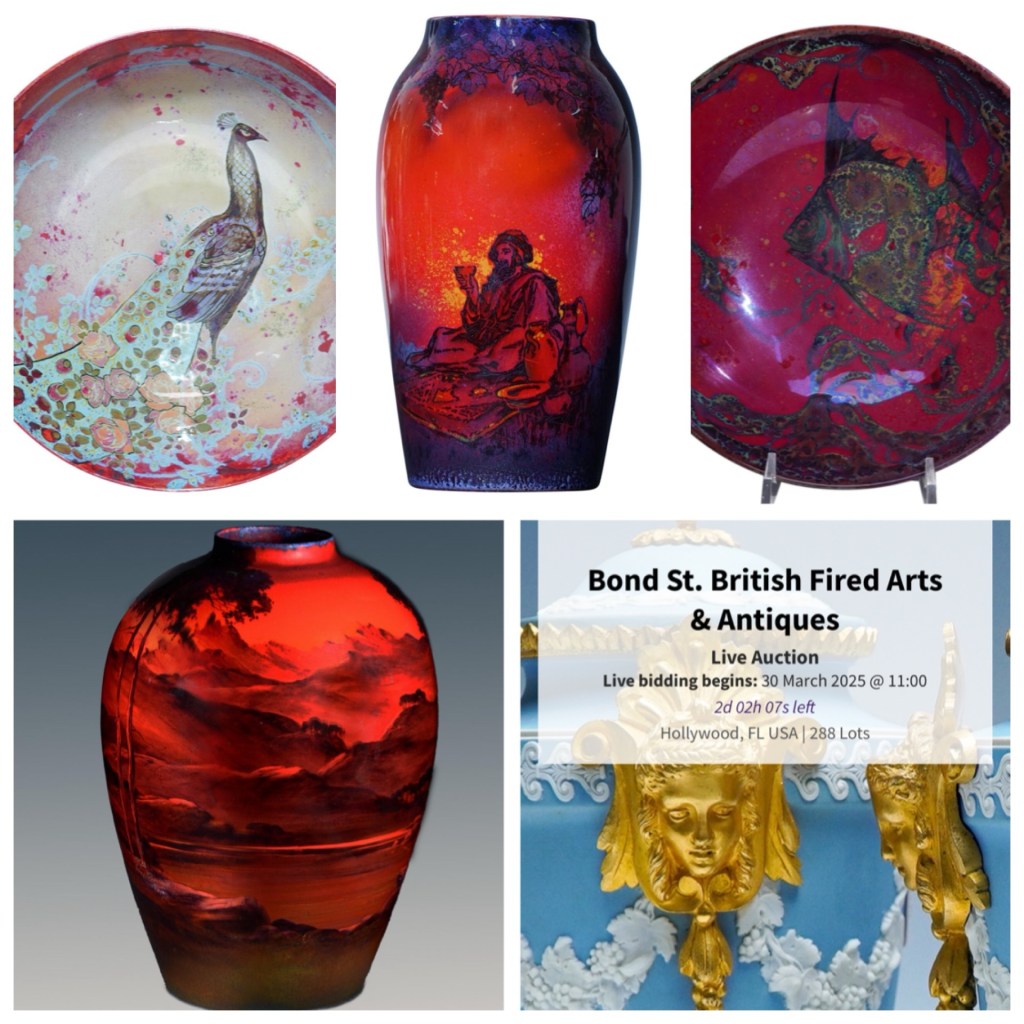
Charles Noke continued to experiment with glazes long after the departure of Cuthbert Bailey with whom he had perfected the Flambé glaze in the early 1900’s, along with the master potter Bernard Moore. And so in 1920 Sung was introduced, whereby painted decoration, colour and gilt are fused with the a flambé glaze.
However, it is in the flesh that these pieces must be enjoyed to full effect as in this slide. Vases, large and small were decorated with exotic birds, pixies in woodlands, fish in seascapes along with many other subjects.
These pieces were painted principally by Harry Nixon, Arthur Eaton and Fred Moore. Sung glazes can be found on Buddhas, as seen here in this advert from the 1920’s, a handful of suitable early figures from the HN range such as A Spook, as well as animals, in particular elephants, a favourite of Charles Noke.
Another inspiration piece this time by the sculptor Agatha Walker. Readers may recall us previously looking at Harradine’s Royal Doulton figure Anthea, which was similarly inspired by Walker’s work and of course the similarities between Walker’s and Harradine’s Beggars Opera figures is immediately obvious. For the latter both took direct inspiration from the original Lovat Fraser costume designs for the Beggars Opera.
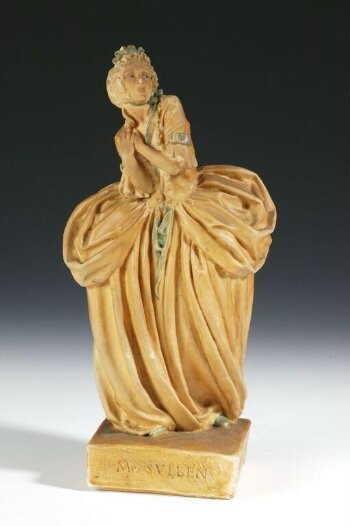
Returning to Miranda, here you can see the wax Agatha Walker figure (below) in the V&A collection of the actress Edith Evans (1886-1961) who famously portrayed Mrs. Sullen in George Farquhar’s comedy The Beaux’ Stratagem.
Just like the Beggars Opera it was performed at the Lyric Hammersmith and was a success. The Beaux’ Stratagem is a comedy, known for its witty dialogue and satirical portrayal of social dynamics.
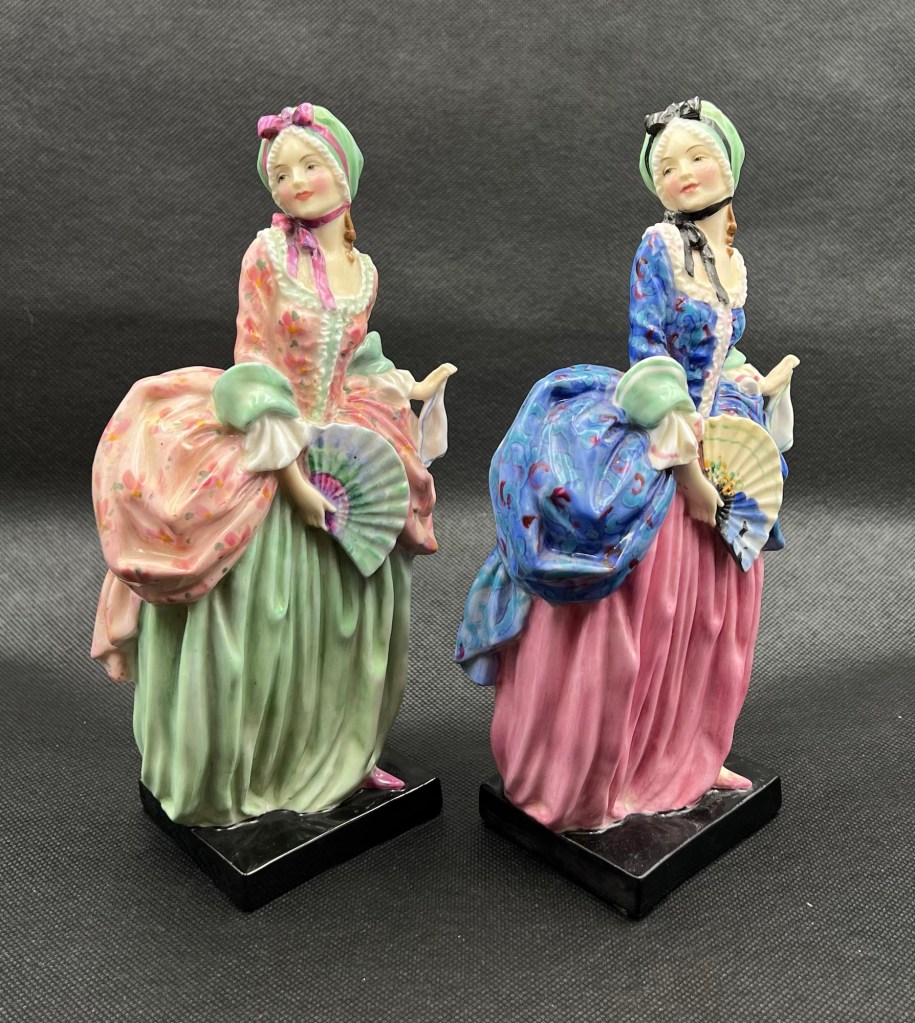
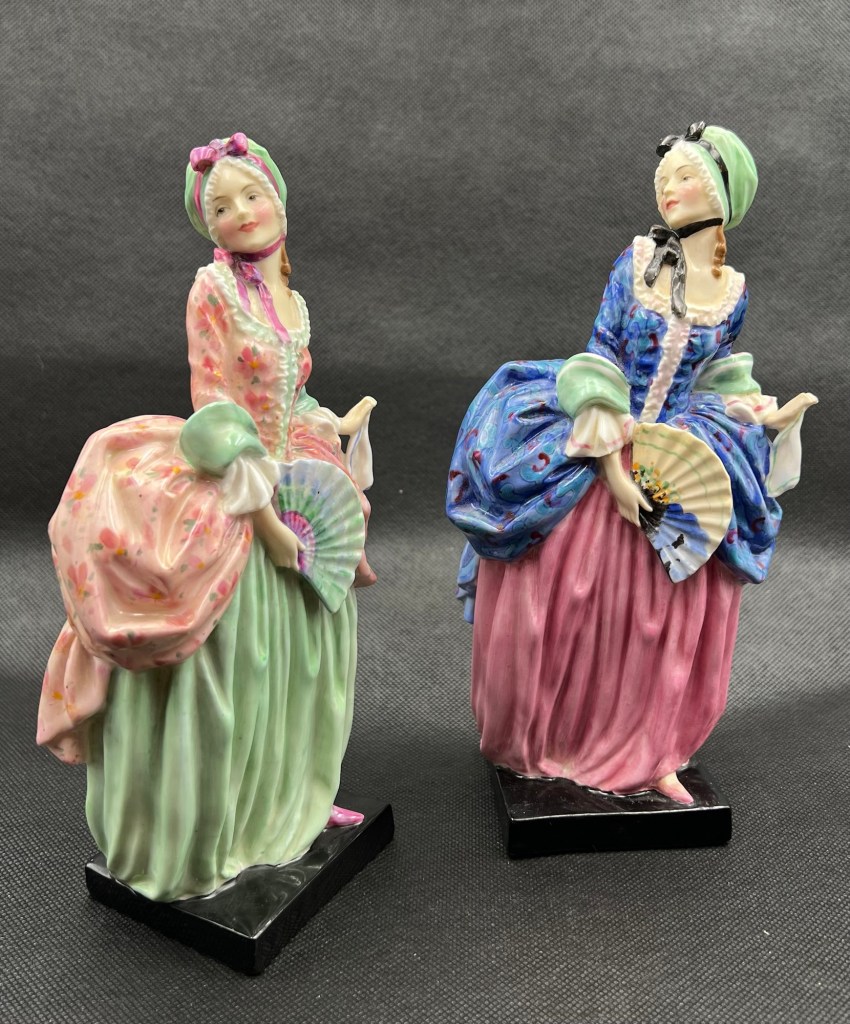
Miranda HN 1818&1819 both 1937-c.1943. Both examples painted by the same artist and in the same year, 1937.
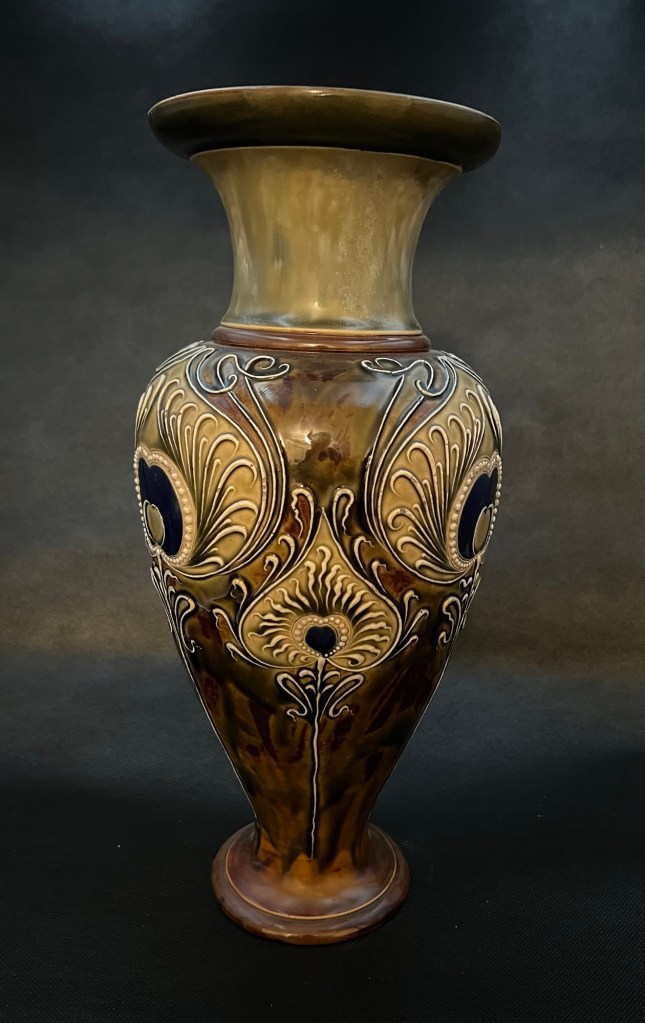
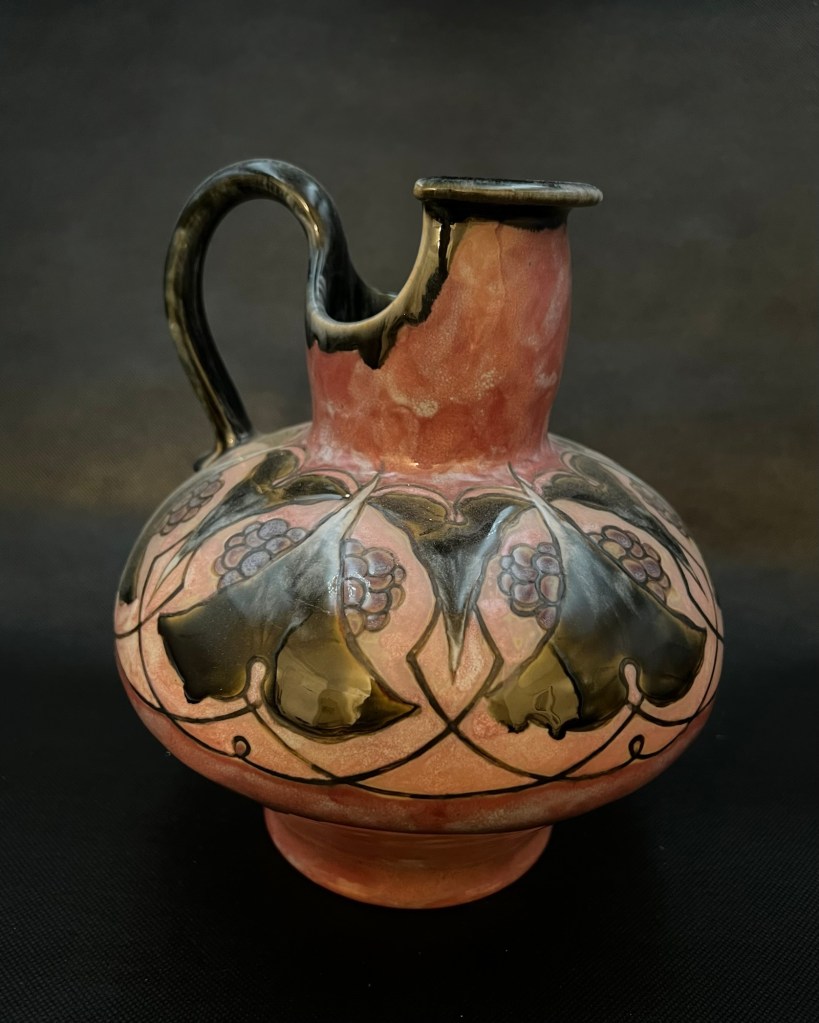
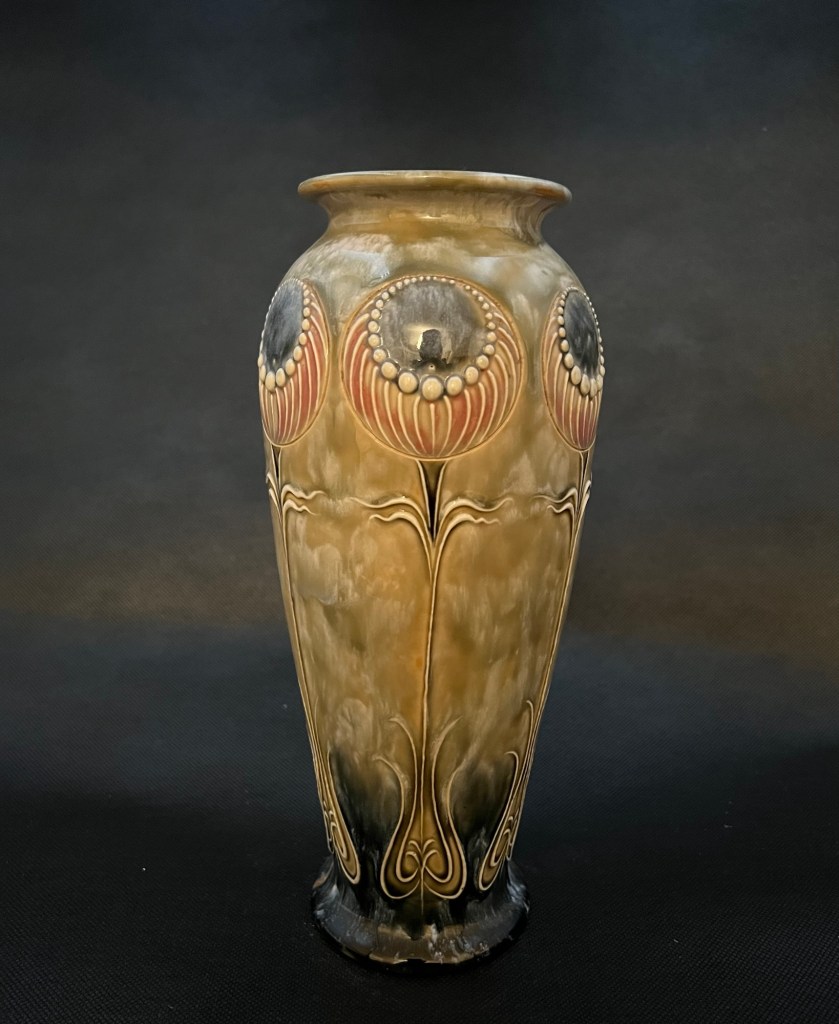
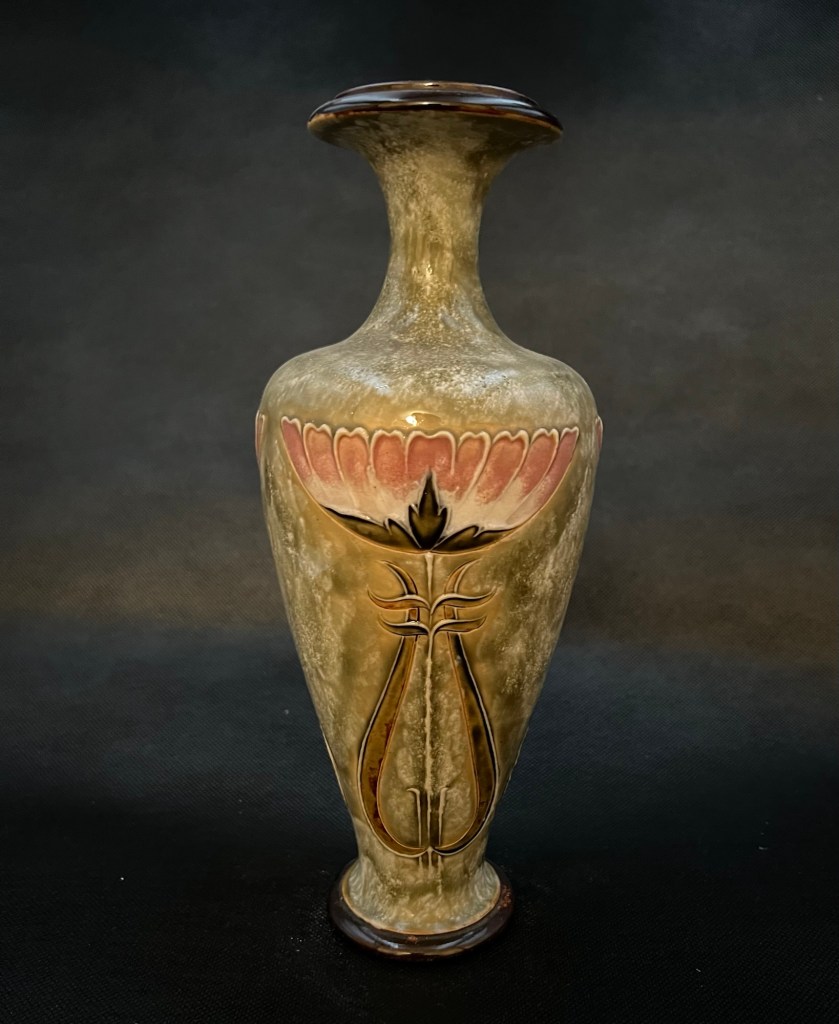
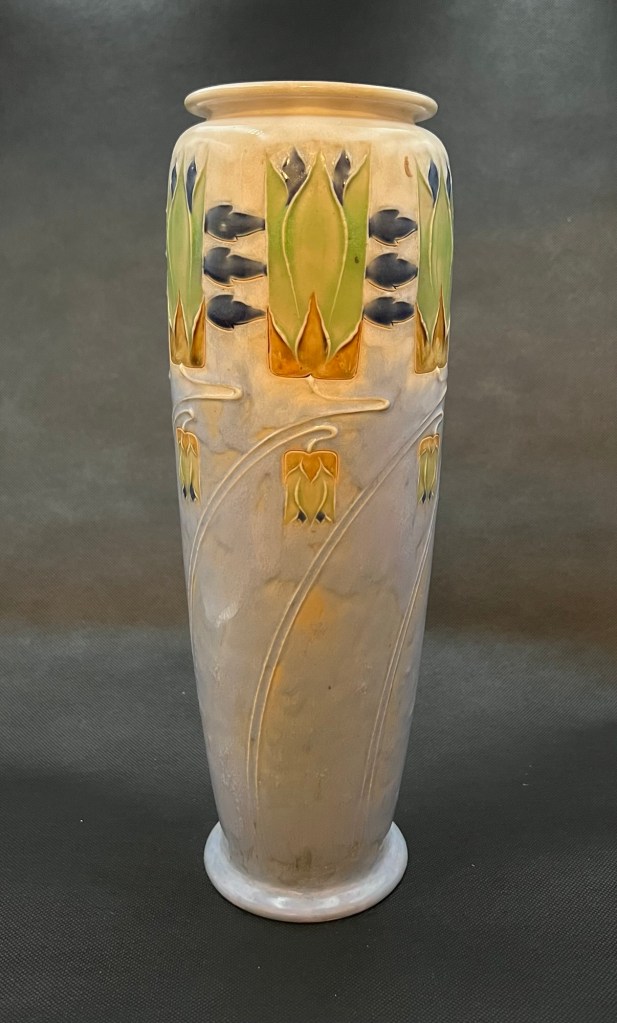
Perhaps one of the most versatile artists at the Lambeth factory, Eliza proved that she was more than capable of adapting her style to changing contemporary styles. Just like the equally versatile Frank Butler, Eliza was a leading artist in the art nouveau movement for the Lambeth factory.
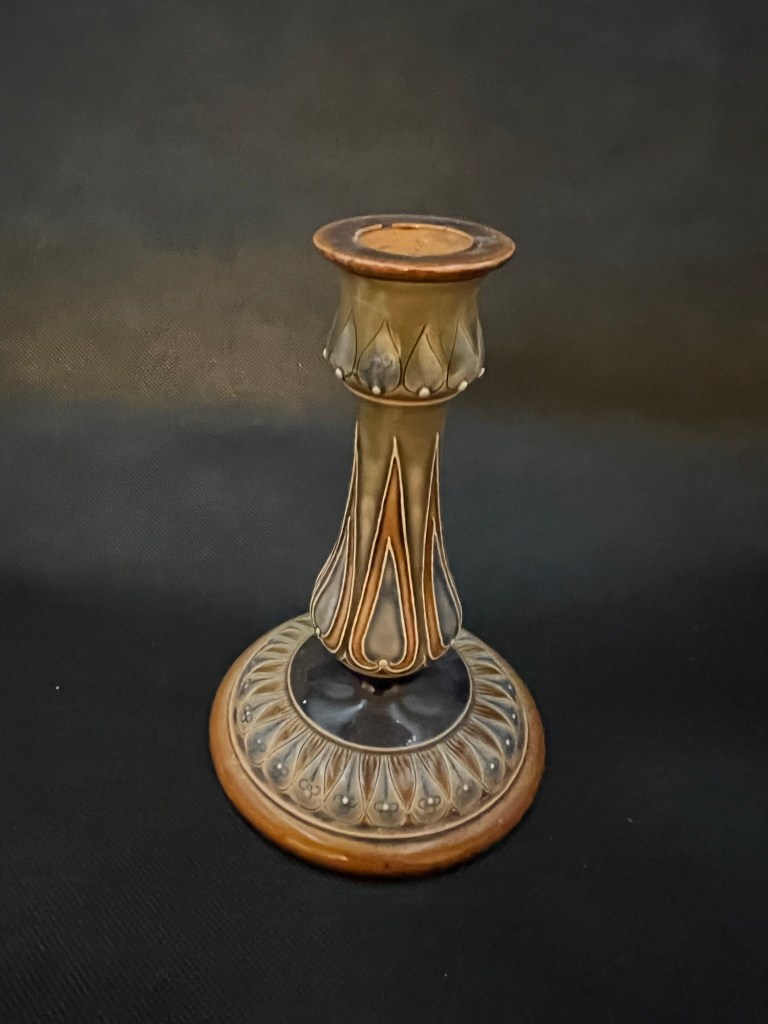
Eliza demonstrated her adept touch at most of the techniques that were made at the Lambeth studio and her skill on Silicon ware shows equal flair as her tubelined decoration.
I recall early on in my Doulton’s initiation being introduced to a student preparing a thesis on Eliza and great discussion was had on her change of spelling of her first name. No real trigger was mentioned but it is something worthy of note.
Of all her styles it is perhaps the many and varied art nouveau designs the Eliza completed in the early 20C that she is perhaps best known for today. It was these designs that really stood her apart from the other Doulton artists from the earlier Victorian period. Over her career the variety of designs she conjured up is mind boggling to us today – no two were ever identical and each was a fresh take on a theme or style.
Eliza‘s long career at Lambeth came to a close in 1928, just as tastes were again changing. Today we can only imagine what she must have made of the changes over her career at the Lambeth factory where production had slowed significantly by the time of her departure, from when she started in 1873 as a former student at the Lambeth School of Art under John Sparks.
 doultoncollectorsclub