All posts by doultonchristopher1

Doulton’s Royal connections! 

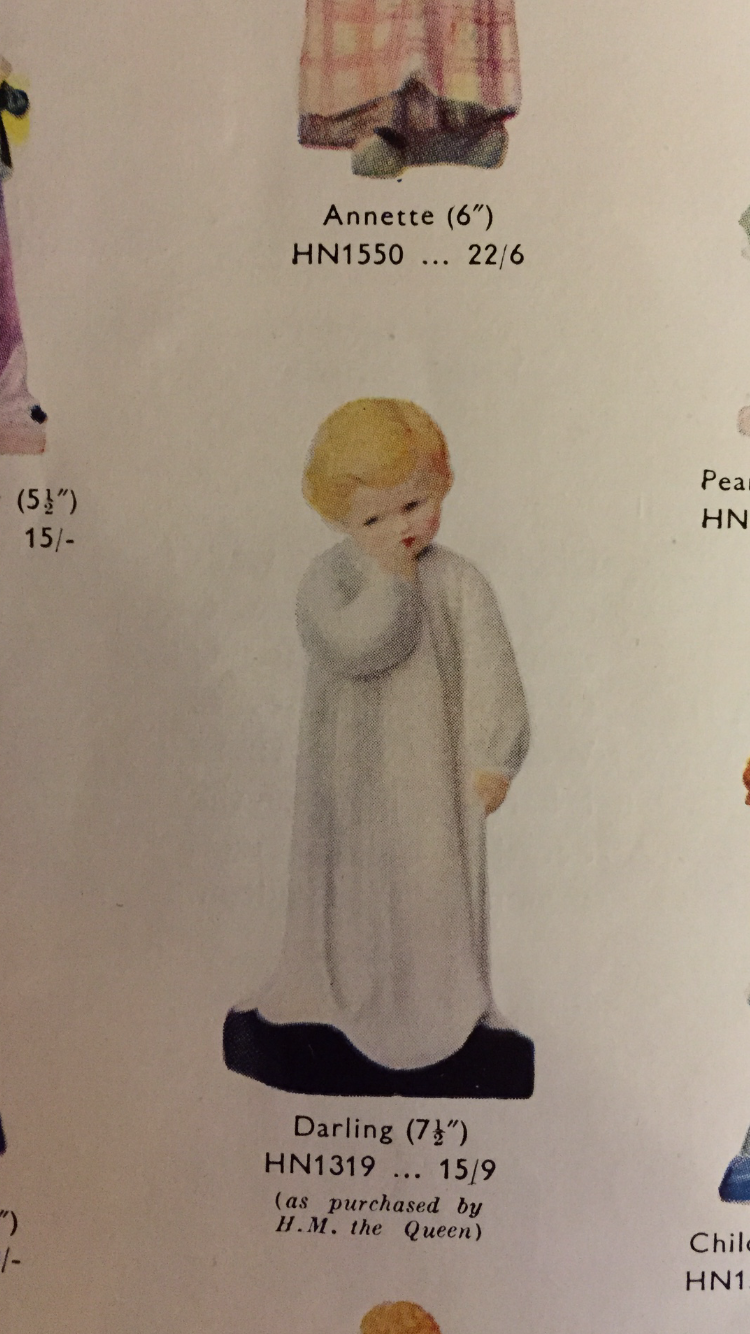
  Collectors are often bemused by early Doulton catalogues which carry the strap line ‘As purchased by HM The Queen’ under their cherished figures.  

  Original catalogue page featuring the design and highlighting the Royal connection.

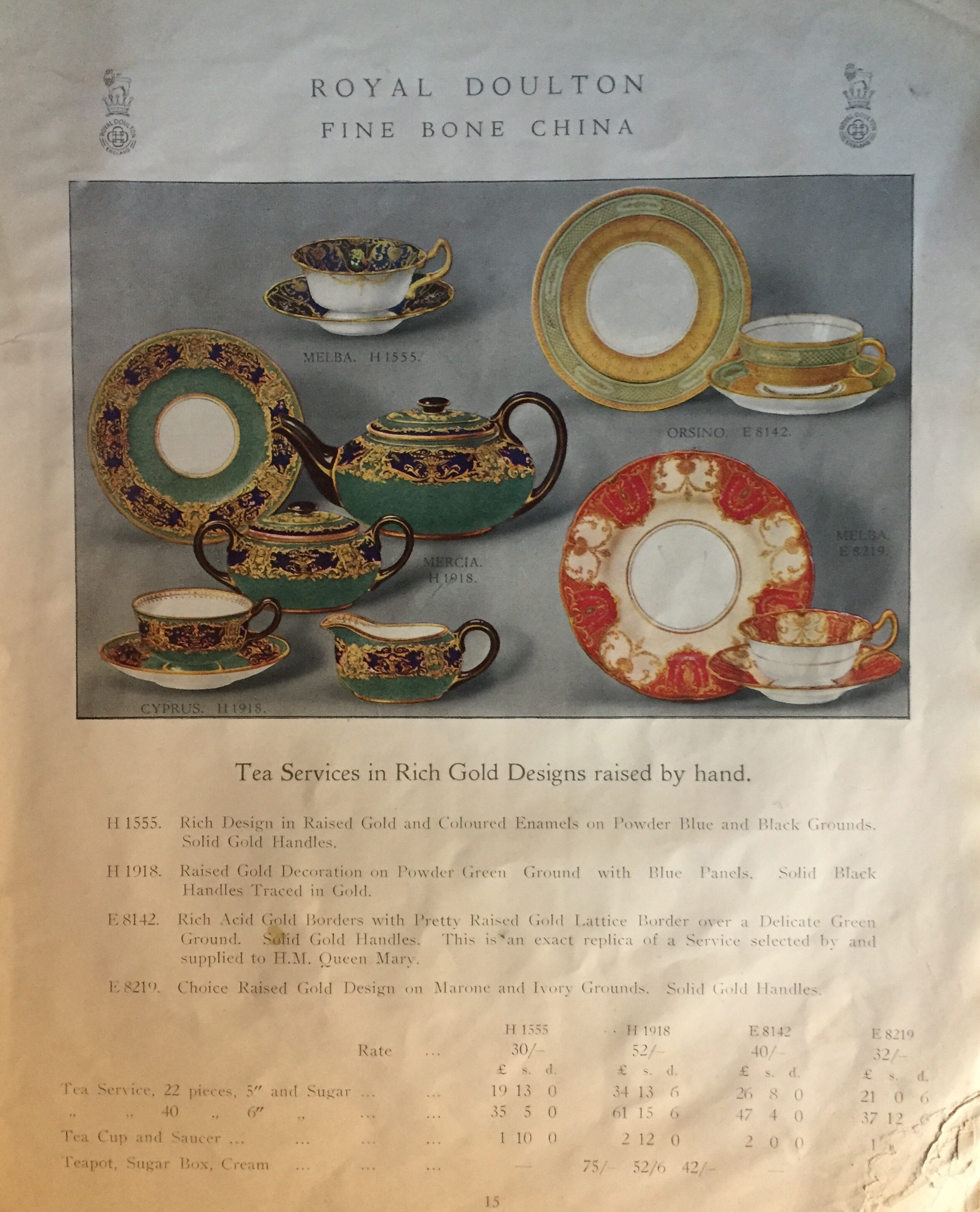
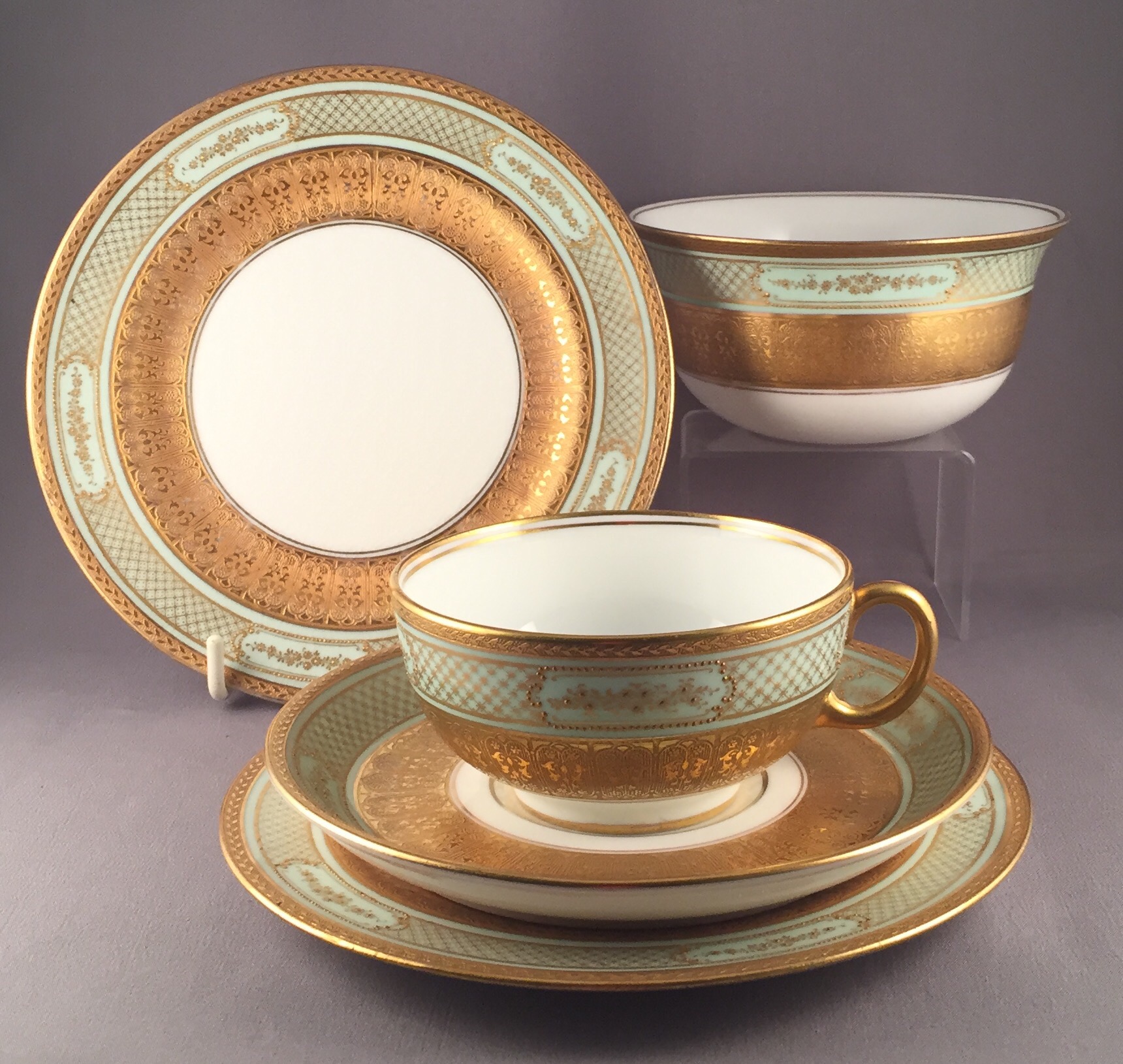
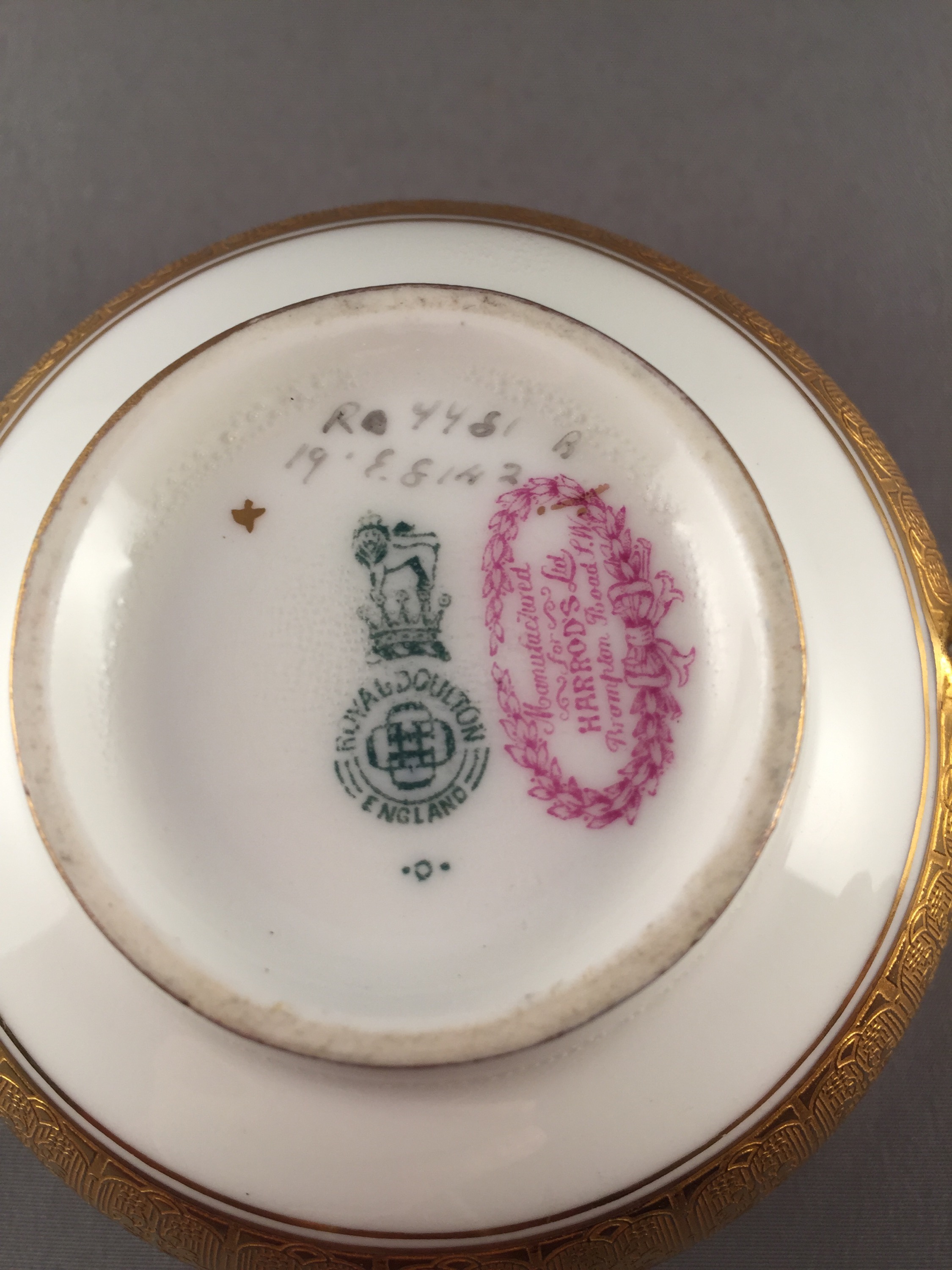
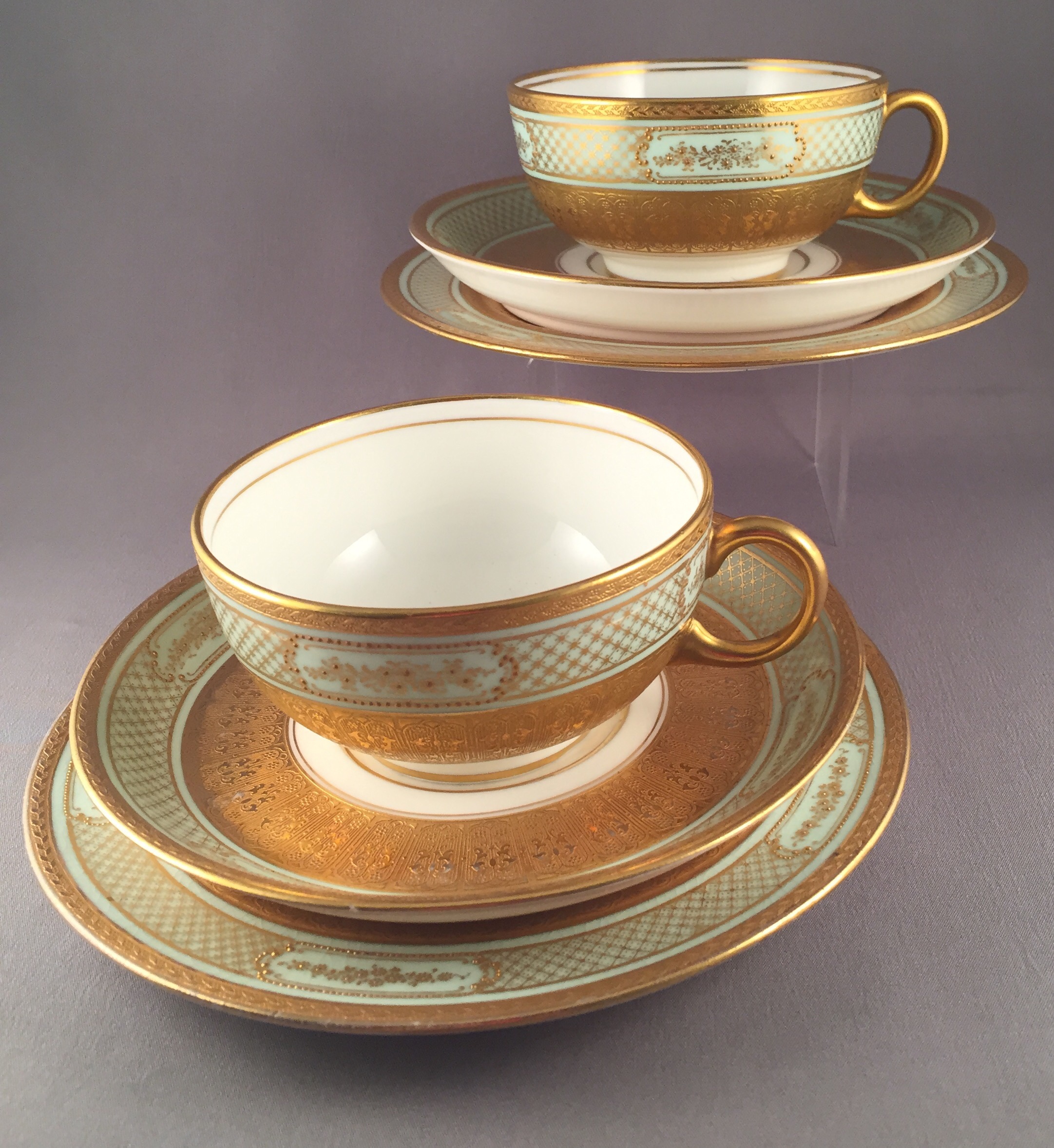
However this sales technique was also used to advertise tablewares such as this heavily gilded tea set, which was supplied to HM Queen Mary in the early 20th Century.   This particular set for 6 people is a replica of the original and was retailed exclusively through Harrods, the exclusive London Department Store which has many famous links to Doulton including its magnificent Doulton terracotta façade and of course the art nouveau tiles in the food halls by Neatby.

 
Once again the set shows that first sight isn’t always the end to a story with Doulton! 


Collecting Doulton’s Ship Figureheads! 

Collectors love a theme to follow and here is one that was produced in relatively recent times and that has proved a sound investment too! Ship Figureheads belong to a bygone age of tall ships and battles, and each piece chosen by Doulton to produce in fine china tells a story all of its own.

  
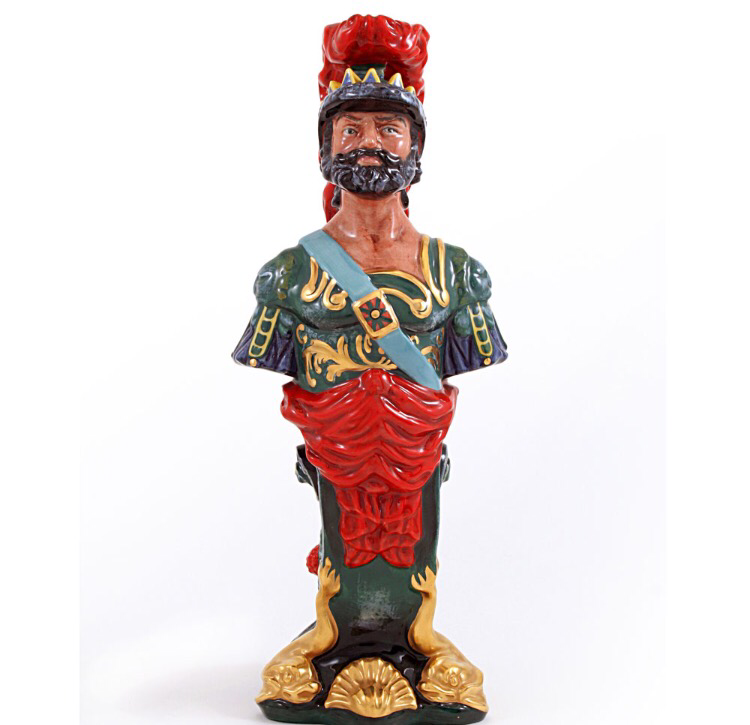
HMS Ajax HN2908.

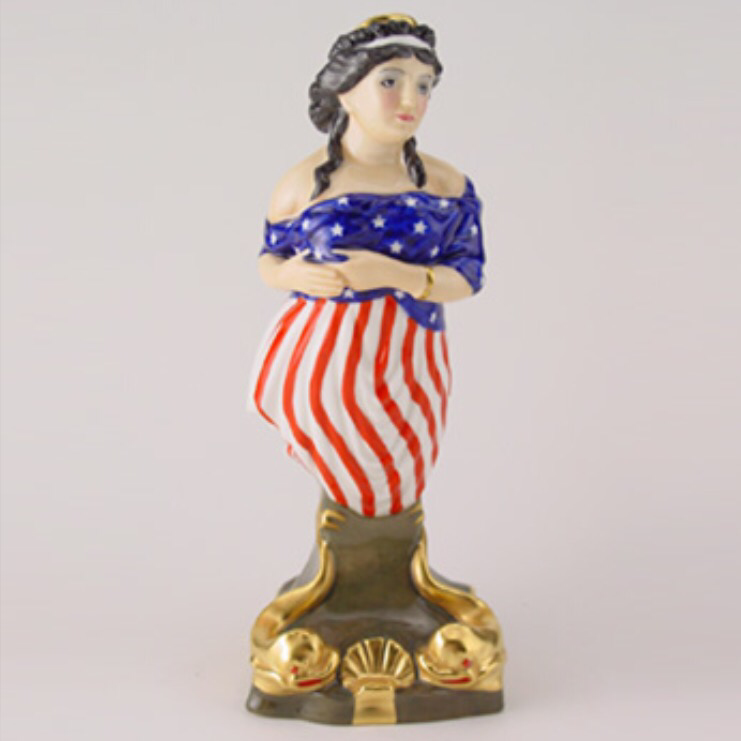
Introduced between 1980-83, Doulton’s ‘Ship’s Figureheads’ collection marked a new direction led by Eric Griffiths, Royal Doulton’s then Head of Ceramic Sculpture, who commissioned the freelance artist Sharon Keenan to produce these six models based on her own research in museums and dockyards on both sides of the Atlantic. The six limited edition of 950 pieces were Ajax, Benmore, mary Queen of Scots, Hibernia, Chieftan, Lalla Rookh, Pocahontas and Nelson. Each model came in a presentation box with plinth and certificate.  
HMS Benmore HN2909.

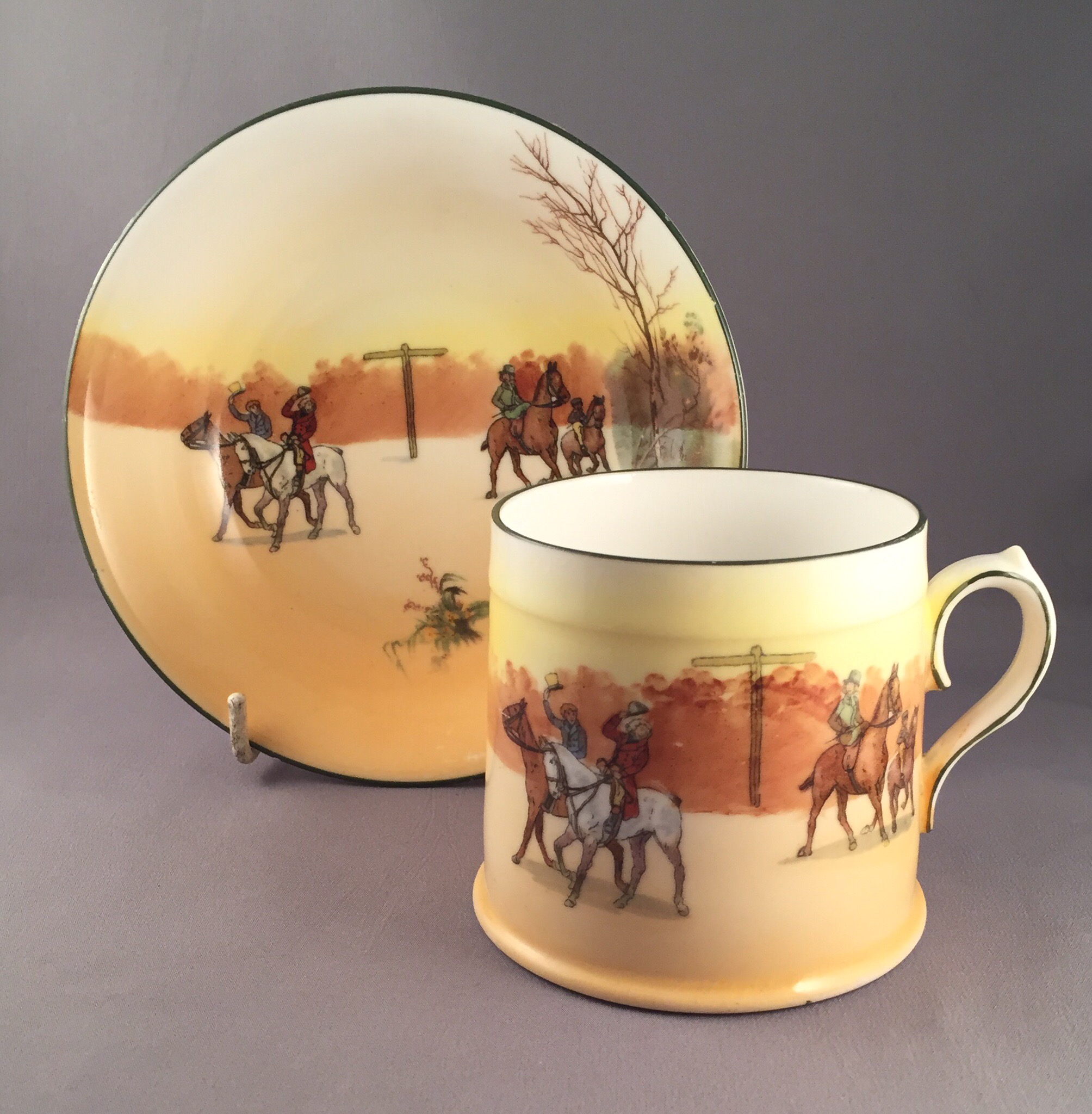
Collecting Doulton’s ‘Hunting – John Peel’ seriesware pattern.

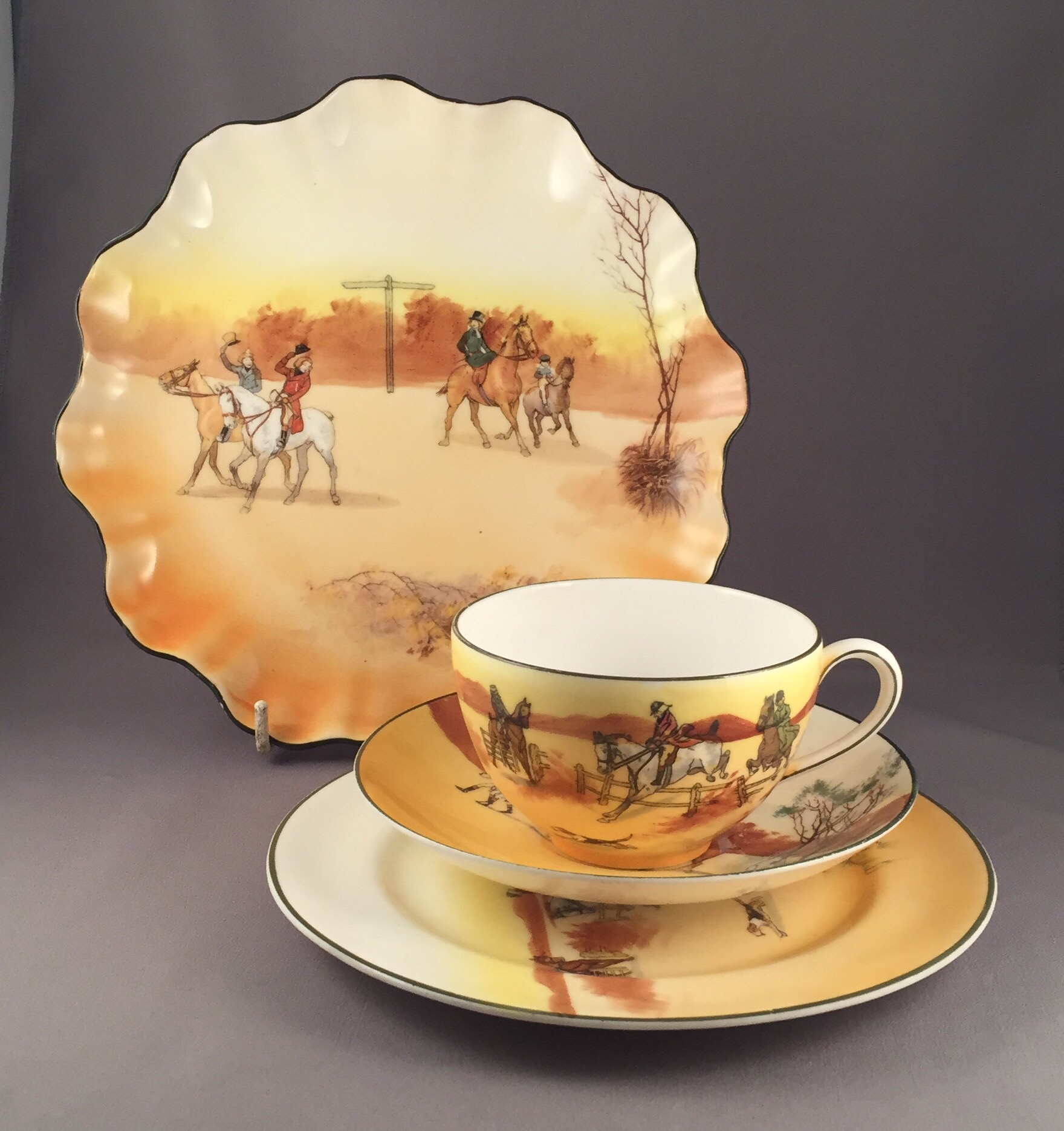
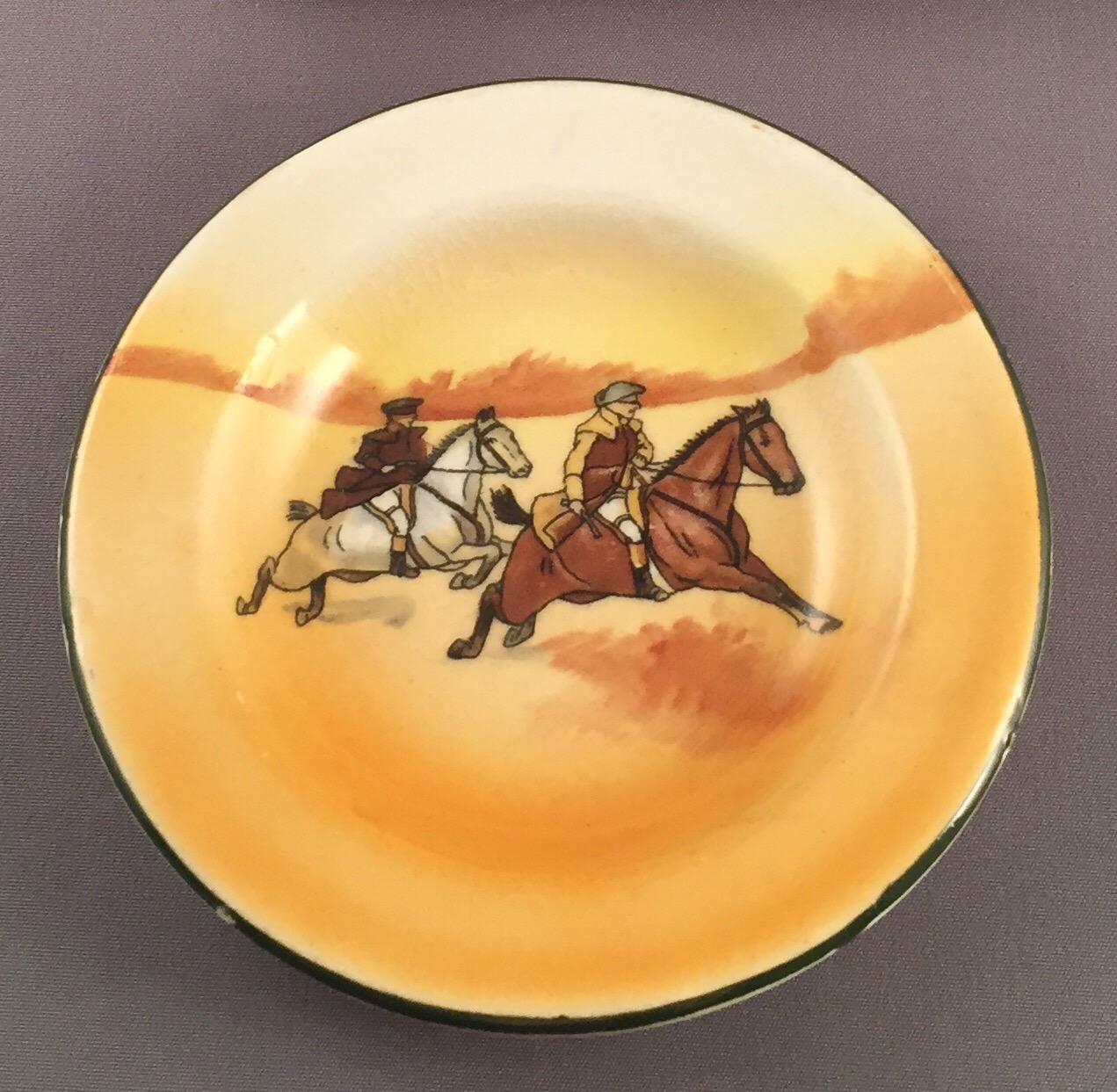
This series together with Coaching Days and Royal Mail are easily mistaken for one another on first glance given their similar palette. There were a handful of other patterns  to Hunting – John Peel all celebrating this once popular pastime, now out of favour. 

  
There are 9 recorded patterns dating from 1924 to an unknown withdrawal date. Some are often found in combination as you can see above and below with scenes 2 & 3. 

  
Interestingly the later designs bear an H number (1947) rather than the traditional D numbers associated with seriesware or the very early patterns that have the earlier E numbers if they were on china.

  
The great thing about seriesware is that the possibilities for making a collection are plentiful! Naturally you can collect one particular pattern, or miniatures, or particular shapes or like me pin dishes and ash trays like the one above! 

Collecting Doulton’s Coaching Days seriesware pattern.

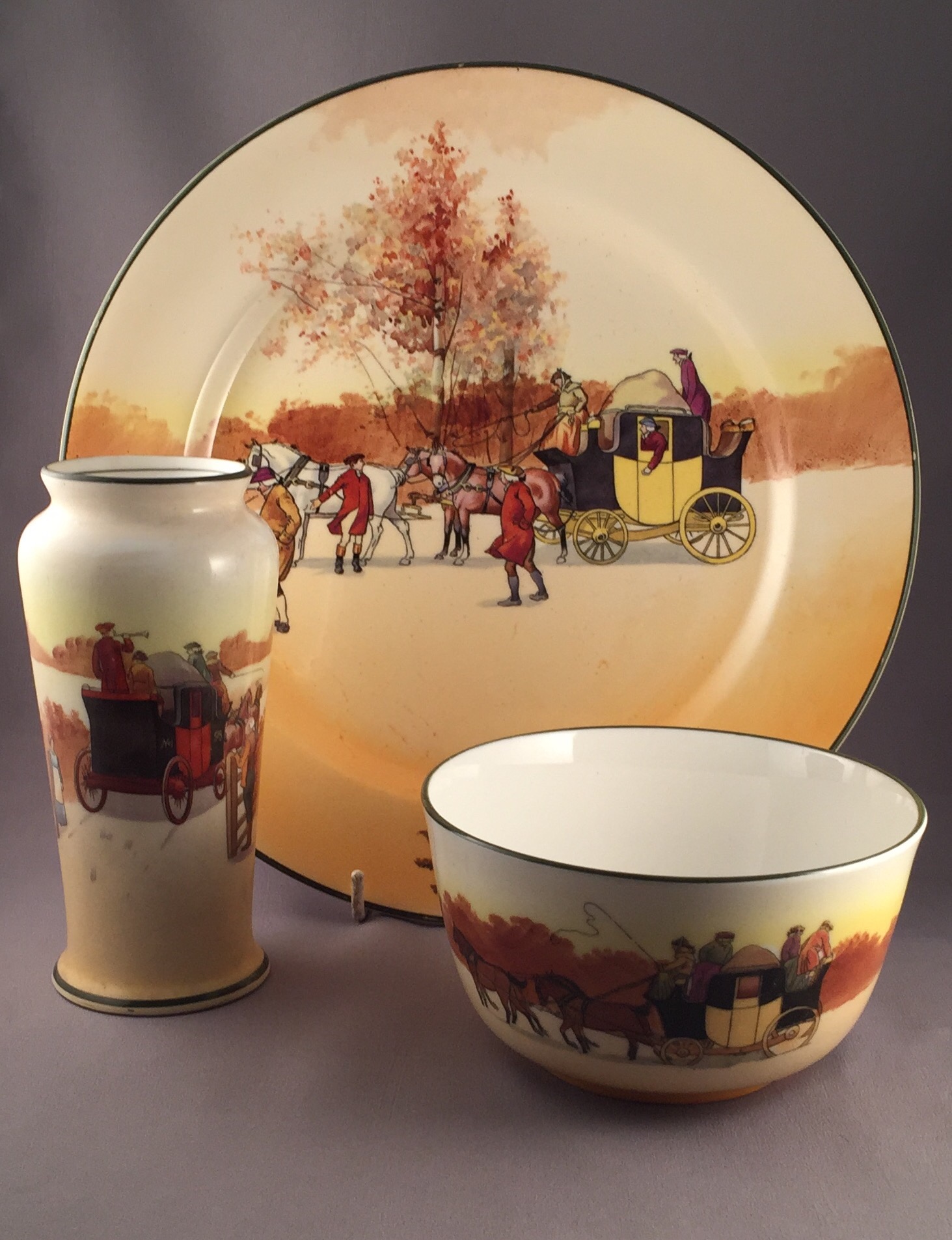
One of Doulton’s most popular seriesware lines remains their Coaching Days series. Introduced in 1905 and finally withdrawn in 1955, examples from this series can be found but earlier shapes and ceramic bodies make certain pieces more sought after! 

  
Earthenware was the typical body but examples can be found on a china body. The series was originally designed by Victor Venner between c.1904-1924, with unknown others contributing designs too. 

  
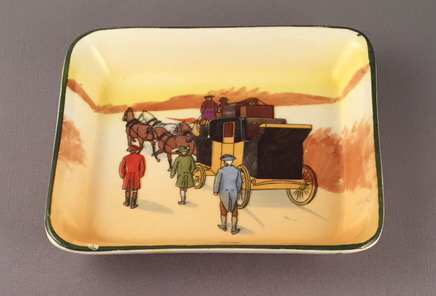
With 20 recorded scenes and a multitude of shapes that the series can be found on, this series provides much scope for collectors to assemble an impressive display. Above is a pin tray from my own collection. 

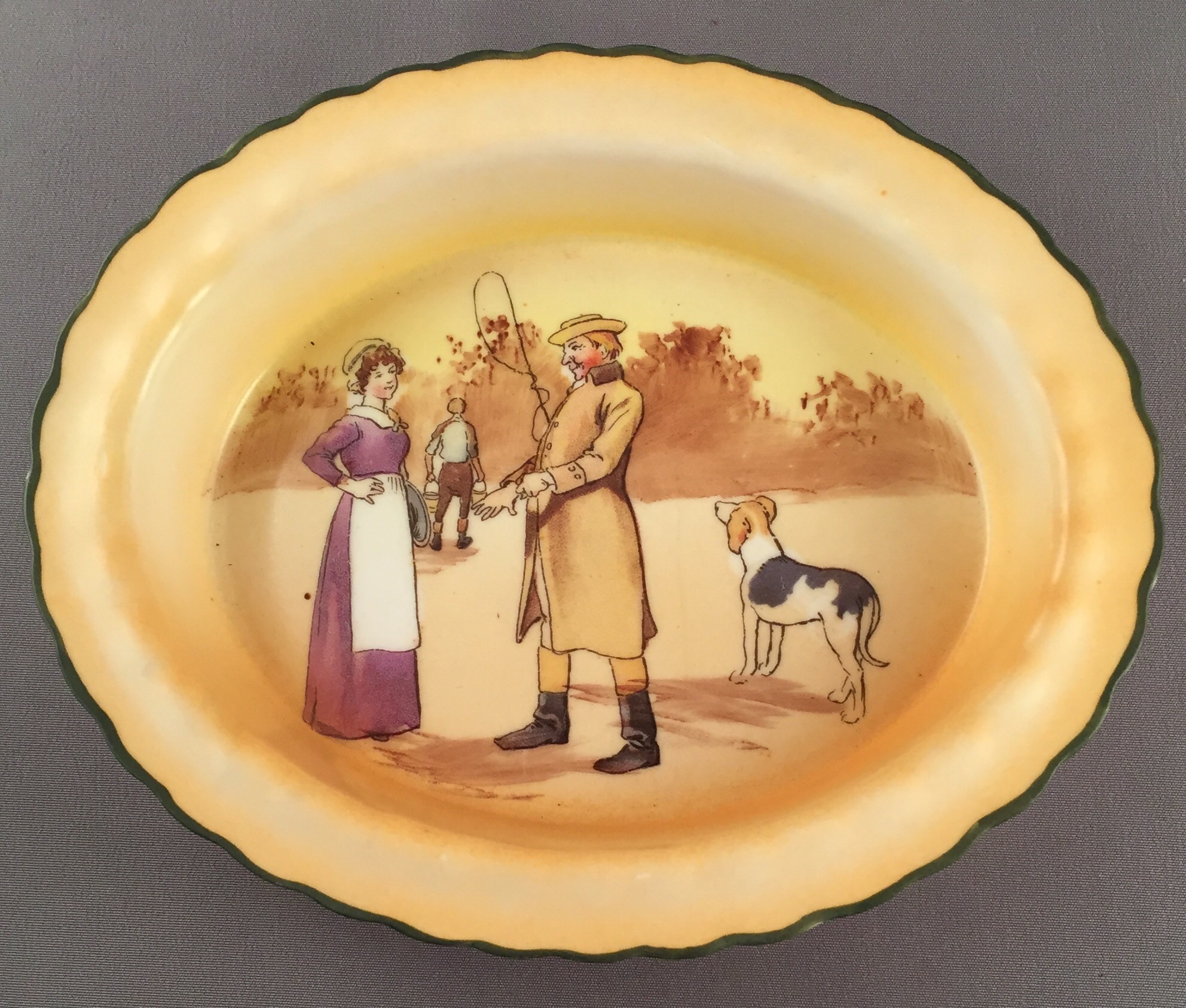
Unusual scenes do turn up such as the one on the small pie crust dish. Labelled as E3804, it is an unusual find and on china too, hence the E number.  


Examples of Coaching Days are easily confused with both ‘Royal Mail’ and ‘Hunting John Peel’ scenes and do display well together! 

Collecting Royal Doulton child studies.

When we think of Doulton many think immediately of pretty ladies and young girls in crinolines, yet here is another collecting theme although generally much harder to track down.  

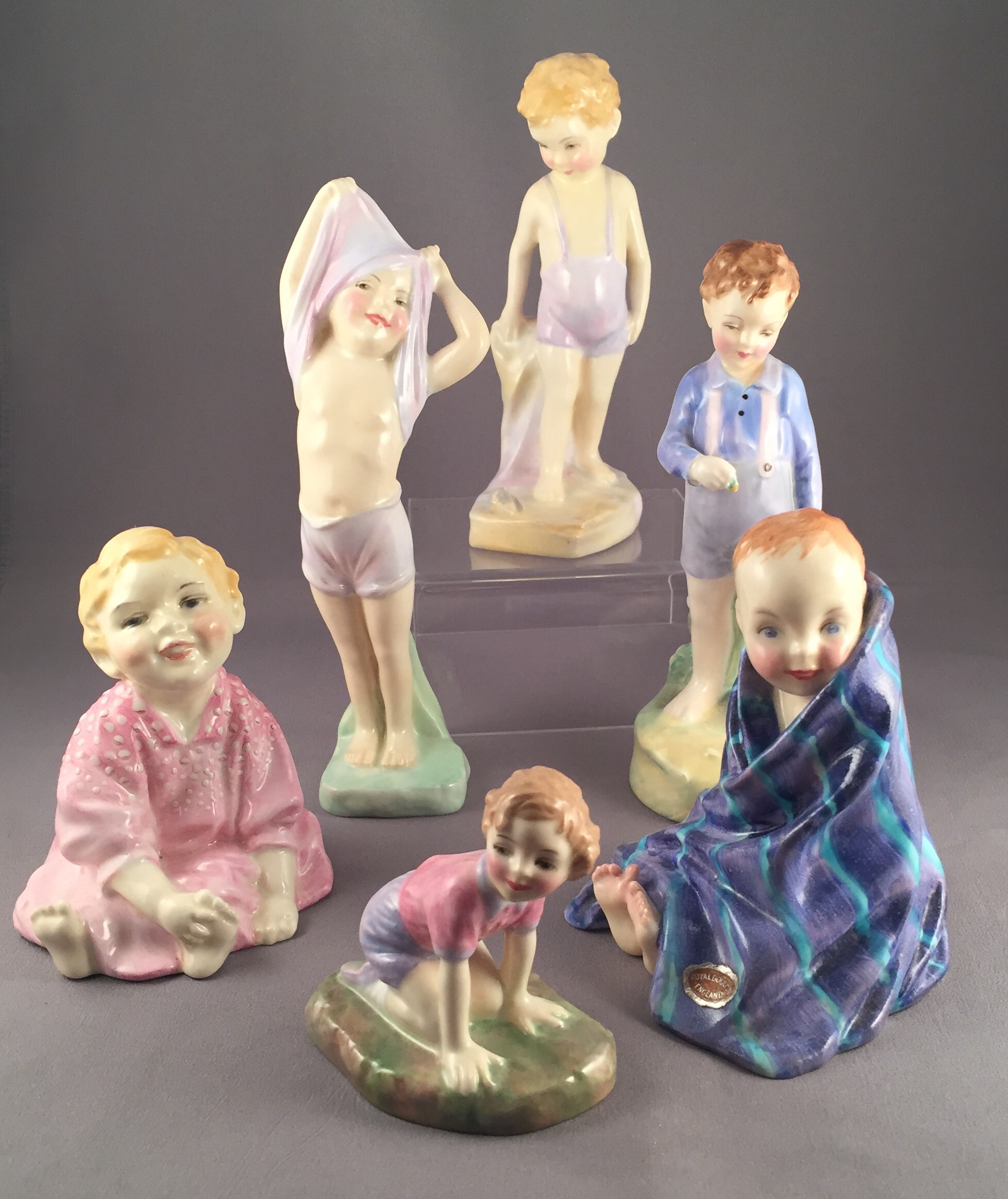
These studies of boys by Doulton were the work of Leslie Harradine and date to the late 1920’s through to the 1950’s. Although there are only a handful of male figures, if you have the patience to track them down they make a complimentary display to their female counterparts! 

  
The popularity of child studies has long been a favoured collecting field for Doulton enthusiasts, once again bourne out by the enduring popularity of HN1 Darling – a Charles  Vyse study of a boy in his nightgown modelled after his Chelsea original and introduced in his original size in 1913. 

Collecting Doulton leatherware and blackjacks!

  
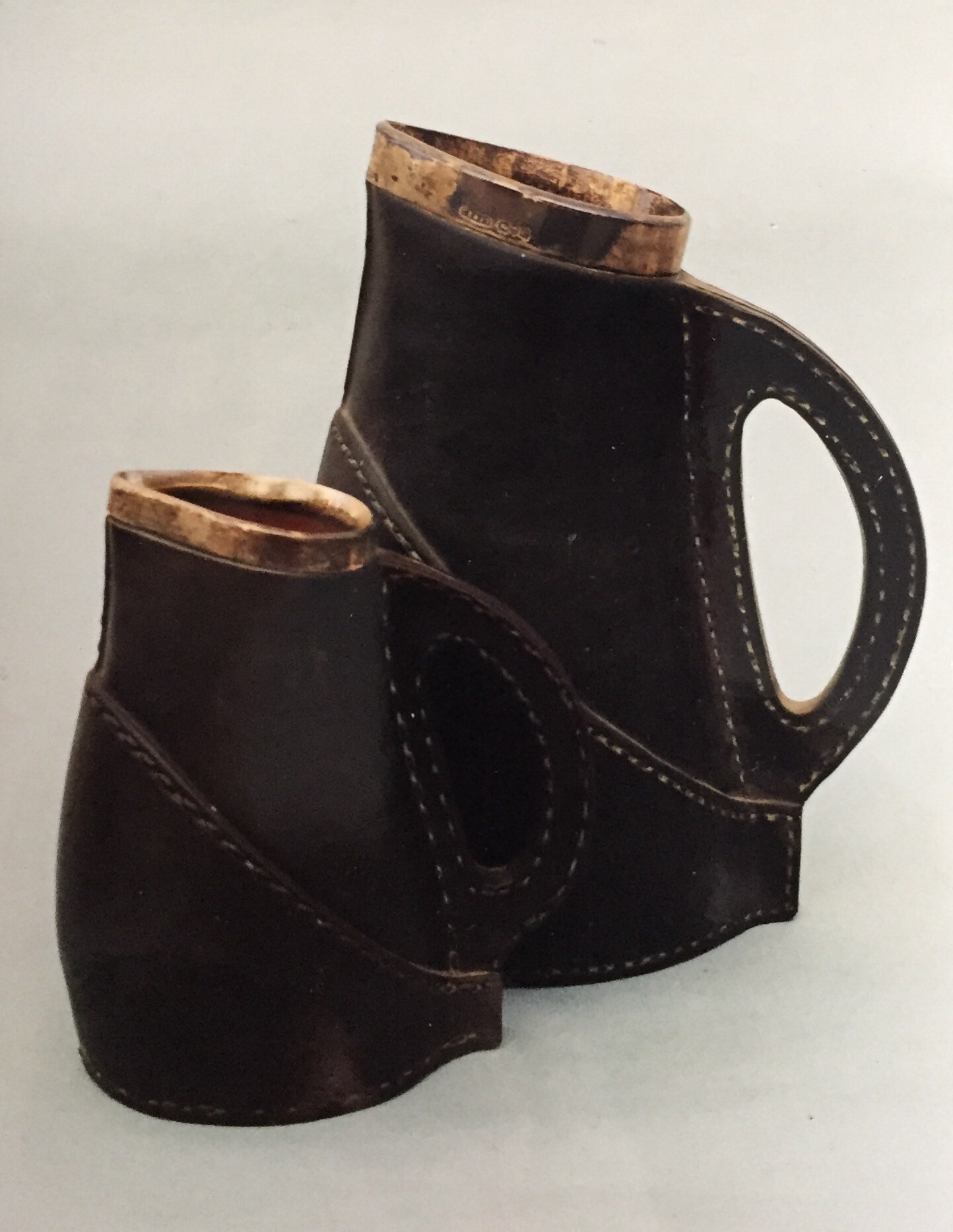
Two blackjacks with silver collars dating them to 1891 and 1900.

These simulated blackjacks and other items date from 1887-c. 1914 and are realistic to the eye with stitching and also the imitation of various types of leather. 

  
Leatherware motto jugs and drinking cups.

These wares, typically jugs, can be found with applied mottos again in imitation stitching and were considered to be of sufficient quality to be produced with silver mounts too. 

  
Rare copper and leatherware jug.

Rarely examples of Leatherware and Copperware have been found used together, the two colours making a striking contrast.

  
Unusual nursery jug with elaborate silver collar from 1905.

Novelty items can also be found including a match holder and this children’s mug featuring the rhyme ‘Tom, Tom the piper’s son’. 


The sculptor Raoh Schorr’s work for Royal Doulton. 

  
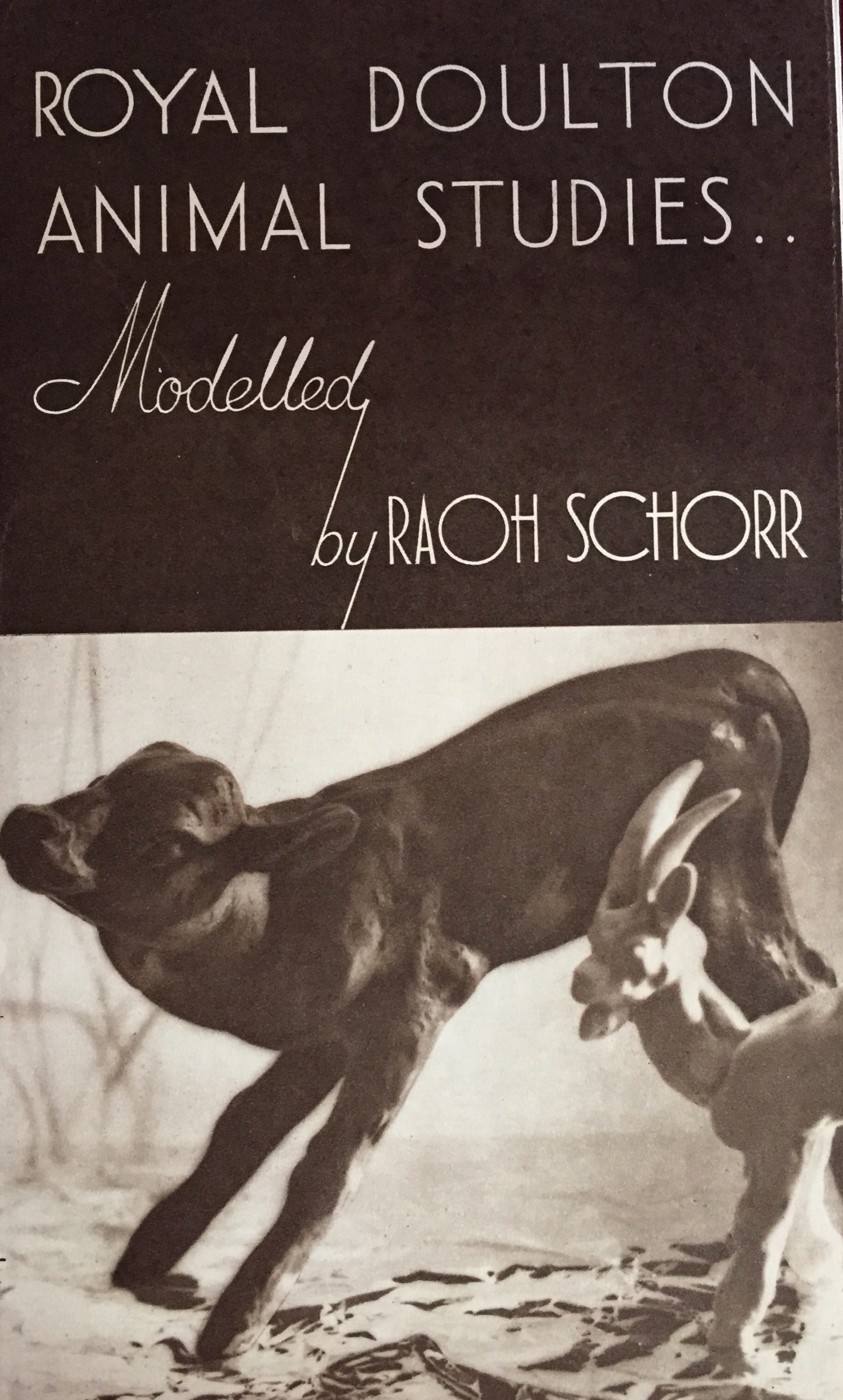
Catalogue cover from 1937.

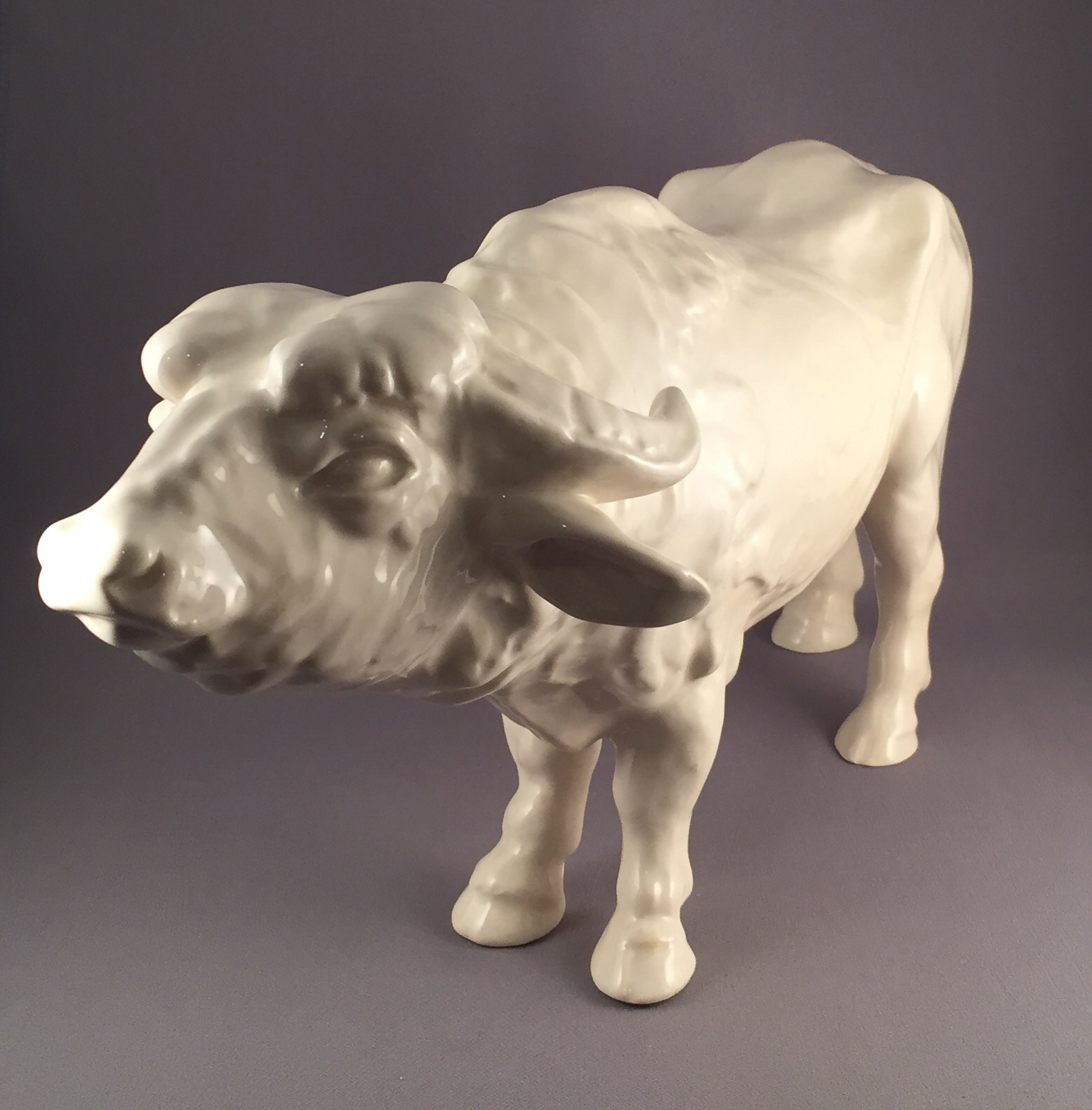
Schorr was a renowned animal sculptor and Doulton always keen to be ahead of the game, commissioned him to produce a range of Art Sculptures for Royal Doulton in 1936. This series of animals are all rare today and the ones that typically turn up tend to be the more sentimental models such as the Sleeping Calf or Moufflon Lying. There were two size groups produced, a small size ranging from 2-6” and a large size of c. 11”. 

  
Large size Buffalo.

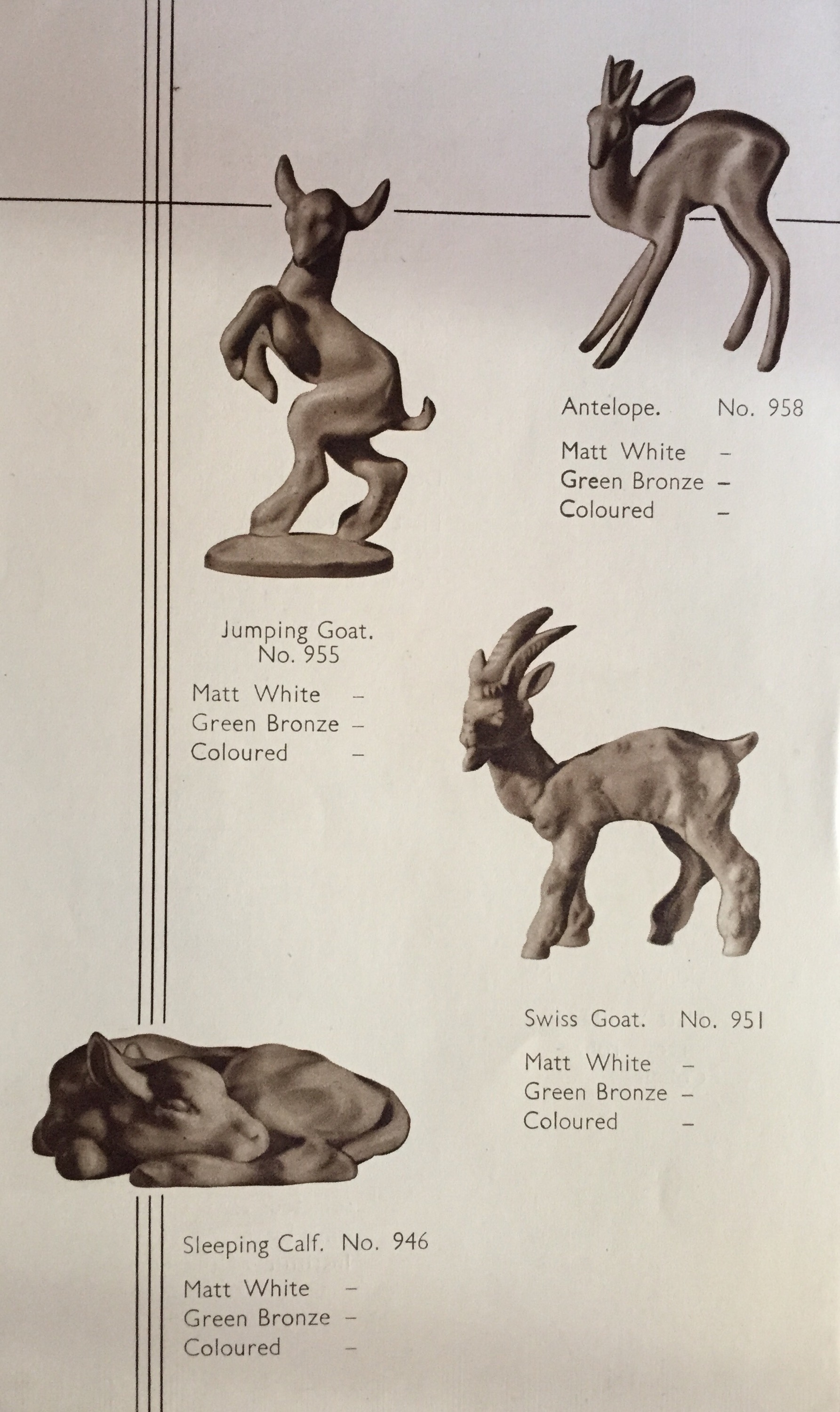
The majority of models were small and it is these which turn up occasionally. Schorr’s models were available in naturalistic colouring, white matt or a green bronze, although I have read that they were also available in black basalt. I have seen only two examples of the large animals, the fox HN1130 both of which painted naturalistically and only once have I seen the large Asiatic Elephant in a green-bronze glaze. Desmond Eyles wrote in The Doulton Burslem Wares that the range “although highly regarded by art critics they did not meet with much public response” and they were swiftly withdrawn, he says in the war years, but I have only seen animals with impressed dates before 1939.

  
Catalogue page illustrating the three finishes available. 

Doulton’s “Royle’s Patent” wares.

  
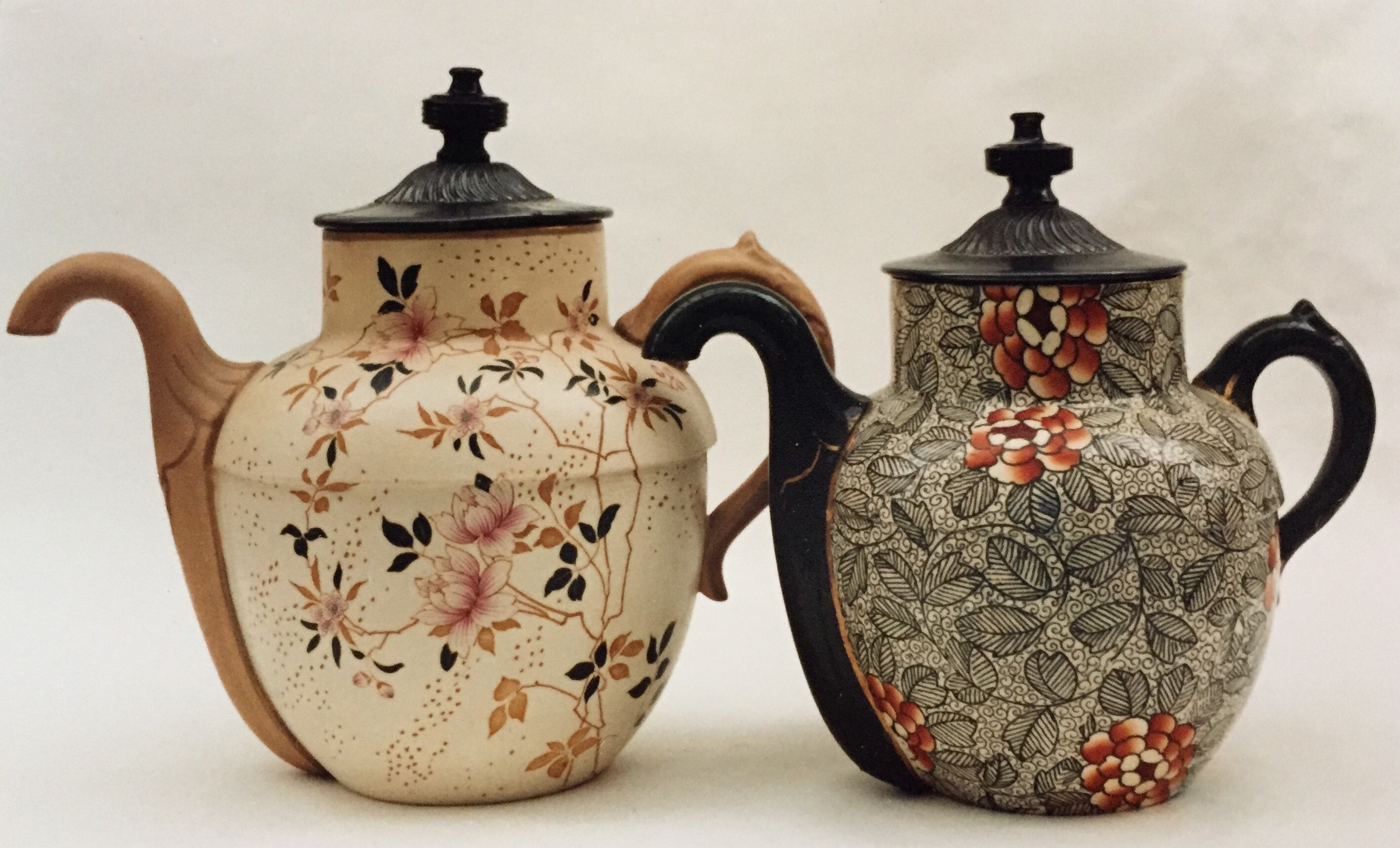
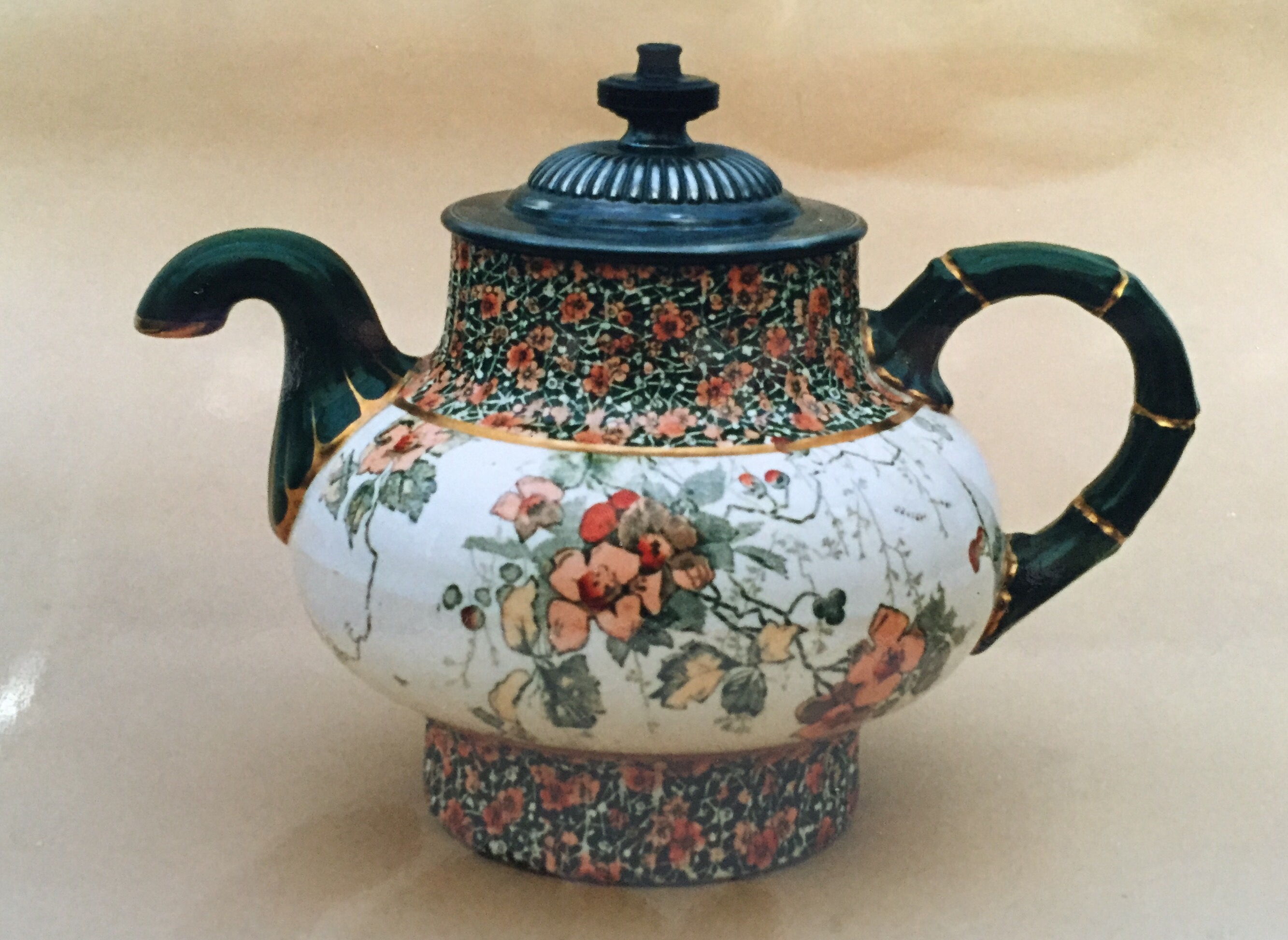
The inventor J. J. Royal developed a handful of patents in the late 19th Century and there are three known Doulton versions of these. 

  
Perhaps the most commonly known is the self pouring teapot, which pours tea when the lid is lifted. 

  
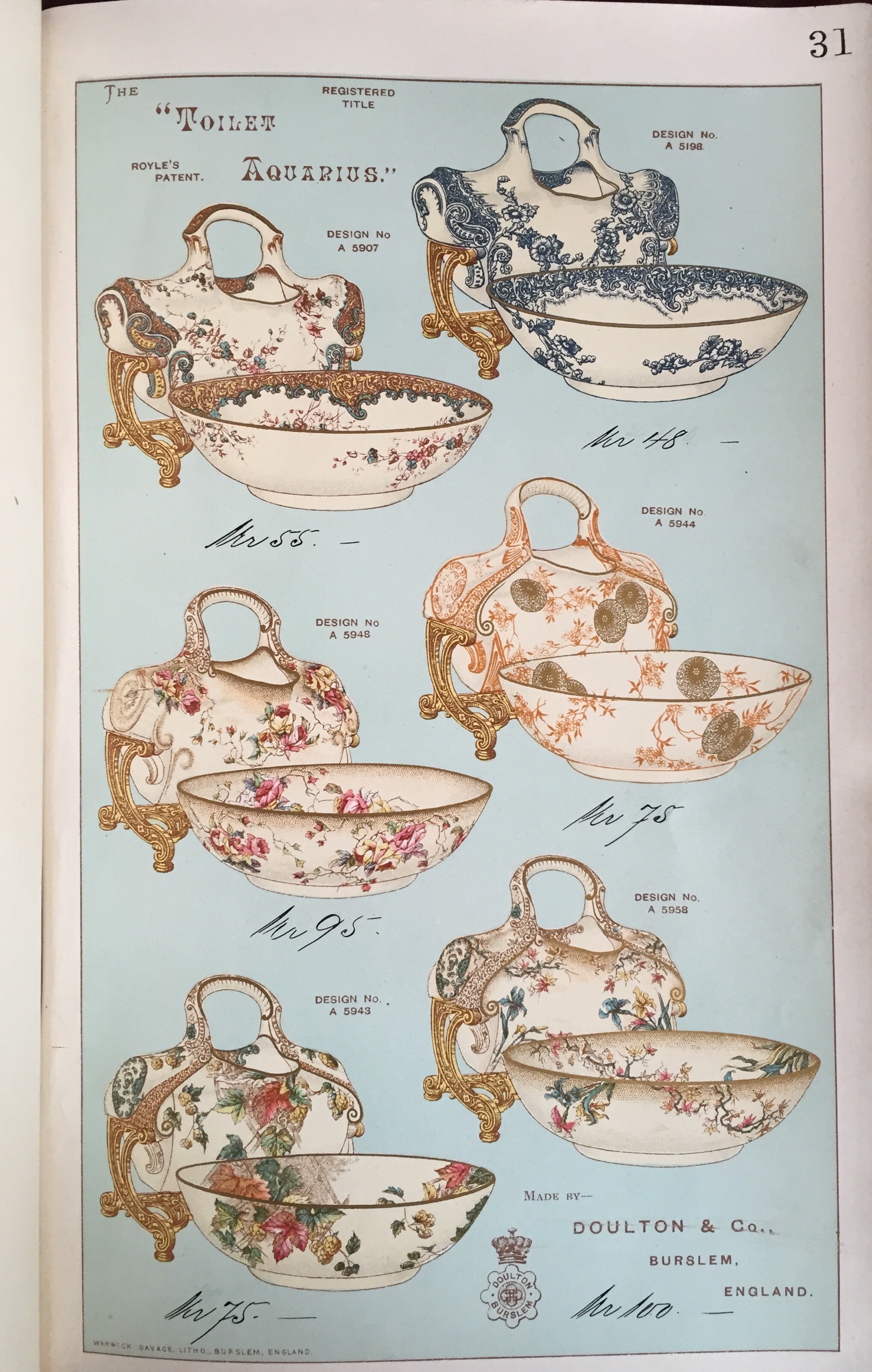
Page from a 1894 catalogue illustrating the toilet aquarius. 

The next is the toilet aquarius which featured a water vessel with lip on a metal stand that would pour water into the basin. 

The final example is a self pouring jug (not illustrated), along the same lines as the tea pots above.

Doulton’s stoneware plaques.

If you are touring the UK this summer, why not try to spot these famous Doulton landmarks? 


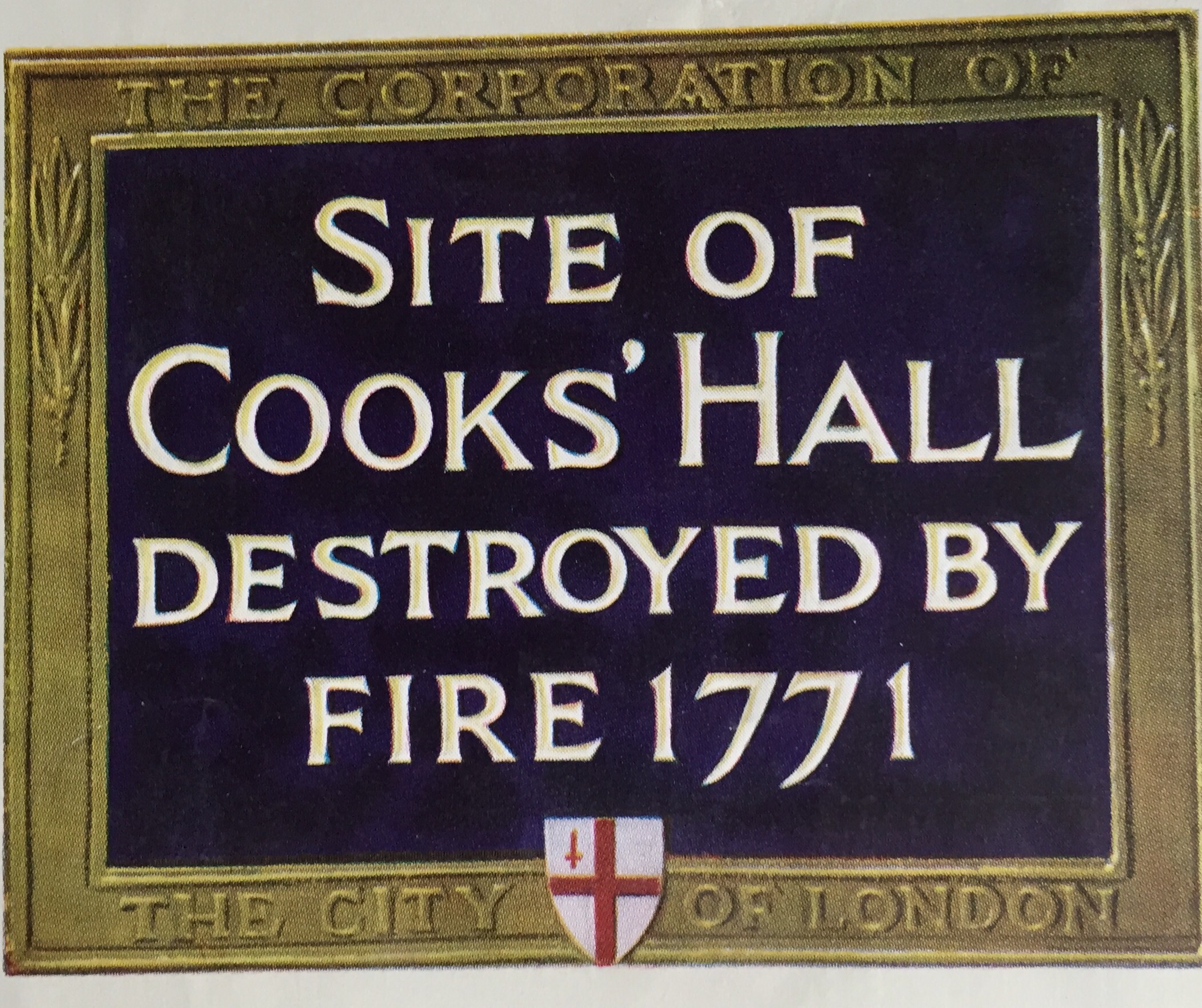
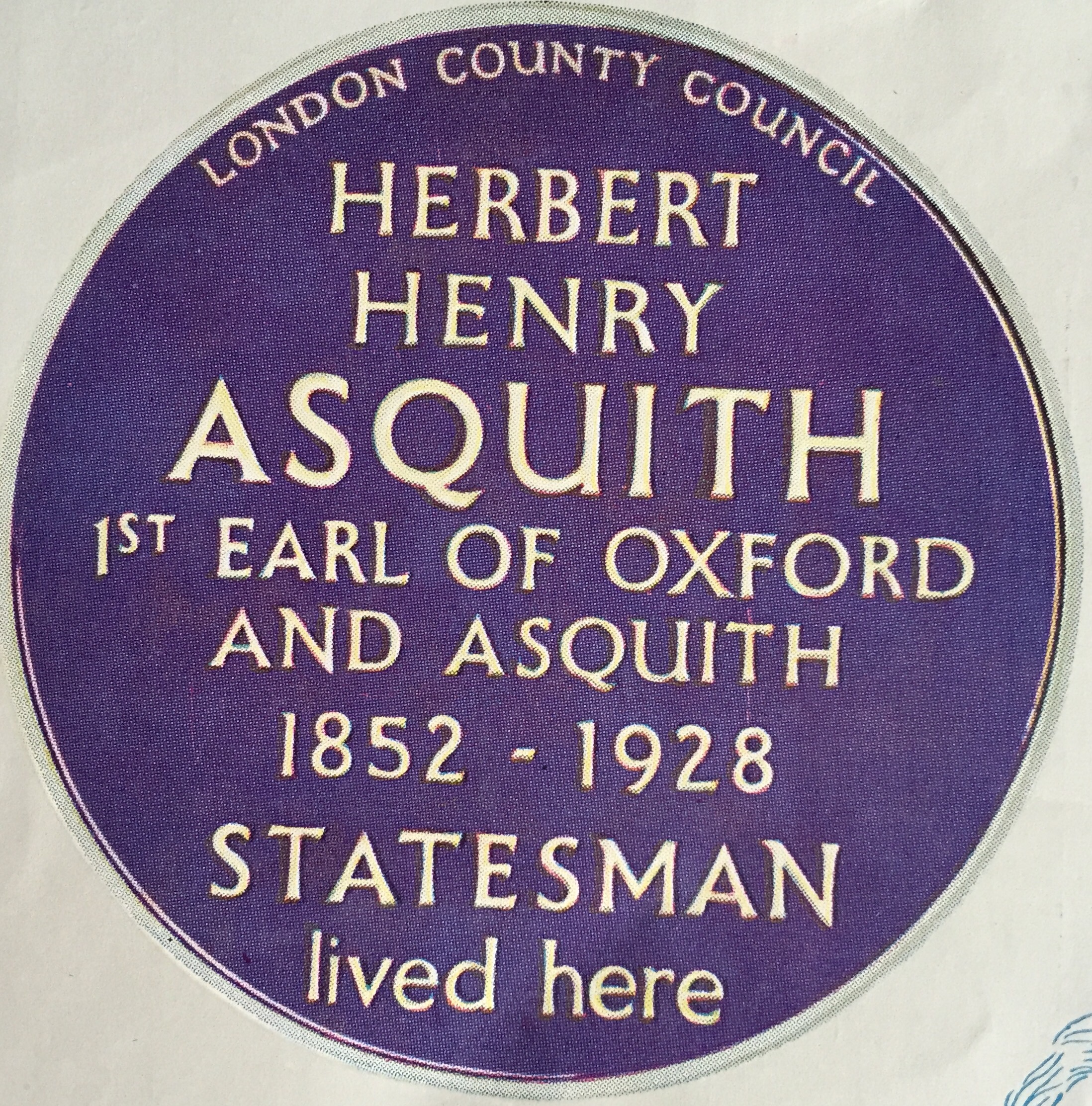
Commemorative or Blue Plaques can be found on many buildings today, a tradition that the Royal Society of Arts inaugurated with the erection of memorial plaques on houses once occupied by celebrities or the sites of famous buildings back in 1867.  


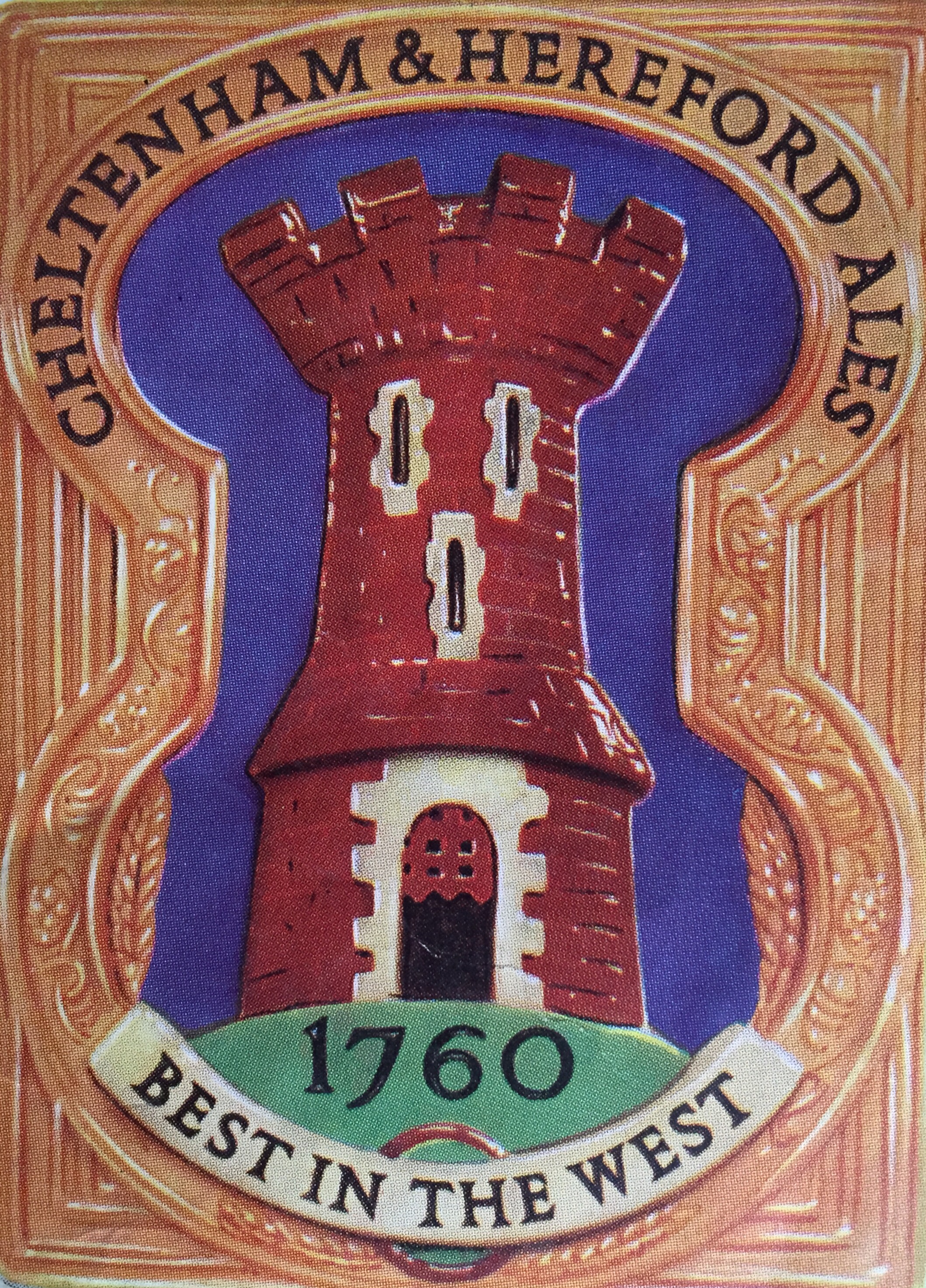
Doulton had a special studio at Lambeth to deal with stoneware plaques and other associated wares including interior and exterior tile panels. Doulton produced stoneware plaques from the 1920’s until the 1950’s commemorating famous people (see below), famous buildings (see above) and also housebrands, including breweries (see the last picture).  


William Rowe designed the lettering for them, with the Blue Roundels as above being produced by Doulton between 1937-55.


Whilst not typical collectors items, these plaques do turn up, especially the brewery related ones. Those attending Bonhams’ last sale will have noticed 4 examples of the rectangular City of London plaques commemorating historical buildings up for sale. 

Collecting Doulton Cottage Pastille Burners.


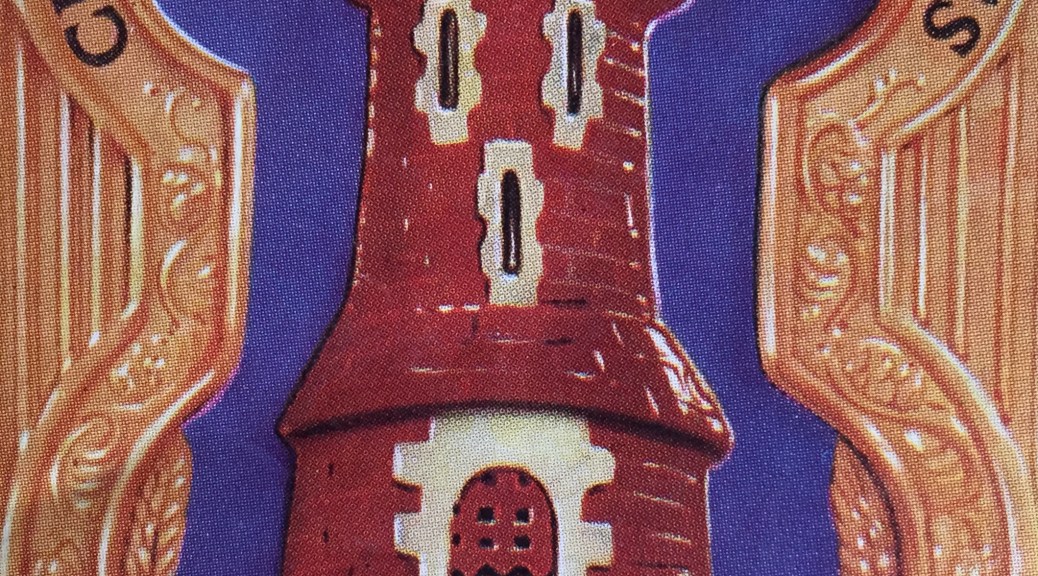
In the 1920’s and early 1930’s there were a handful of cottages produced at Burslem as pastille burners. Examples of these are rare today and whilst we can imagine their use, I have also seen an example mounted as a lamp from the 1930’s with a bulb inside the cottage as well as one above it creating a sentimental image of a typical English cottage. Other cottages include a Tudor style house and a low cottage. A very rare and limited range to collect. 


(Photograph courtesy of Seaway China)