A little inspiration to collect Doulton’s famous Victorian Lady figure! With over 15 known versions to collect and an unknown number of unrecorded colourways! Get collecting now!
Video link:
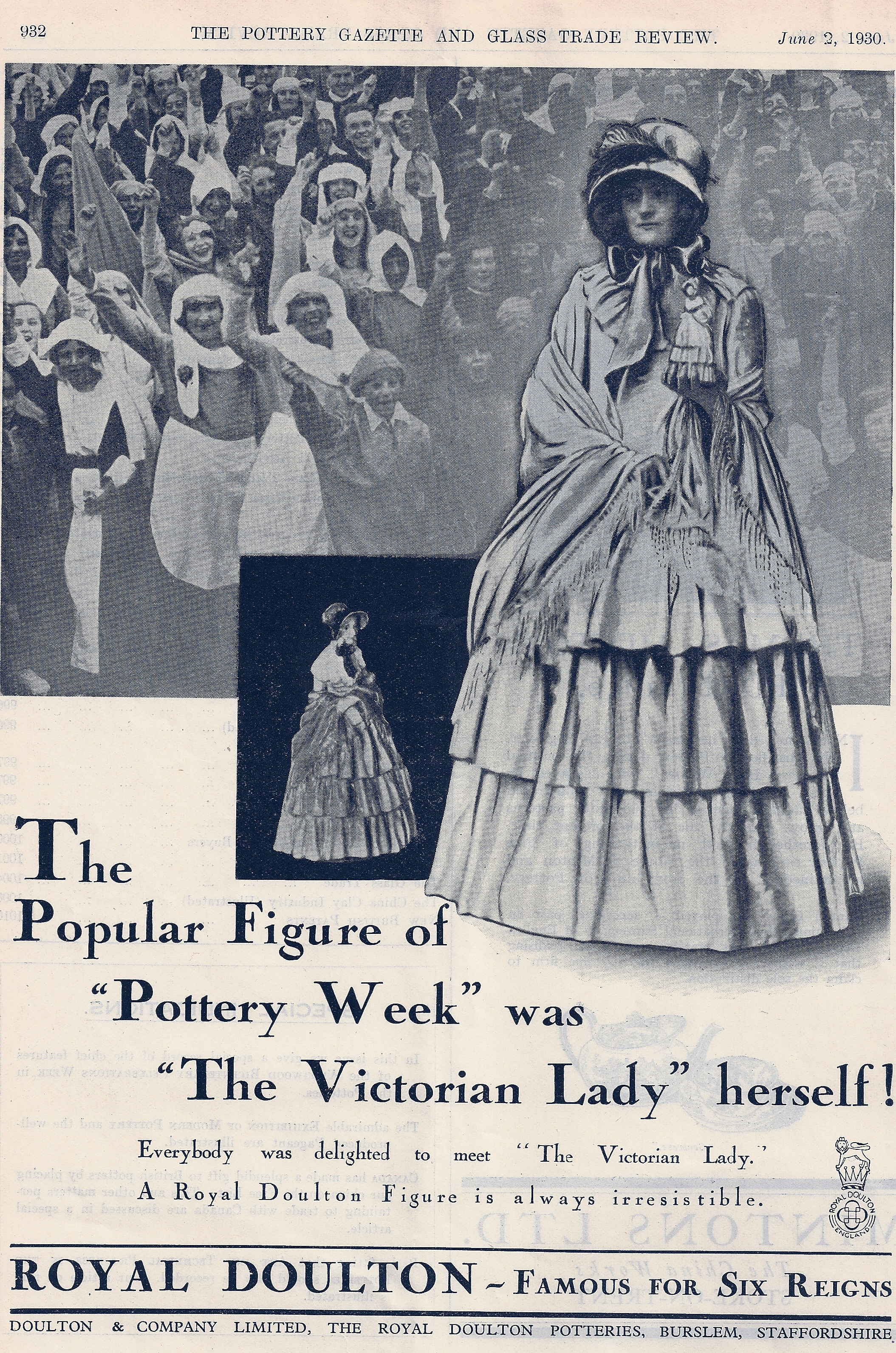
A little inspiration to collect Doulton’s famous Victorian Lady figure! With over 15 known versions to collect and an unknown number of unrecorded colourways! Get collecting now!
Video link:
Follow this link for a sample of pages and a brief explanation of the book!
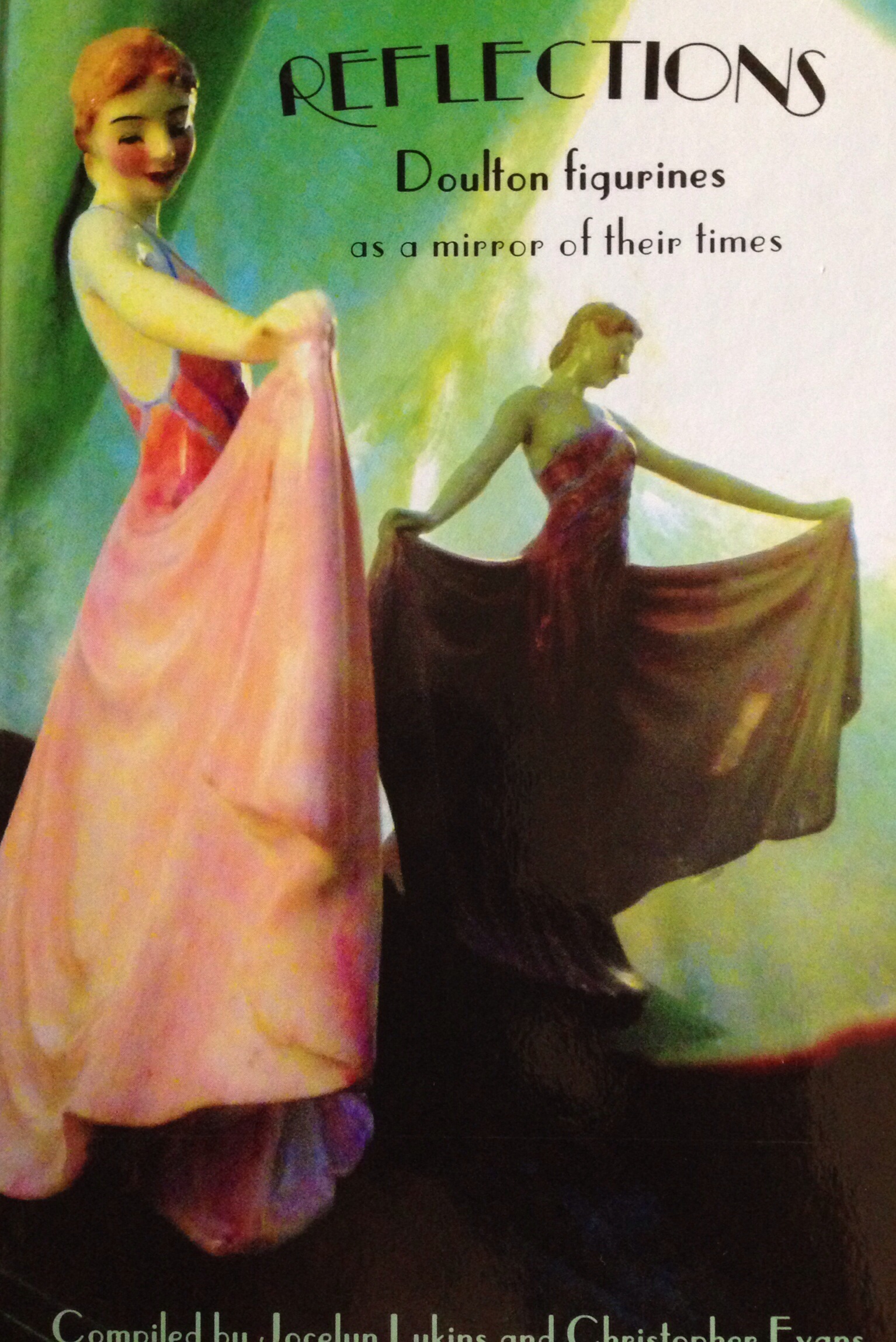
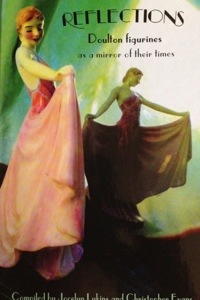
In our book Reflections – Doulton figures as a reflection of their times, Jocelyn and I cover many inspirations behind some of the most famous of Doulton’s figures in the HN collection. Unfortunately space wasn’t on our side, so I can reveal here some of the illustrations we couldn’t include back then!
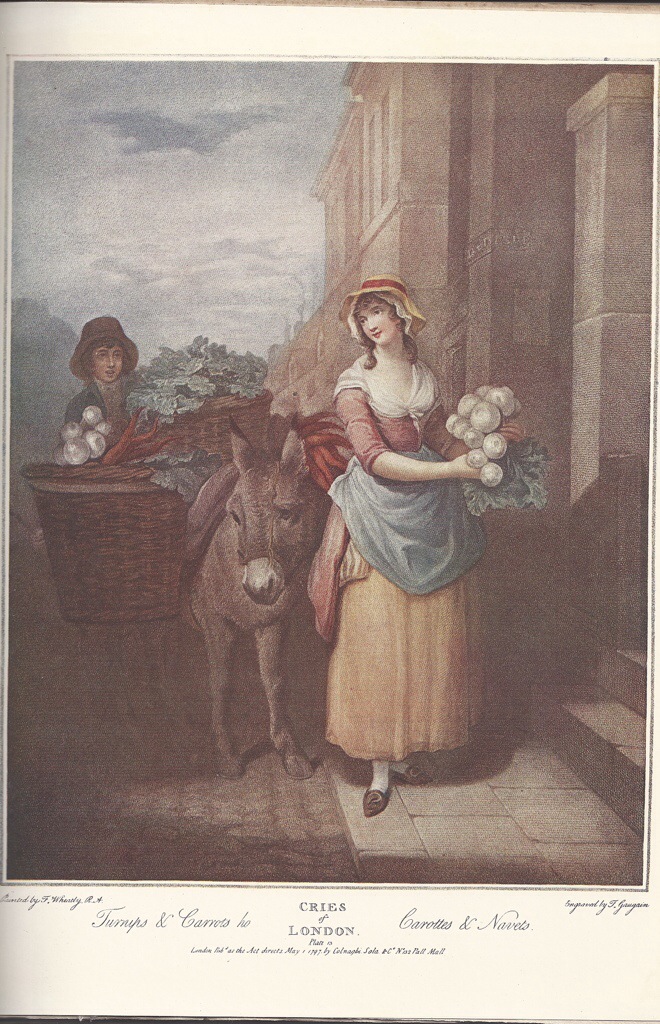
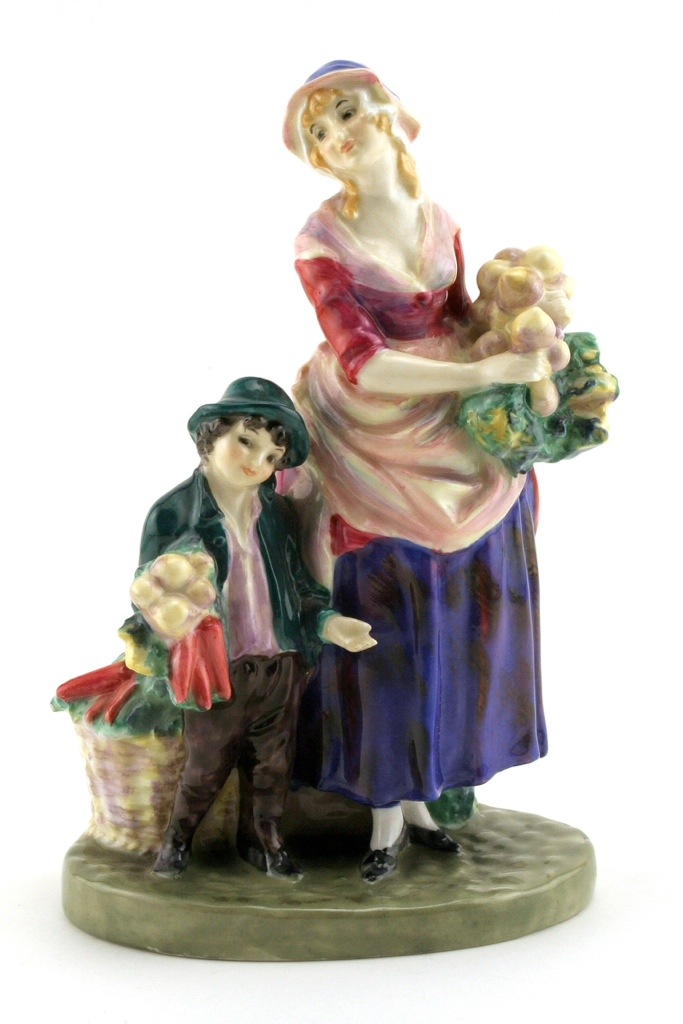
Here is one of Wheatley’s London Cries pictures together with its Doulton counterpart!
Part II : 1900-1929
1900 Cuthert Bailey, a Chemist joined Doulton & Co.
Ivory Body introduced
Hyperion and Morrisian wares introduced
1901 Gibson Girl designs introduced
1902 Lion and Crown Backstamp used for Royal Doulton
1904 Flambé – experimental wares begun
1905 Mandarin and Crested wares introduced, together with Christmas miniatures
1906 Seriesware introduced
1907 Crystalline introduced
1908 Flambé aninals first seen and Dickensware introduced
1911 First attempts at a new figure range begun
1913 Famous visit to Burslem by King George and Queen Mary to Doulton at Nile St.
HN Figures and animals launched
1914 John Slater Art Director at Burselm retires. Charles J. Noke takes up the reins
1915 Titanian wares introduced
1916 Reco Capey lustre and flambé designs introduced
1919 John Slater purchases the Slater Collection
1920 Barbotine, Chinese Jade and Sung launched
1924 Shagreen and Maori wares introduced
1925 Chang launched
1929 Classic Doulton figure ‘Old Balloon Seller’ introduced
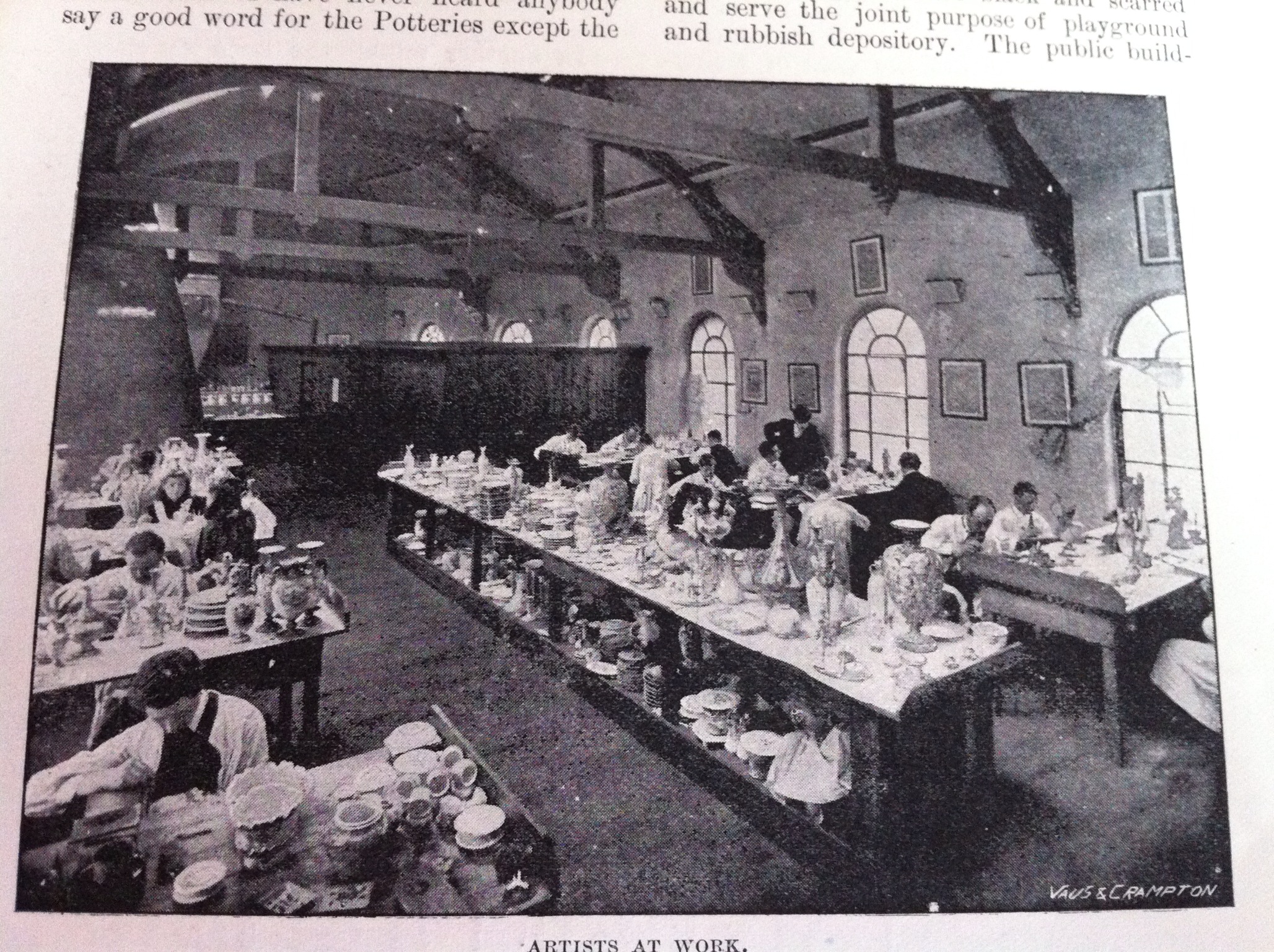
An early view of the Doulton studio ca. 1910
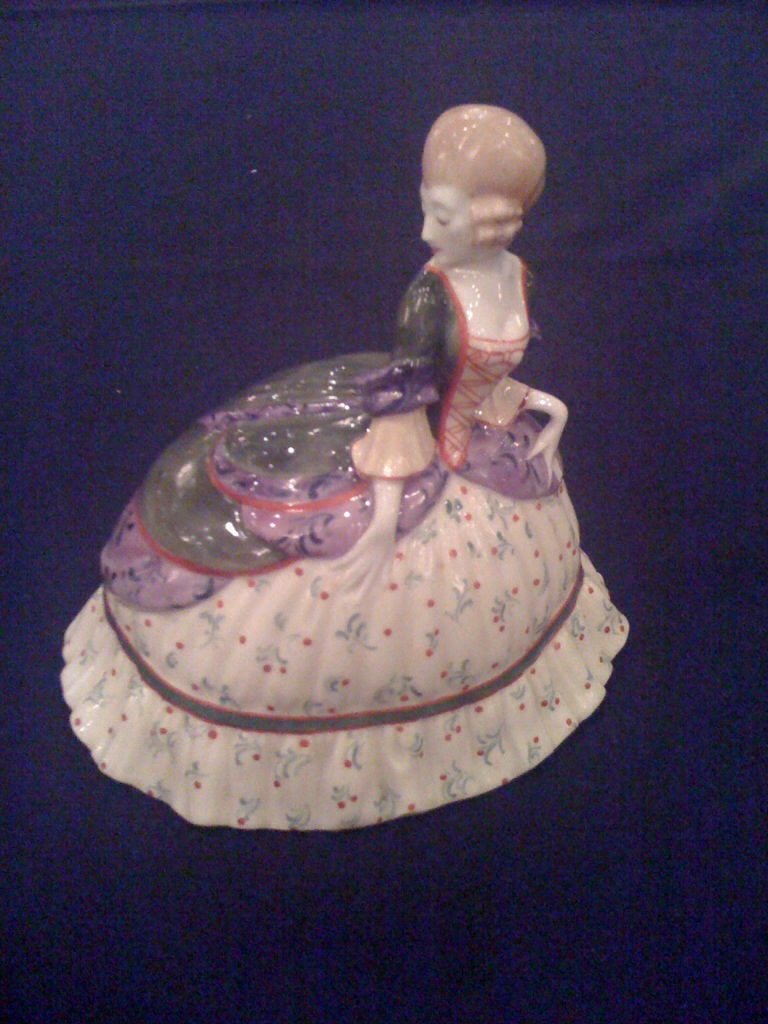
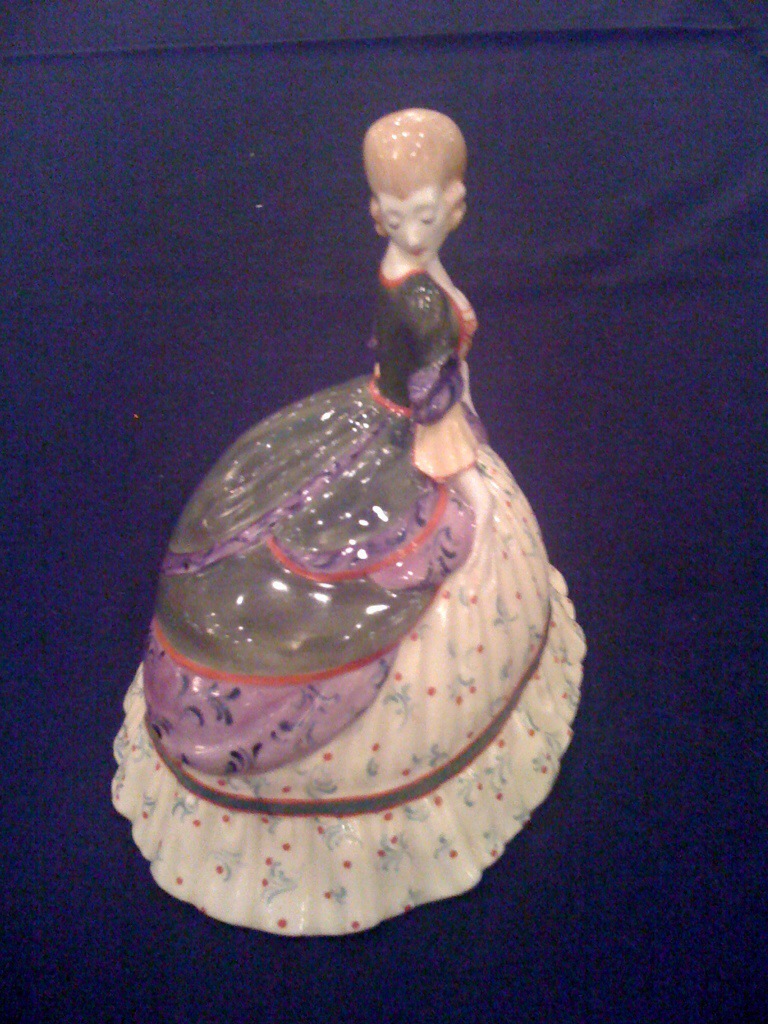
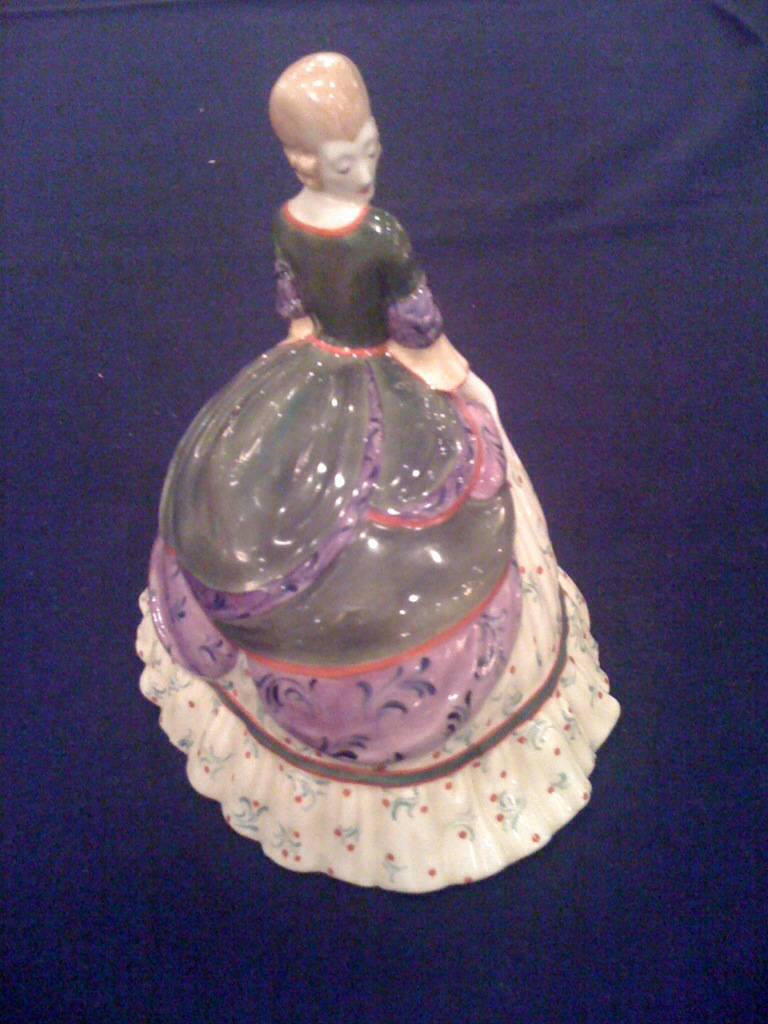
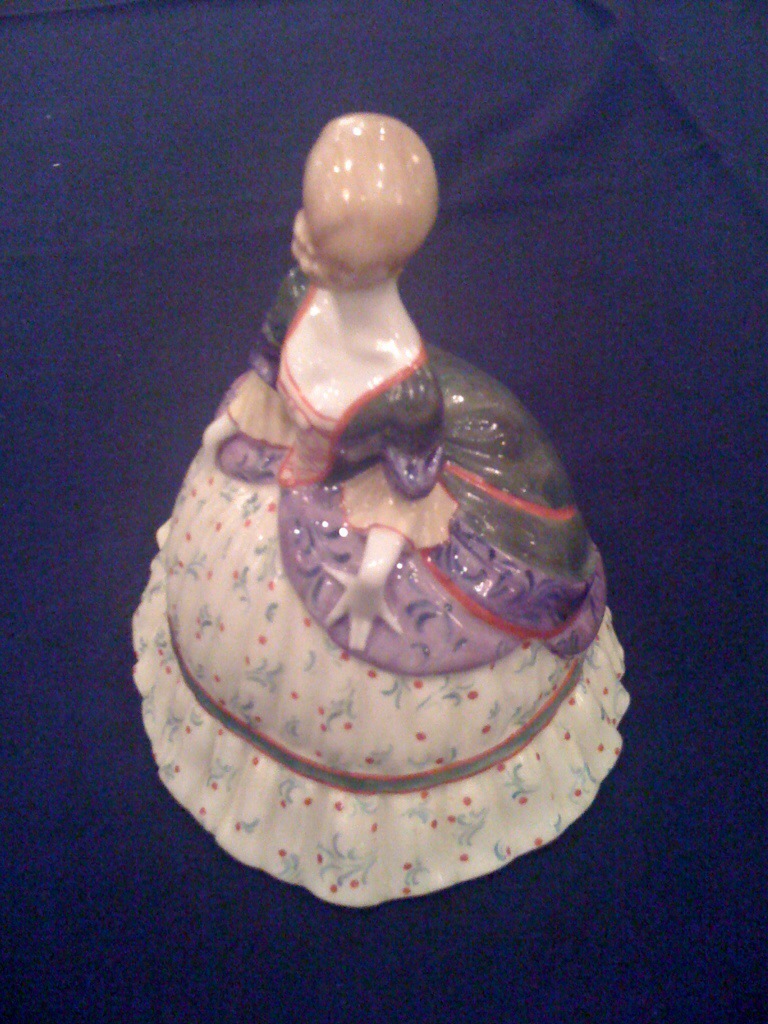
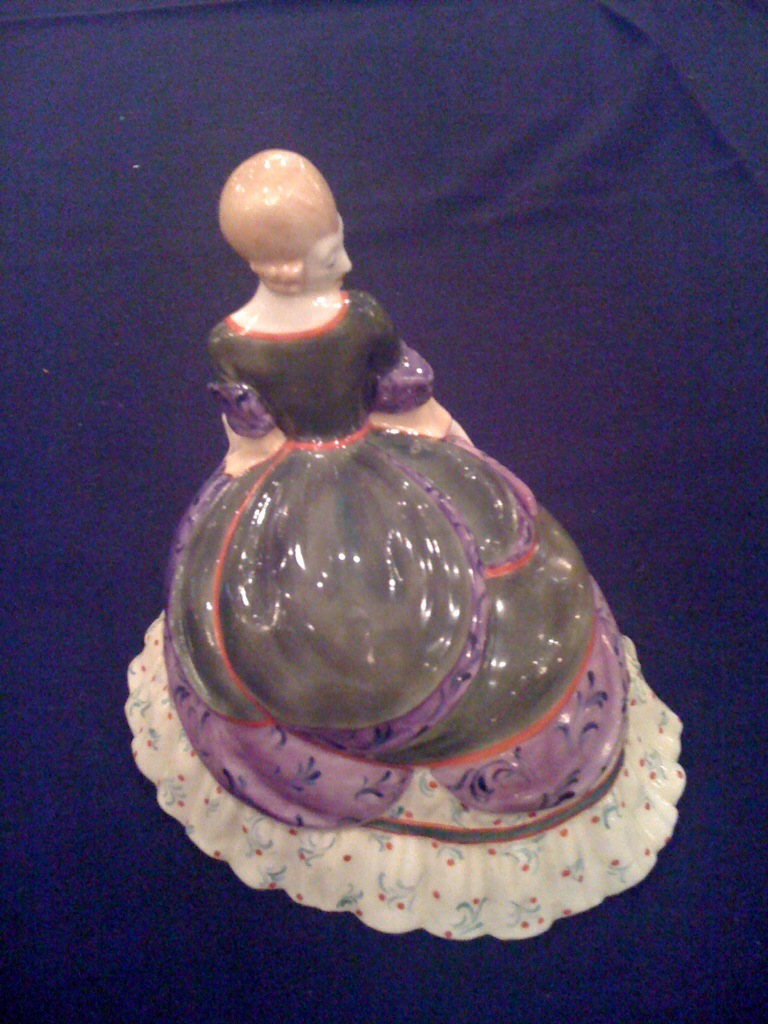
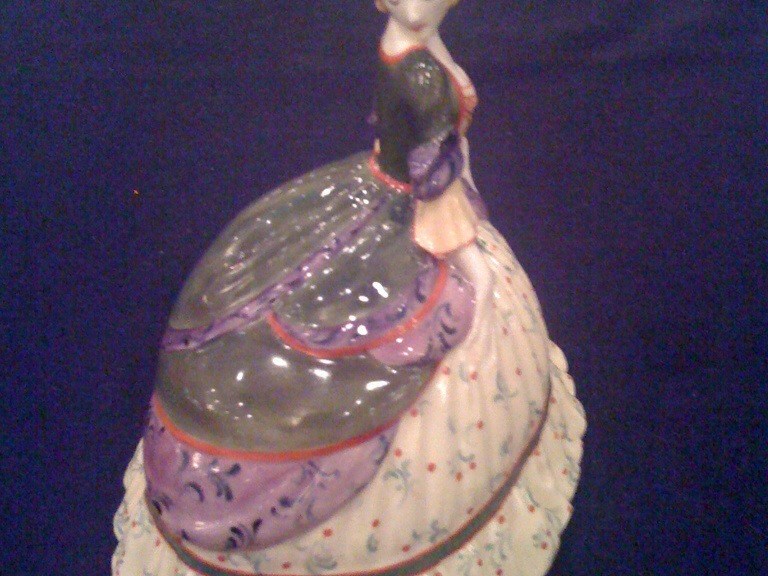
Here are some pictures of an unusual Puff and Powder I once came across from Seaway China. She is decorated in the Bakst style like several of Harradine’s early figures of the 1920’s. Leon Bakst’s designs for the Ballet Russe were distinctive because of the use of contrasting fabrics placed together; something you can clearly see from this figure. Interestingly the piece is taken from a Raphael Tuck picture by Stanislaus Longley, an artist whose work Harradine regularly used as inspiration for figures but who is only credited with inspiring a handful of figures from the mid to late 1930’s rather than the 1920’s.
Here are the pictures to enjoy!
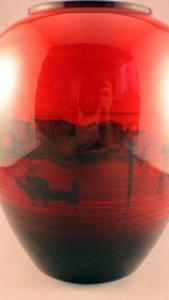
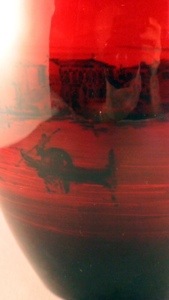
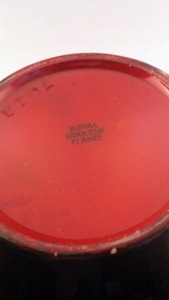
Just a quick post to share some of a Paul Webster Antiques photos. Here is a super 8″ vase hand painted with a Venetian scene ca. 1920. Enjoy!
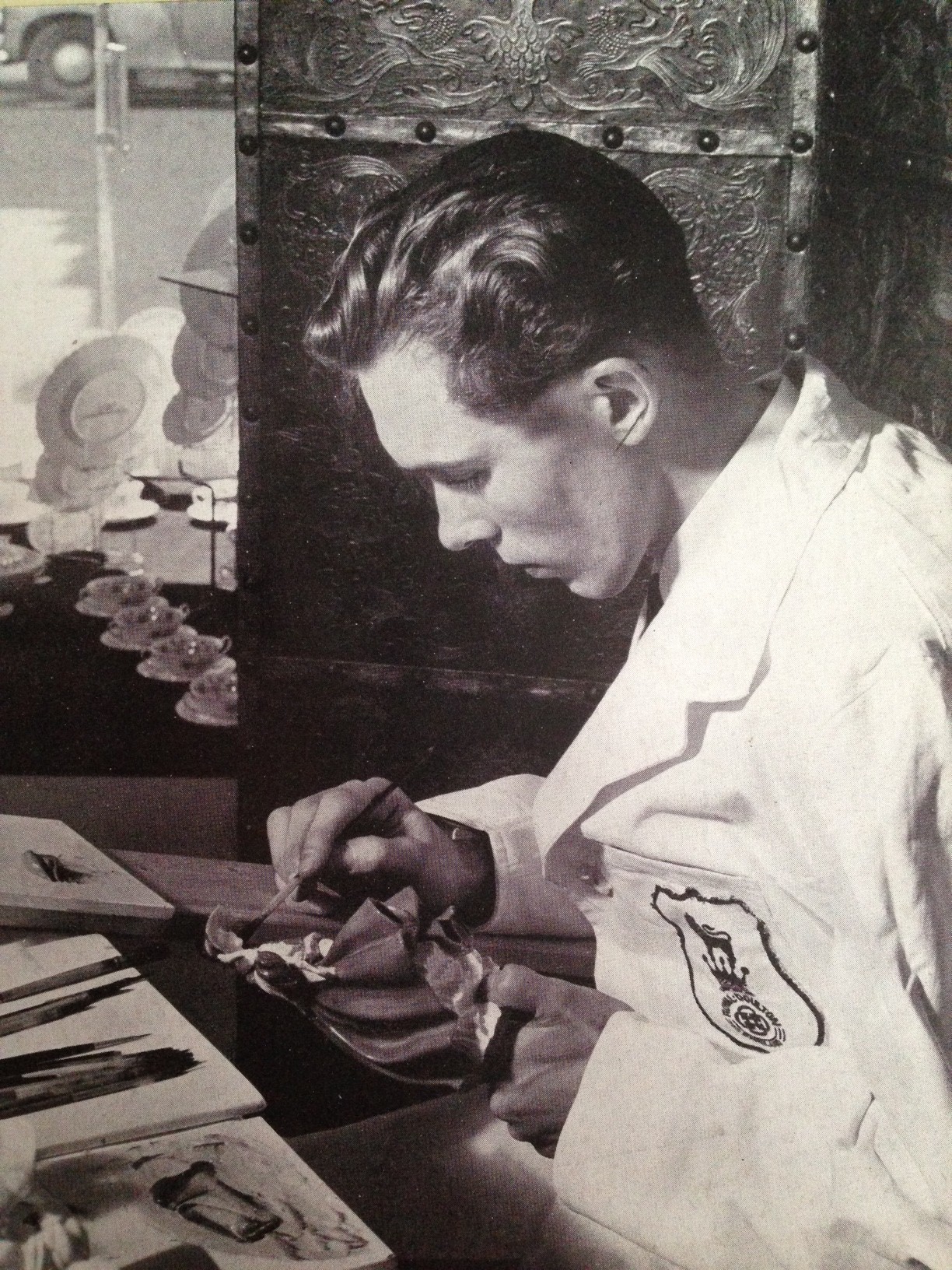
Arthur at work in 1953
Arthur Perrins had a typically long association with Doulton & Co for his genreration; he began in the early 1940’s remaining with them until finally retiring in 1993. He was used to advertise Royal Doulton’s artistry over decades at some of the most prestigious stores in England including at the Doulton store at Harrods in London. Here are some pictures of Arthur at work, including a figure painting demonstration at Harrods in the early 1950’s. He is survived by his widow.
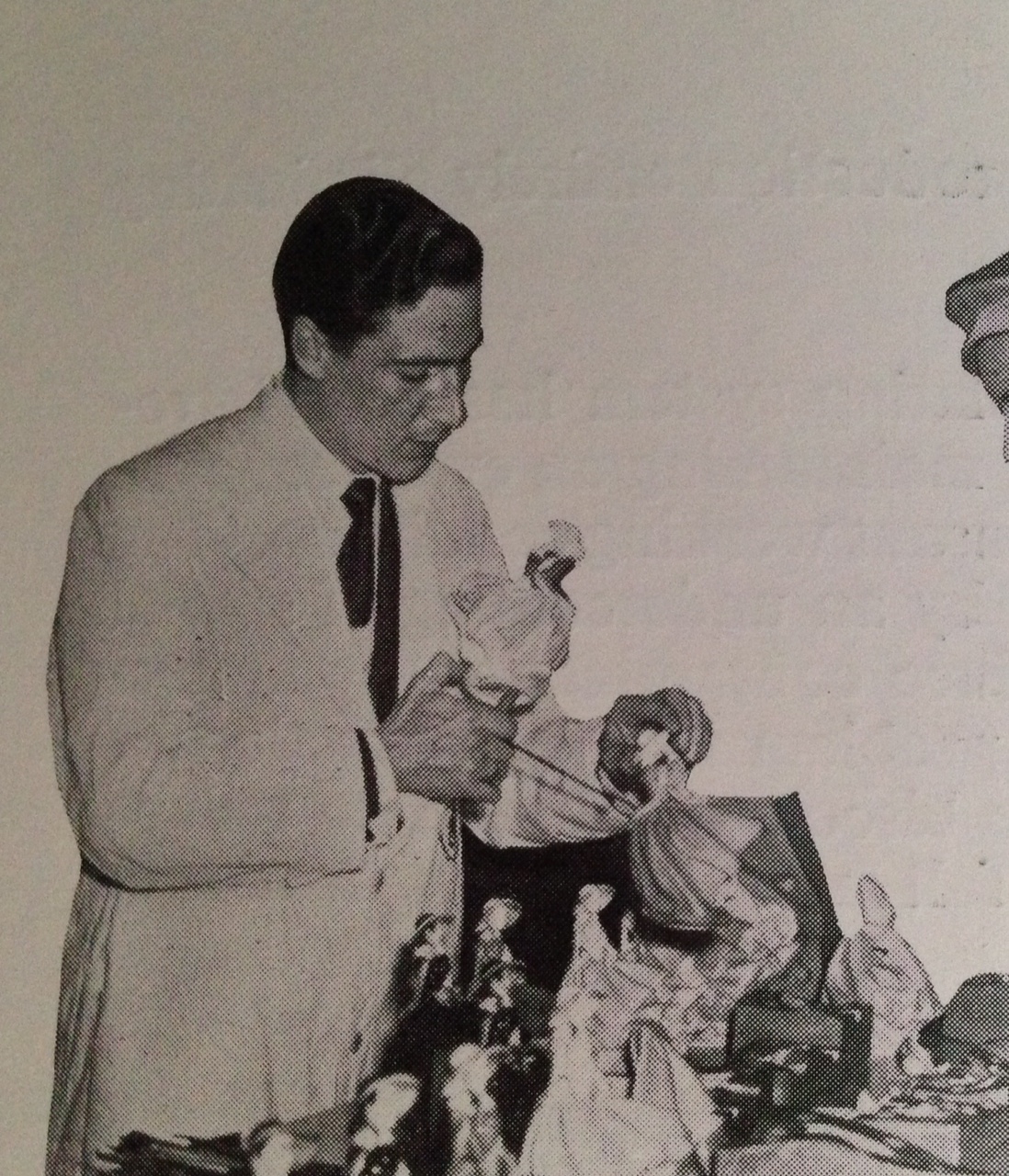
Arthur explaining the process involved in painting a Top o’ the hill ca. 1954
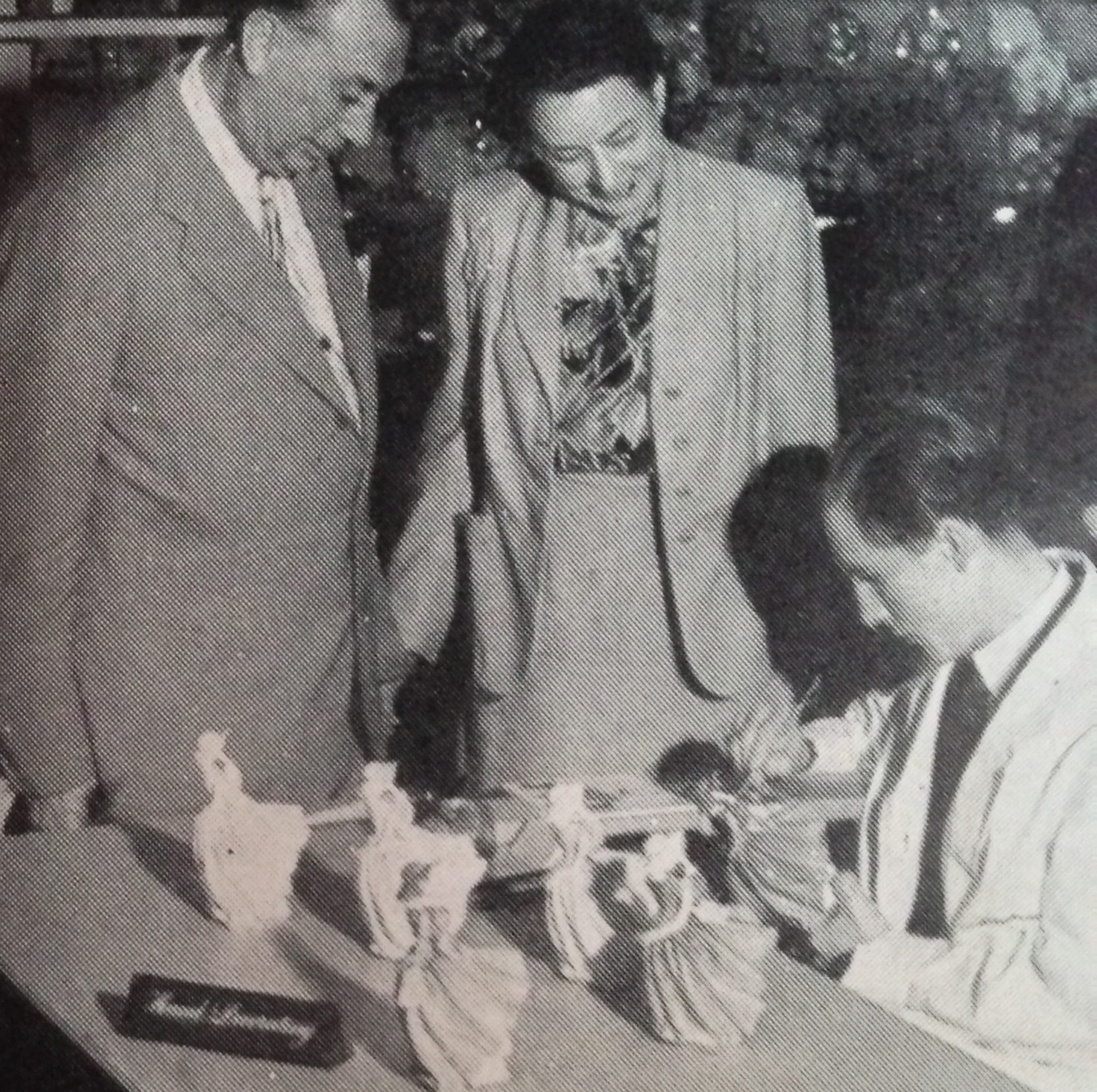
A Harrods display with Arthur demonstrating figure painting, again on a Top o’ the hill
Here is a link to some further pictures of Arthur at work on John Twigg’s excellent site about Doulton artists:
http://www.royaldoultonartists.com/Arthur%20Perrins.htm
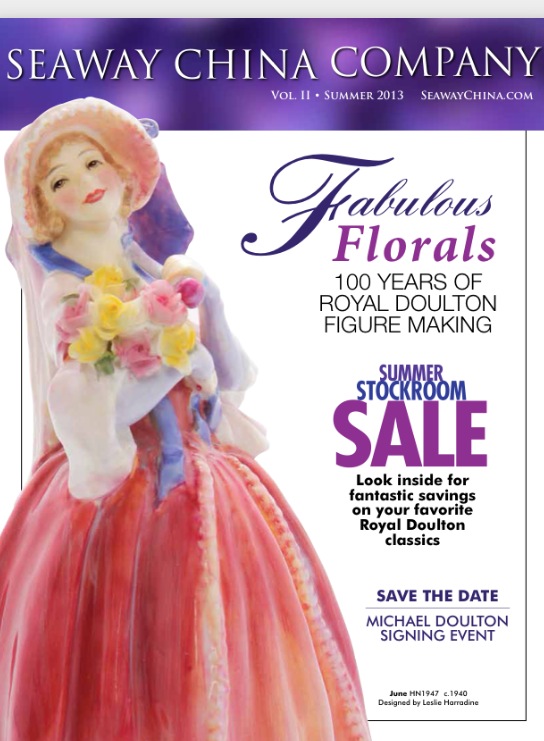
Here is another link, this time to part 2 of my account of the first 100 years of Doulton’s HN collection of figures, published naturally by Seaway China.
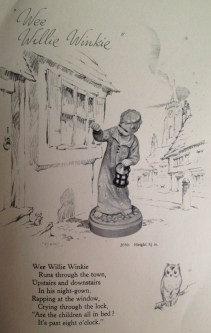
A page from a Doulton leaflet advertising their new Nursery Rhymes series in 1949
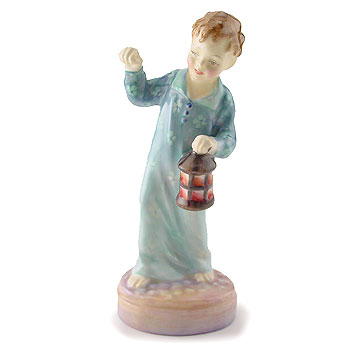
Some of Doulton’s earliest introductions to the HN range are inspired by lines from nursery rhymes. Consider Tittensor’s The Land of Nod HN56 or The Little Land HN63 also by Tittensor. In addition we have the very distinctive child models supplied to Doulton by Perugini in 1916, including Upon her Cheeks she Wept HN59, named after a line from Herrick’s “Upon Electra’s Tears” from the 17th Century.
Some of Doulton’s most popular nursery rhyme figures were created by Leslie Harradine and Peggy Davies. They are of course exquisitely modelled, as we would expect and are testament to the skill of all the Doulton artists involved in their production.
Here are some extracts from the same Doulton leaflet from 1949 advertising this new range of figures.
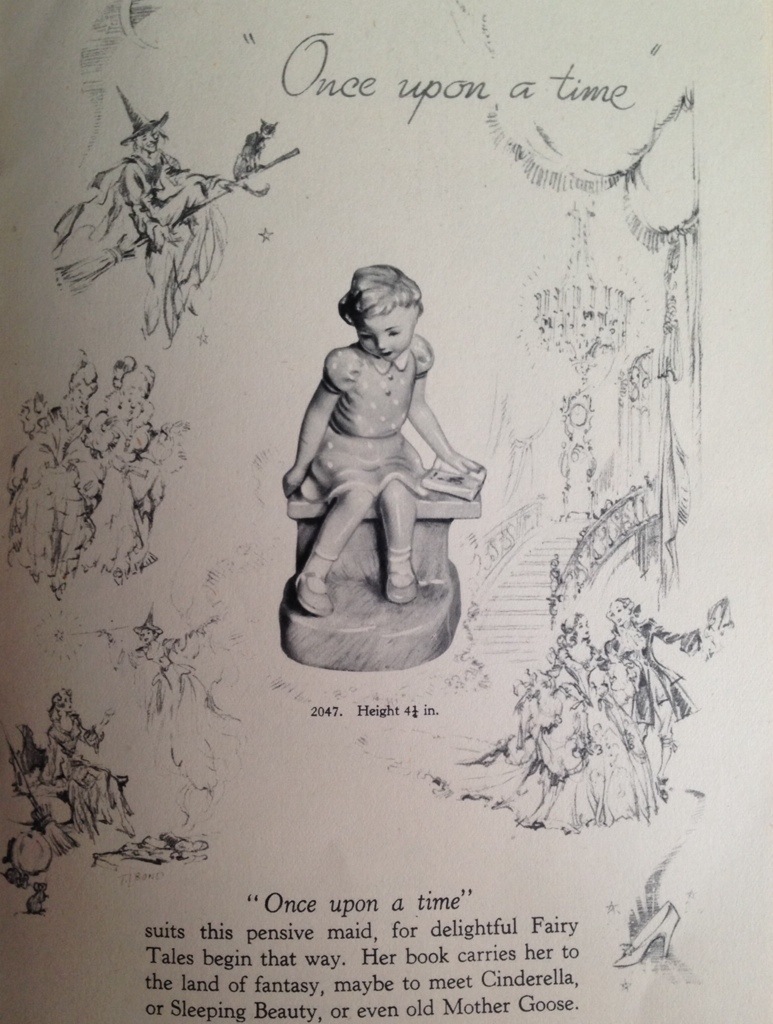
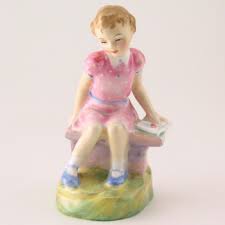
Leslie Harradine’s Once upon a time HN 2047 (above and below)
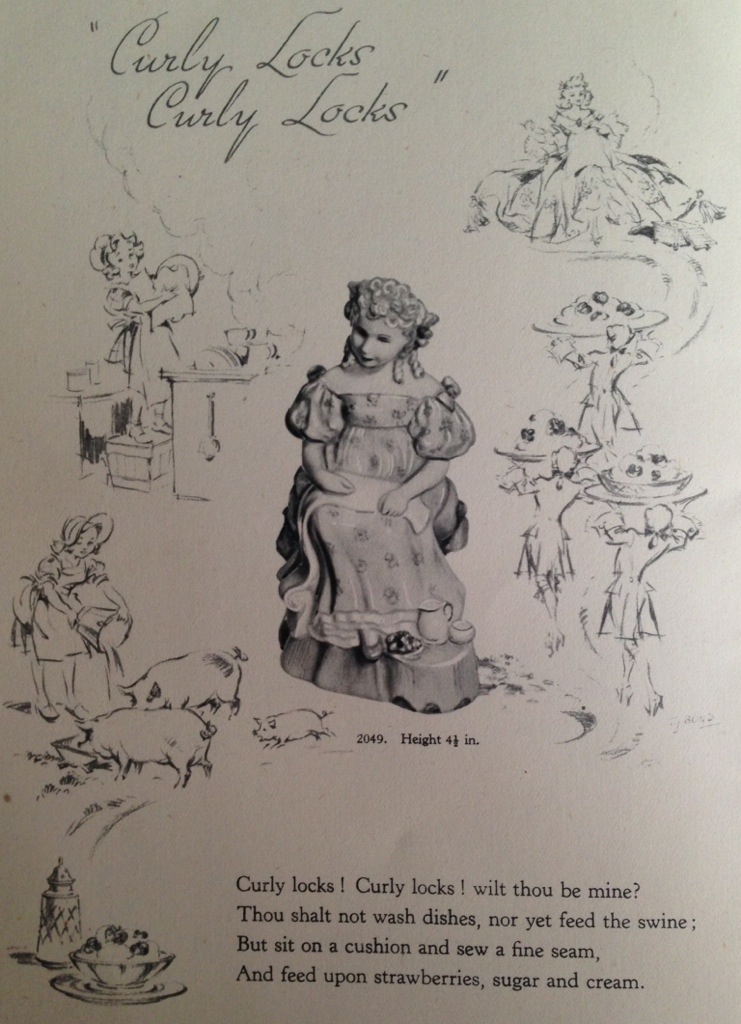
Peggy Davies’ Curly Locks HN2049 (above and below)
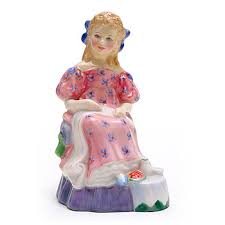
One final figure we can now add to this collection of Nursery Rhymes figures is this charming prototype for Miss Muffet, that no doubt did not go into production due to the success of Harradine’s earlier Miss Muffet HN1936 and HN1937.
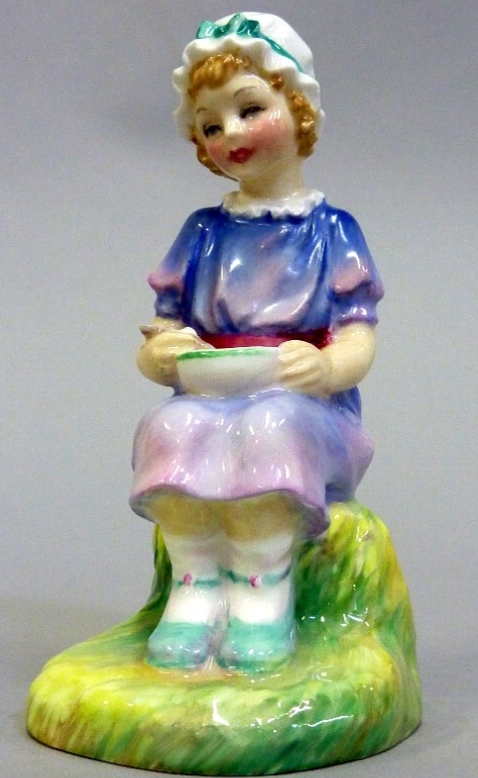
The idea of Nursey Rhyme inspired figures has continued into recent times with a new collection by Adrian Hughes from the 1980’s.
A collection of these Nursery Rhymes figures makes an eye catching display and evokes all those pleasant memories of childhood as we recollect those charming lines from our favourite nursery rhymes.
Check out this link for a look at the first chapter in the 100 years of Doulton figures by me and published by Seaway China.
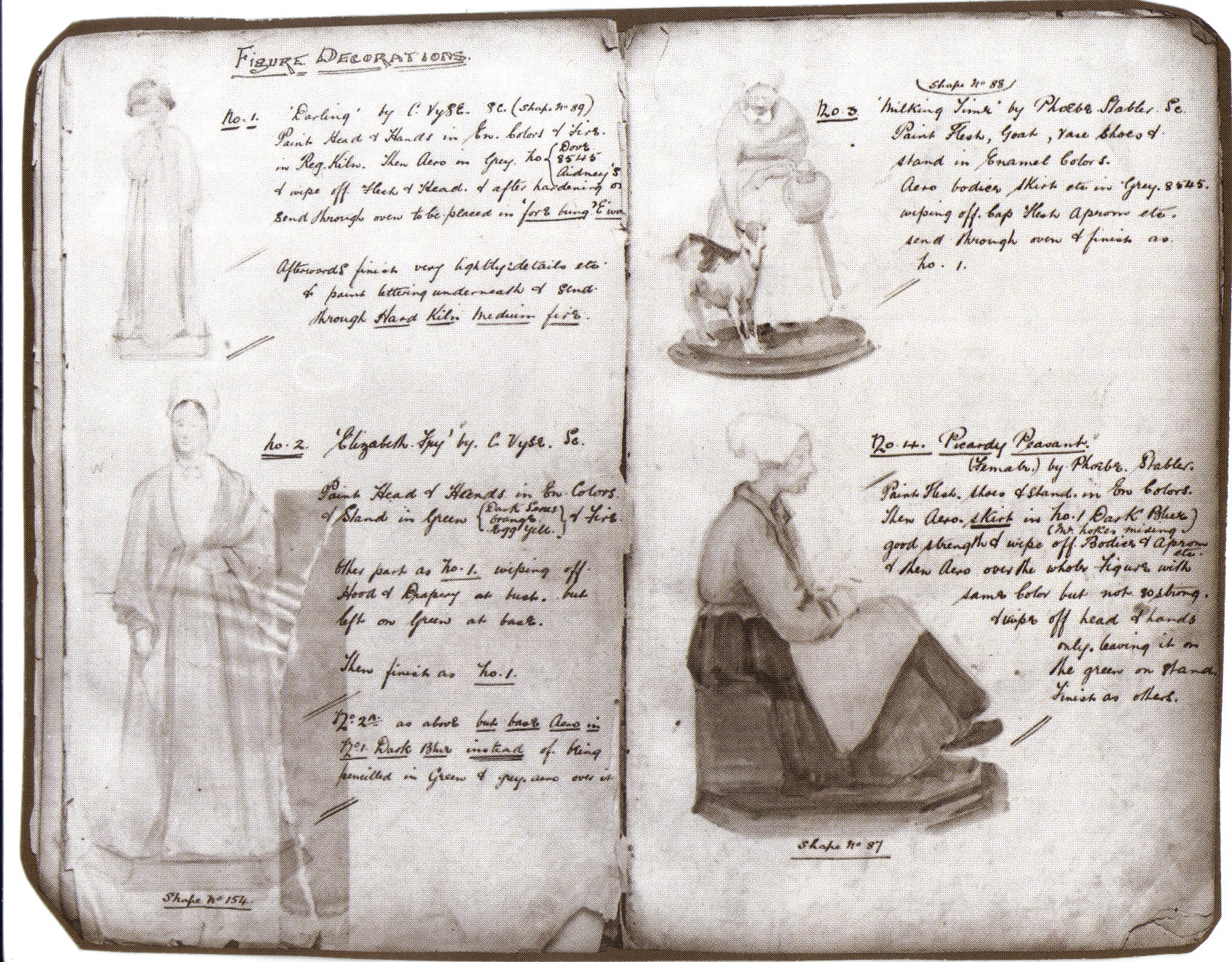
Here is the first page of the HN figure decoration book
Click to access 1-11_cover-doulton-insight.pdf
Here is a sample:
A timely visit to the Doulton Burslem factory in April 1913 by England’s then King George V and Queen Mary provided a re-newed impetus to Noke’s desire to launch a new range of figures. In the years preceding this visit Noke had been approaching a carefully selected group of artists to provide models for Royal Doulton to reproduce in ceramic. It is reported that the new range of figures was completed in late 1912 but the launch of the range was held back to coincide with the Royal visit, and what a good decision this proved to be as Queen Mary would become a fan of the range making many purchases over the coming decades. In Royal Doulton’s brochures from the 1920’s and 1930’s they even pin pointed the figures Her Majesty had purchased – it undoubtedly proved very useful to have the most famous lady in the land favouring their figures.
 doultoncollectorsclub