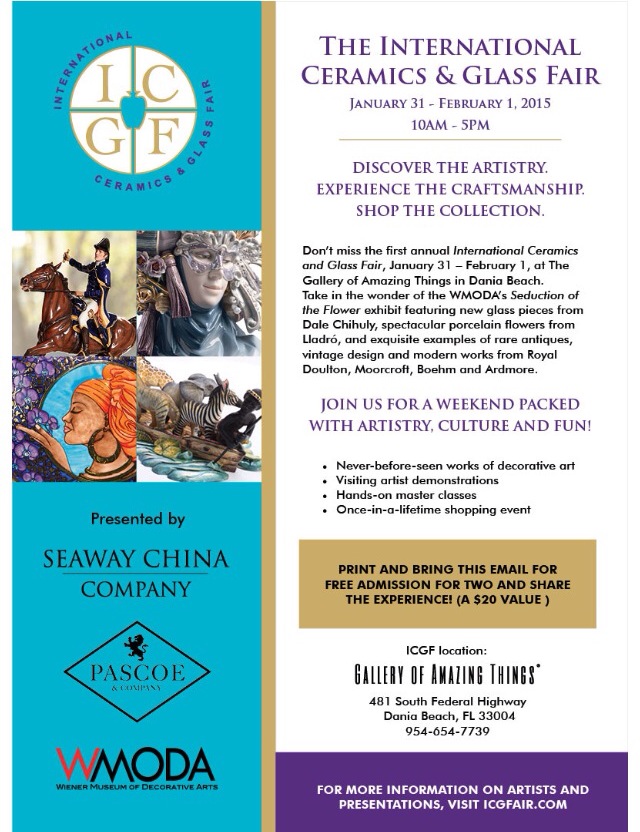
Don’t forget the world’s major Doulton extravaganza is just around the corner!
To reserve your tickets visit icgfair.com
And follow this link-
https://www.facebook.com/events/489880474484013/
Don’t forget the world’s major Doulton extravaganza is just around the corner!
To reserve your tickets visit icgfair.com
And follow this link-
https://www.facebook.com/events/489880474484013/
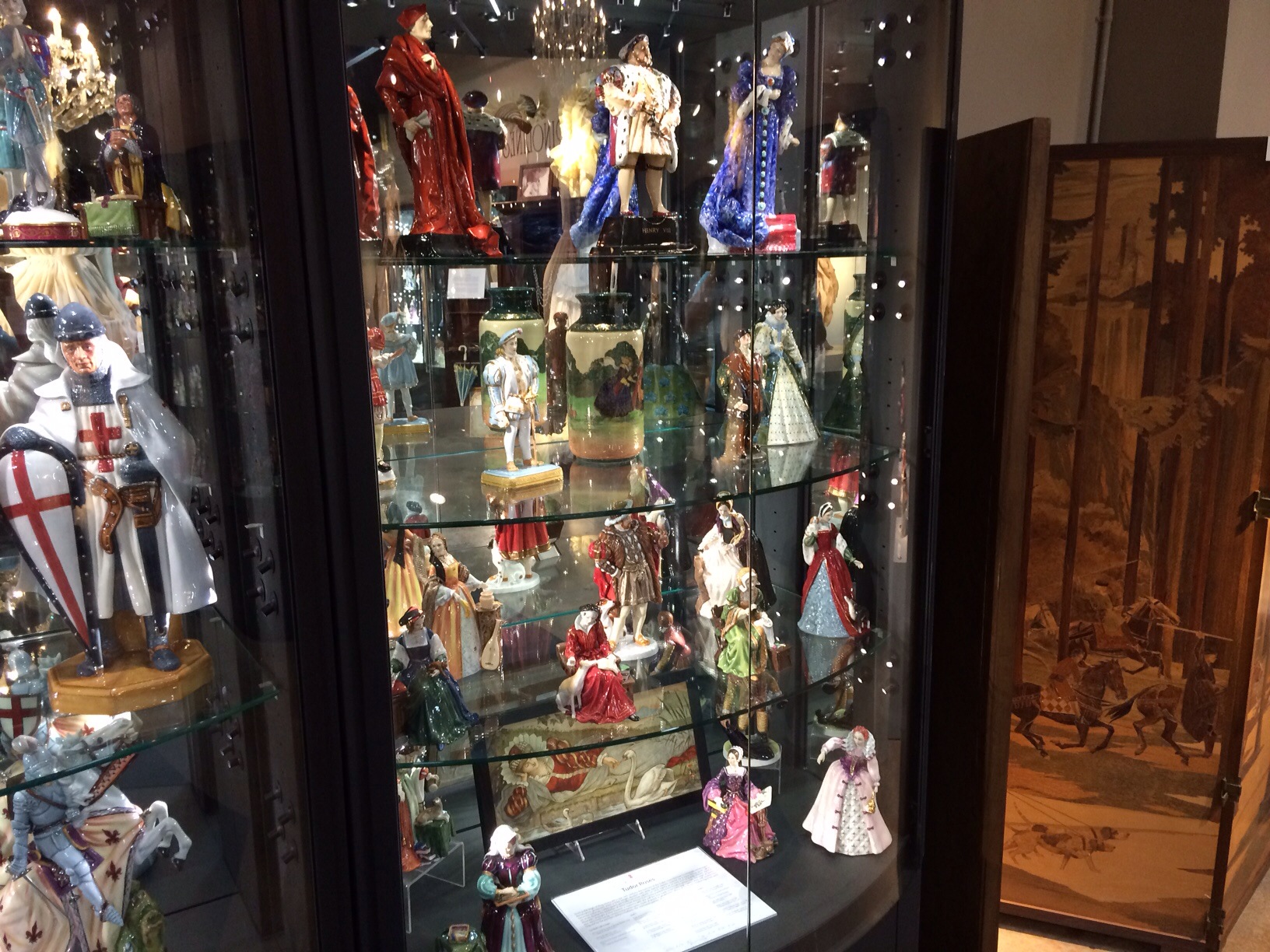
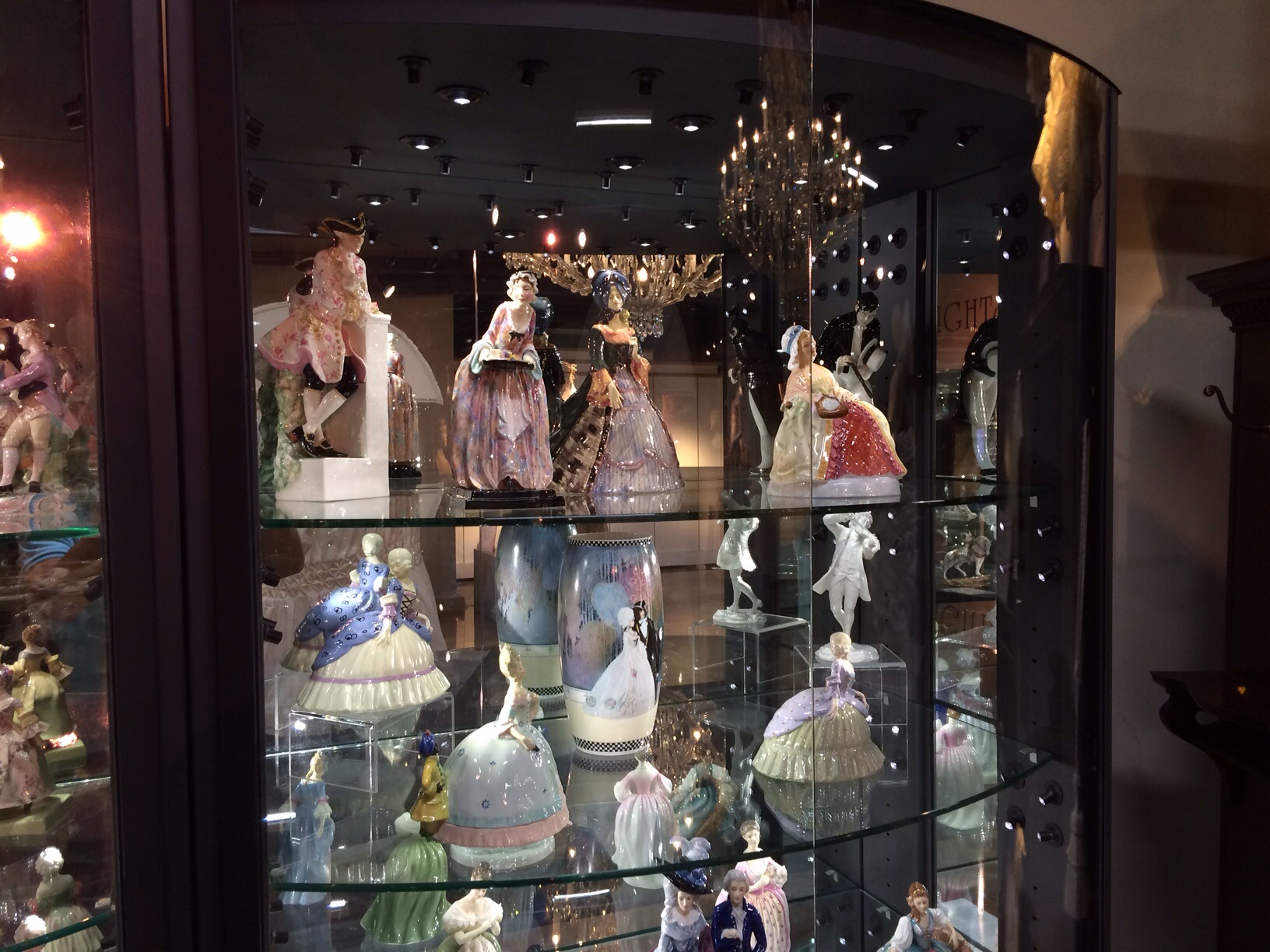
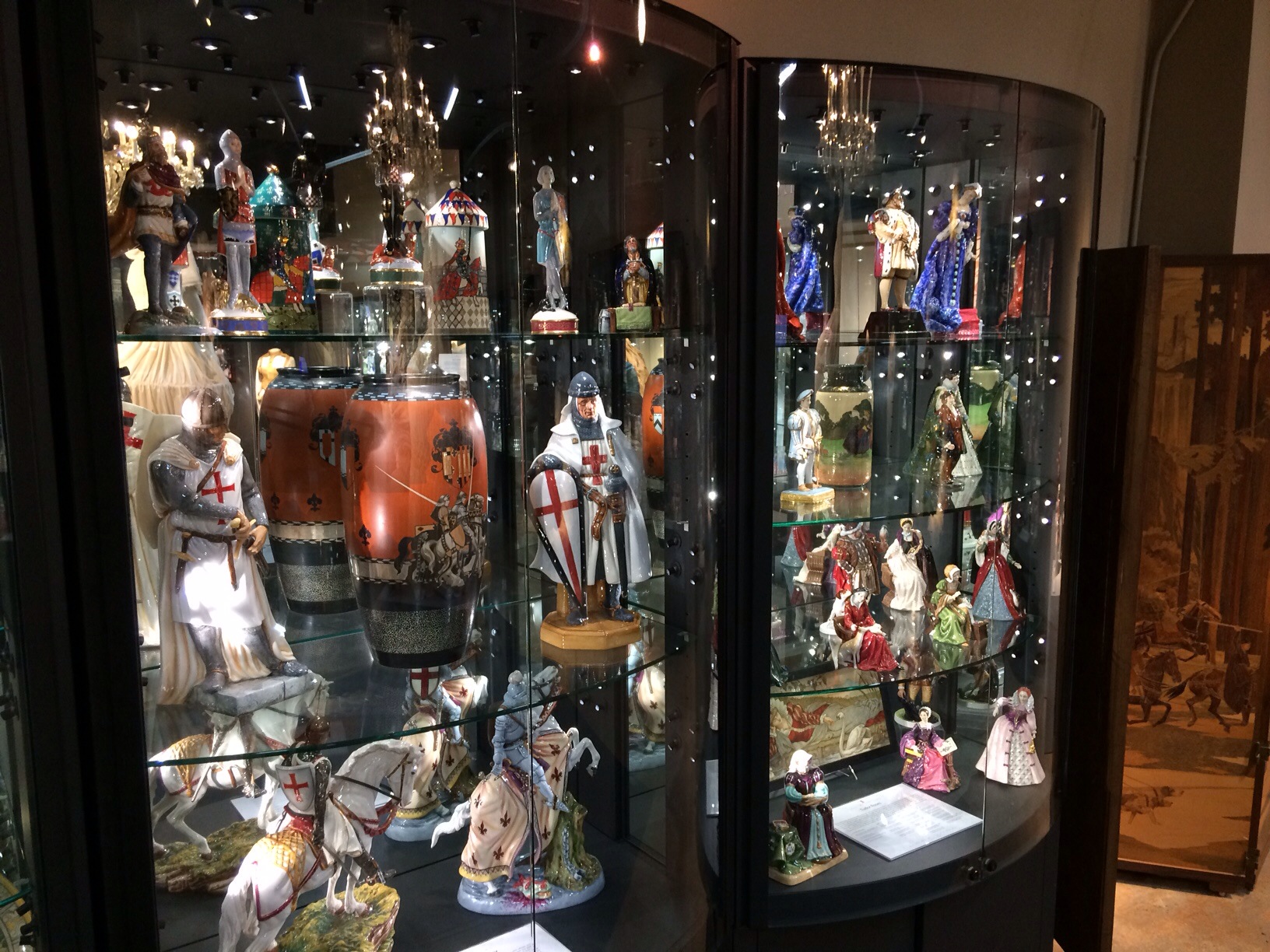
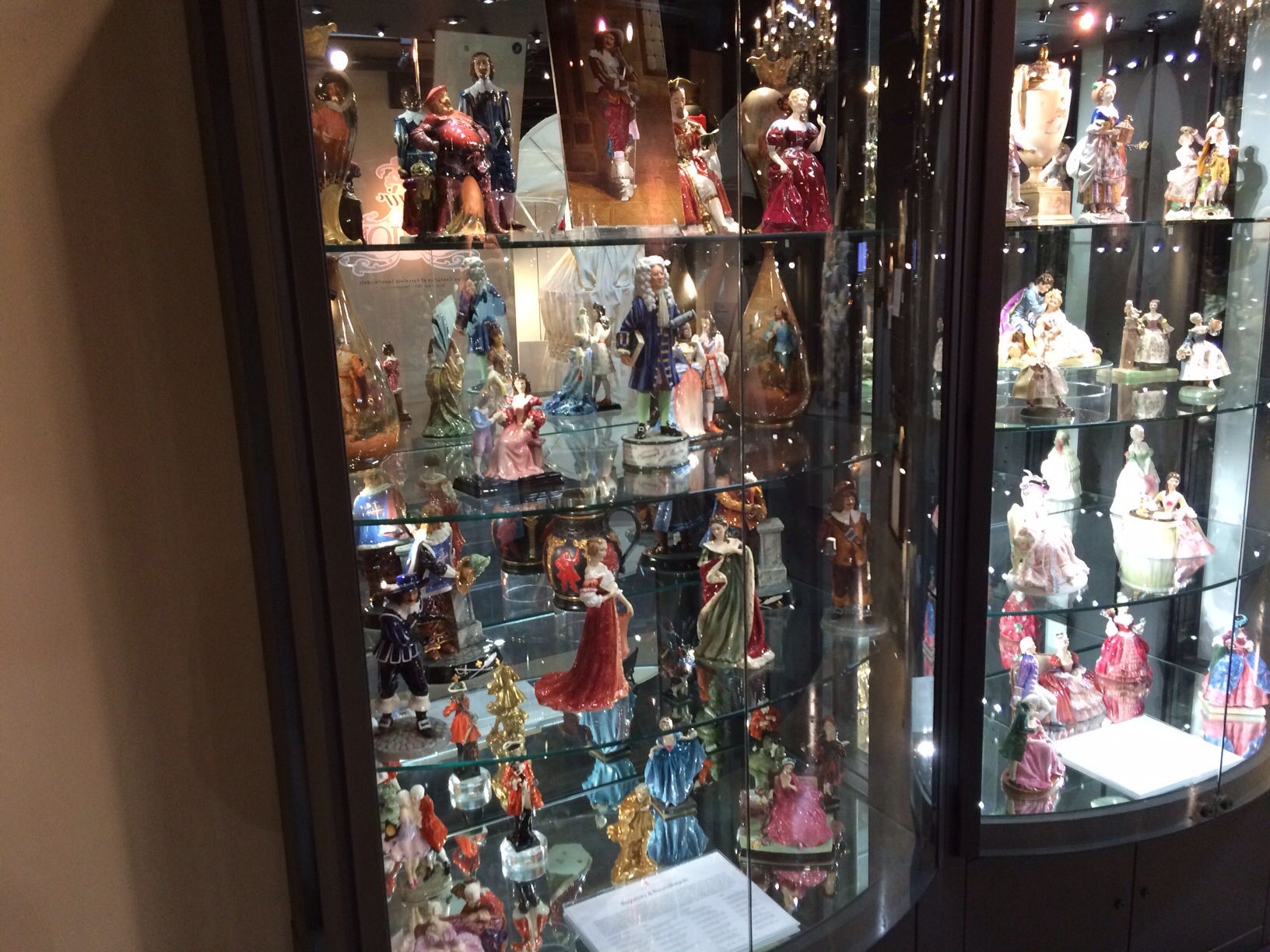
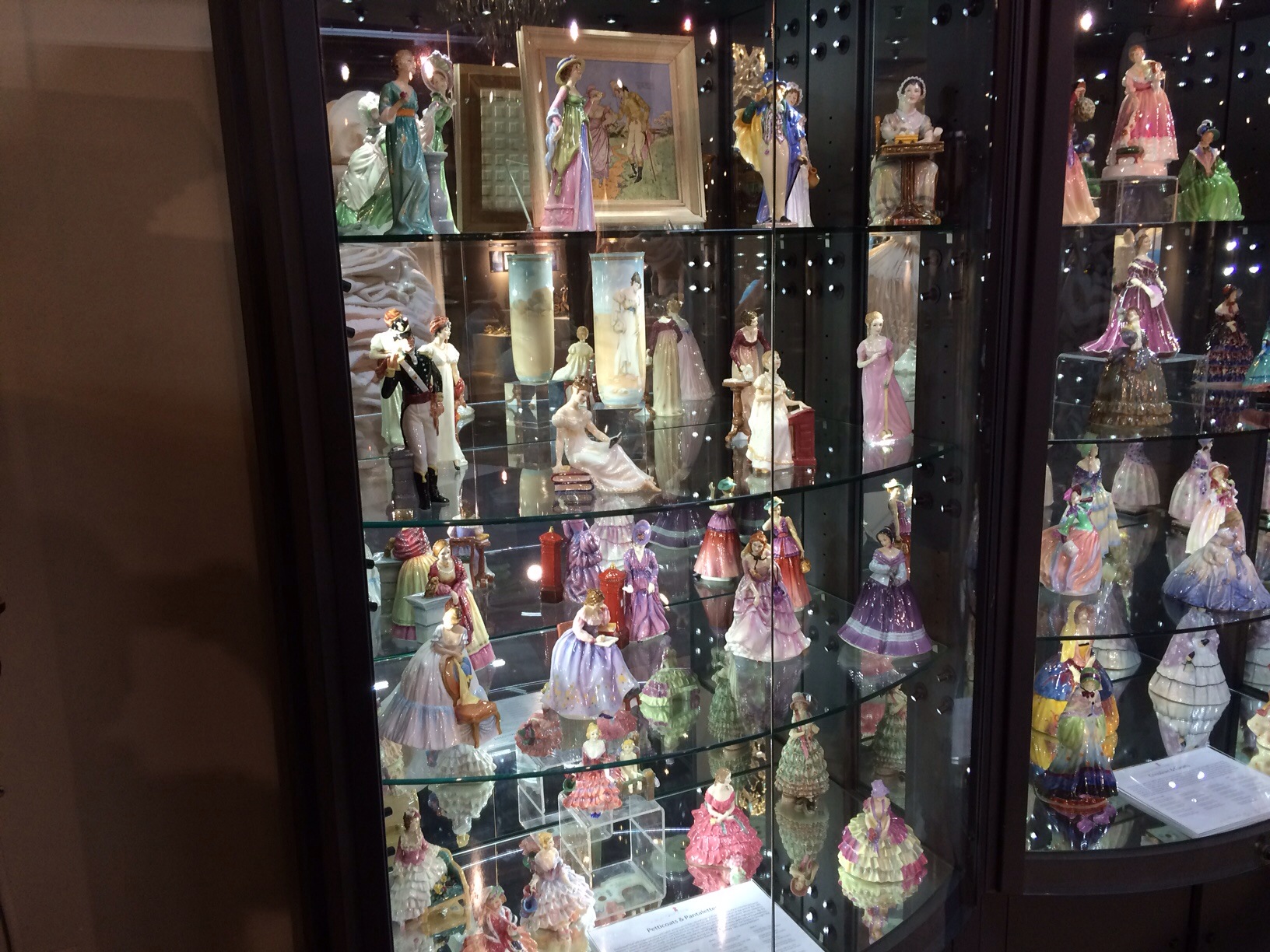
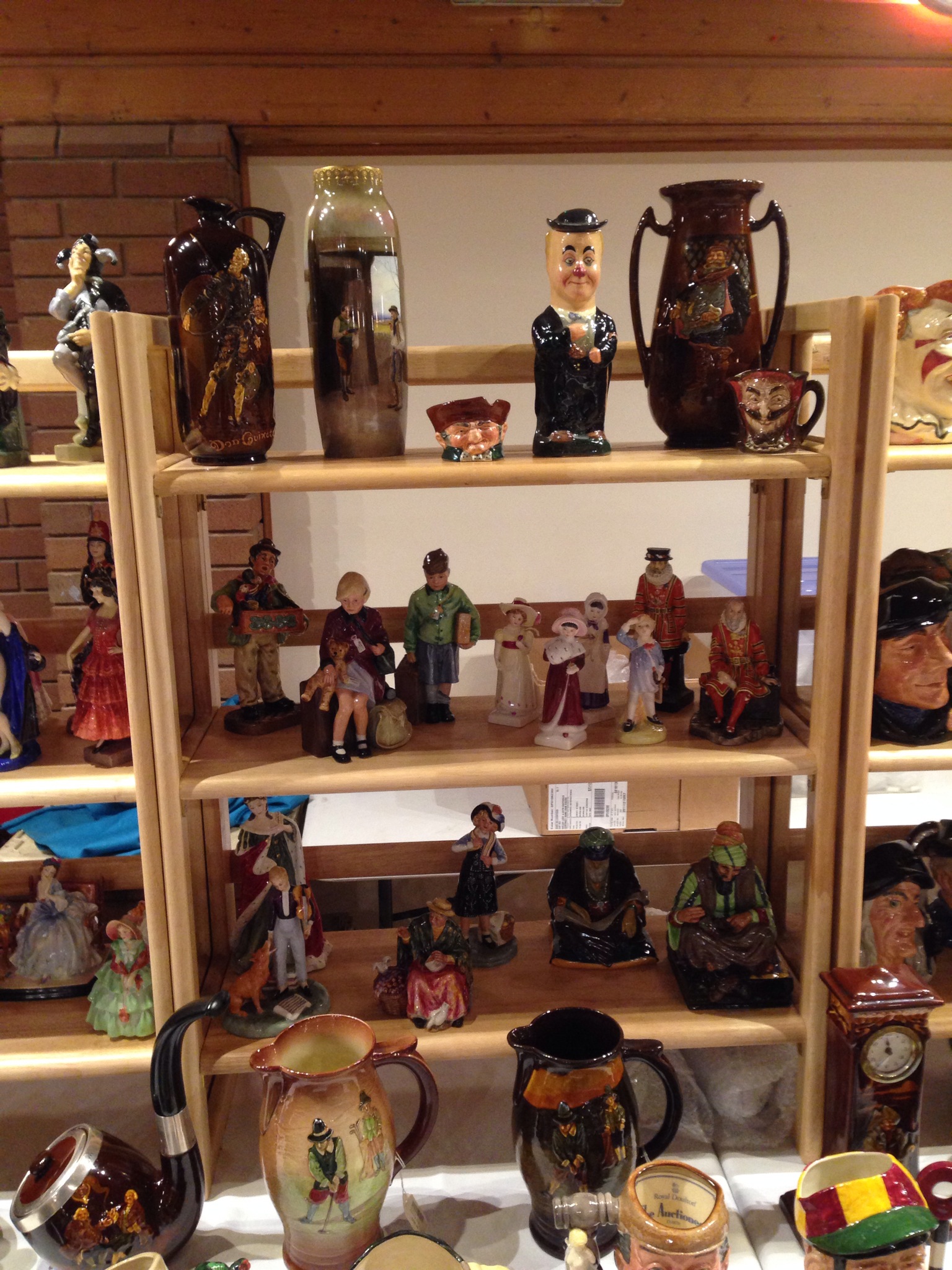
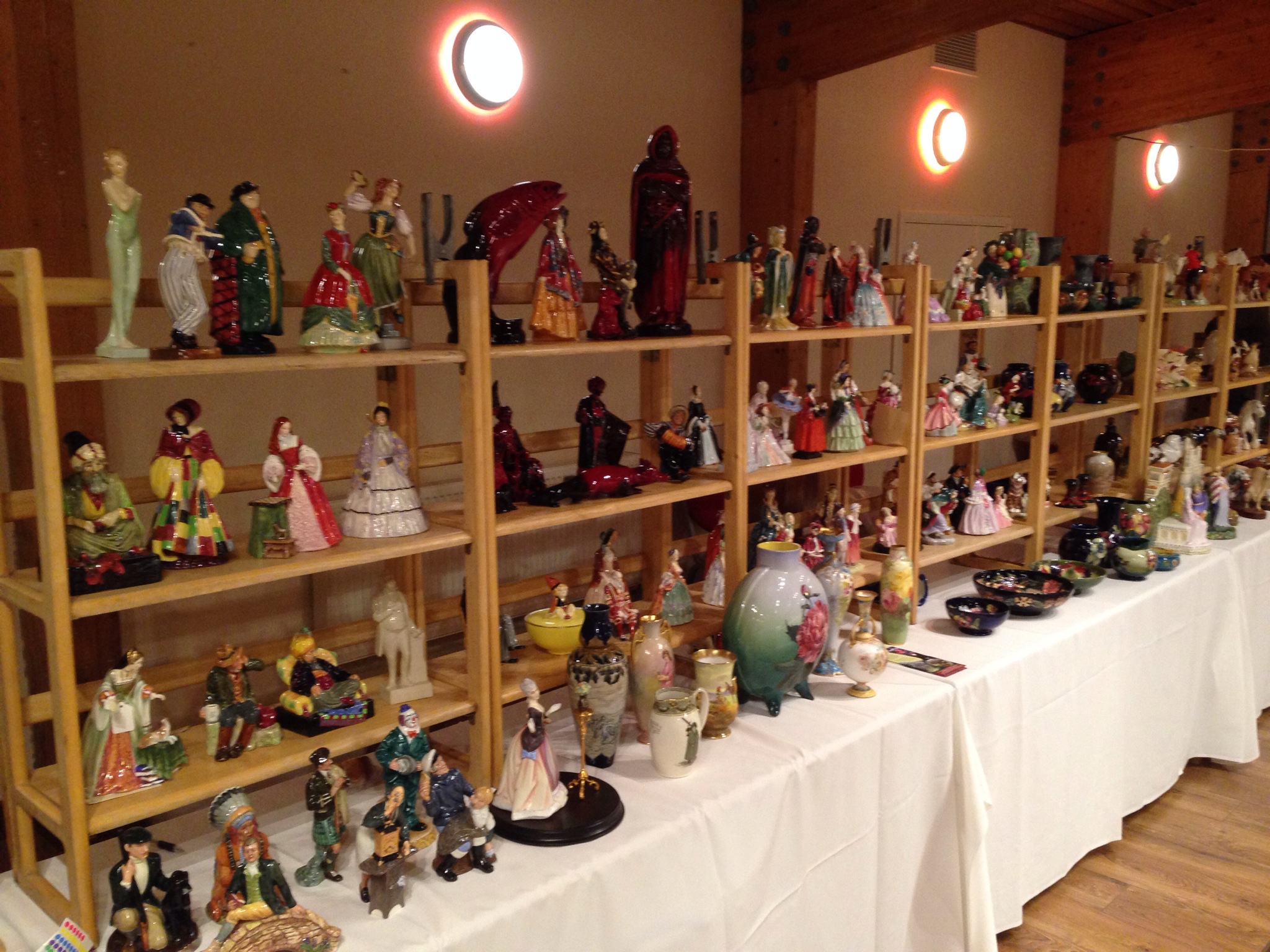
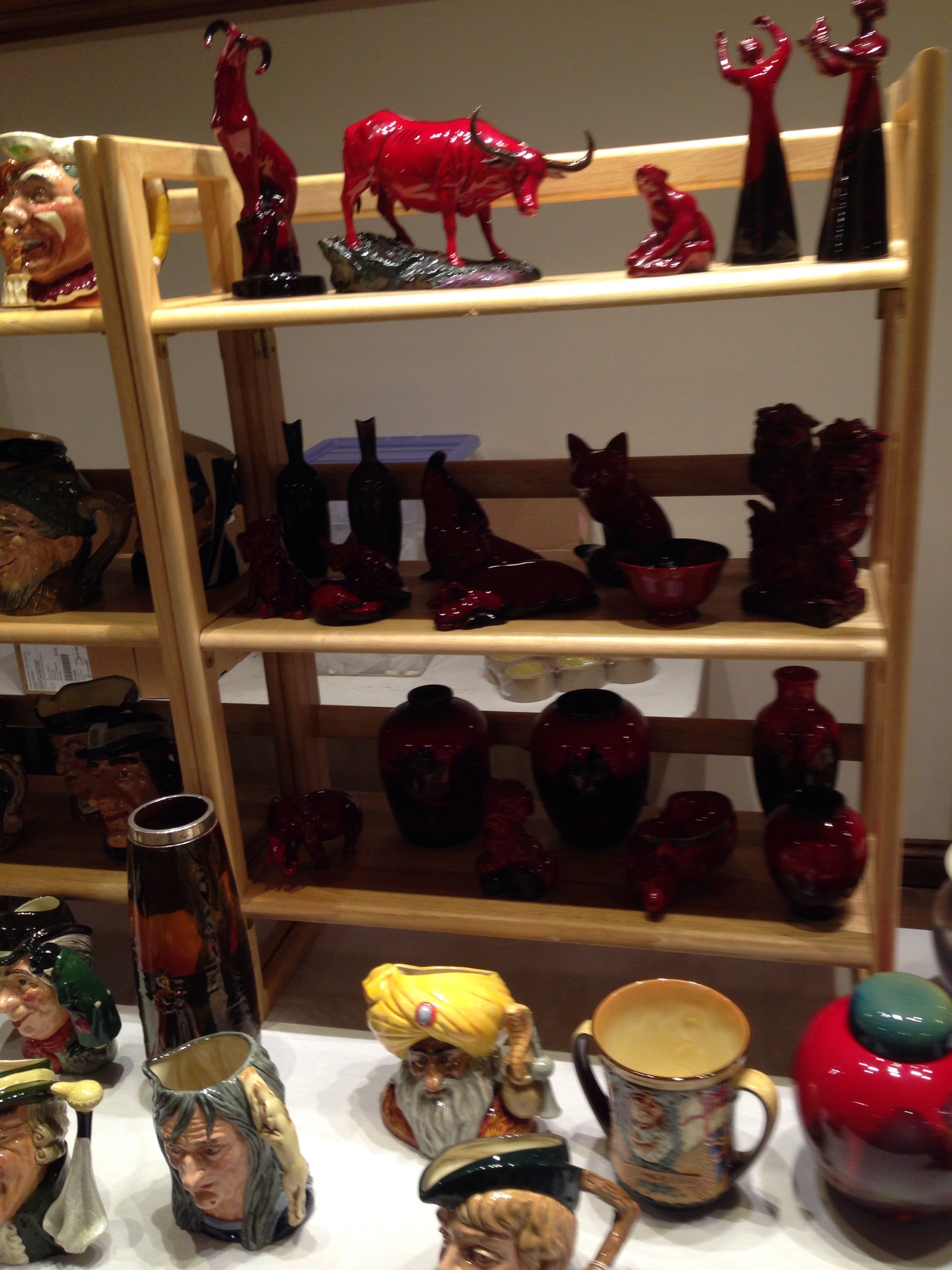
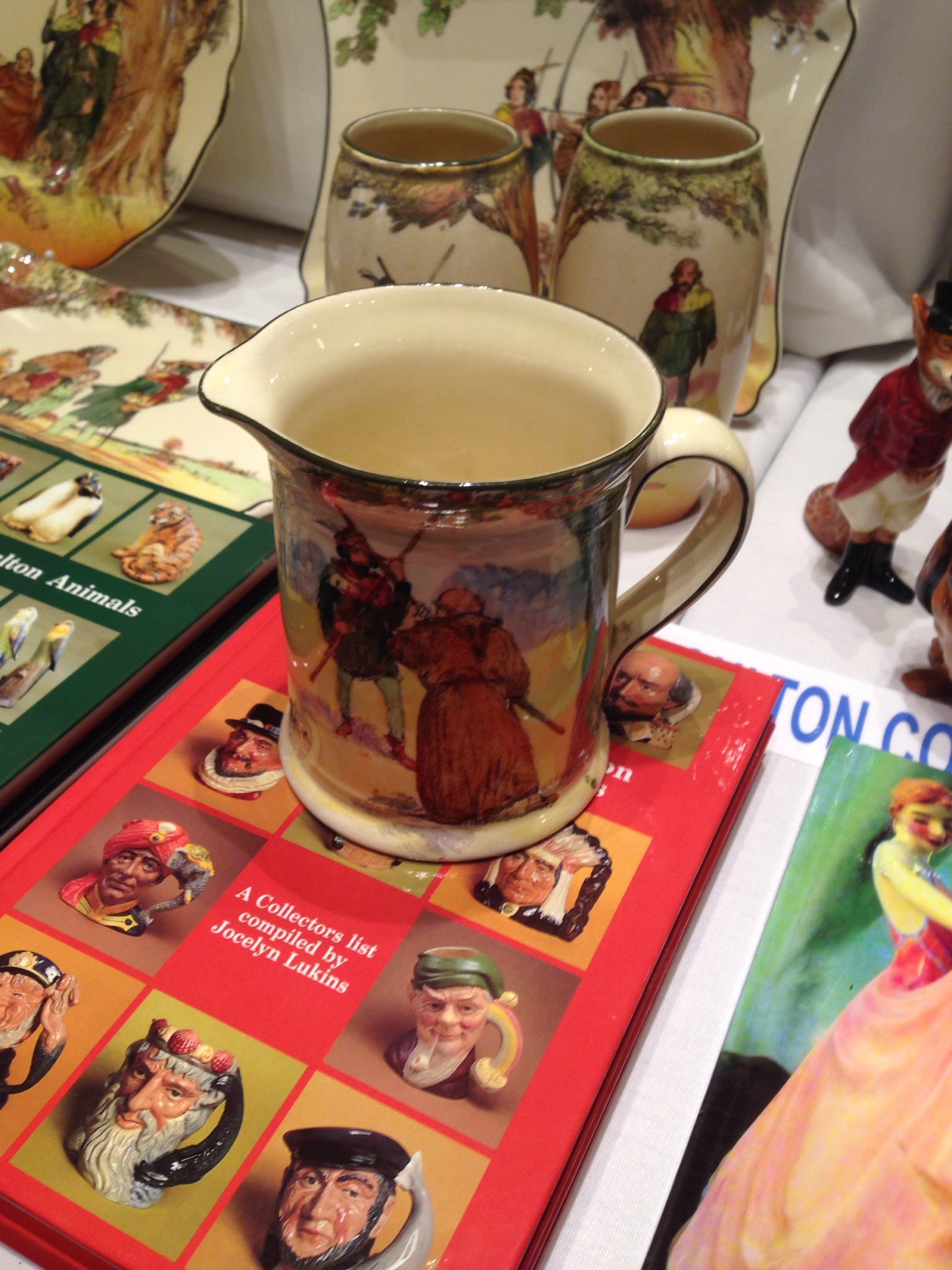
I’ve just had some extra pictures of the current exhibition at the WMODA housed at the Gallery of Amazing Things that I thought would interest us all!
The sheer breadth of exhibits is to be marvelled but for me it is the massive array of Doulton wares that interests me most!
Here are a few pictures of the figures currently on display as part of the Flair for Fashion exhibition! Enjoy!!
For further information visit –
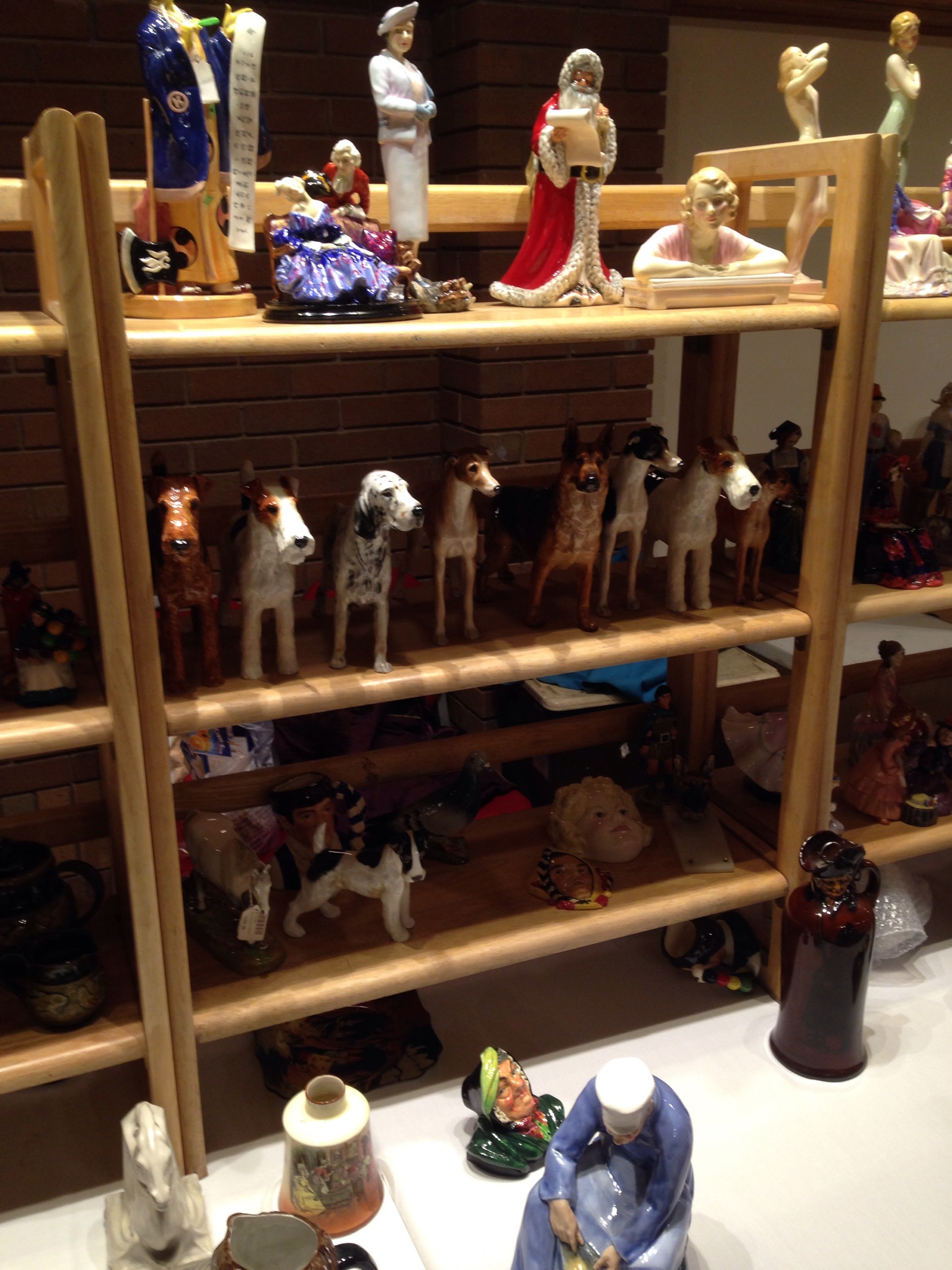
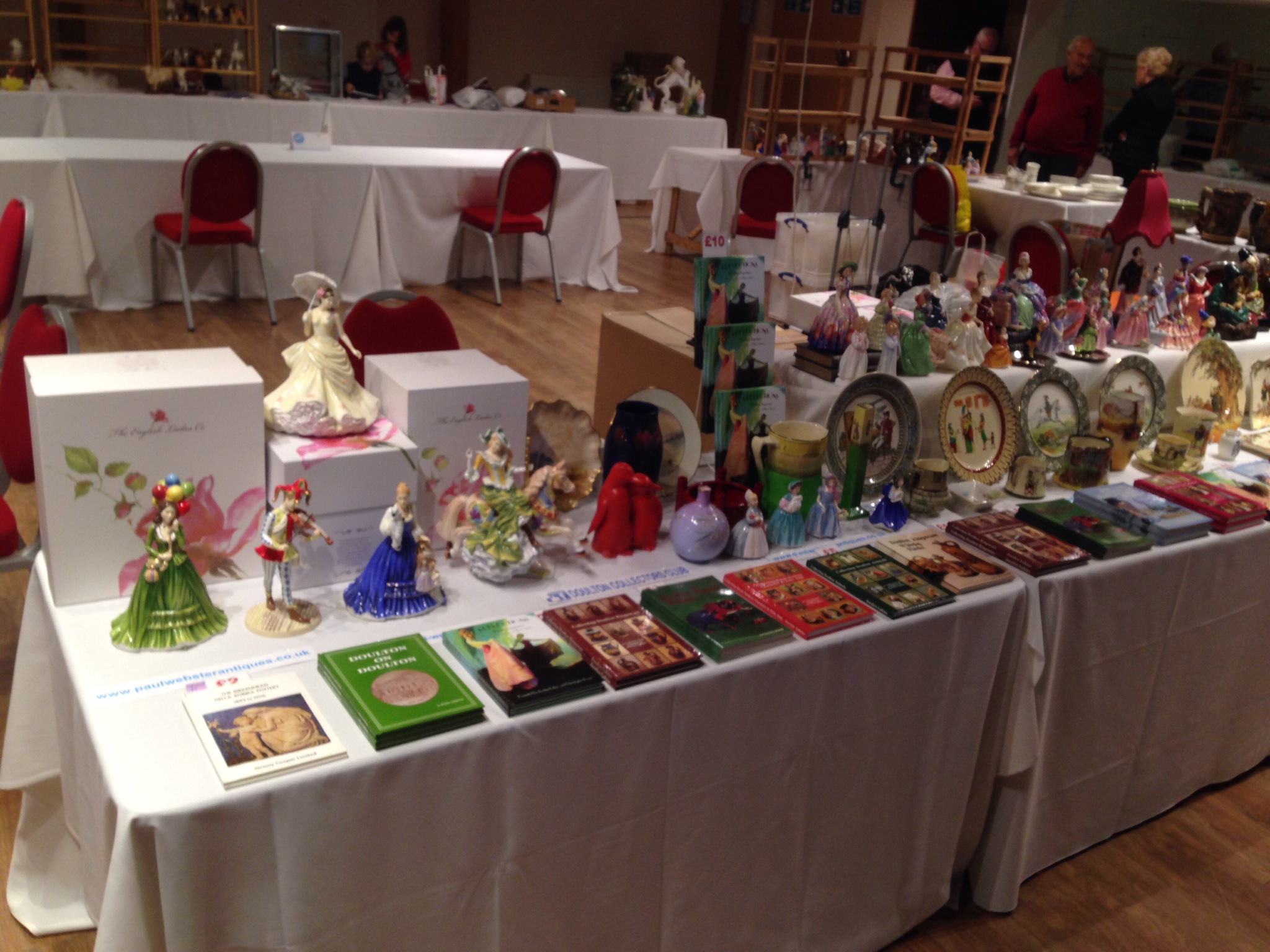
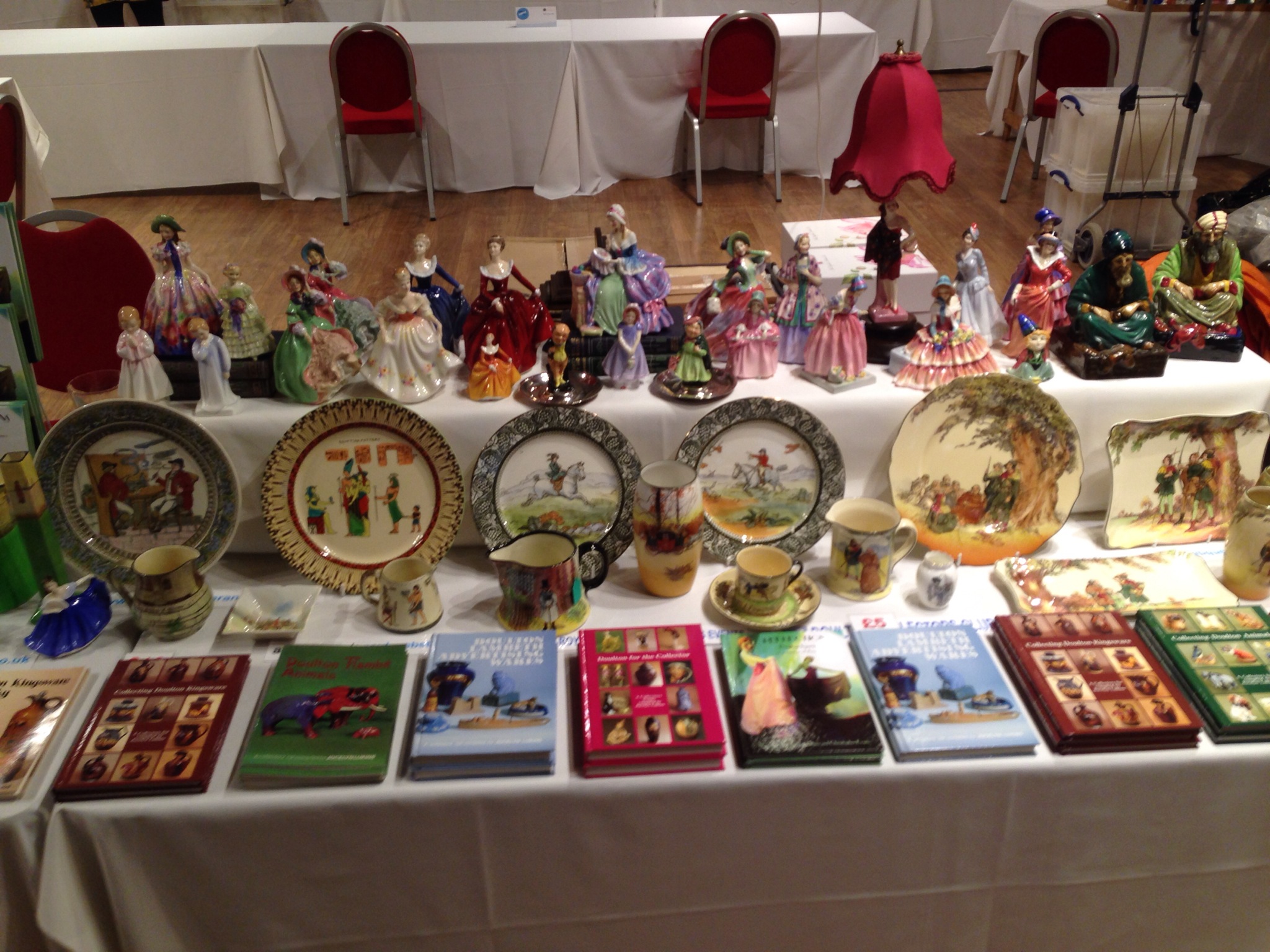
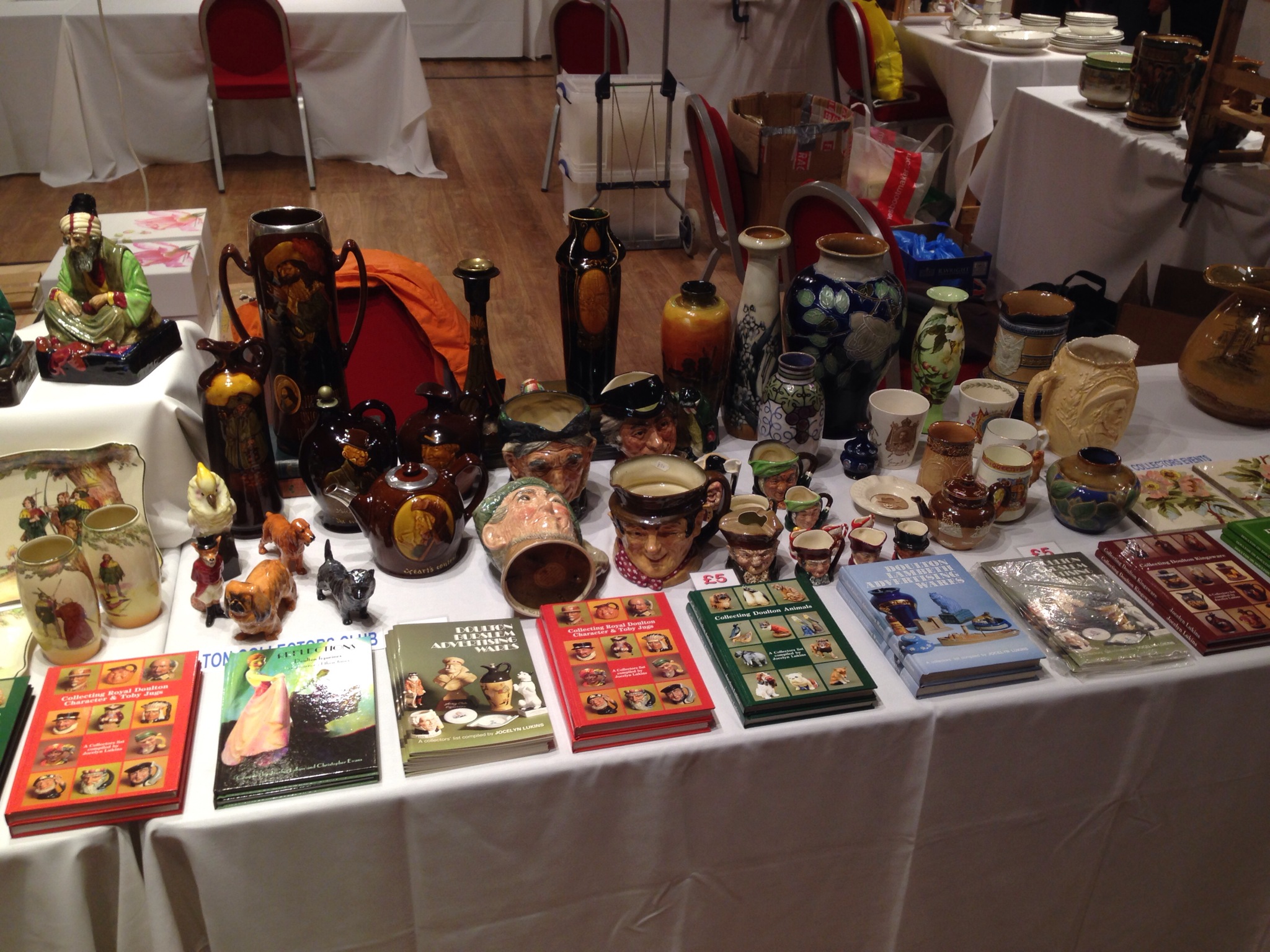
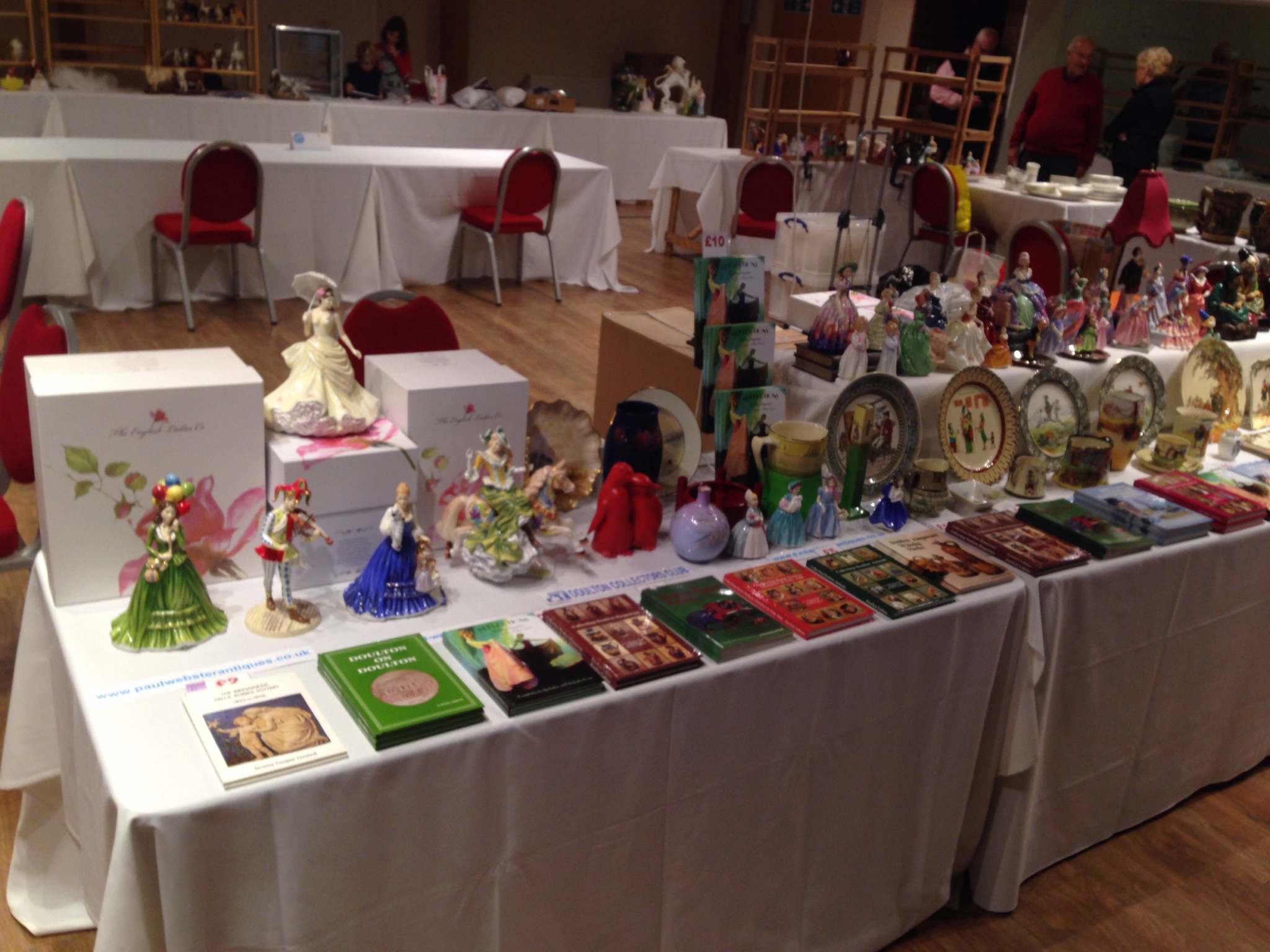
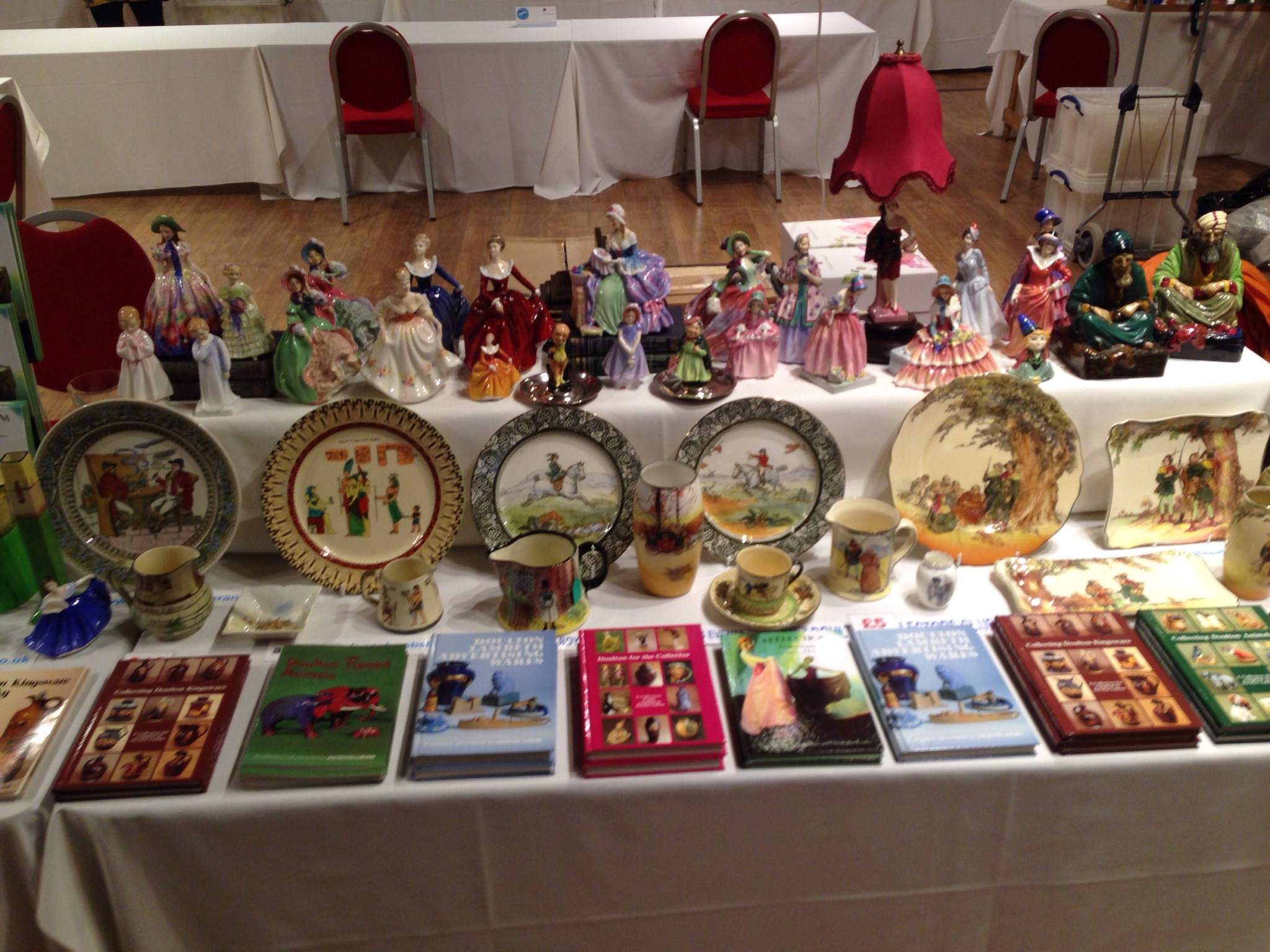
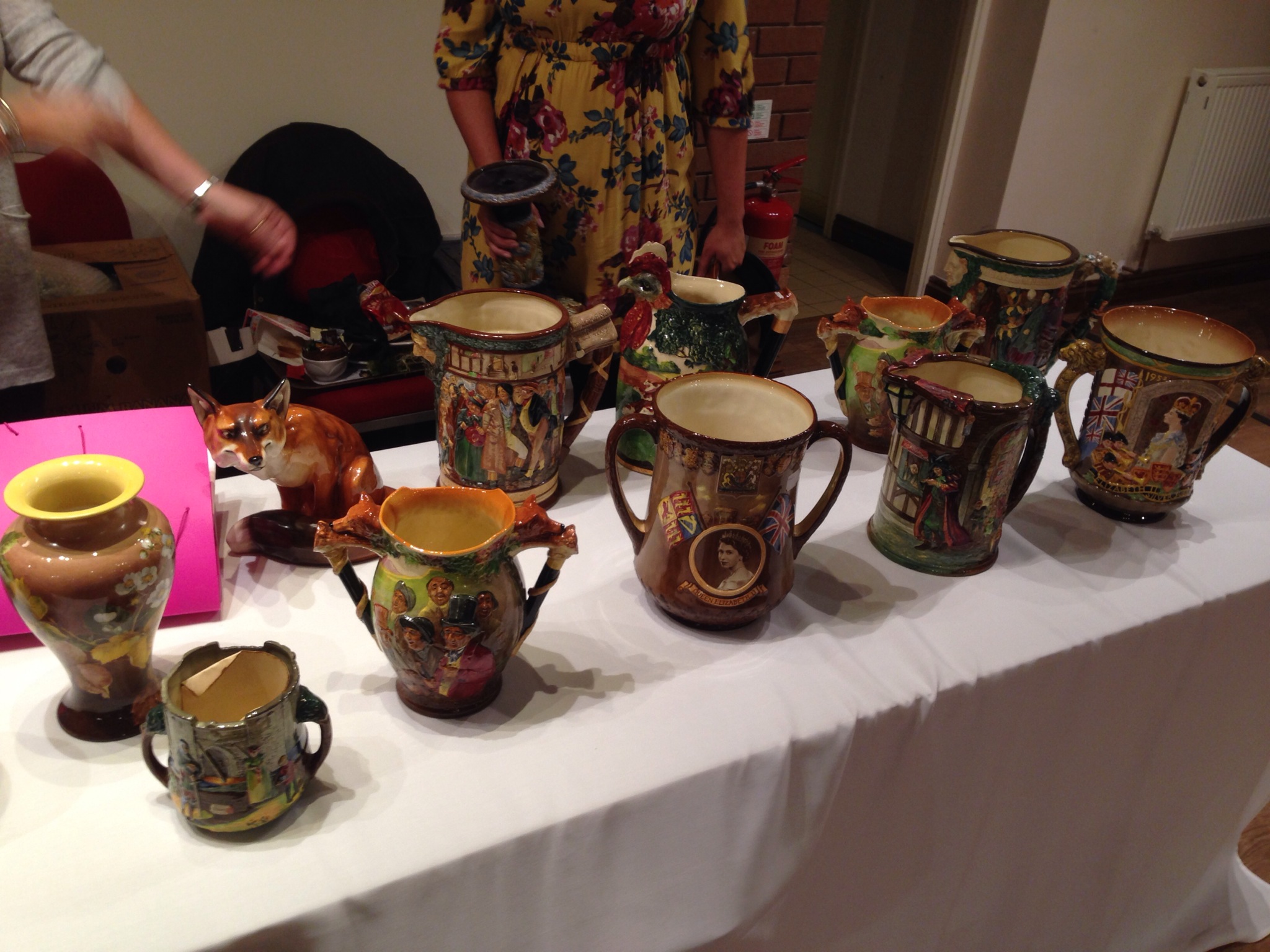
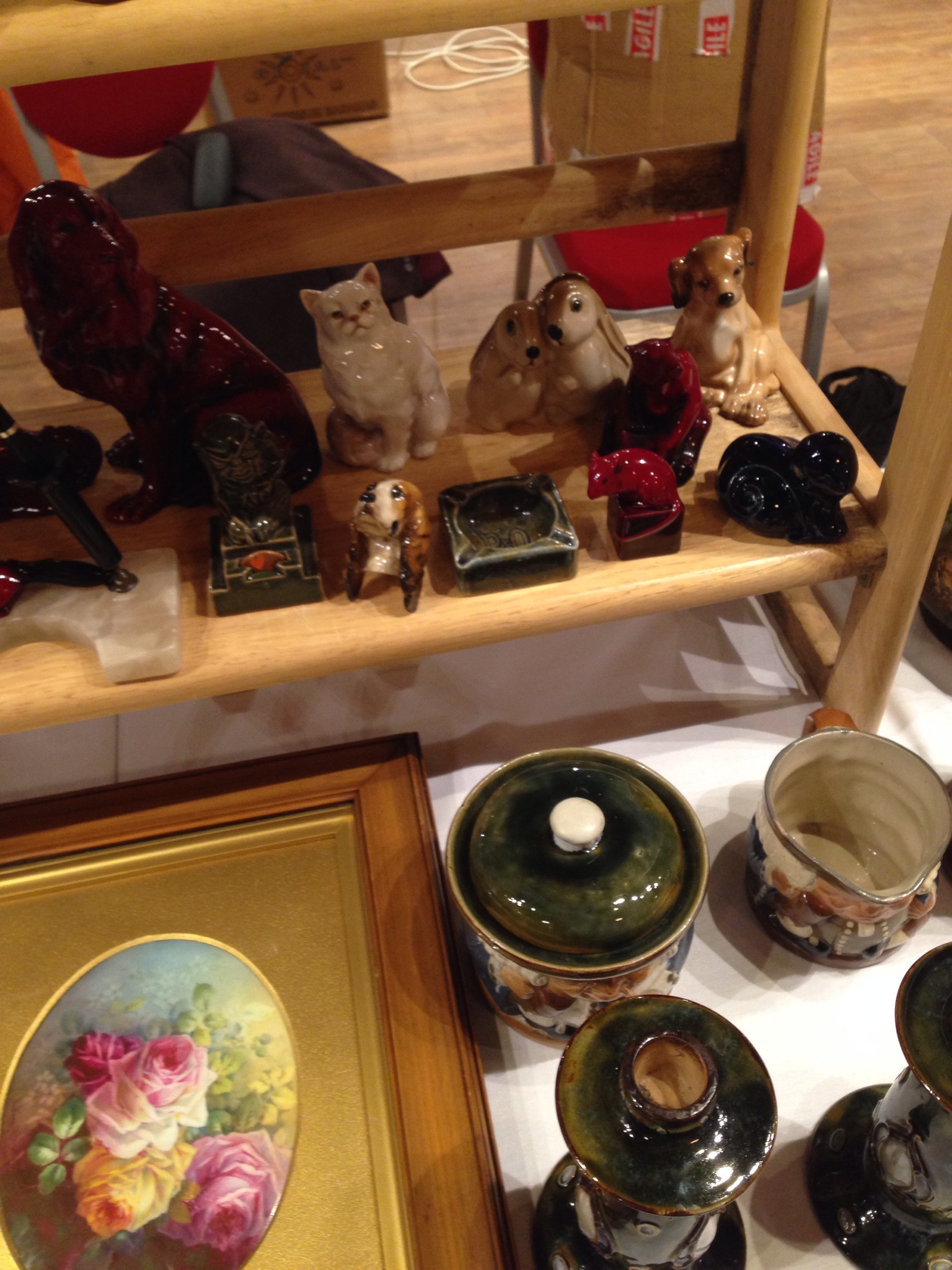
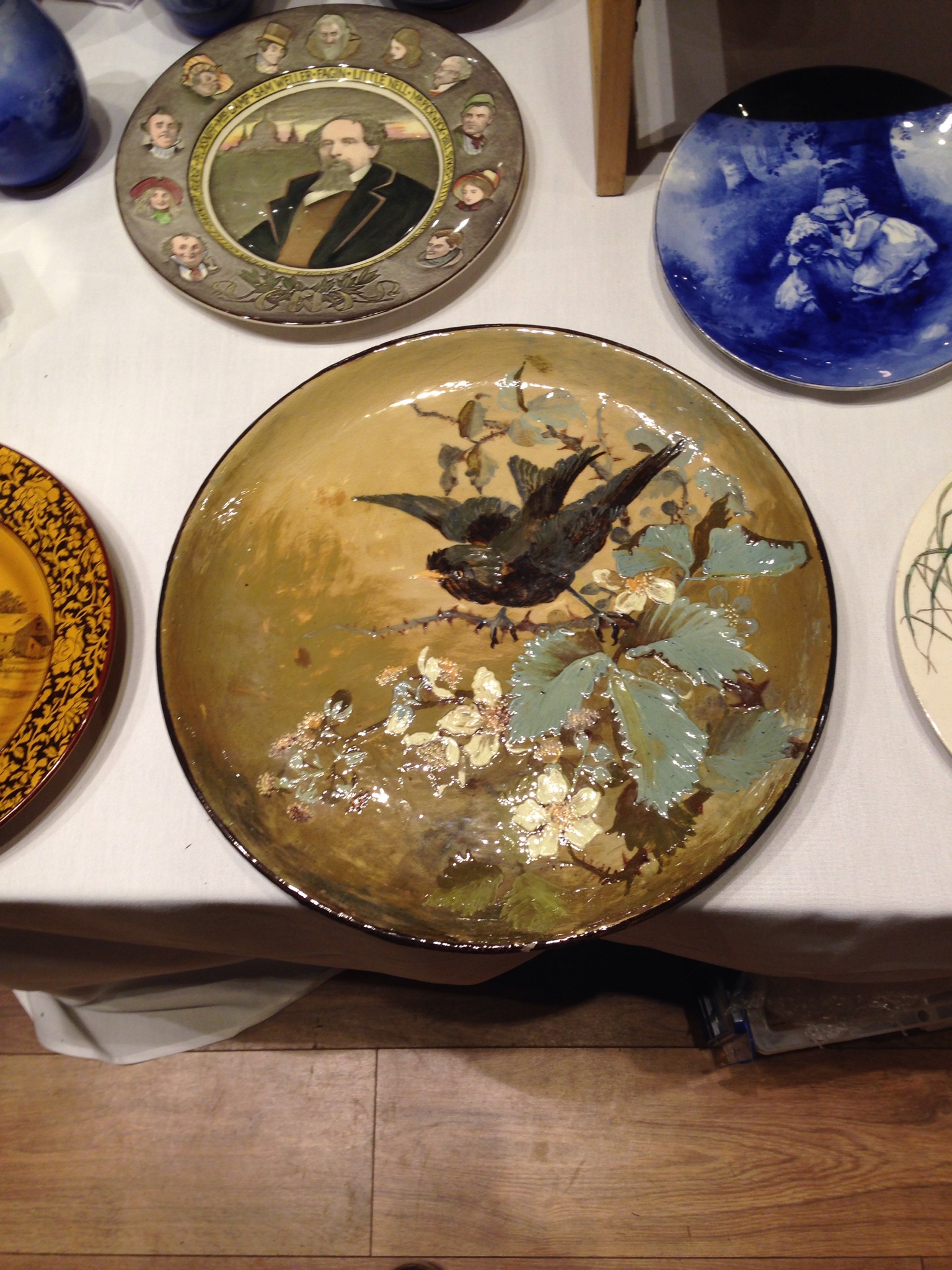
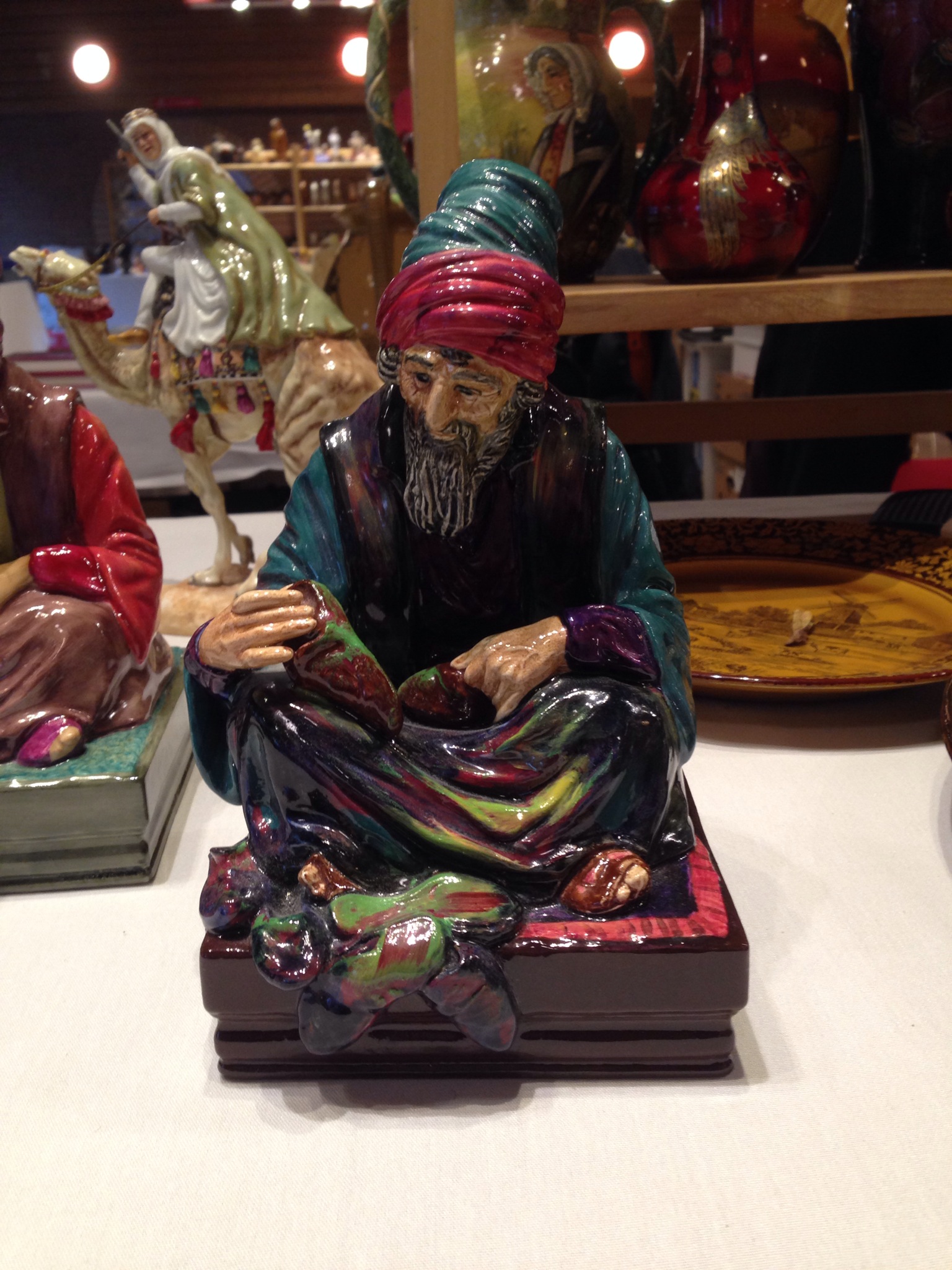
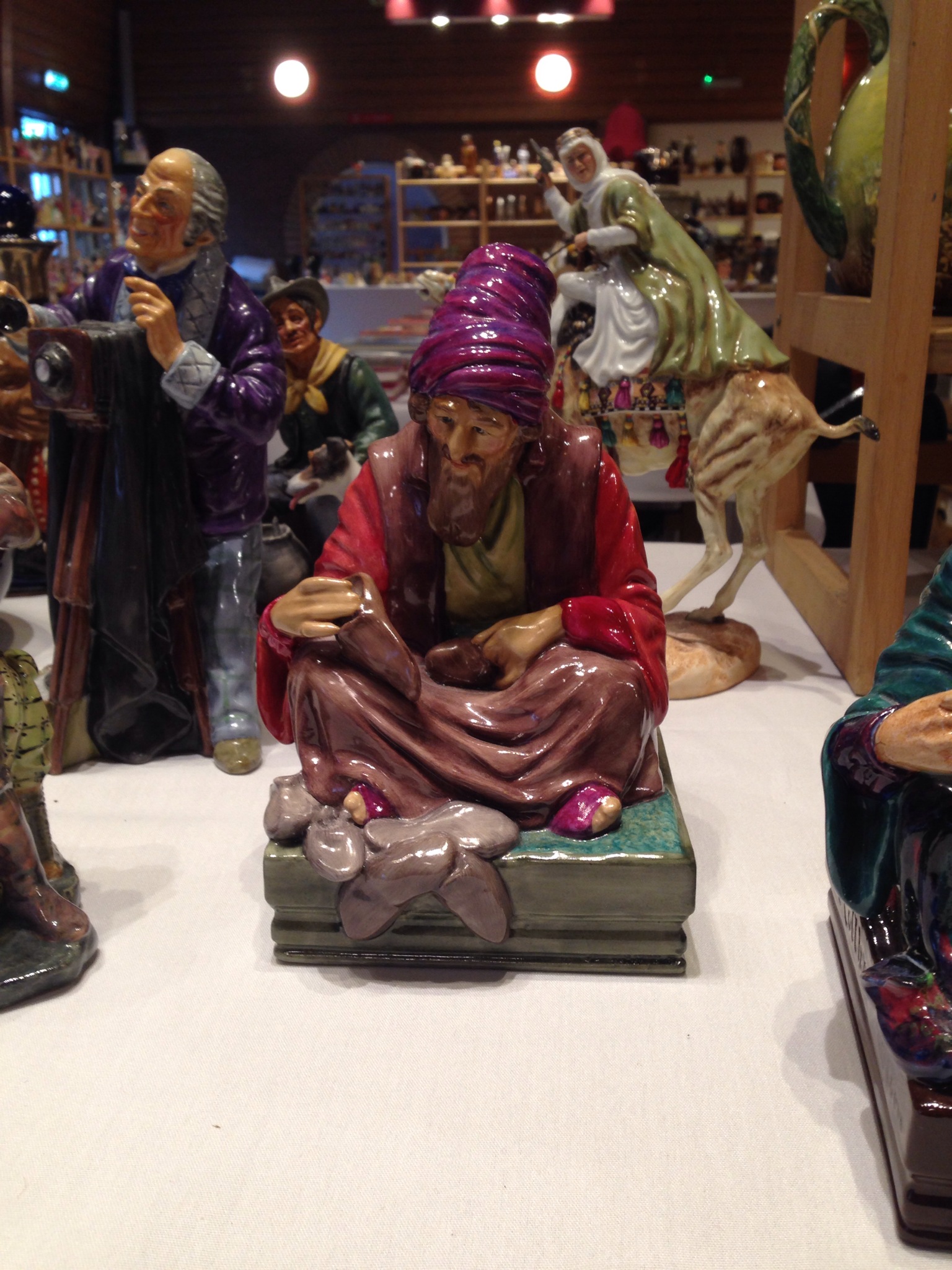
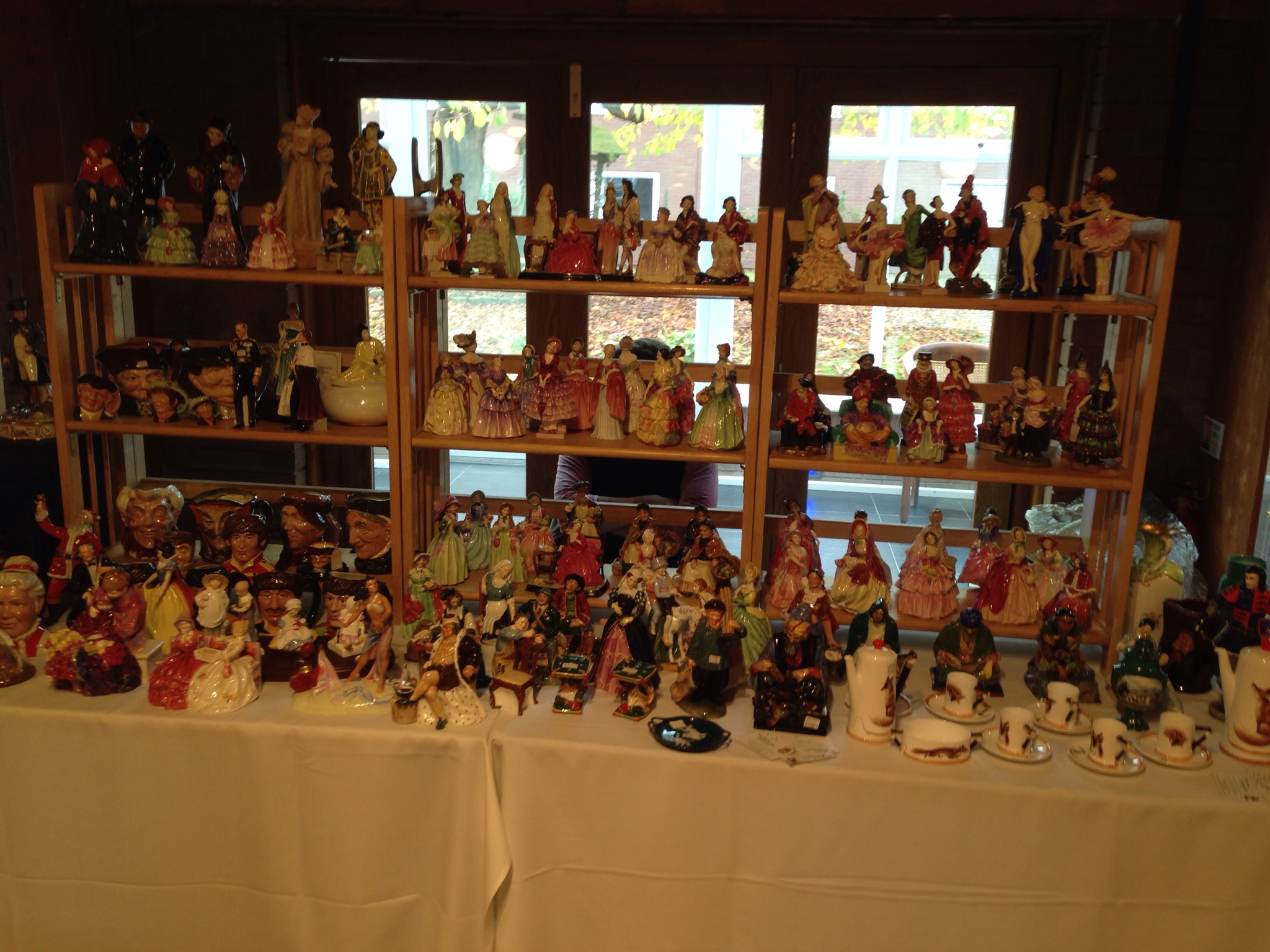
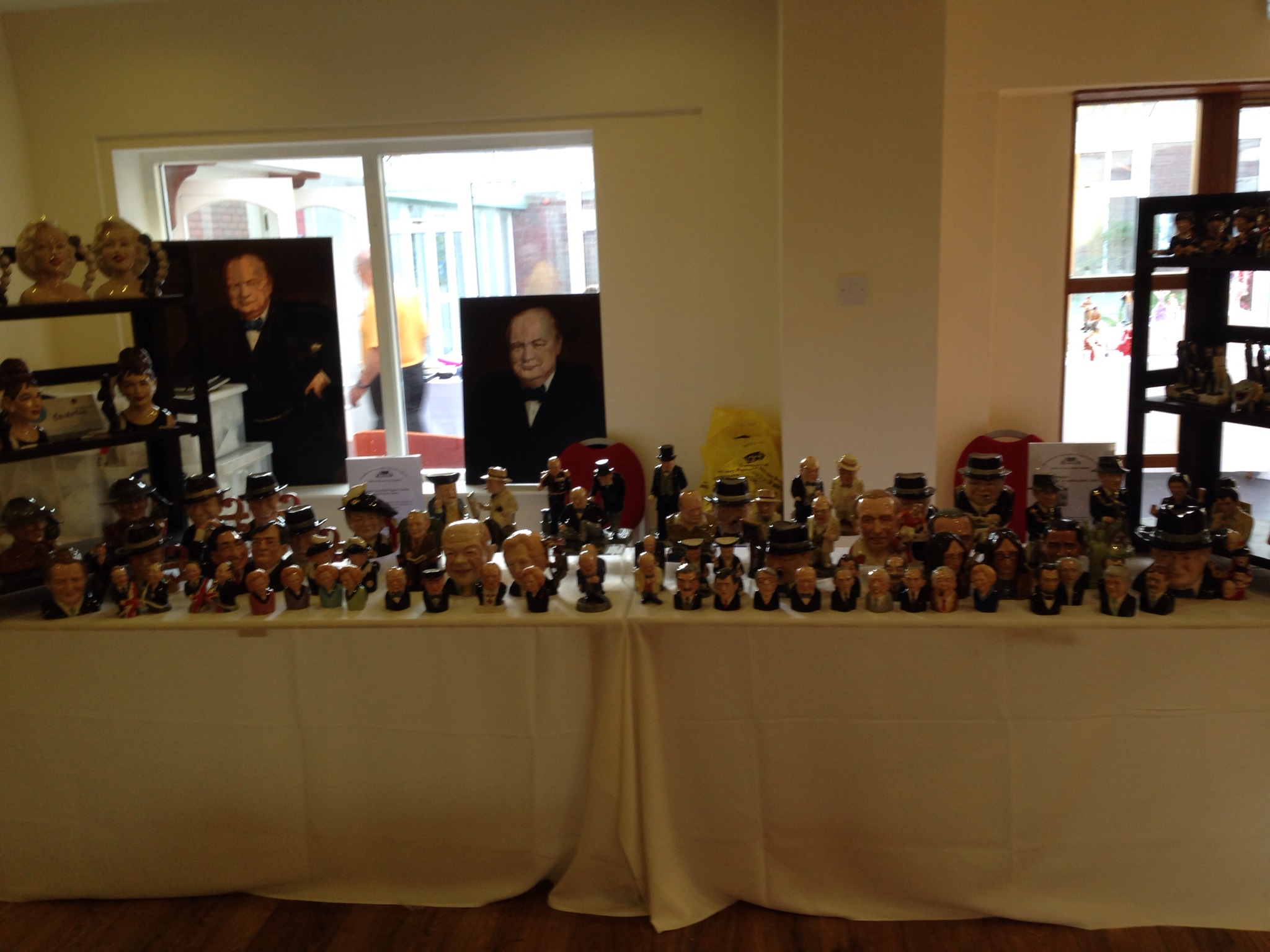
This last weekend saw the bi-annual Royal Doulton fair at Tillington Hall, Stafford.
Here are a few highlights from the event prior to opening last Sunday. Hope to see you there next time!
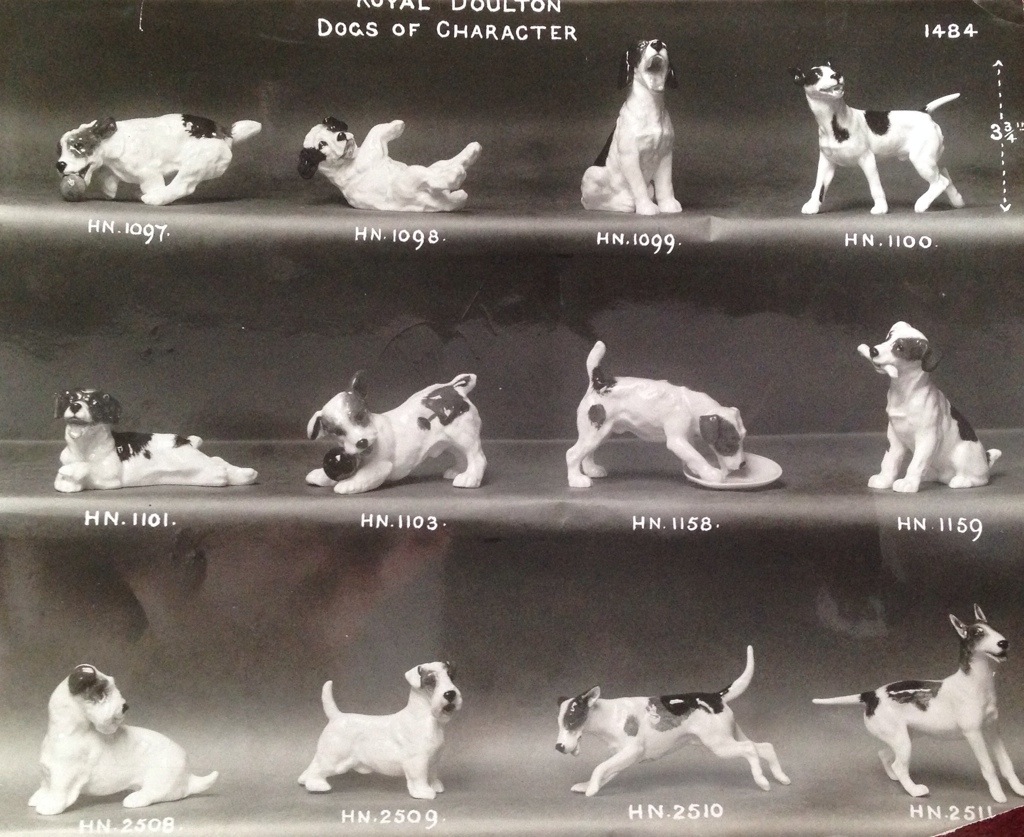
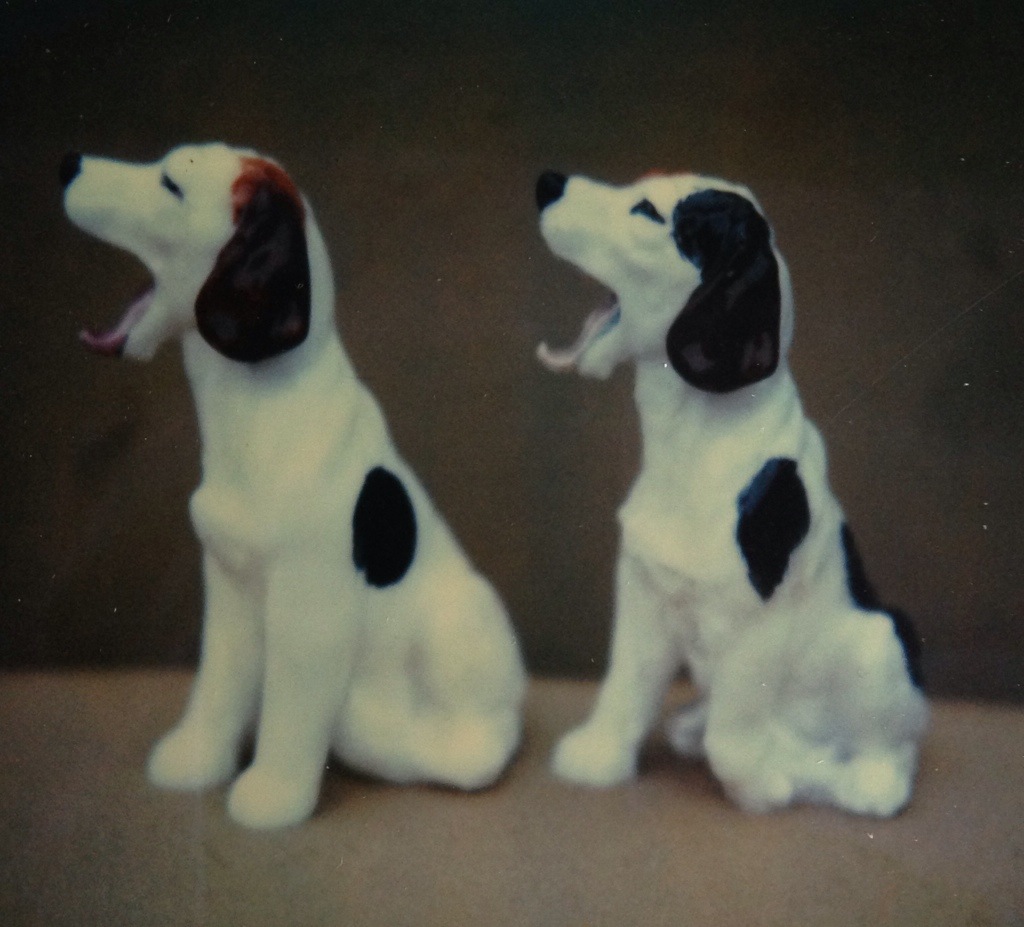
An early publicity shot for the series.
Although the modeller or modellers for this delightful set of dogs is unknown, inspiration for them comes directly from the many dog illustrations by Cecil Aldin, particularly his book A Dog’s Day.
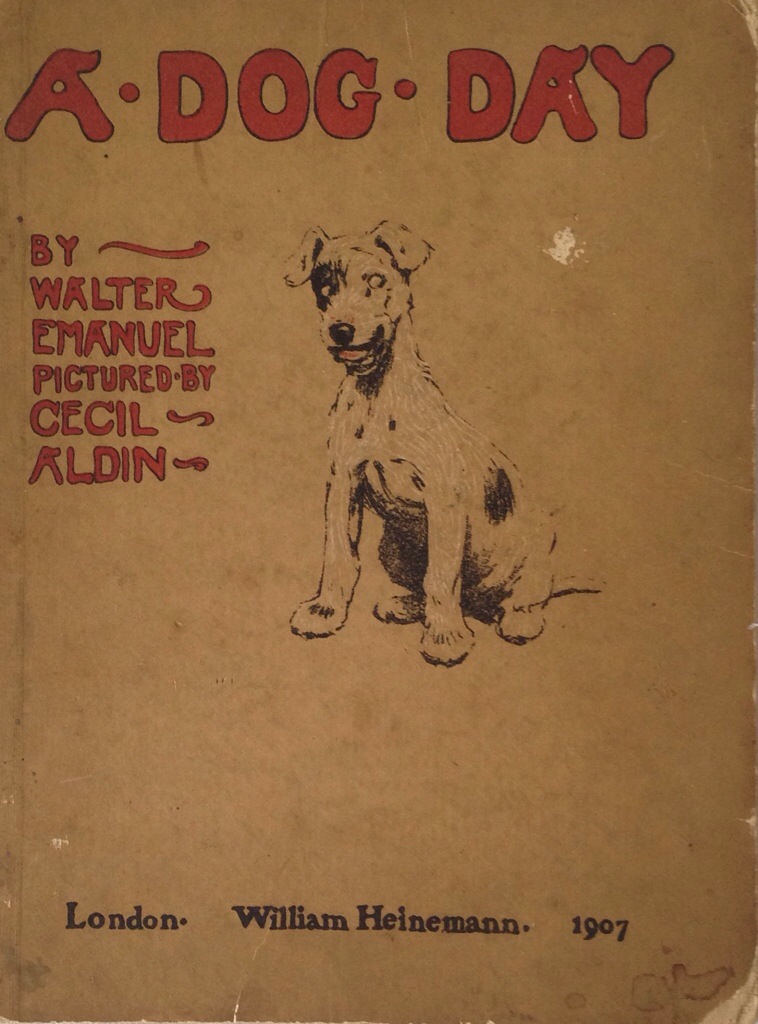
The cover of ‘A dog day’ illustrated by Aldin.
The series was expanded at a handful of points. The original six models were introduced in 1934, then a further two in 1937. These were succeeded by four more models in 1938. There was a large gap then until 1959 when the character dog with slipper was introduced.
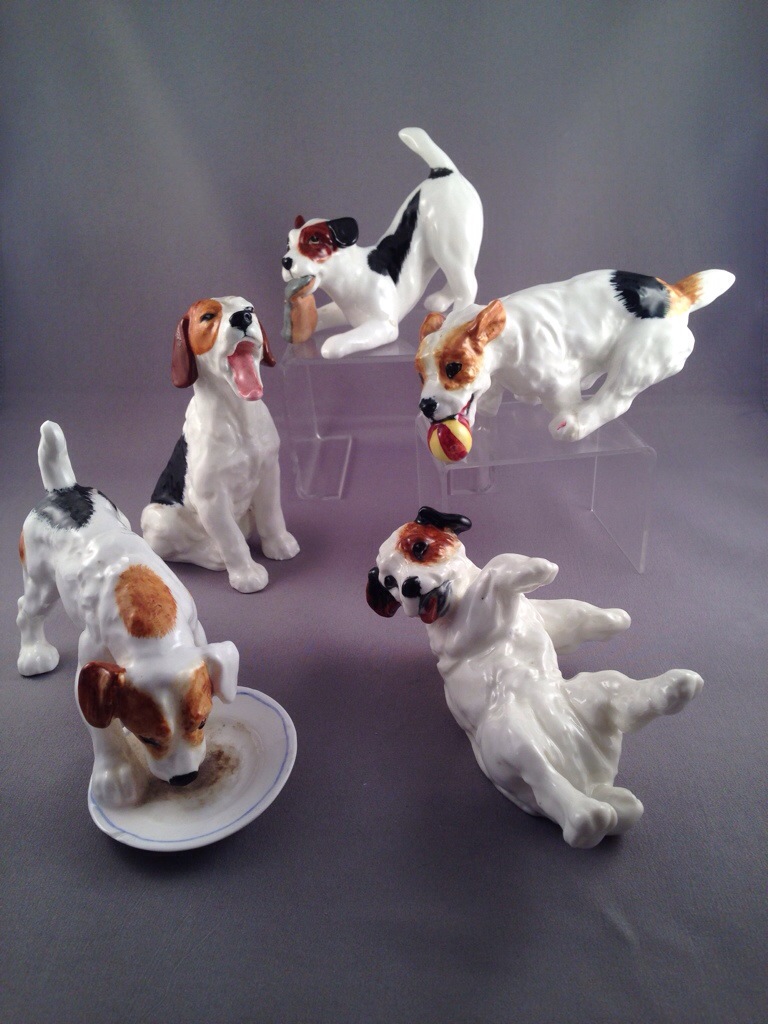
A group of character dogs including the rarer HN1098.
From this original set there were withdrawals in 1959 and these are naturally the most sought after.
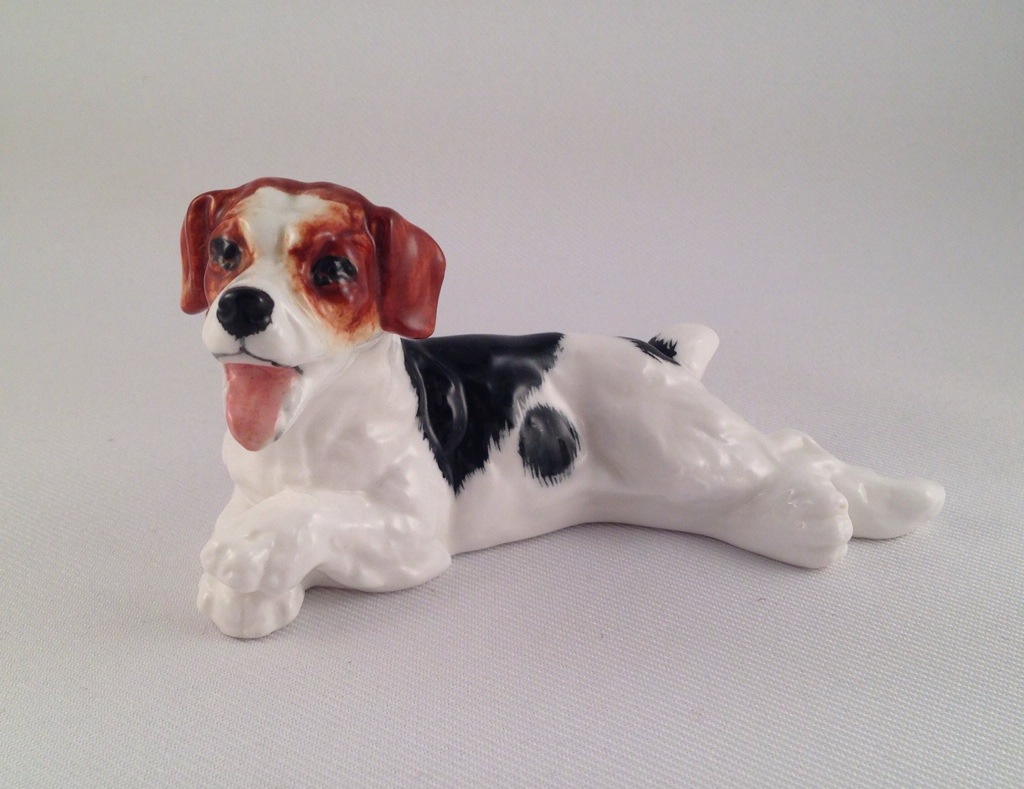
Another of the first withdrawals HN1101.
At some point in their early production, the series also had an early backstamp unique to it.
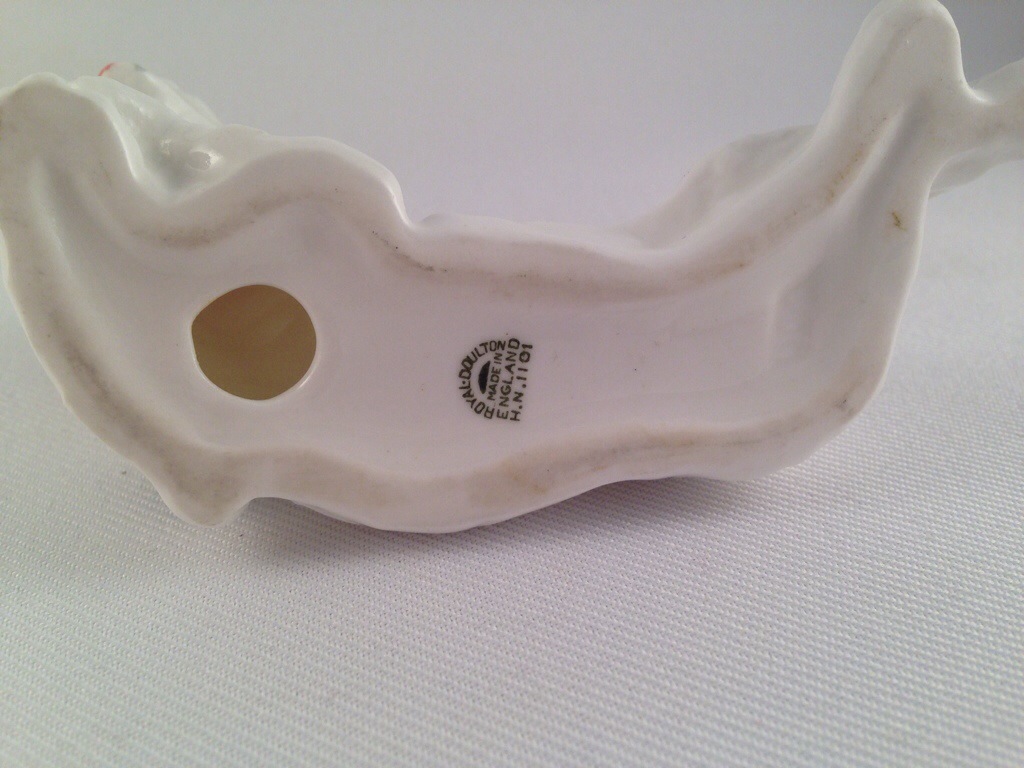
A further six studies were added to the set in 1941 and are HN2585-2590. The popularity of this set meant that the remaining dogs were in production until 1985 and even after this a handful were re-produced under the Beswick brand, although these later ones are instantly distinguishable from the Doulton ones due to their lack of detail.
Variations in dogs and occasional prototypes do turn up and I know of a dog playing with a tin and ball of string and here on the right is a rare version of HN1099 with a front paw modelled differently.
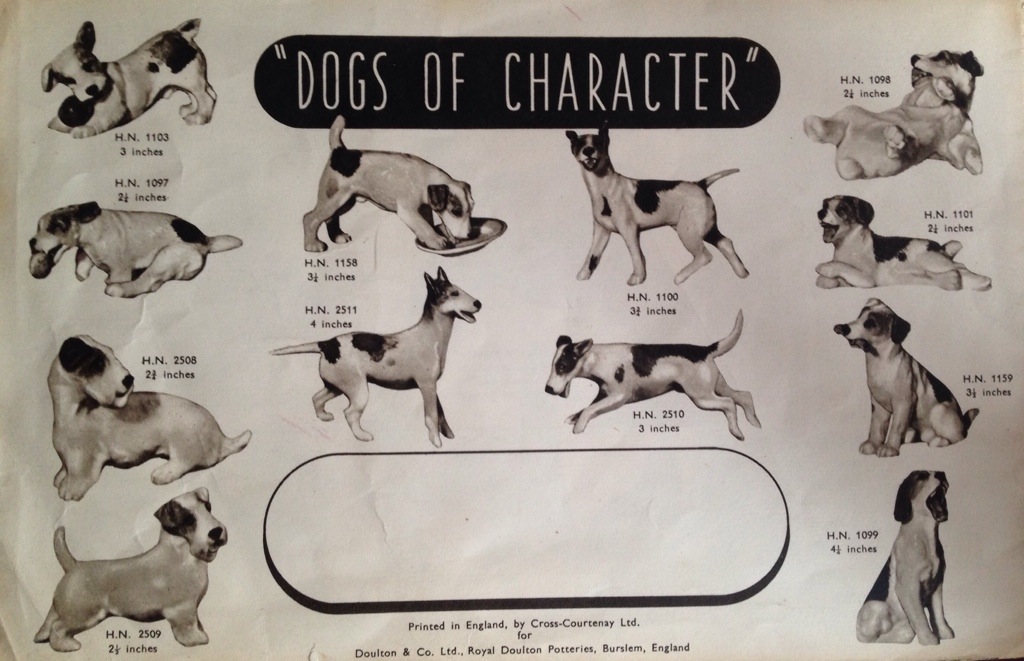
A catalogue page showing the first 12 dogs in the set ca.1938.
The canine characters were also featured on Royal Doulton’s famous seriesware and were produced between 1926 and withdrawn during or soon after WWII. Patterns carry one of two D numbers: D4525 or D4629. In total there were six different scenes/dogs featured and items come in regular or Titanian glazes.
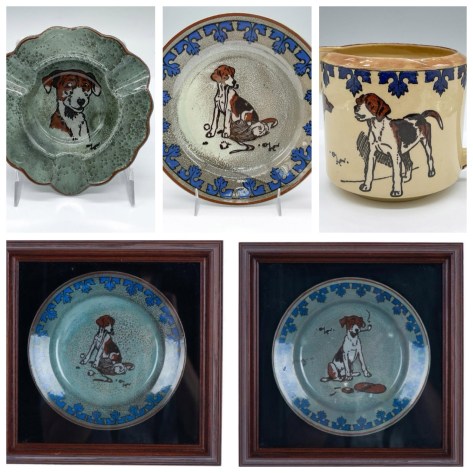
A great selection of Doulton’s Aldin ware coming up at Lion and Unicorn Auctions 14 April 2024! http://www.lionandunicorn.com
All content and pictures © Christopher Evans 2014.
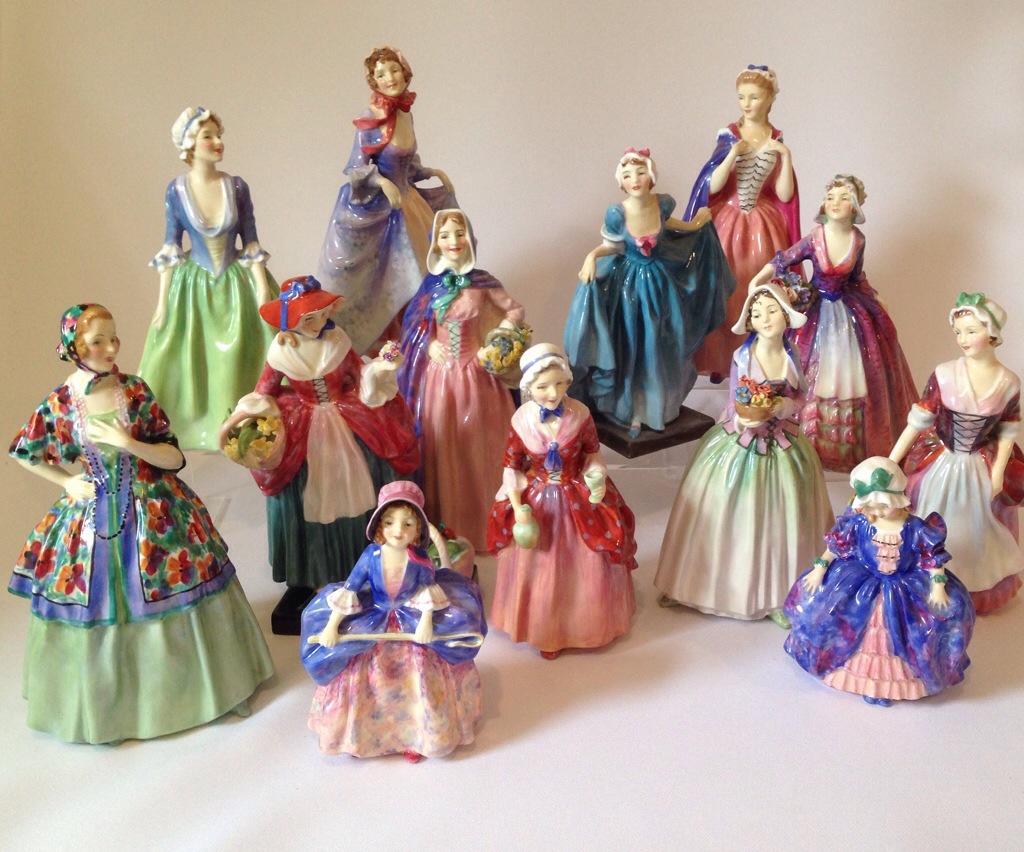
Thinking of collecting themes, one which is often overlooked is that of Doulton’s group of maids, be they serving girls and women, or alternatively the name once given to young girls.
Of course there are a handful of figures with ‘maid’ in their names such as Sweet Maid HN1505 a classic, bonneted Doulton lady or Sweet Maid HN2092 a bride on her wedding day.
This group of maid figures, however, do not have ‘maid’ in their names, rather they are named after typical serving girl names such as Jane or the French Suzette.
The figure Dorcas appears to be modelled on an advert for Dorcas towels from the 1930’s and also derives her name thus.
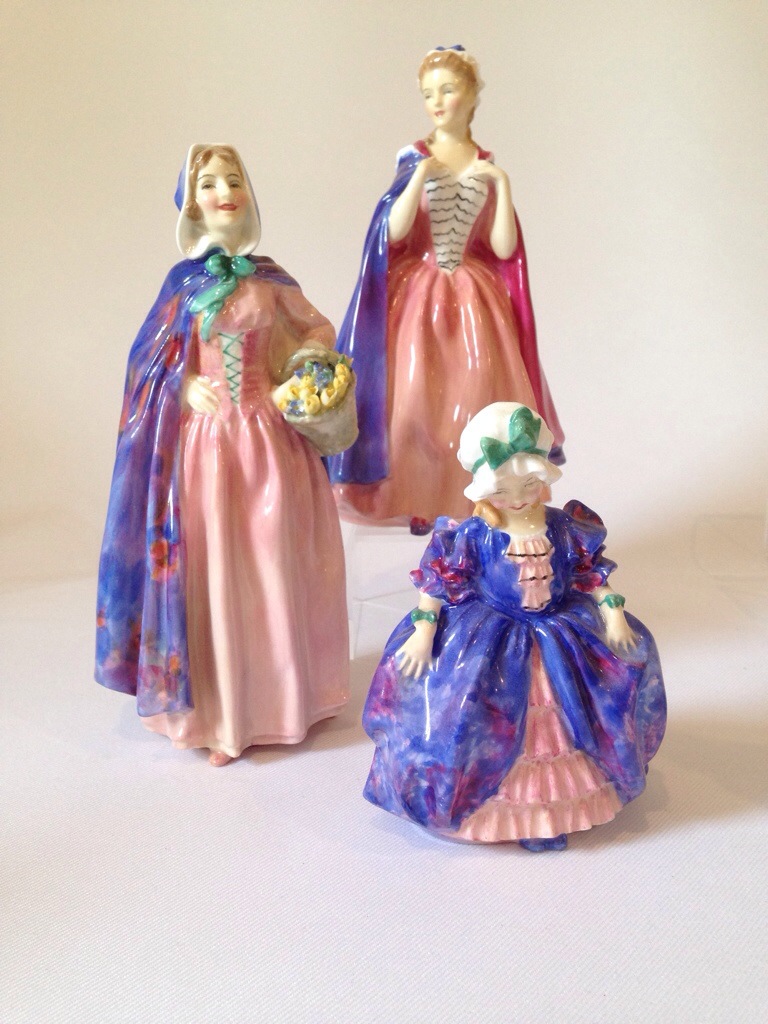
Of course arranging figures by colour is always popular. Here are three figures I think go well together.
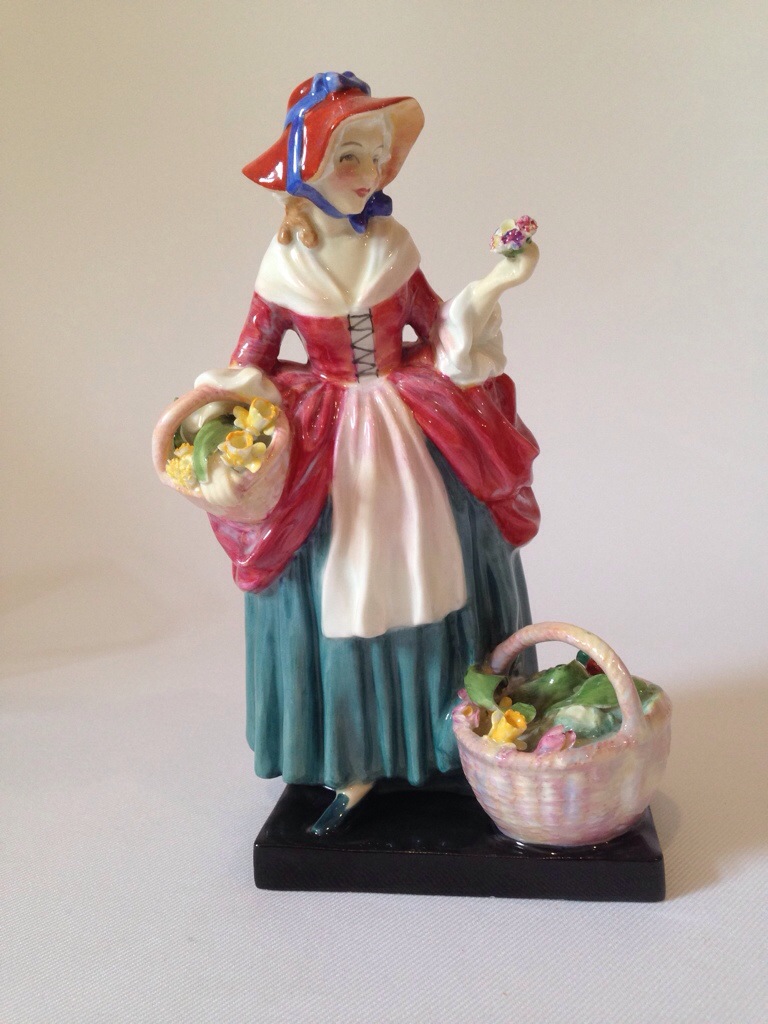
Another figure that is based upon an illustration is this version of Spring Flowers. For some unknown reason this colourway, which is directly based upon a Wheatley ‘Cries of London’ illustration was not introduced until 1940 whereas the original 1937 version is an entirely made up Doulton colourway. Personally I prefer the red and green version.
Perhaps you arrange your collection in a particular way? If so join our Facebook page ‘Doulton Collectors Club’ to share and also see what other collectors collect and cherish!
In the first three decades of the 20th Century there was a real vogue for all things Dutch! No one today can quite explain this phenomenon but it reached all parts of British life with adverts featuring people in Dutch dress to the famous London store Liberty of London selling Dutch inspired gift ware. My own explanation is that it was perhaps that the traditions in a Holland were still so strong whereas they had been lost in many other European countries by this point in time.
Nevertheless, Doulton were certainly on this band wagon creating their famous seriesware pattern Dutch Harlem, a variation if which was even made specifically for Libertys!
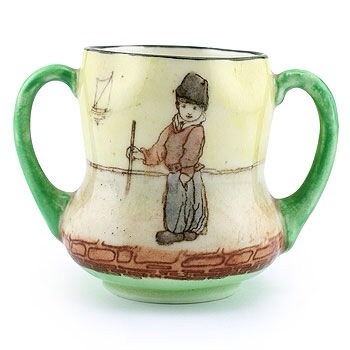
A miniature tyg in Dutch Harlem.
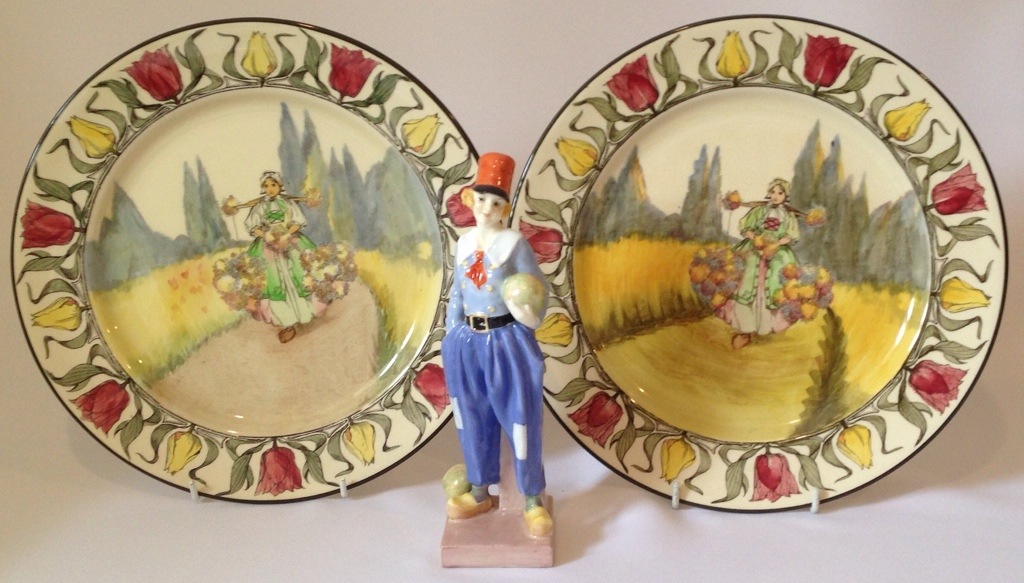
Equally charming are the two seriesware plates at the top of the page, with a deco Doulton figure named Derrick also in Dutch dress.
Doulton’s figure range contained a handful of Dutch figures, all the inspiration of Doulton’s famous modeller Leslie Harradine and all dating to the 1930’s.
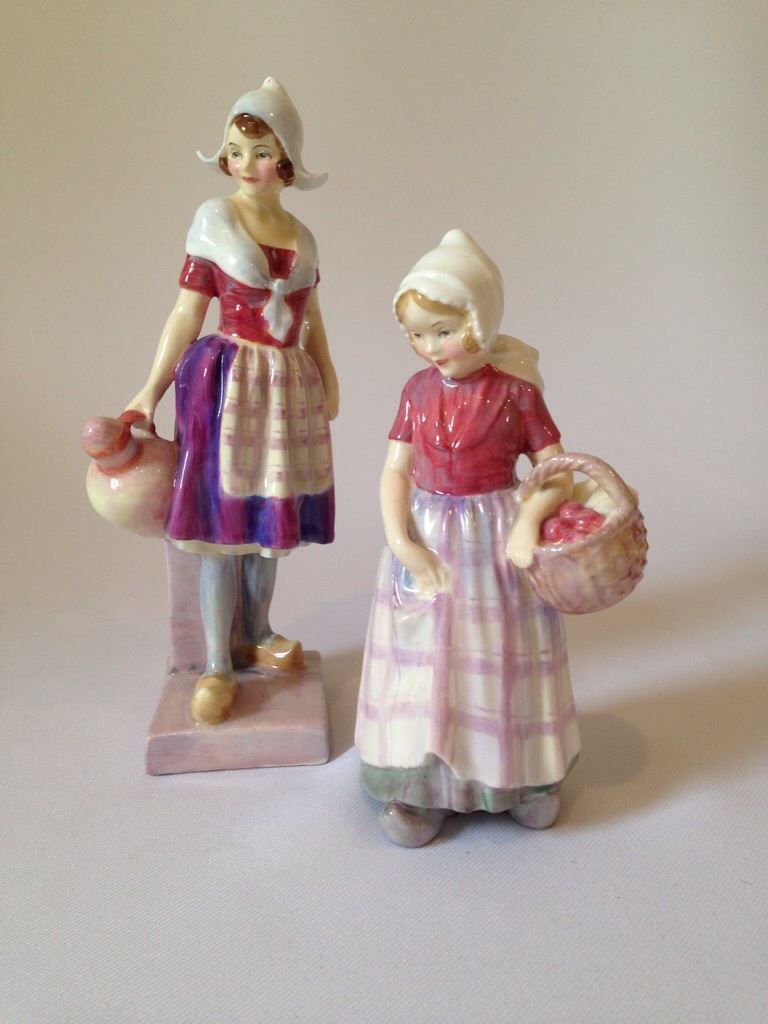
Here are Gretchen and Annette.
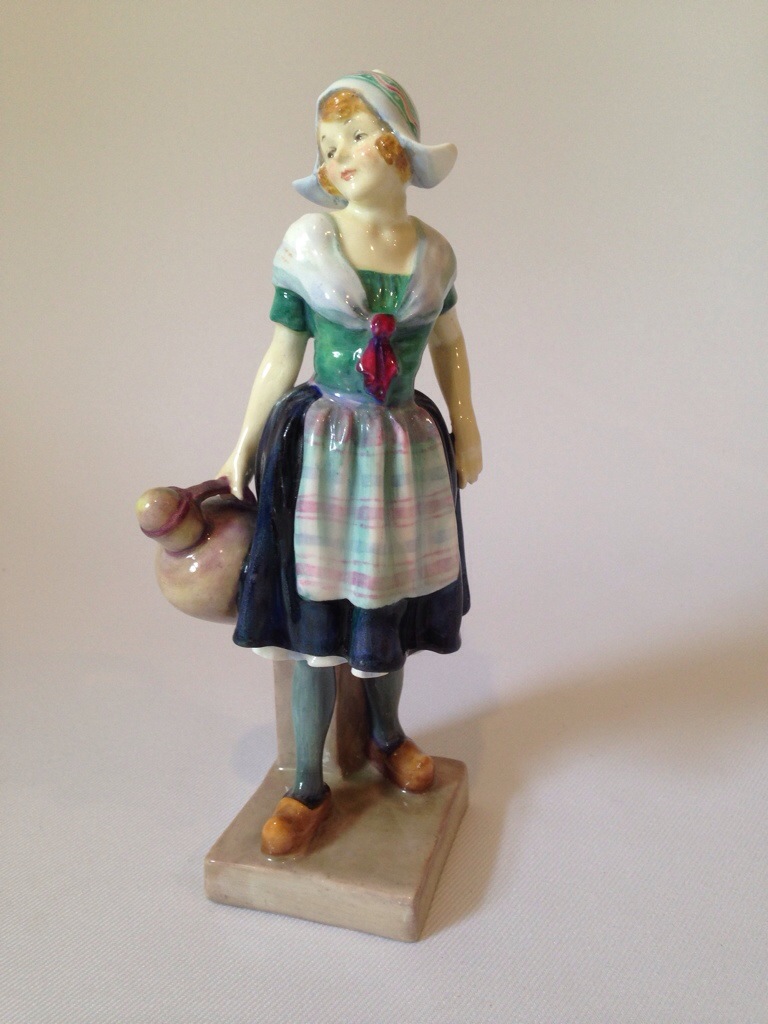
And here is a colourway of Gretchen from 1930.
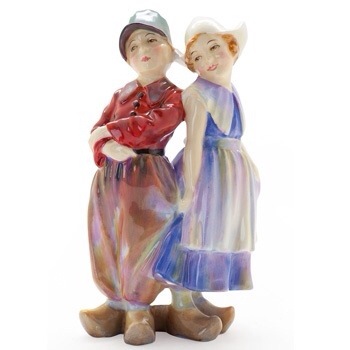
A child group entitled Willy-Won’t-He was also introduced in 1933.
Other Doulton wares featured Dutch scenes such as this rustic Holbein ware vase painted with a windmill scene.
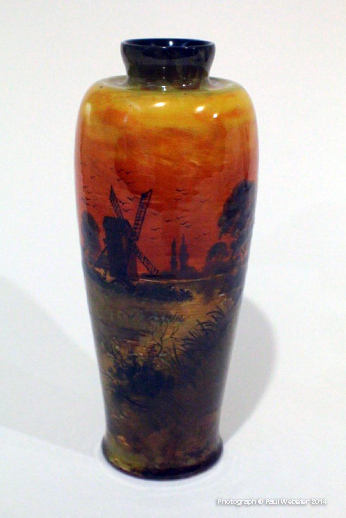
A rare Holbein vase ca. 1900.
This vogue for all things Dutch seems to have stopped at the end if the 1930’s but these charming pieces serve to remind us of these halcyon days.
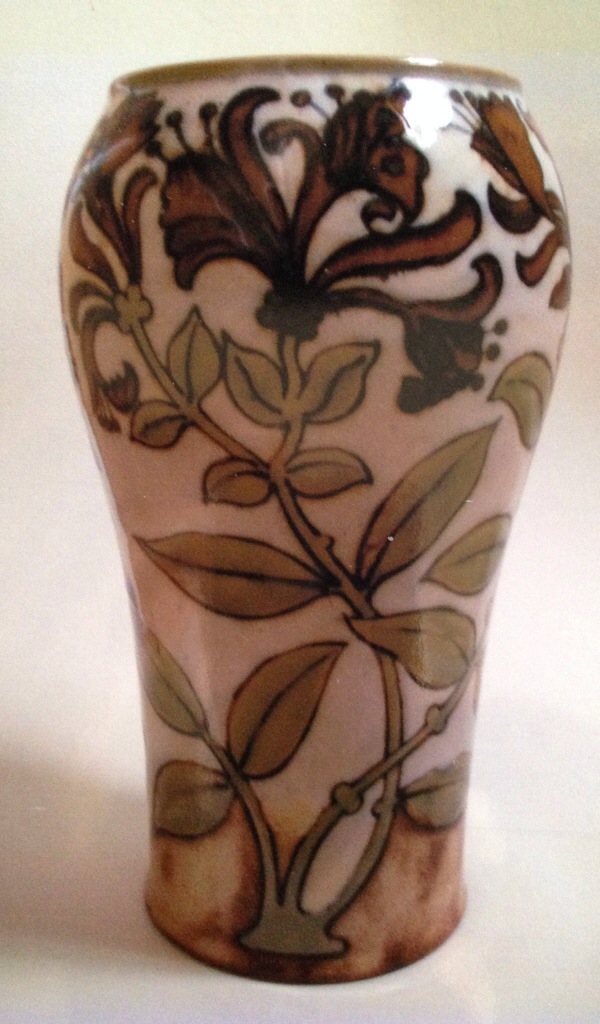
Simeon was the son of a monumental mason, which perhaps explains his everlasting interest in sculpture. Simeon moved from Huddersfield to London in 1896 when he started work at Doulton in Lambeth and also the year he won a scholarship to the Royal College of Art.
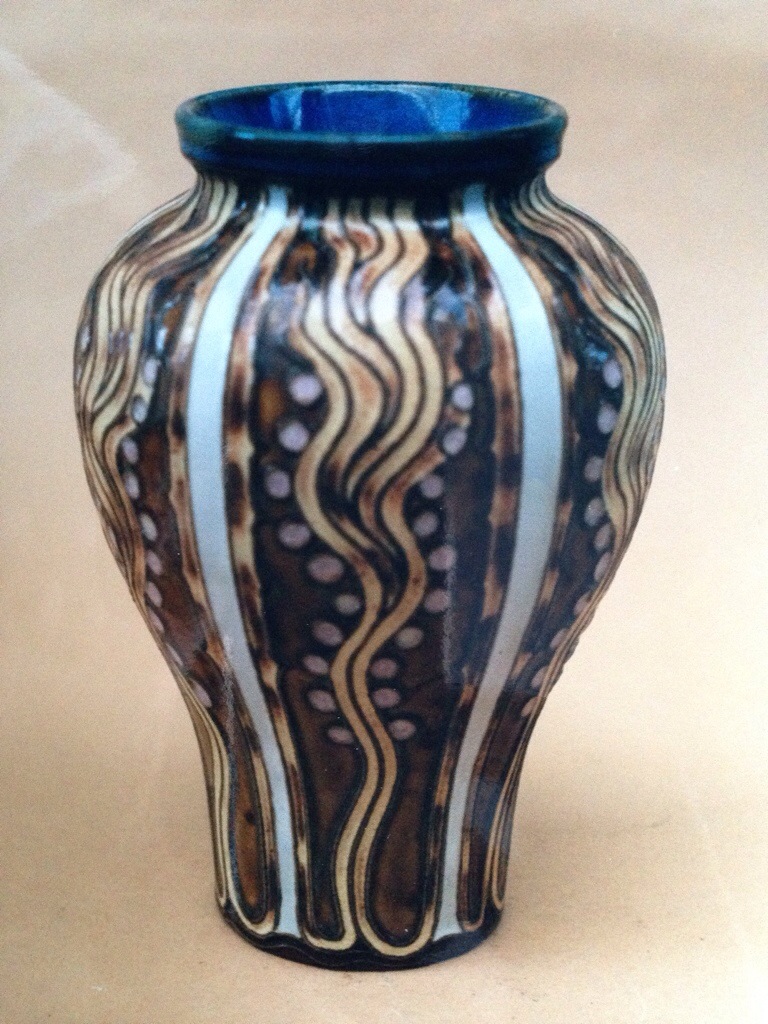
Simeon’s versatility cannot be denied when one looks at the variety of Lambeth wares he produced. Naturally there were many hand designed vases, but there were also late edition vases made between 1910 and 1925, as well as endearing Toby wares that he modelled that we’re introduced in 1925.
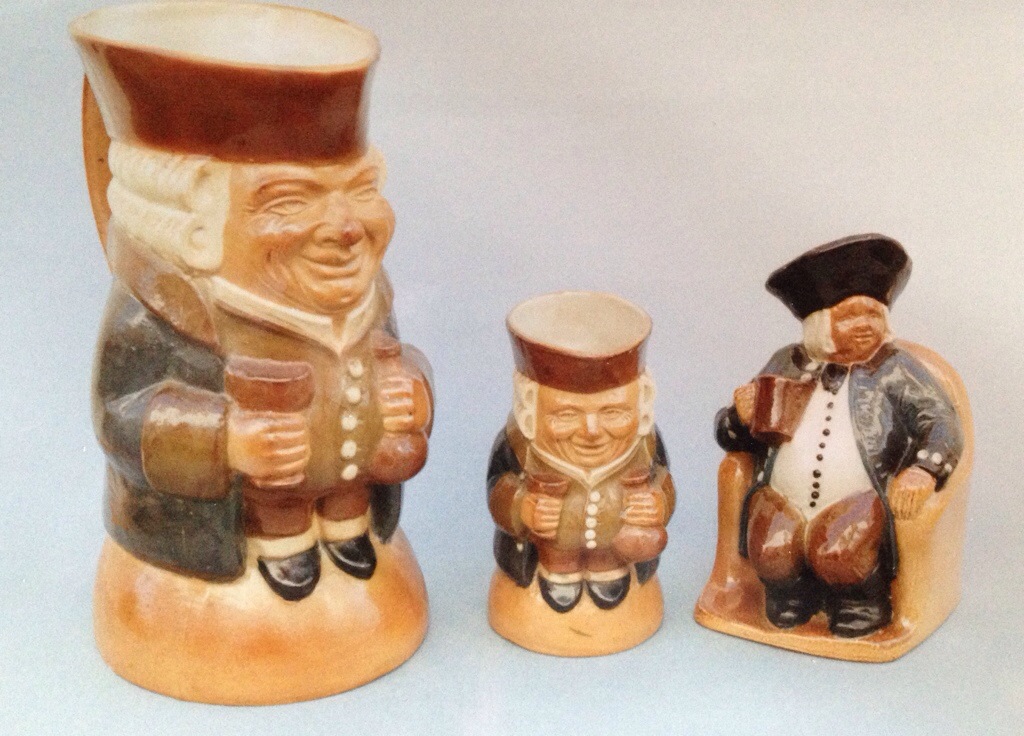
When one considers the wares with which his is now associated it is hard to believe that he criticised his own talent, describing it once as overly fussy and preferring the artistry of Mark Marshall’s often simplistic designs.
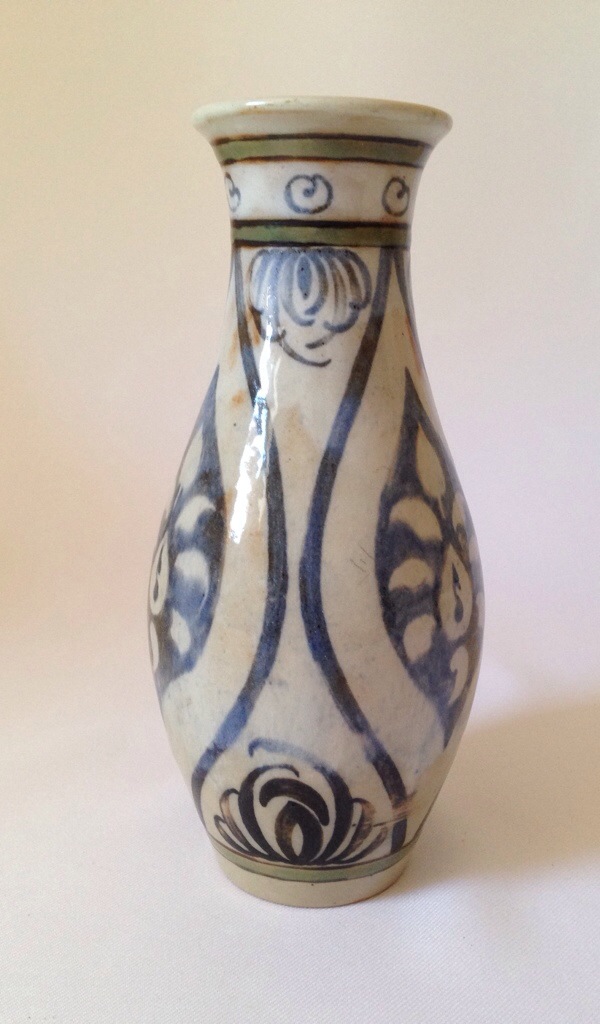
Joseph Mott, Lambeth’s art director in the early 20th Century had a particular interest in pottery of ages gone especially medieval pottery, encouraging Simeon to produce wares in this vein and also pots suitable for the many glaze effects trialled by Mott in the early part of the 20th Century.
Up until the end of Simeon’s association with Doulton in 1936, his style remained versatile, producing in the 1920’s designs for the Persian ware range and also a myriad of slip ware pieces in a colourful pallet.
.
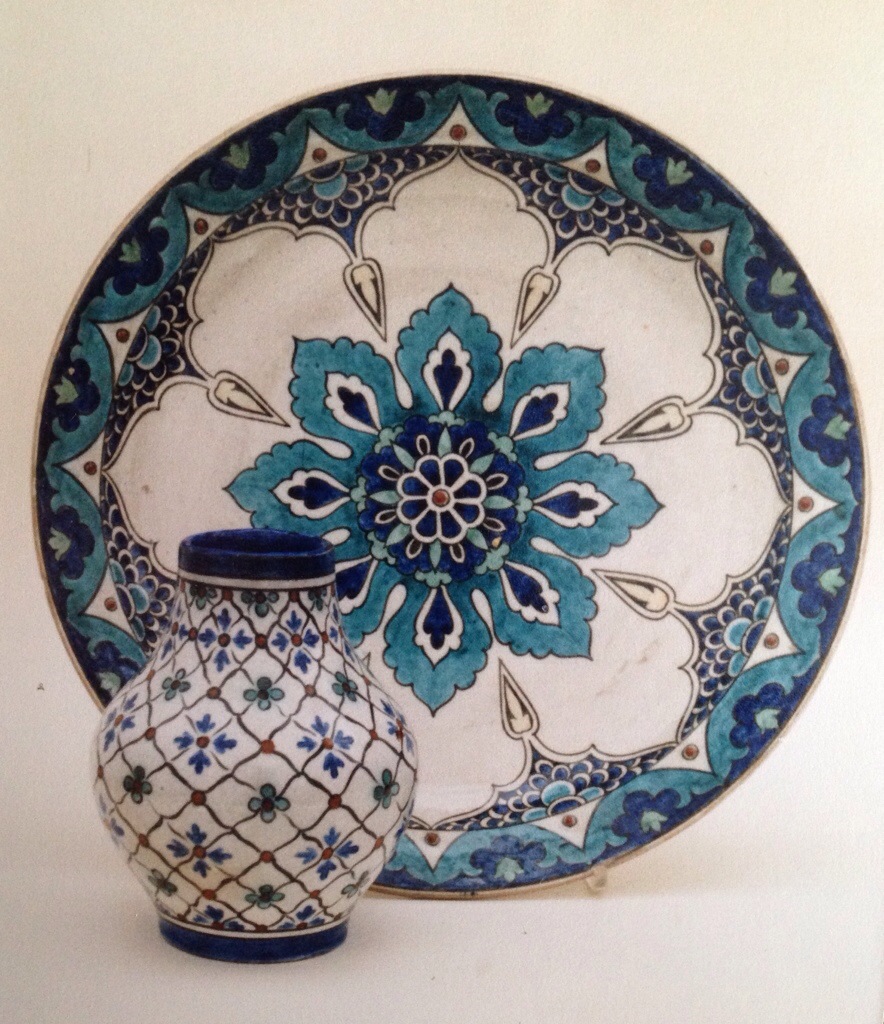
His signature changed early on from a simple H.S. to his usual monogram pictured in the Doulton reference books.
Charles Noke continued to experiment with glazes long after the departure of Cuthbert Bailey with whom he had perfected the Flambé glaze in the early 1900’s. And so in 1920 Sung was introduced, whereby painted decoration, colour and gilt are fused with the a flambé glaze.
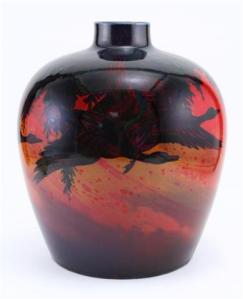
A stunning Sung vase.
I am sure you will agree that these pieces are magnificent. However, it is in the flesh that these pieces must be enjoyed to full effect as in this slide. Vases, large and small were decorated with exotic birds, pixies in woodlands, fish in seascapes along with many other subjects.
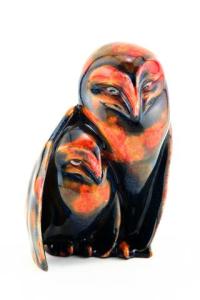
Sung owls.
These pieces were painted principally by Harry Nixon, Arthur Eaton and Fred Moore. Sung glazes can be found on Buddhas, as can also be seen here in this advert from the 1920’s, a handful of suitable early figures from the HN range such as A Spook, as well as animals, in particular elephants, a favourite of Charles Noke can also be found.
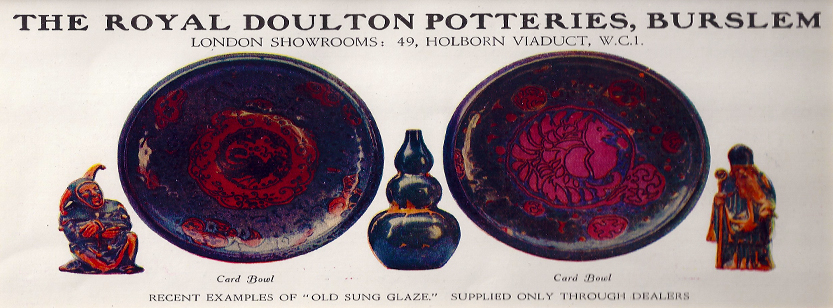
Orignial Sung advert ca. 1920.
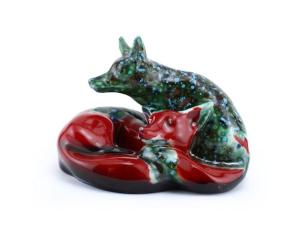
Sung curled foxes.
Another magnificent addition to the Burslem range in 1920 was the Chinese Jade glaze, imitating the ancient Chinese glazes of centuries before, by using a thick white glaze streaked with green. Pieces of Chinese Jade are exceptionally rare, due to the costliness of production, together with the high proportion of rejects due to the inherent difficulties in achieving this technique.
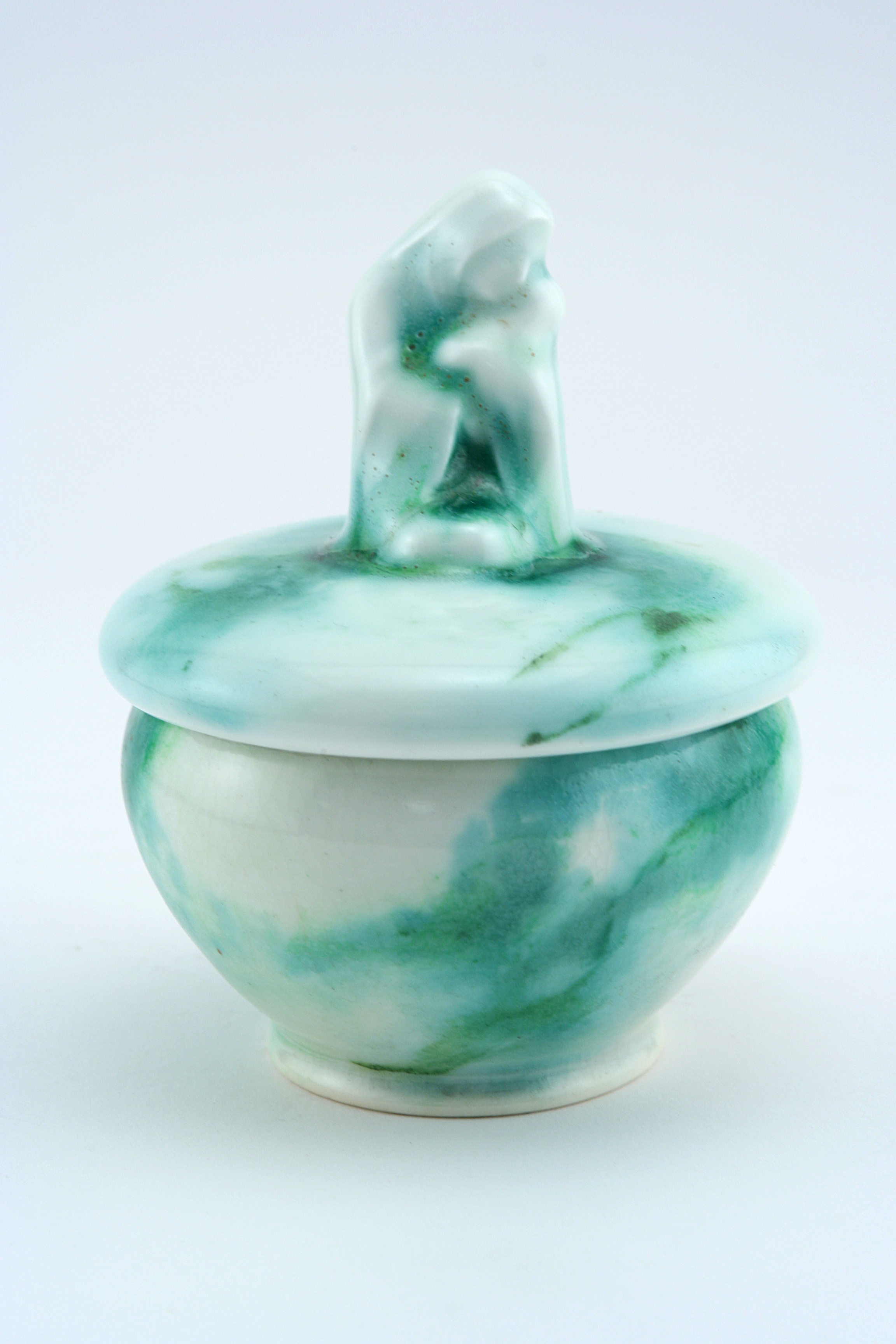
Chinese Jade lidded bowl with ‘Despair’ HN596 as the finial (the name of this figure is only a name given when the original figure book was published in 1978 as there is no record of its actual name).
A variation of this ware exists whereby the green streaks are replaced by blue ones, and this extraordinarily rare glaze is aptly named Lapisware.
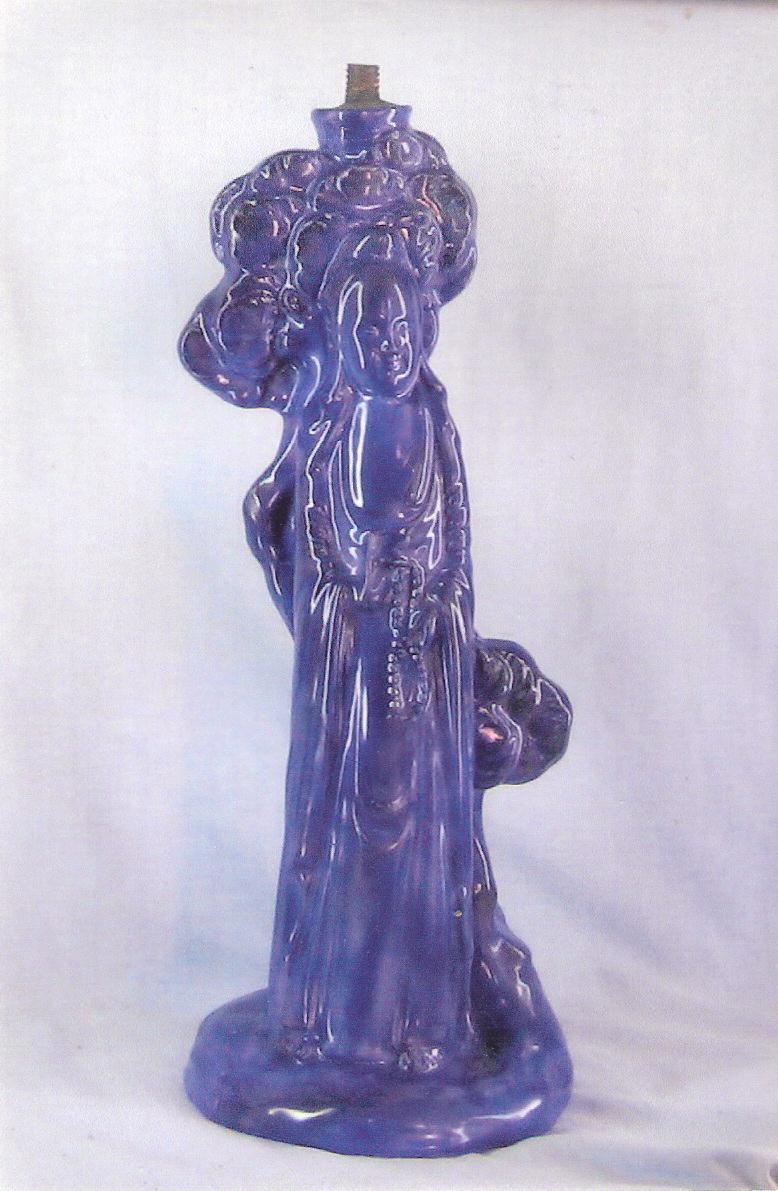
A very rare Lapisware lamp base.
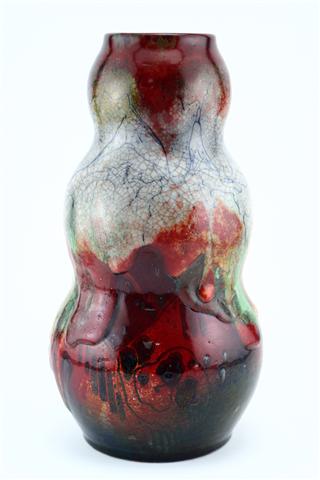
Another glaze worthy of inclusion here is perhaps the most magnificent of all. Chang ware was introduced in 1925 and involved a thick body upon which multi-coloured thick glazes were allowed to run and crackle – contrary to all usual pottery rules.
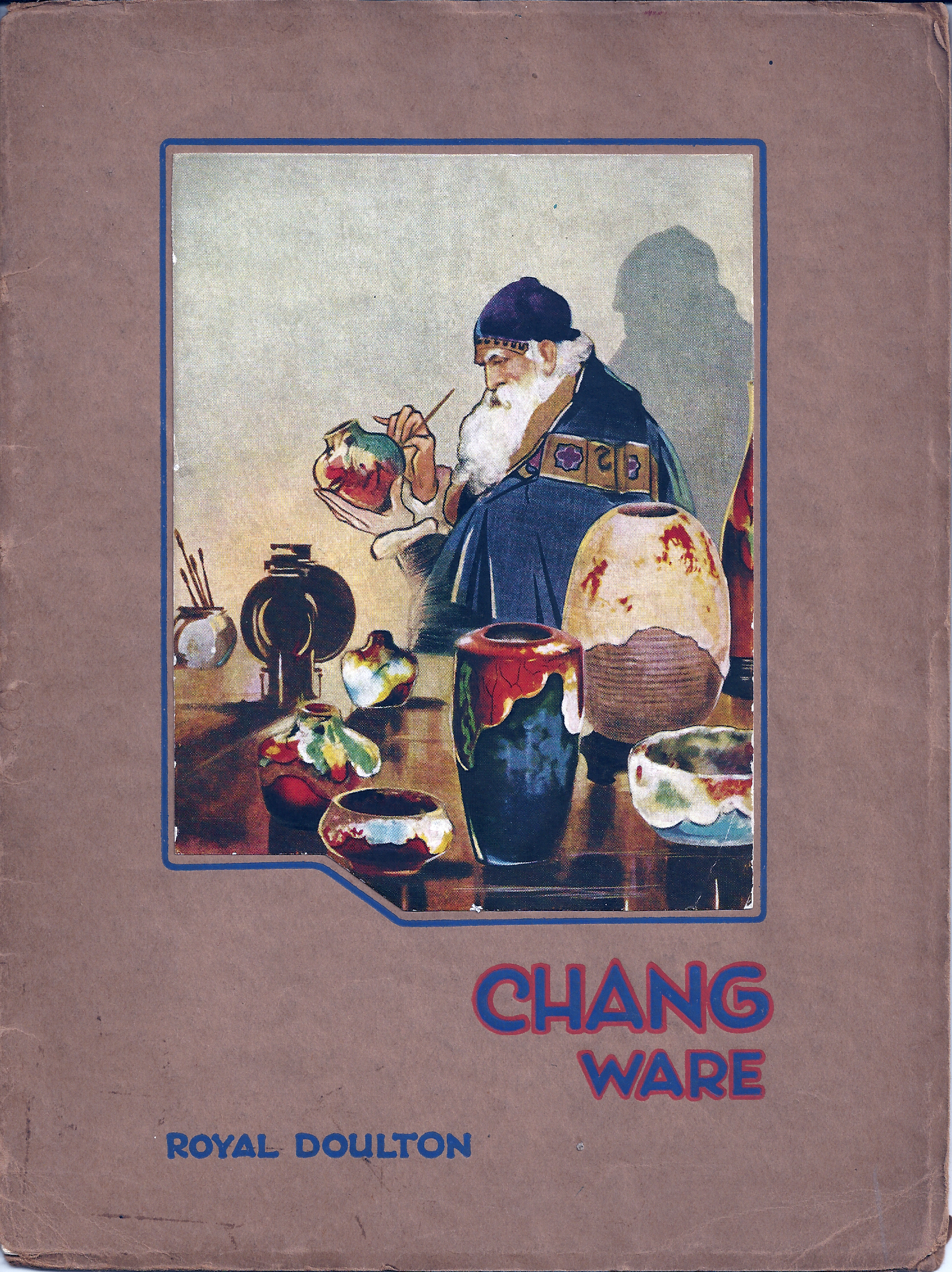
Original Chang catalogue cover.
The results you can see from this slide are breathtaking. Nothing like this glaze had been sen before even in ancient times, and it was greeted by worldwide acclaim. Chang pieces are usually found with the monogram for Harry Nixon on their bases together with Noke, for either Charles or Jack Noke, who succeeded his father as art director in the late 1930’s. The addition of Noke’s name signified the quality such work achieved.
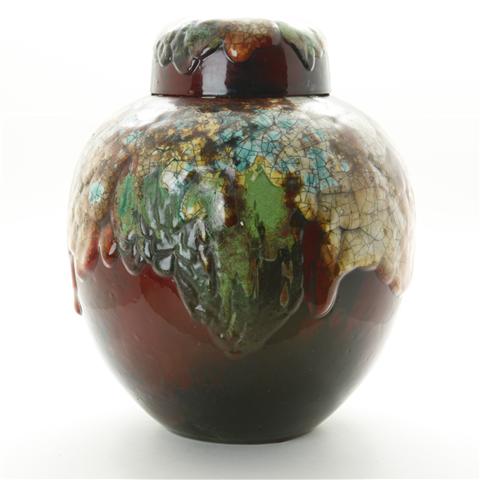
Chang ginger jar and cover.
To finish here are a selection of other glaze pieces from the early 20th Century. Enjoy!
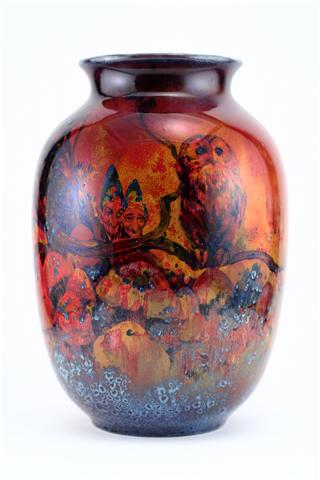
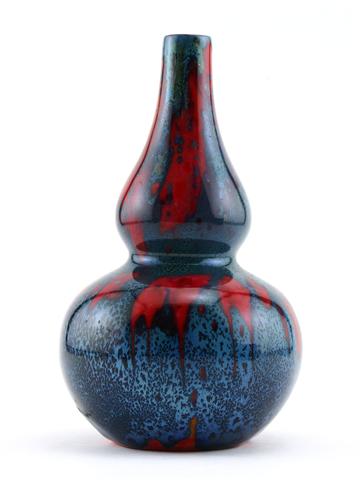
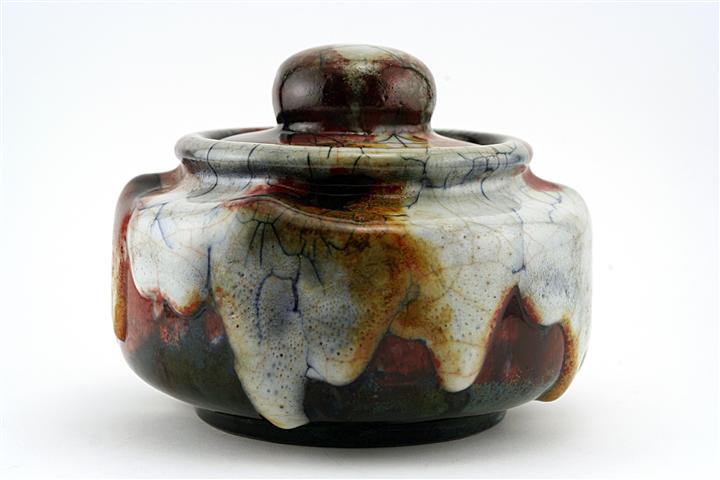
Inspired to share this next piece by a fellow collector who cherishes her Doulton figure Lizana, here is the inspiration behind her – a contemporary cigarette advert! Not quite PC today but the effort and detail put into advertising this brand of Abdulla cigarettes is to be marvelled, especially the rhyme at the bottom!
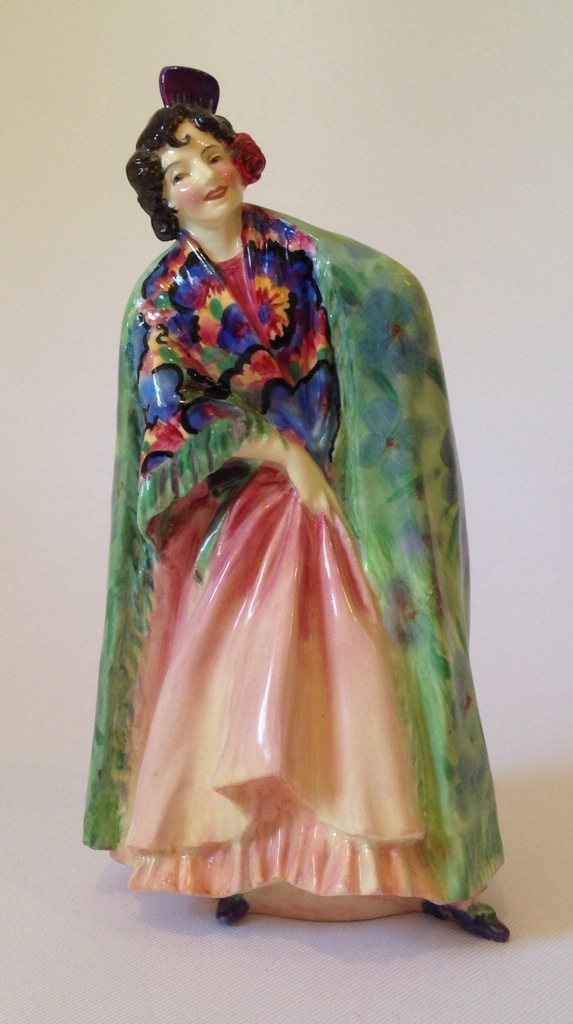
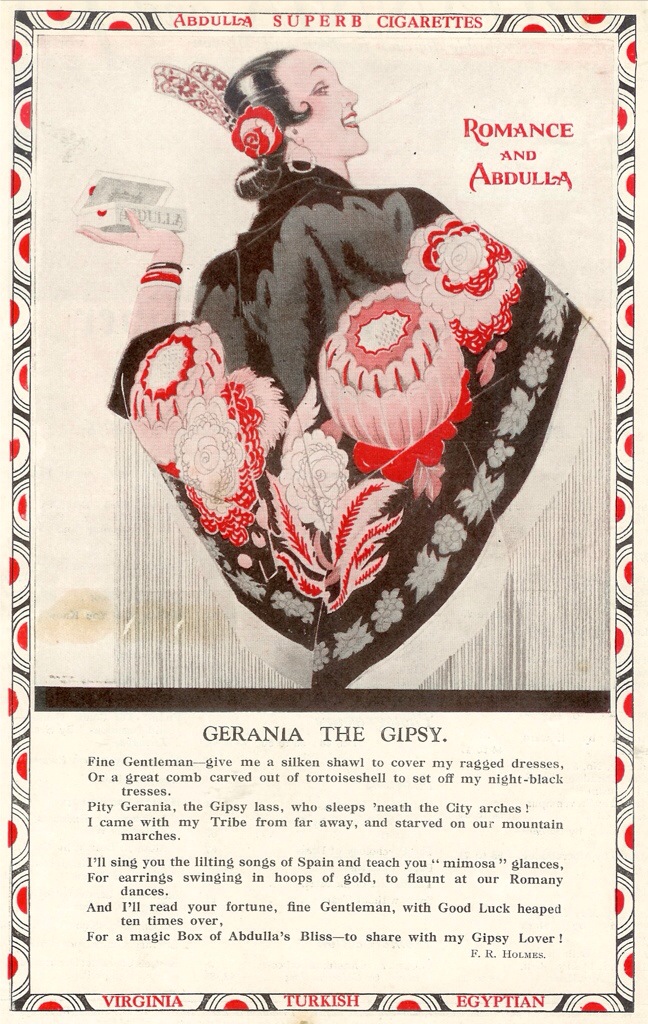
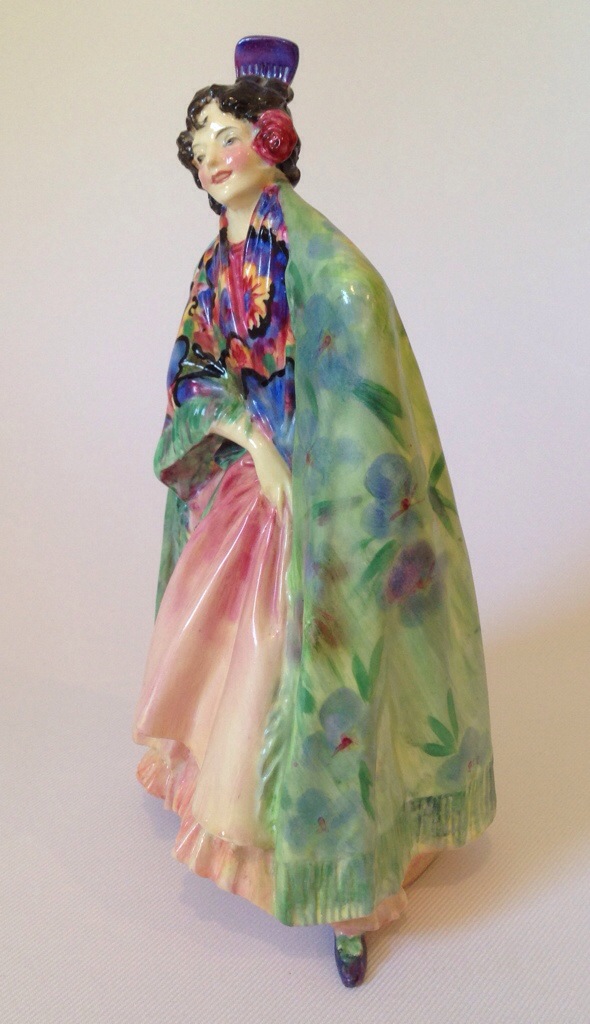
(C) Christopher Evans 2014
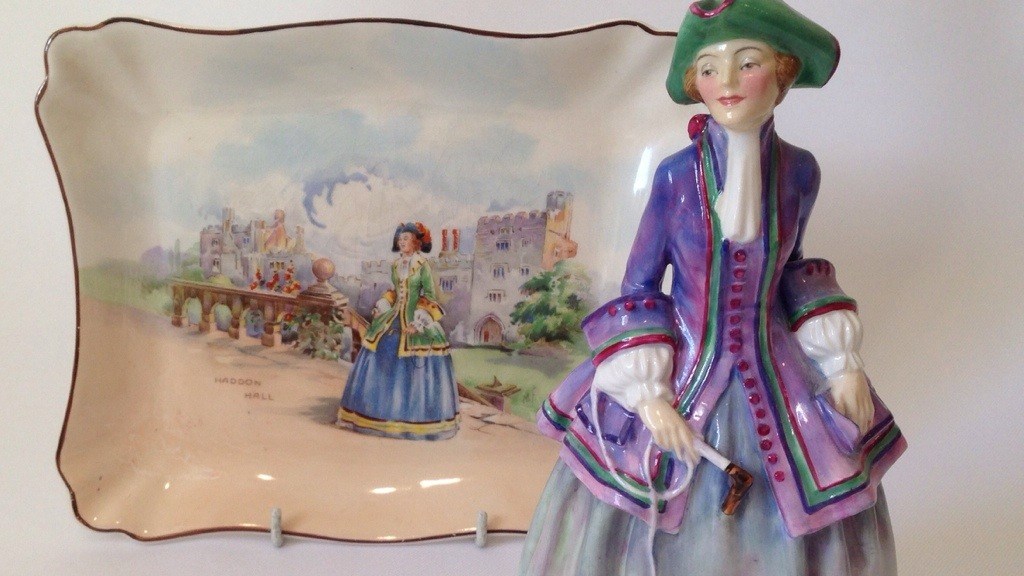
A few years ago I spotted the tray below and instantly recognised my figure Regency as the character in the scene!
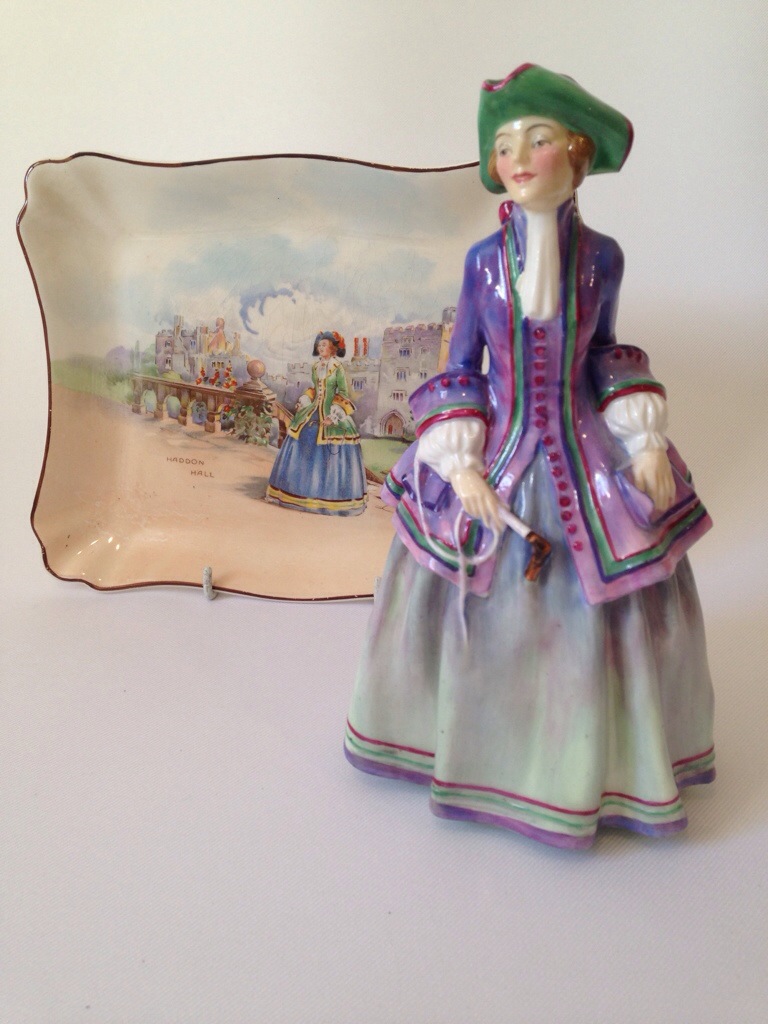
The seriesware picture is faithfully copied from Harradine’s figure, save that the riding crop has changed hands and a feather has been added to the tricorn hat!
The story behind the seriesware pattern is that the lady is Dorothy Vernon, daughter of Sir George Vernon who owned Haddon Hall, who runs off with the son of the Earl of Rutland – a union opposed by the parents probably because of religious differences!
The series was introduced in 1938 and withdrawn by the early 1950’s.
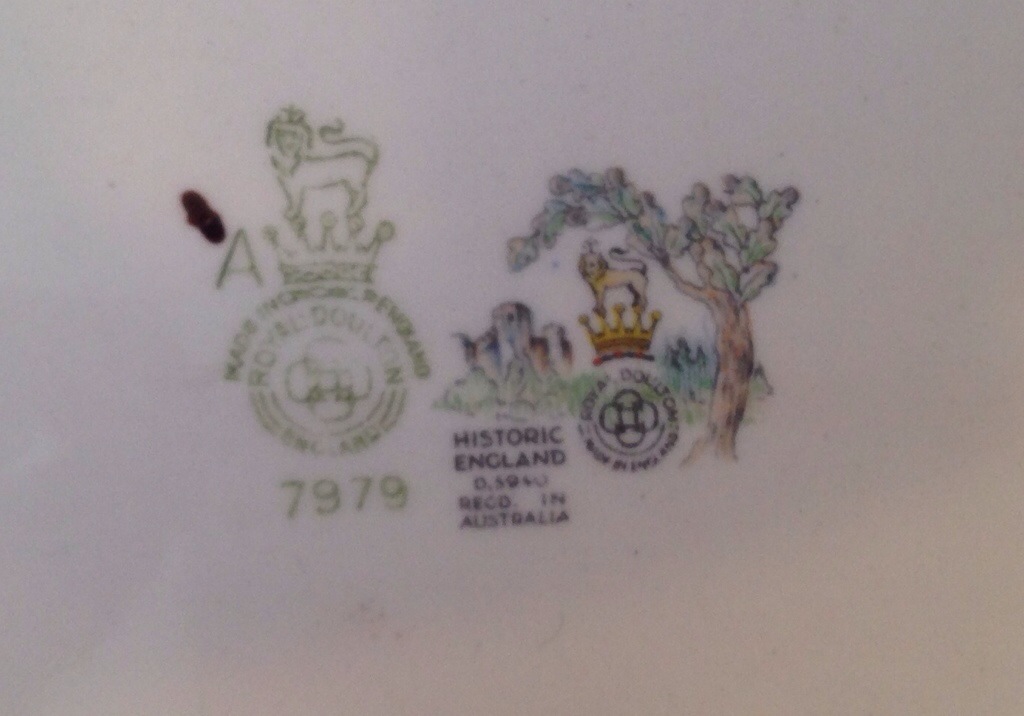
Once again Doulton surprises us with this link between the figure range and seriesware!
 doultoncollectorsclub