Collecting Doulton Lambeth paperweights

IMG_0118.JPG

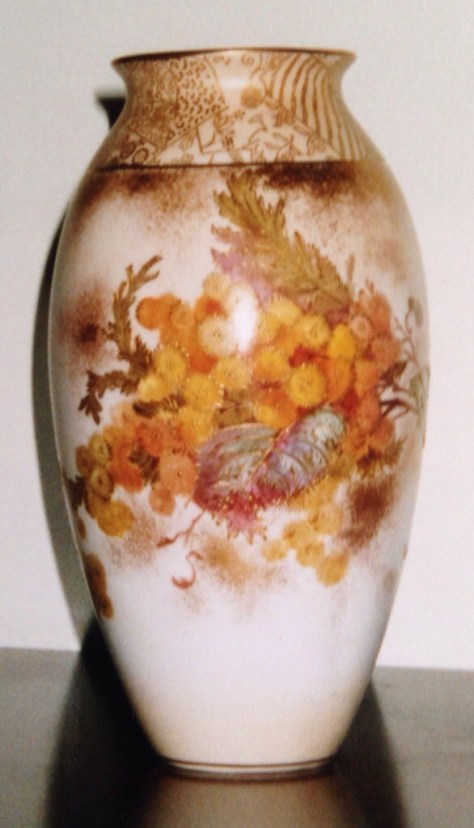
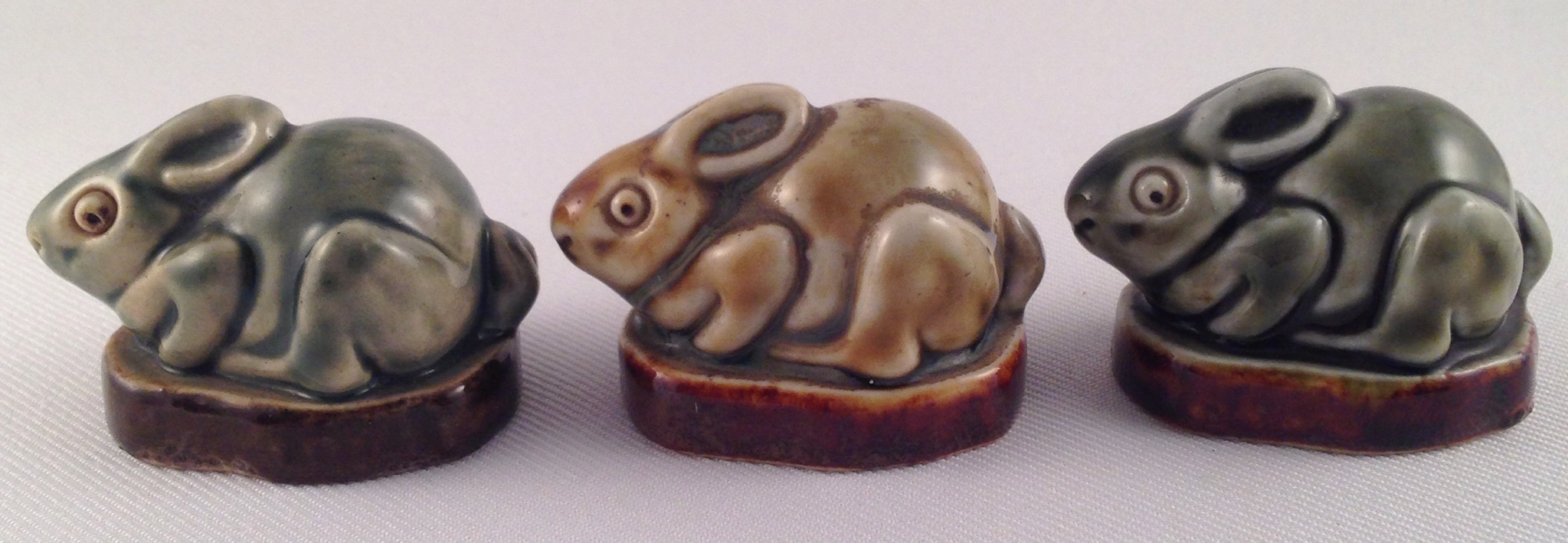
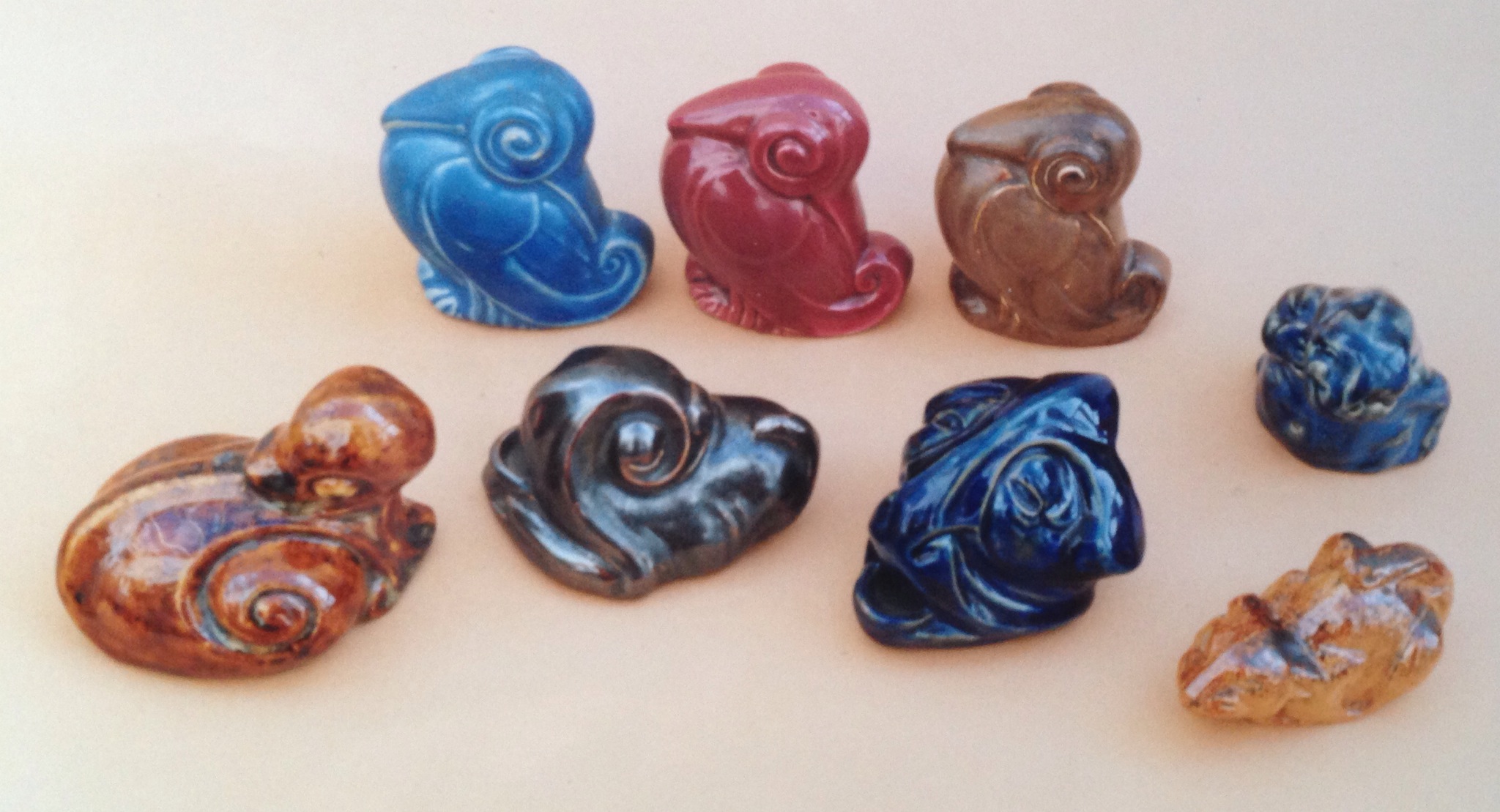
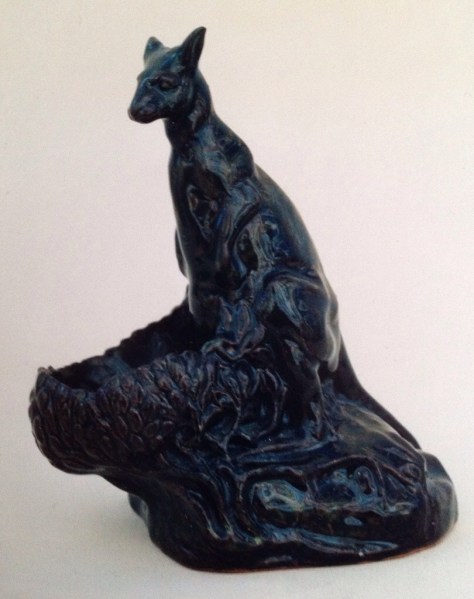
Looking around fairs I am sometimes amused by small curious creations stamped Doulton, the vast majority of which were the creations of Mark V. Marshall. His inspiration for these cannot be put down to one source, but rather he drew from his own imagination and probably Lewis Carroll’s imagination too with his representation of Carroll’s Mock Turtle and Cheshire Cat. In addition to the creations below a more recognisable rabbit can be found together with lizards and other creatures.

IMG_0119.JPG

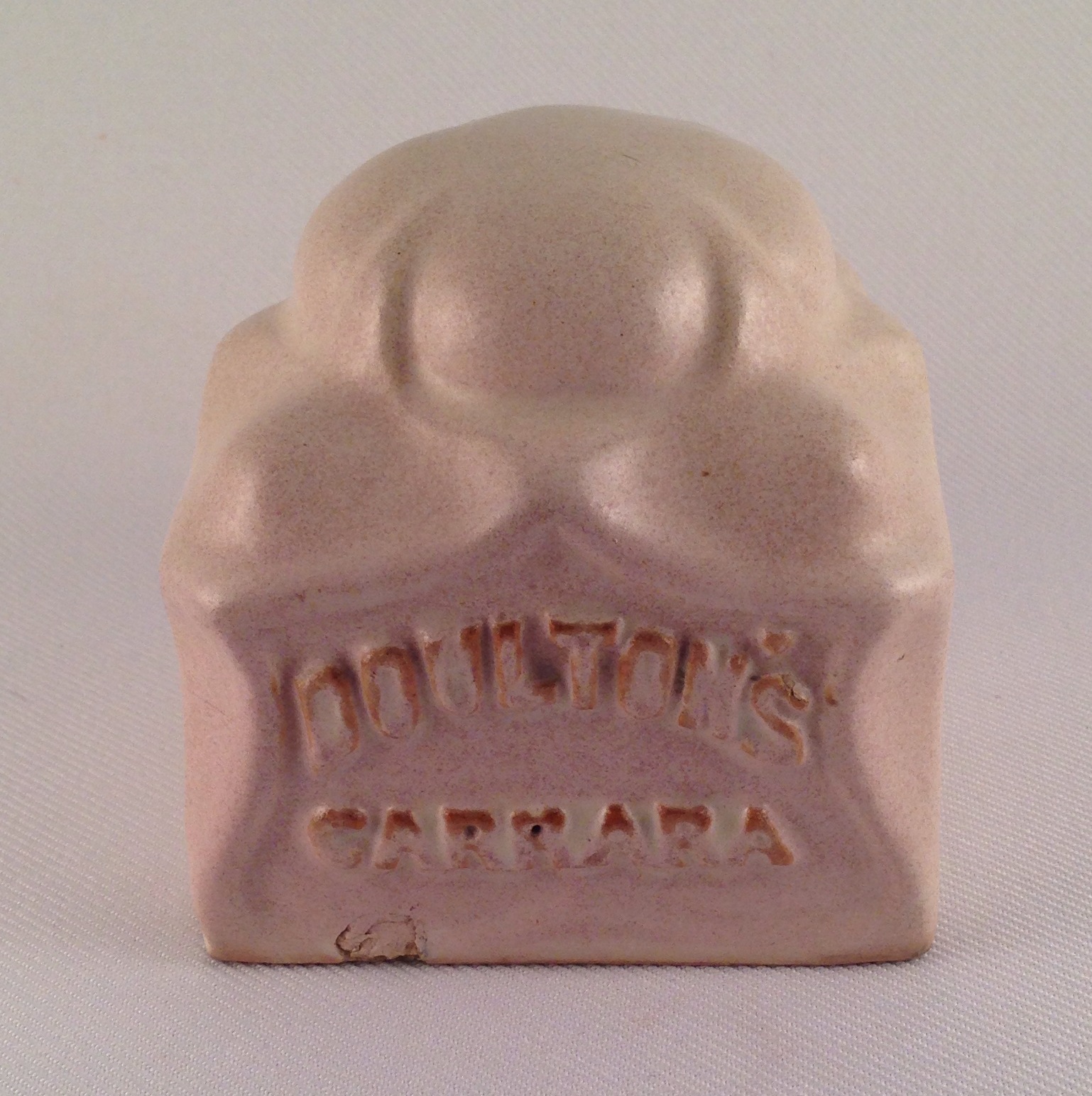
Paperweights and desk accessories were a staple of the Lambeth factory and indeed Tinworth’s mouse on currant bun was so popular it was re-issued in 1913 to mark his death. I have in my own collection a bizarre Cararra advertising paperweight too. The possibilities as we all know with Doulton, are as always endless.

IMG_0117.JPG

Doulton artists profile – Percy Curnock

IMG_0005.JPG
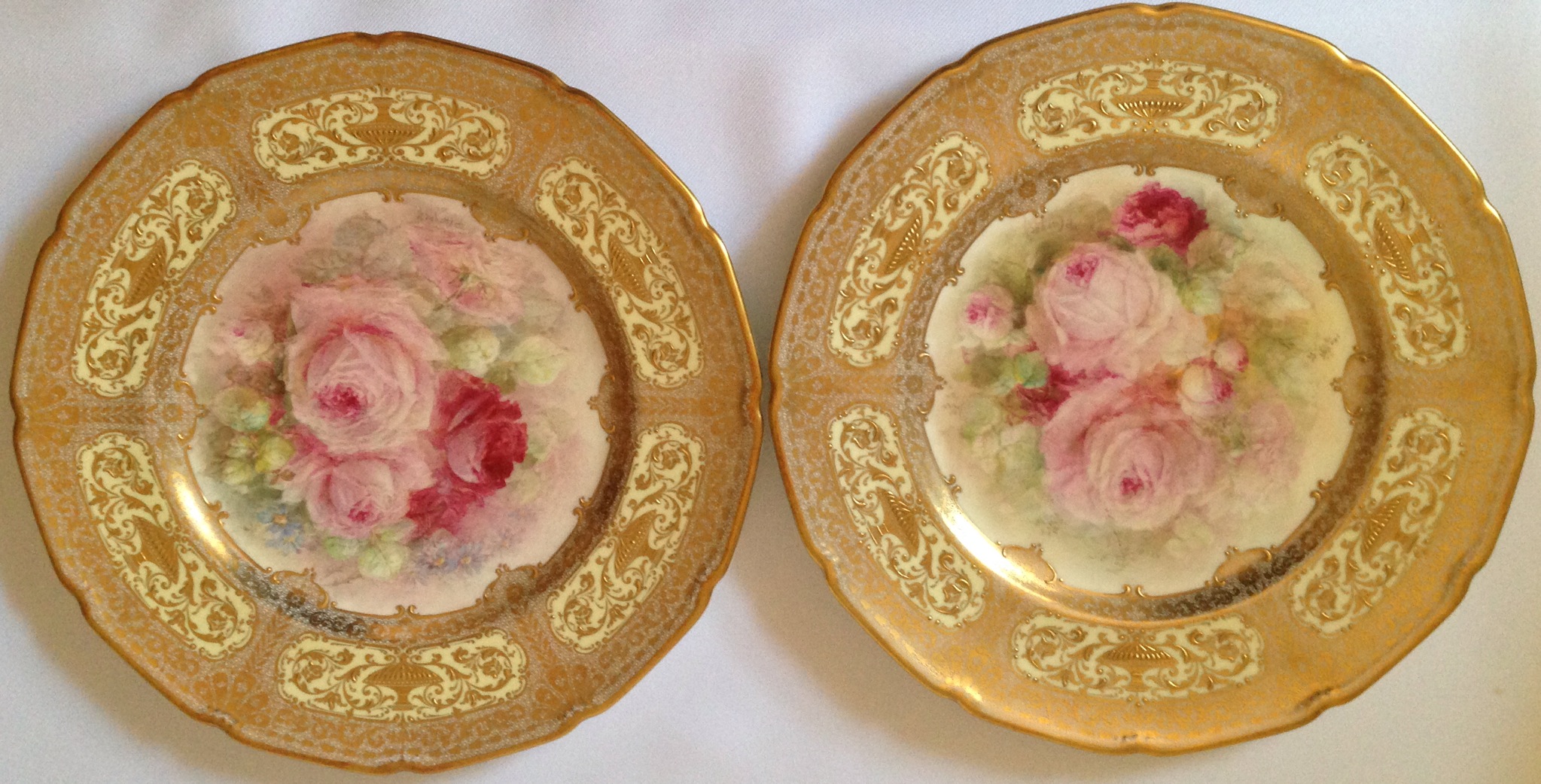
A hand painted plate by Percy Curnock.

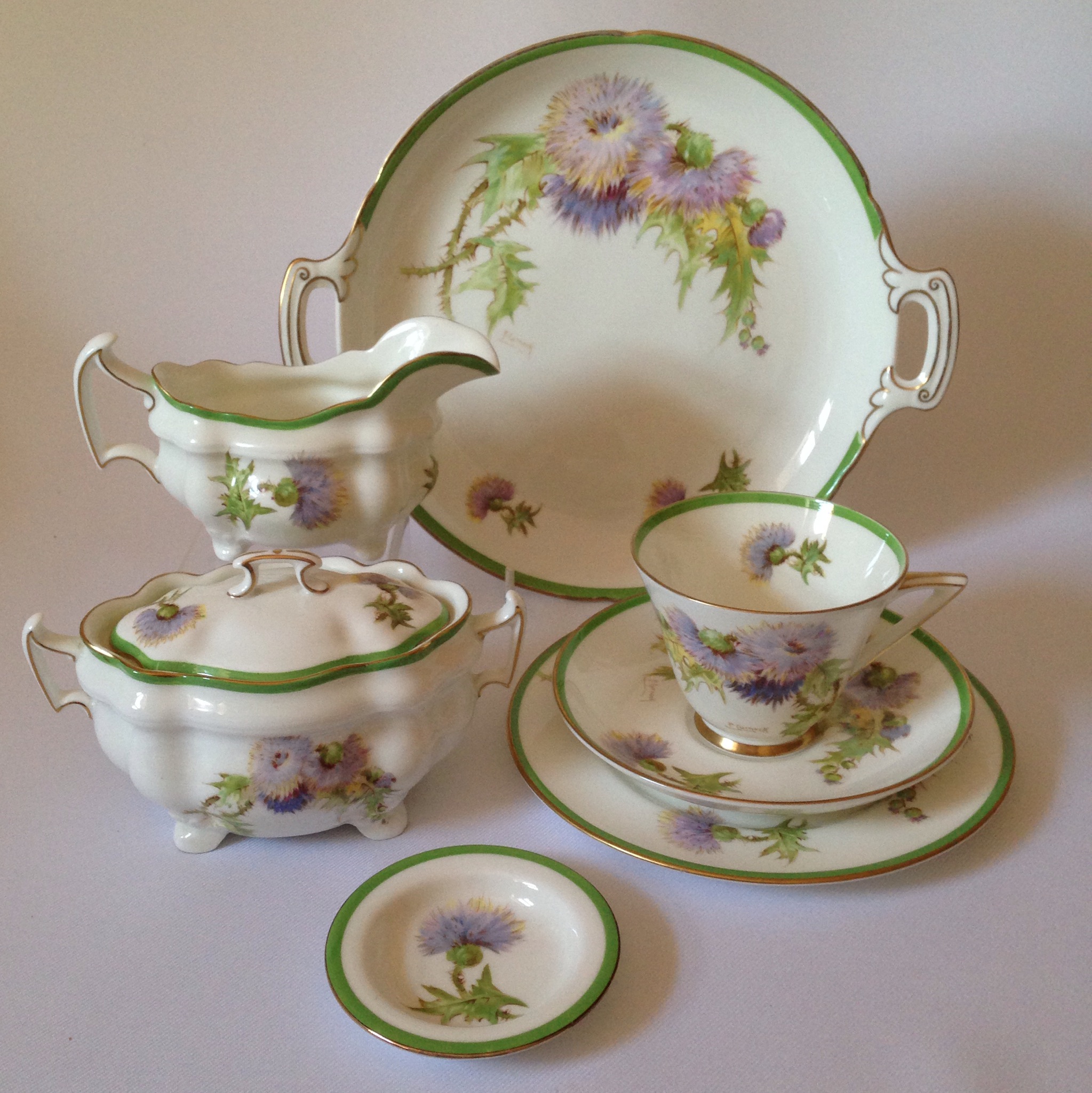
So it was in December 1954 that Doulton lost one of its most prodigious and long serving employees, one Percy Curnock. Percy had worked for Doulton for almost 70 years before finally retiring and during that time had witnessed three Royal visits to the Burslem factory. He was, however, known to thousands around the world not just for his hand painted wares that graced famous homes, but also the best selling tableware designs that he created for Doulton, including Passion Flower, Clovelly, Gleneagles, Curnock Rose and of course Glamis Thistle, the last two of which actually carry a fascimilie signature for him – something that had previously not happened at Doulton.

IMG_0002.JPG
A selection of Glamis Thistle tableware.

Interestingly, Percy did not come from a pottery background, but rather his father was a farmer in Warwickshire. He came to the Potteries as a child and at 13 was taken on by Doulton as an apprentice ceramic modeller. Percy studied during his early days at Doulton at the Burslem School of Art and worked under John Slater and Harry Allen. Doulton themselves commented that few artists ‘can have given greater service to a firm or an industry’. Moreover, he actually returned from retirement during WII to work in the decorating department to replace colleagues who had joined the war effort.

IMG_9999.JPG
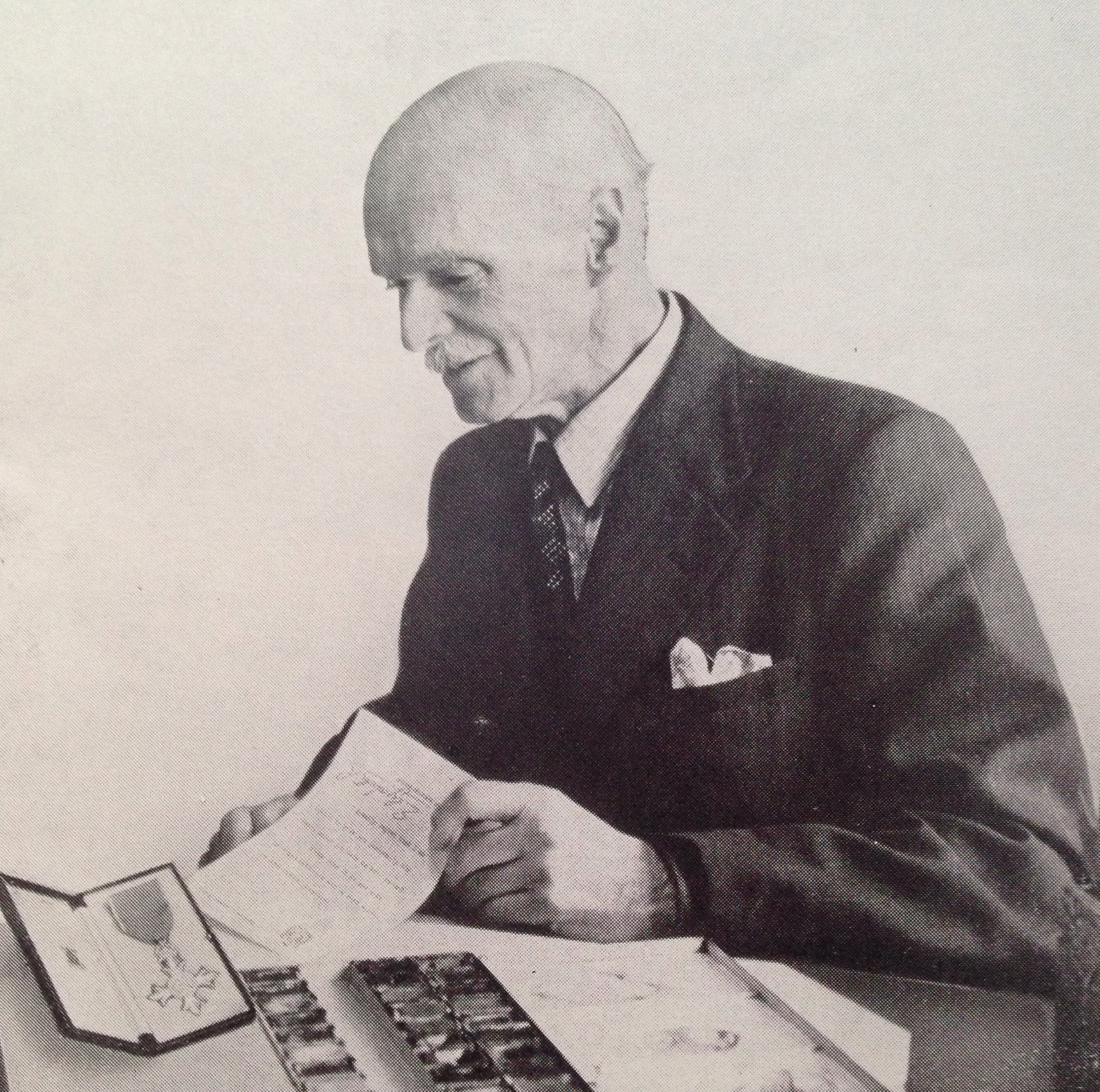
Percy receiving his M. B. E.

Percy was a floral and scenic painter and regarded as one of the outstanding ceramic artists in the country. Flowers were long a speciality of his and his blooms were remarkably real.

IMG_0006.JPG
Two of Percy’s plates from the first Doulton museum sale in 2000.

In the New Year’s Honours list 1954, he received an M.B.E. and typically he is quoted as saying that it was especially an honour for the firm. It is of interest to note that it was the Queen Mother who awarded him this honour and her family home is of course Glamis Castle, after which the famous tableware pattern was named.

IMG_0001.JPG
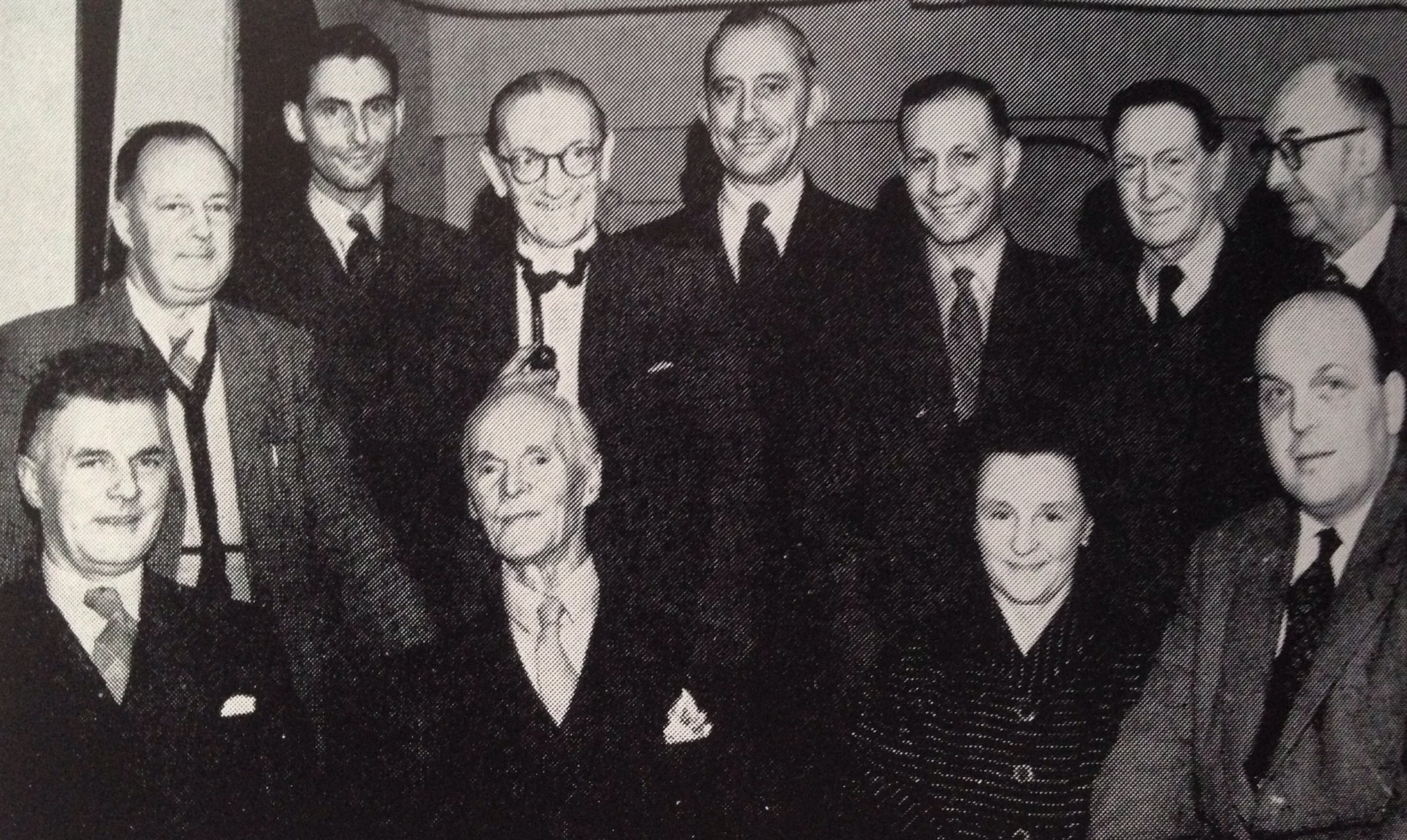
Percy upon his retirement flanked by his son and daughter-in-law, together with J. Warrington works manager on her left and other faces including Reg Brown and William E. Grace amongst others.

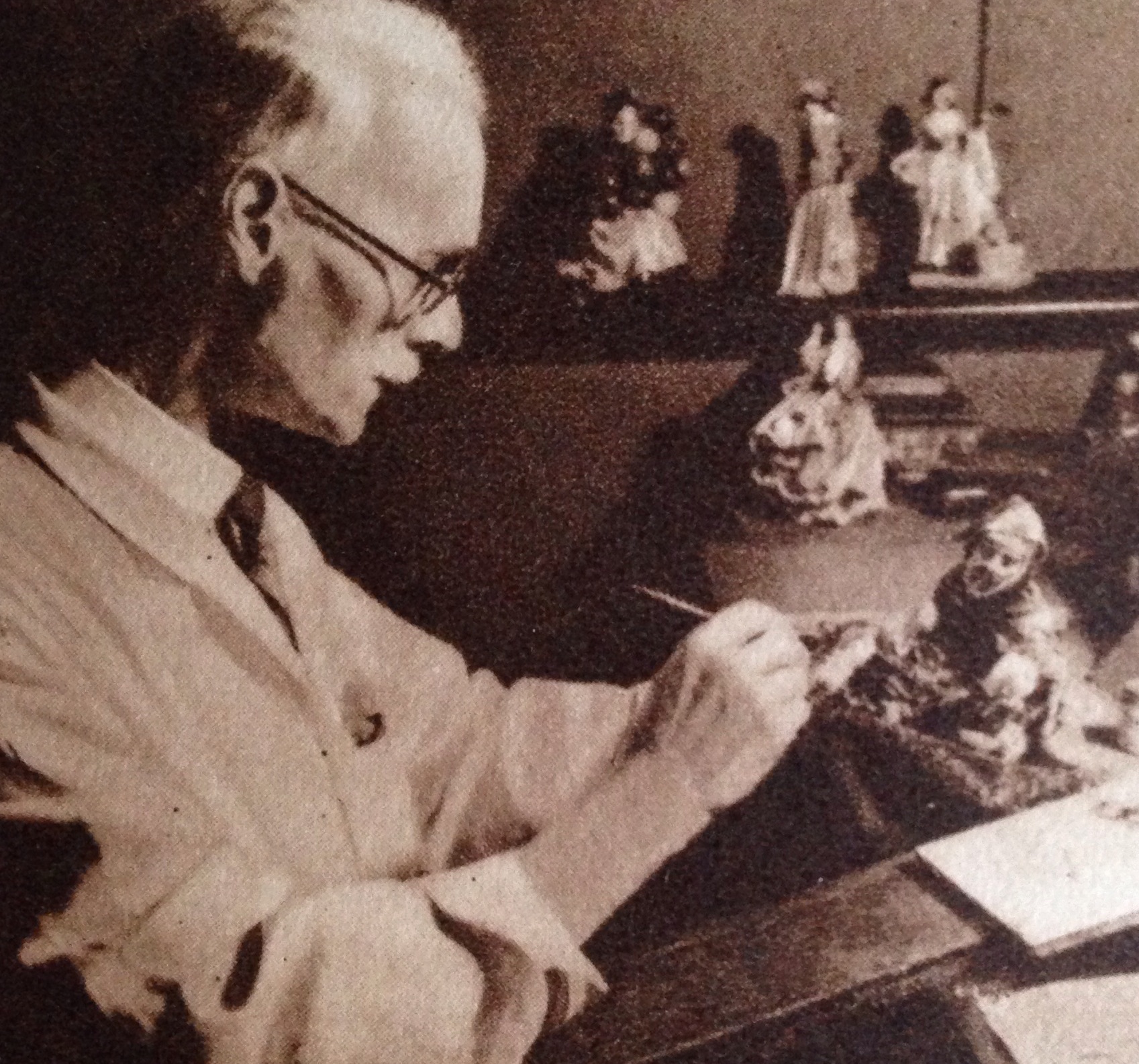
As did many of Doulton’s artists, Percy would also turn his hand to painting their most popular lines including figures. I wonder if any of you have a PC monogram to the base of any of your figures?

IMG_0007.JPG
Percy in his studio painting The Potter.

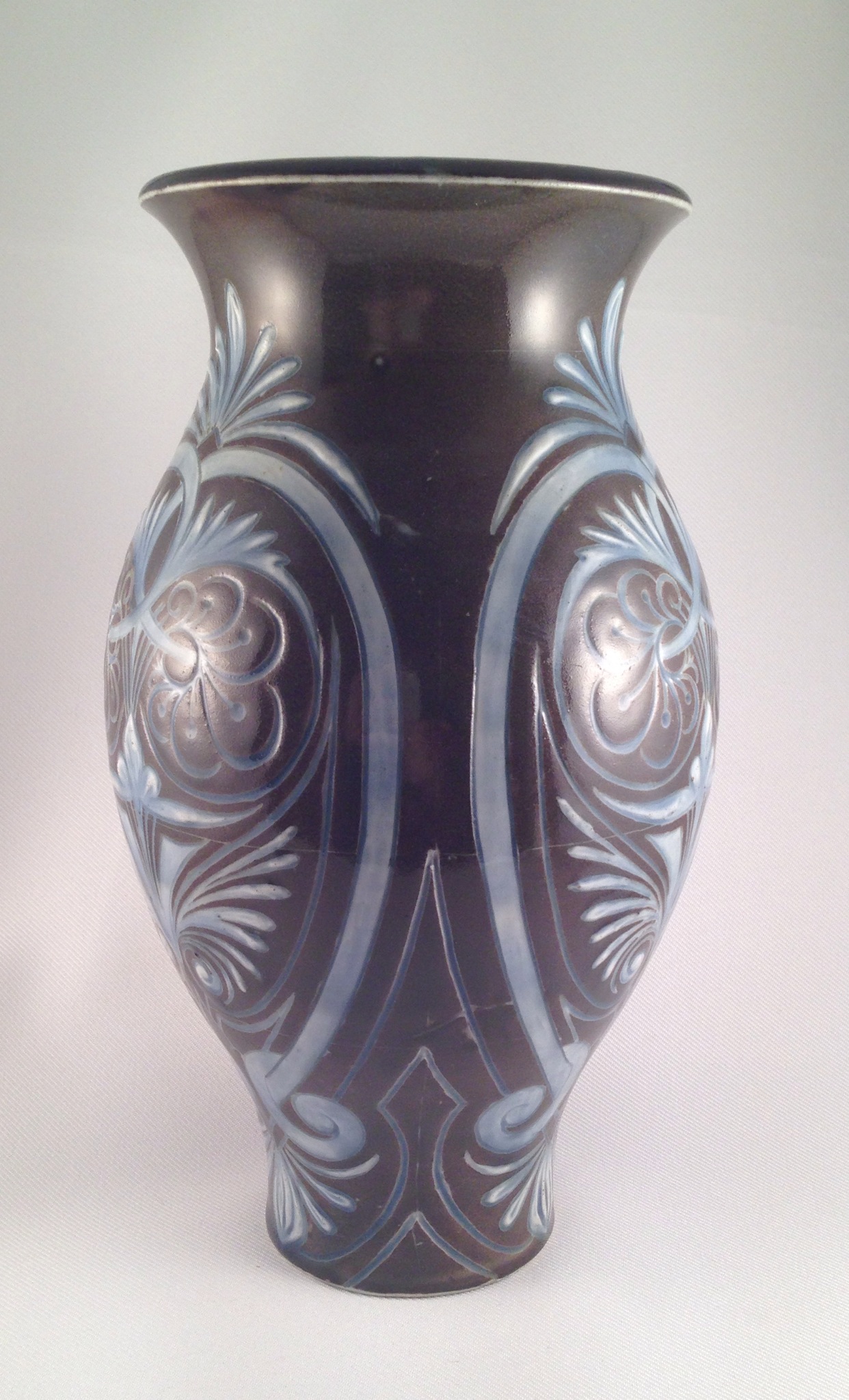
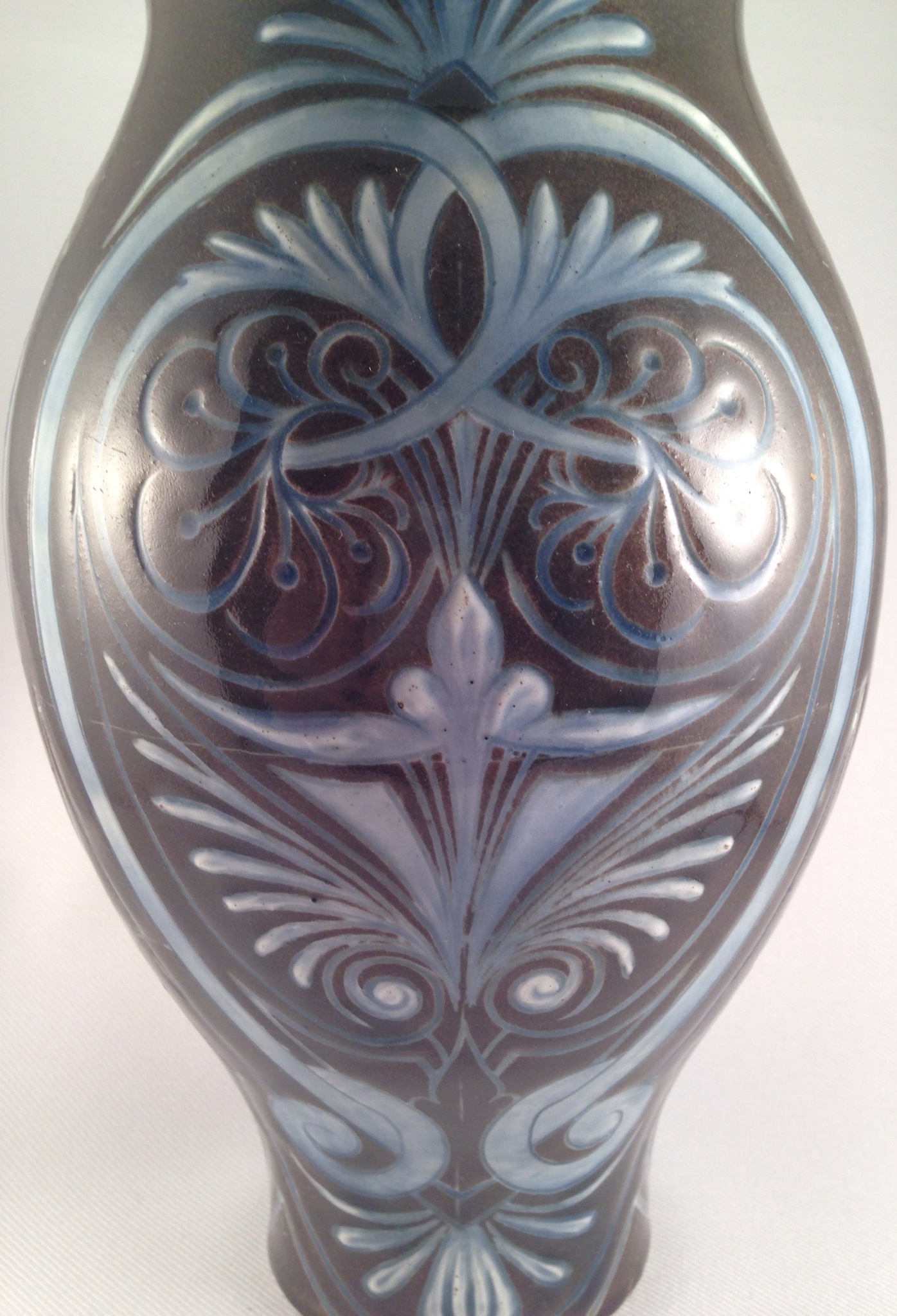
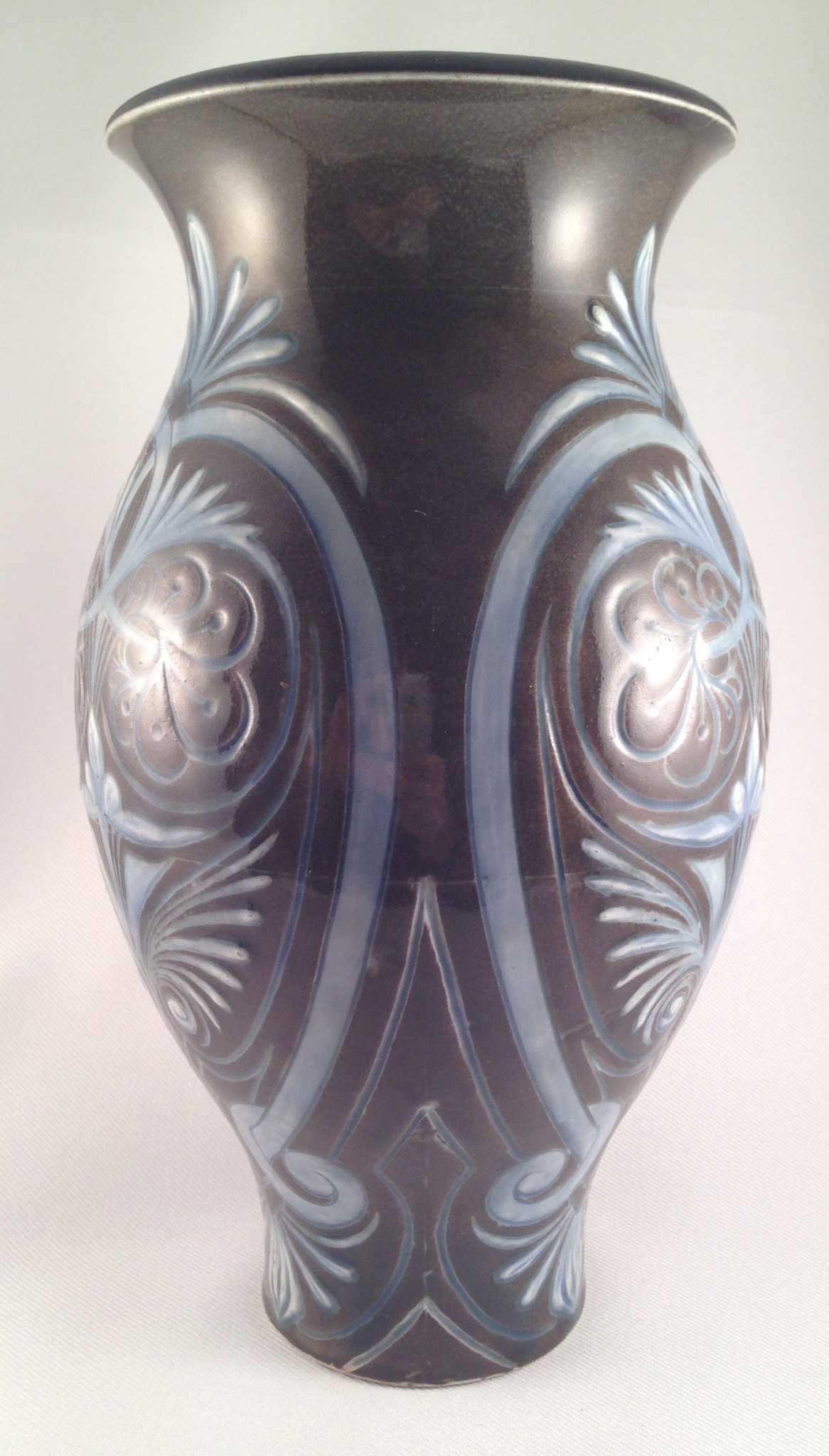
An interesting vase by Edith Lupton that shows how the vase was decorated.

If like me you often look at a piece of stoneware with intricate, repeat decoration and simply marvel at how the artist meticulously recreated a design over the body of the piece, then this Edith Lupton piece that has come my way should illustrate some of her technique perfectly!

IMG_9933.JPG
Lupton’s work is instantly recognisable to her many admirers and collectors and whilst she collaborated with many of the great Lambeth artists, her own pieces are equally praise worthy. I hope you can all make out her feint guide lines showing through the glaze in these pictures of this vase from 1883.

IMG_9934-0.JPG
In addition to Lupton’s monogram there is also the assistant mark for Rosina Brown.

IMG_9935.JPG

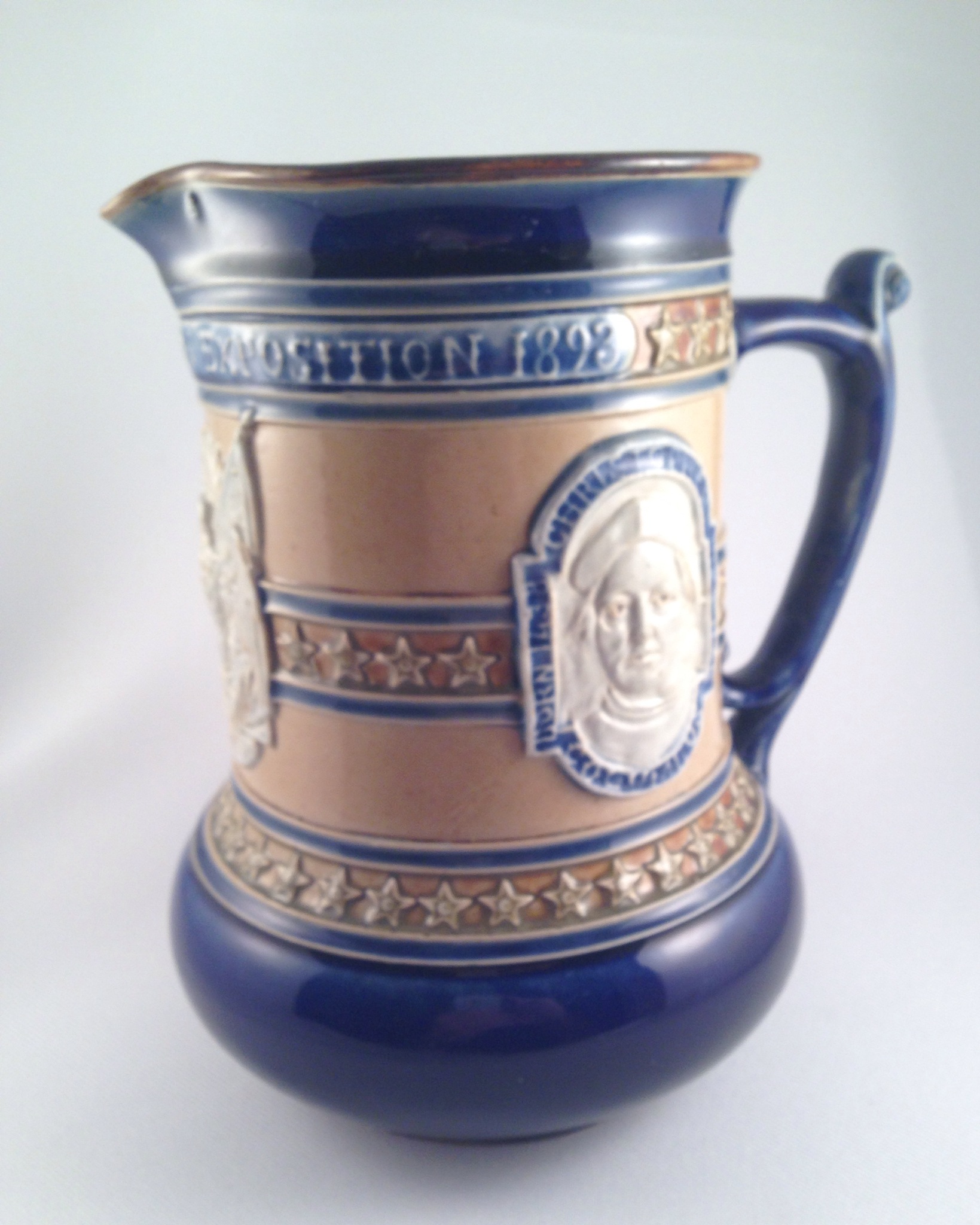
The Doulton Chicago Exhibition 1893 Jug

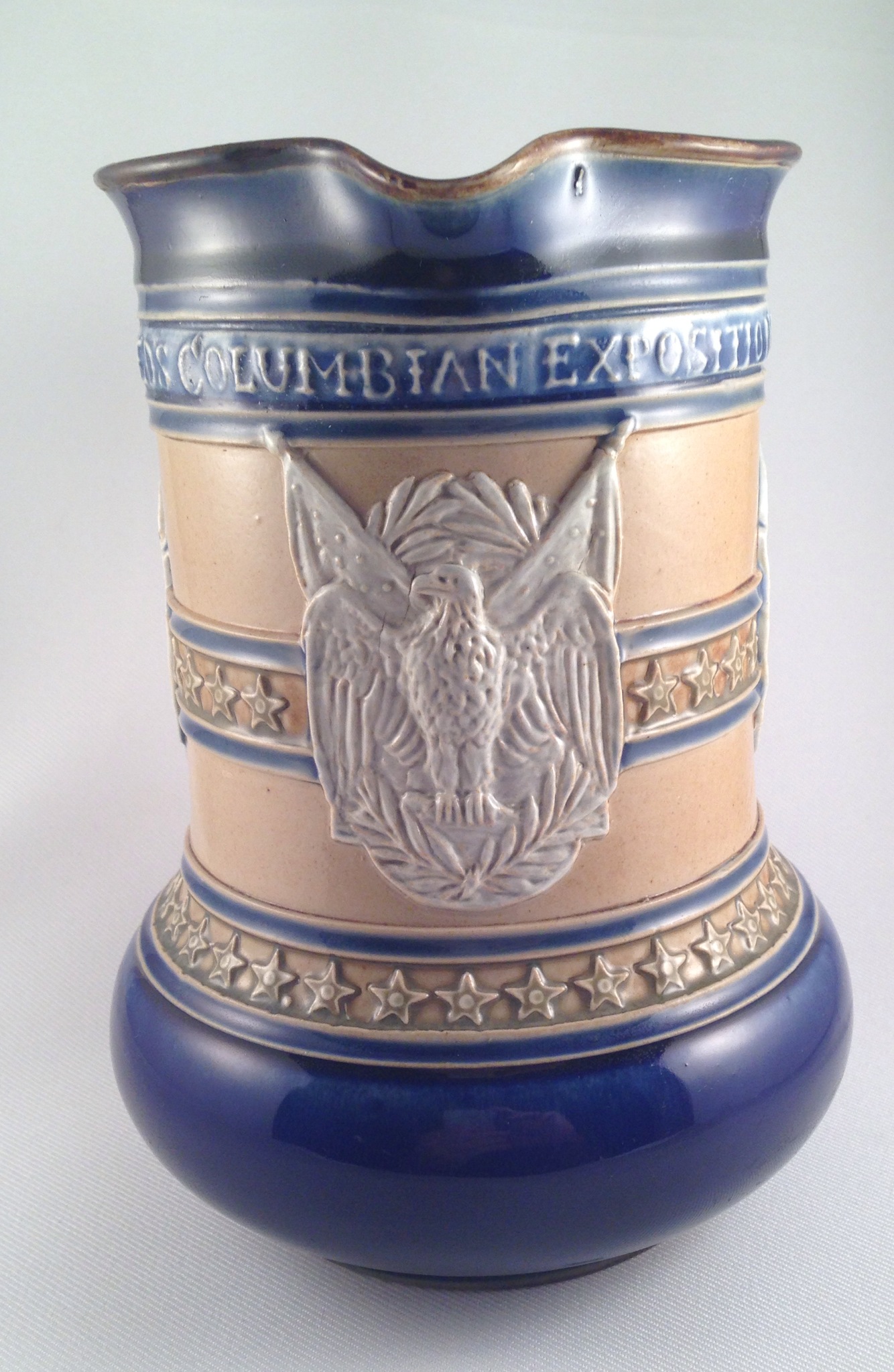
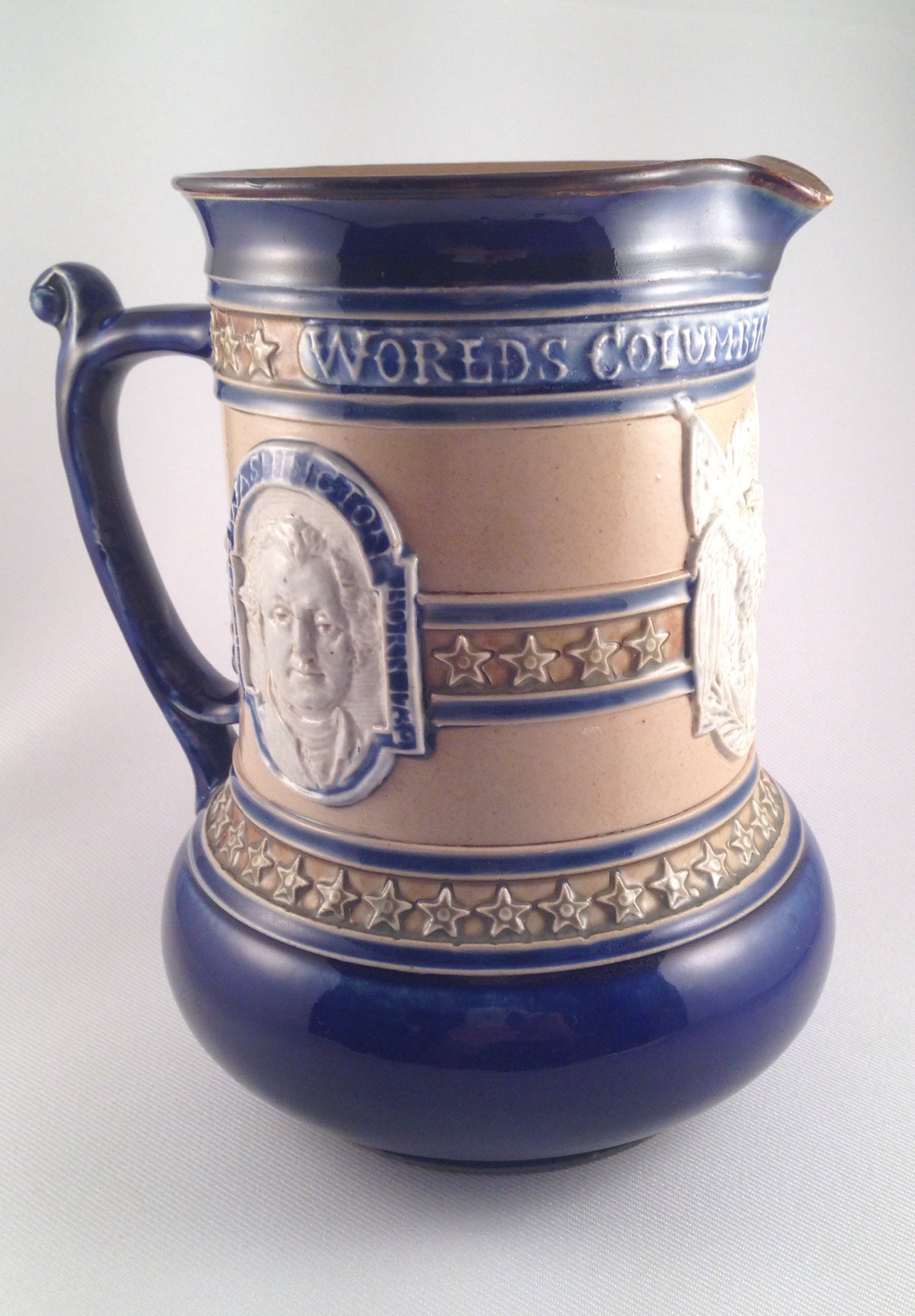
As you will be aware Doulton produced many commemoratives throughout it’s long history. Perhaps one of the most unusual is this jug designed by John Broad in 1893 to commemorate this great exhibition.

IMG_9929-0.JPG

Relief showing the American eagle at the front.

Either side of the American eagle are portraits of Columbus and Washington between bands of stars.

IMG_9930.JPG

Finally above the portraits is the banner proclaiming the “World’s Columbian Exposition” – a real tour de force I am sure you’ll agree!

IMG_9931.JPG

Royal Doulton’s Fairies

IMG_9927.JPG
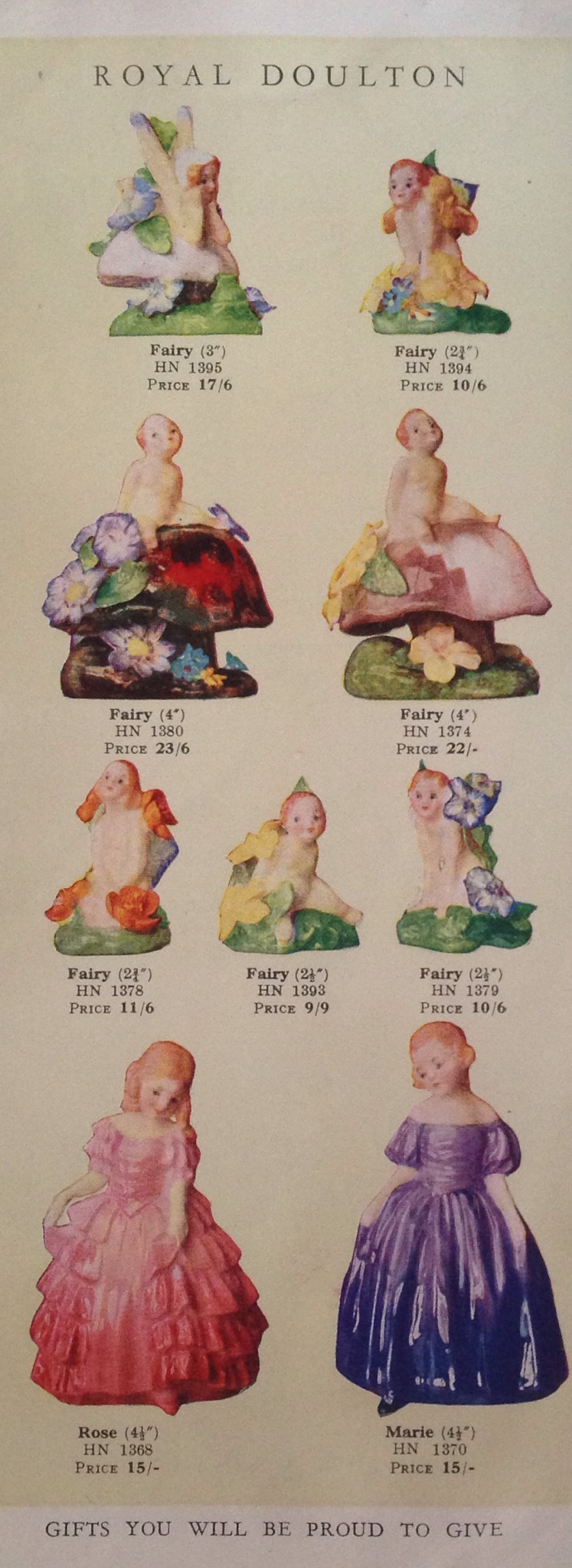
A catalogue page from 1930.

These sprightly, mythical creatures of many a folklore were immortalised by the great Leslie Harradine for the HN collection in 1930, but interest in all things ‘fairy’ had reached a fever pitch a decade before with the so-called Cottingley fairies; a series of 5 photographs of fairies taken by two young cousins and heralded by Arthur Conan Doyle (author of the Sherlock Holmes stories) as evidence of their existence. Alas the cousins would admit eventually that all but the fifth was faked and that, it has been suggested, was probably the result of a double exposure by the young girls.

IMG_4993.JPG
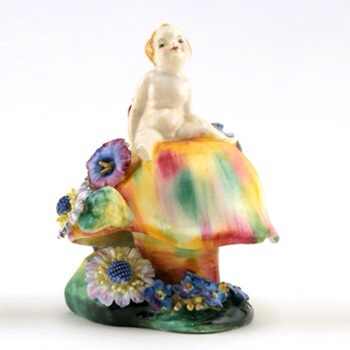
Doulton produced at least 7 different figures of fairies from standing with wings, to perched on toadstools to simply hiding in the undergrowth. Each is a charming study of childhood and many were available with differing flowers and even different colourways during their short production in the 1930’s. Certainly the second and sixth versions are the same child as ‘Boy on Pig’ HN1369 attributed to CJ Noke rather than Harradine. There are a further 6 fairies listed but which did not go into production.

IMG_4992.JPG
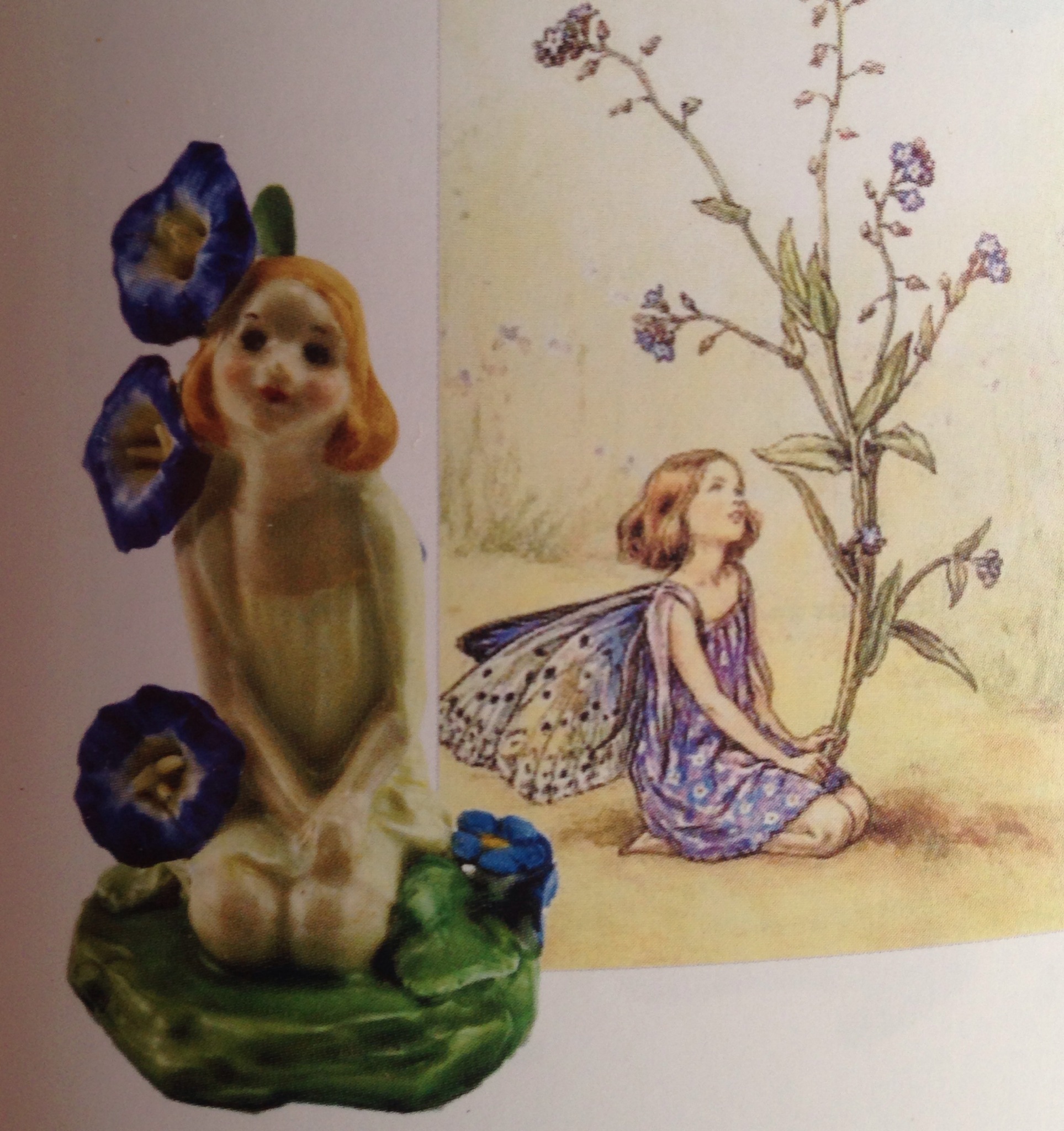
Doulton’s Fairies HN1396 and HN1375 were even modelled after the fairy illustrations of Cicely Mary Barker that remain popular to this day.

IMG_9928.JPG
A display of these figures really is magical, however, tracking them down is just as elusive as finding the real thing…or so it seems!

IMG_9925.JPG
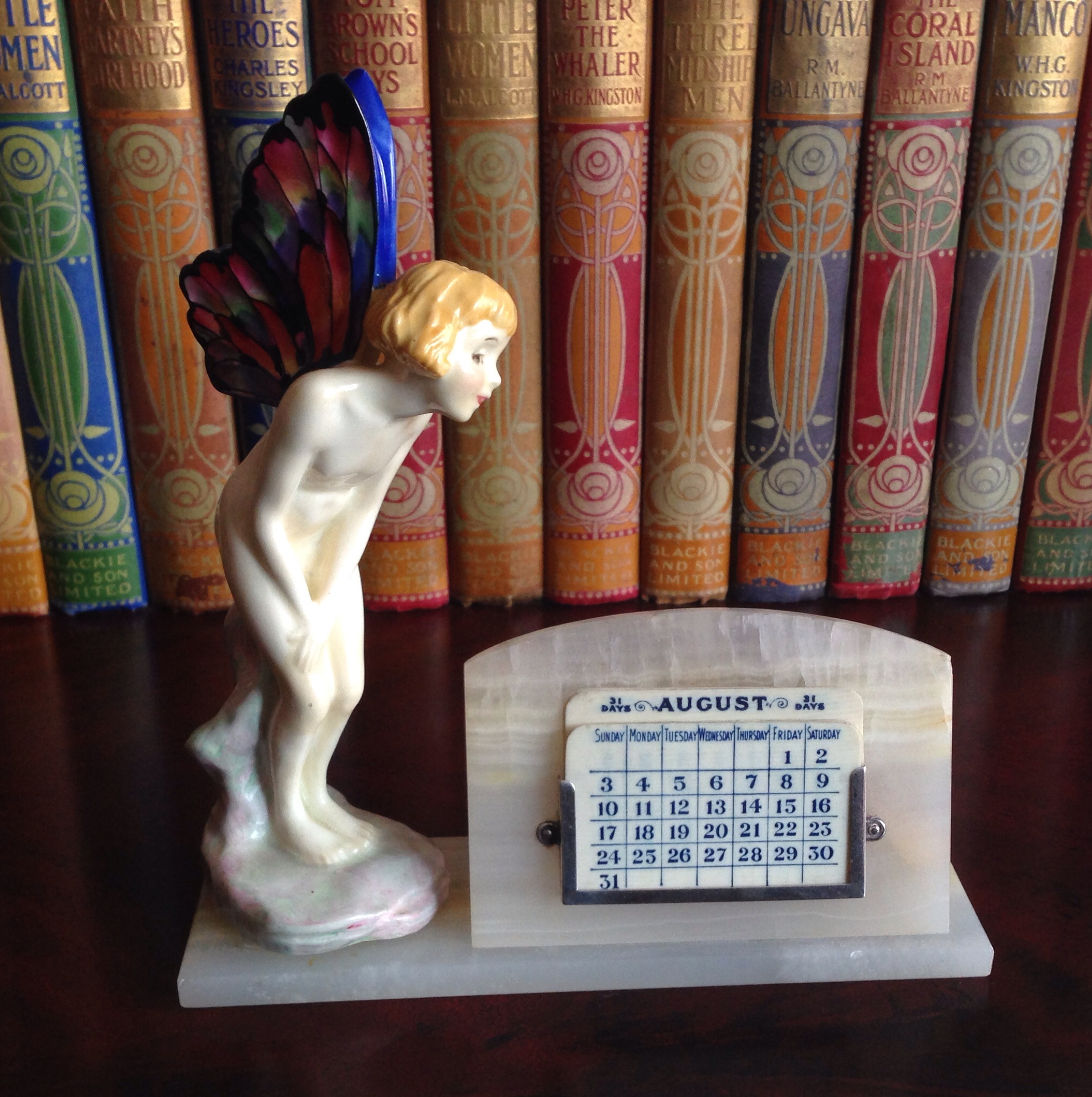
Finally a Fairy that has fluttered down on to my desk….

What is in a name? Royal Doulton’s ‘The Rocking Horse’.

20140806-182630-66390953.jpg
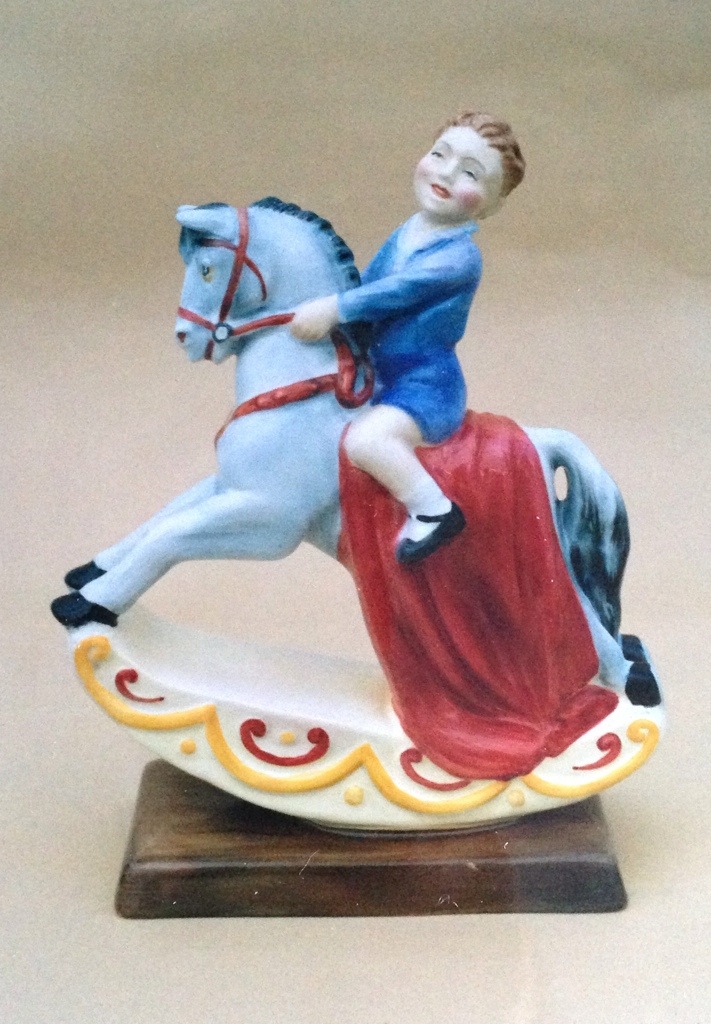
The Rocking Horse HN2072.
This particular figure I am sure you will agree is charming and belongs to a small group of rare Harradine figures produced for a very short period post WWII. The only reason I can see for this figure’s short production (1951-3) is that its production was too costly at a time of rationalisation within the Burslem factory.
The inspiration for this figure is undoubtedly the film ‘The Rocking Horse Winner’ from 1949, where a young boy discovers he can predict race winners by rocking his rocking horse!

Collecting Doulton novelties : jam pots

a href=”https://doultoncollectorsclub.com/wp-content/uploads/2014/08/20140802-121402-44042237.jpg”>20140802-121402-44042237.jpg

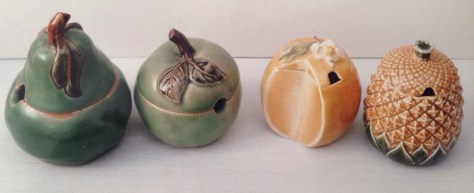
Jam pots are another area that collectors often focus on to build up a collection. Of course there are countless examples produced with seriesware patterns on them and still further numbers with tableware designs decorating them.
There are a small group, however, of moulded fruit examples of jam pots. The apple and pear are the work of Vera Huggins at Doulton’s of Lambeth and date to the 1920-30 period, whilst the designer of the two Burslem pots is unknown but date again to the same period but rather than being stoneware, they were made of earthenware and carry D numbers just like many fancy wares. The pineapple is dated 1933.
I personally have the apple and pear and they fit perfectly in the kitchen!

Australiana – collecting Doulton ware with an Australian link.

20140731-141221-51141557.jpg
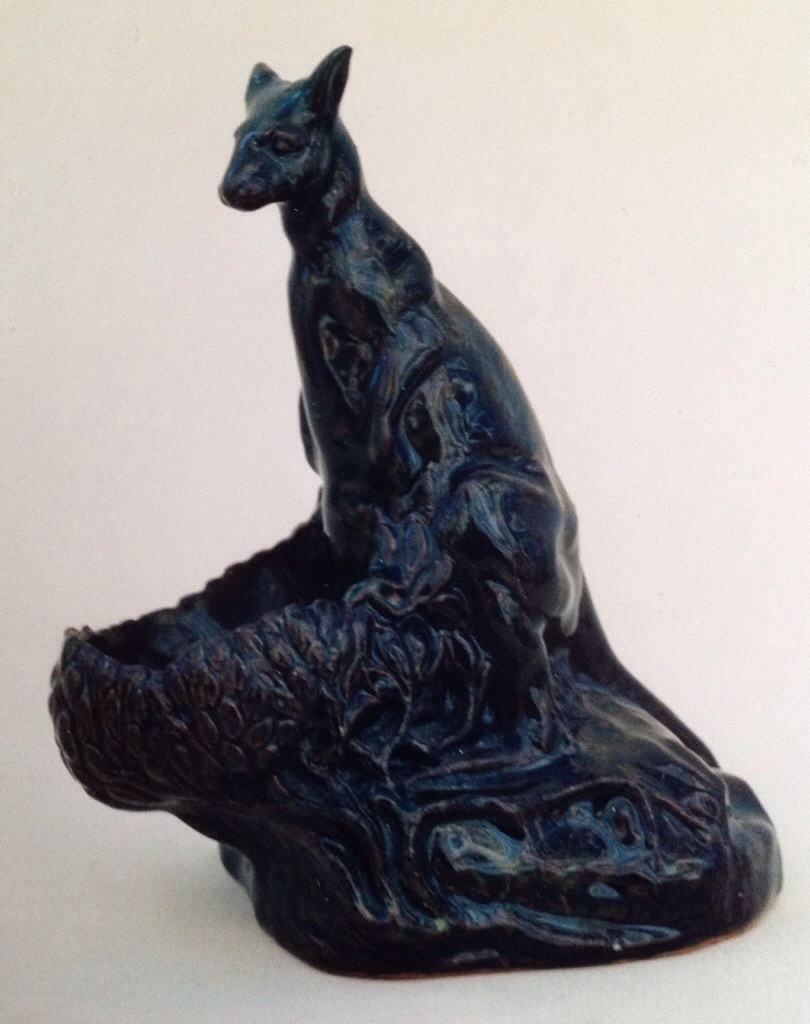
A Lambeth Kangeroo tray by John Broad.

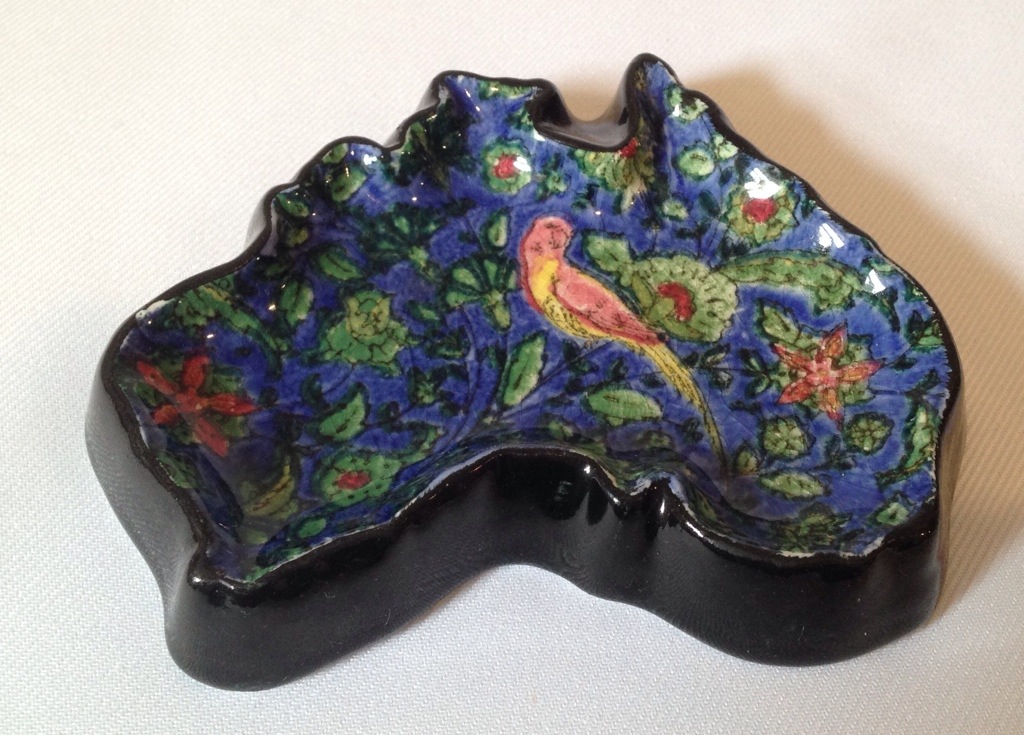
Since the late 19th Century there has been a strong link between Doulton and Australia, fostered no doubt by the links with Doulton’s then representative down under, John Shorter, who was responsible for introducing much Doulton ware to that part of the world. Indeed some of the most magnificent Doulton wares were sent to Australia and are now in many important collections there, some of which we have seen sold off over recent years.
20140731-141331-51211691.jpg
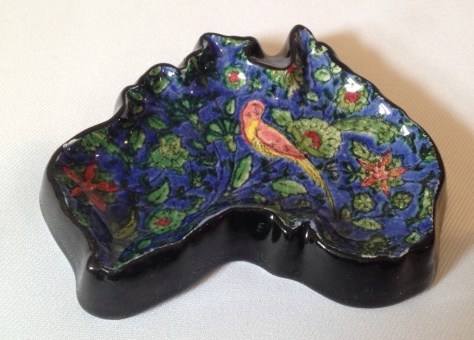
Seriesware tray in the shape of Australia ca.1919.

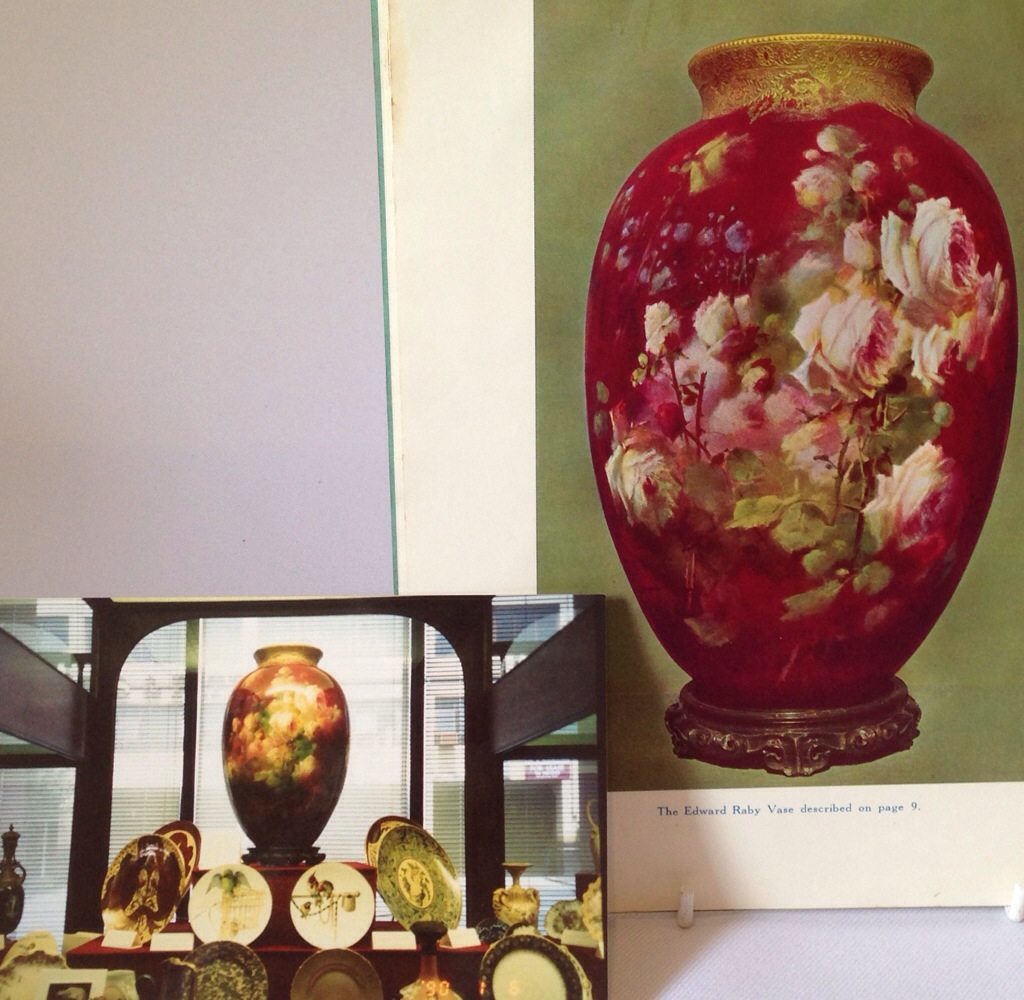
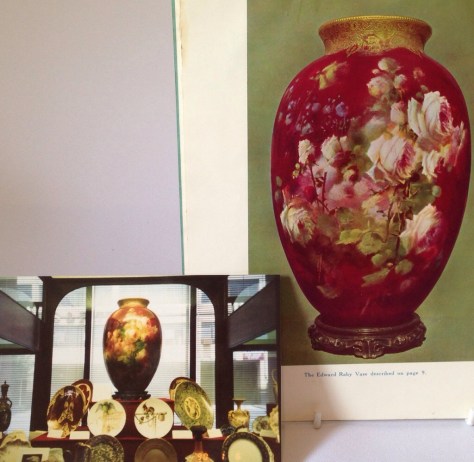
I am sure many of you are aware of the Shorter collection that resides in the Powerhouse Museum, the nucleus of which was bequeathed in 1936 and has subsequently been added to by the family. I was lucky enough once to come across this catalogue detailing the original bequest, including some pictures. The original collection had been the private collection of John Slater former art director at Burslem until his death in 1918 and bought by John Shorter who had visited the factory in 1919. The collection had thus been built up almost in secret with John Slater selecting examples some dating back to his earliest days at the factory pre-dating even Doulton’s involvement there; examples be they perfect or imperfect, of techniques employed by Doultons in Burselm in the intervening years.
20140731-141442-51282701.jpg
The Edward Raby vase in situe and as pictured in a catalogue. Once described as ‘a gem of gems’ the vase stands an impressive 24″ and dates to 1913.
20140731-141531-51331851.jpg
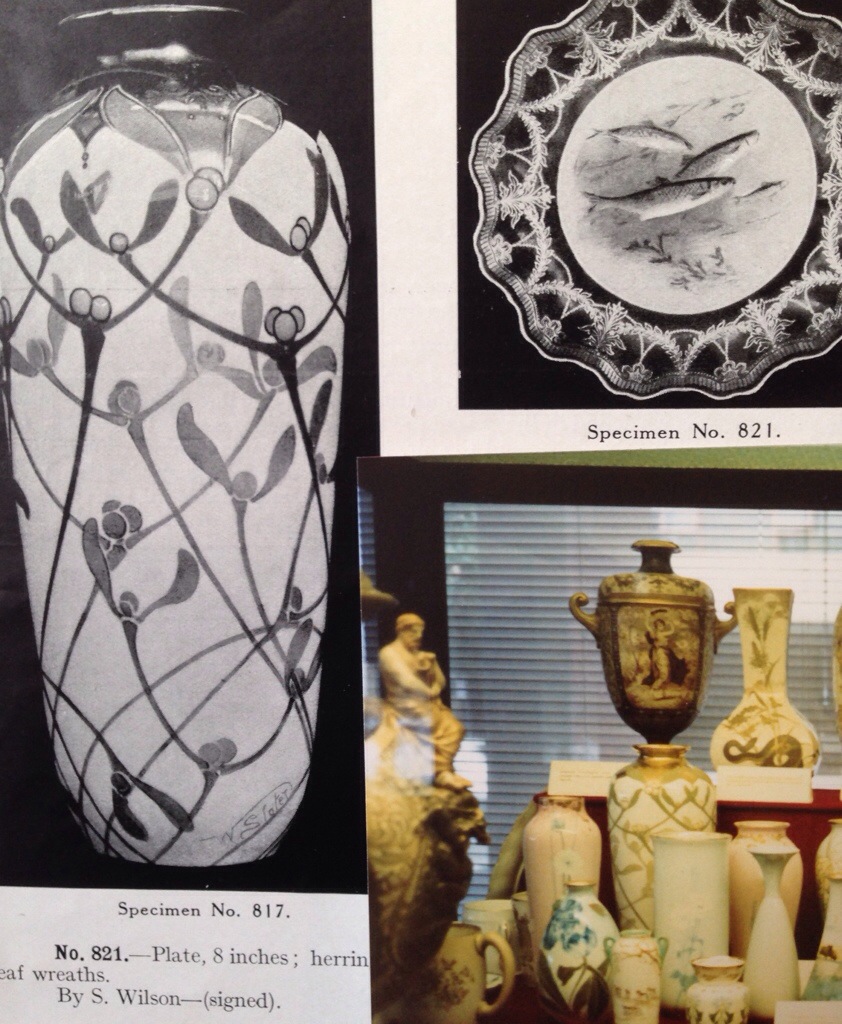
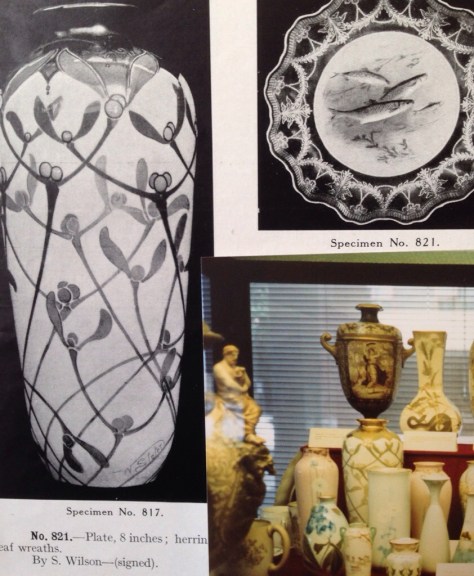
A Lactolian ware vase with mistletoe in the Powerhouse museum display and again shown in the catalogue. The vase was decorated by Walter Slater with gilding by Richard Ridgway. It and other pieces in the collection have been illustrated in many books including ‘The Doulton Burslem wares’ by Desmond Eyles.

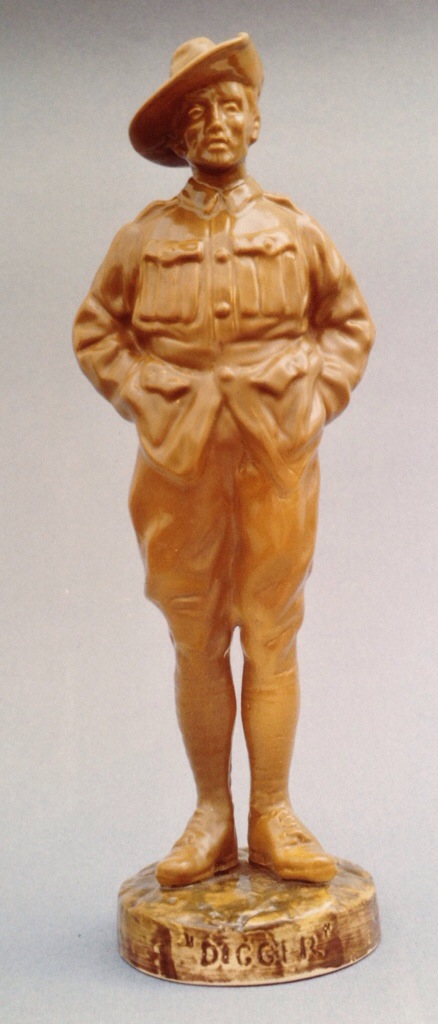
The Shorter family retained stong links with Doulton through the 20th Century, with John’s daughter Lucy ‘Lulu’ Shorter bringing Australian flora to Doulton’s tableware designs, a son, Austin, even had a figure modelled in his likeness (Digger HN322 by E. W. Light), as well as the Shorters remaining Doulton’s distributors down under until 1970 when Doulton bought the Shorter company out.
20140731-141652-51412581.jpg
Australian Digger HN322.

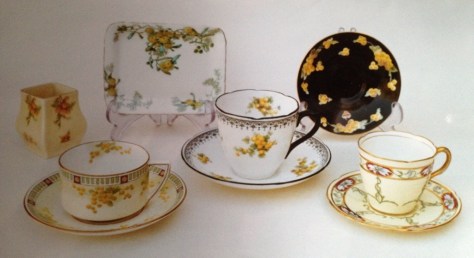
However, the Australian link goes far beyond one family and there are numerous Australian commemoratives and other Doulton Australiana items to collect. As well as tablewares featuring among other designs ‘Wattle’, there are seriesware patterns, Bunnykins, specially commissioned character jugs, figures and handpainted art wares also to collect. There are some wonderful collections in Australia of these items, and perhaps you also have some in your collections that could be posted to our facebook page ‘Doulton Collectors Club’?
20140731-141744-51464867.jpg
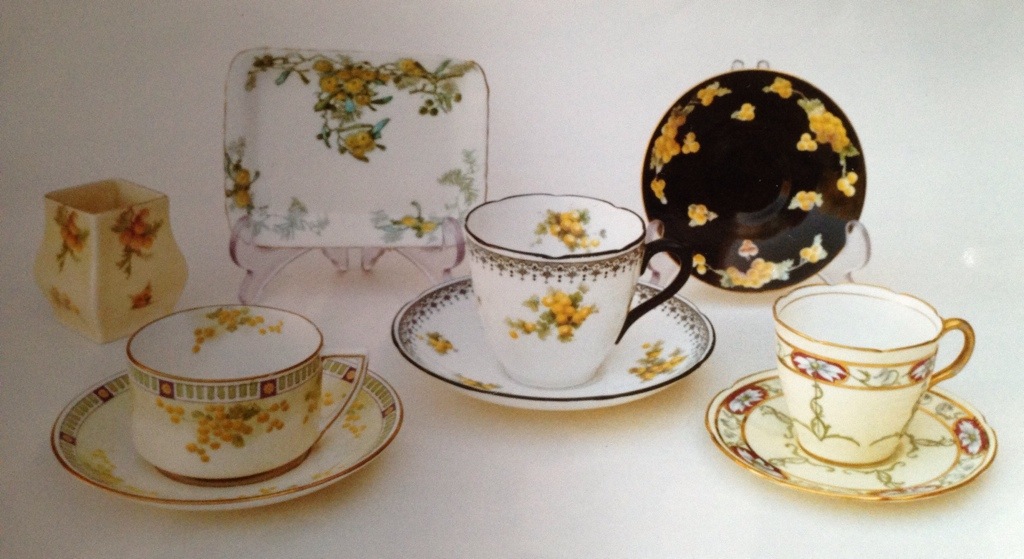
Doulton wares featuring Australian wattle, flannel flowers and other forna.
20140731-141915-51555481.jpg
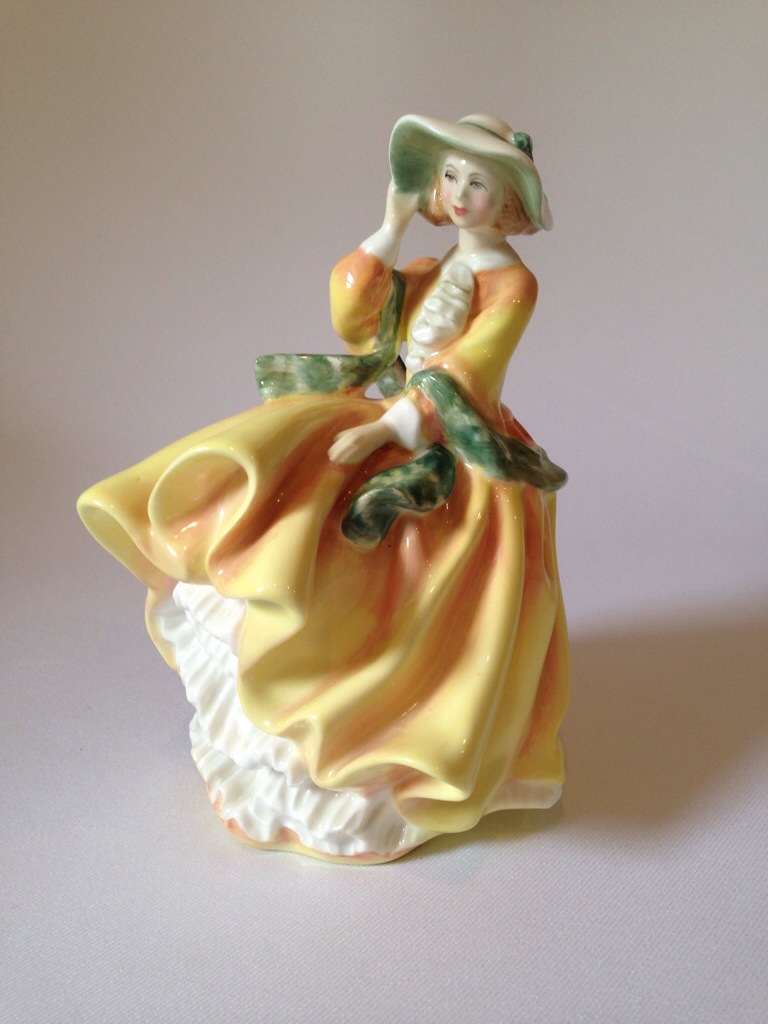
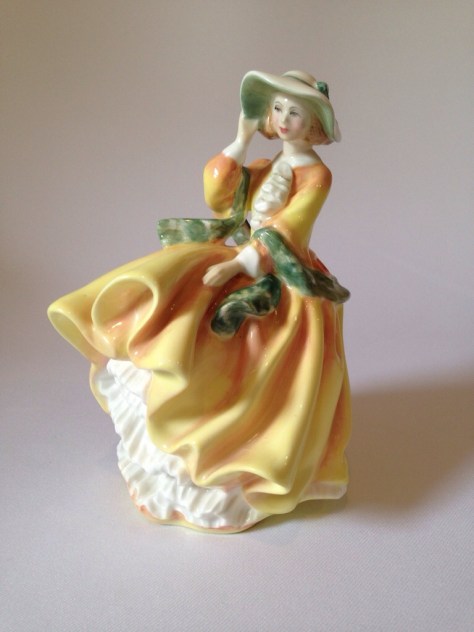
A special Australian commemorative of Top o’ the hill in Australian colours to mark the200th anniversary of the First Fleet’s landing at Botany Bay in1788.
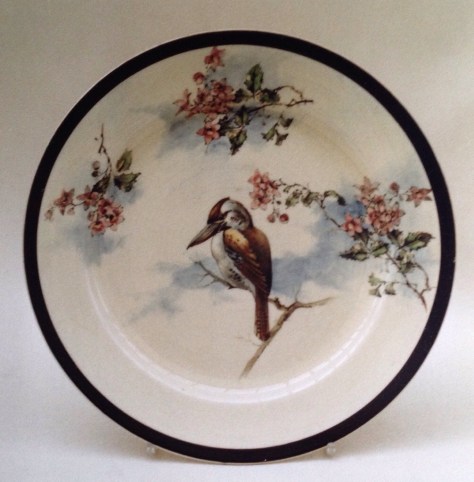
20140731-142056-51656275.jpg
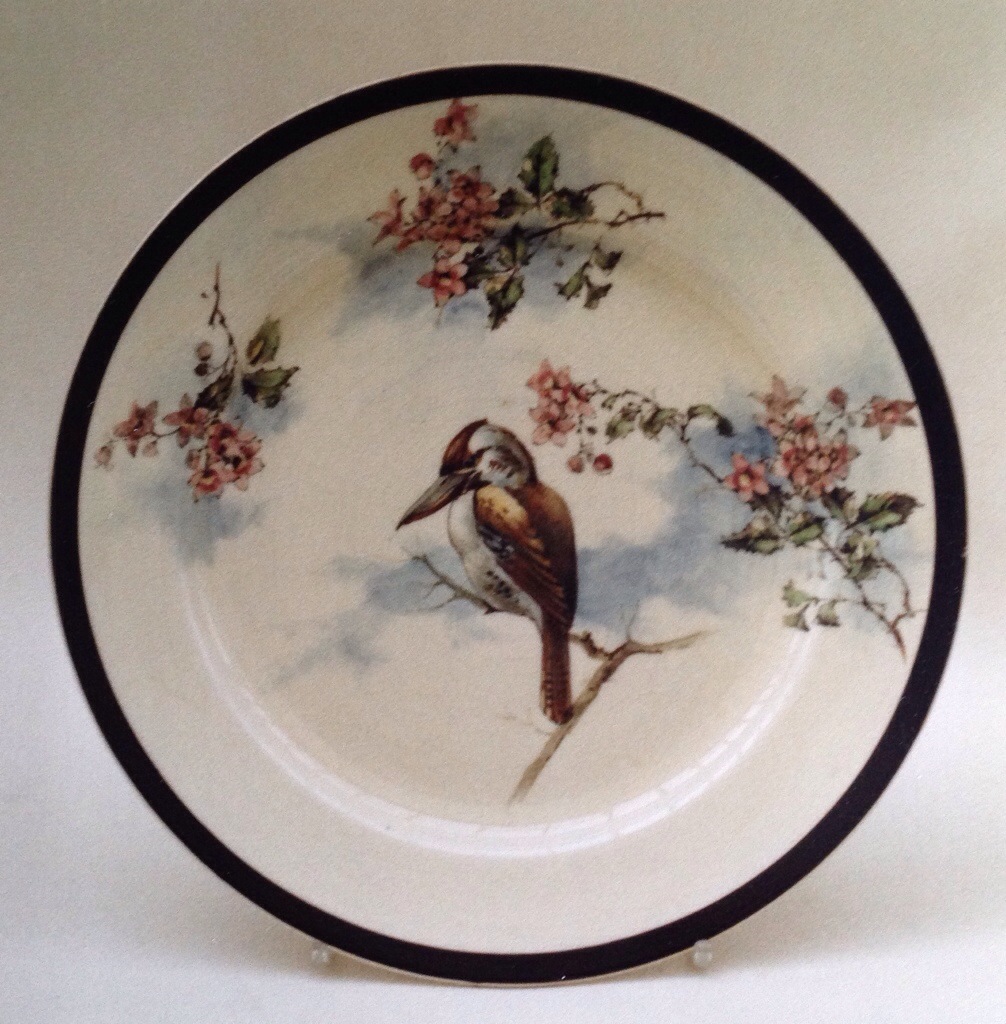
Kookaburra seriesware plate with Christmas Bush.
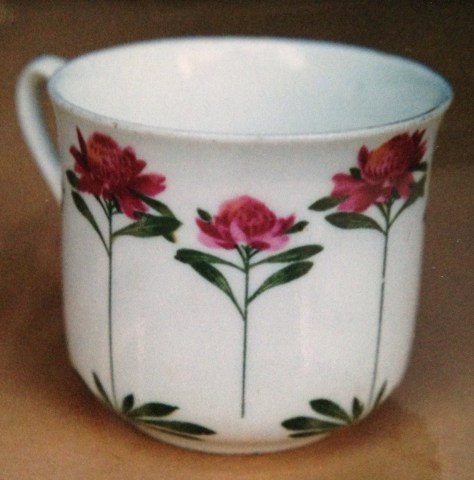
20140731-142147-51707613.jpg
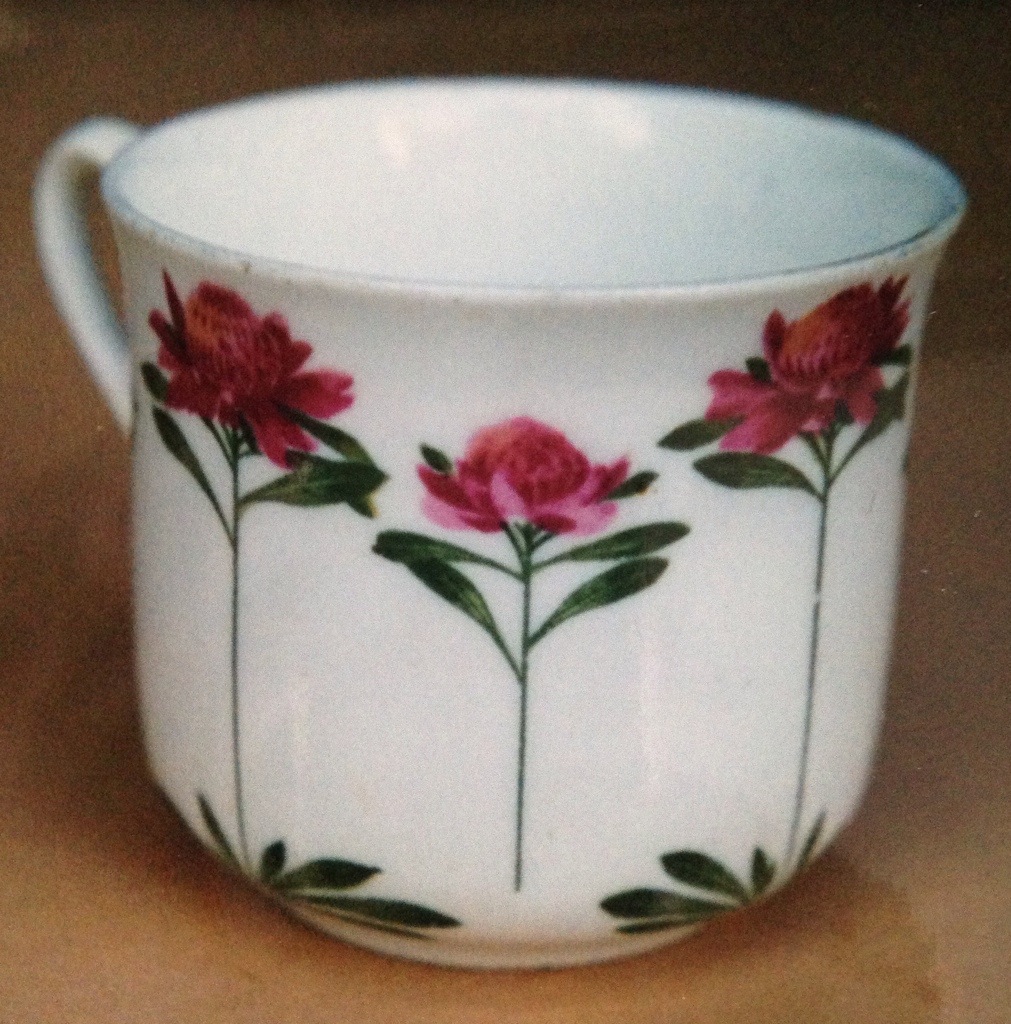
A Lulu Shorter Waratah design cup.

20140731-142332-51812579.jpg
A print and tint wattle vase I found here in England. Interestingly a handful of Doulton’s top artists, including Louis Bilton, also produced hand painted works for the Chicago exhibition in the late 19th Century.
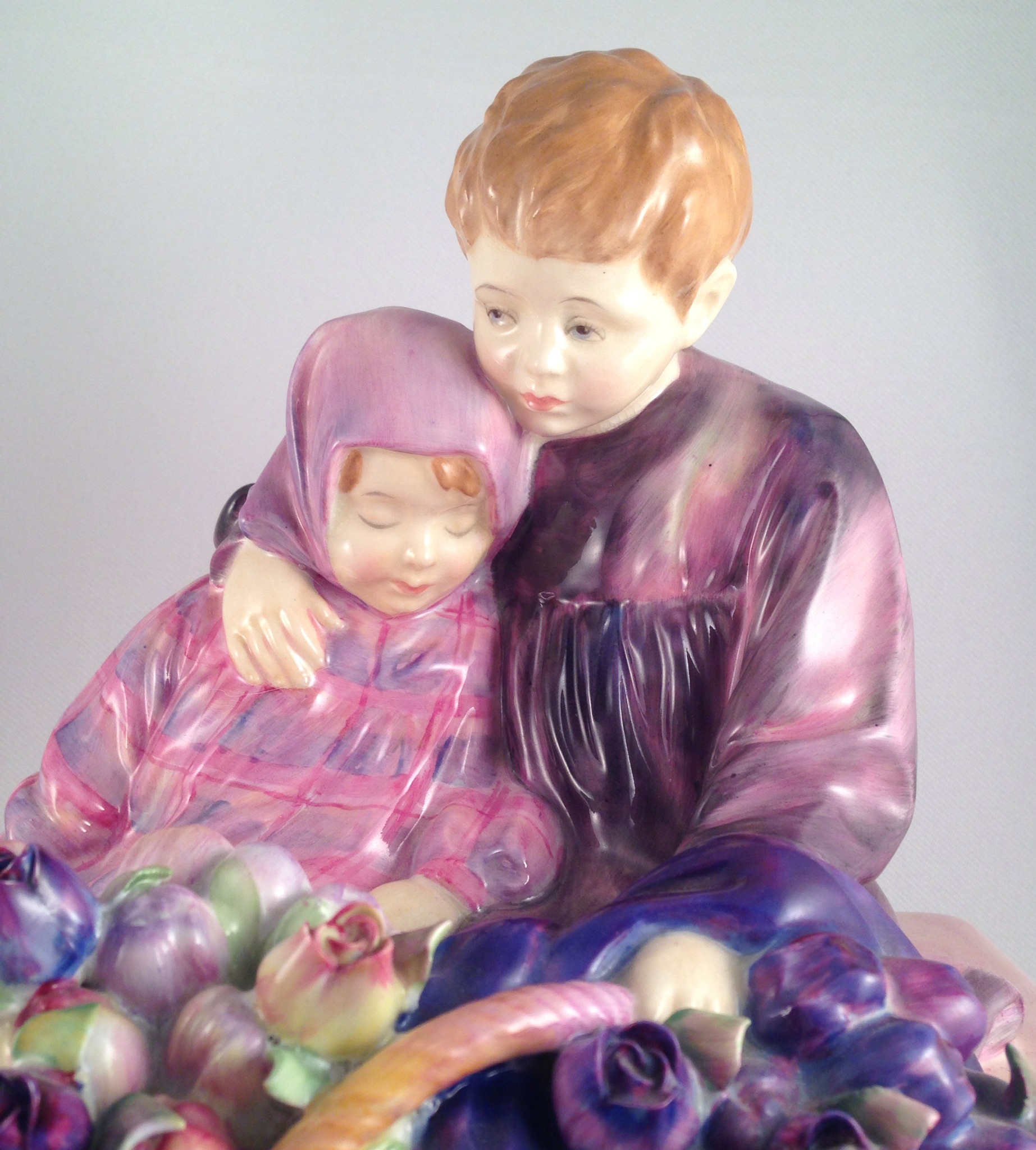
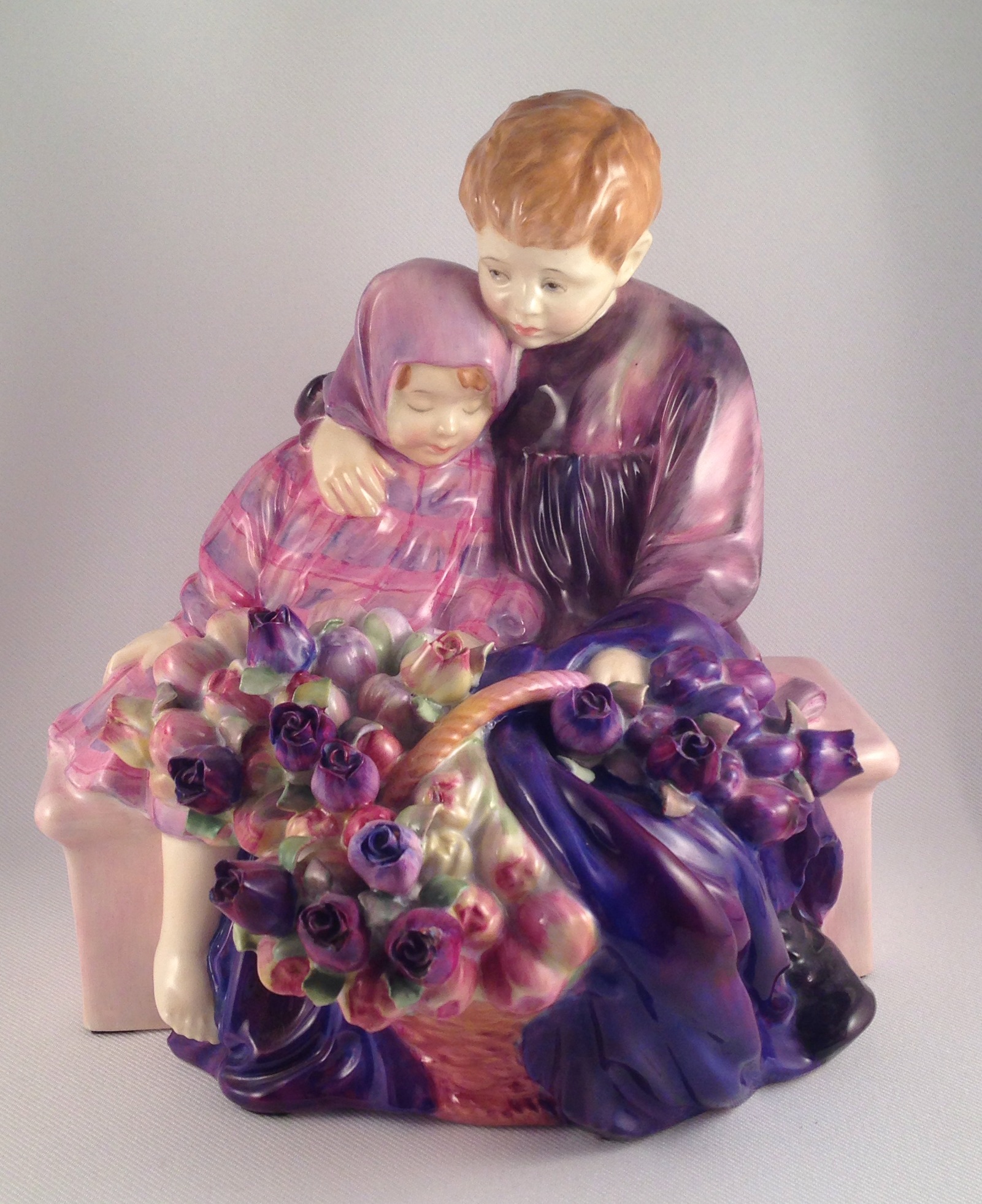
A look back at Harradine’s Lady Clare.

20140729-154104-56464101.jpg
The official Lady Clare HN1465.

This unusual figure had a relatively short production run from 1931-37 and examples rarely turn up. She takes her inspiration from this Jennie Harbour picture titled ‘My Ladye’ from her ‘Victorian’ series for Raphael Tuck the card manufacturers. As you can see the original Harradine model has a base with a foot protruding from under her skirt, just like the original picture. This makes her 1.5cms taller than the production model.

20140729-154709-56829580.jpg
A prototype of Lady Clare pictured with her inspiration.

As well as HN1465 there is another colourway of Lady Clare that has emerged and there appear to be a handful of examples of this colour scheme in collections around the world.

20140729-154906-56946782.jpg
Two versions of Lady Clare; a colourway and a prototype.

Perhaps you also have variations of early figures? If do why not share with our ‘Doulton Collectors Club’ page on Facebook?

A place to share enthusiasm for all things Royal Doulton! All original content ©Christopher Evans 2014 unless otherwise credited. No unauthorised reproduction permitted.