For the love of Chloe!

20140727-113517-41717977.jpg
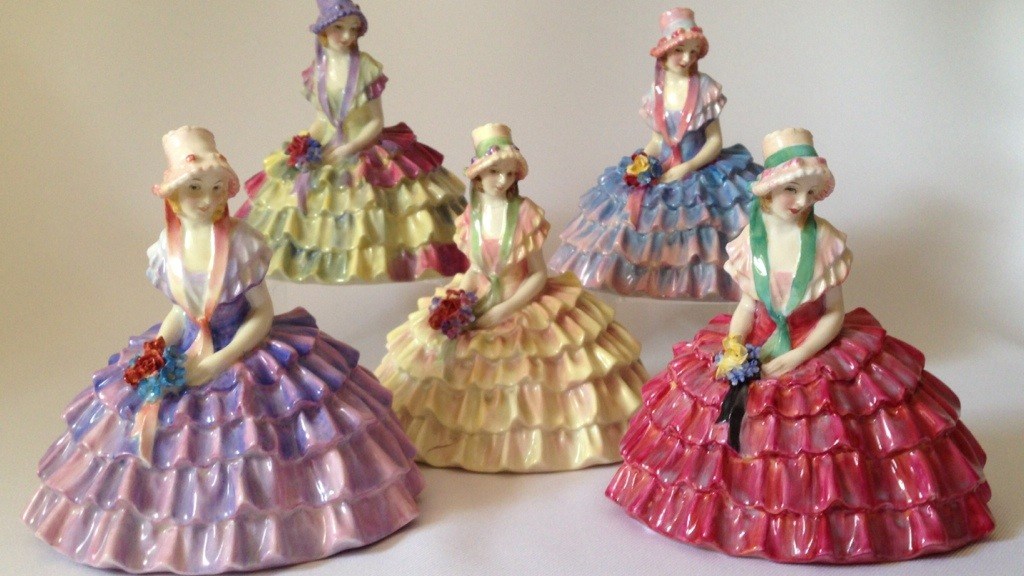
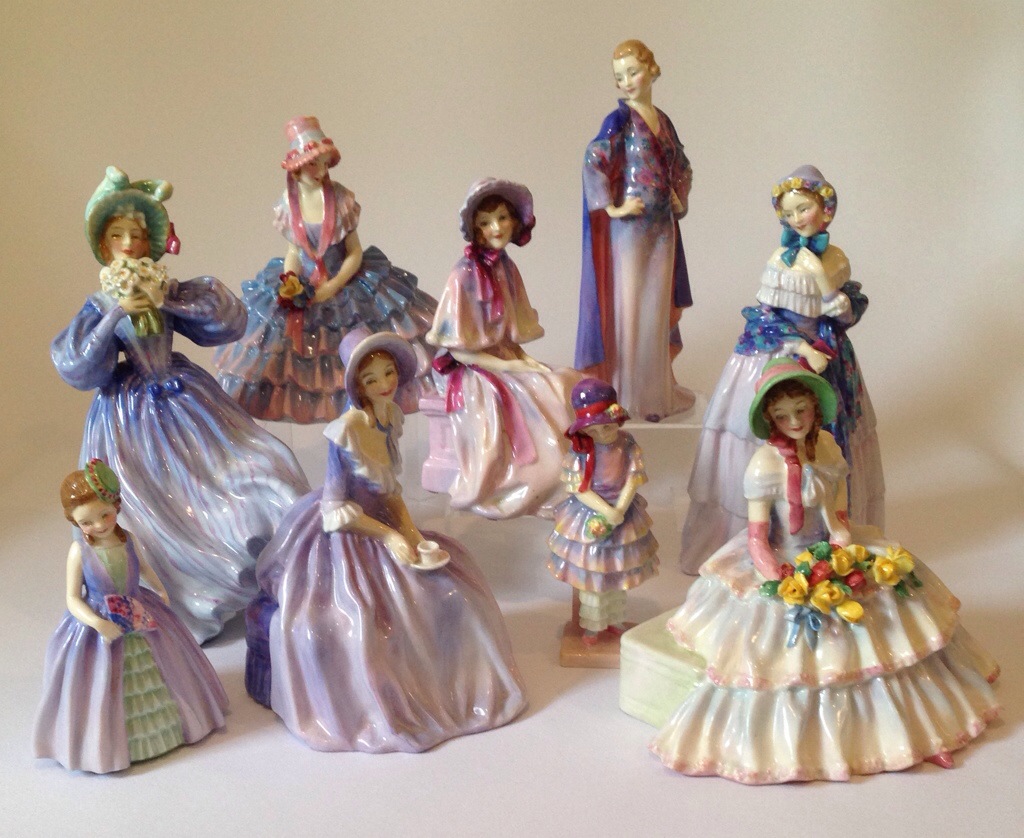
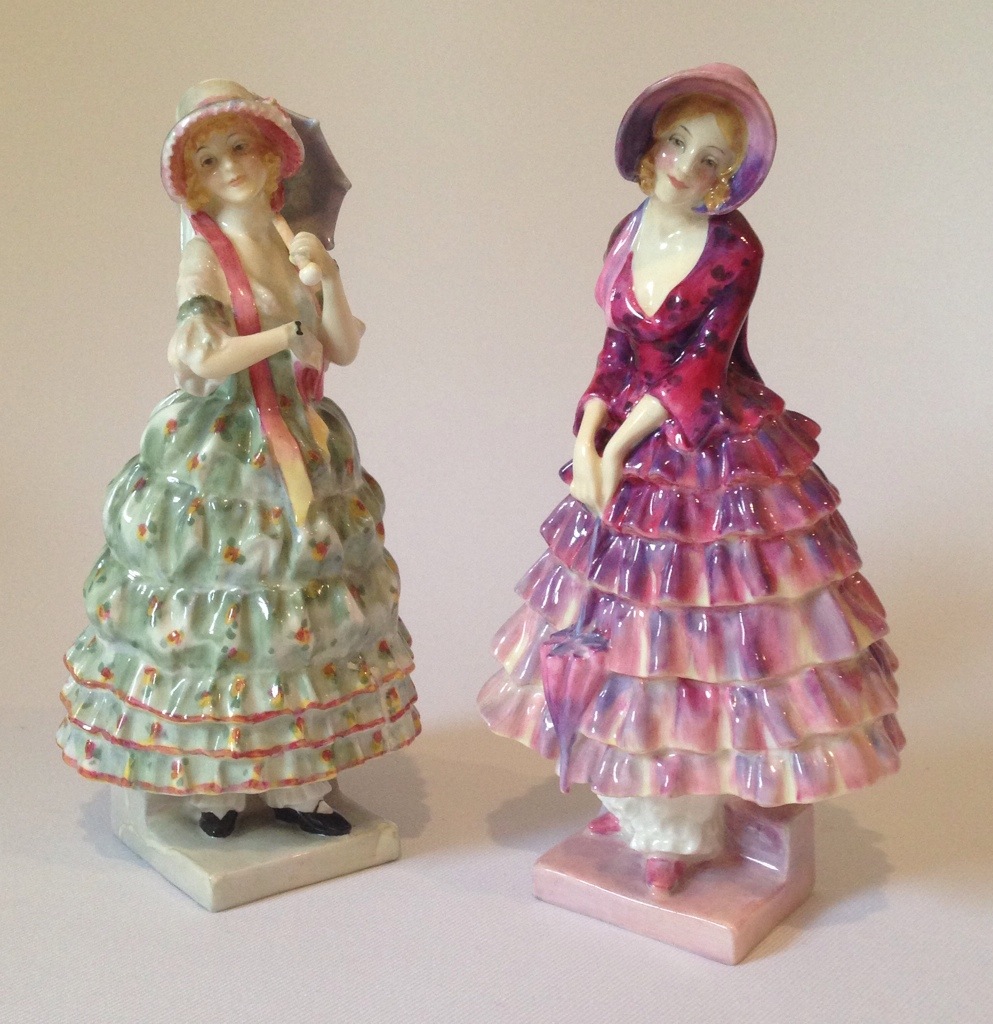
L-R are HN’s 1479, 1470, 1498, 1765 and 1956 (missing HN1476).

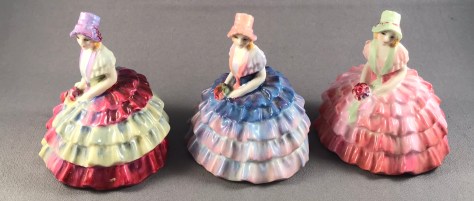
Many of you will be familiar with the more frequently found versions of this popular Harradine damsel Chloe, HN1470 and HN1765, but at the time of her production she was such a popular figure that there were 6 different full size versions of her and a further 3 miniature models.

If you refer to the ‘bible’ for figure collectors “Royal Doulton Figures” you will see that 5 of the six are illustrated, the one missing being HN1956, but illustrated here. However, there is another missing colourway. As some of you may have noticed, what is labelled HN1476 in the book is actually a pre-war version of HN1765 – I know this as I bought the figure labelled as 1476 at the first Doulton museum sale.

The three M versions of Chloe.

HN1765 was clearly the most popular colourway and production was resumed after WWII. These later models are easily distinguishable as the bouquet is less detailed and indeed smaller, plus the base typically only bares her name as there was no longer a need for her HN number as she was the only Chloe in production at this point. Mistakes do happen and we must remember that the original book was put together using actual figures found at that time.

In my experience and as I have previously mentioned the ‘by 1949’ could really be shortened to ‘by 1944′ as production seems to have been halted for all but the absolutely most popular figures before 1944. This small group includes Paisley Shawl HN1392, the Old Balloon Seller, Biddy Penny Farthing, the Orange Lady and the perennial favourites in red of Autumn Breezes and Top o’ the hill. Production of these appears to have stopped in 1944 before resuming full post war production in 1947.

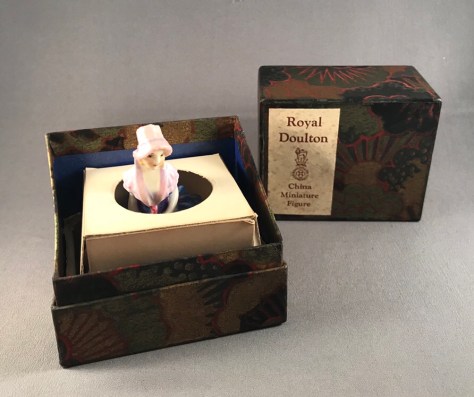
M version of Chloe in her original box and packaging from 1932.

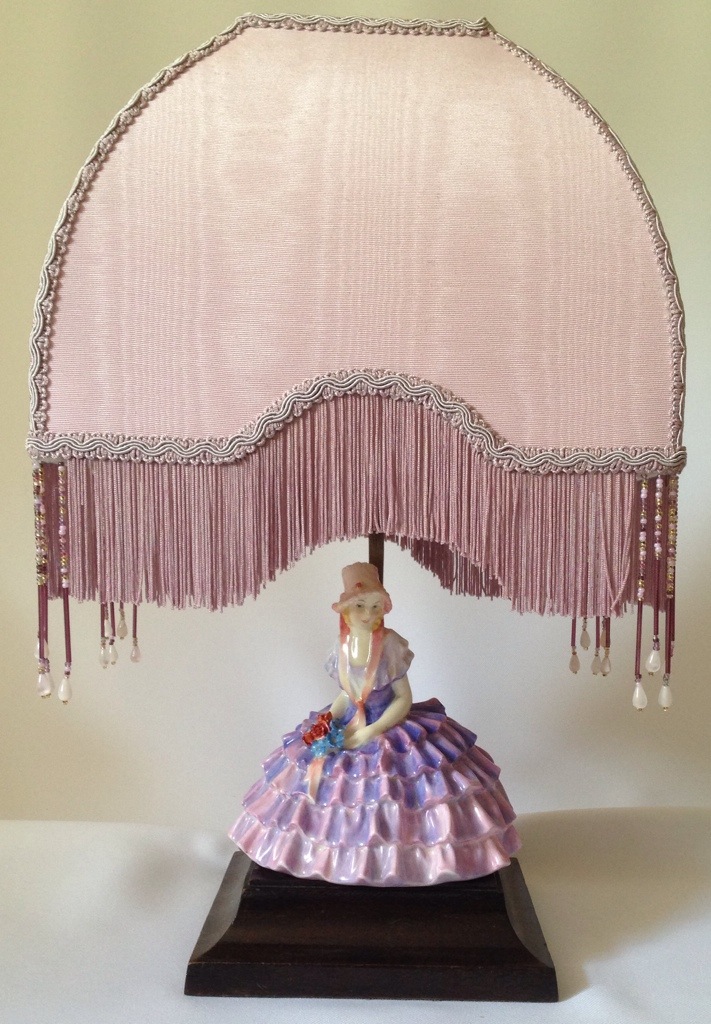
Chloe proved such as popular figure that examples can be found mounted on lamps as below and miniature versions adorn pin trays, calendars and pen holders produced in the 1930’s.
20140727-113641-41801649.jpg

Chloe on original lamp base with replacement shade.

An A-Z of Collection Royal Doulton – the Beggar’s Opera series.

20140725-160540-57940025.jpg
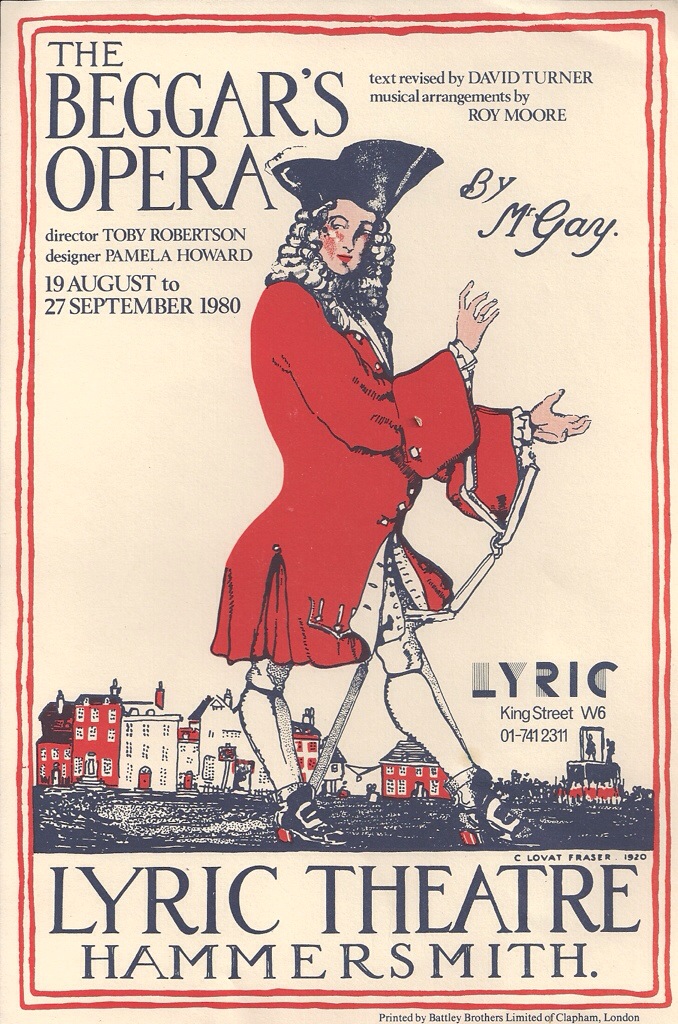
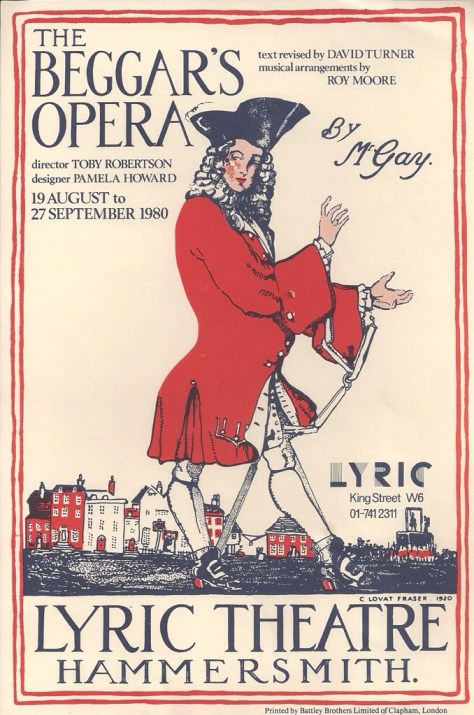
Original poster for the opera.

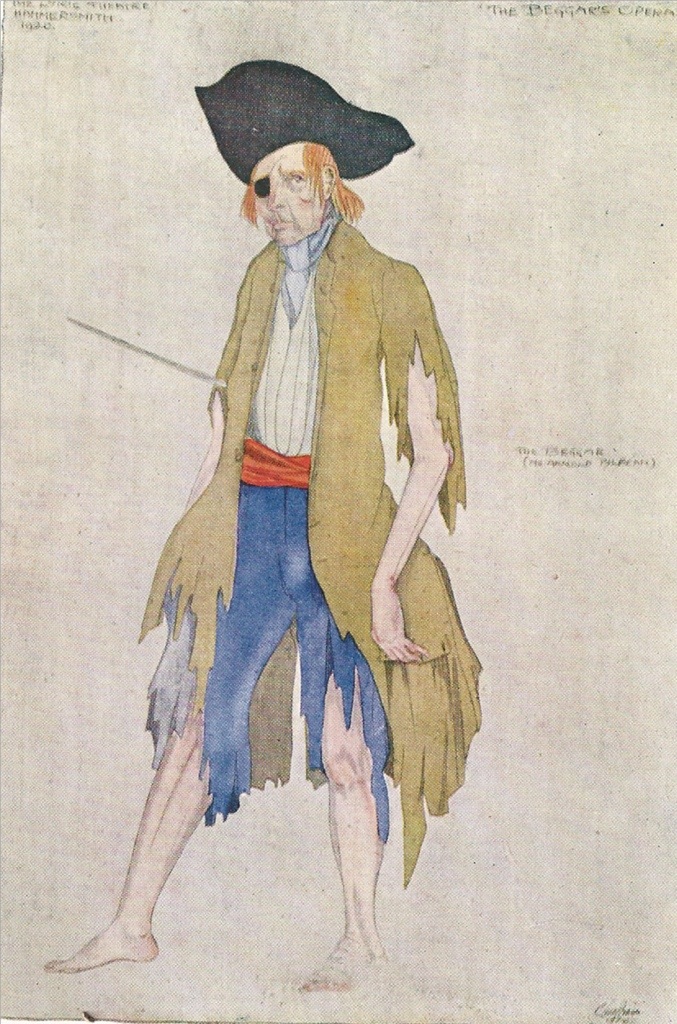
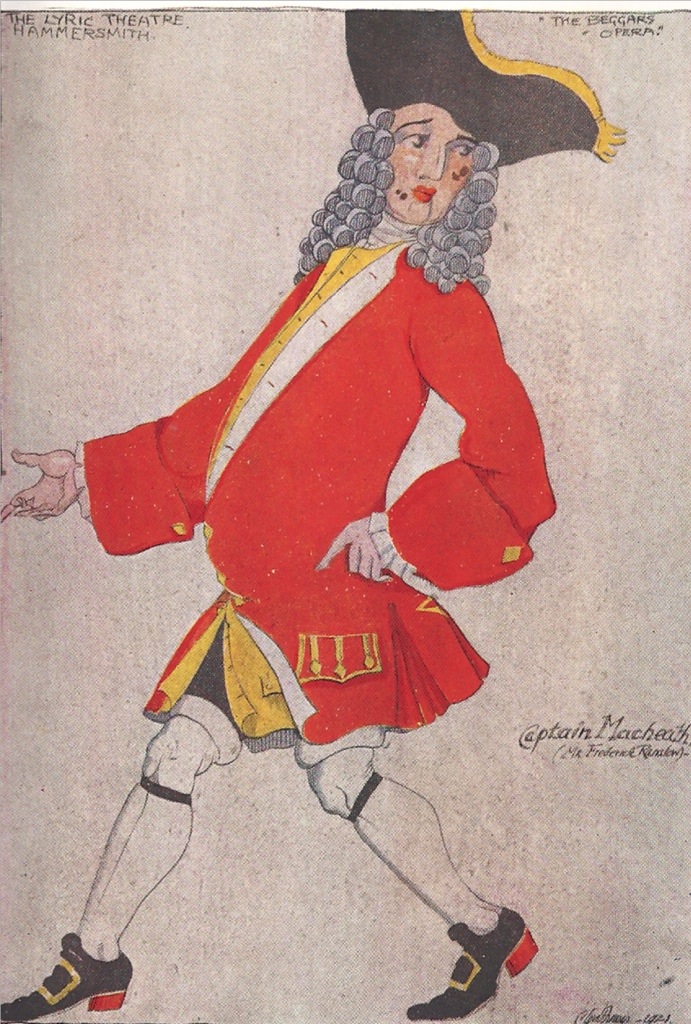
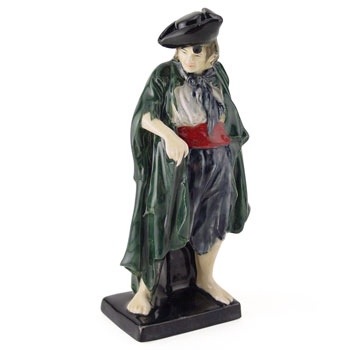
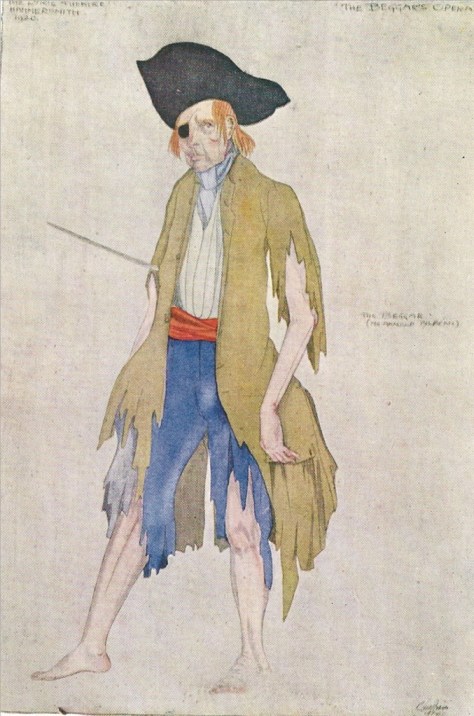
Leslie Harradine as well as establishing a new standard in figure modelling in the early 1920’s, was also responsible for the first set of figures, The Beggar’s Opera Series, inspired by the theatre. Harradine’s figures all closely resemble the costume designs Claude Lovatt Fraser the designer for the revival of this piece at Hammersmith in 1920, as you can see from these pictures in the article.
20140725-160655-58015097.jpg

20140725-160655-58015339.jpg
Harradine’s The Beggar and the original sketch for the stage costume.

Once made up Lovat’s costumes were thrown to the studio floor and walked on, had paint thrown on them, and where necessary as with the Beggar’s costume, were then slashed and dirtied. He reasoned that the characters from the play were from 18th Century London low life and spent much of their time in jail.

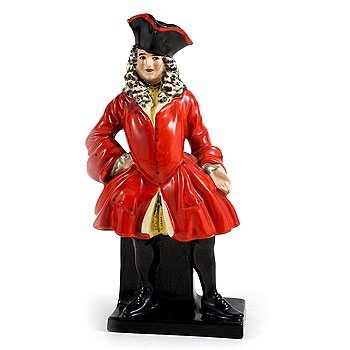
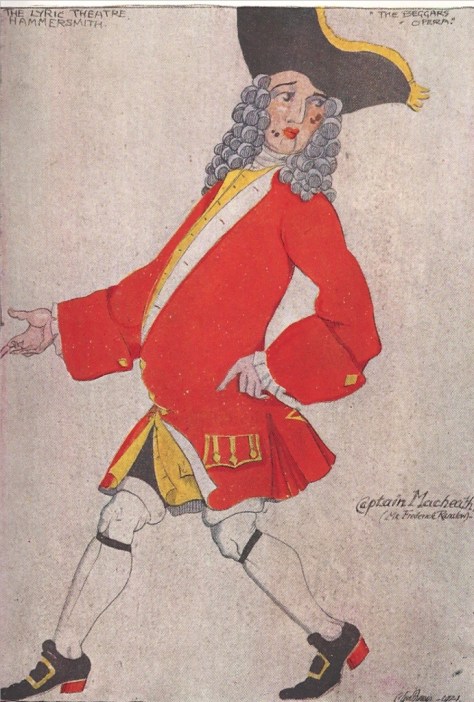
Here is the original Captain Macheath figure compared with the original theatre poster and Lovat Fraser’s design.
20140725-160752-58072942.jpg

20140725-160752-58072829.jpg
Again the original design and the Doulton figure Captain Macheath.

This first series of figures set the tone for future sets by teaming a popular English theme together with an emerging Doulton house style of decoration.

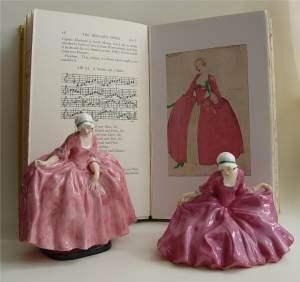
The series proved a huge success and in Doulton’s first official publicity catalogue after WWII, they themselves lament the withdrawal of this popular set! The main female character Polly Peachum is also immortalised in a miniature version, and incidentally more colour variations of this one miniature figure exist than any other!
20140725-161136-58296732.jpg
Two versions of Polly Peachum against her original costume design. Incidentally the curtsying Polly was at first called Polly Curtsey.

Whether you collect just individual characters from this series or the whole set, they make an eye-catching display!
20140725-161252-58372251.jpg
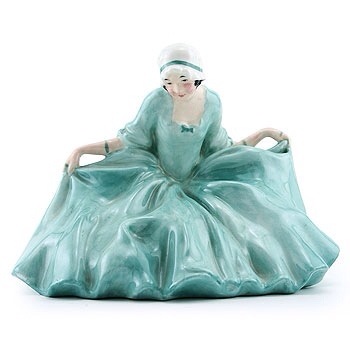
A favourite colourway of mine for Polly Peachum.
Collecting Doulton Barbotine ware – Moonlight

20140721-171211-61931976.jpg

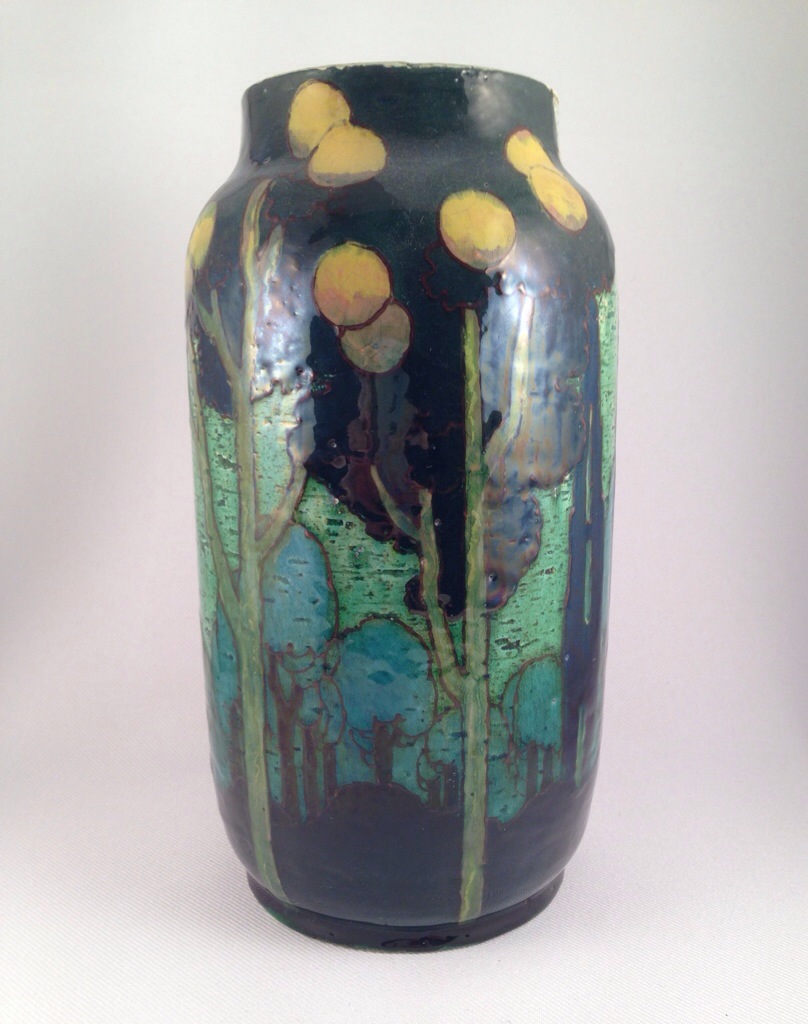
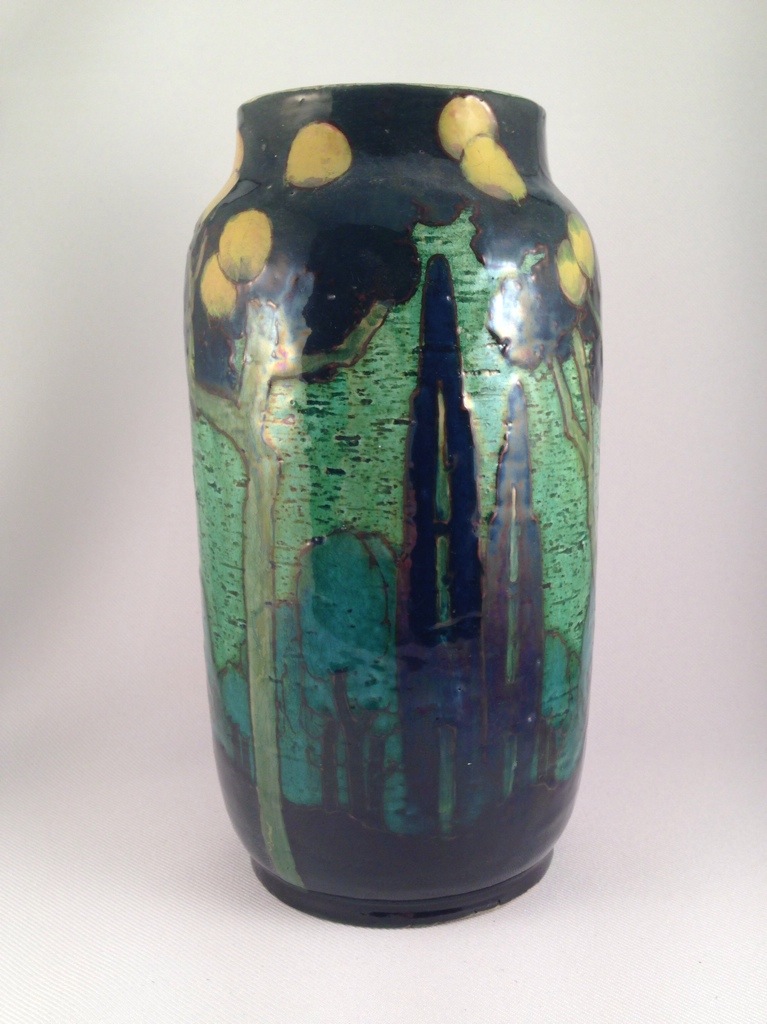
This technique is another unusual ware produced at Burslem in limited quantities around 1930. The particular pattern was actually called ‘Moonlight’ according to Fred Moore who also provided an introduction date of 1927 for this design.

20140721-171356-62036191.jpg
Similar in body to Rembrandt and some Holbein pieces, Barbotine can be found on vases and bowls, plus I have seen a pair of 24″ lamps also in the Moonlight design. Very impressive!
The Moonlight pattern is similar to the drawings of Edmund Dulac, but there are several other designs that have also come to light in the Barbotine technique, yet, they all use the same colour palette of greens and blues with similar stylised designs.
I am sure you’ll agree they are stunning pieces!

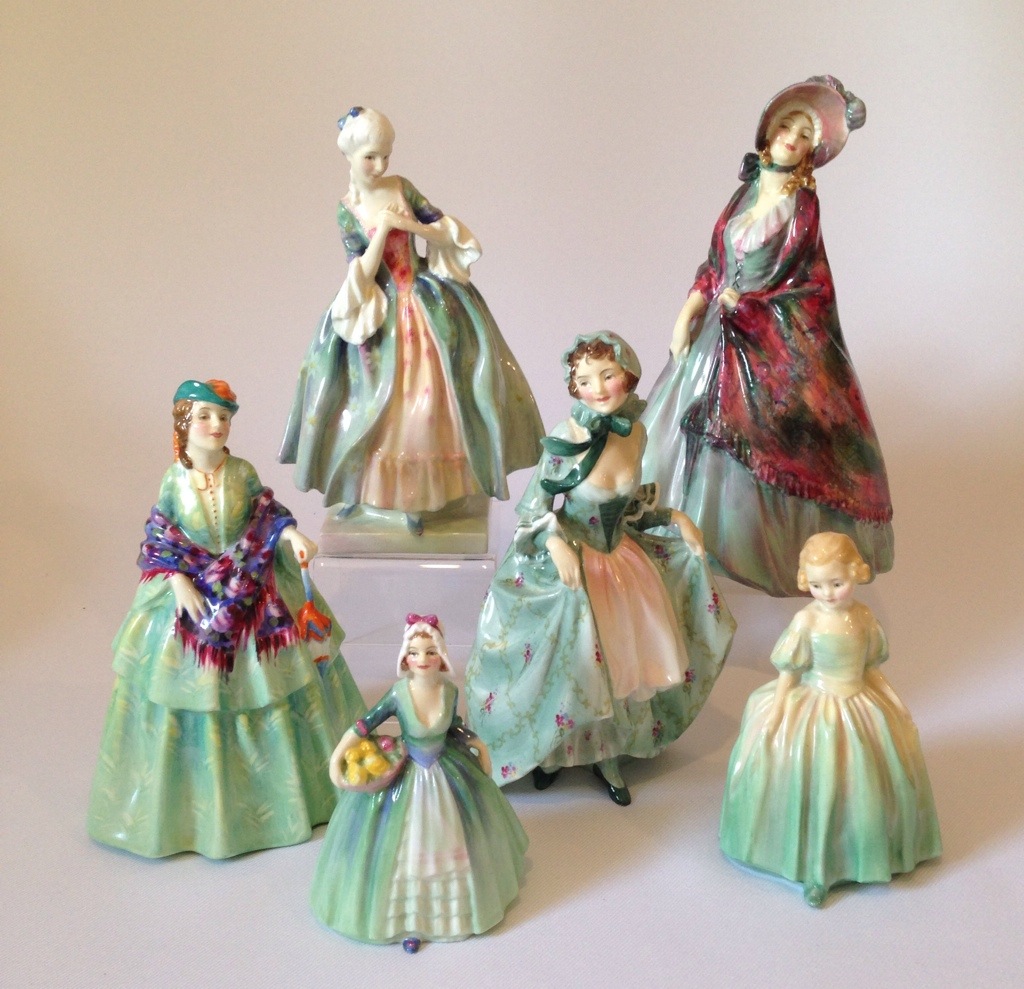
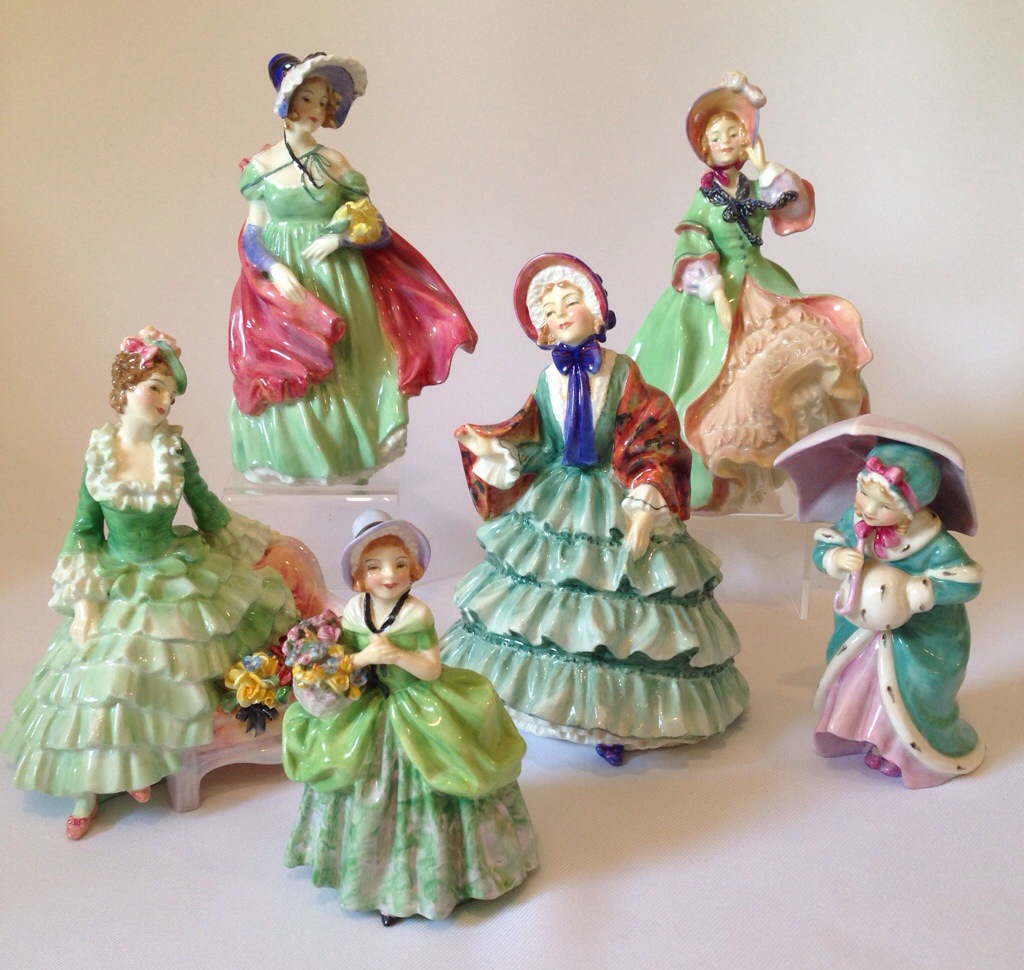
Royal Doulton’s glorious green ladies!

20140720-172222-62542680.jpg
Here again is another display or collecting theme that I suddenly felt compelled to write, sitting in the ‘green’ garden enjoying the sun: Doulton’s green ladies…
Whilst reds and pinks have remained perennial favourites among collectors, the vogue for producing ‘green’ ladies has come and gone and come and gone again. Yet, those from the 1930’s remain, in my opinion some of the most appealing, not least because of the crispness of the modelling but the detail in the painting too.

20140720-172306-62586159.jpg
There are so many familiar faces that are so much harder to find in green such as Cissie, Sonia and one that I would love to have in green, Meriel, who remains probably my favourite figure produced.
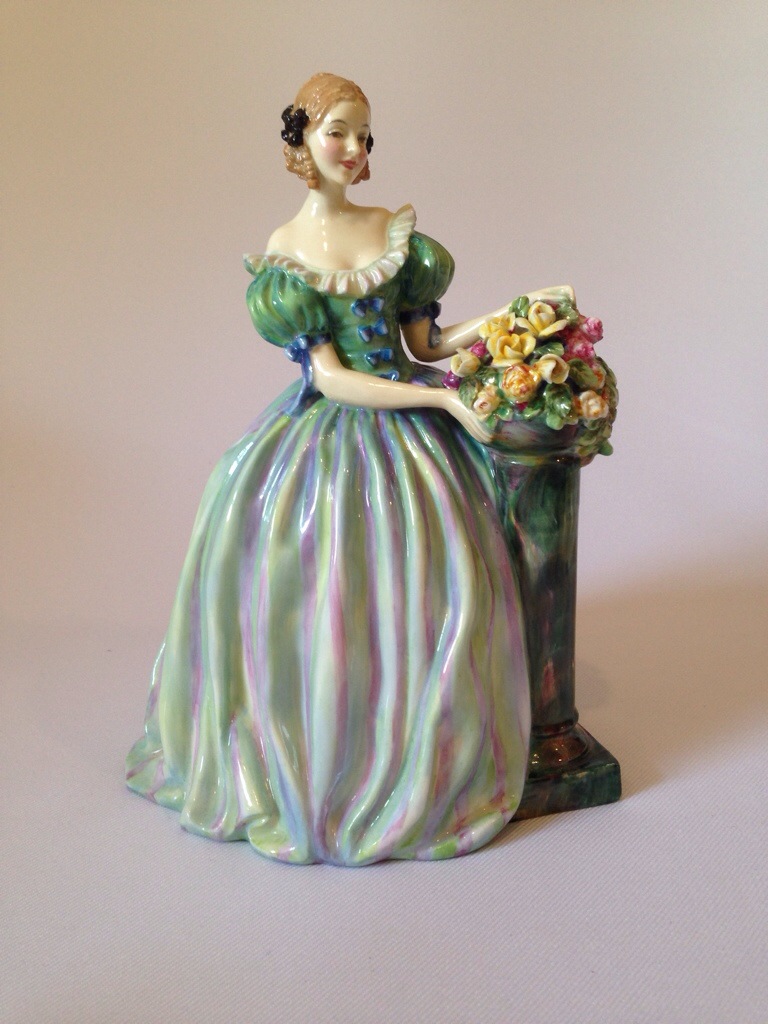
I think part of the reason for the short production runs of these green ladies is the added detail in the colourways, consider Roseanna for example with her stripey skirt.

20140720-172341-62621206.jpg
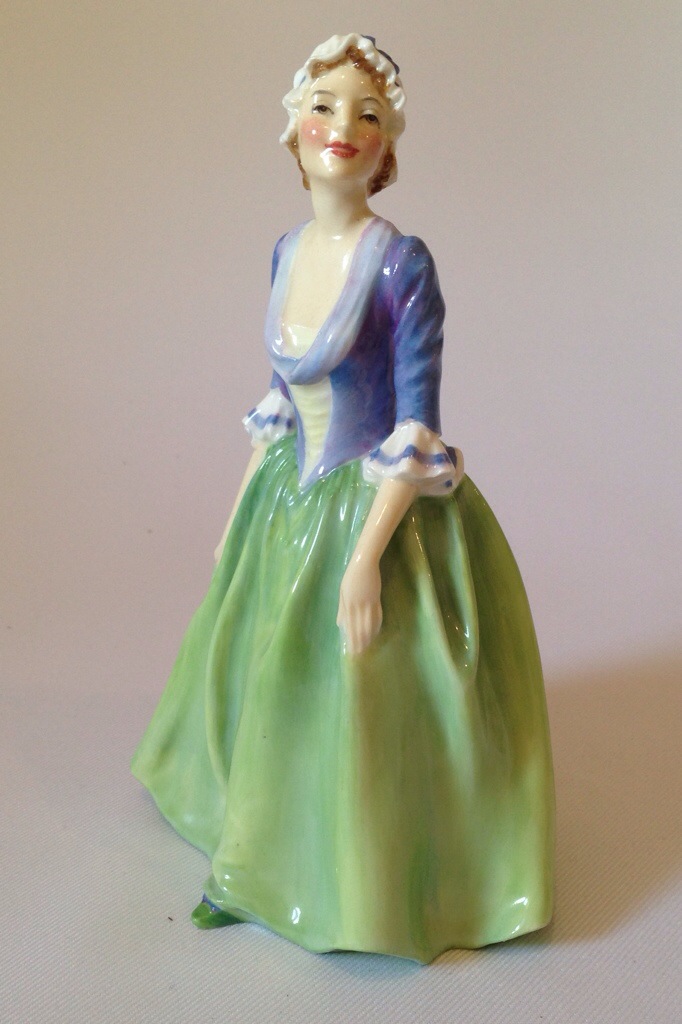
I have a few green colourways and a favourite I have been lucky enough to find is this version of Gwynneth dated 1942 and pictured here.

20140720-172508-62708123.jpg
Perhaps you also display your figures according to colour? If so why not share a picture on our Facebook page ‘Doulton Collectors Club’!

Royal Doulton’s Nell Gwynne and her inspiration

Leslie Harradine we all know was prolific in his output of figure models for Royal Doulton and he took inspiration from all corners of the world around him.
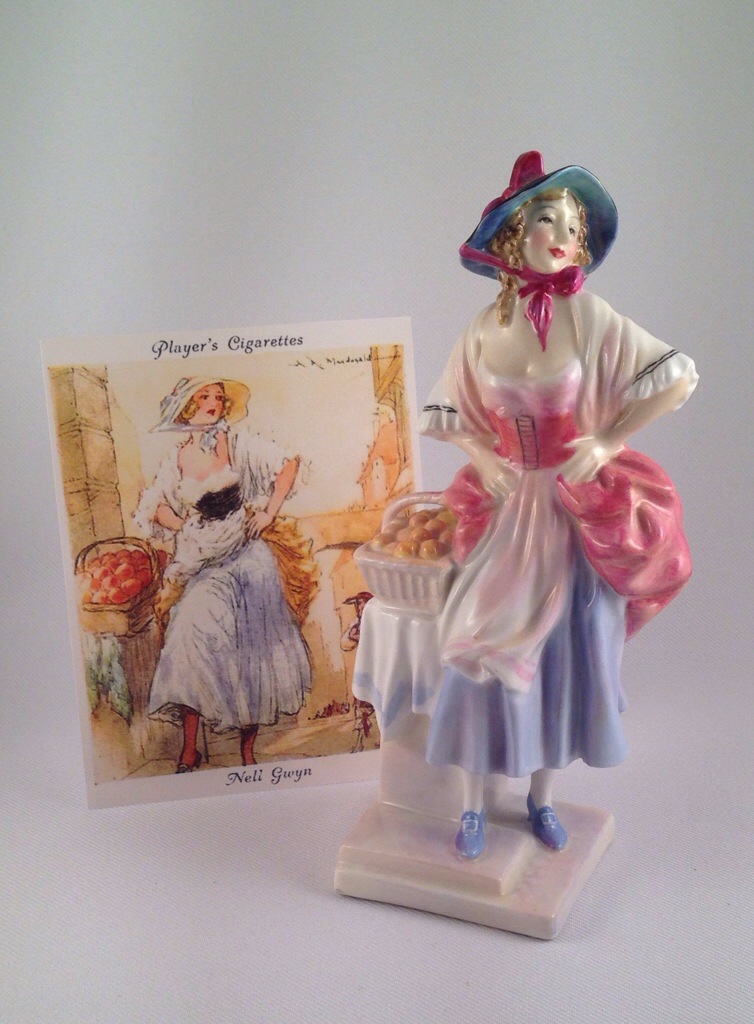
This charming figure of Nell Gwynne is based directly on this Player’s cigarette card from the ‘Famous Beauties’ series dating to the 1930’s.
The card in turn is based on the character of the same name who was the mistress of King Charles II, after she caught his eye selling oranges to the audience at the Drury Lane theatre at a performance he also attended. Nell remained a favourite mistress of the King and bore him two children. On his deathbed he is reputed to have asked “let not poor Nellie starve”.
Royal Doulton’s personification of this character fits in perfectly with the many street sellers they also produced.

20140719-170438-61478404.jpg
Royal Doulton’s Nell Gwynne HN1887 and the illustration that inspired her.

Royal Doulton’s beautiful blues…

We looked at collecting and assembling a collection of red Royal Doulton figures a few weeks ago, and here is another theme to make a display – heavenly blues and the odd purple too!

20140719-084748-31668672.jpg

In the period before WWII, Doulton experimented greatly with various colourways of their figures, the most popular colours being red, pink, green and of course blue.

Whilst red and pink were clearly the best sellers much like today, collectors nowadays seek out the most unusual colourways for their collections and many of these are these blue figures.
Popular figures such as Maureen, Marguerite, Day Dreams and a handful of others can be tracked down in beautiful bluey hues and a grouping of these unusual ladies makes an eye catching display. Ironically some figures that one would expect to see in blue have never been found, one such figure being Pyjamas HN1942, that I think would be perfect in blue!

20140719-085354-32034922.jpg

Perhaps you have other figures to add to this ‘stream’ of blue ladies or other collecting themes that you follow? If so do share via our Facebook page ‘Doulton Collectors Club’.

Pantalettes and petticoats!

20140715-184709-67629330.jpg
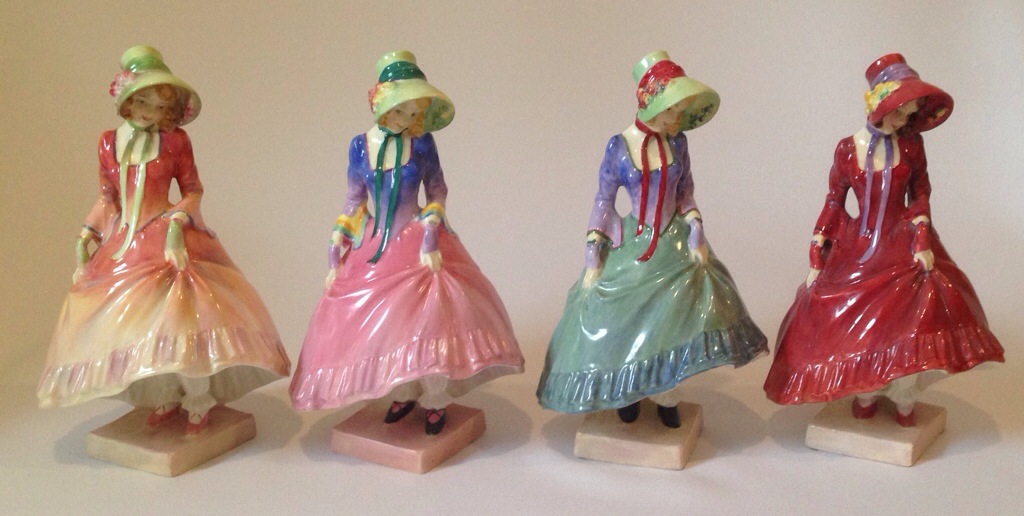
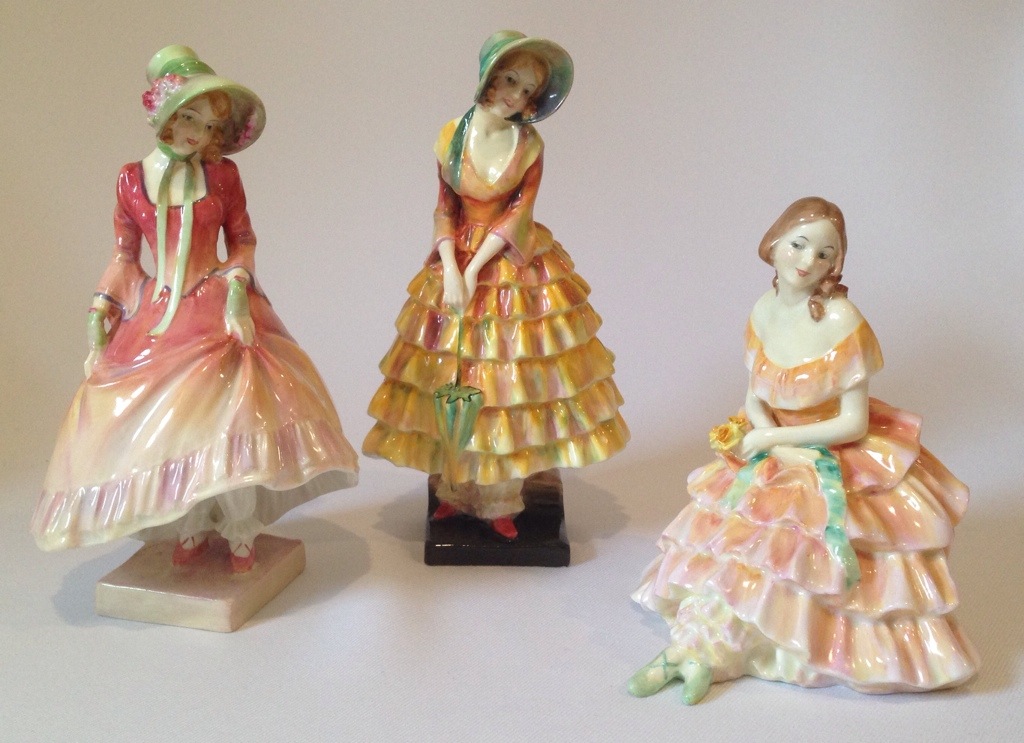
The four available colourways of Pantalettes.

Some of the most popular Royal Doulton figures are those from the early 1930’s that recall those halcyon days of the Victorian era with all of its romanticism and courtship rituals.

This band of coy young ladies demurely pose with their pantalettes and numerous petticoats on show – each supposedly causing a minor sensation! Oh how times have changed.

20140715-184858-67738108.jpg
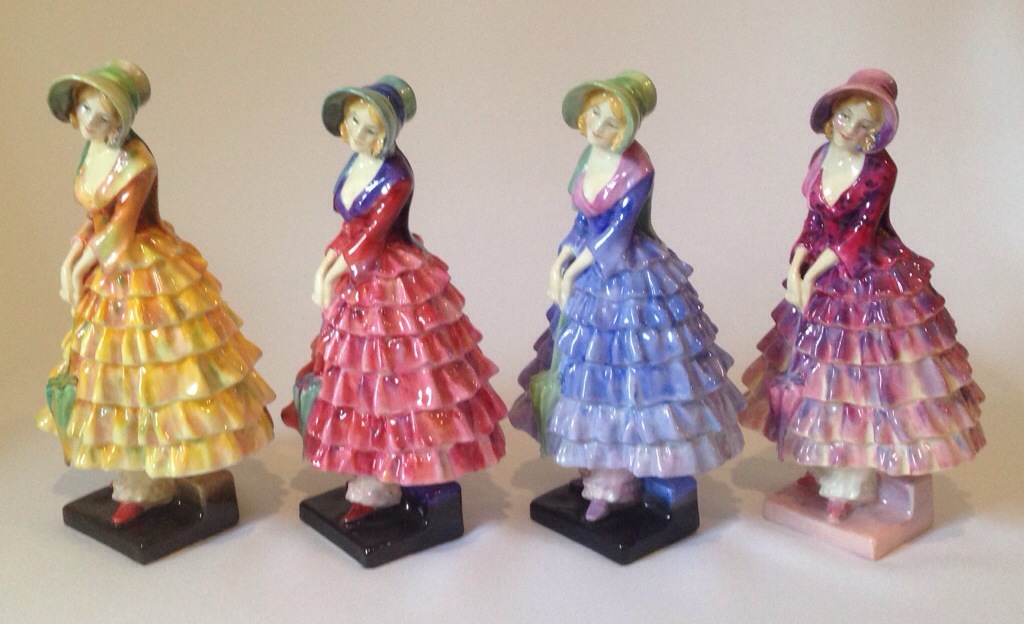
Four of the five available versions of Priscilla.

Of course we must start with the figure Pantalettes HN1362, introduced in 1929 and withdrawn by 1952, not the erroneous date given in the books on the subject of ‘by 1942’. She has three other ‘sisters’ to collect the rarer of the two being HN1507 and the lushious red HN1709. She has always been a favourite of mine and I remember hunting down an early version many years ago!

20140715-185222-67942623.jpg
The rare Helen and a more unusual colouring of Priscilla.

Another favourite among collectors is Priscilla HN1340 introduced in the same year. She is modelled coyly swaying in a soft breeze with her head posed in a coquettish manner!
Other rarer figures can be added to this theme including the rare Helen HN1508, who would later be adapted to June HN1690 in 1935, presumably meaning that Helen’s production had ceased by that point… As was always typical of Doulton various figures were produced in complimentary colourways and we can add Gwendolen HN1503 to this group of ‘pantalette and petticoat’ ladies!

20140715-185318-67998866.jpg
A complimentary group of petticoat and pantalettes wearing damsels.

Far from bring a definitive list, perhaps you also collect this theme of ladies? If so why not post a picture to our Doulton Collectors Club page?

Doulton’s lustre wares – Part 2: Reco Capey

20140713-075133-28293083.jpg
A selection of Reco Capey lustre ware and a stray fox!

Some of you will already be aware of the name Reco Capey and his links to Royal Doulton. Capey it has been discovered designed prestigious flambé wares and also in the late 1930’s pieces for Lambeth too.

However it is his lustre ware designs that are the focus here. It is uncertain when precisely he began his association with Doulton but the date 1914 has been mentioned. Certainly items signed by him and presumably fired at Burslem have been found. Others bearing a Doulton stamp and dating to 1915 have also been found dated around this time. Capey’s designs certainly follow a theme with his designs echoing those of William de Morgan and also William Morris.

20140713-075711-28631830.jpg
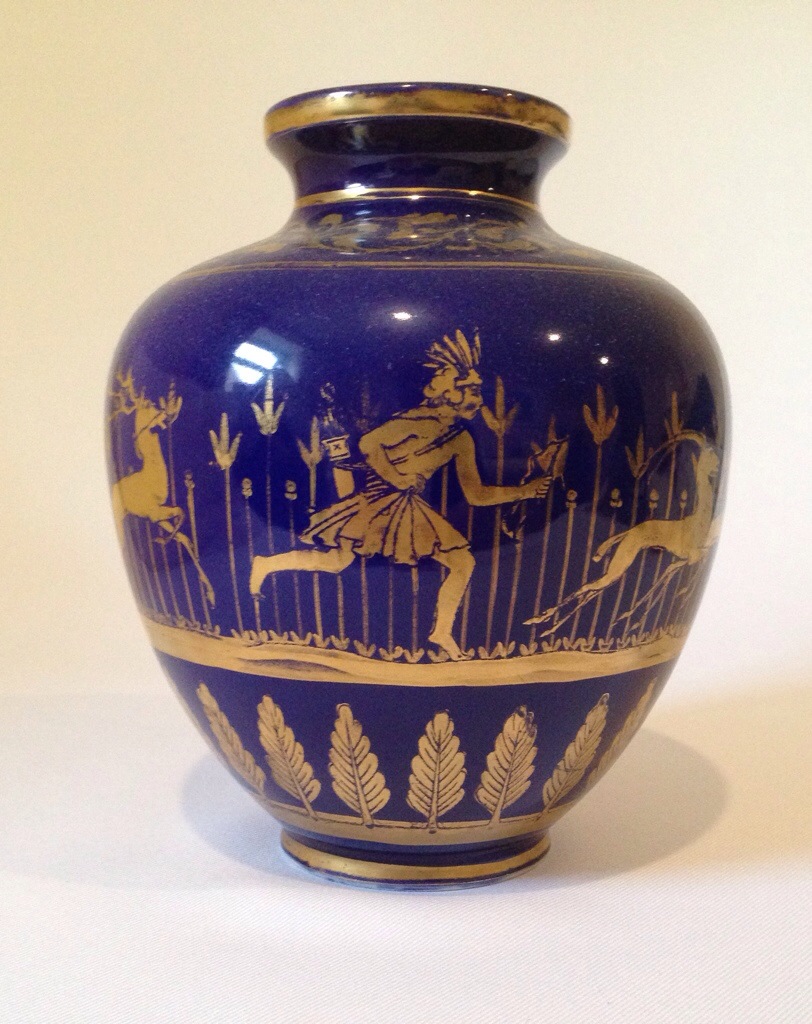
An unusual gilt version of Capey’s design of Indian runner and deer more usually found on an orange lustre background.

20140713-075812-28692485.jpg
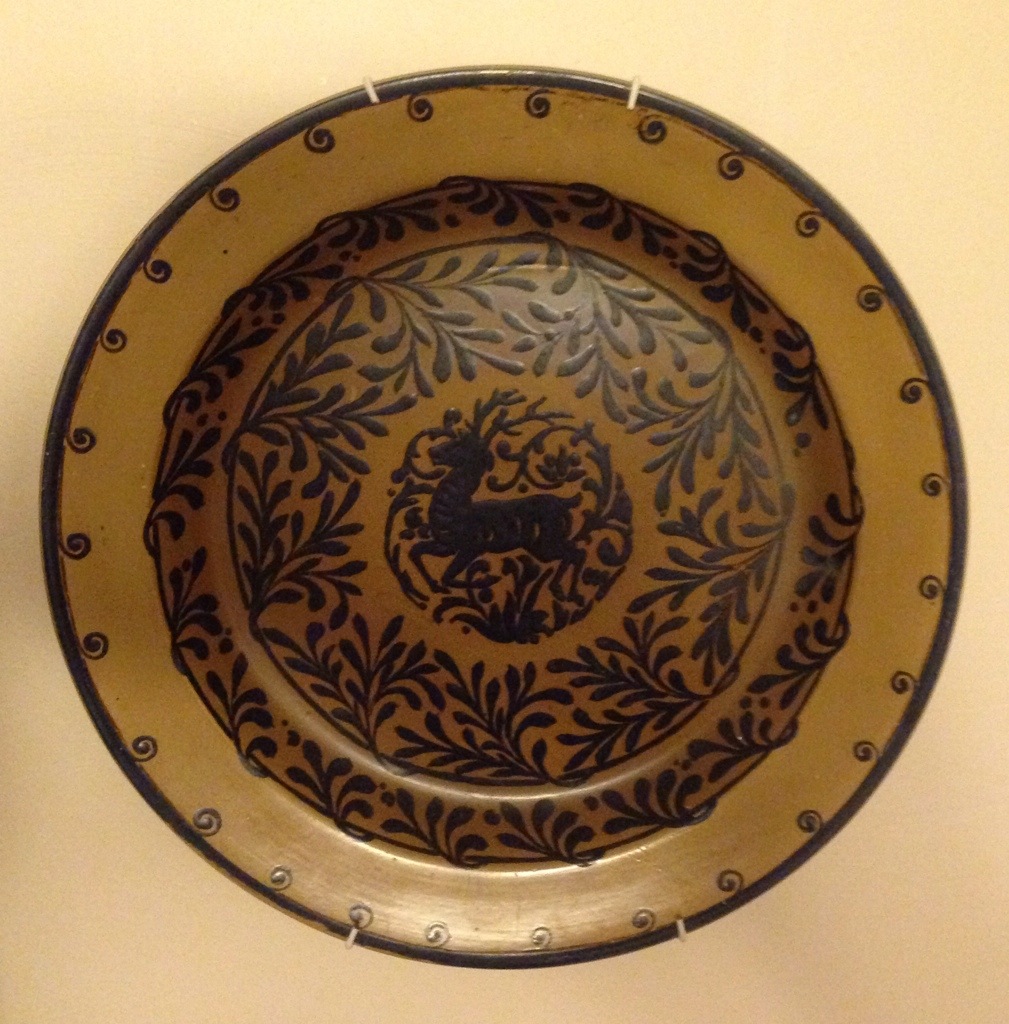
A large charger in orange lustre with the deer design dated 1918.

The mythical birds in the picture below are undoubtedly the tile design that Capey would complain to his family that he was not paid enough for. As was typical with Doulton they used their in house artists to adapt the original artists’ designs (just as happened to Frank Brangwyn).

20140713-080119-28879215.jpg
A full tea set bearing a seriesware D number 4080 introduced in 1919. This design was the only one in this colouring that I have found with a D number.

Other interesting pieces of this lustre ware include lidded jars with finials including ‘Old Nod’ and a ‘Chicken’. The actual titles of these finials are unknown.

20140713-080403-29043336.jpg
A large vase, typically used for Capey’s work, bearing Nelson’s motto: PALMAM QUI MERUIT FERAT

These delightful pieces of lustre ware were produced at a time when lustre ware was at its most popular and whilst designs do turn up, particularly the black, white and green designs, there are so many variations and rarities out there still to be found that will hopefully shed more light on his work and time with Doulton’s of Burslem.

20140713-080723-29243132.jpg
One last charger by Capey featuring St. George, again dated 1919 that I found in Australia.

Collecting Doulton tiles

20140712-163610-59770886.jpg
An early advertisement featuring a tile.

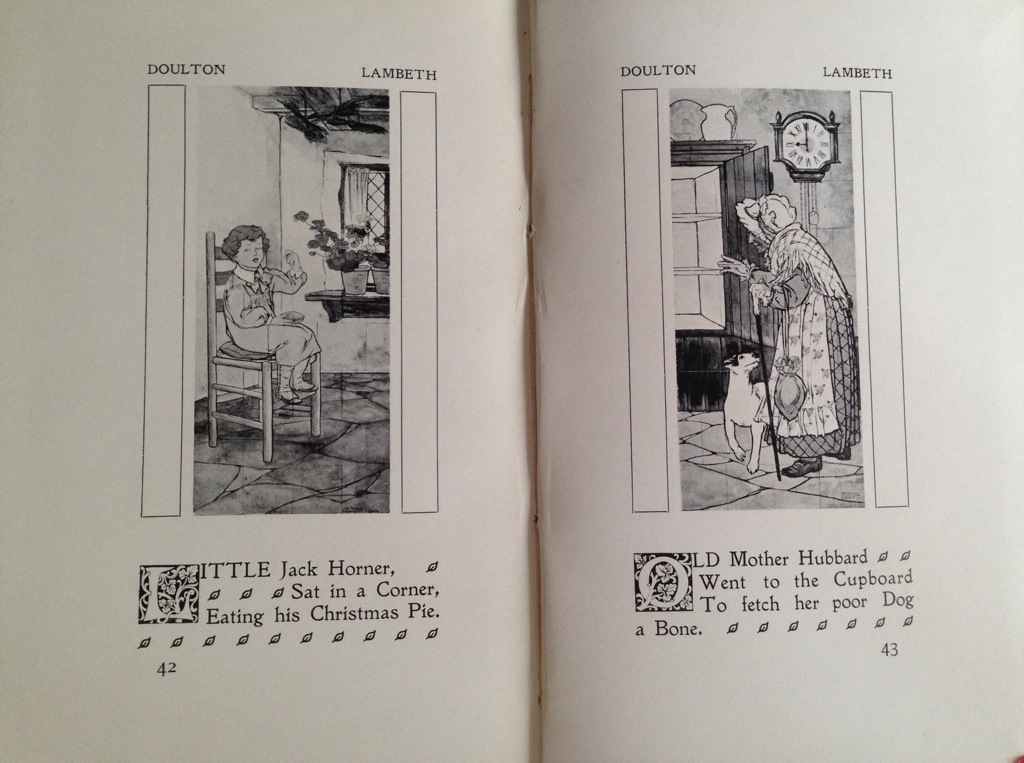
Tiles are another avenue of collecting that many Doulton collectors know very little about. However, if you were to ask tile collectors about Doulton tiles, they would tell you that there are some magnificent examples out there to collect.

20140712-163712-59832288.jpg
A similar tile to the one in the advert above.

Originally produced in the 19th and early 20th century, the fashion for decorating great portions of buildings, both inside and out, in tiles fell out of fashion during the first half of the last century.

20140712-163811-59891071.jpg
A good example of a tube lined tile.

Doulton tiles fall into two camps: architectural and art ware; and again divided into individual tiles and sets or panels.

20140712-163905-59945698.jpg
A magnificent panel courtesy of Seaway China.

I am sure many of you will have paid a visit to the food halls of Harrods in London and seen the wonderful art nouveau Doulton tiles by Neatby there or perhaps the wonderful Doulton art nouveau arcade in Norwich, but there are examples outside the UK too in Singapore’s railway station for example and countless hospitals around the world.

20140712-164007-60007460.jpg
A double page from a book by Doulton from 1904 illustrating some Hospital panels installed by them to date.

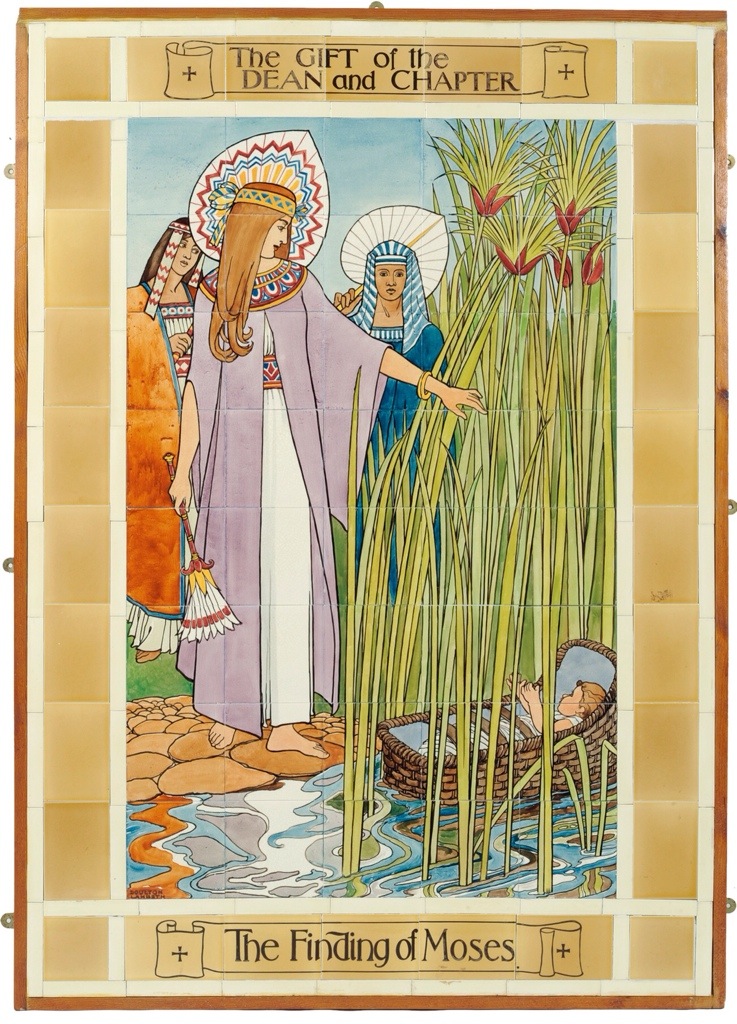
As I have already mentioned there are countless tile panels in churches and hospitals around the world too designed by Doulton’s top artists including Margaret Thompson and William Rowe.

20140712-164315-60195383.jpg
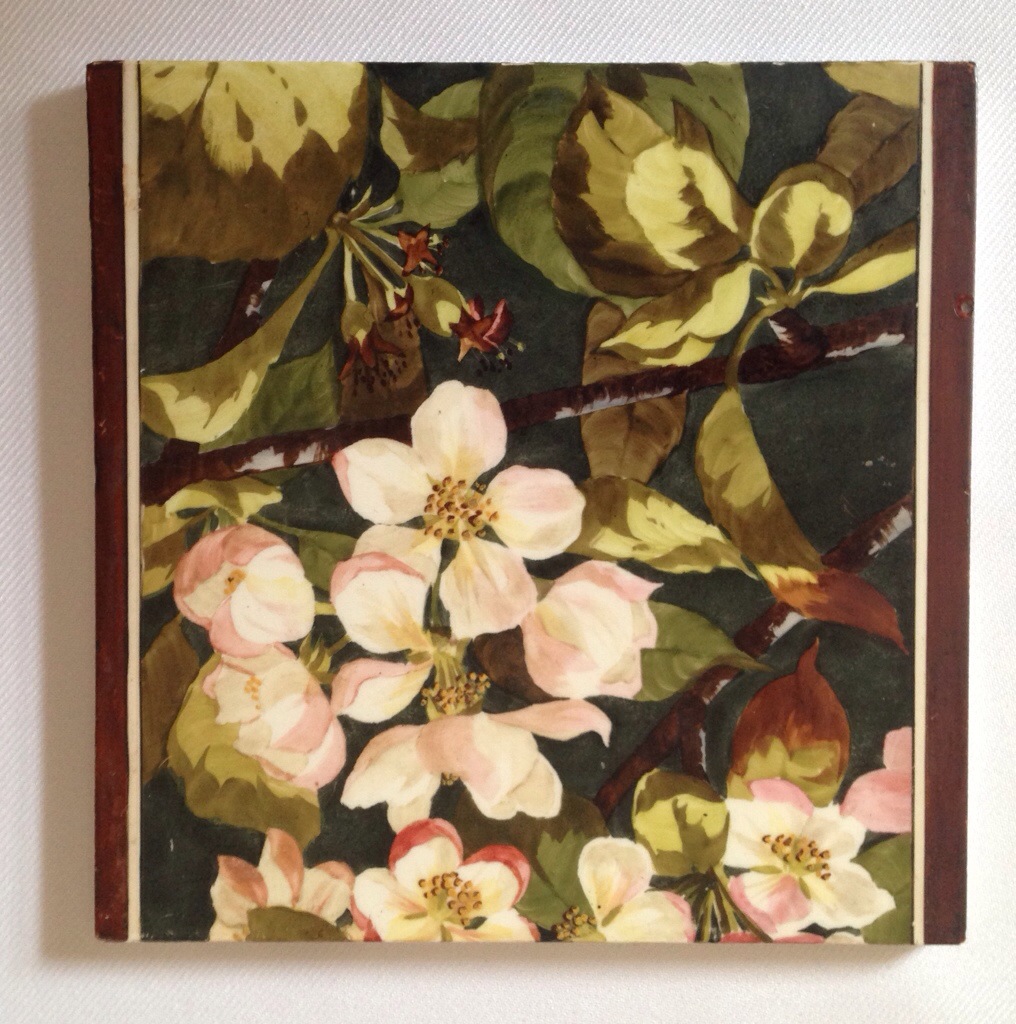
A charming hand-painted tile with Apple blossom.

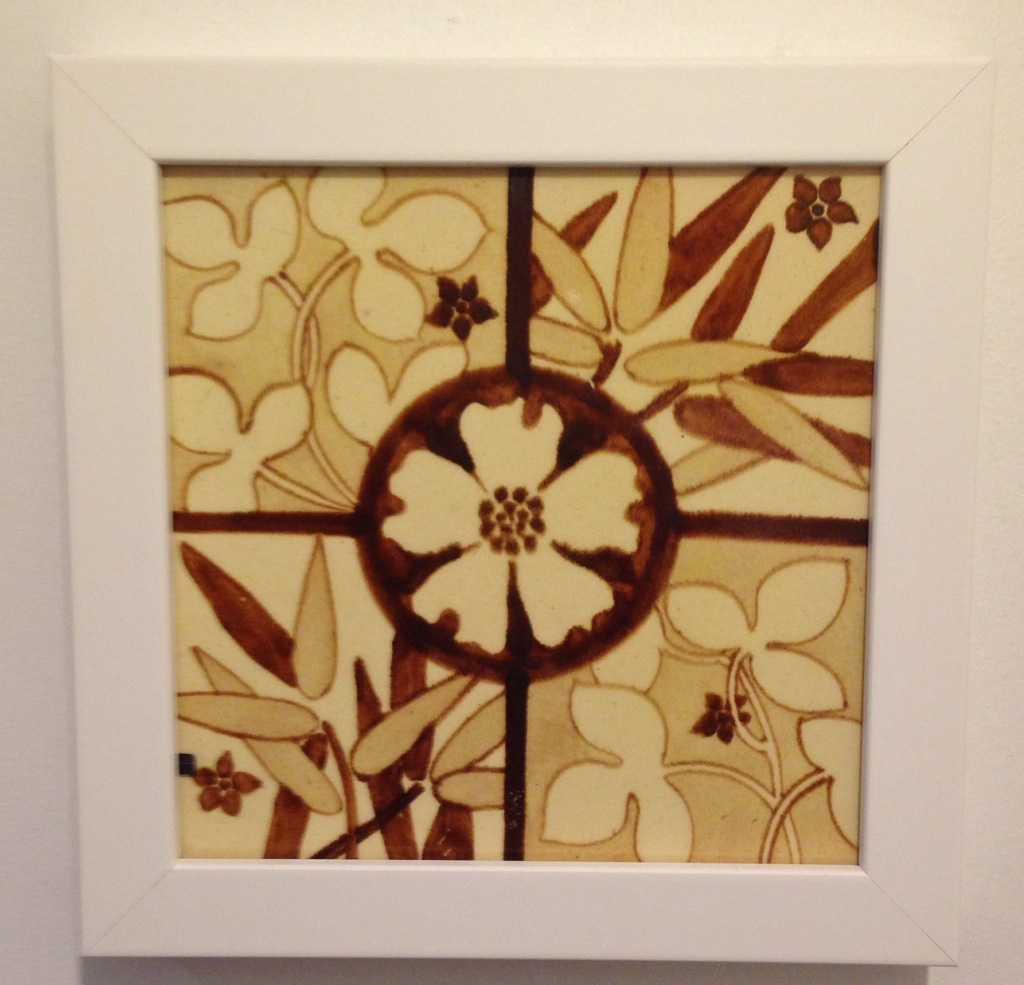
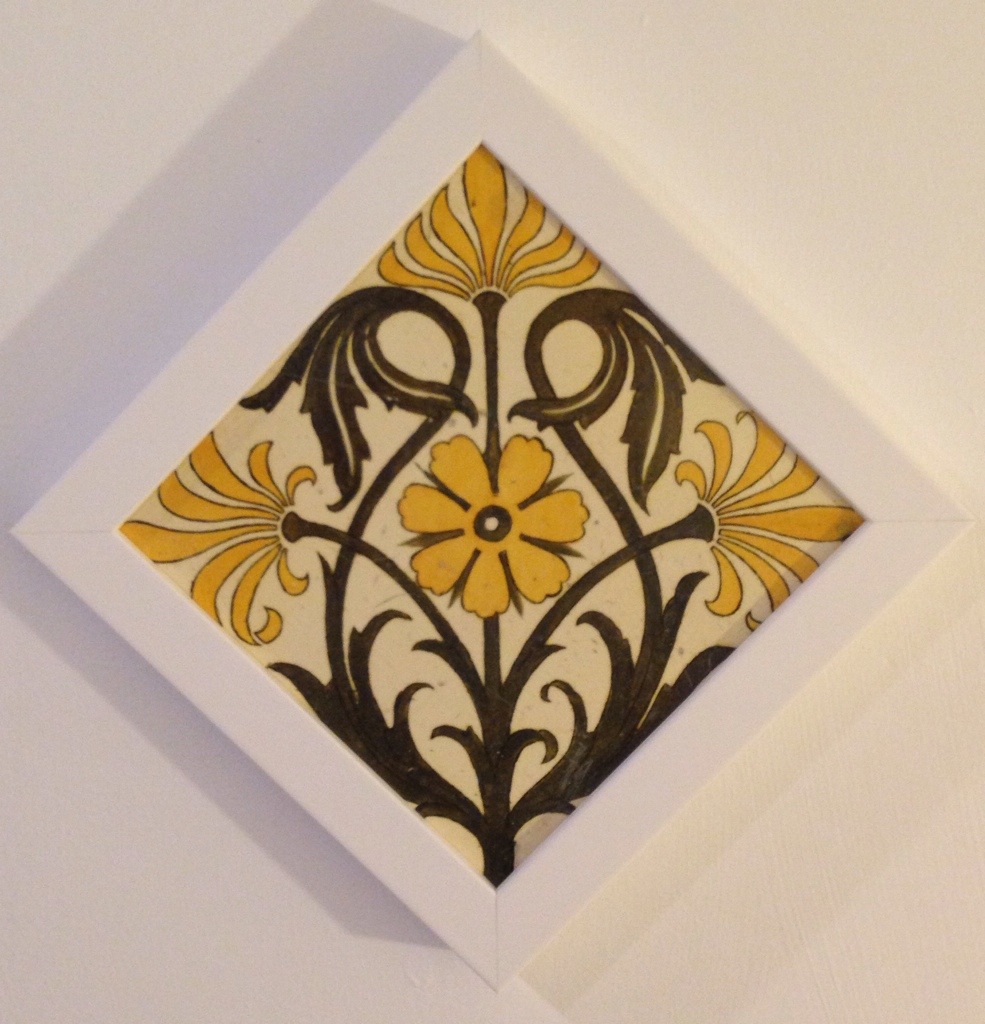
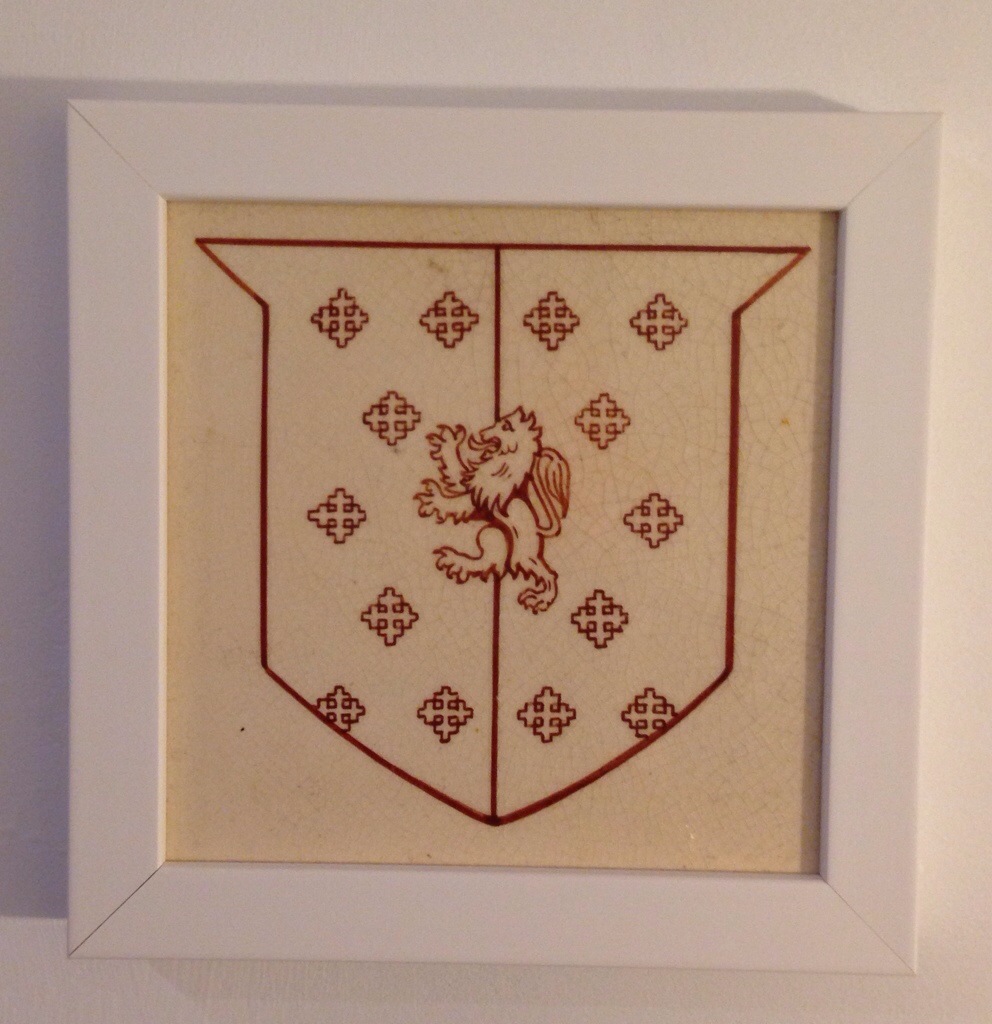
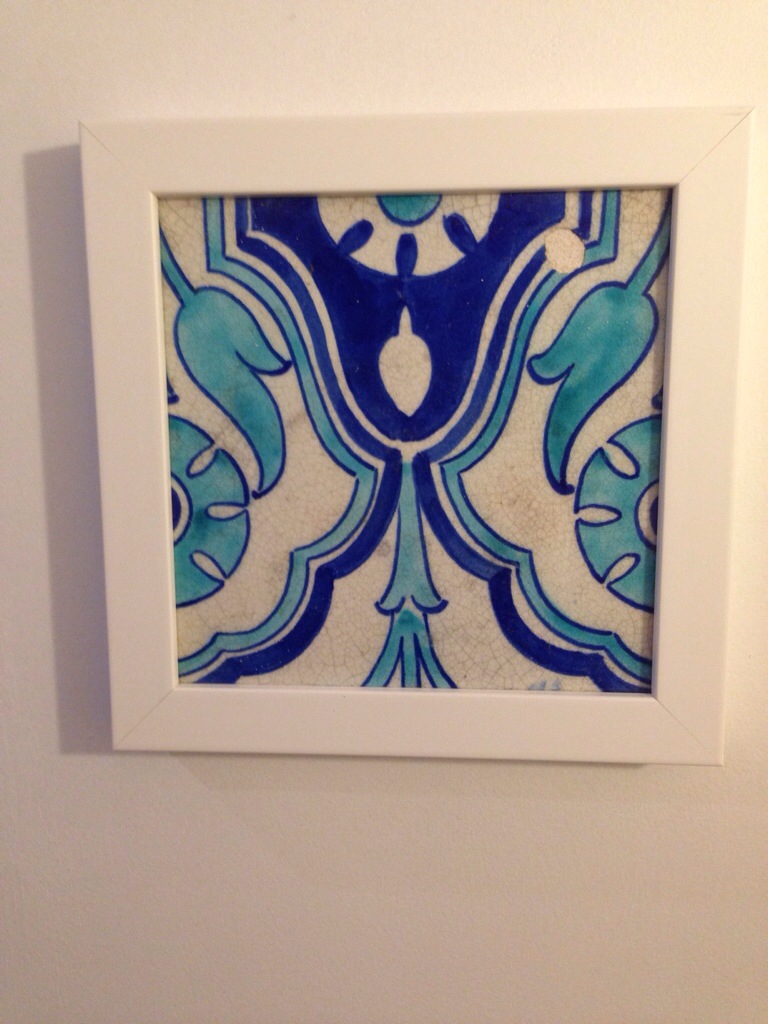
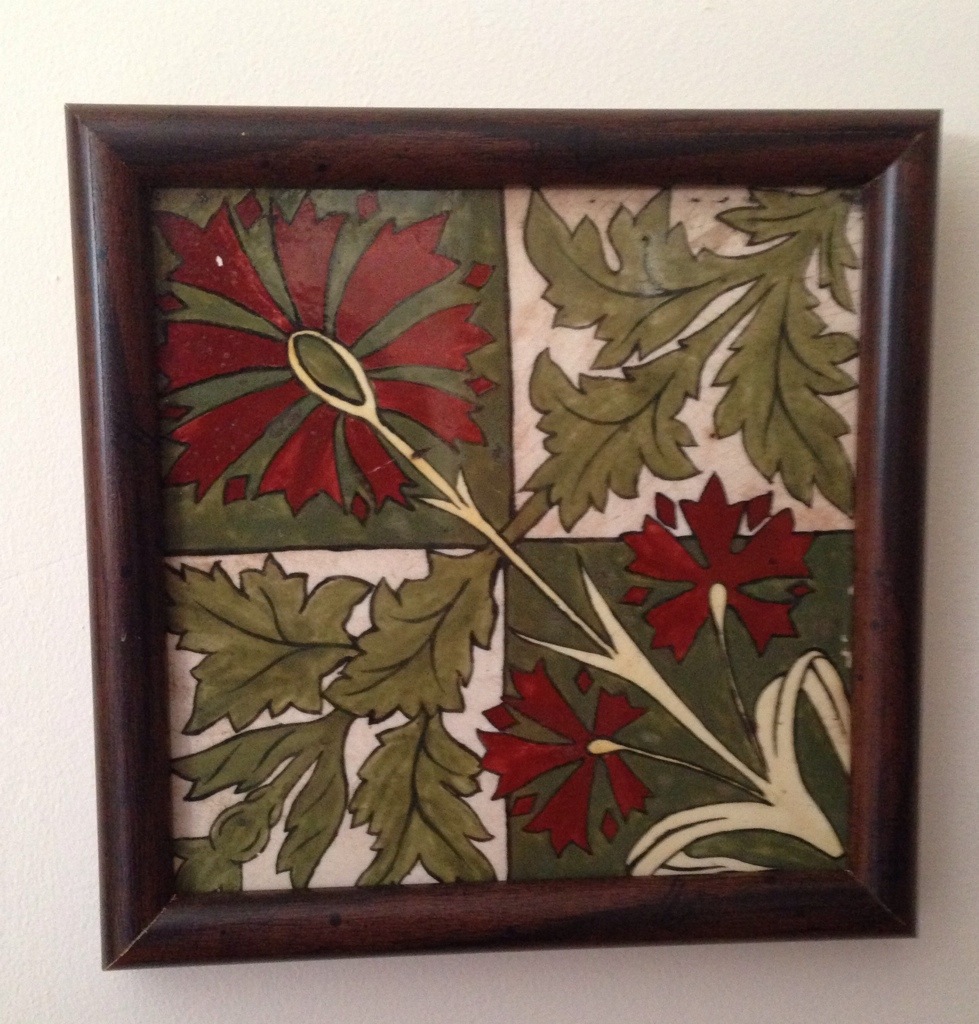
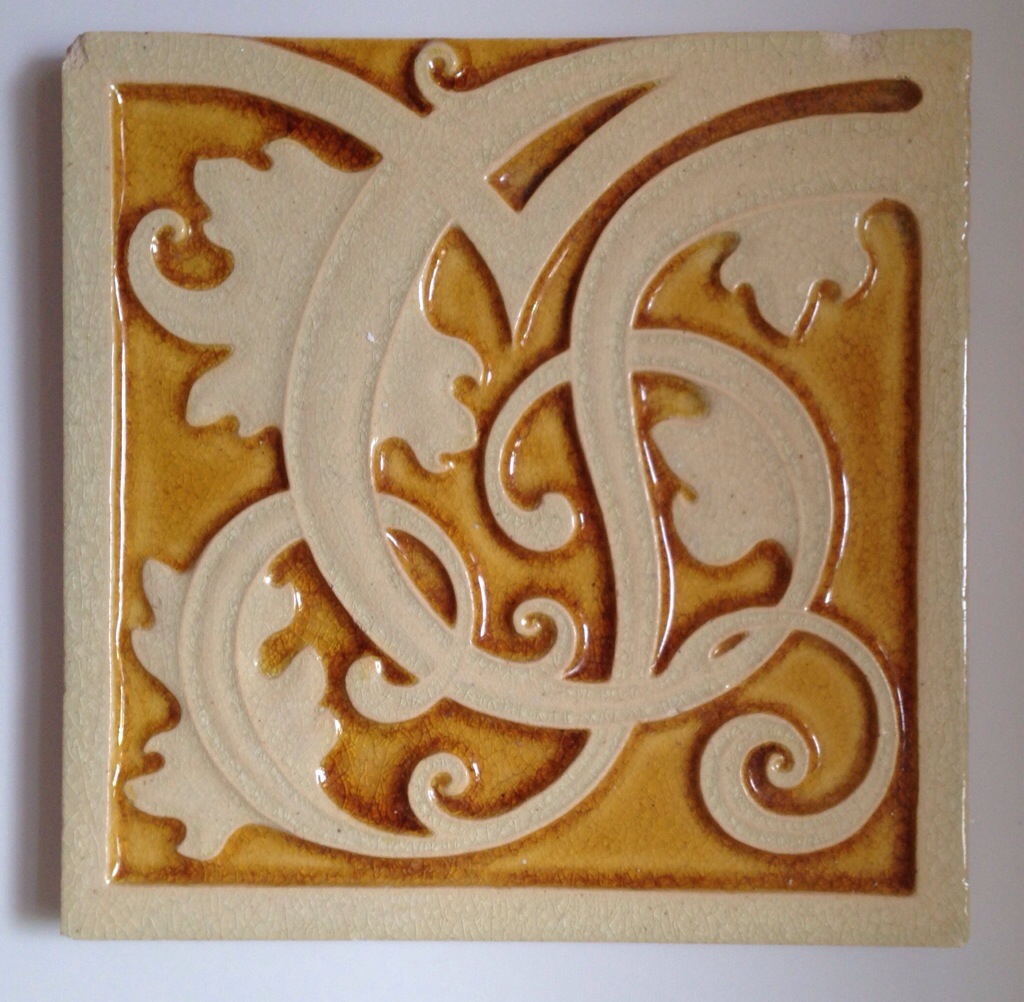
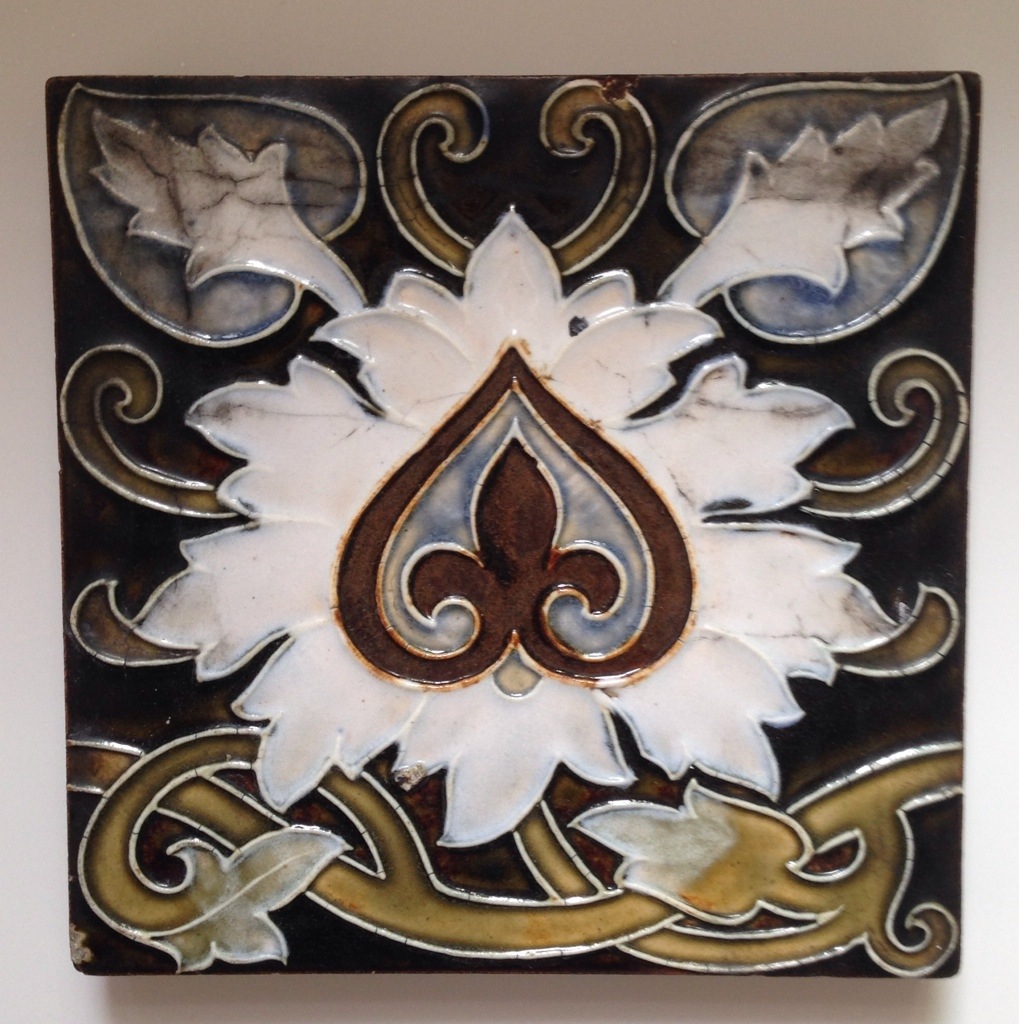
Yet, for collectors there are numerous designs in tiles to collect. Here are some that I have come across over the years, some artist pieces some production pieces. Nevertheless an interesting theme to collect!

20140712-164431-60271538.jpg

20140712-164434-60274110.jpg

20140712-164433-60273272.jpg

20140712-164432-60272359.jpg

20140712-164430-60270548.jpg

20140712-164429-60269734.jpg

Royal Doulton’s Edward VIII loving cup

20140711-143259-52379030.jpg
Original Certificate for this cup.

This commemorative loving cup was made to commemorate the coronation that never was. Edward VIII was born in 1894 and succeeded his father as King in 1936. The story of his abdication and the reasons behind it are now romantic legend, yet he did serve as King for 325 days before deciding to abdicate.

20140711-143631-52591645.jpg
The front of the large jug.

Edward VIII is portrayed in half length on the front if the jug wearing what would have been his coronation regalia, together with the flags for the 4 realms of the UK. The handles bear the names of the countries that now make up the Commonwealth where he was also King.

20140711-143949-52789832.jpg
Detail of one handle.

The reverse of the jug shows St. George on horseback infront of Windsor Castle surrounded by Commonwealth flags and other regalia.

20140711-144128-52888520.jpg
The wonderfully detailed reverse of the large jug.

This large jug was issued in 1937 in an addition of 2000, although only 1080 were sold before the abdication crisis. Modelled by the greats- Noke and Fenton who were responsible for do many wares at this time – the cup bears both signatures.

It is possible to build up a collection of all these limited edition loving cups and jugs and it makes a strong statement when they are all together.

For further information on loving cups and jugs, see the article devoted to them on our Doulton Collectors Club Facebook page.

A place to share enthusiasm for all things Royal Doulton! All original content ©Christopher Evans 2014 unless otherwise credited. No unauthorised reproduction permitted.