Tag Archives: Lambeth

An A-Z of Collecting Royal Doulton – Awards

From the 19c into the 20c Doulton was represented at all the major exhibitions and has been detailed in the great tomes on the Royal Doulton Potteries by Eyles and Irvine, the company itself won many of the major prizes at these exhibitions. The first exhibition Doulton took part in were in 1851, the year of the great Crystal Palace exhibition.
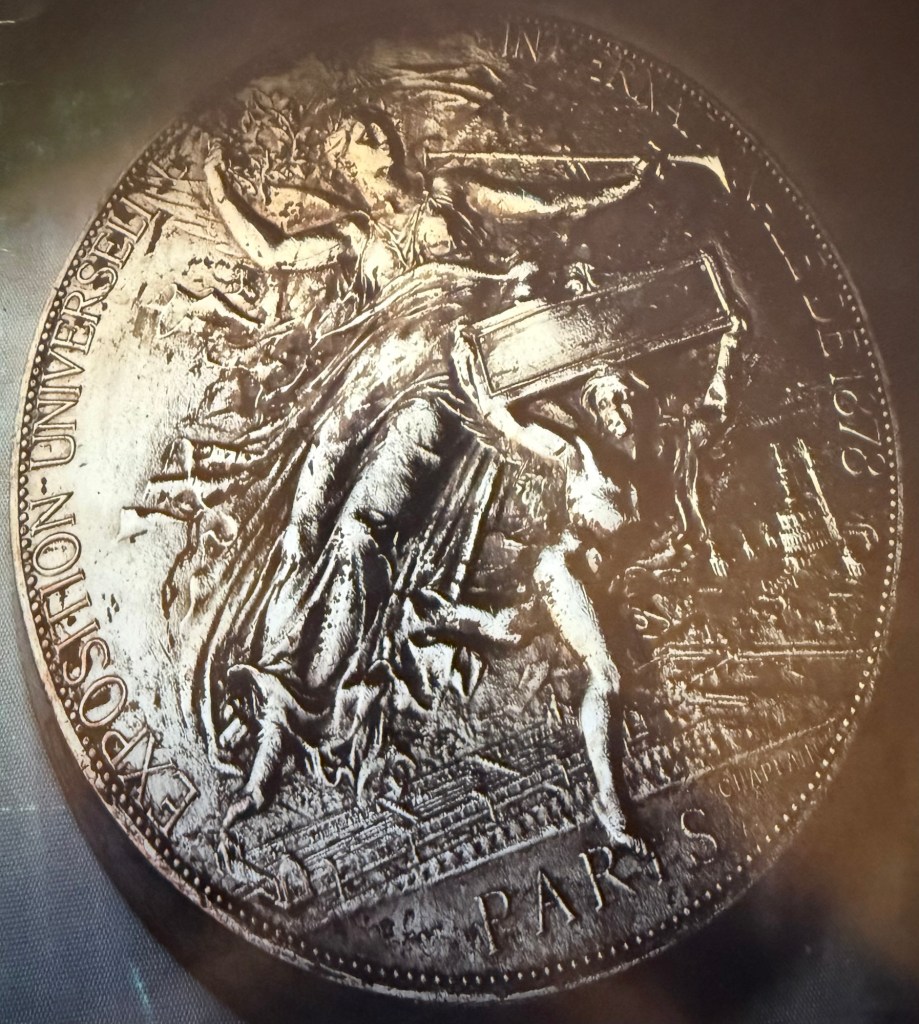
One of 9 awards given to Doulton at the Paris Exhibition of 1878.

The awards mentioned are but a selection from the hundreds the company won over the centuries. The first offerings presented were of utilitarian nature such as drain pipes and sanitary wares as one would expect.

At the South Kensington Exhibition of 1871 Doulton showed their first selection of set pottery, Sir Henry having been persuaded to branch out into art pottery.

A mere five years after this, Doulton presented over 1500 items at the American Centennial Exhibition in Philadelphia. At the Chicago exhibition of 1893, Doulton won more prizes than any other pottery in the world. The success in Chicago brought the award tally then to 94 Gold medals and 1st class awards, plus 101silver medals and second class awards.
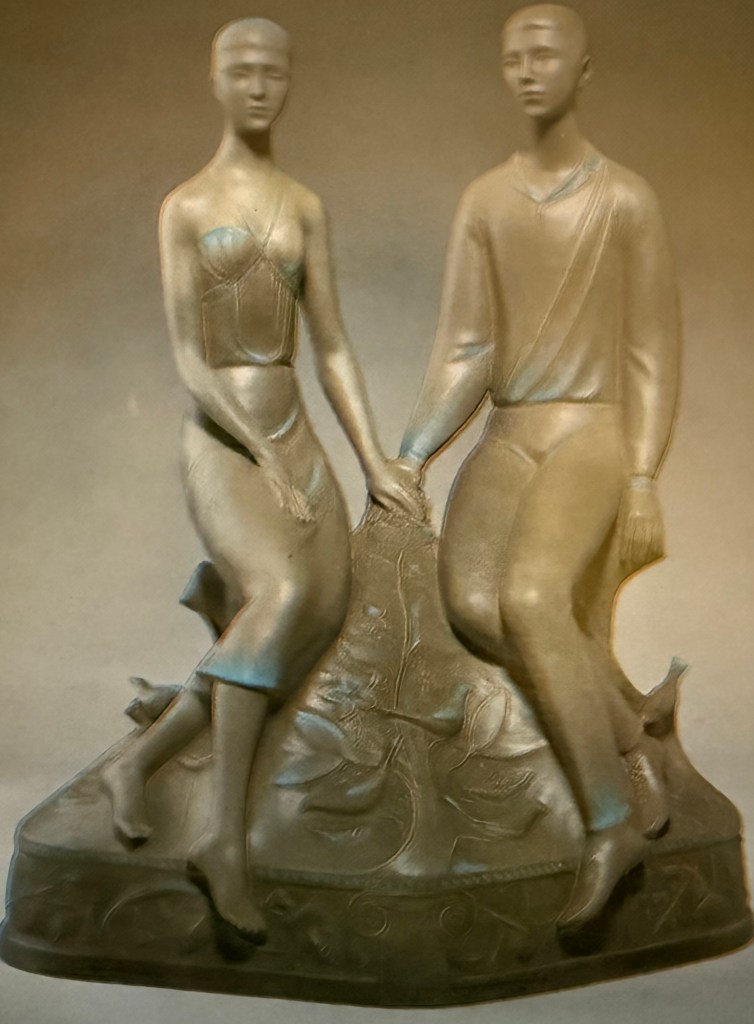
The Peggy Davies study that won the Grand Prix at Brussels in 1958.

The last of the major world exhibitions took place in Brussels in 1958 and befittingly, Doulton won the only Grand Prix awarded to a British pottery firm for the Peggy Davies study ‘Art and Technology’. Manufactures were subsequently not included in world exhibitions.

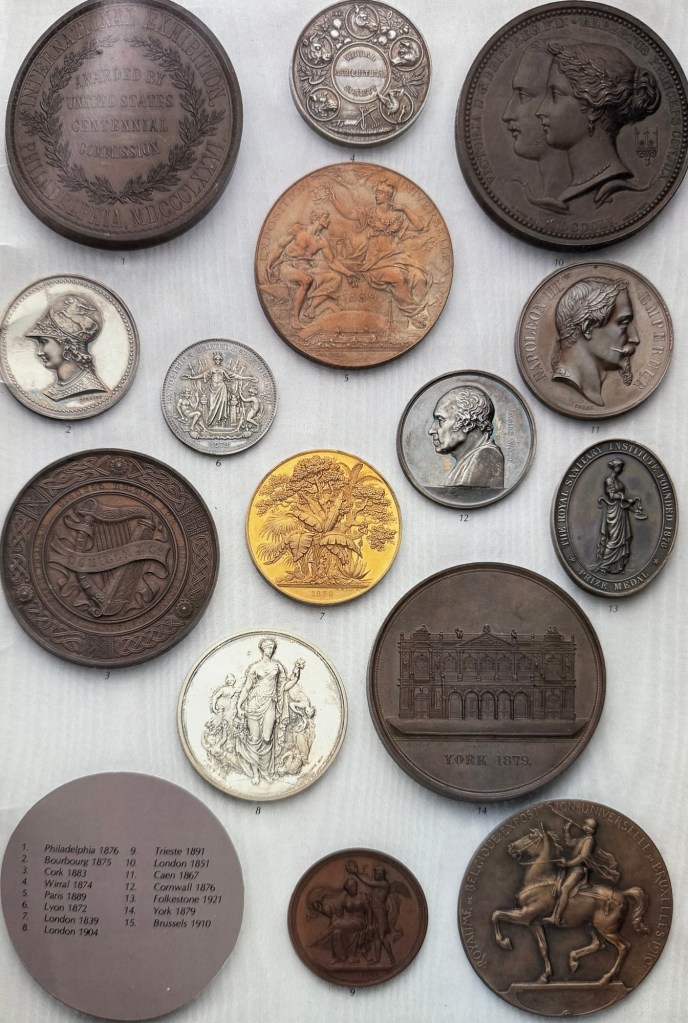
Here is a selection of Doulton’s awards…..

  1. Philadelphia 1876
  2. Cork 1883
  3. Wirral 1874
  4. Paris 1889
  5. Lyon 1872
  6. London 1839
  7. London 1904
  8. Trieste 1891
  9. London 1851
  10. Caen 1867
  11. Cornwall 1876
  12. Folkestone 1921
  13. York 1879
  14. Brussels 1910
  15. St Louis 1904
  16. Melbourne 1880
  17. Chile 1875
  18. Versailles 1873
  19. London 1862
  20. Hamburg 1863
  21. Paris 1878
  22. London 1865
  23. Vienna 1873
  24. Cape Town 1877
  25. Far worth 1876
  26. Tasmania 1891
  27. Chelsea 1905
  28. Birmingham 1872
  29. Columbia 1892

That is not to mention the individual awards won by the company’s artists for their work for the great firm. 
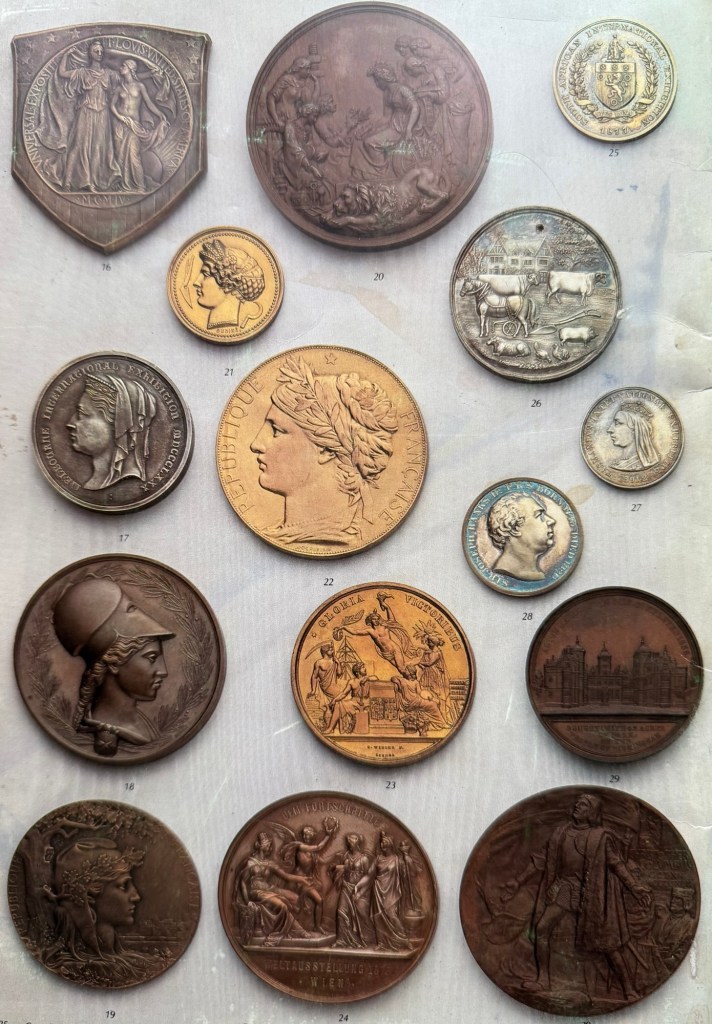
Images from the Royal Doulton Review 1980.

Leslie Harradine – Part 1 The early Lambeth years

Leslie Harradine – Part 1 The early Lambeth years

Much has been written about Leslie Harradine over the decades since the resurgence of interest in Doulton art wares.

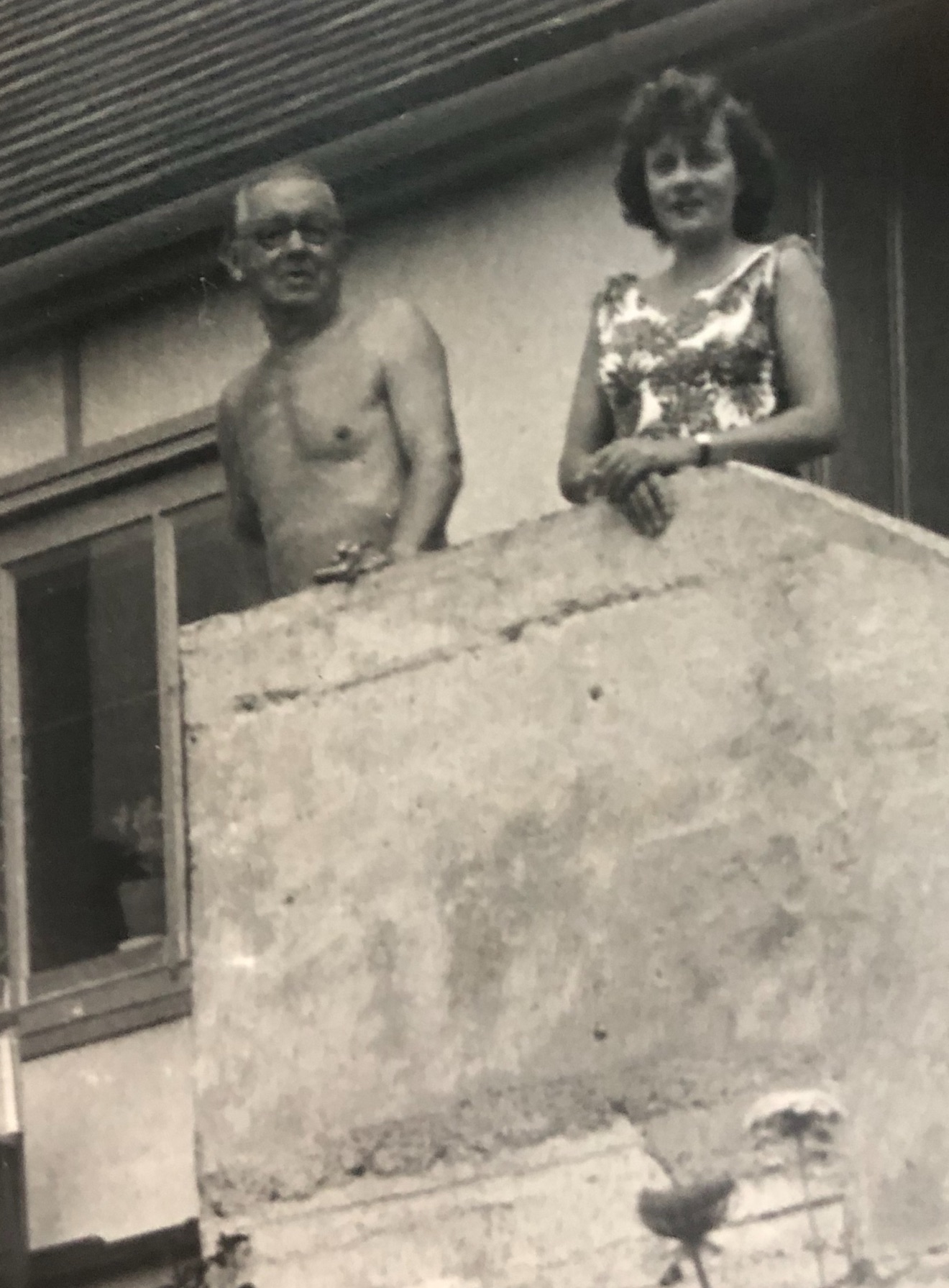
Above: A rare glimpse into Harradine’s life with his 3rd wife.

Arthur Leslie Harradine was born in 1887 in Clapham, London, the son of a solicitor. In 1902 at the age of 15 he began an apprenticeship at Doulton as a learner modeller under the tutelage of George Tinworth and John Broad, although he also assisted Mark Marshall and Frank Pope at this time too. He would late remark about his experiences at this point in his life that he wished ‘he (Tinworth) would give up those dreary religious plaques and concentrate on mice and frogs’. Perhaps providing us with a clue not only into his own artistic preferences but also into his personal beliefs too.

During this early training Harradine attended evening classes at Camberwell School of Art under Albert Toft, who ironically would provide the model W. S. Penley as Charley’s Aunt HN35 to what would become the HN collection, that Harradine himself would influence so dramatically only a few years later.

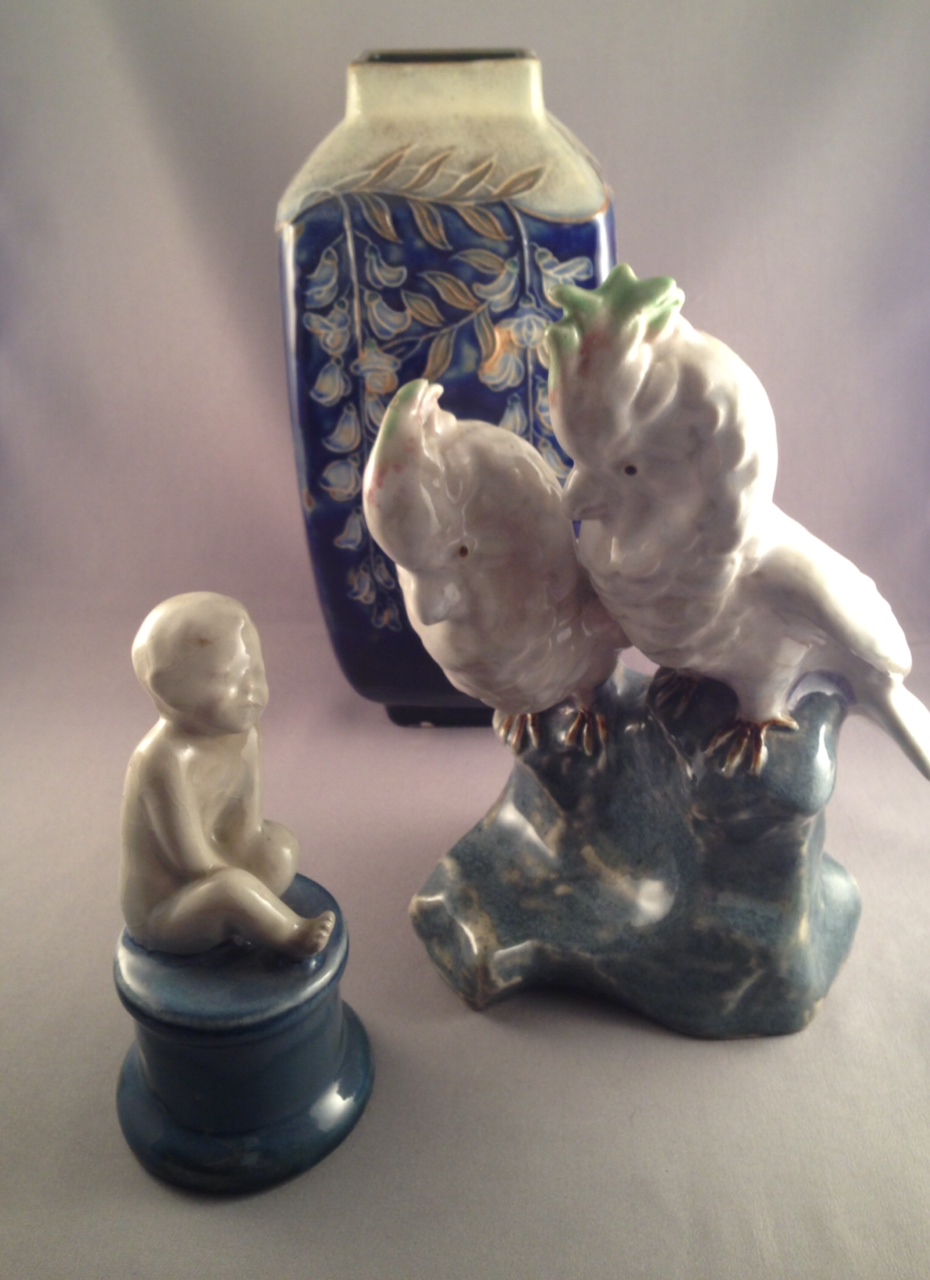
In 1908 suffering from the confines of factory life, Harradine left Doulton at the end of his apprenticeship and unexpectedly set up as a poultry farmer in Hertfordshire with his brother Percy. Naturally he set up a studio there and continued the link with Doulton by sending in over eighty different models for them to reproduce as slip cast art ware. The list of items sent varied from figure groups to vases to child figures. These early piece demonstrated perfectly his ability to interpret people from all walks of life and all cultures.

Image

Three examples of Harradine’s early work for Lambeth

With the outbreak of World War I in 1914 Doulton’s art ware production was curtailed and so Harradine decided to emigrate to Canada with his brother, where they acquired 4000 acres of farming land in Saskatchewan. The open spaces suited both brothers and Harradine continued to model pieces but alas could not fire them. In 1916 the brothers enlisted into a Canadian regiment, Lord Strathcona’s Horse Regiment and saw action in France. Leslie had three horses shot from under him and unfortunately the last fell on him, injuring his leg, resulting in his being ‘invalided out’ after long spells in hospitals convalescing.

Image

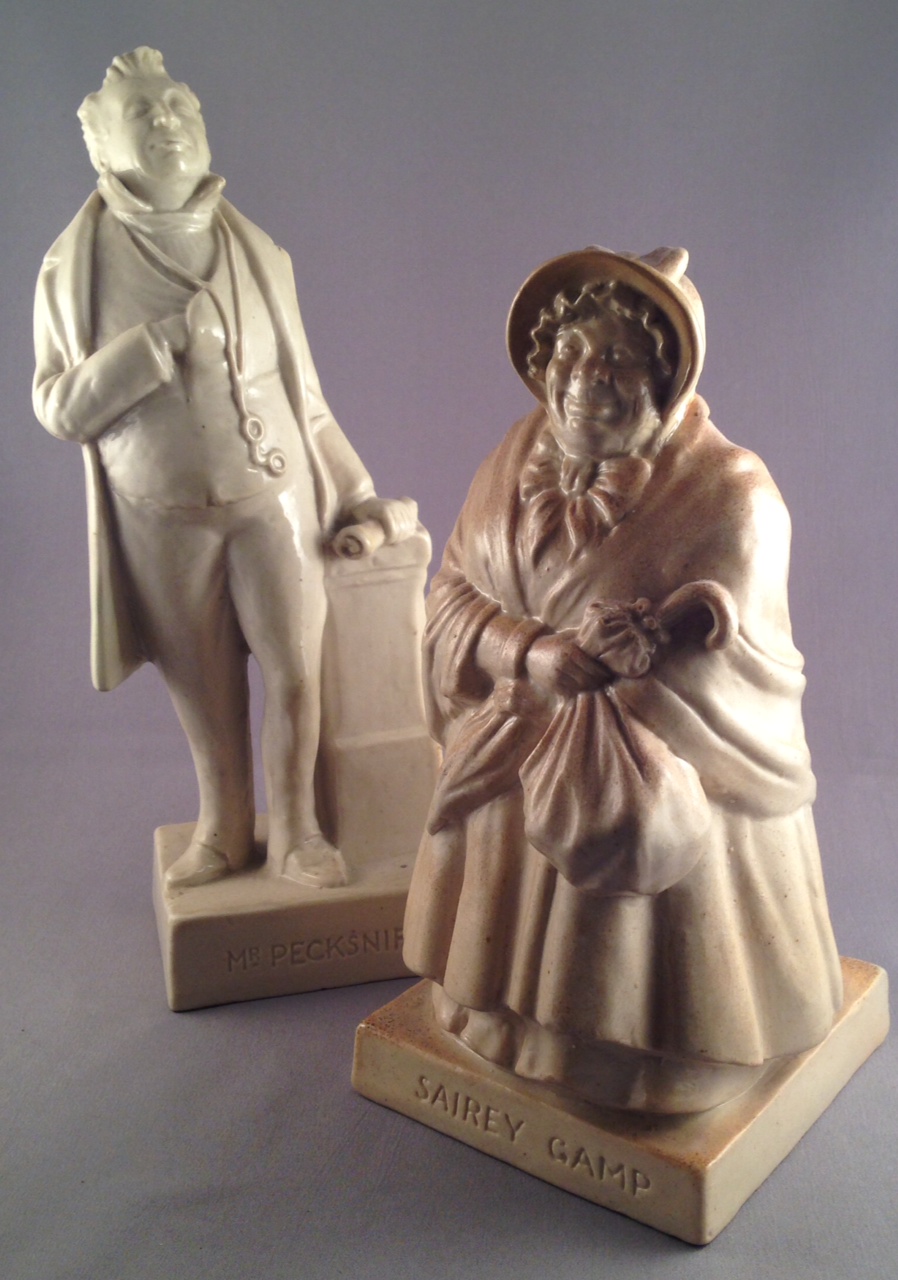
Two of Harradine’s large size Dickens figures made at Lambeth

By the end of the war family life had added a new dimension to his bohemian life. With a wife and a daughter, with two more daughters to follow, Harradine became a freelance artist to support his young family; continuing to do models for Doulton’s Lambeth works.

Image

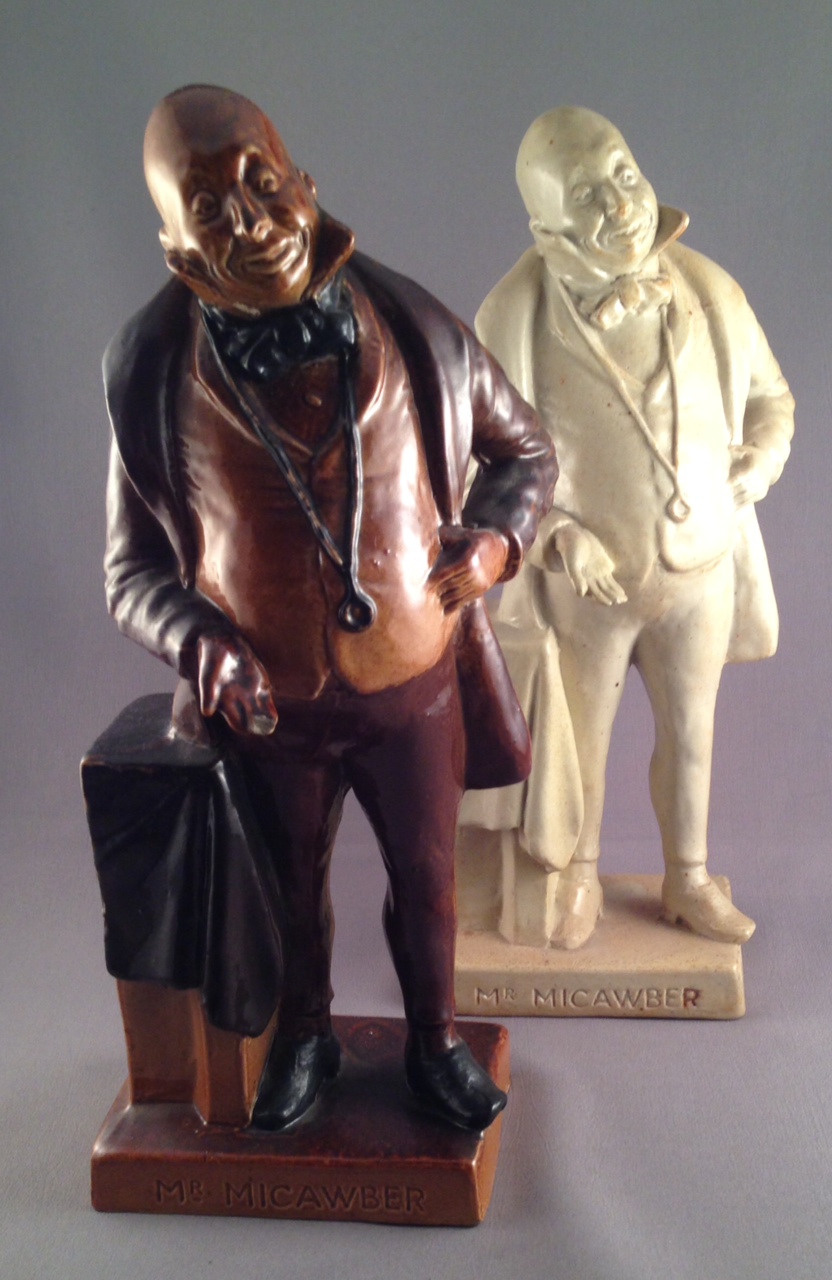
Mr Micawber made at Lambeth. The brown glazed version is much more unusual, although perhaps less popular than the usual white glazed figure

And so the first chapter of Harradine’s association with Doulton comes to a close. In the next we will look at how new links were established with Doulton at Burselm and the great influence he made on the HN collection for Doulton.


Doulton at War (1939-45) – A brief account of the damage at both the Burslem and Lambeth factories

Much is documented about the wares produced by Doulton during this period as much of what was produced is so very rare that only one or two examples of items exist to this day.

However, very little has been documented about what actually happened at the Burslem and Lambeth factories at this time. Naturally there was a shortage of raw materials that had a major impact on production, but also the calling up of employees from both factories must have almost halted production of most wares, save utilitarian items needed for the war effort.

Image

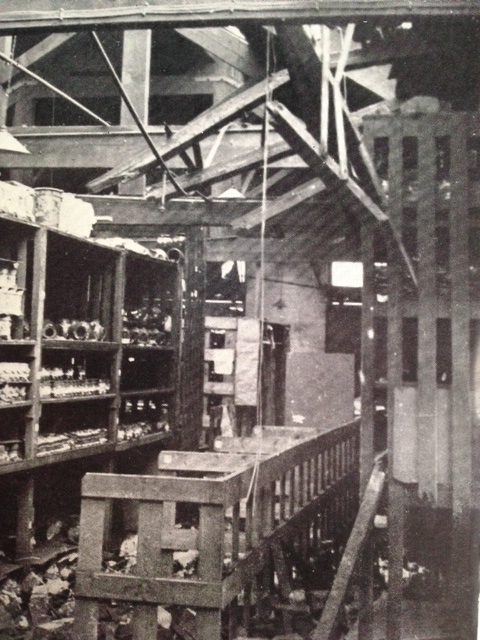
Damage to the Burslem warehouse October 1940

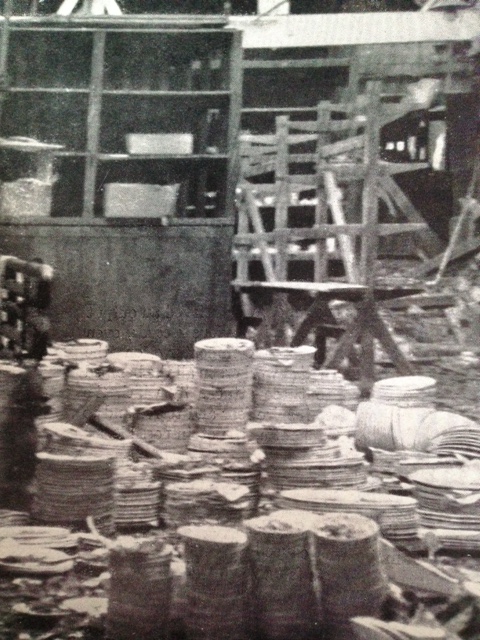
The war came early to the Burslem factory, when in October 1940 a three-storey warehouse housing finished goods and also the Art Director’s studios were bombed. Here you can see a couple of pictures of the debris it left behind. Try as I might the only things I can pin point are a Limited Edition Jug and what is probably some Flambé ware.

Image

A further view of the damage cause to the warehouse at Burslem in 1940

At Lambeth too, the factory sustained damage as did many of their employees’ homes. In May 1941 the Lambeth showrooms took a direct hit and were destroyed but fortunately there was no loss of life at that point. In typical Doulton form for the company at this time, financial assistance was provided to employees suffering from war damage to their homes.

Whilst the above is merely a snap-shot of events during the war-years, it allows us to share these unique pictures from the time.

Check out our Facebook Doulton Collectors Club page for more articles, info and pictures!

Simply search Facebook for the ‘Doulton Collectors Club’ and ask to join, then you can ask questions a view a variety of material from around the world!!!
What are you waiting for?

Puttin’ on the ritz (Part 4) – the Lambeth deco years

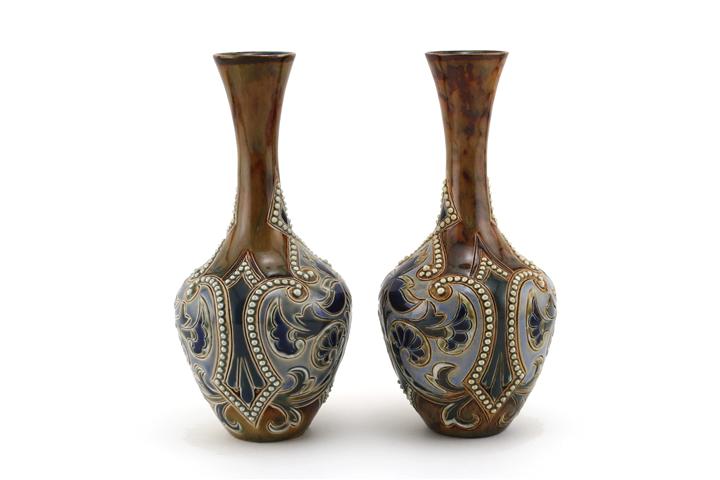
One final area I would like to touch on  is the Doulton Lambeth factory. Whilst worldwide acclaim had been found since Victorian times with the works of Tinworth and also Hannah Barlow  , their particular styles belonged to a bygone age and taste by the time the 1920’s had dawned.

ImageImageImage

Examples of Tinworths skill and artistry

ImageImageImage

Examples of Hannah Barlow’s high Victorian style

Without doubt the skill of these two great Lambeth artists cannot be denied, but as Leslie Harradine himself once commented, he preferred the amusing Tinworth mice to the dreary biblical plaques so preferred by Tinworth. The styles of these two artists hardly changed over the course of their careers, unlike many others whose designs remained fresh, even long after their productions. Consider the work of Mark Marshall  here.

ImageImage

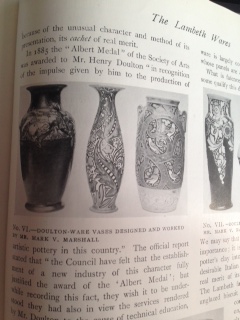
16″ Marshall vase together with a press review of the centenary celebrations of the Lambeth factory in 1915 at which the same vase was displayed

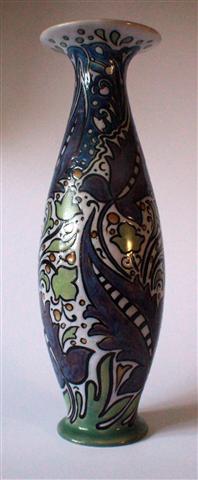
In stark contrast to the grotesques he favoured either side of the turn of the 20th Century, here you can see  an example of his work which even today seem remarkably up to date.

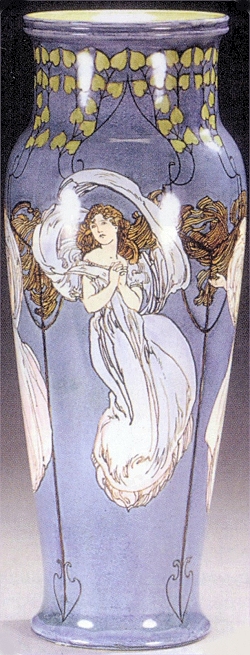
Similarly we have Eliza or Elise Simmance. She is unarguably one of the most versatile of all the Lambeth artists. Consider here a selection of her works from the beginning to the end of her career.

ImageImage

Early and later example of Simmance’s versatile style

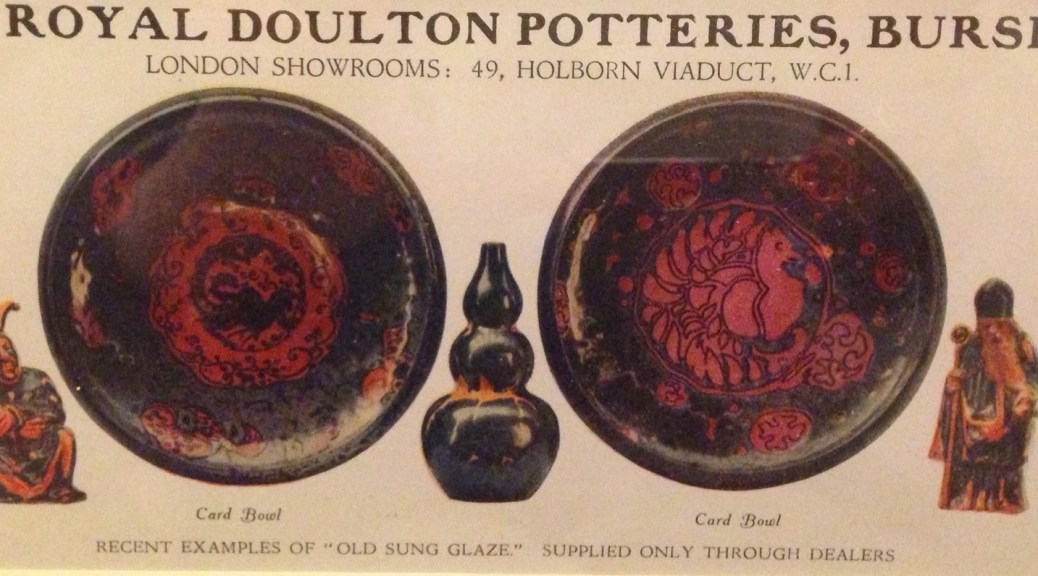
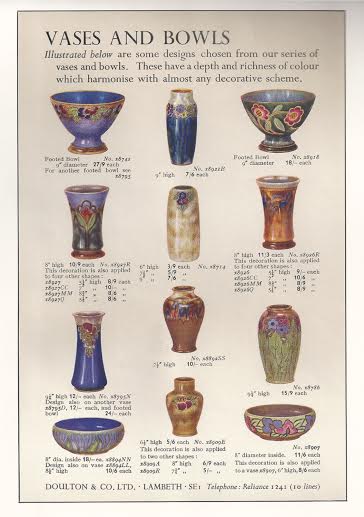
Below is an excerpt  from a Doulton brochure from the deco period. As you can see there was an emphasis on colour and shape. More interestingly is the fact that Doulton chose to advertise just pieces which could be reproduced rather than artist pieces – it was after all in business to sell, sell, sell. These production pieces, or ‘Late Editions’ as they have become known were of course designed by Lambeth’s major artists including Mark Marshall, Francis Pope, Leslie Harradine and Margaret Thompson amongst others.

Image

Catalogue page ca. 1934

I am a particular fan of Margaret Thompson’s work, whether it be her Late Edition pieces, her wonderful faience work on vases and tiles or even her artist pieces in Stoneware.

ImageImageImage

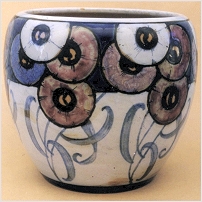
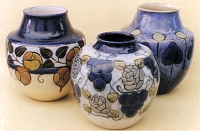
A stylish Margaret Thompson jardinière, an example of her faience work and three late edition pieces ca. 1920

And there we draw to a close with out restrospective into Doulton wares from the 1920’s and 1930’s.  I hope that you have learned something new and also seen that in order to stay ahead of their rivals Doulton was ready to welcome the decadent 20’s, and change production accordingly.

I would like to thank Seaway China for the use of their picture library together with my own Ventafile, and of course if you have any questions relating to our talk or indeed anything else Doulton please just ask !