All posts by doultonchristopher1

Another personal favourite, Velluma ware

20140528-194709-71229104.jpg
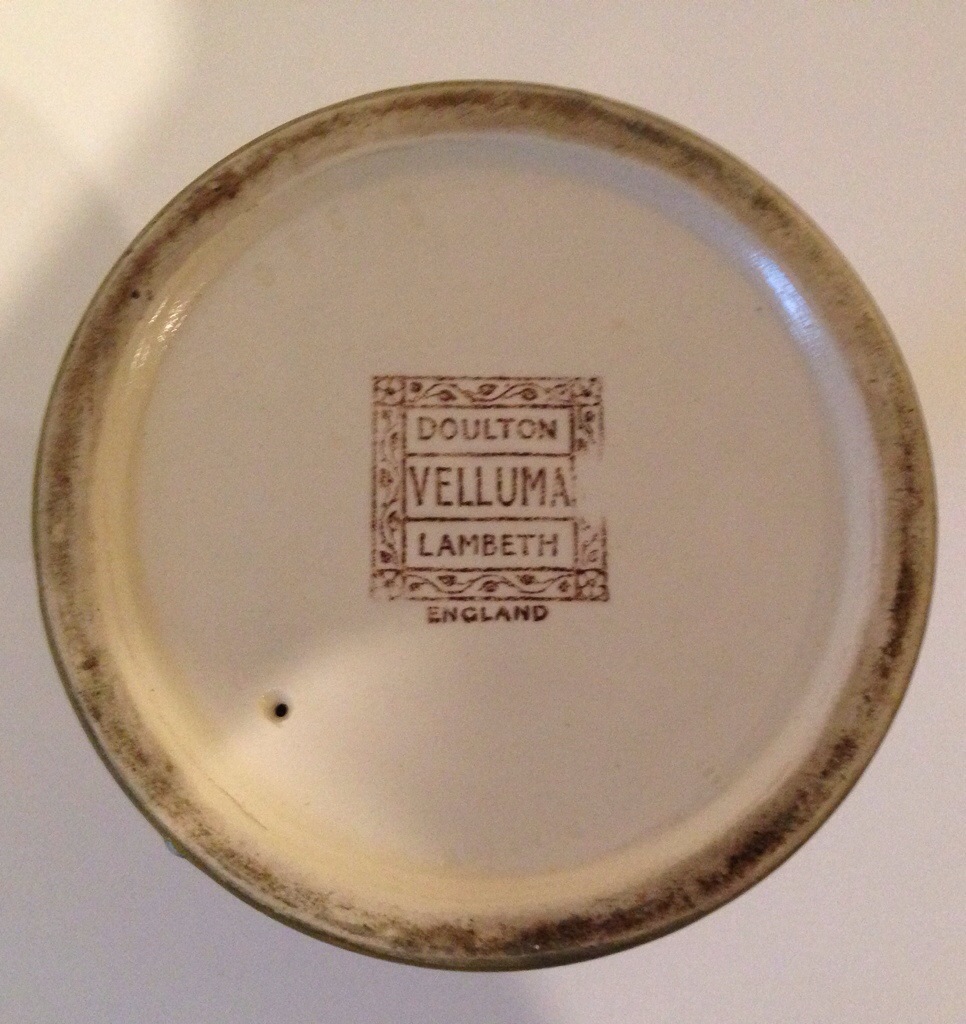
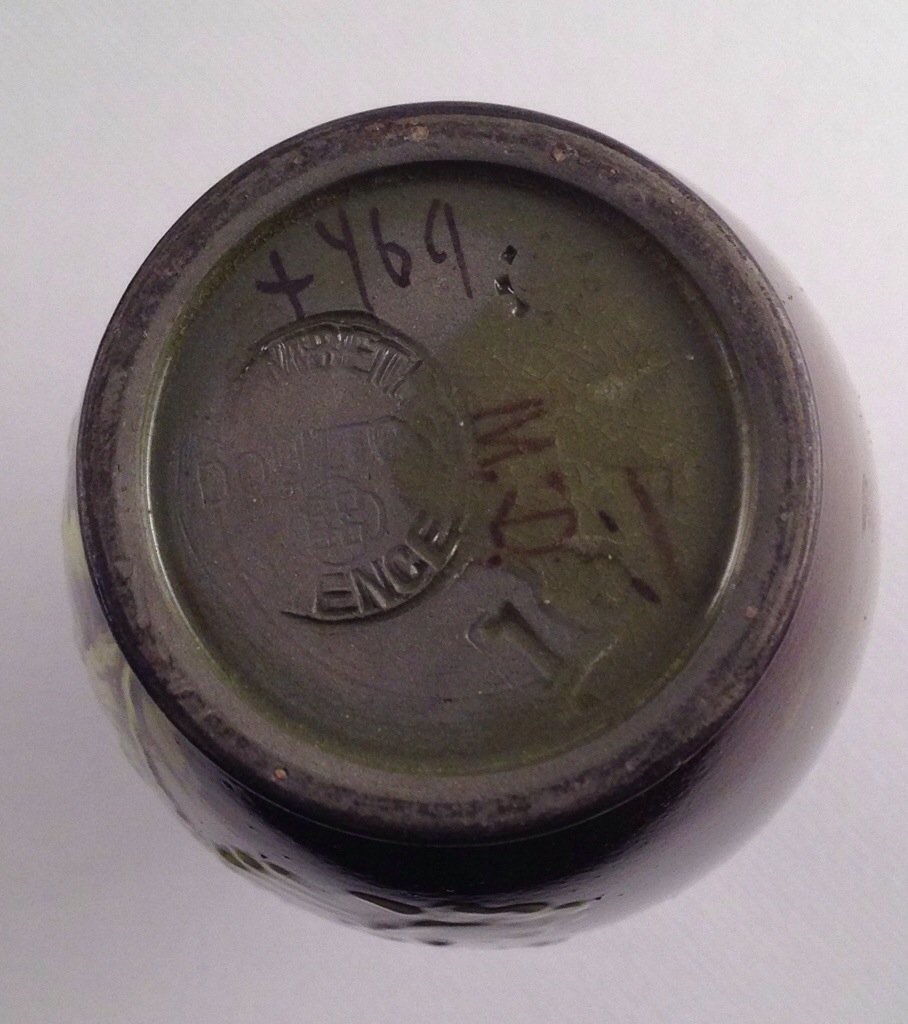
The Velluma backstamp.

Velluma is a particularly rare ware today and pieces rarely turn up. The body has an almost parchment texture to it and the tea wares particularly are prone to damage. The colours are often quite muted, which adds to the vellum feel of this particular ware. These pieces were fired at high temperatures to enhance the soft effect desired.

20140528-194745-71265016.jpg
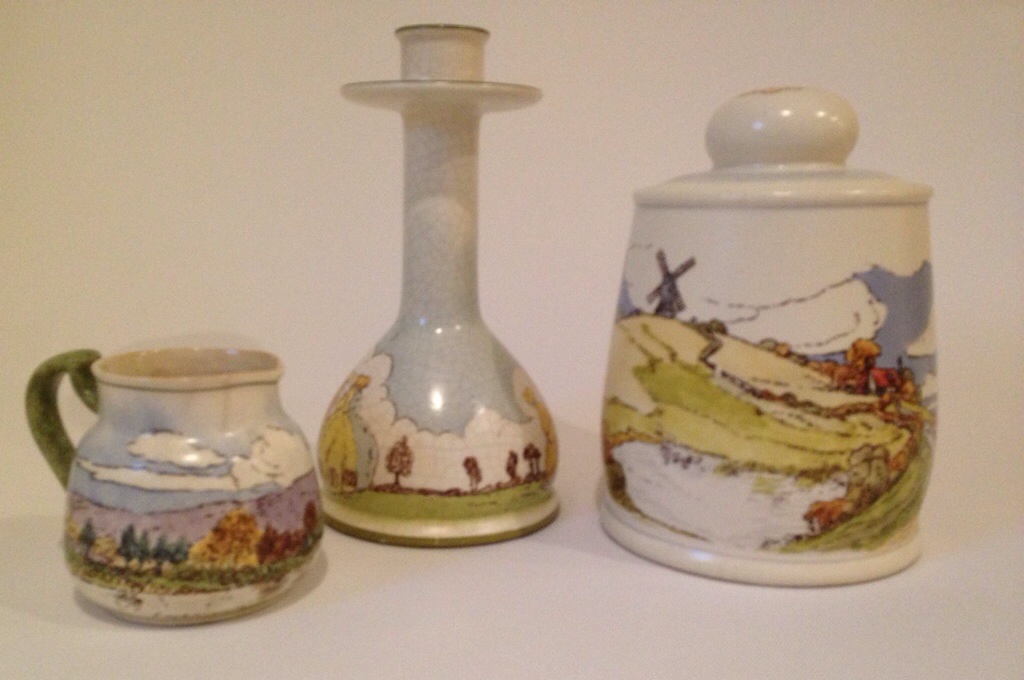
Three items of Velluma ware by the two of the main artists.

Unusually the pots were made at Burslem and then decorated at Lambeth to the designs of Arthur Pearce, William Rowe and Margaret Thompson.

20140528-194823-71303335.jpg
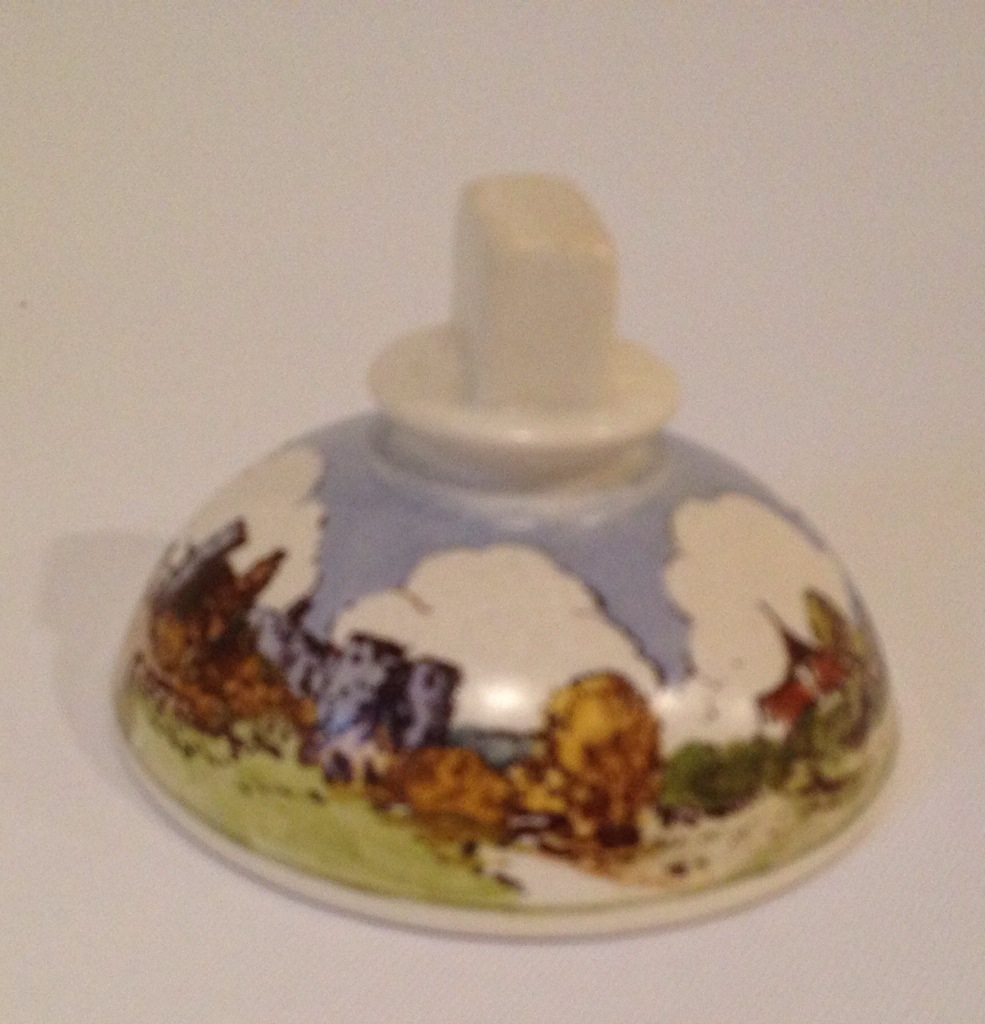
A rare match box stand.

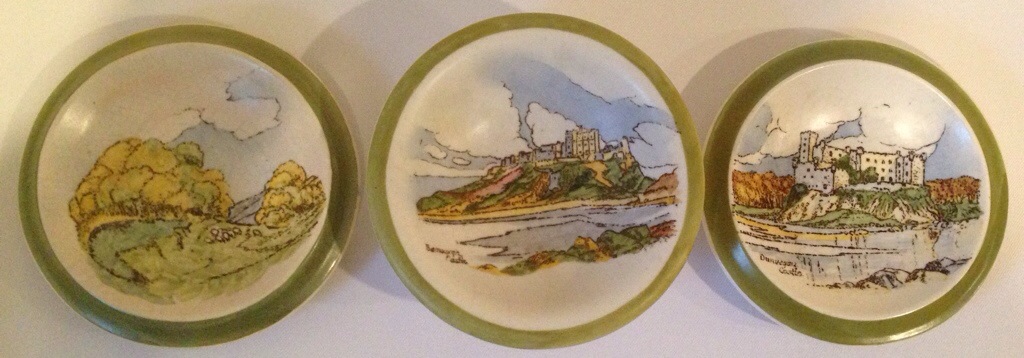
Through deduction it appears that Arthur Pearce was responsible for the castle and topographical scenes, William Rowe the countryside scenes and Margaret Thompson the crinoline ladies and fairies.

20140528-194855-71335617.jpg
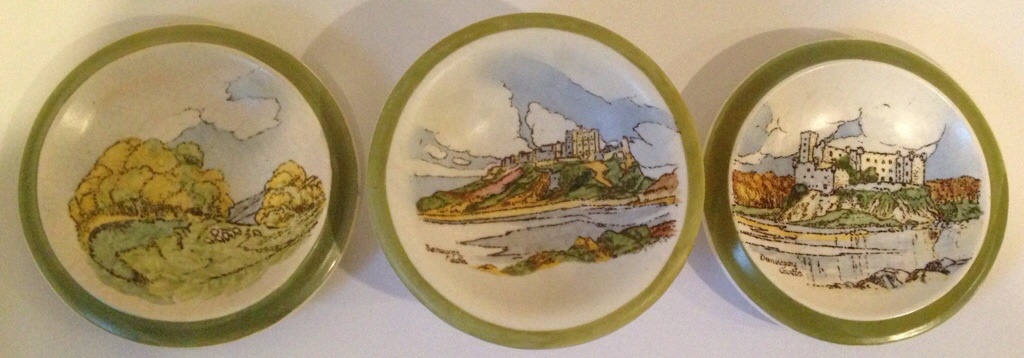
Three dishes with countryside or castle designs. Bamburgh Castle seems to have been a popular design as I have seen most items with this design.

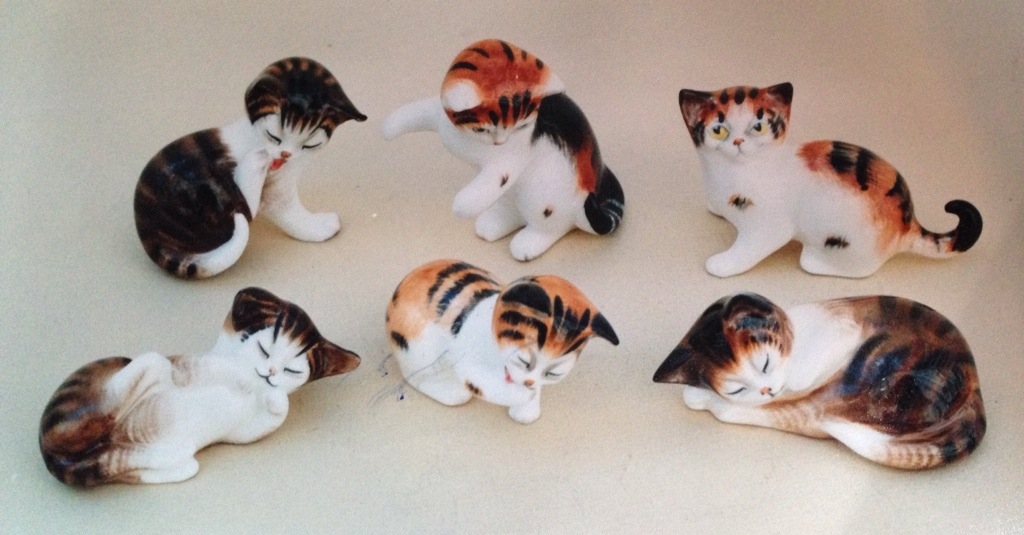
Doulton’s miniature kittens!

20140528-151349-54829153.jpg

There are a number of animal groups popular with collectors and which are fun to track down to complete the set.

Just like the piglets we looked at recently, there are six kittens in this set too, and conveniently three are ginger and three are brown, again allowing us to create a pleasant grouping.

These kittens, just like the piglets were the work of the great Peggy Davies when first apprenticed to Doulton. They were introduced in 1941 and withdrawn in the mid 1980’s.

As with all things a Doulton the longer an item is out of production, the more it is sought after and these kittens are no exception. Happy collecting!

Teaware, dinnerware and …. pepper pots?

20140528-145818-53898488.jpg

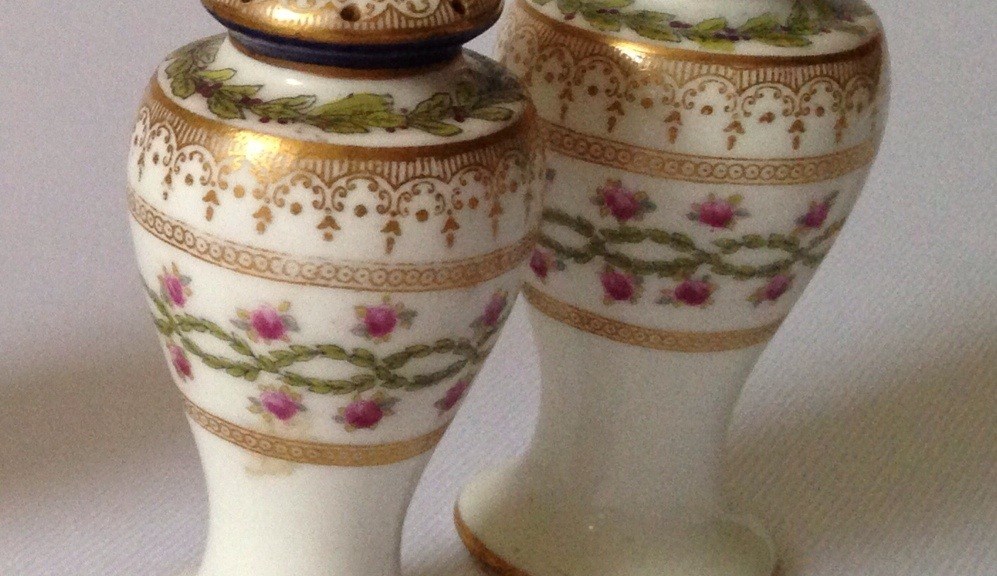
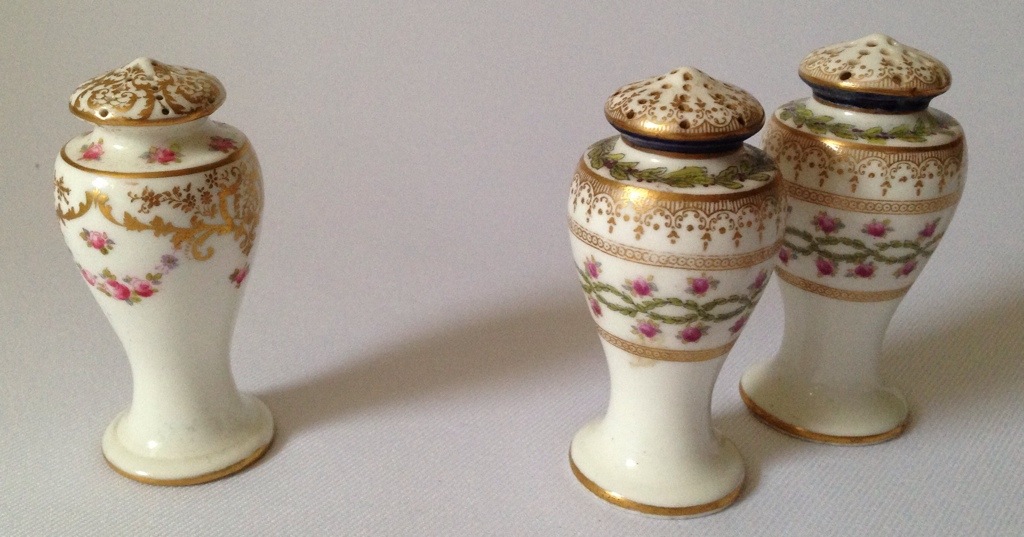
Yes you read it correctly! Something I have never seen until recently and then another promptly turns up! Typical of Doulton, typical of collecting…don’t you agree?

These charming pepper pots were of course the work of the famous Robert Allen studio at Doulton’s in Nile Street and date to the early 20th Century.

Alas they didn’t come with a salt or a mustard, but perhaps they weren’t produced to, but rather they are stand alone pieces? Who knows?

Anyway, just when you think you’ve seen it all here is something relatively inconsequential to brighten up the day!

Doulton Lambeth’s pâte-sur-pâte technique.

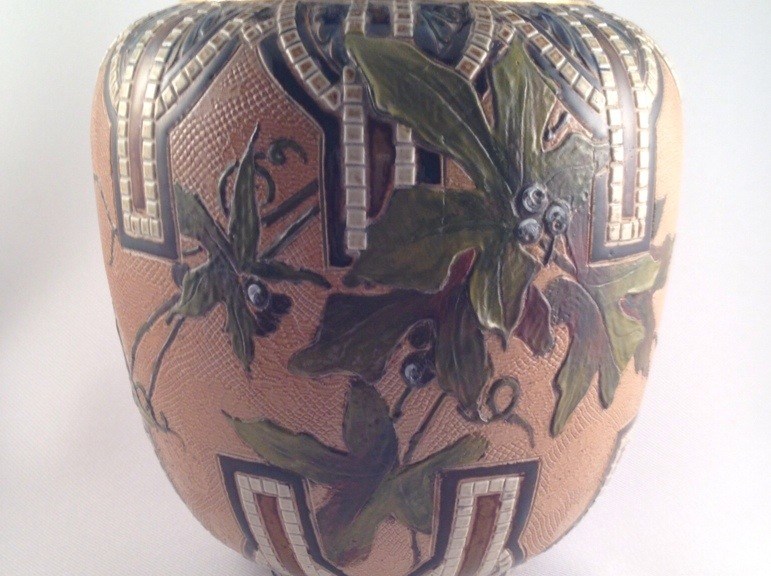
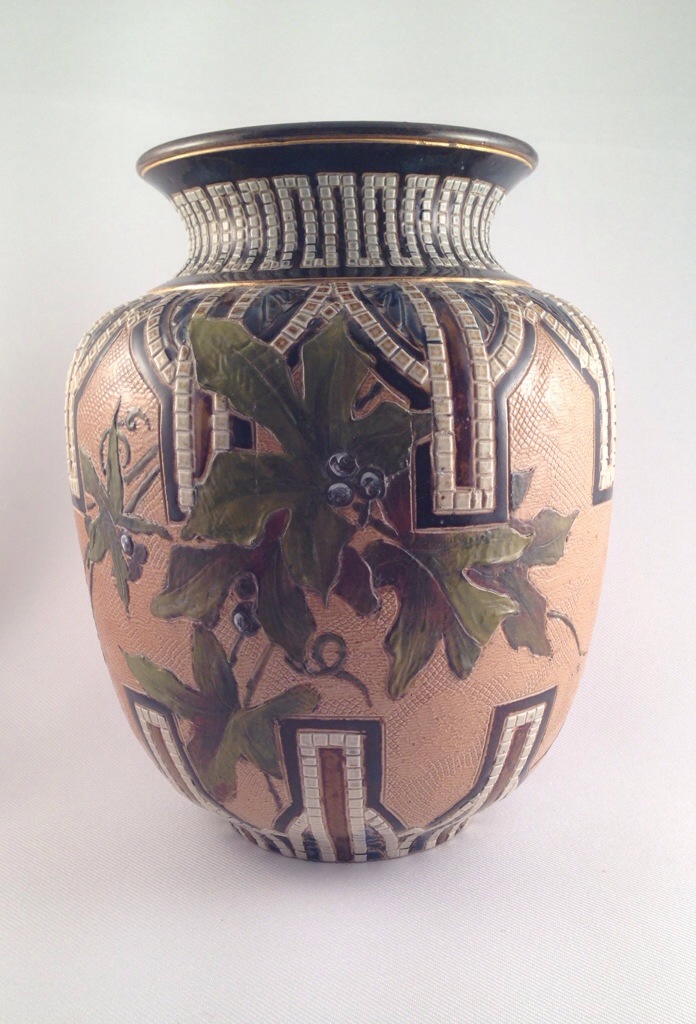
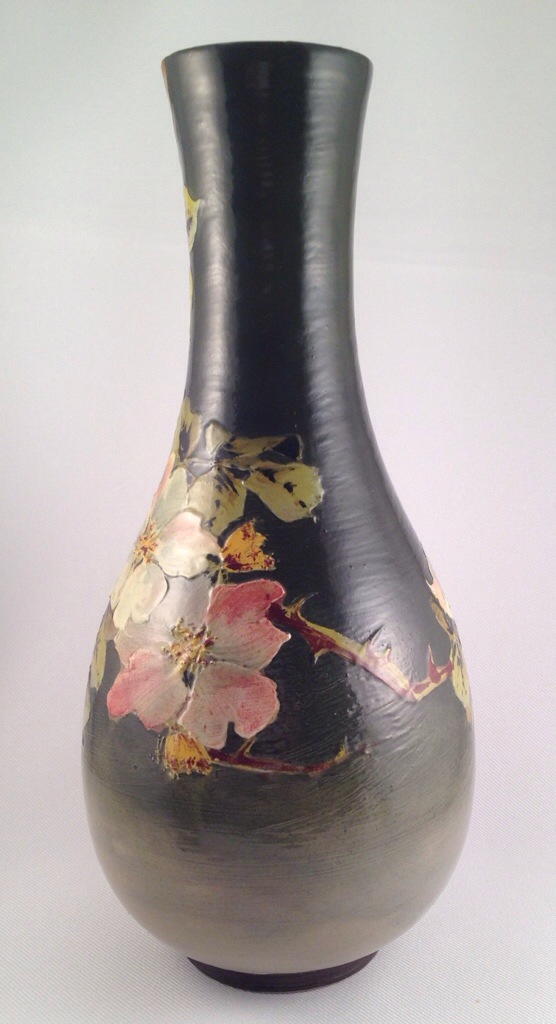
A chance finding of the vase below inspired me to do a quick résumé of this once popular technique. Literally translated it means paste on paste, this type of ware was produced between 1878 and ca. 1906.

20140526-172437-62677474.jpg

This type of ware was favoured by Florence Barlow who painted her birds and also Eliza Simmance who used it to highlight her flower designs.

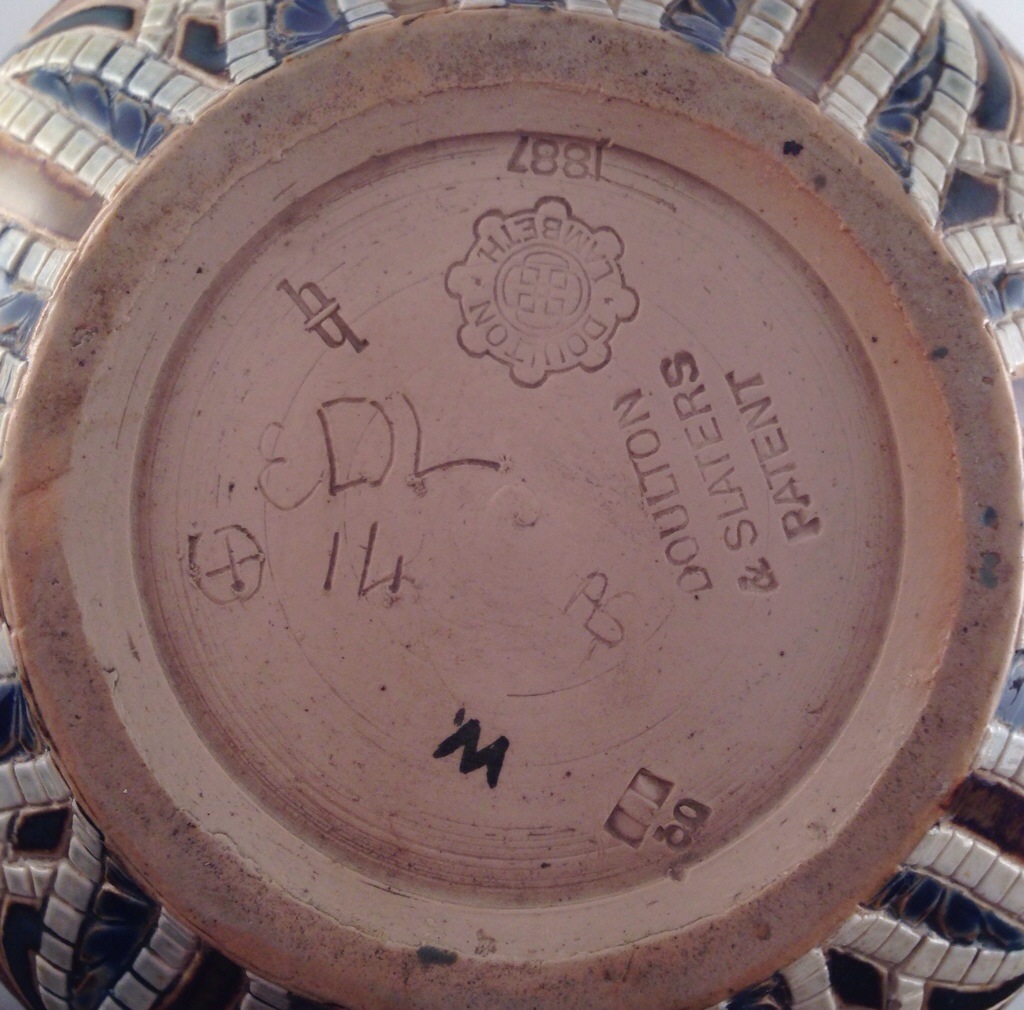
An unusual technique and pieces of this ware are relatively scarce. Here is the base I the vase above with Edith Lupton’s initials and a series of clear markings including a date.

20140526-172554-62754073.jpg

Doulton’s Impasto ware

20140526-165942-61182464.jpg

Impasto ware is often confused with faience simply because the body it uses is often the same. Later pieces seem to actually use a faience body as you can clearly see with this marking.

20140526-170018-61218097.jpg

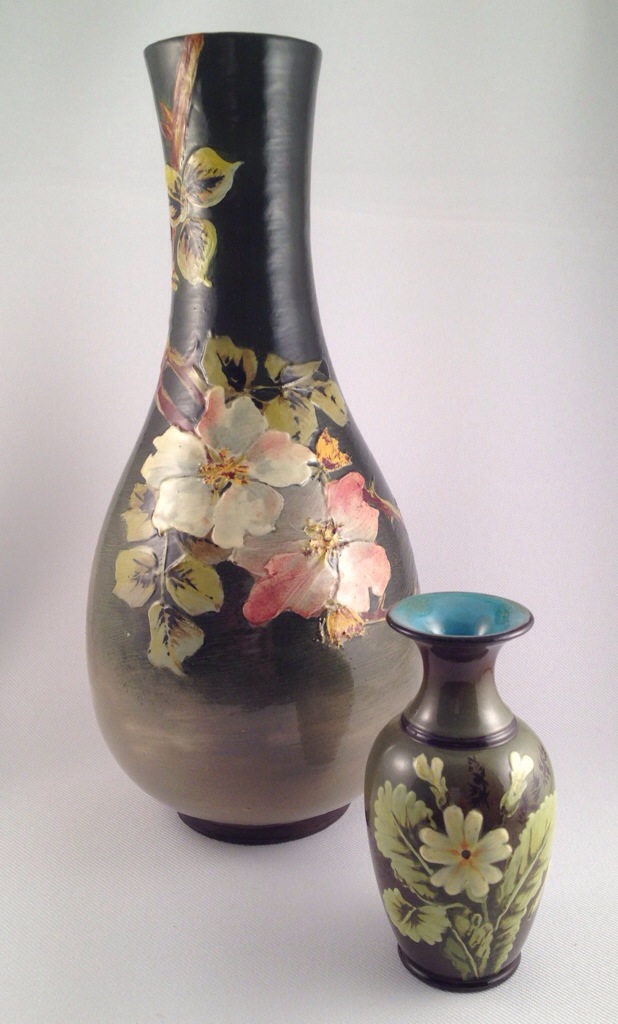
The similarity to faience differs with the decoration of Impasto ware. The coloured slips with the latter were applied so thickly that the images, mainly of flowers, appear almost in relief.

20140526-170338-61418582.jpg

Impasto was produced between 1888 and ca.1914. The great Kate Rogers seems to have been particularly associated with this ware and the large vase above is by her and dated 1888.

Doulton’s miniature piglets

20140526-162736-59256374.jpg

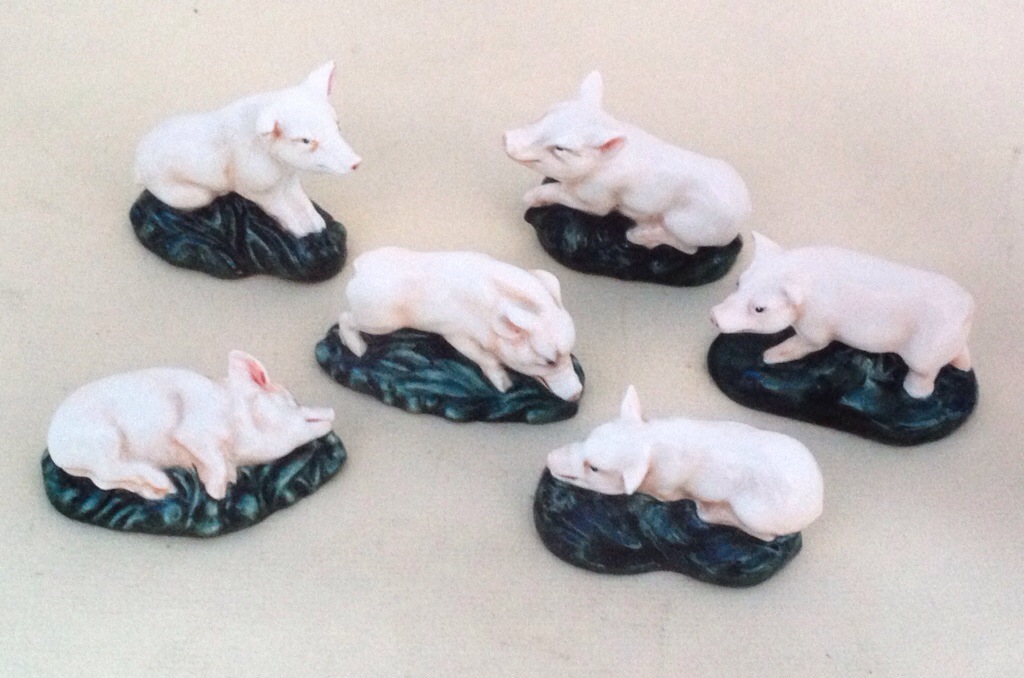
Animals have always been popular amongst Royal Doulton collectors and one particularly popular set are the six mini piglets pictured here. Introduced in 1959 and withdrawn in 1967 they can be found but not readily thus making them a popular collecting theme. The piglets are all modelled I a grassy base and fortunately three face to the right and three to the left allowing us to create a nice display when we find all six!
The six piglets range in height from 1-2inches and were all modelled by a young Peggy Davies.

Royal Doulton’s ‘K’ series

20140526-160900-58140636.jpg

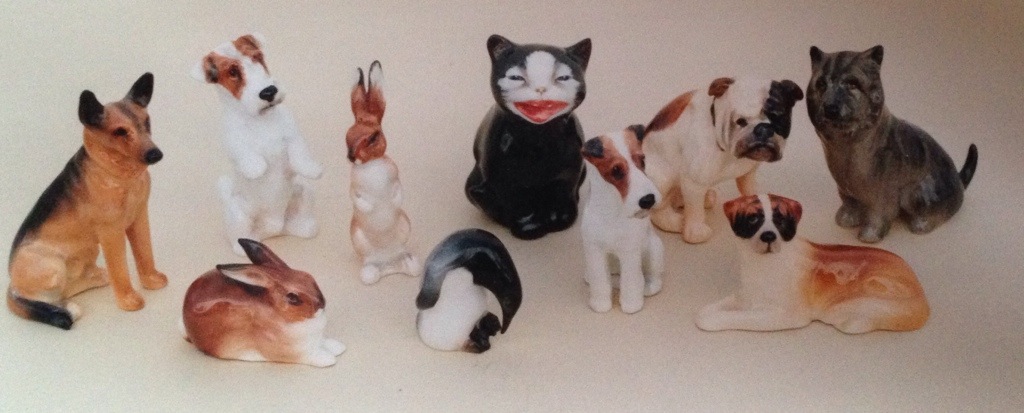
The ‘K’ series began in 1931 with the introduction of 12 dogs and 1 cat. In total there are 39 subjects in this series. There are 18 breeds of dogs, one cat (Lucky K12), penguins, birds and finally a trio of hares!
The penguins are perennial favourites amongst collectors and the 11 birds are all particularly rare as they were introduced in 1940 and withdrawn by 1946.
Whilst the designers if the majority are unknown, the popular penguins can be attributed to Peggy Davies.
The ‘K’ dogs in particular can readily be found mounted on calendars and ashtrays, although pen holders and pipe holders have turned up.
This range offers collectors a real cross section of Doulton animals to collect and the discerning eye will readily distinguish between an early and a late model.
Happy hunting!

Royal Doulton figures in pictures

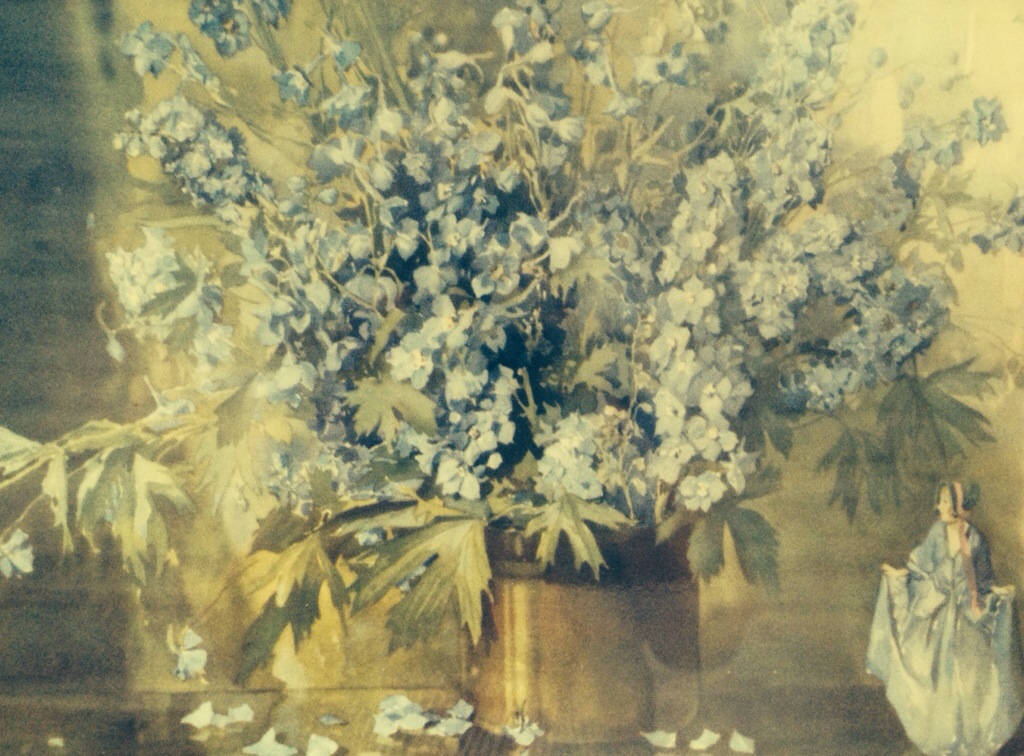
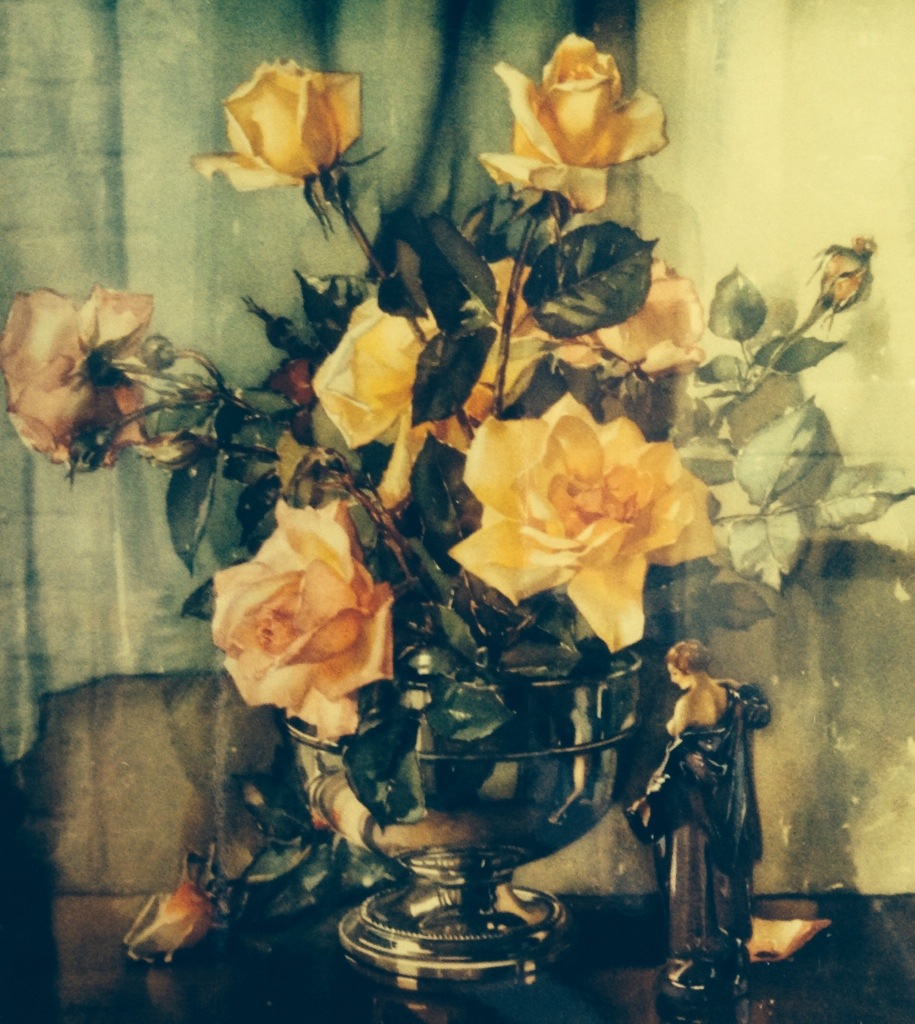
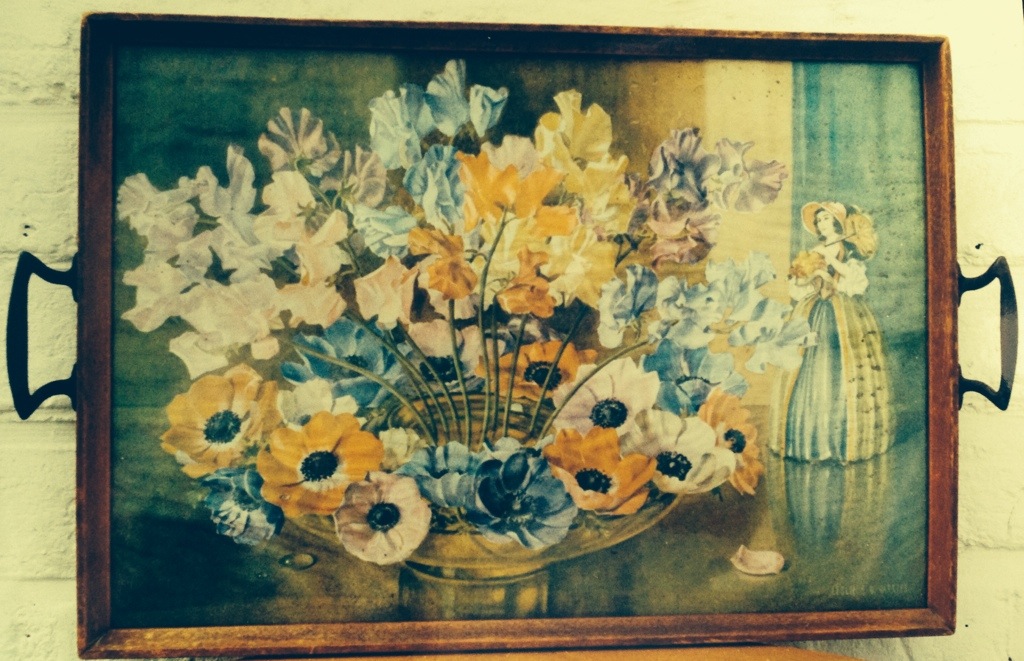
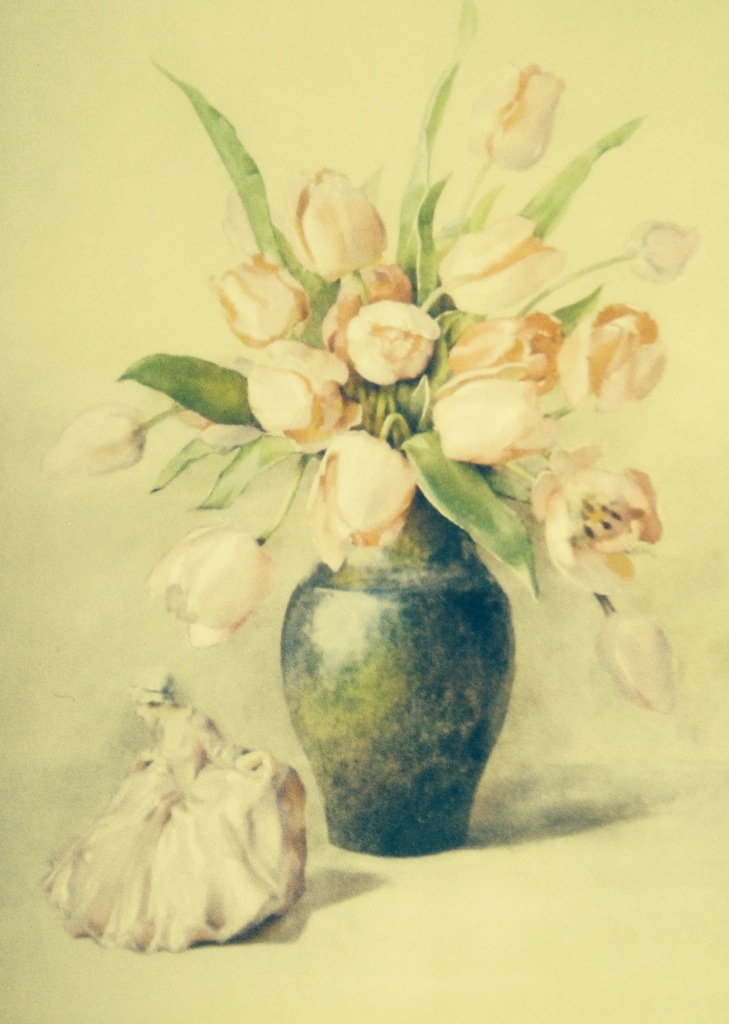
Whilst these pictures below appear a little bizarre or possibly kitsch today, when the originals were painted Doulton’s figures were obviously highly regarded even then to be used in still life pictures. The painters of these pictures remain largely unknown although I have a similar picture with Harradine’s Covent Garden figure with the signature Wood.

There is little left to say other than the majority of these images have turned up as framed prints save the clear exception below that is clearly a tea tray!

20140525-151630-54990519.jpg

Sweet Anne.

20140525-151759-55079060.jpg

The Bather.

20140525-151837-55117280.jpg

June as a tea tray.

20140525-151904-55144924.jpg

Polly Curtsey as she appears to have originally been known.

Perhaps you have other examples you can share with us? If so please go to out Facebook ‘Doulton Collectors Club’ page to do so.
CE.

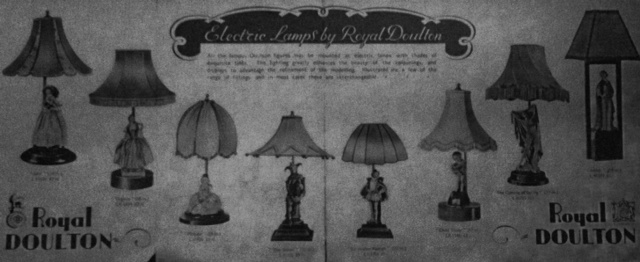
‘New Lamps for Old’ – Royal Doulton’s figure lamps

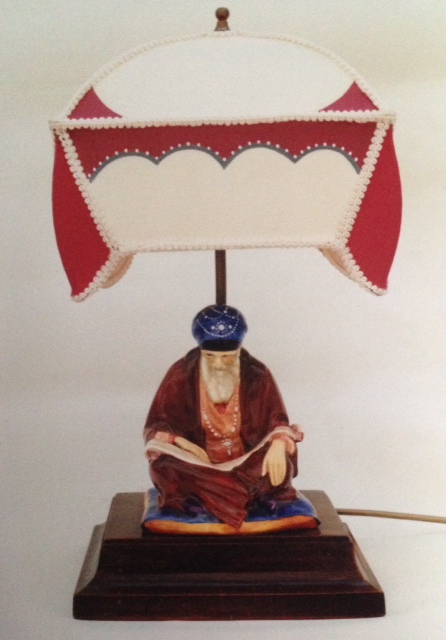
‘New Lamps for Old’ so begins Doulton’s own advertising for these lamps. Particular to the 1920’s, 1930’s and possibly into the 1950’s these lamps often cause a little confusion amongst collectors who come across often long forgotten figures still attached to these charming lamp bases.
Image

Image

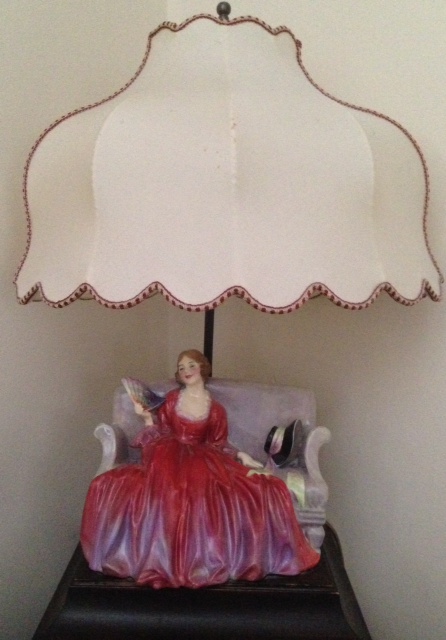
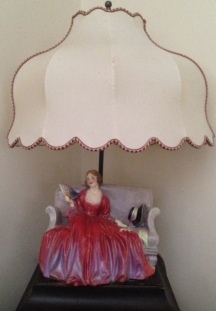
Sweet & Twenty mounted as a lamp and also as she featured in a catalogue from 1935.

As early as the 1920’s Doulton introduced their by then world famous figures mounted on lamp bases as yet another way to sell this most popular series. Diversity is perhaps the byword for these lamps…no two appear to be the same. The most popular I can find is a lamp with a square base mounted with the ever popular Victorian Lady. If you are lucky enough to find one that has never been removed from the base, you may find one of Doulton’s original paper labels underneath.

Image

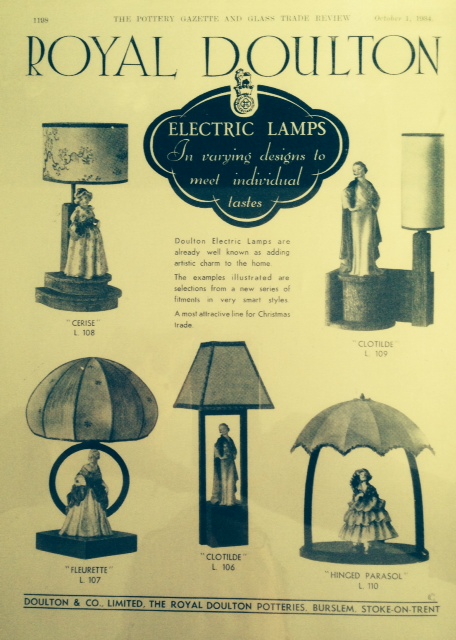
An advert for lamps from 1934.

The style of lamp base, just like the figure itself, is given a number preceded with an L for lamp. There were at least 10 different styles of base, some of which appear to have been used for particular figures. Lamp 6 seems to have been used exclusively for Clothilde, whilst number 8 was used for Cerise and number 10 for the Hinged Parasol. The bases were made of wood – with either a mohogany, oak or ebonised finish – or alabaster. I have one base in my collection that is made from wood used to create Westminster brigde.

Image

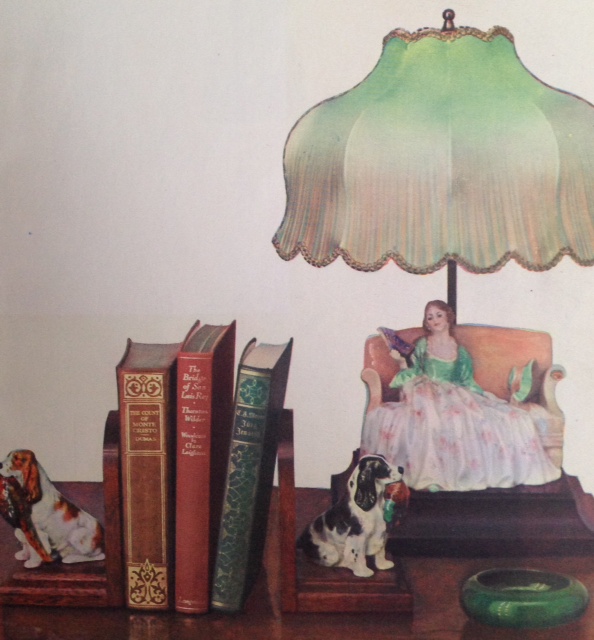
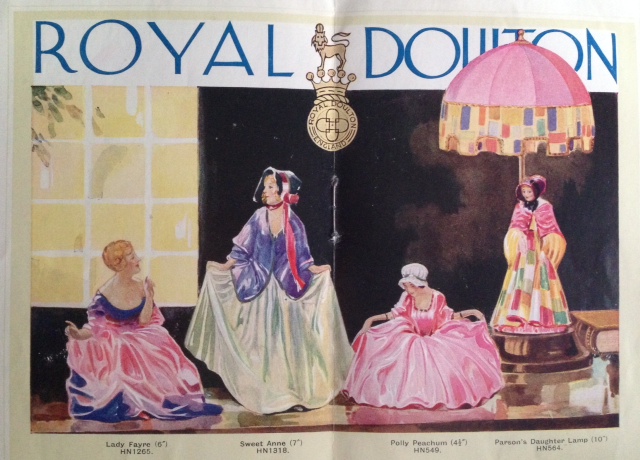
A catalogue page from 1930 showing the Parson’s Daughter as a lamp with matching shade.

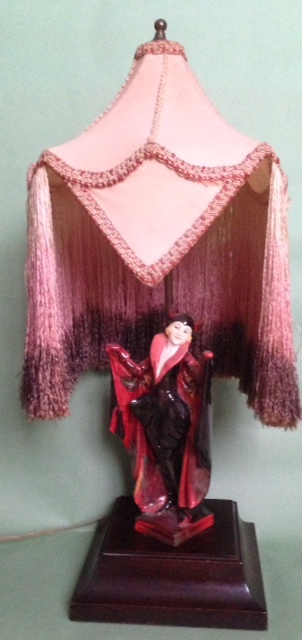
The shades too were a work of art in their own right. Tassles, cascading shades, hand finished detailing….all can be expected when you discover one of these lamps. Of course the shades are perhaps the most fragile part of these lamps and the majority have perished over the years. However, if someone has preserved the frame their are specialist lamp shade coverers out these who will re-vitalise these now sad skeleton shades.
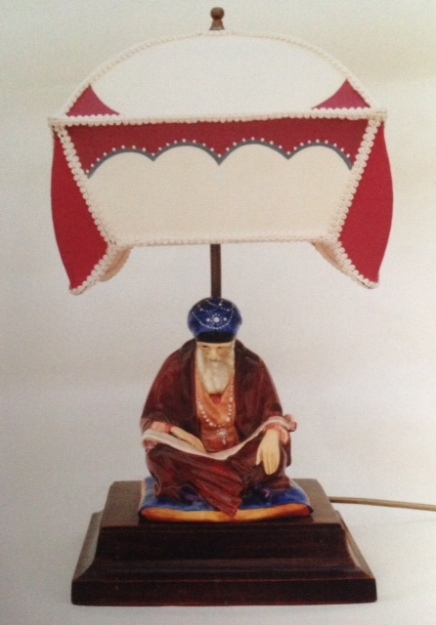
Image

An elaborately refurbished shade.

The prices of these complete lamps were often three times the price of the figure alone, yet they were obviously popular as they do turn up. When they do they often need refurbishing as the electric cables should be replaced. This is a relatively easy practice but you need to know what you are doing.

The enduring popularity of these lamps is perhaps best explained by Doulton themselves who advertised these lamps as “enhancing the beauty of colour and the refinement of the models” and that “nothing could be more suitable for a wedding present, for which they are now in great demand”.

All of the Doulton figure catalogues of this period state that any of the figures advertised could be mouted as lamps with “shades in suitable colours.”

Image

To finish, a personal favourite of mine. Marietta fitted with a shade with tassles to match her costume. Although a little faded it evokes the 1930’s deco style perfectly. This lamp was exhibited at the V&A Doulton Story exhibition in 1978.
Royal Doulton’s fantastic musical character jugs

20140524-164518-60318395.jpg20140524-165630-60990103.jpg

Two views of the Tony weller musical jug.

In the immediate years before the outbreak of WWII, Royal Doulton were avidly addidng to their many successful series of figures, seriesware and of course character jugs. Items from this period are amongst the most sought after of the Doulton wares, simply because the outbreak of war interrupted or halted production completely of many of these lines.

This small group of five musical character jugs, fall into this category. Production of these musical jugs was interrupted by the outbreak of the war and musical jugs were probably not made long after its commencement, given their scarcity in today’s market place. This is borne out particularly by the scarcity of the Old King Cole jug.

Each of these jugs is fitted with a ‘Thorens’ Swiss movement and the title of the melody it plays is printed around the base of the jug.

20140524-164520-60320376.jpg

Detail to the base of the Tony Weller jug.

The details of these five jugs are as follows:

D5858     Old Charley     1937-42

‘Here’s a Health unto His Majesty’

D5887     Paddy                   1938-42

‘An Irish Jig’

D5888     Tony Weller      1938-42

‘Come, Landlord Fill the Flowing Bowl’

D5889     Auld Mac            1938-42

‘The Campbells are Coming’

D6014     Old King Cole   1939-42

‘Old King Cole’

(a yellow version of this last title exists)

20140524-164523-60323098.jpg

Two versions of Auld Mac. On the left is an ‘A’ mark version ca. 1950’s and on the Right is a musical version.

20140524-164521-60321248.jpg

The musical Auld Mac.


20140524-164522-60322249.jpg

Auld Mac’s base.

Derivatives form an exciting sub-theme for collecting and other derivatives including bookends, busts, teapots, milk jugs and sugar bowls exist.

Happy collecting!