Category Archives: Figure inspiration

Royal Doulton’s Kate Hardcastle – the story of a name. 

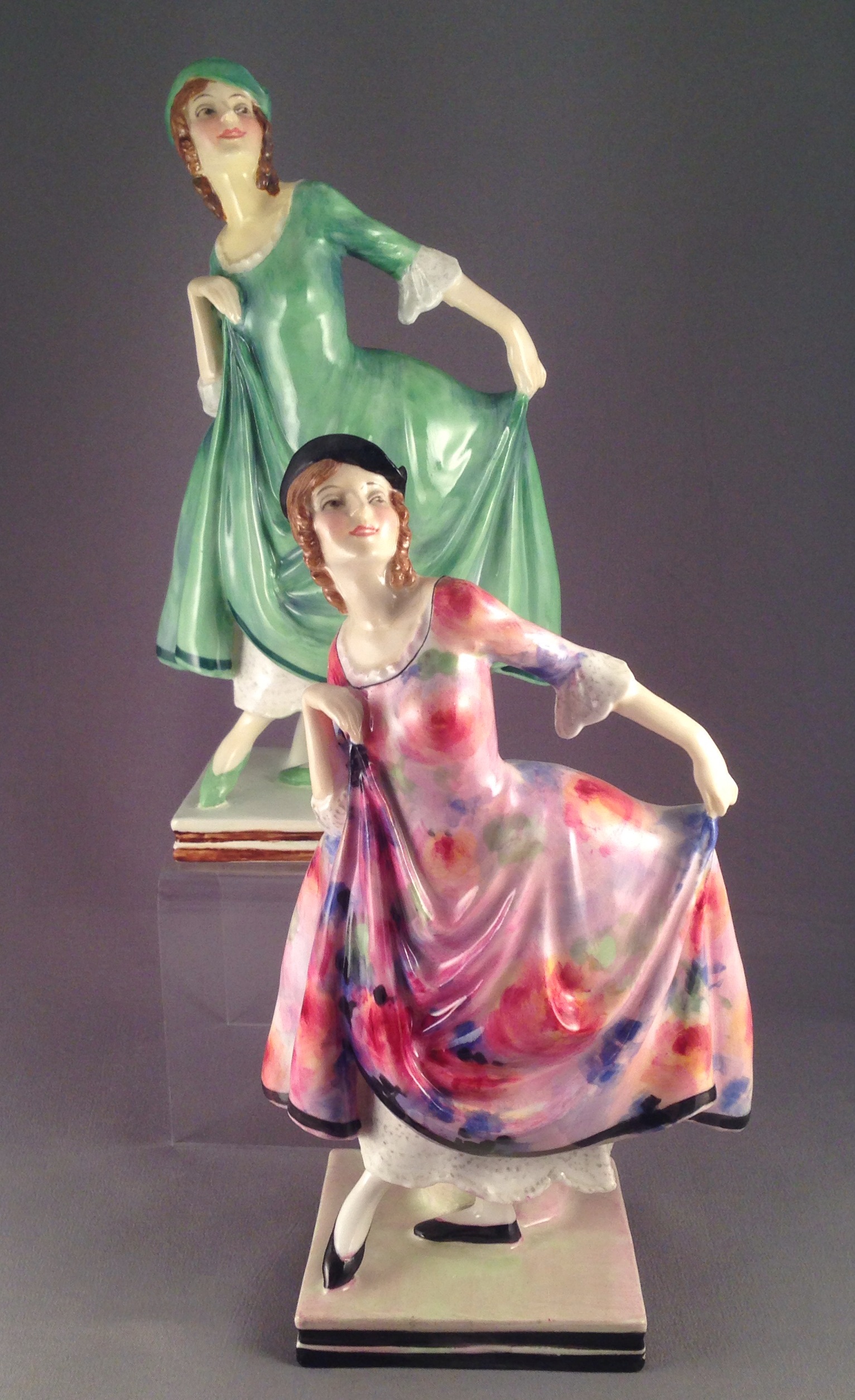
Royal Doulton’s figurine Kate Hardcastle takes her name from the the heroine of the Anglo-Irish playwright Goldsmith’s comedy ‘She Stoops To Conquer’ first performed in the 18th Century.
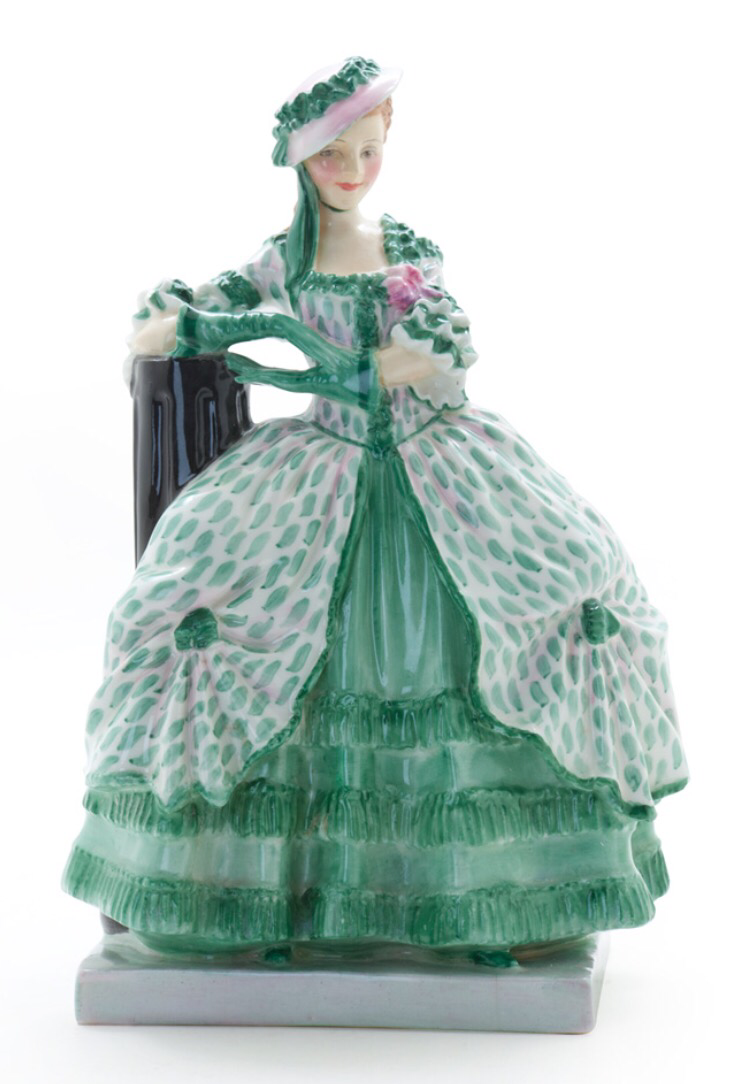
  
Kate Hardcastle HN1734.

Kate, a spirited young girl pretends to be a barmaid to overcome the shyness of her lover, Charles Marlow, the son of a rich Londoner. Charles’ shyness disappeared around working class girls hence the needed pretence. 
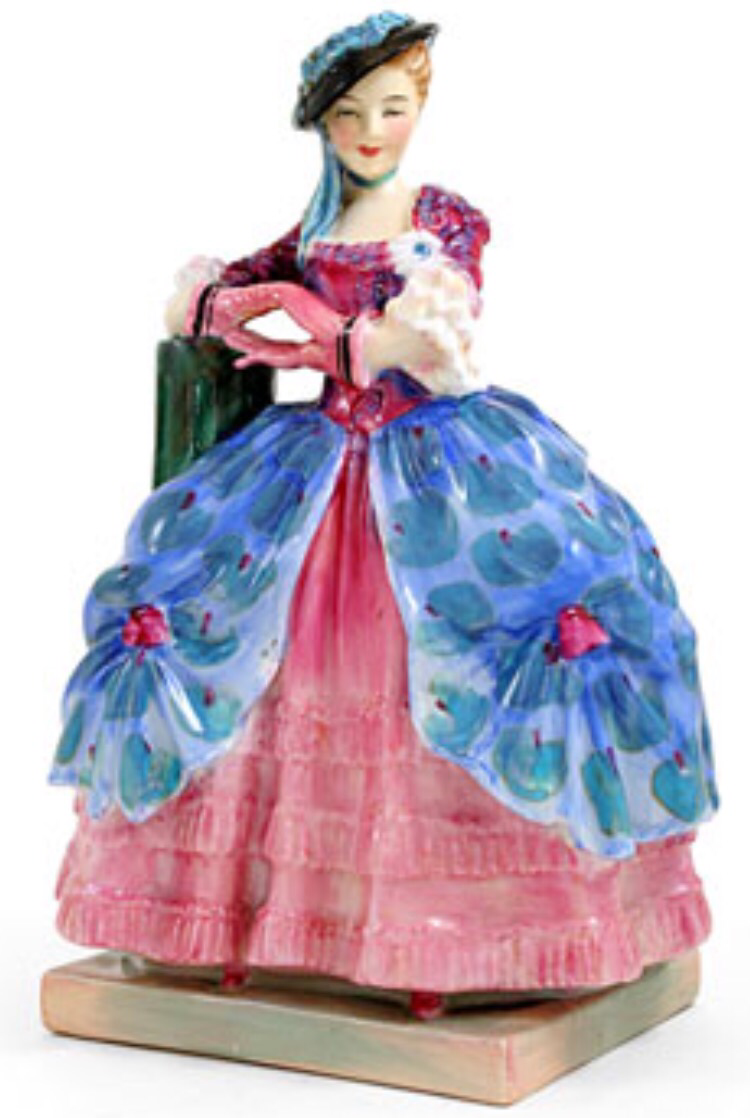
  
Kate Hardcastle HN1861.

Realising what she must do in order for Charles to woo her, Kate pretends to be a barmaid, thus stooping to conquer the young Charles! 
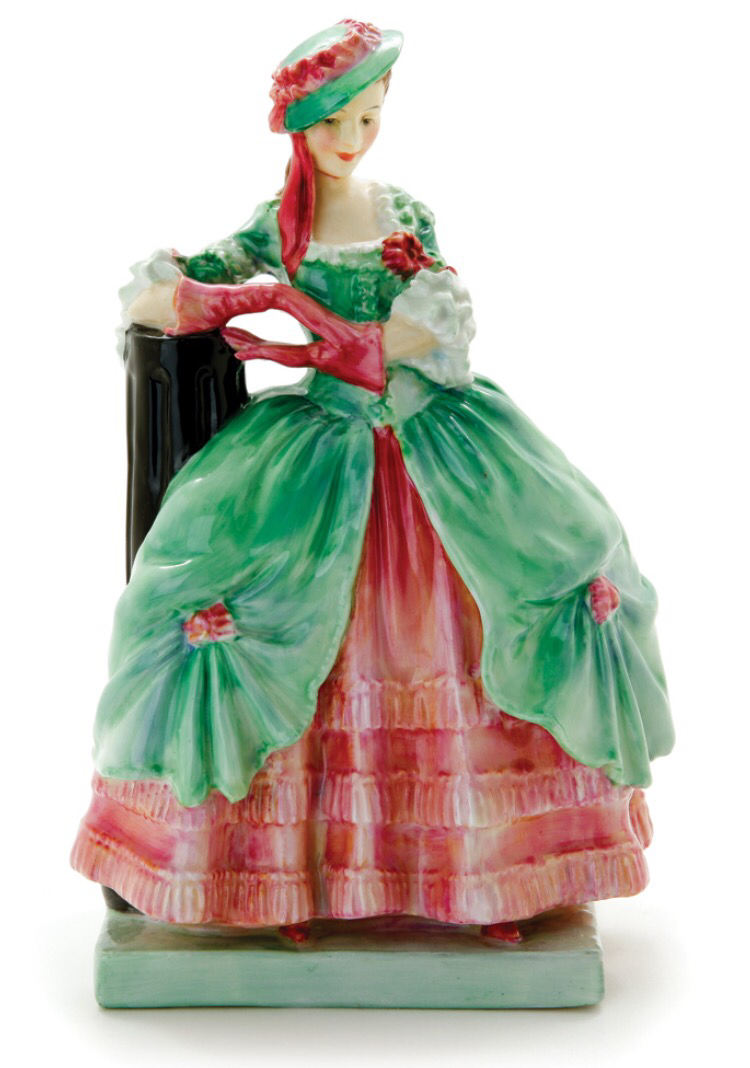
  
Kate Hardcastle HN1719.

Goldsmith’s play has proved perennially popular ever since it was first performed in London in 1773, which explains why in 1935 a figurine was modelled in her contemporary likeness by the great Leslie Harradine. 
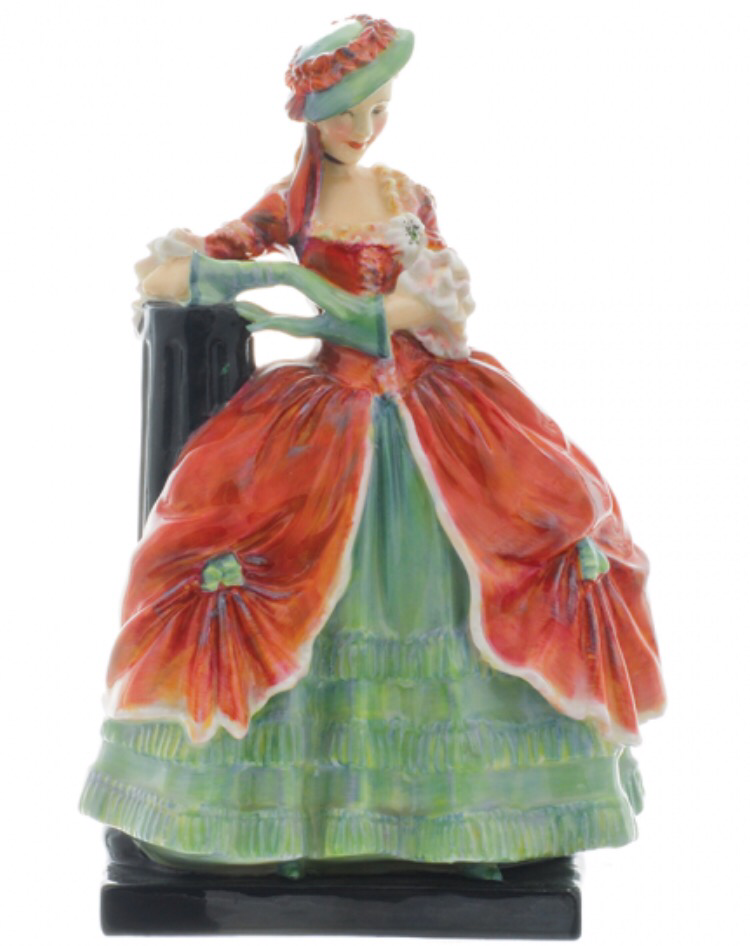
  
Kate Hardcastle HN1919.

Doulton’s figure Kate Hardcastle proved popular with 5 colourways produced in the 1930’s and post WWII a slightly simplified model of her in somewhat muted colouring similar to HN1719 was introduced as HN2028. The issue with her has always been the base, which as collectors know is a particularly weak point when they are square or rectangular on these early figures, hence why most figures have round bases. 
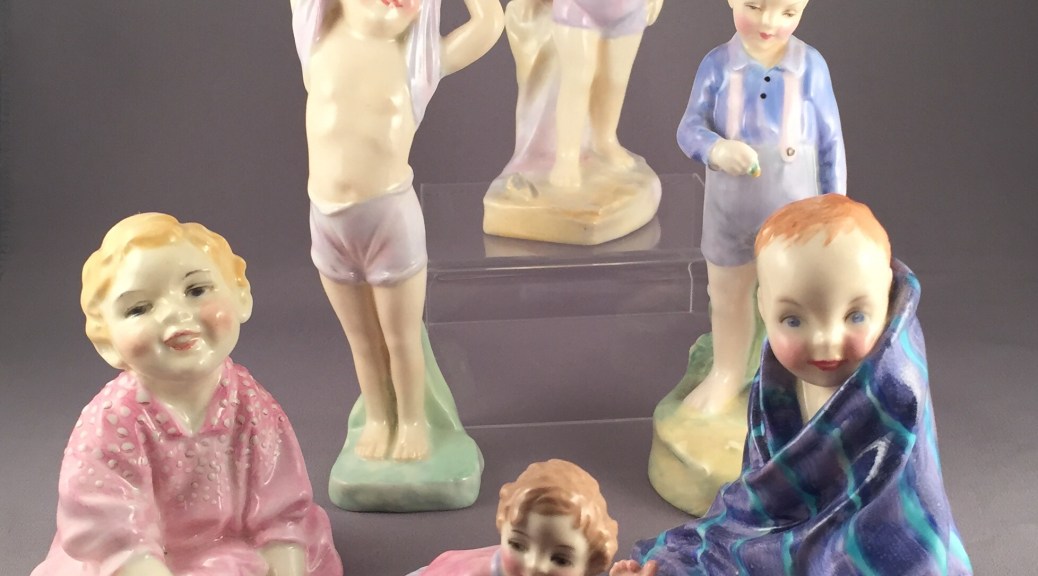
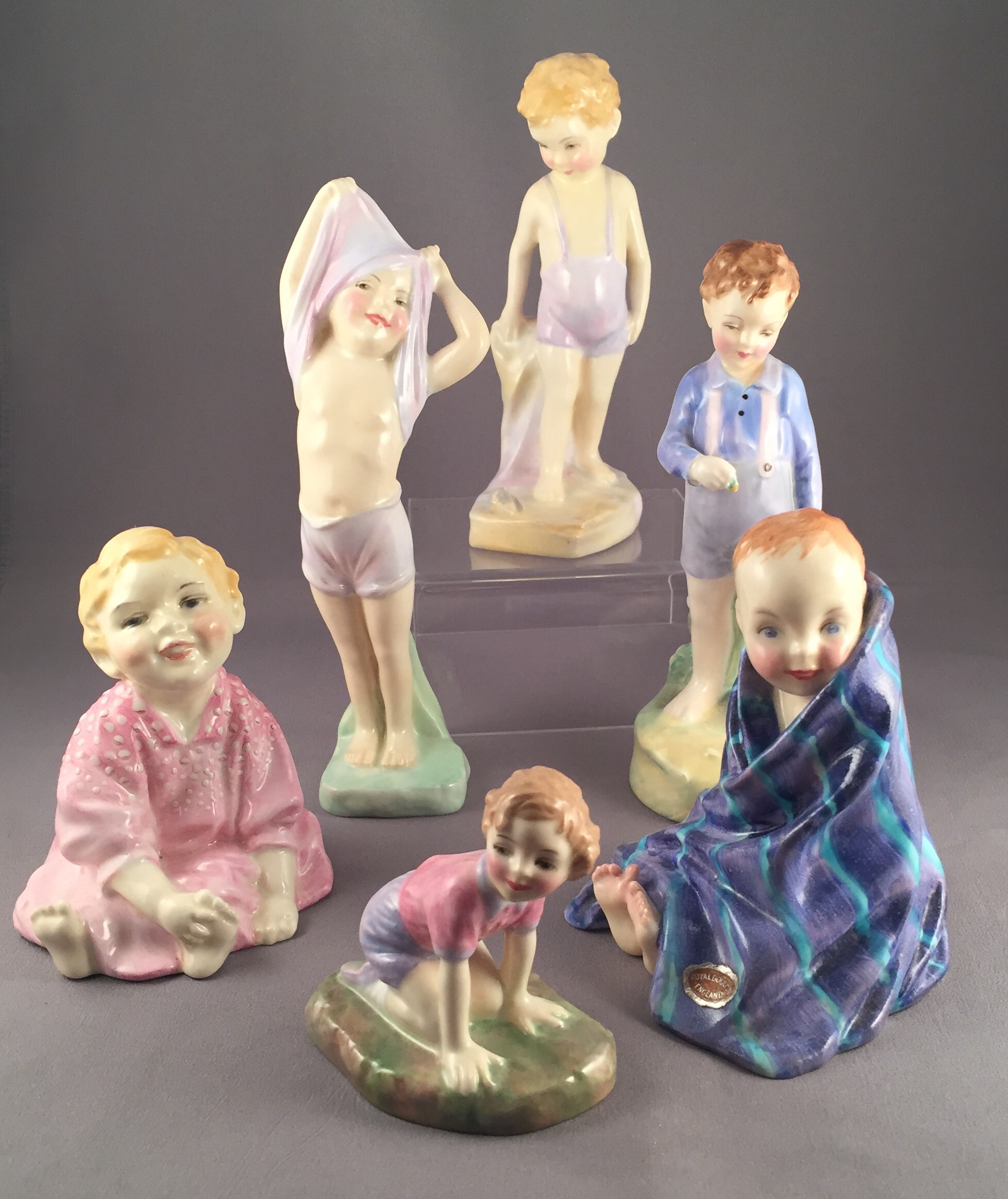
Collecting Royal Doulton child studies.

When we think of Doulton many think immediately of pretty ladies and young girls in crinolines, yet here is another collecting theme although generally much harder to track down.  

These studies of boys by Doulton were the work of Leslie Harradine and date to the late 1920’s through to the 1950’s. Although there are only a handful of male figures, if you have the patience to track them down they make a complimentary display to their female counterparts! 

  
The popularity of child studies has long been a favoured collecting field for Doulton enthusiasts, once again bourne out by the enduring popularity of HN1 Darling – a Charles  Vyse study of a boy in his nightgown modelled after his Chelsea original and introduced in his original size in 1913. 

How adverts influenced Harradine’s figures for Royal Doulton.

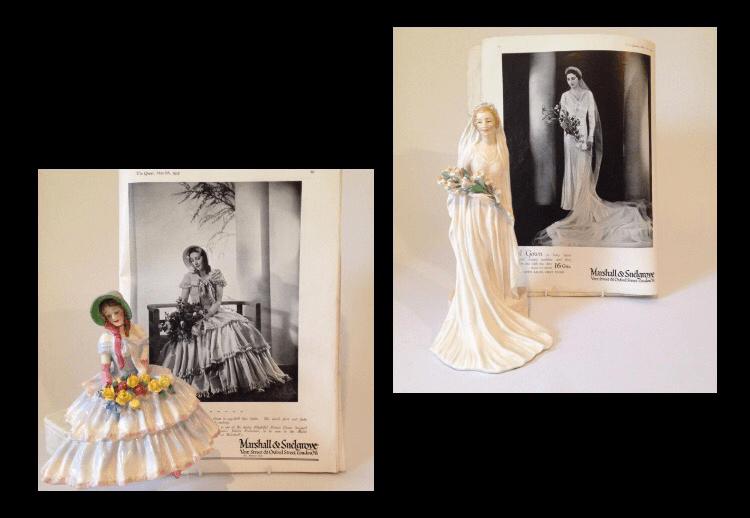
One of the most interesting aspects of collecting Doulton figures is the story behind them. When researching Reflections – a book which discusses this topic – many more illustrations were found than could be published.

Such examples include the many adverts and publicity shots for the once famous department store Marshall & Snellgrove, which since the 1970’s has been part of the company we here in the UK know as Debenhams.

As you can see two iconic figurines – Day Dreams and Wedding Morn are derived from this source but others include Sweeting, Estelle and a host of fashionable ladies based on fashion photographs from the mid-1930’s.


Harradine’s first models for the HN collection.

No one today can doubt that Leslie Harradine perfected what needed to be perfected in terms of creating commercially popular figures for Royal Doulton.  Until 1920 few figures hitherto introduced can be said to have had the popularity we associate with Doulton figures to this day. Of course there was the ever popular HN1 Darling – the first figure in the collection and the first of many child studies, but there were no what non-Doulton specialists might term ‘pretty ladies’. The female studies introduced before 1920 tended to be sculptural and their differing sizes hindered their grouping to display them as a collection. In short a house style needed to be developed. 

Harradine’s first introduction for the HN collection was The Princess – a dramatically stylish creation that set the tone for his first models for Charles Noke. Note the clear lines and unfussy detail – this is what set him and his models apart. 


A colourway of The Princess.

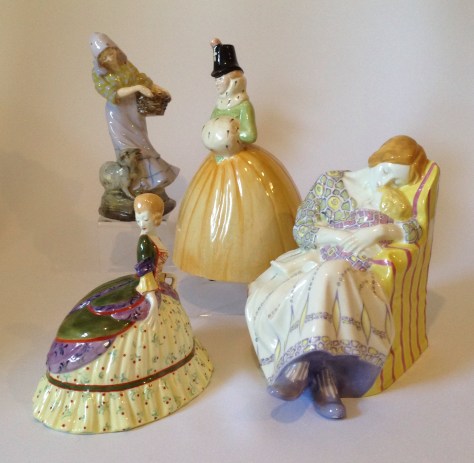
A small group of other non typical Doulton figures were introduced in the following year, 1921 illustrating Harradine’s ability to interpret popular tastes and trends. 


A group of early Harradine models, Fruit Gathering, Puff & Powder, Betty and Contentment.

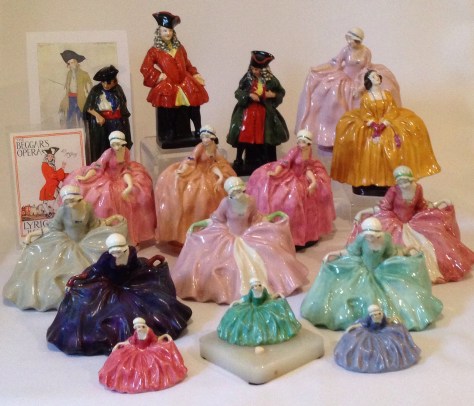
Size was the most noticeable difference with Harradine’s figures as they diminished in size to what we even today are used to in terms of figure height, and this more standard size allowed collectors to create displays. 


Harradine’s first series of figures from the Beggar’s Opera all illustrate this point and thus a house style was developed –  something that would prove most successful among collectors whose appetite for figures is still going strong over 100 years later.

A look back at Royal Doulton’s iconic Top o’ the hill!

An unusually detailed colourway from the 1930s. Note the decoration to the skirt.

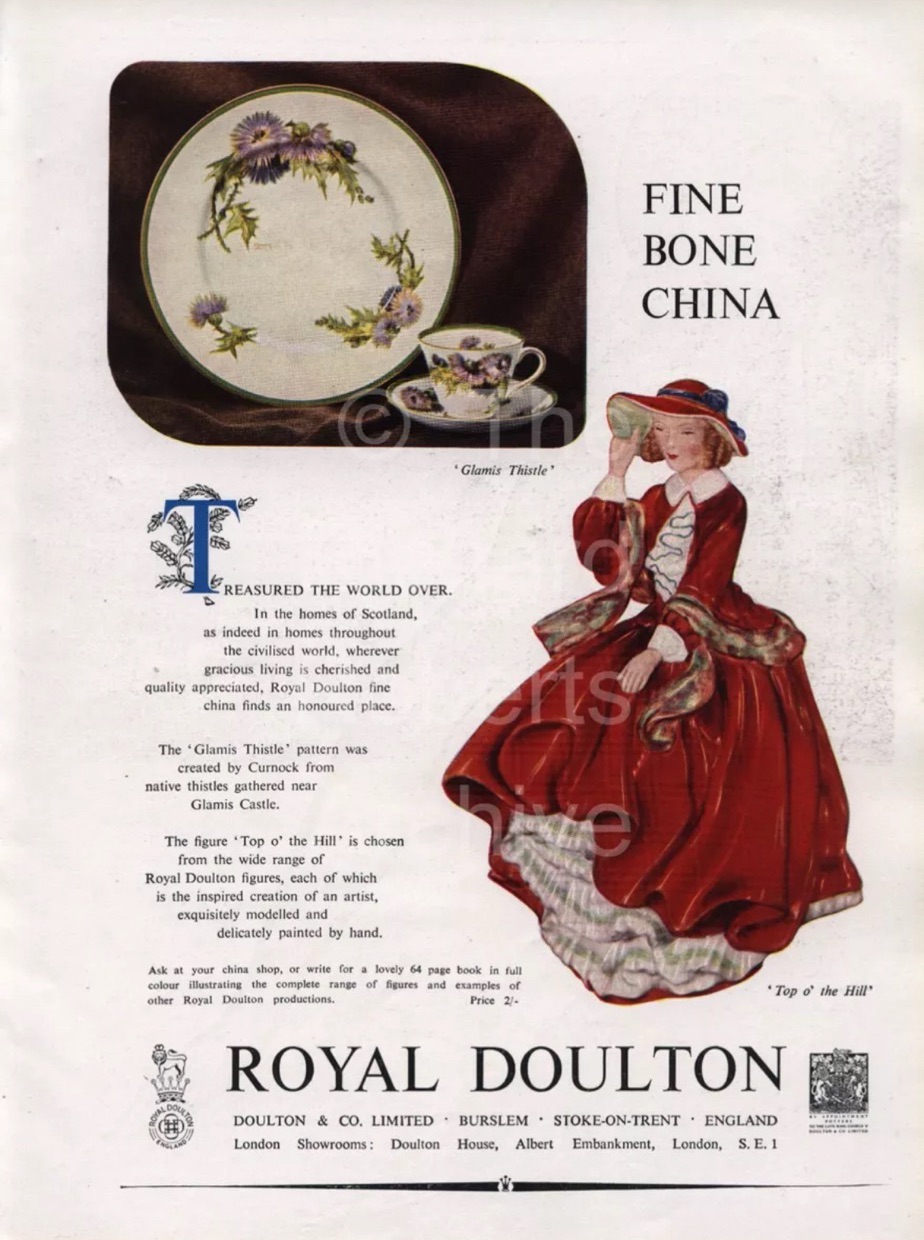
Without doubt Top o’ the hill remains Doulton’s most instantly recognisable figure. Since her introduction in 1937, Leslie Harradine’s ever popular figure has been used as a demonstration piece at exhibitions and events for decades.

Doulton’s iconic figure was based on a picture by Molly Benatar (illustrated) and the sole rights for reproduction in china were bought exclusively by Doulton from the publisher Raphael Tuck. Not a bad investment on Doulton’s part given her popularity and thus her lengthy production.

IMG_1815

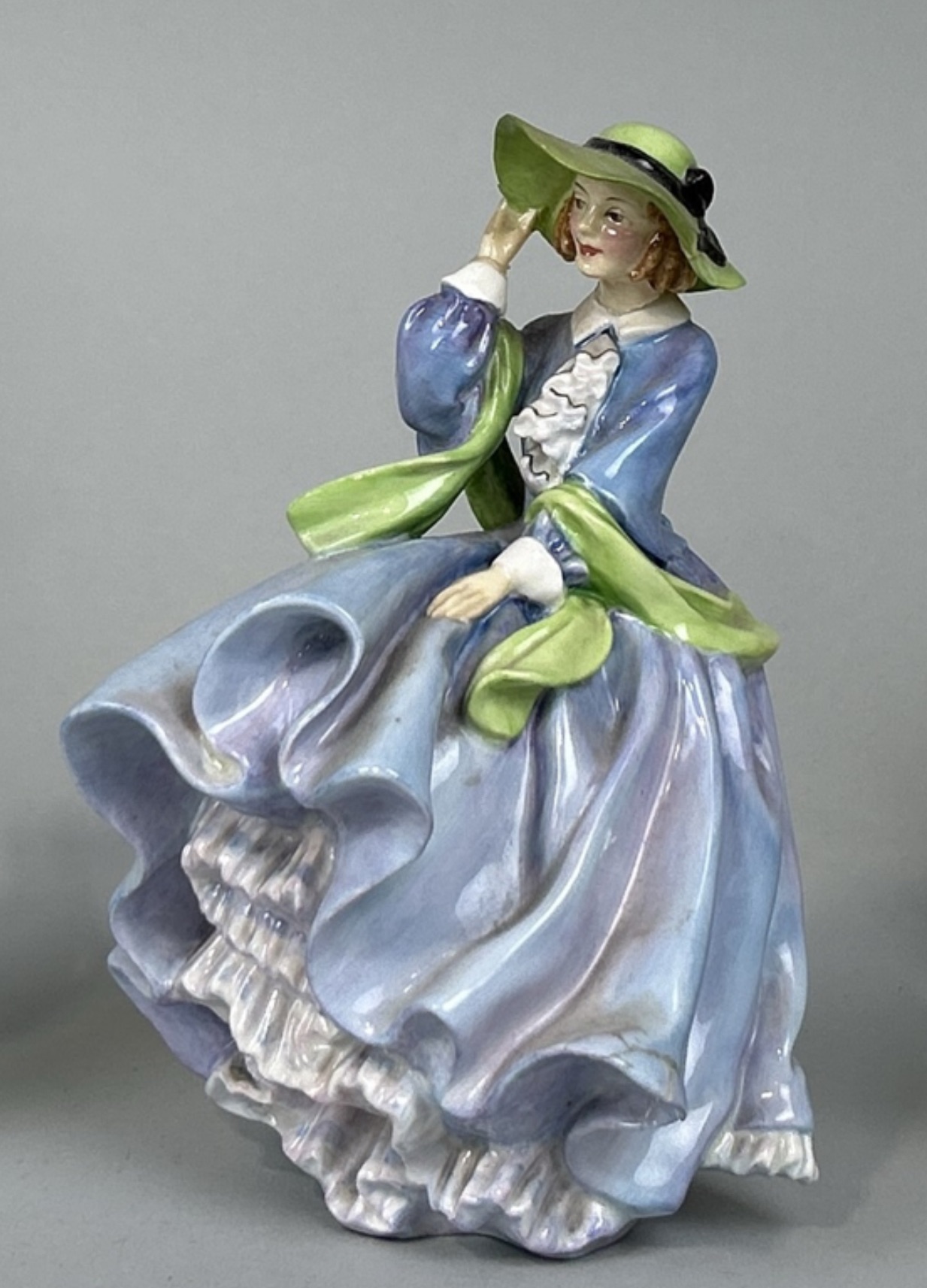
Interestingly, from a collector’s point of view are the subtle changes to her over the years. The figures illustrated above all date to 1937 and 1938 and are the original 3 colourways. Changes to her have included a deeper base, less detailed, delicate frills to her underskirt and a thicker brim to her hat – all of which were invariably made in response to collectors’ feedback as these early versions are all somewhat fragile.

A more recent colourway discovery dated 1938.

Another interesting note is the difference that occured in painting during the war years to the red version. HN1834 originally had blue streaks as many red figures from this time did, but when Doulton began producing figures again after the war, she became a solid red. Another change occurred in the 1950’s when she was modelled with an elongated face, no doubt a change to then fashions. This change was later reversed and I doubt people even realised there had been a change!

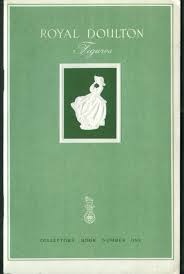
Above is the cover of the 1949 catalogue when the sequence was begun again post WWII.

In more recent times there have been other colourways of this iconic figure introduced, including a yellow and green one HN2127 for Australia’s Bicentenary in 1988 and a deep blue one HN3735 in 1997. A miniature was also made in a few colourways including the popular red in the late 1980’s and early 1990’s. Most recently a petite size has also been introduced.

The International Ceramics and Glass Fair and 200 Years of Royal Doulton – an event not to be missed!

Don’t forget the world’s major Doulton extravaganza is just around the corner!

To reserve your tickets visit icgfair.com

And follow this link-
https://www.facebook.com/events/489880474484013/

2015/01/img_1355.jpg

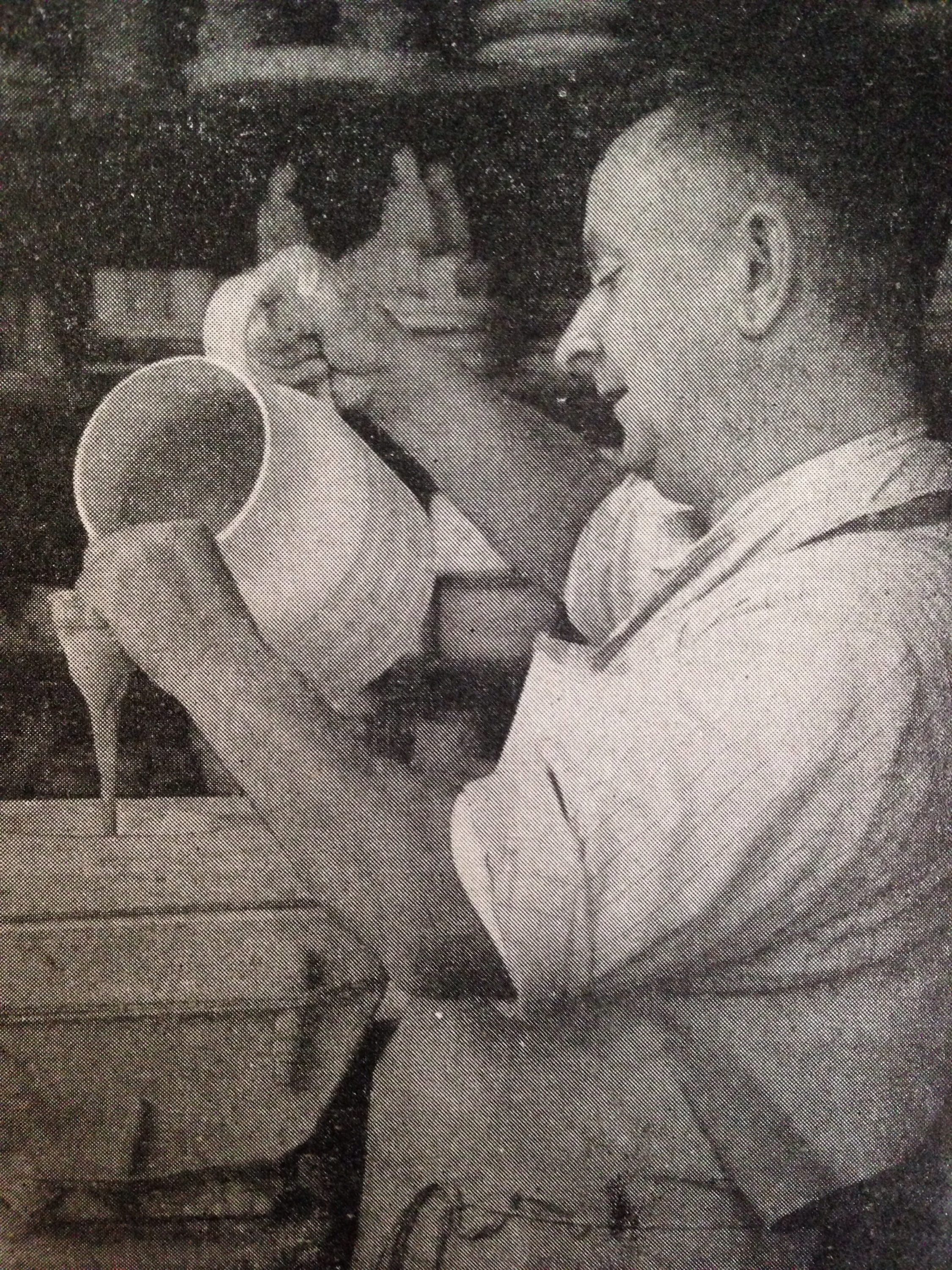
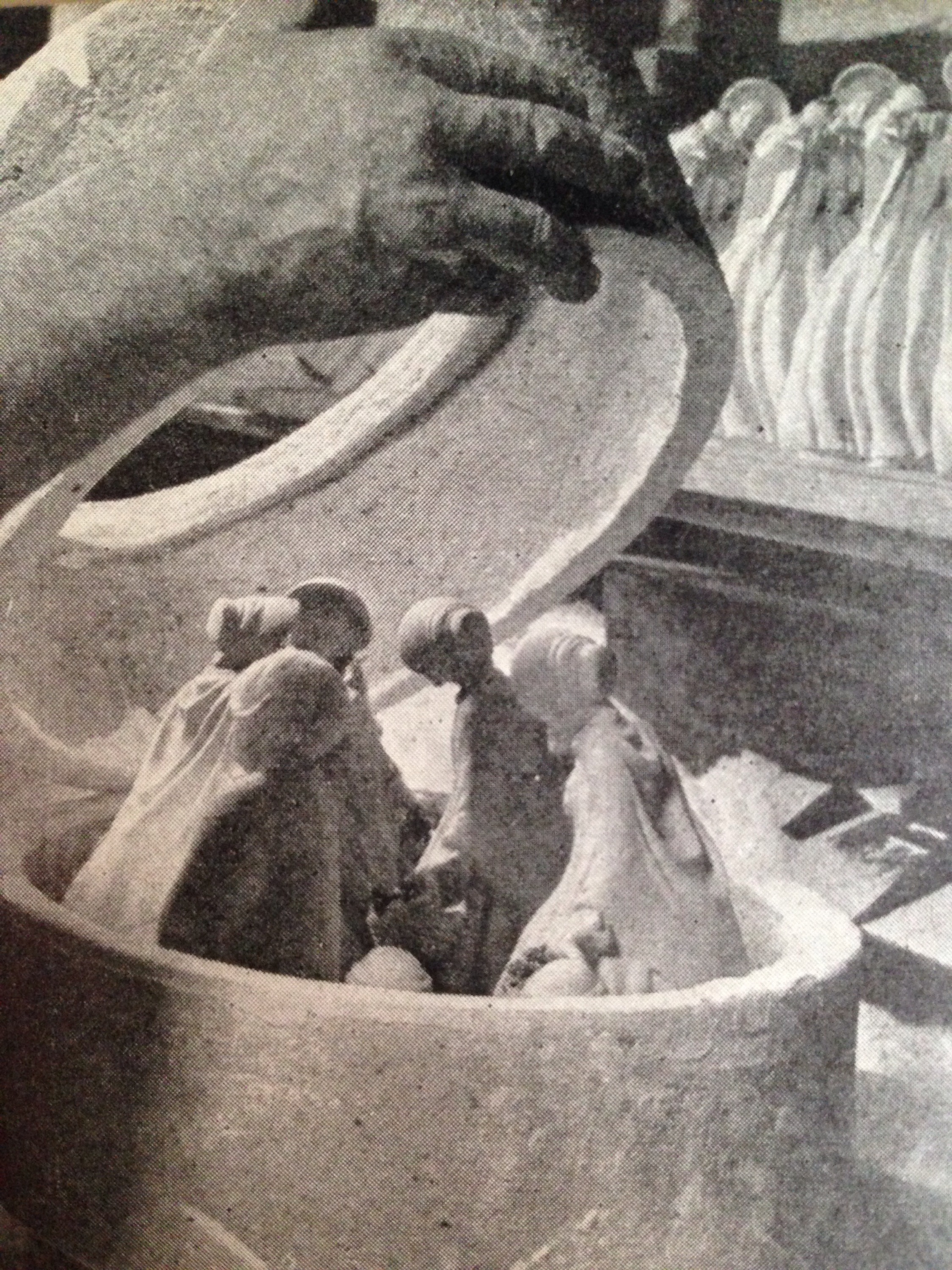
The making of Lady Charmian (from 1947).

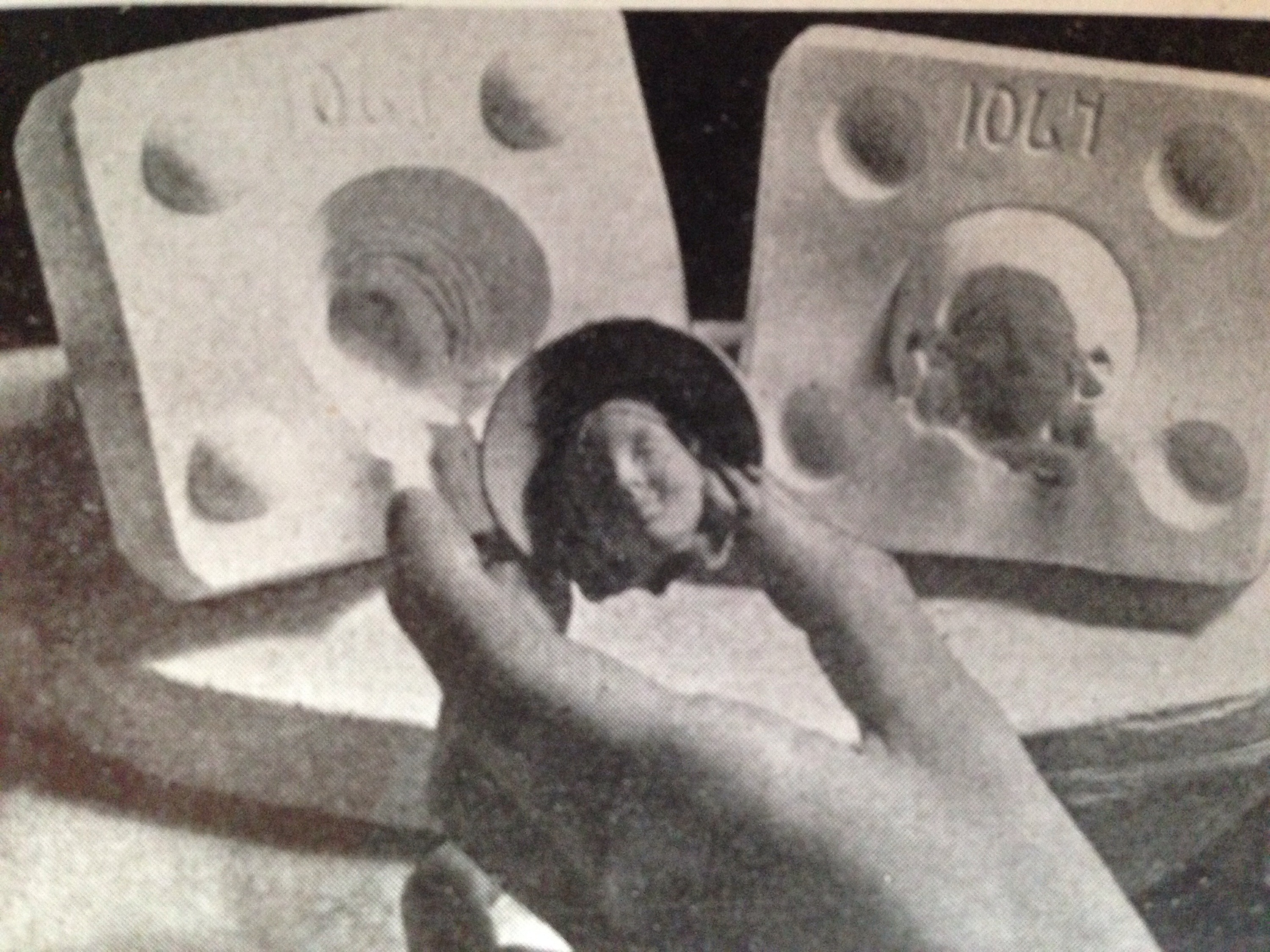
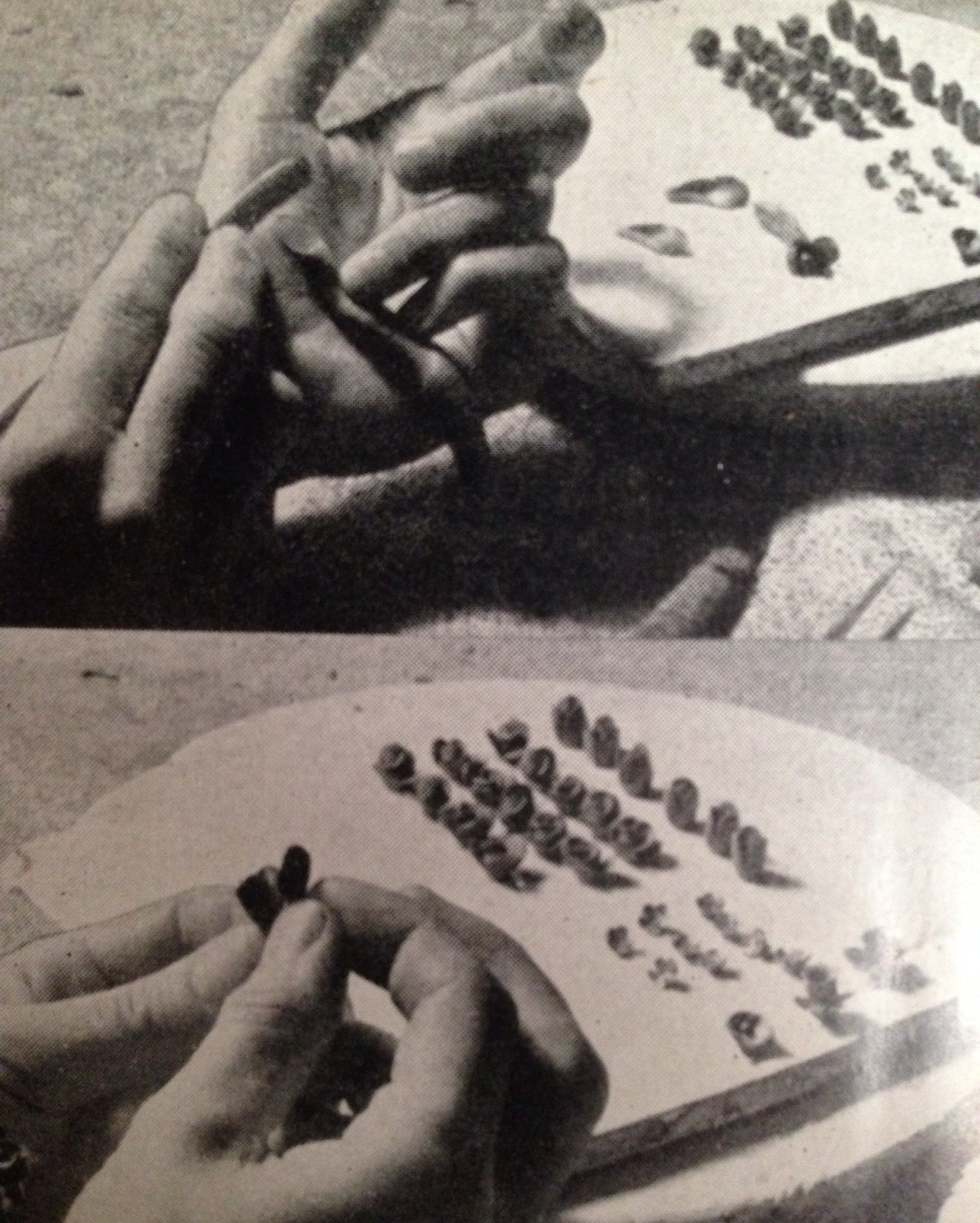
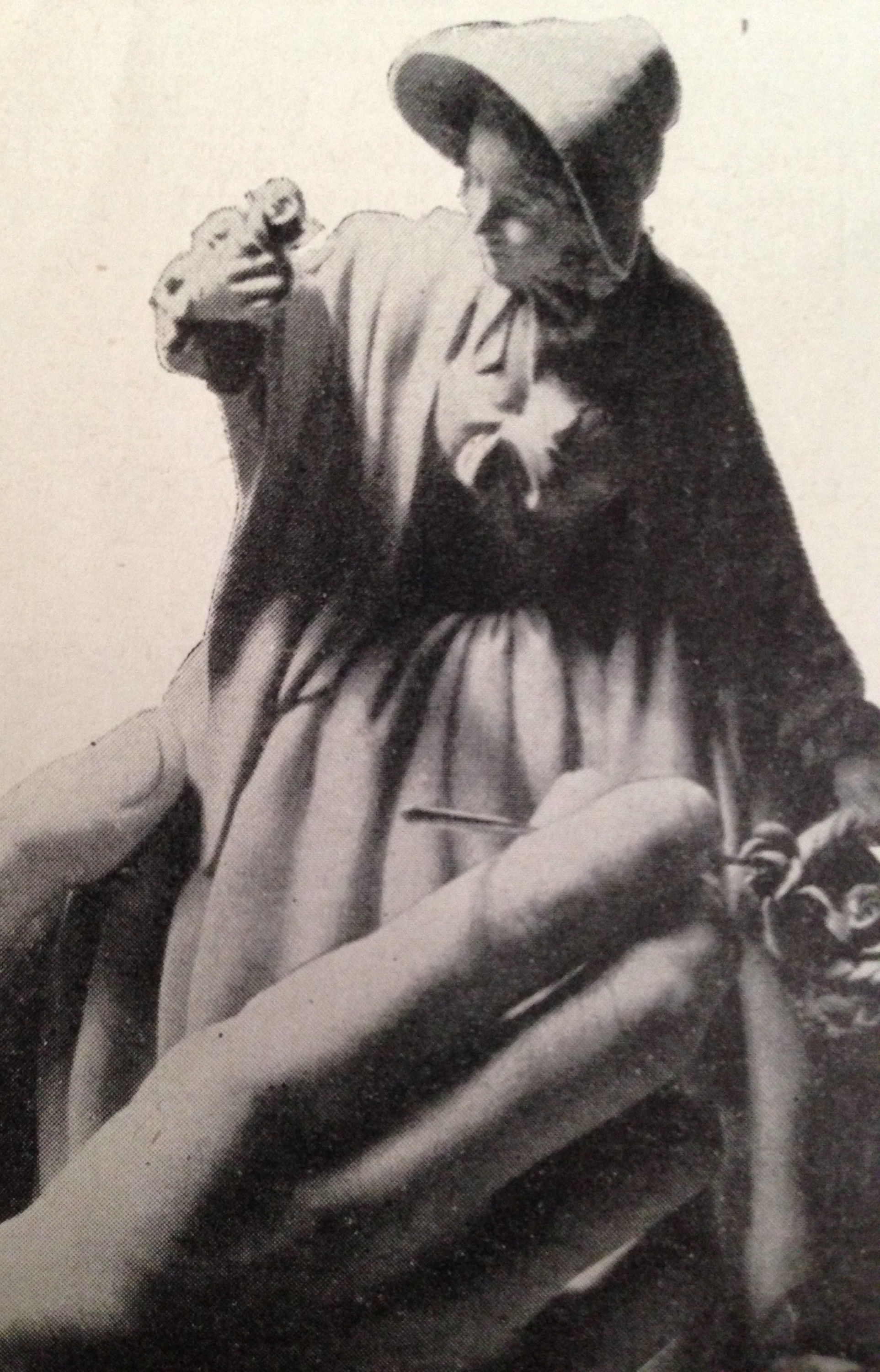
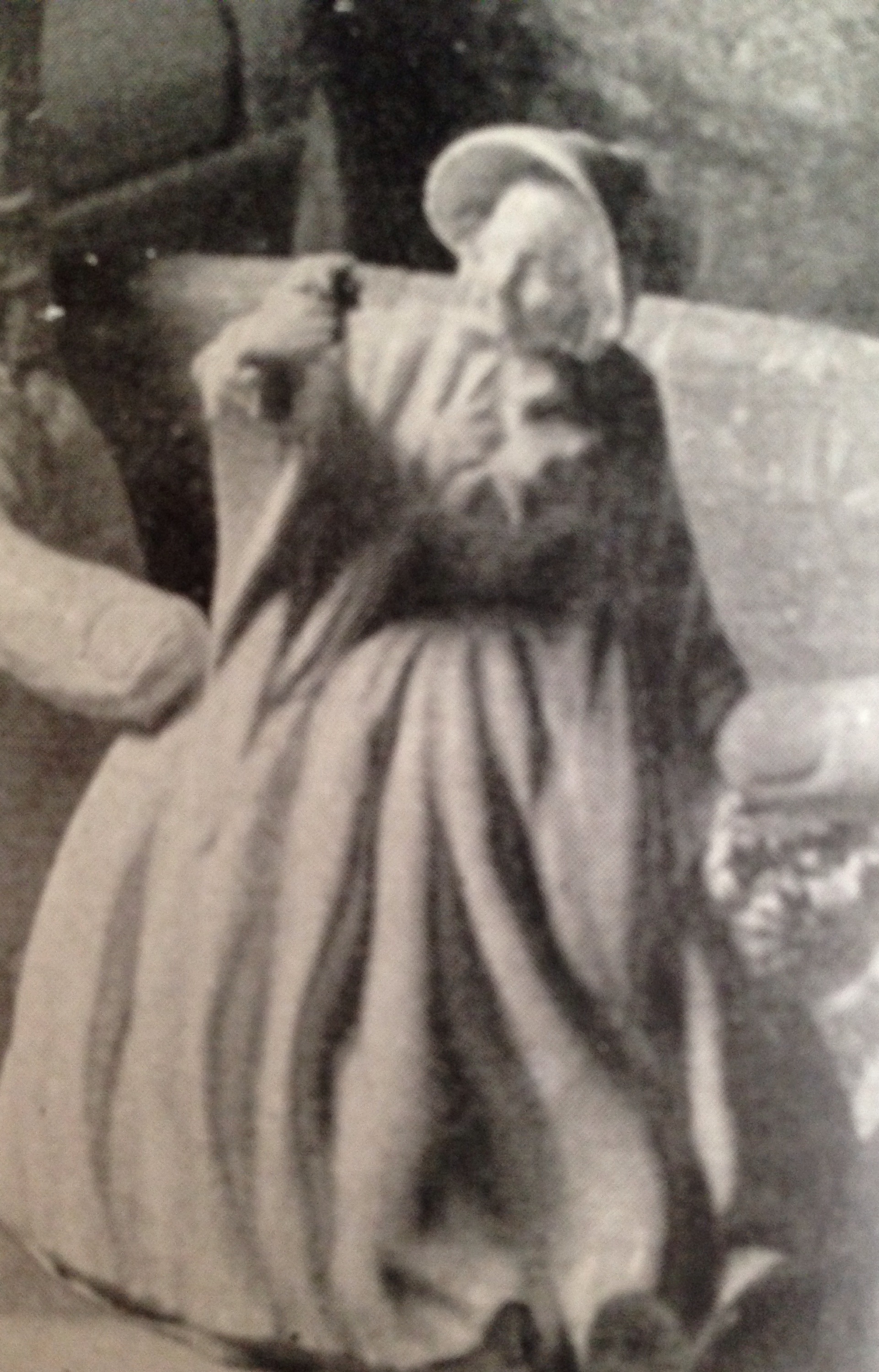
Here are some publicity shots from the late 1940’s explaining the production process for this popular lady.
1. Pouring the liquid clay into the moulds to form the cast models.

2015/01/img_1163.jpg

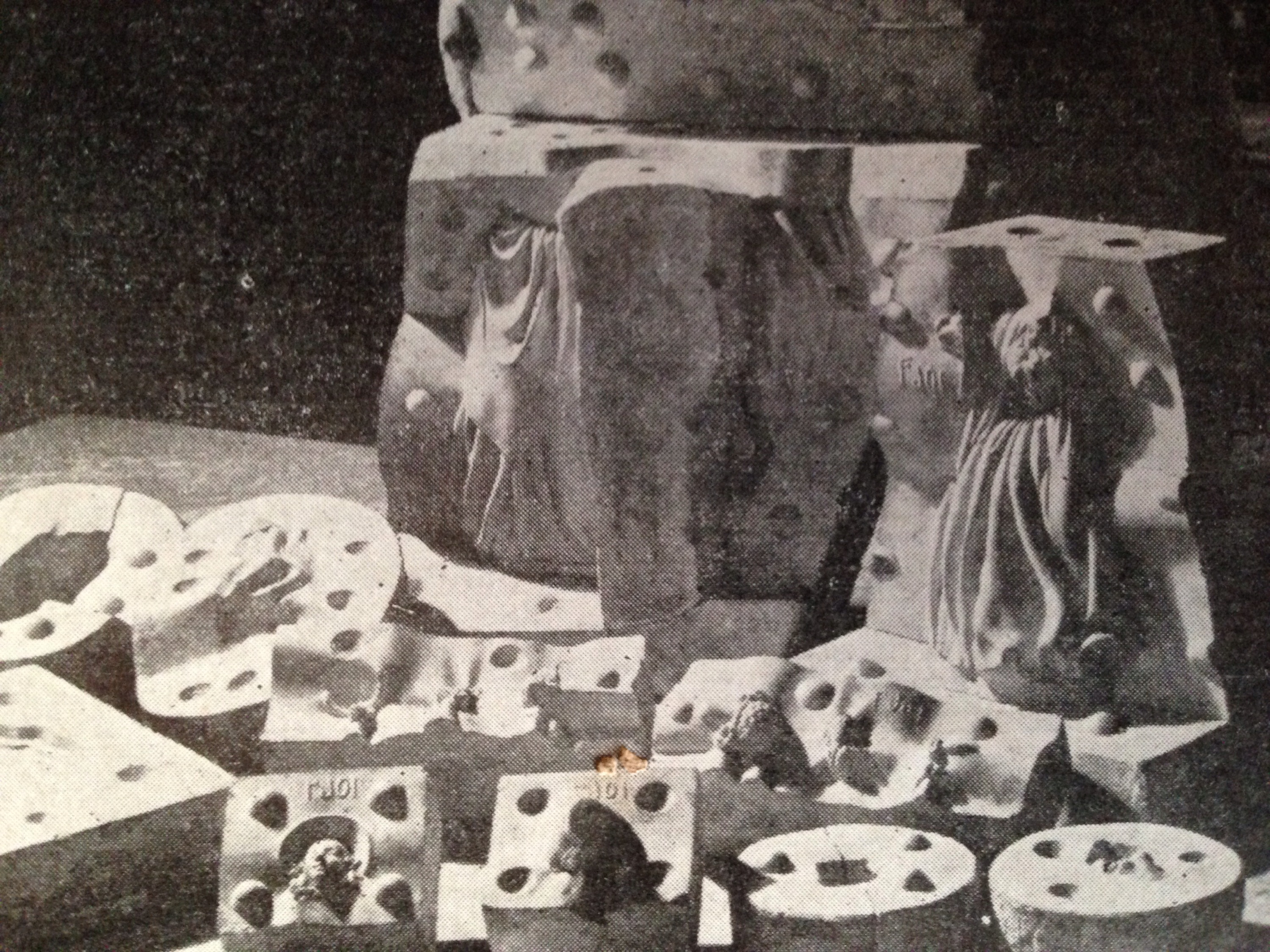
2. Picture of the moulds for her component parts.

2015/01/img_1164-0.jpg

3. Close up of a moulded face and head.

2015/01/img_1165.jpg

4. Once the figure is assembled any additions are added; in this case hand modelled flowers.

2015/01/img_1167.jpg

2015/01/img_1168.jpg

5. At this point the figure is allowed to dry, then it is fired turning it into biscuit china. The size of the figure reduces dramatically at this stage. The figure is then dipped by hand into a specially prepared glaze.

6. The figure is then placed in a fire-proof saggar to be fired.

2015/01/img_1170.jpg

7. From this stage the figure is decorated by hand.

2015/01/img_1171.jpg

We are no doubt all familiar with the finished product as she has always been popular with collectors.

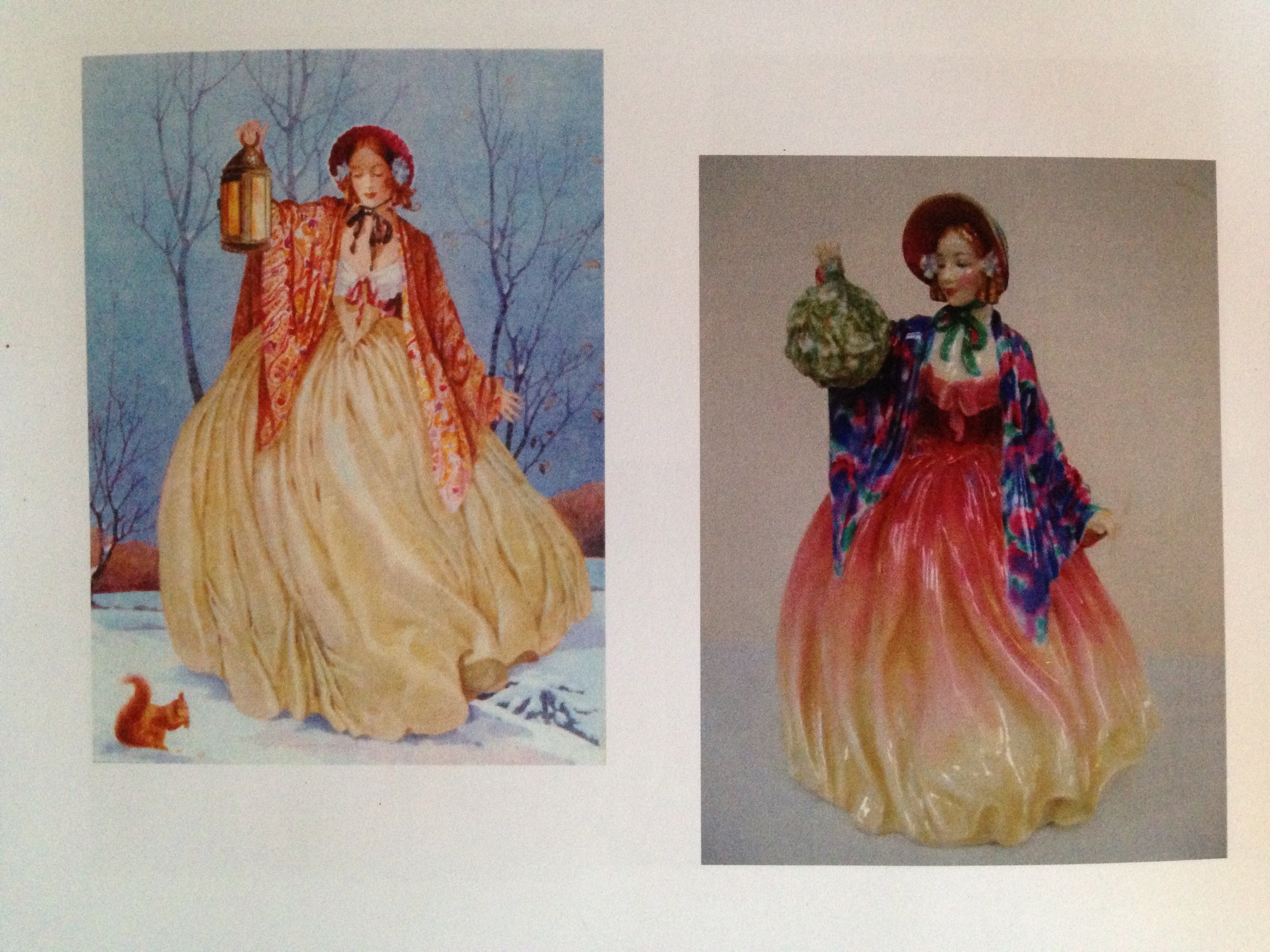
Interestingly Harradine based his model on a painting by Stanislaus Longley and I have seen an early version of the figure without the basket and instead of holding a rose she is holding a ball of mistletoe.

2015/01/img_1176.jpg

What is in a name? How are Doulton figures named?

When researching the book Reflections with Jocelyn it was an interesting side line to investigate how some of the more unusually named figures arrived with their names.
One particularly unusual lady is Frangçon HN1720 and 1721. Both versions were introduced in 1935, but rarely appear suggesting a much shorter production run to the withdrawal date of ‘by 1949’ suggested in Royal Doulton Figures. In my experience a withdrawal date of 1943 would be more accurate for most figures save for a handful of the most popular figures that were available to the US as late as 1944 and production of these resumed soon after the war ended. These include Autumn Breezes, the Orange Lady, Biddy Penny Farthing, Old a Balloon Seller and a few others.

/home/wpcom/public_html/wp-content/blogs.dir/574/66790219/files/2015/01/img_1112-0.jpg
Frangçon HN1721 and 1720.

Returning to the name Frangçon it is certainly named after the once famous theatre actress. Born in 1891, her first performance was in 1911 and she retired only in 1970 after an illustrious career being encouraged by Ellen Terry and supported by Sir a John Gielgud.

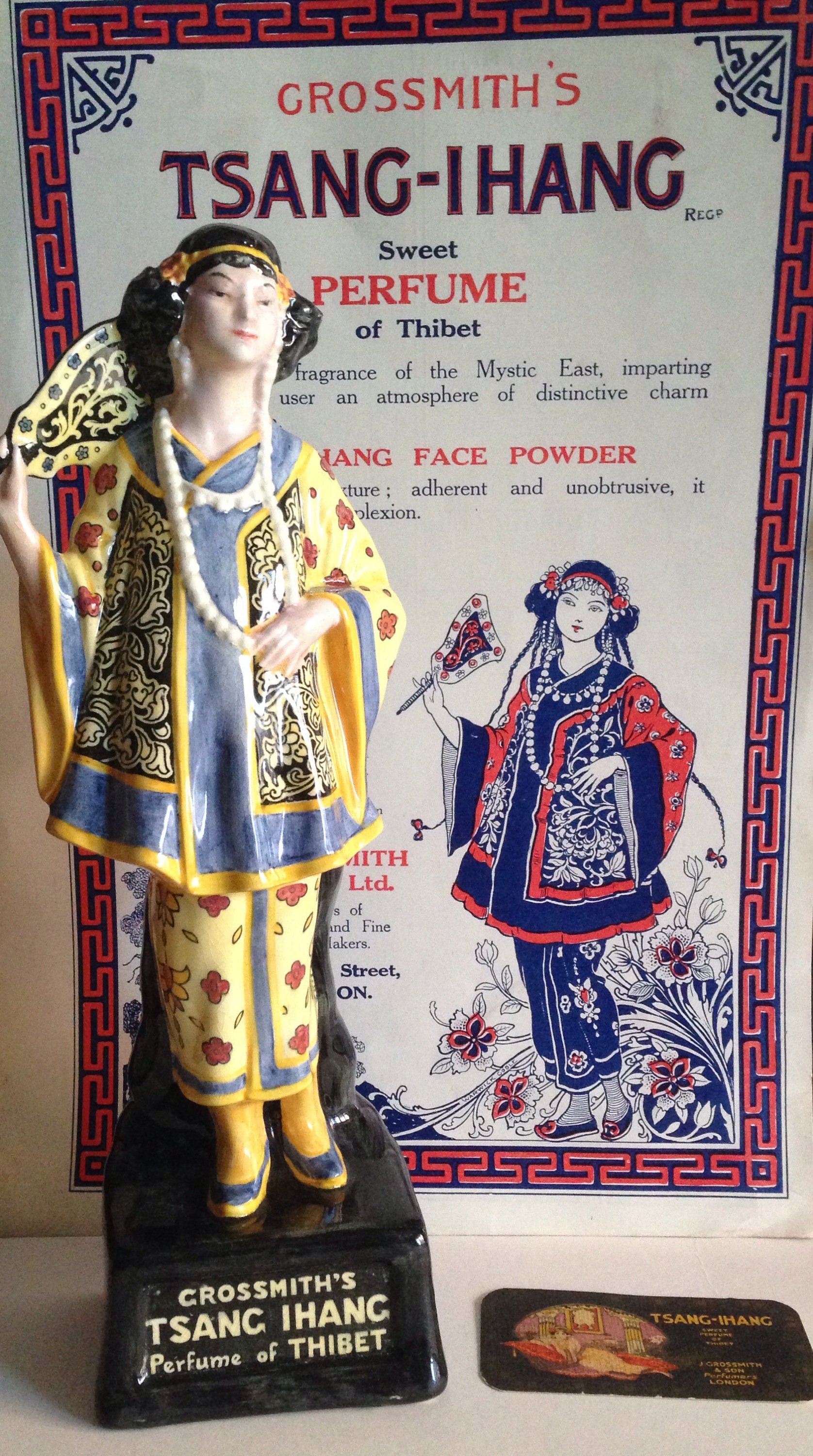
Doulton’s advertising figure Tsang Ihang.

Back in the 1920’s Doulton produced a handful of so-called advertising figures such as Tsang Ihang here and also The Yardley’s group and the Perfect Pair made for the publishing house behind the Tatler and Eve magazine. There were other figures too but produced without HN numbers such as the Standing Beefeater for the Illustrated London News and of course the delightful Sketch Girl.

/home/wpcom/public_html/wp-content/blogs.dir/574/66790219/files/2014/12/img_1078.jpg

It took many decades to eventually track the original advert down featuring the Tsang Ihang lady, but fortunately we did just before the book Reflections was published. I see that someone online has used a black and white version of it we used as the end papers so I thought it time to show this coloured version. Naturally once one has been found others crop up too, which is the good thing about collecting so I am sure collectors will be able to track down their own copies to use in your their displays.

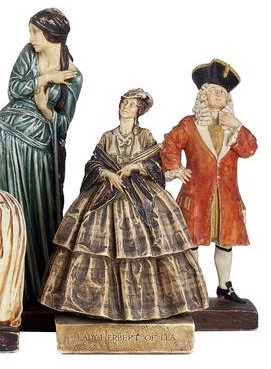
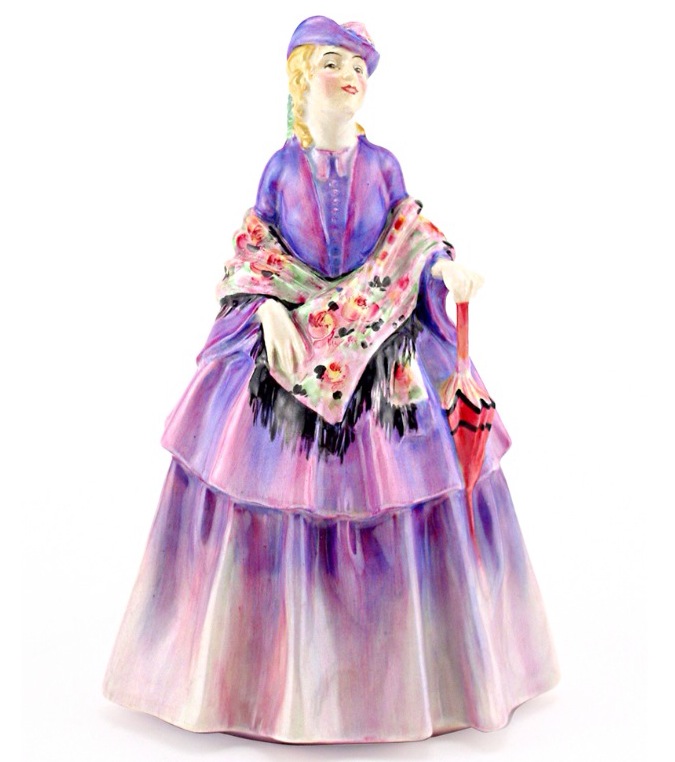
Harradine’s inspiration for his figure Anthea.

As you know I always love to discover the inspirations for our favourite Doulton figures. Here is another that didn’t make the final cut for Jocelyn’s and my book ‘Reflections’. It is itself a figurine but this time a wax figure by Agatha Walker that she produced as part of her series of figures from the stage in the 1920’s, imitating a popular tradition from the 19th Century. These figures were made of plaster, then coated in wax and finally painted.
Typically Harradine has put his own flourishes to the finished figure including a parasol and changing the direction of Anthea’s head.

/home/wpcom/public_html/wp-content/blogs.dir/574/66790219/files/2014/12/img_1074.jpg
Courtesy of Bonhams.

/home/wpcom/public_html/wp-content/blogs.dir/574/66790219/files/2014/12/img_1073.jpg
Courtesy of Seaway China.

To date I have found only one other Agatha Walker figure that Harradine used, but that’s for another time!