All posts by doultonchristopher1

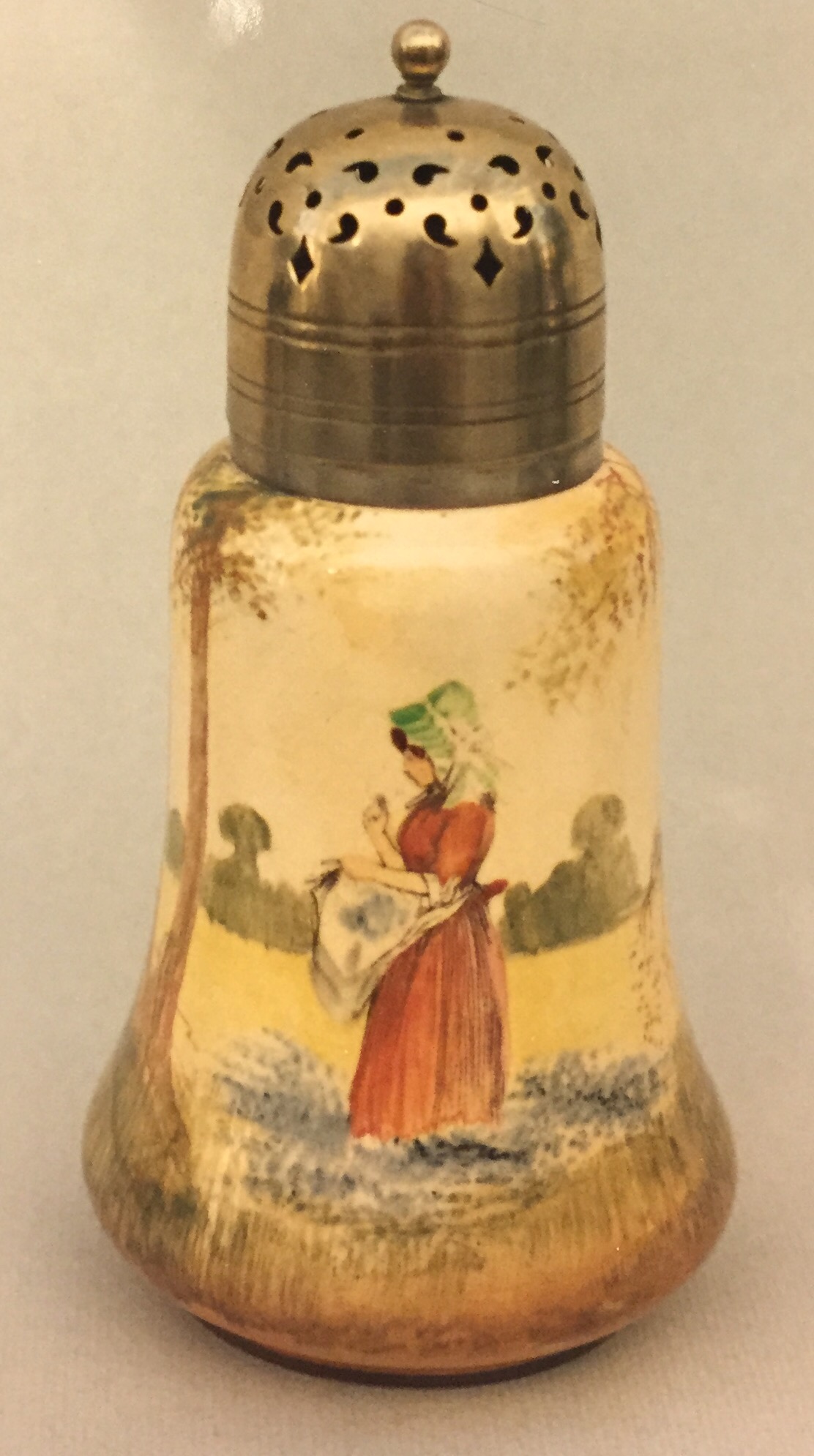
Collecting Doulton’s Bluebell Gatherers.

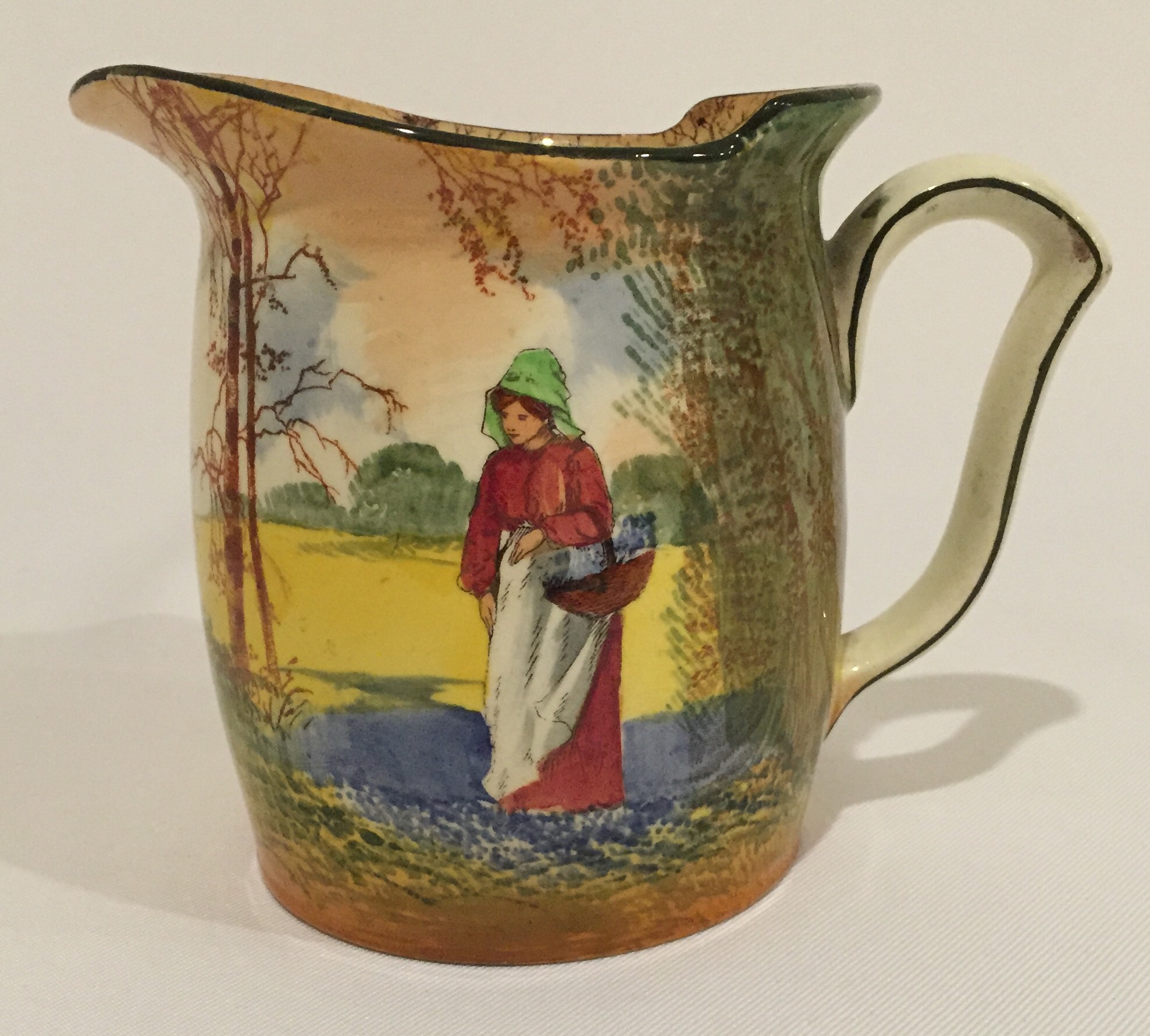
This delightful series was introduced in 1914 at the start of the First World War however, early examples can still be found despite wartime restrictions.

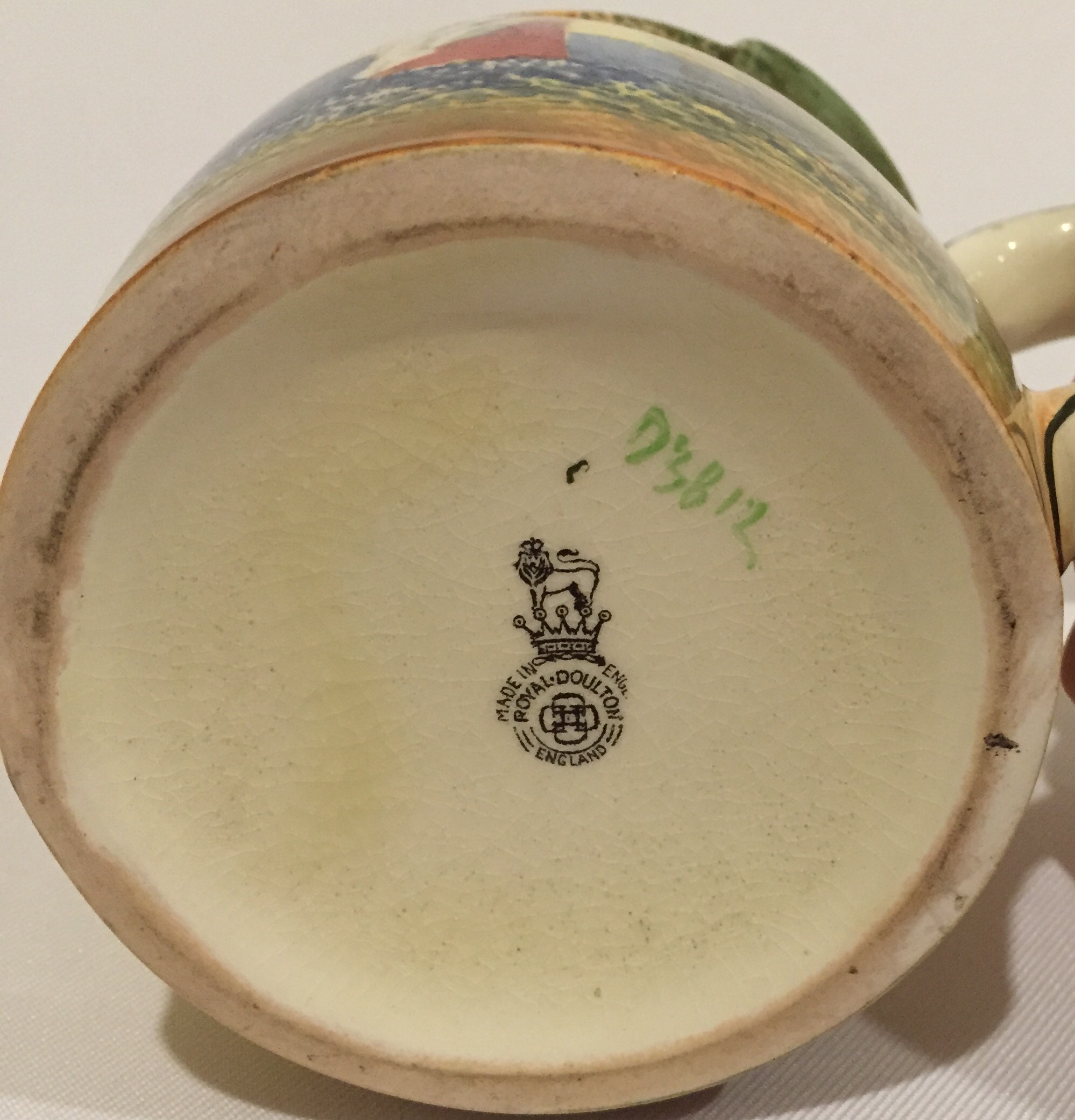
  In total there are some 12 scenes to collect which can bear one of three reference numbers: D3567, D3812 and E8503.  

  The series was withdrawn by 1928 and whilst rack plates are the most easily found items from this romantic series other items such as the sugar shaker and even a tea set have been found. 

  Typical of the early patterns they feature much hand painting too that give them an extra special appeal to collectors! 
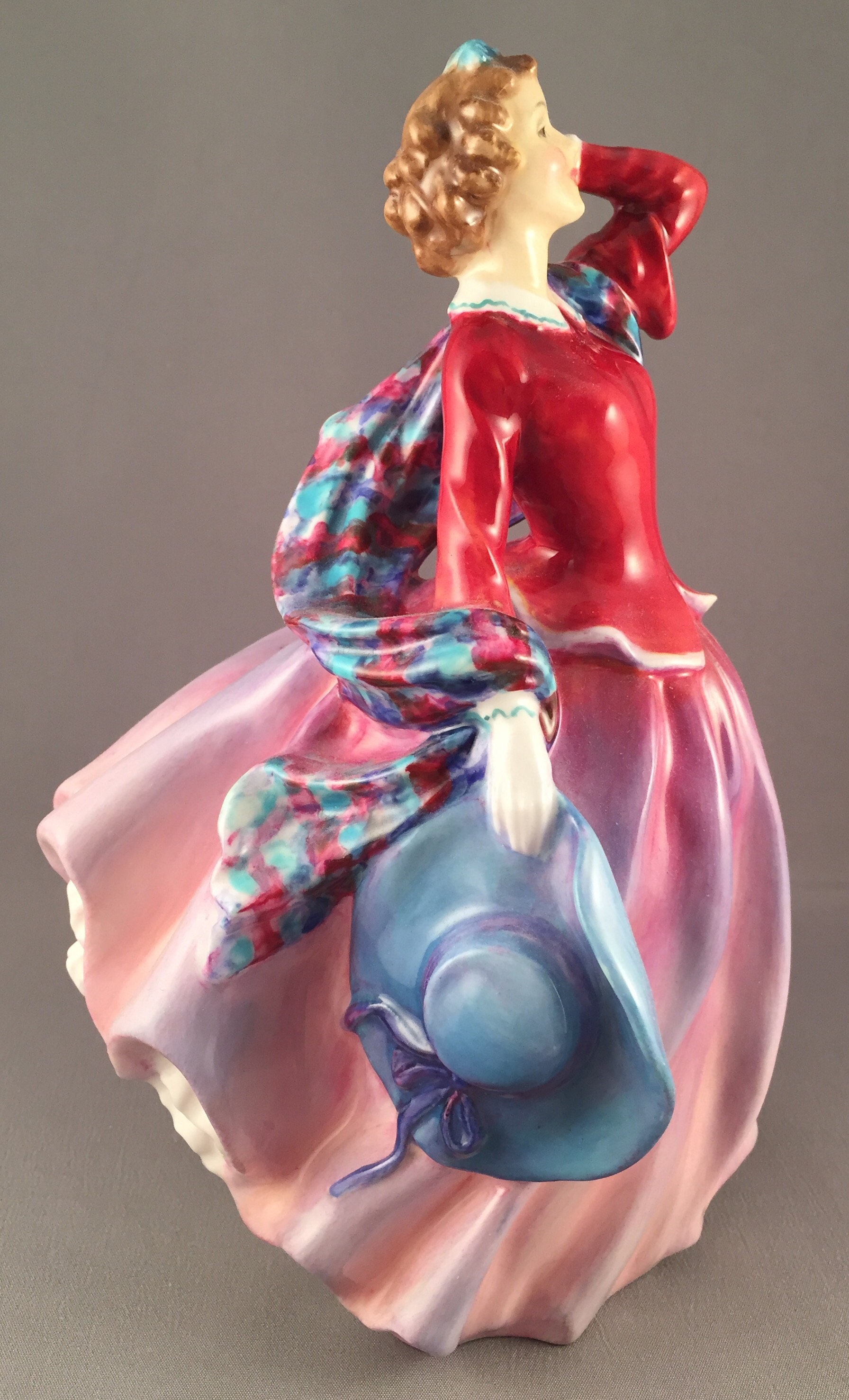
Royal Doulton’s figurine Blithe Morning exudes a blithe spirit all of her own!
Leslie Harradine’s figurine Blithe Morning certainly has non of the ghostly spirit of the film Blithe Spirit, that invariably influenced her name! The film Blithe Spirit appeared in 1945 and was based on the play of the same name by Noel Coward. The play and film are centred around the socialite and novelist Charles Condomine, who invites the eccentric medium and clairvoyant, Madame Arcati played by Margaret Rutherford, to his house to conduct a séance, hoping to gather material for his next book. The deception backfires when he is haunted by the ghost of his annoying and temperamental first wife, Elvira, after the séance. Elvira makes continual attempts to disrupt Charles’s marriage to his second wife, Ruth, who cannot see or hear the ghost. The comedy is now a classic film.

  
Harradine’s very typical Doulton lady exudes her own kind of blithe spirit as strolls carefree into an oncoming breeze. Introduced in 1949 as HN 2021 in blue colourway and a year later as HN 2065 in a red colourway so favoured by Doulton collectors. She remained in production for some 20 plus years and today’s she is the type of figure that every Harradine collector wants! 

  
Pictured along with the two typical colourways is a further colourway from 1948, which is almost a combination of the two official versions but as is usual with colourways there is added detail particularly to her shawl. 

Royal Doulton’s Corolian Ware 1891-1902

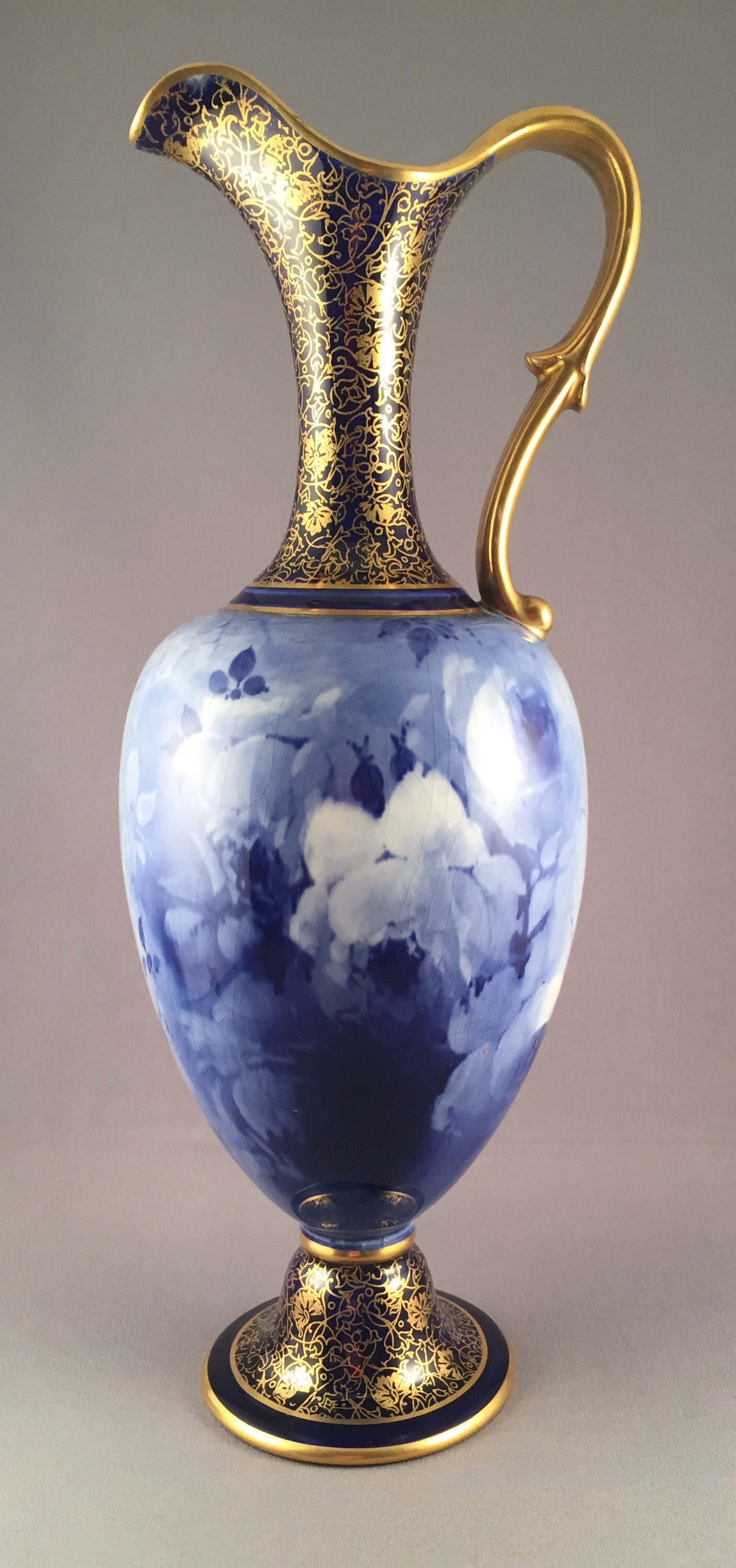
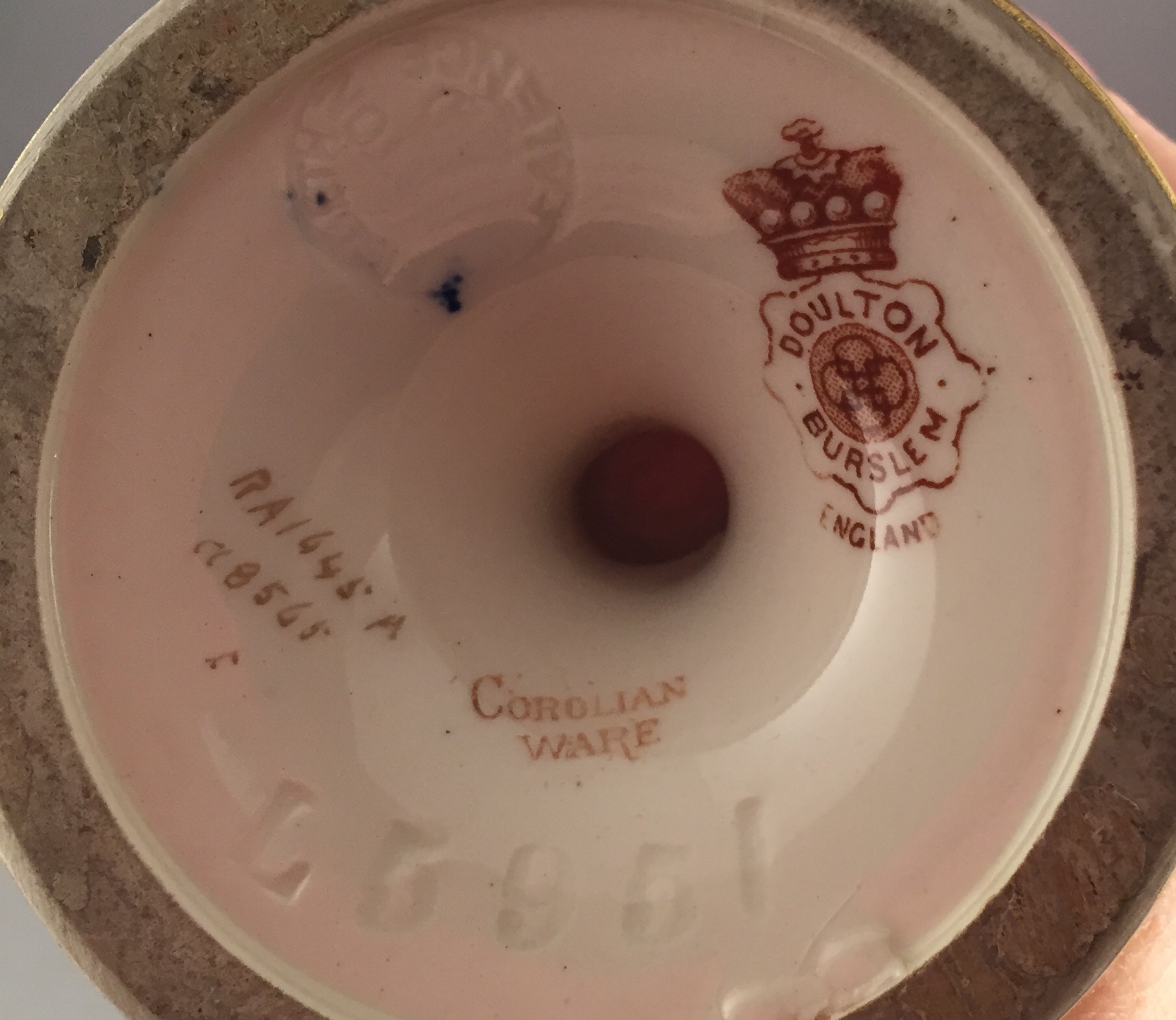
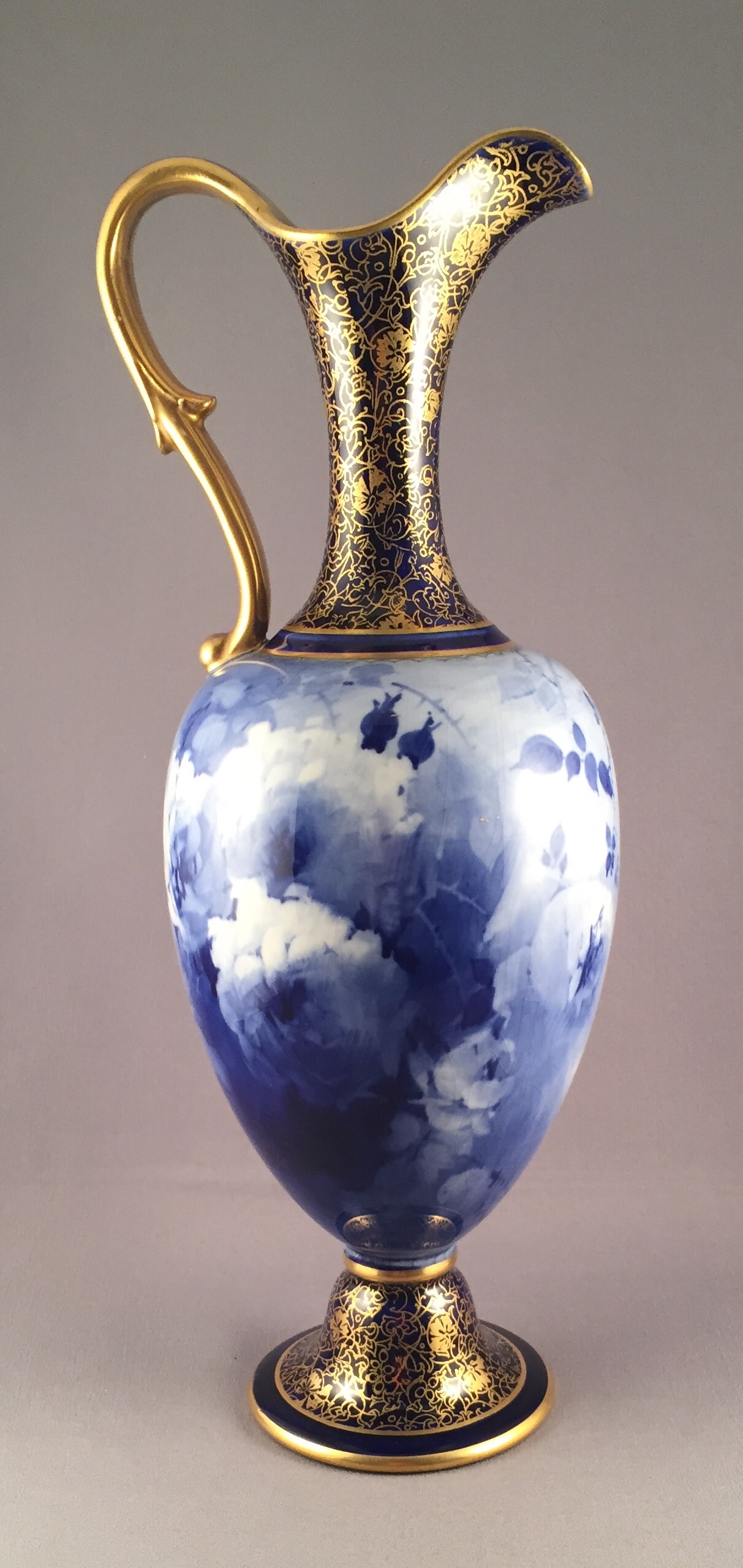
  This type of ware was an invention of John Slater and because of the period of production can be found with the Doulton coronet backstamp. No doubt the name is derived from corolla as the images on these pieces are typically floral. 

  The process involved multiple firings of blue and white transfer images which gave them depth and one can usually find one of Robert Allen’s pseudonym signatures on the body of vases: Kelsall and A. Wagg.


Royal Doulton’s ‘well fires’.

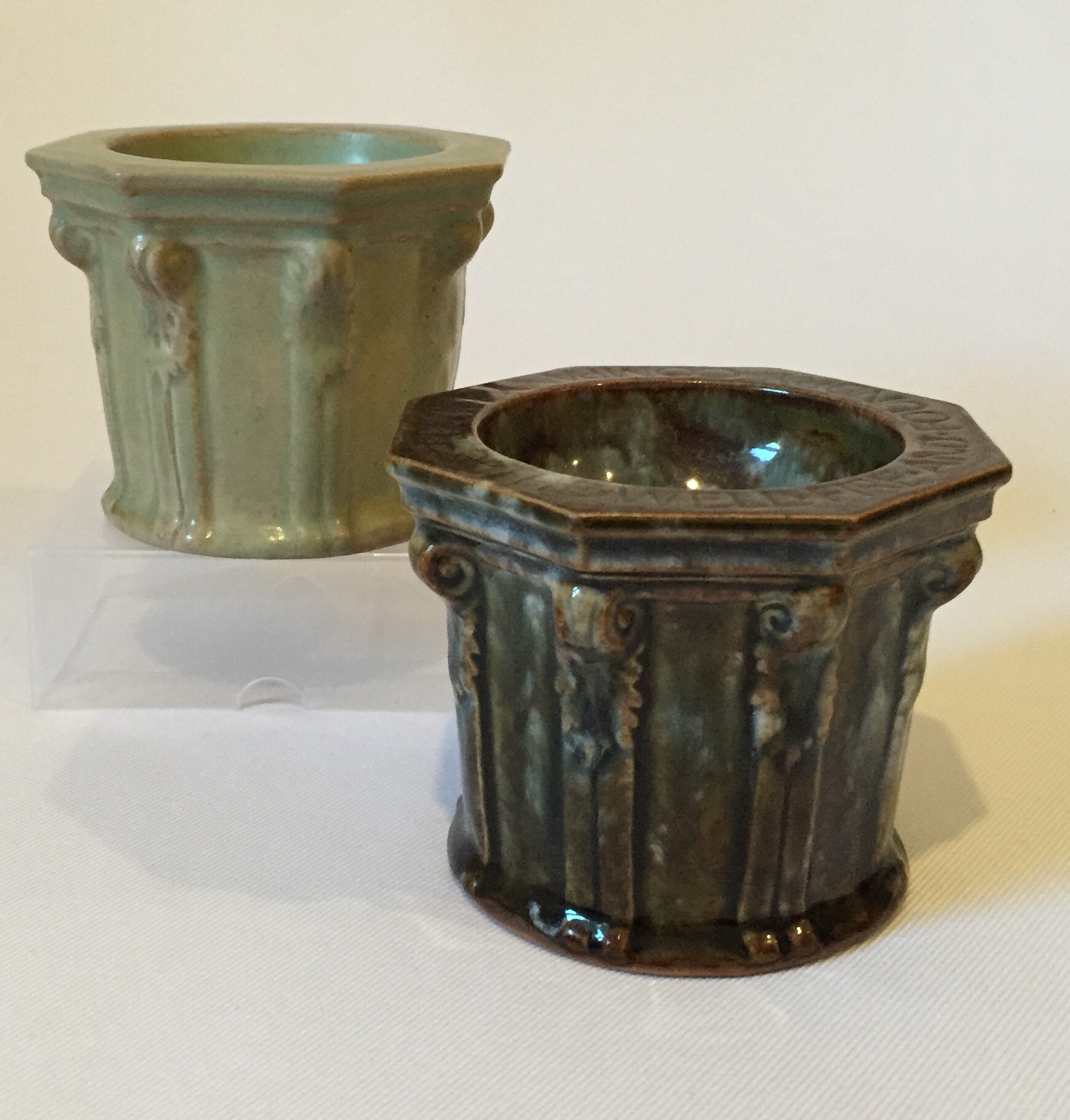
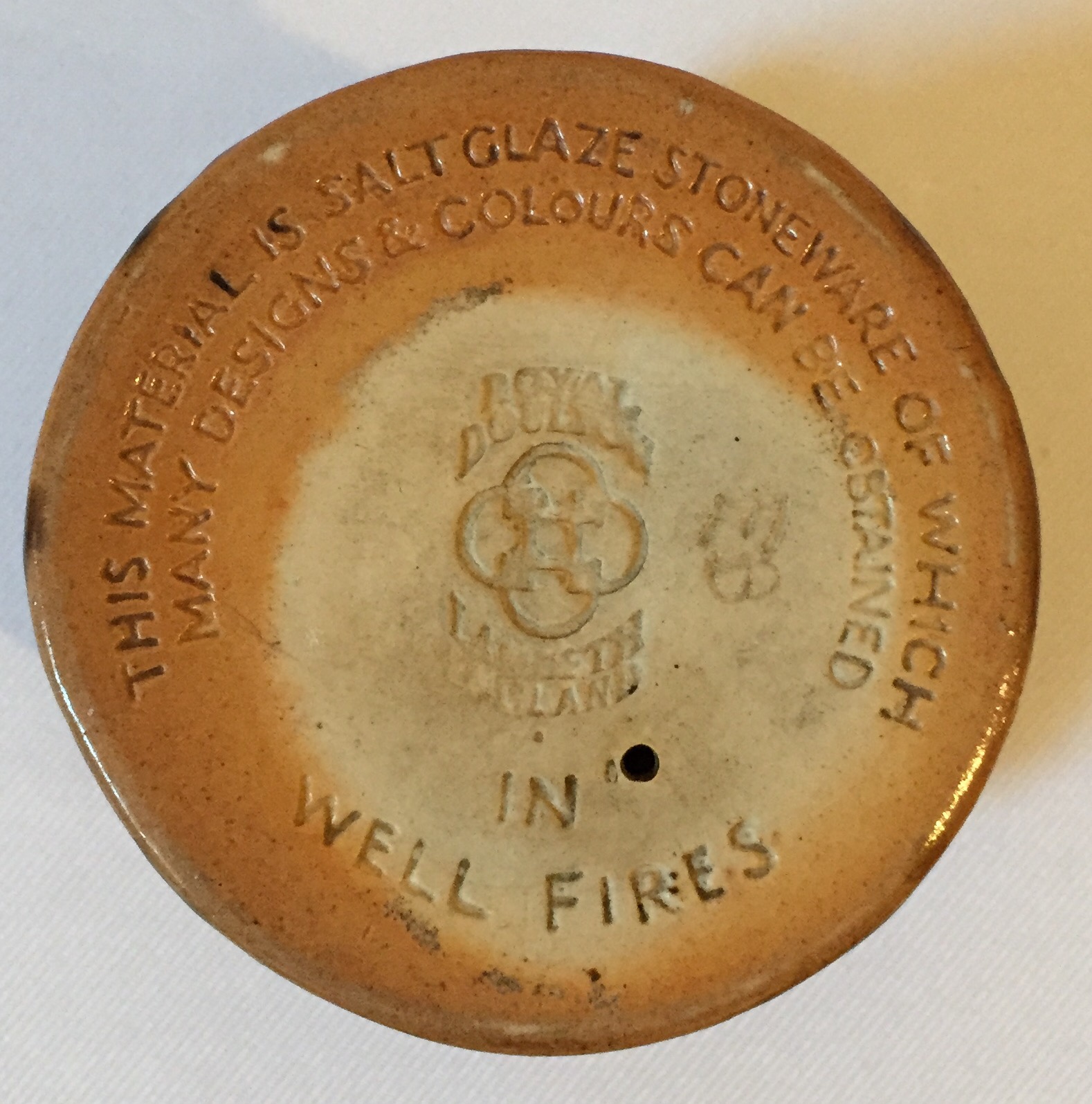
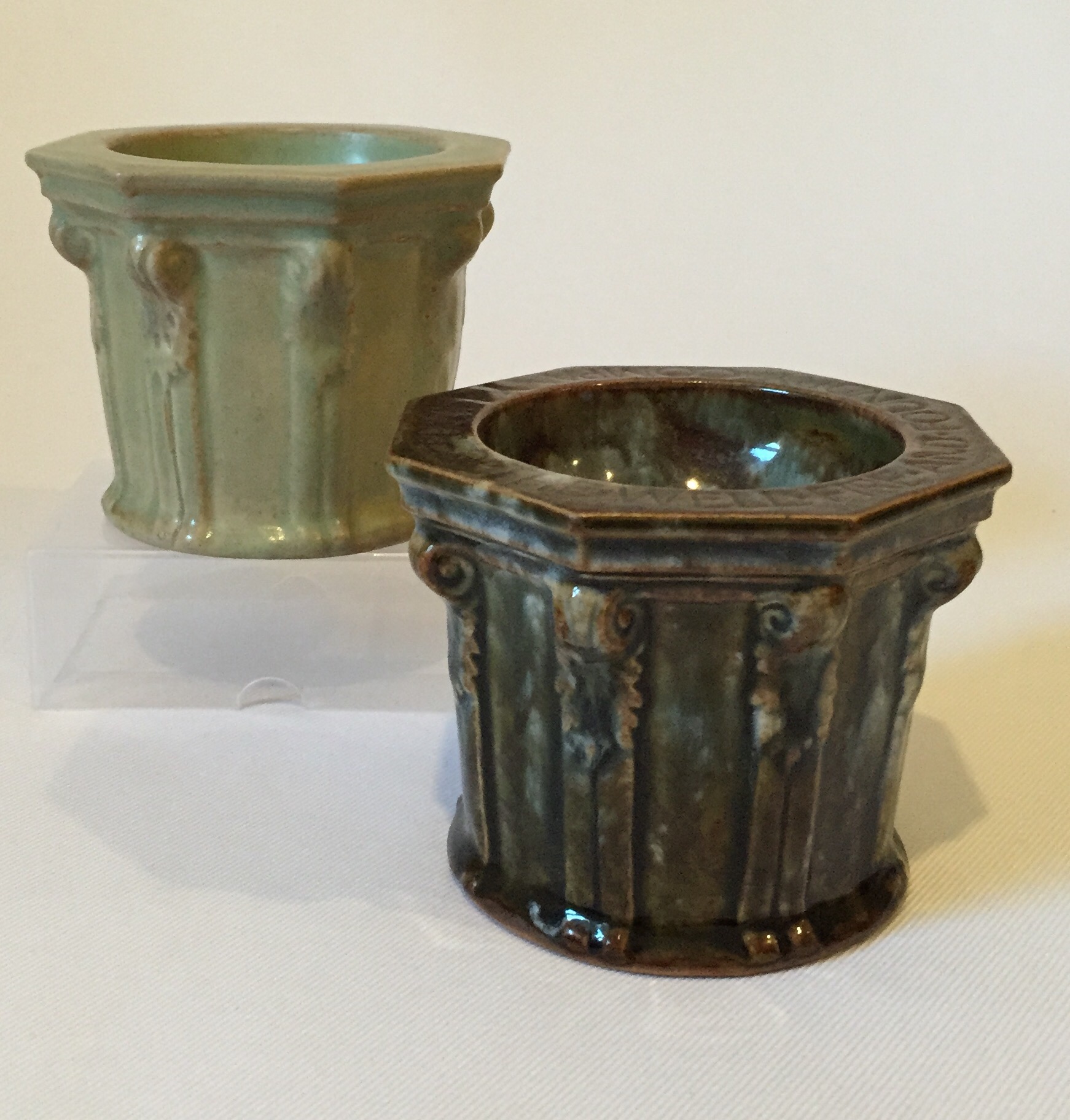
  These charming small size fonts are often mistaken for just that – a mini church font but they are in fact so called fire wells.  It is hard to imagine their actual function in that the two illustrated measure a diminutive 8cm tall and the full size versions I have seen around 20cm.

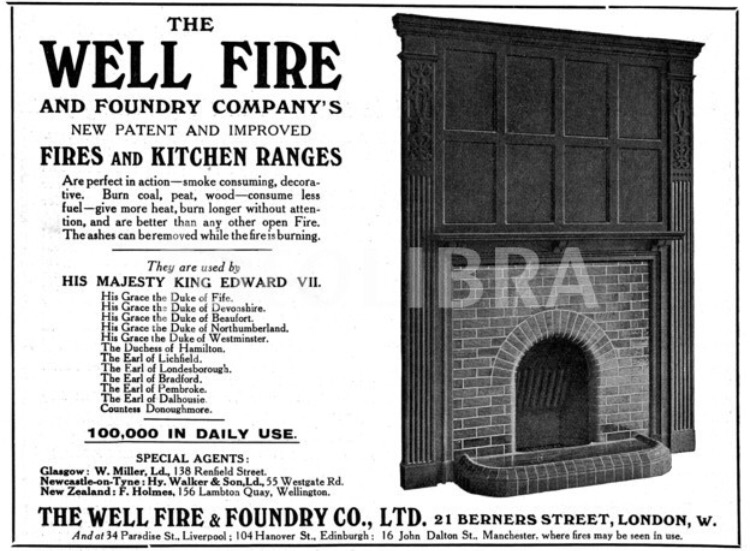
They have been previously described as examples of Doulton advertising for themselves, but the Well Fire and Foundry Co was a company of yesteryear as you can see from this advert found on the Internet. These items for the company date to the 1920’s and 1930’s.

 
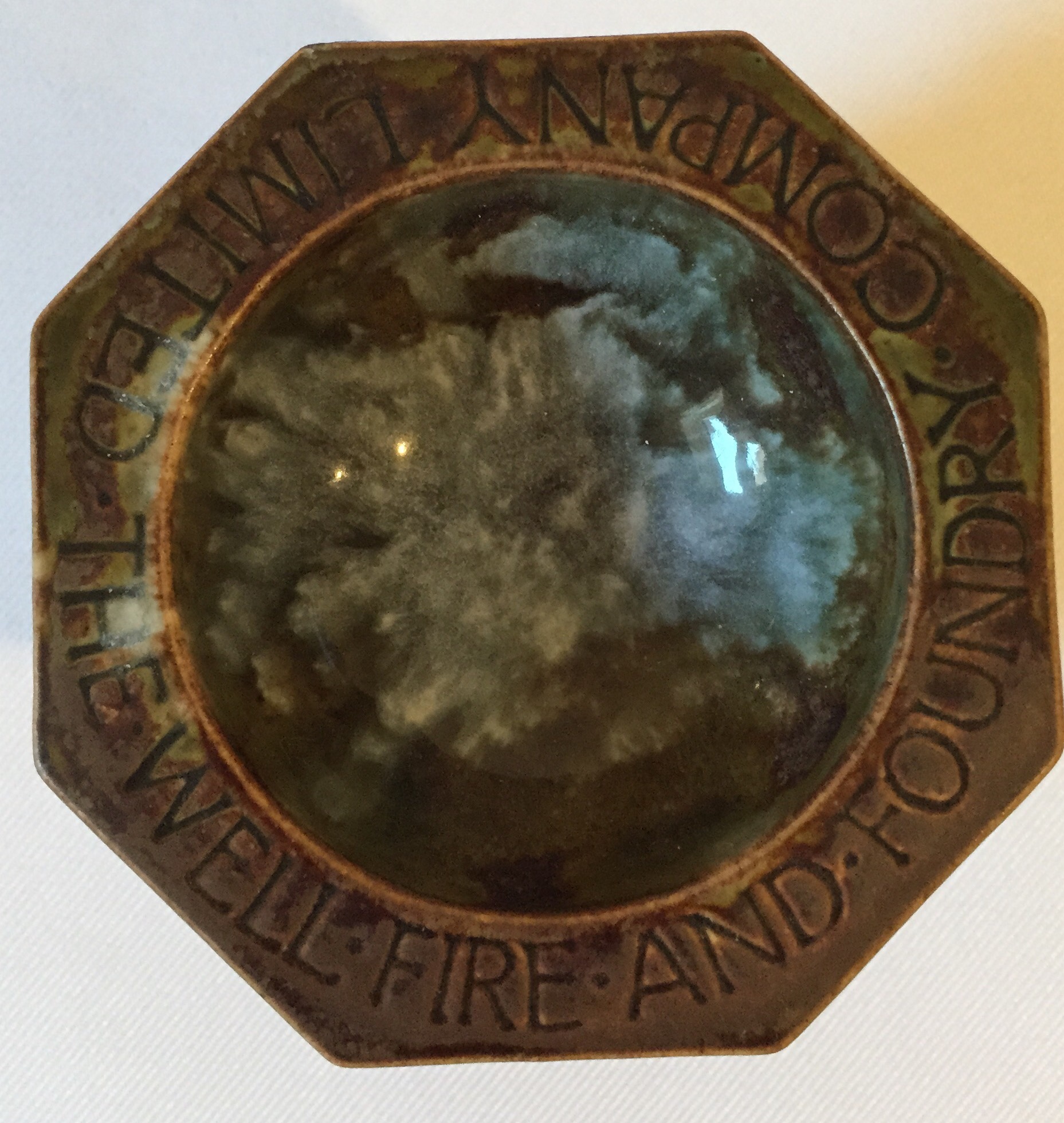
The darker of the two examples pictured above is an advertising piece for the Well Fire and Foundry Company Ltd and the base details options available. 

 
The light green version in a matt glaze bears no indication of its use but simply the usual Doulton impressed mark, suggesting Doulton sold them too as fancies, or ashtrays, or indeed mini well fires!  

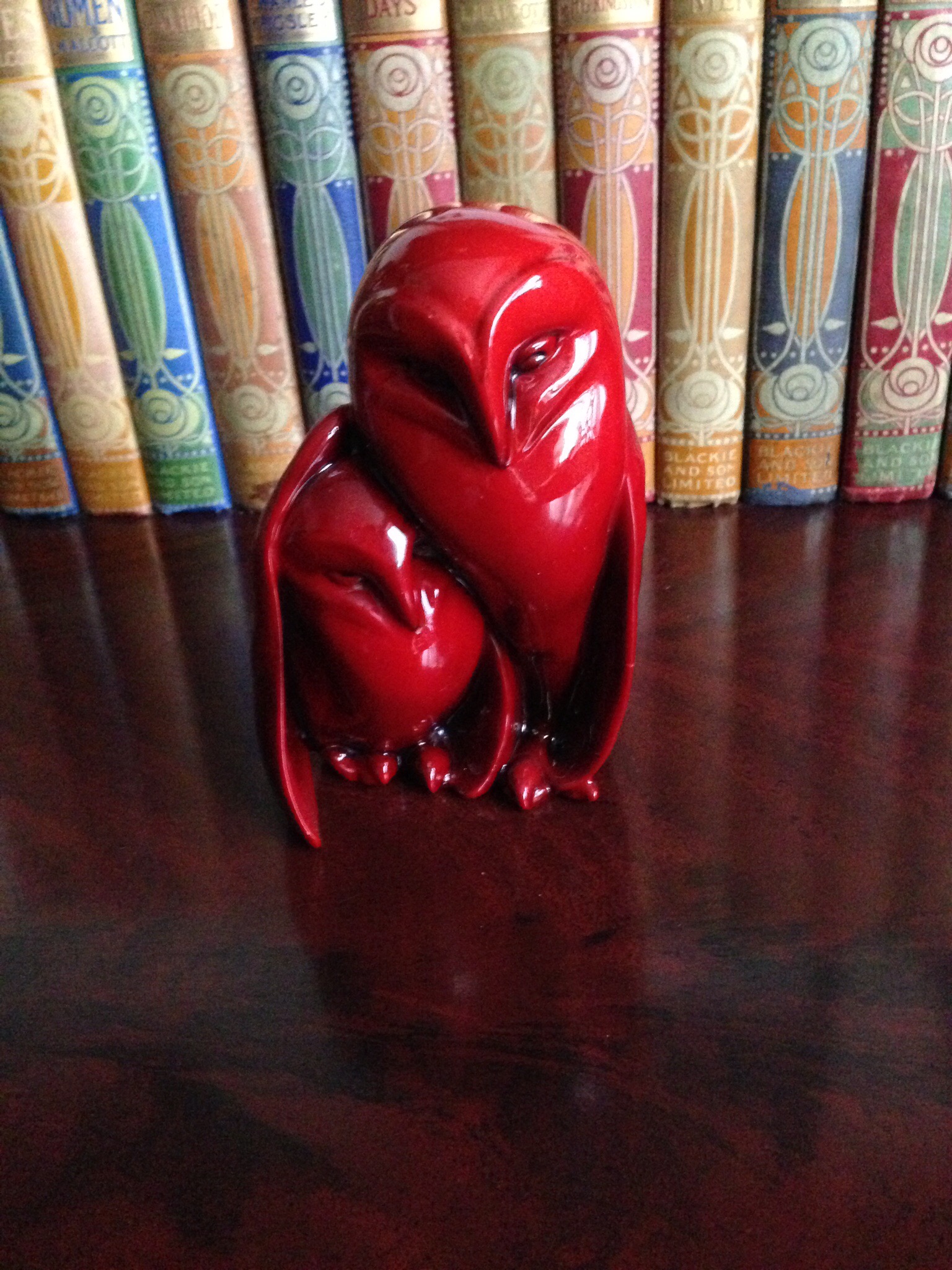
Doulton’s nesting owls and owlets! 

Animals have always been a popular giftware line for Doulton’s with many animal models even pre-dating the first introductions to their famous HN figure range in 1913.


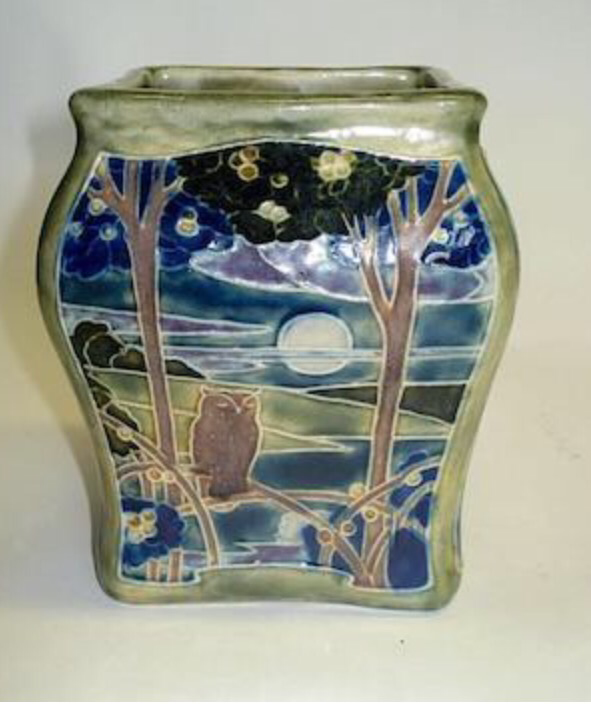
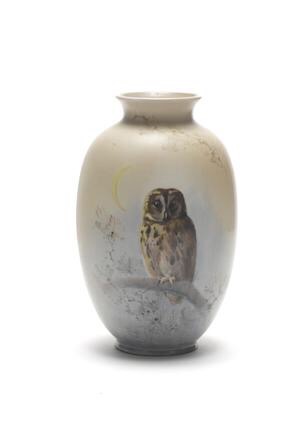
A Titanian vase featuring an owl – always a popular subject!

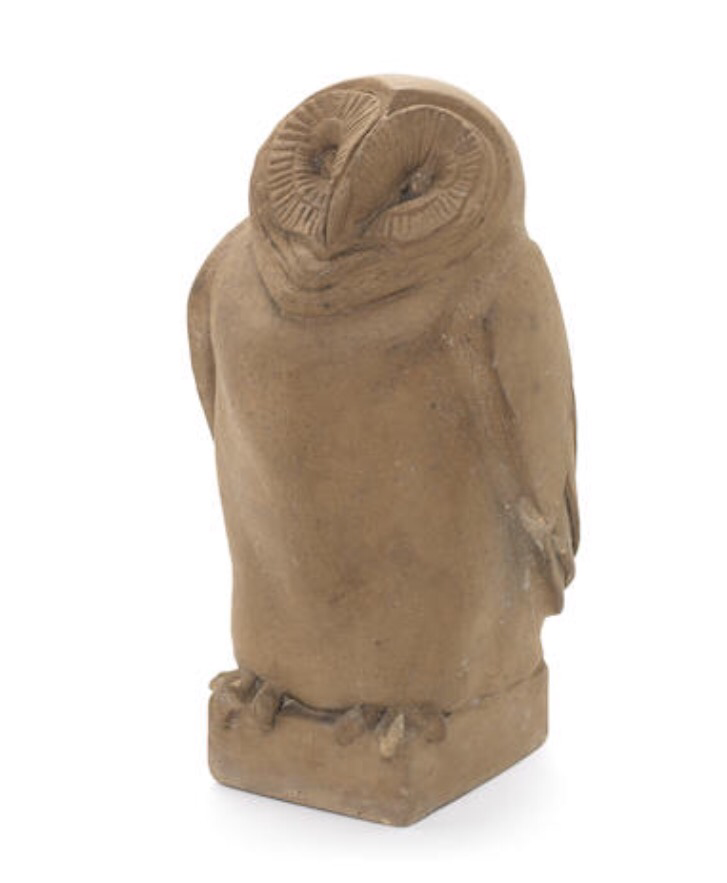
One particular animal that always has collectors clamouring for it is the owl – produced in many variations from character examples, to realistic interpretations!


A very unusual version of Granny Owl.

Even before the early HN animals, owls featured in many Doulton Lambeth works of art! The great Leslie Harradine modelled this vase for reproduction; ‘night and day’ shown here with the owl central to the night panel!


There are further examples by the likes of Simmeon and Pope of garden statuary…


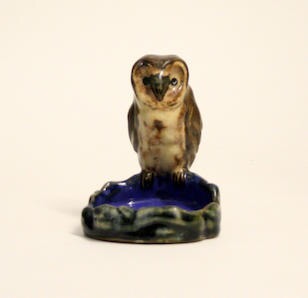
…and of course this charming Bibelot…


…to this tooth pick holder…


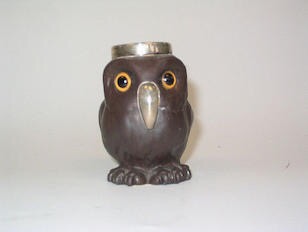
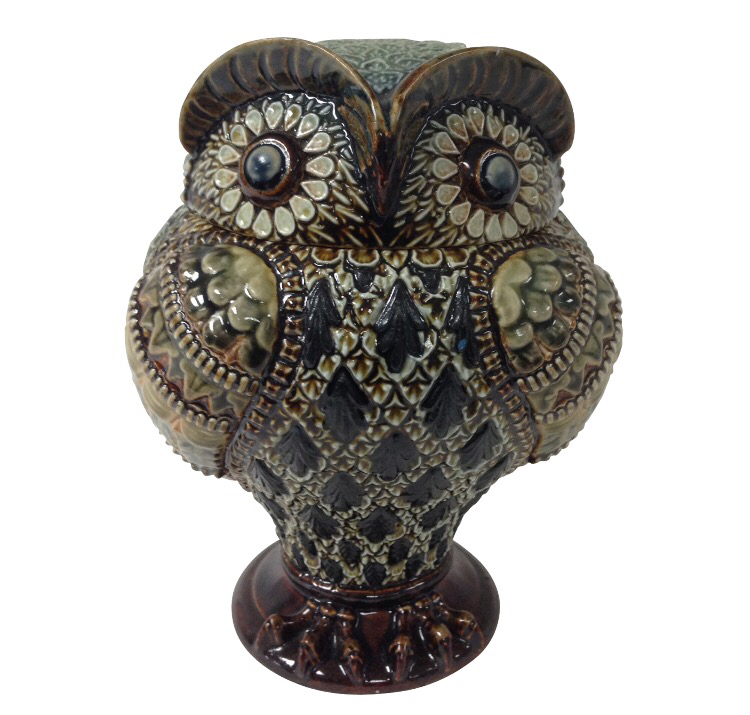
….and even this wonderful biscuit or tobacco jar in the form of an owl!

Returning to the Burselm studio, owls featured frequently in Doulton’s hand painted wares and in particular their Titanian range such as this example…


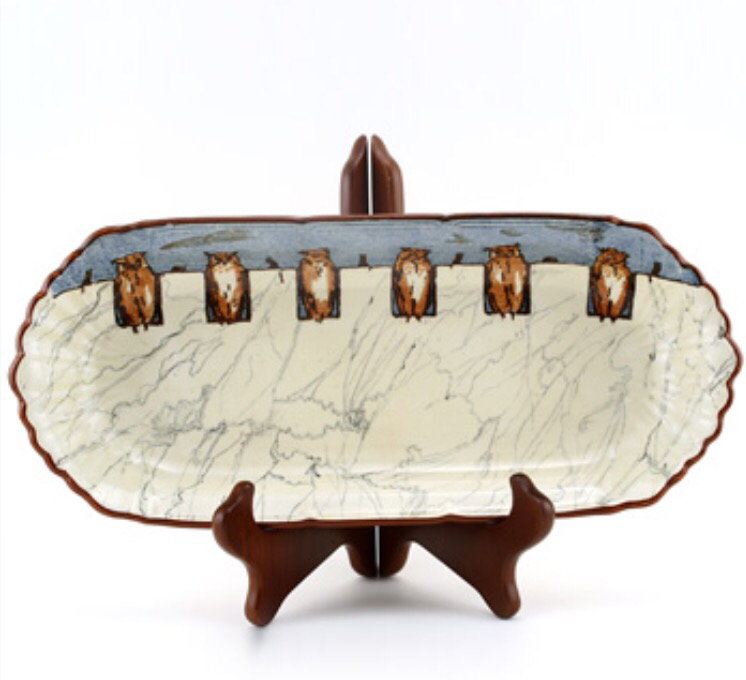
…and there is also a charming seriesware pattern featuring owls to collect – although examples are hard to find!


Doulton’s owl studies from the Burselm studio can be found in unusual glazes from Flambé to Sung, although once again these are hard to come by today!


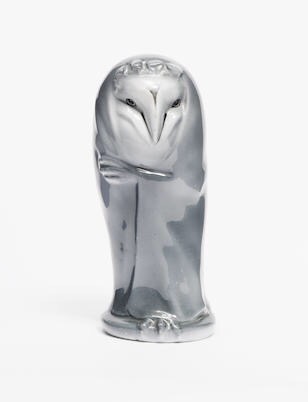
Rare flambé Owl and Owlet.

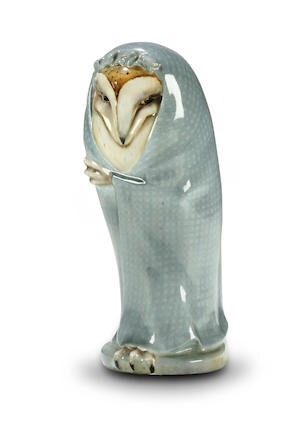
Perhaps my favourite example is this character owl ‘Granny Owl’ HN 187, wrapped up in her shawl and who perhaps explains their popularity as it embodies that romantic feel Doulton owls have and why collectors fight to own these delightful studies!

Doulton’s First World War Commemorative to the WAAC! 

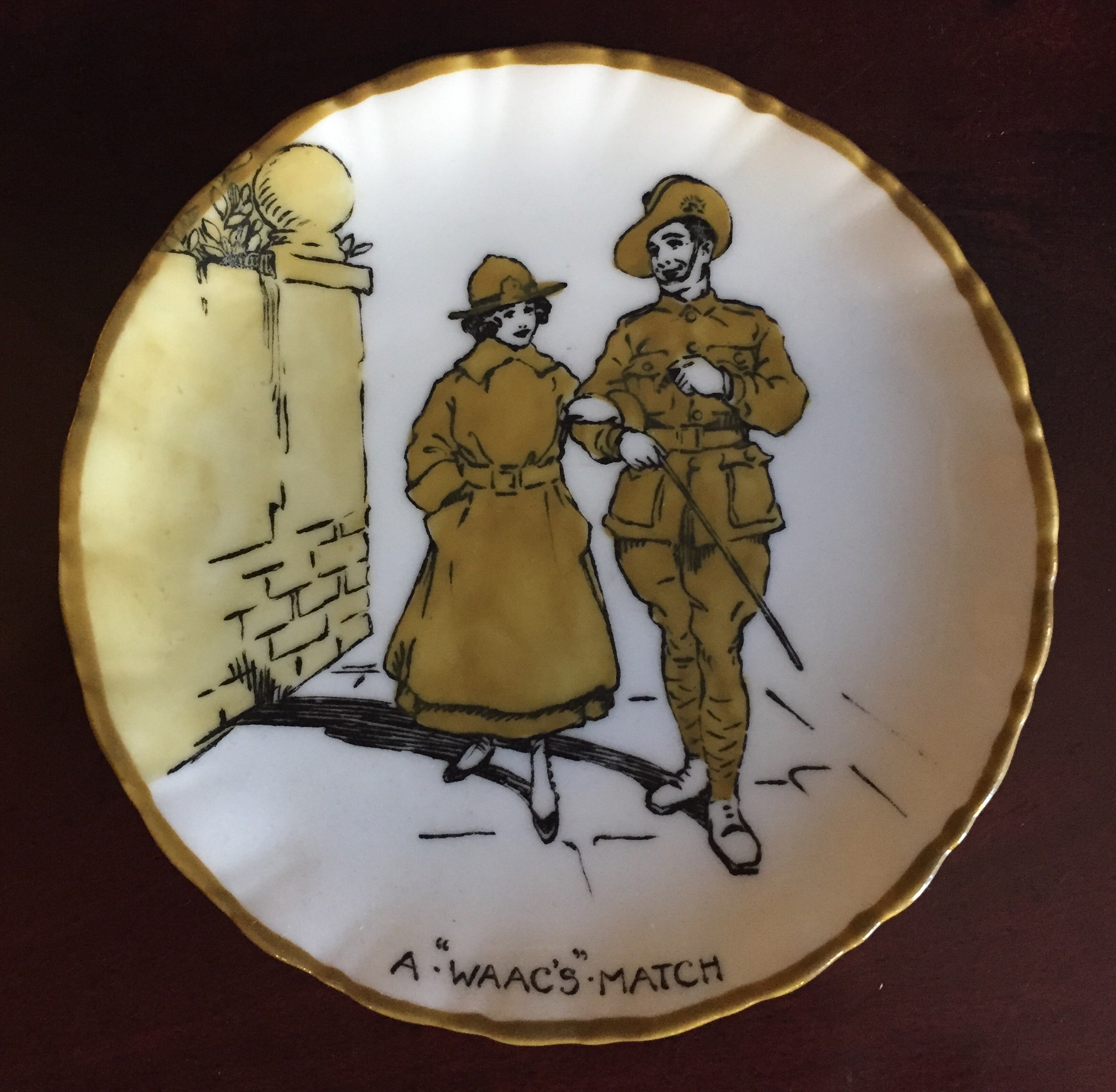
  Along with what we might term war themed commemoratives from WWI Doulton also produced this charming two scene series in 1919 featuring a WAAC and her beaus – one English and one australian! 

The Women’s Army Auxiliary Corps (WAAC) were formed to free up valuable and experienced soldiers from behind the front, for front line service. As part of the mobilisation of the whole country this milestone in the push for equal rights formed the basis for women’s service in the British Army to this day.

This rare series clearly had a short production run and I have only once seen the alternate version with the ‘lanky’ English soldier as opposed to the dashing Australian one pictured!

As for shapes – I have only seen this size of pin tray with this series on it! 

A humorous reflection back to a terrible war. 

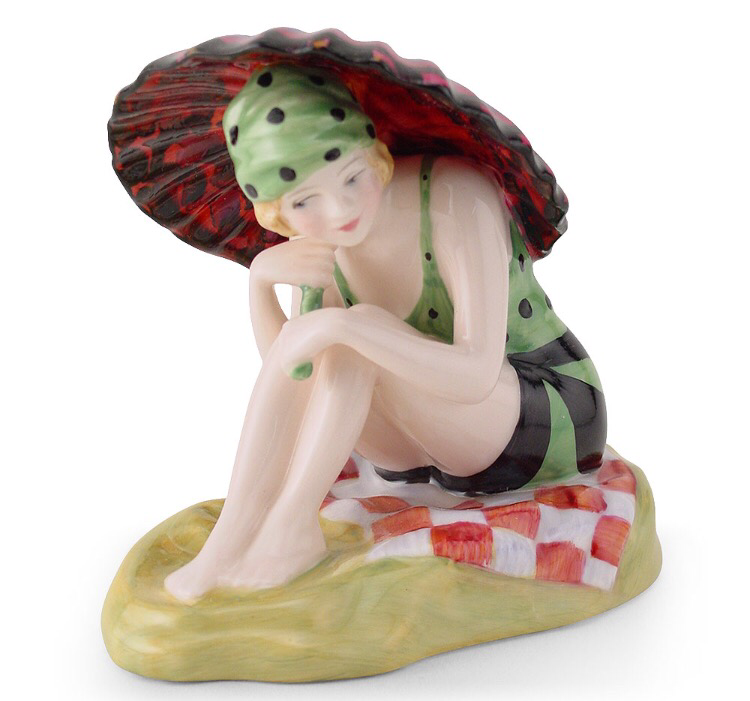
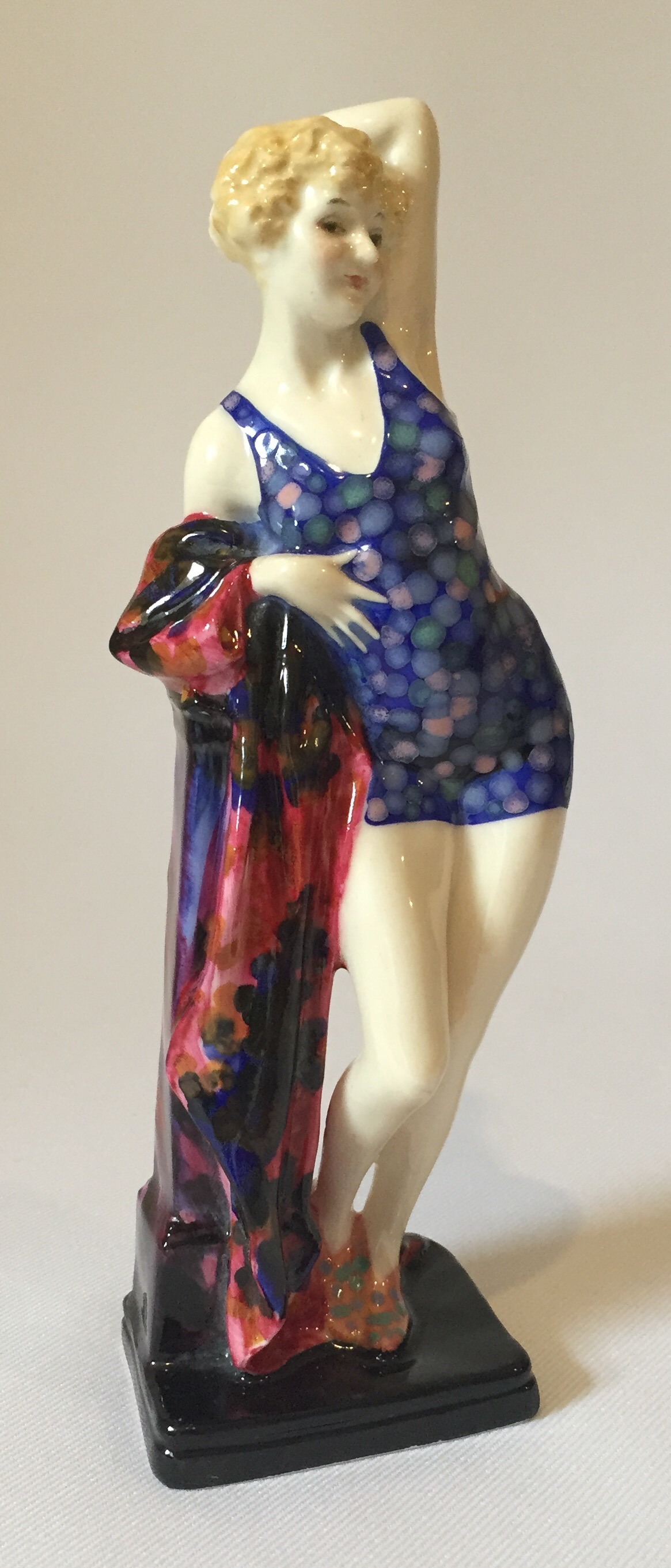
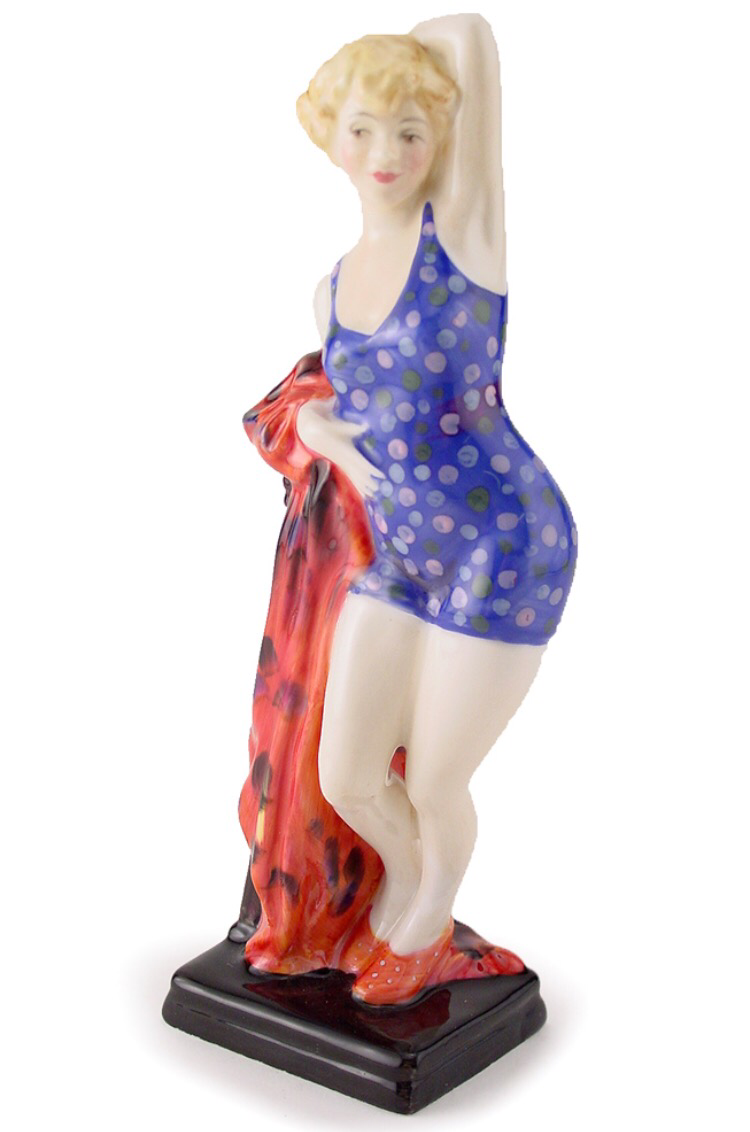
A look back at Royal Doulton’s Bathers Collection. 

Never have a group of figures so captured collectors’ imaginations and for so long, as Leslie Harradine’s wonderful creations from the 1920’s and 1930’s! 

  
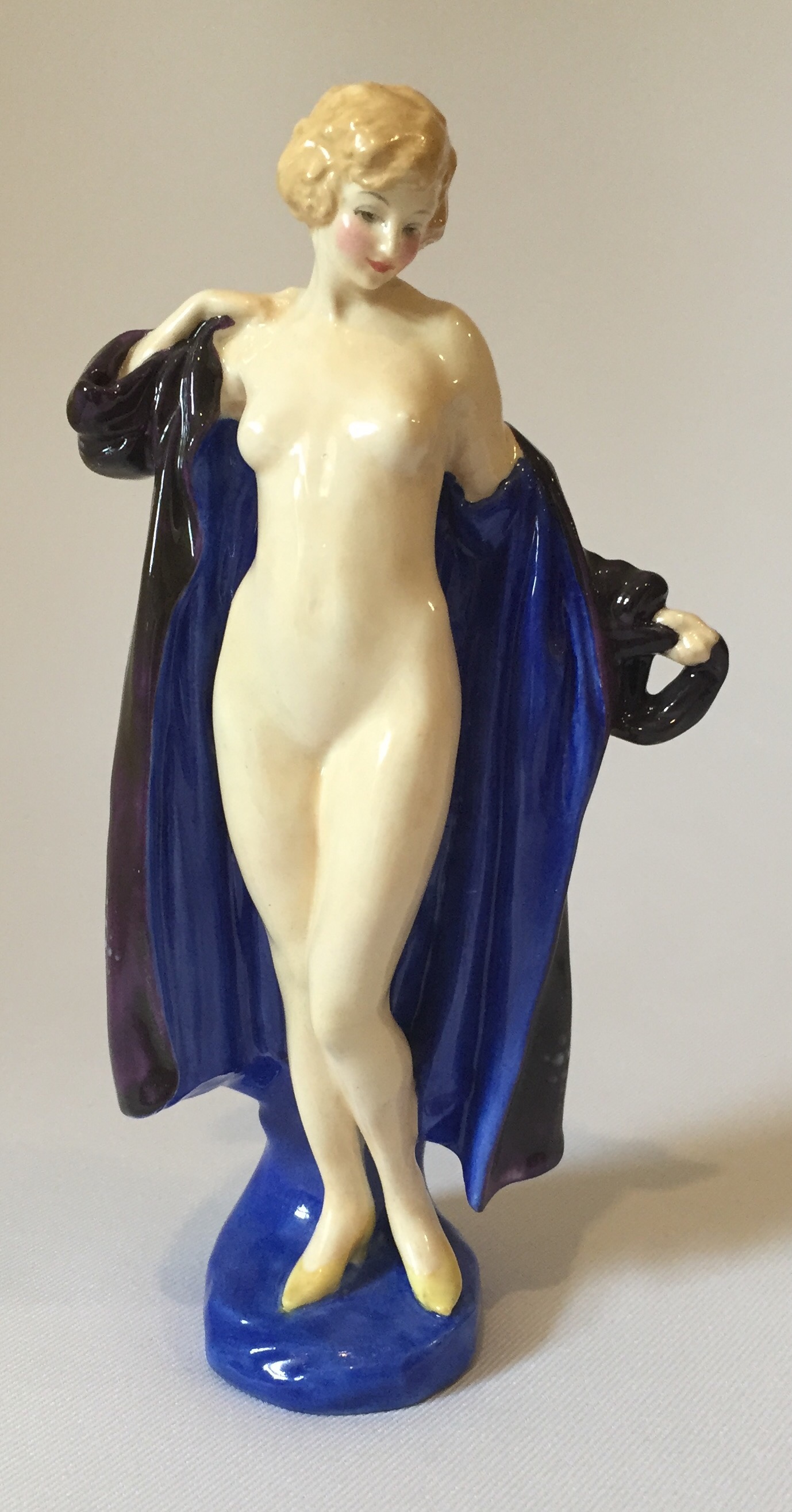
The Bather HN 687 (1924-1943).

Moreover this statement applies more than any to his deco ladies – be they nude, bathers or otherwise lounging in what we today think of as an art deco style. 

  
Lido Lady HN 1220 (1927-1936).

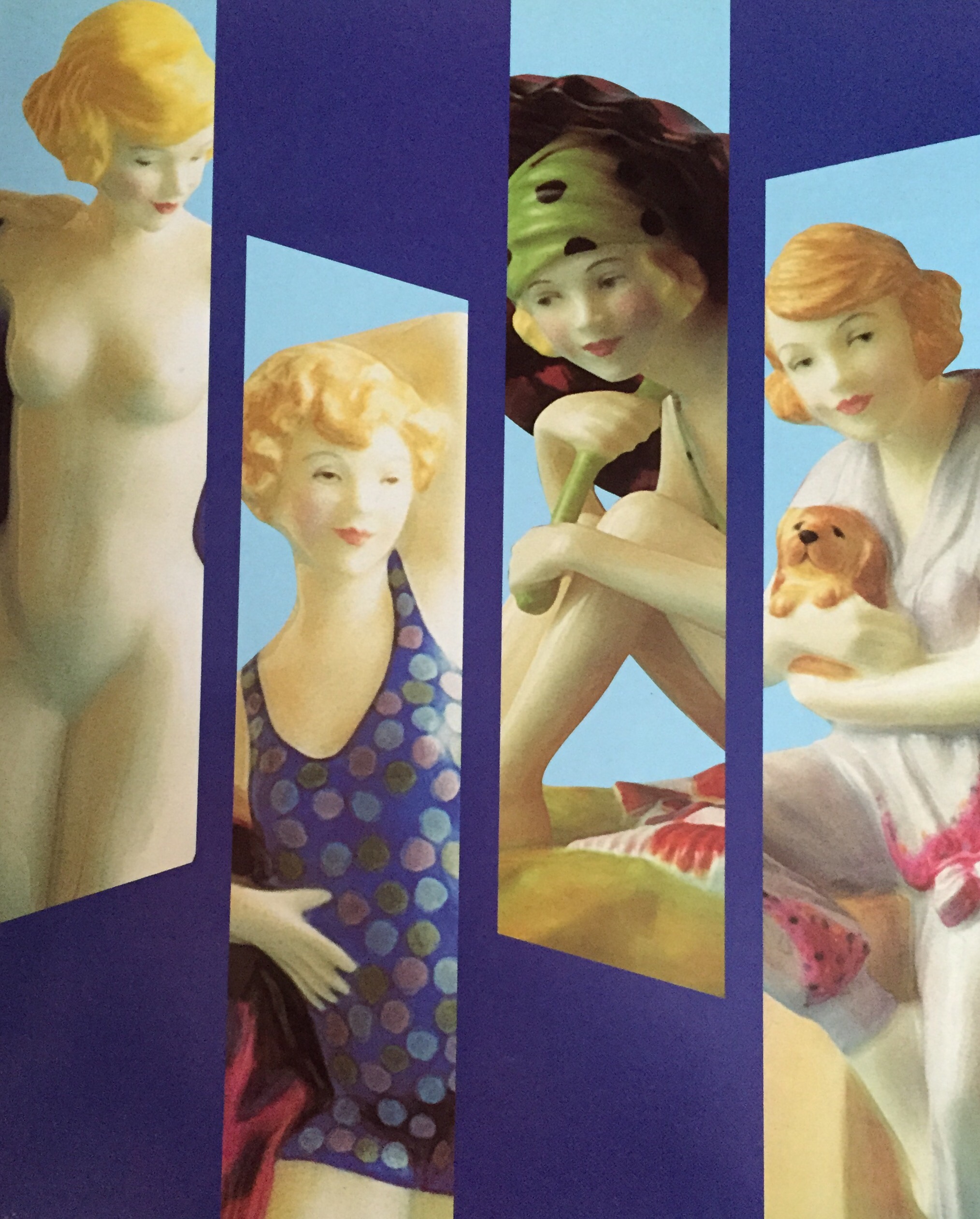
In 2000 Royal Doulton asked Nada Pedley to re-model four of Harradine’s classic deco ladies – the Bather, the Swimmer, Sunshine Girl and Lido Lady. Each was issued in a Limited edition of 2000 pieces and came with a Certificate of Authenticity. 

  
Sunshine Girl HN 4245.

Whilst each of the original figures was available in a selection of colourways the ones chosen for the new series were deemed to be the most classic colourways that collectors today would most appreciate owning. 

  
The Swimmer HN 1270 (1928-by 1938).

Indeed unless one has exceedingly deep pockets, many of these original studies are beyond the reach of most collectors – myself included! 

  
The Swimmer HN 4246.

Nada’s faithful interpretation of these early figures means that they stand alongside the originals without standing out too much. Naturally the methods of decoration over the years changed; such as the number of firings figures originally received to achieve their depth of colouring,  also the techniques and styles of face painting and of course the number of parts that make up each model giving them the refinement we associate with early figures. 

  
Regardless of their relative modernity these new figures are true modern day collectibles in their own right – and when you consider the total scarcity of Sunshine Girl for example one can understand their appeal! 

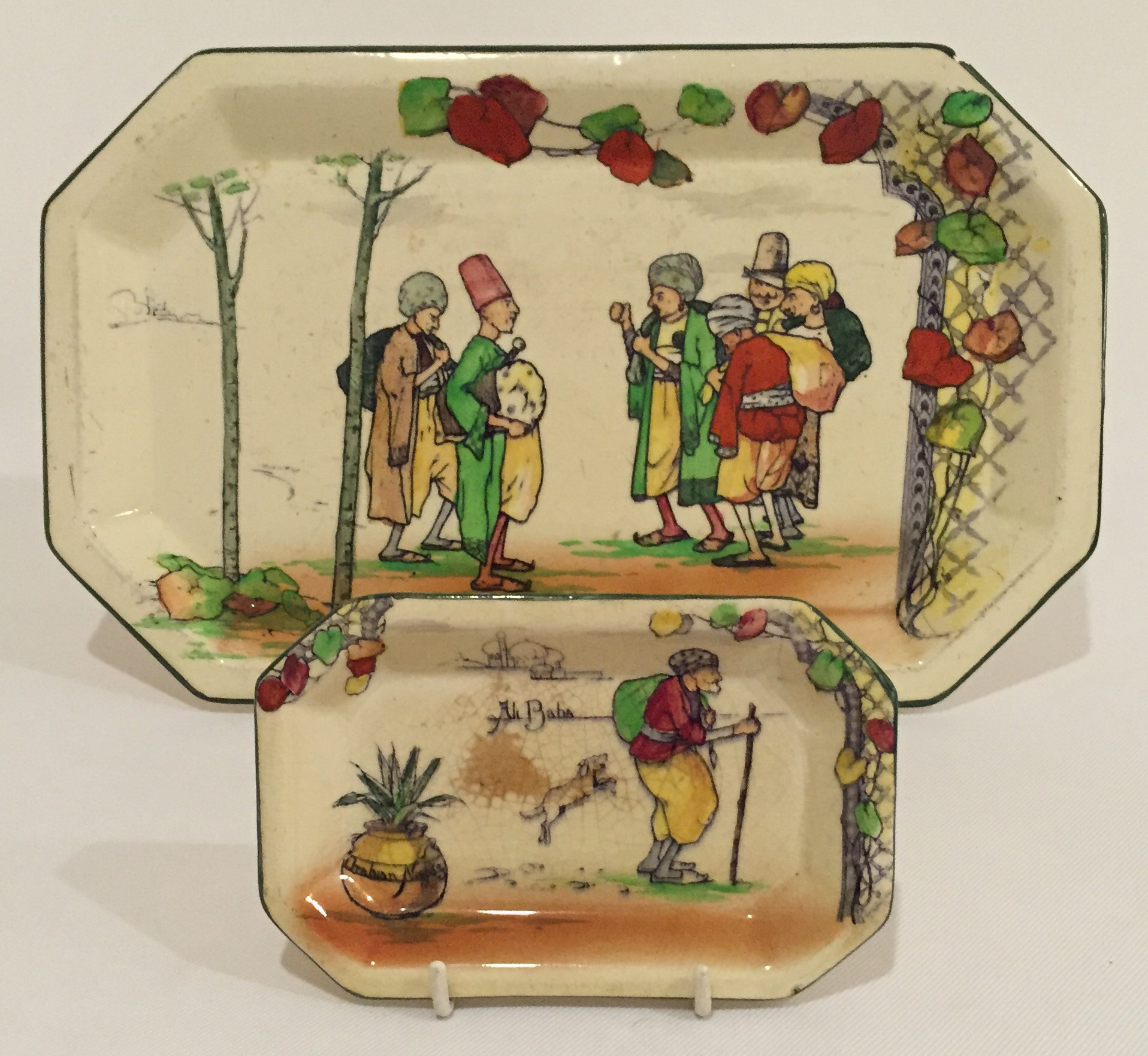
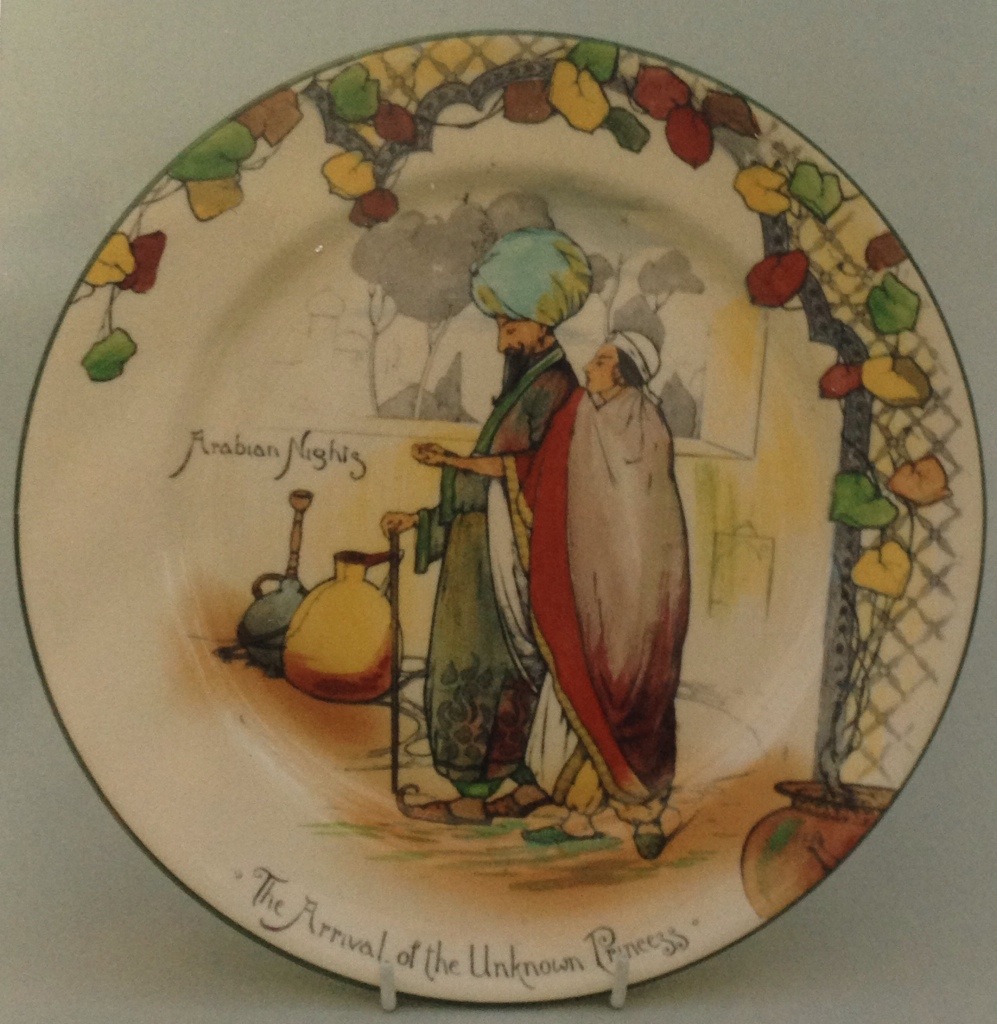
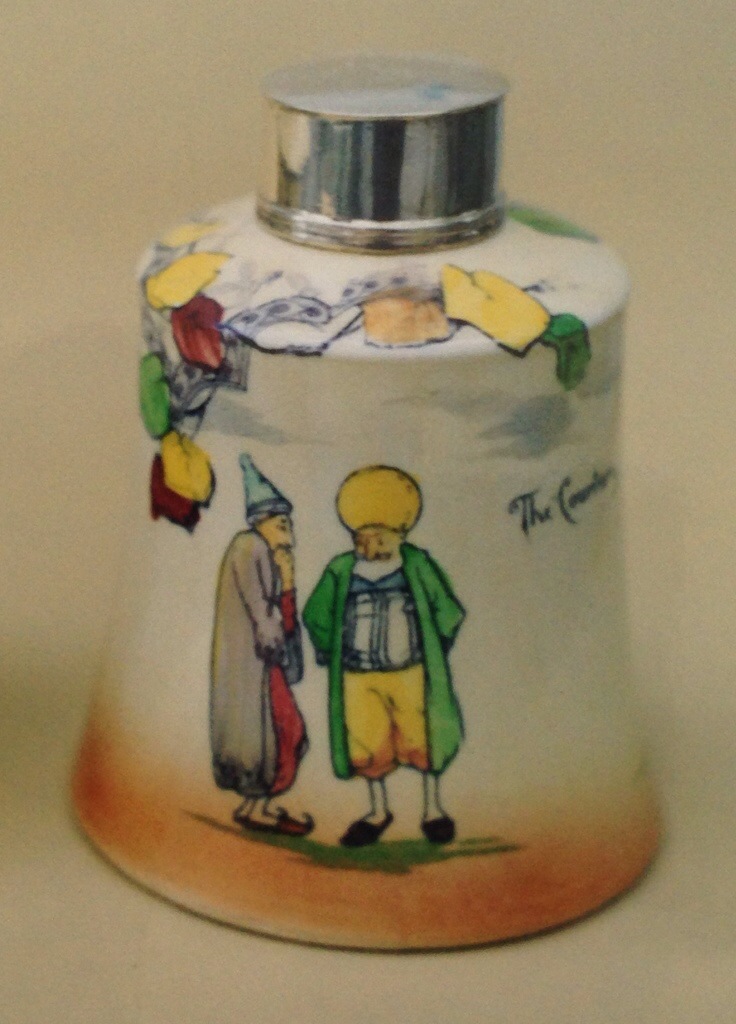
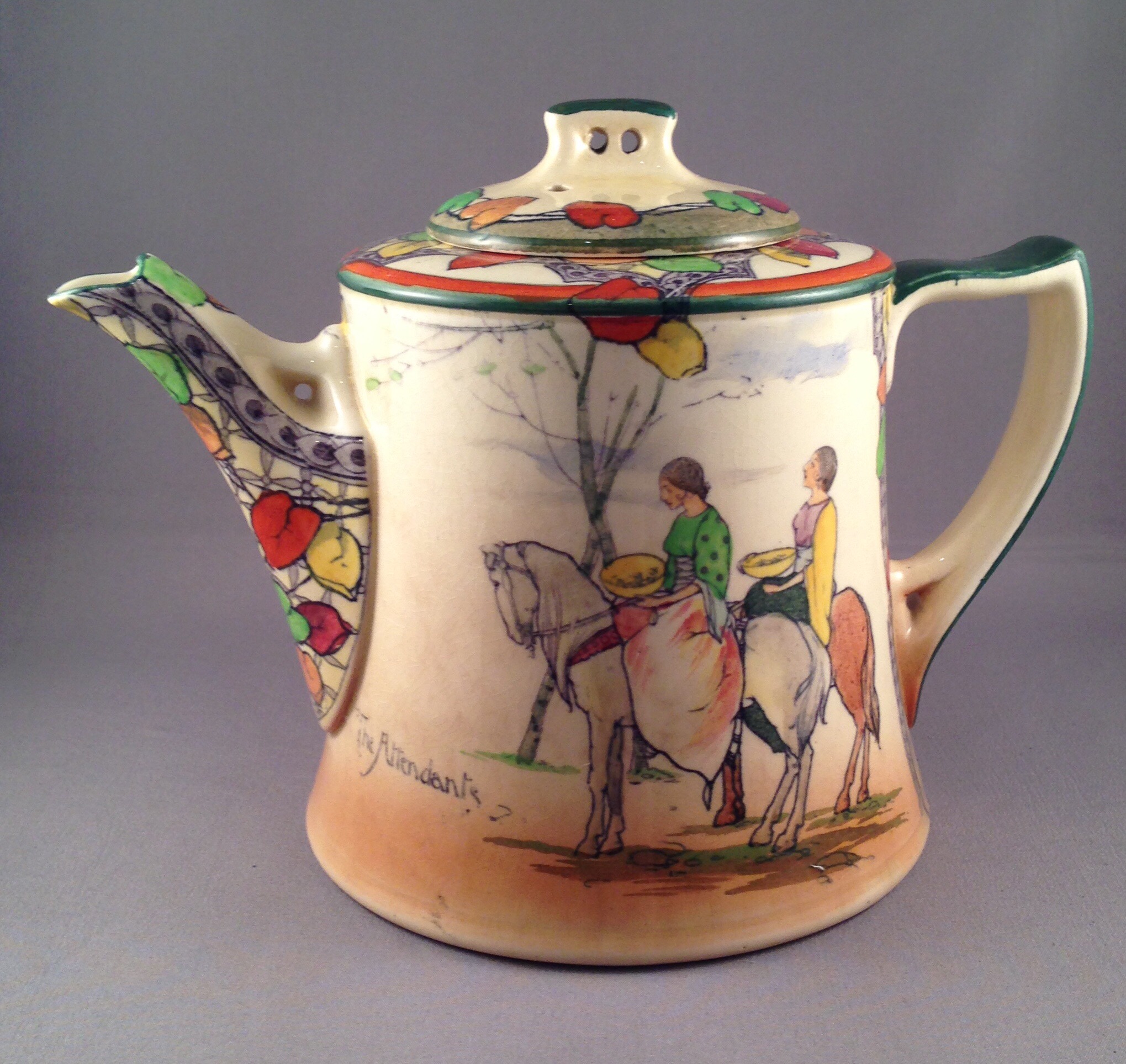
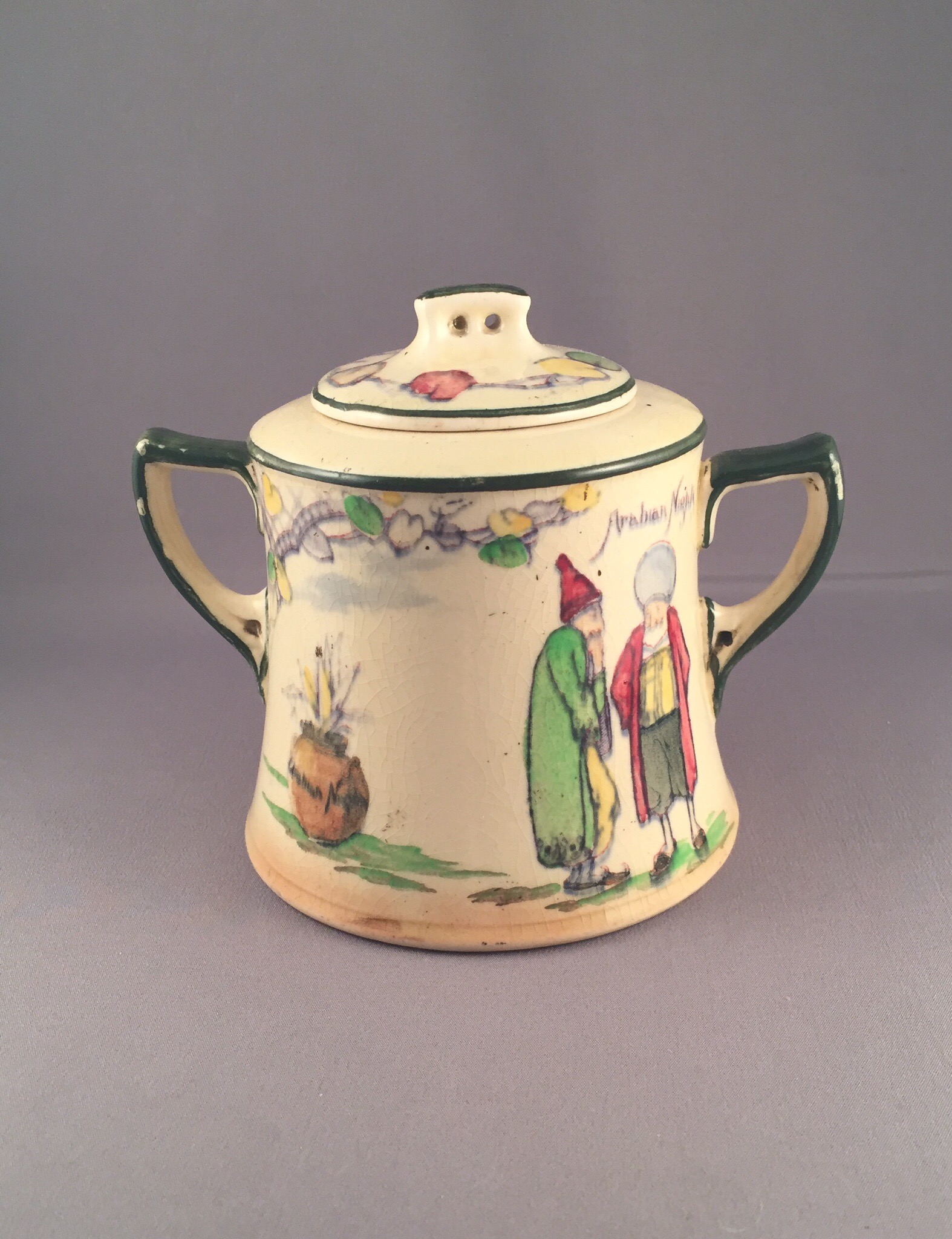
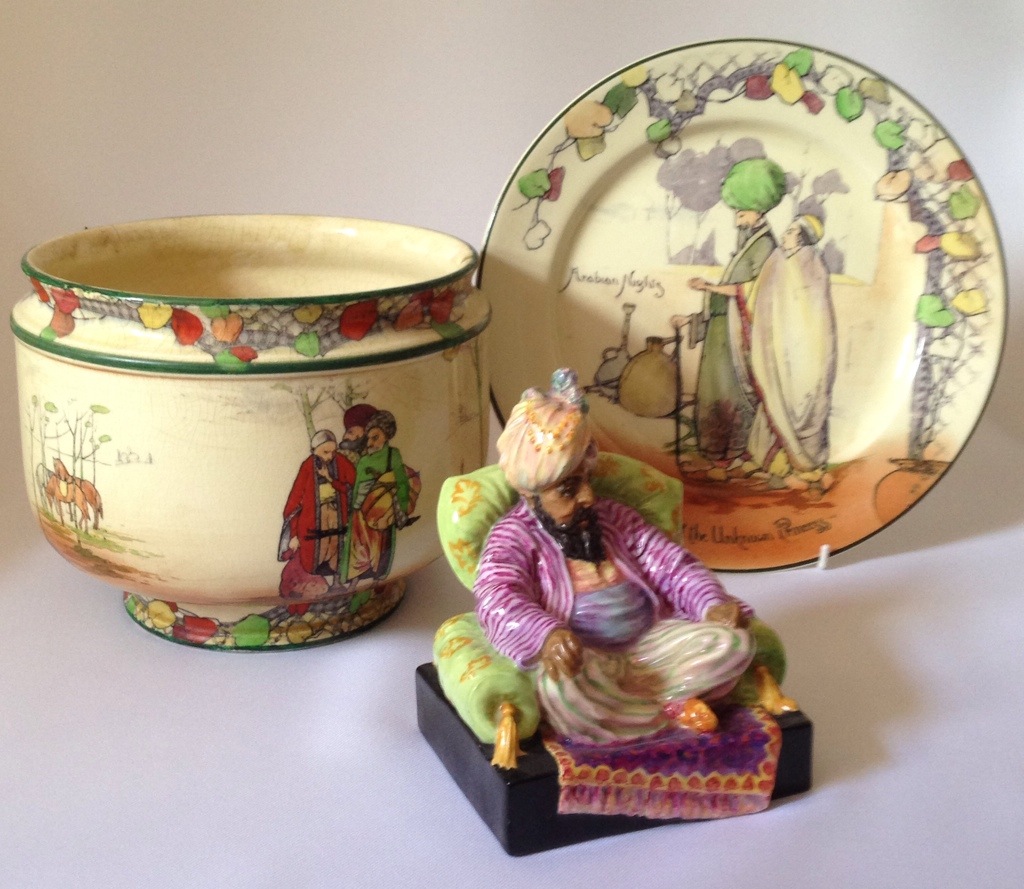
Royal Doulton’s ‘Arabian Nights’ seriesware design.

  We have looked at several patterns of late, but this is one of a large group inspired by literature.

20140804-102810-37690406.jpg
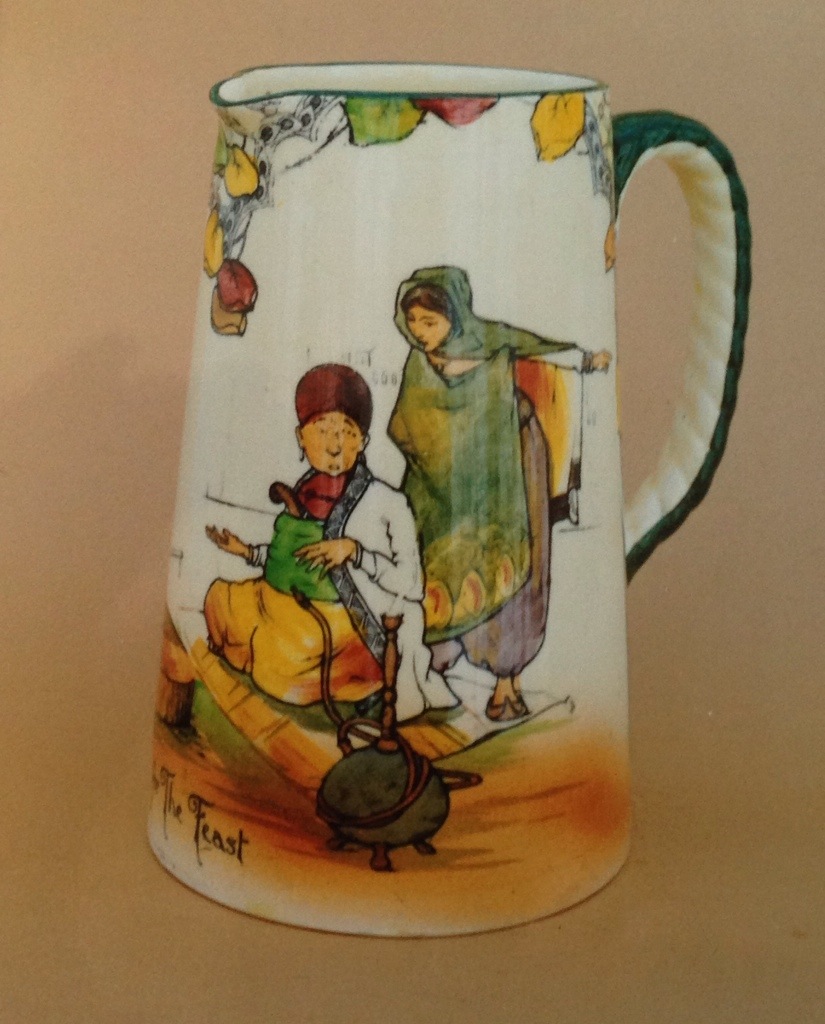
Introduced in 1909 there are some 13 designs to collect with a trio of borders to them; the most usual being the ivy border and the rarest the ‘Japanese’ border that I have only had once on a rack plate.

20140804-103056-37856725.jpg
The designs featured are of course based on the many stories contained in The Thousand and One Nights or as we know it the Arabian Nights. 


Ali Baba is a particularly common theme among the designs produced, as well as several more general titles including ‘Preparing for the Feast’.

20140804-104010-38410849.jpg
This colourful series makes an impressive display and also a successful backdrop for many of Doulton’s Arabian figures such as The Cobbler or Abdullah.

20140804-105602-39362262.jpg

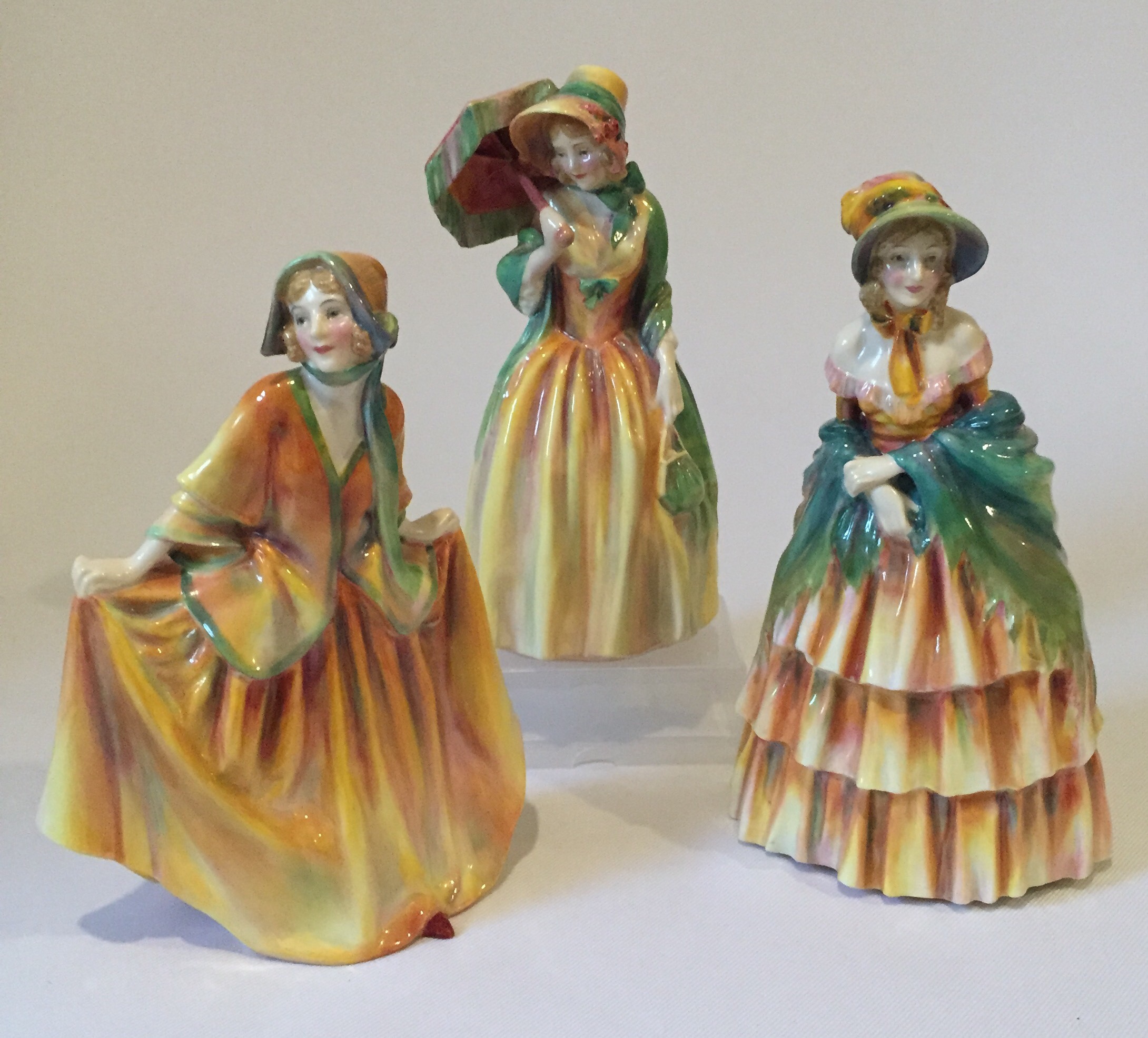
Doulton figures – made to order! 

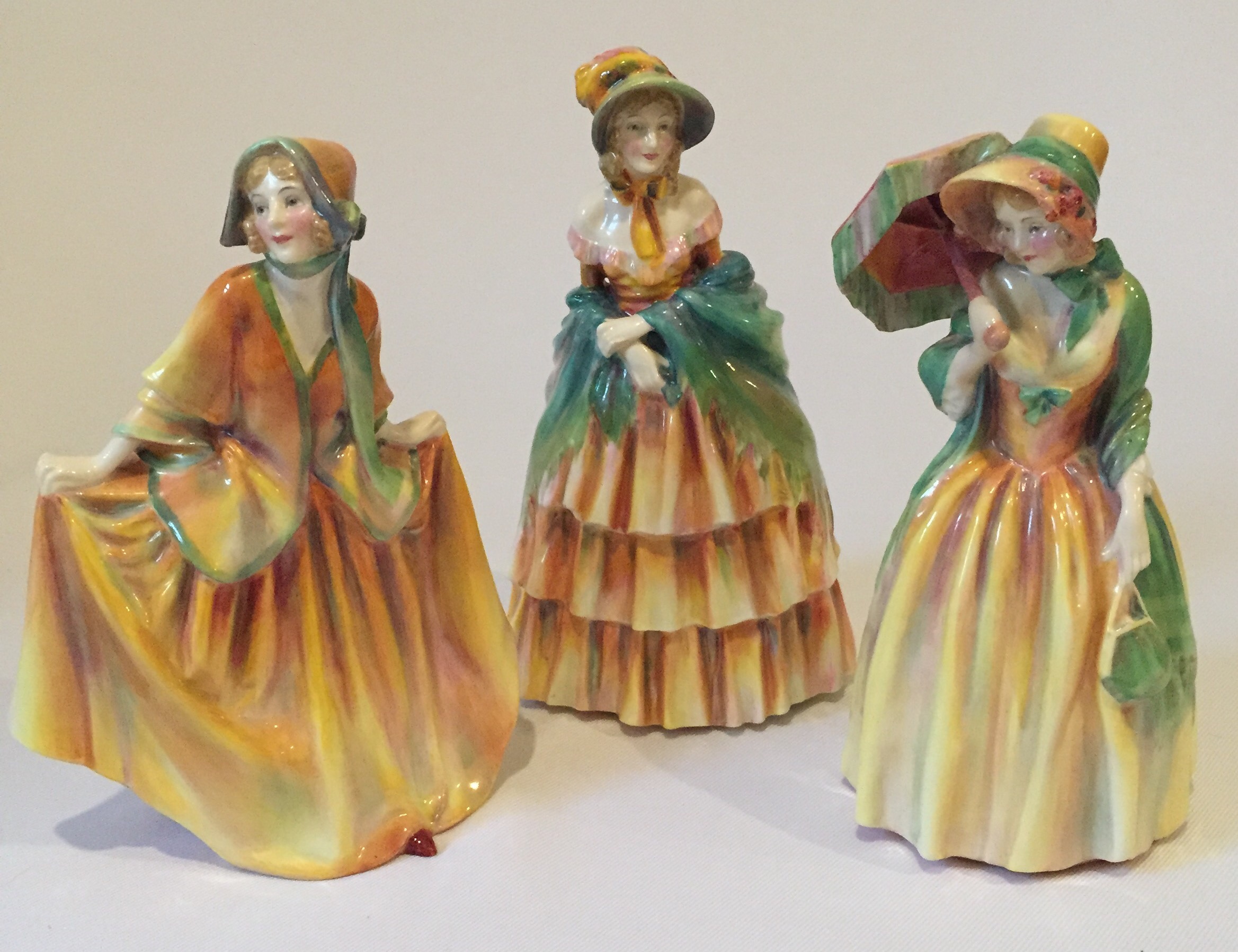
You read it correctly! Once there was a time when you could order your favourite model in a colourway of your choice – to suit your interior colour scheme or else in the same palette as another figure you cherished.


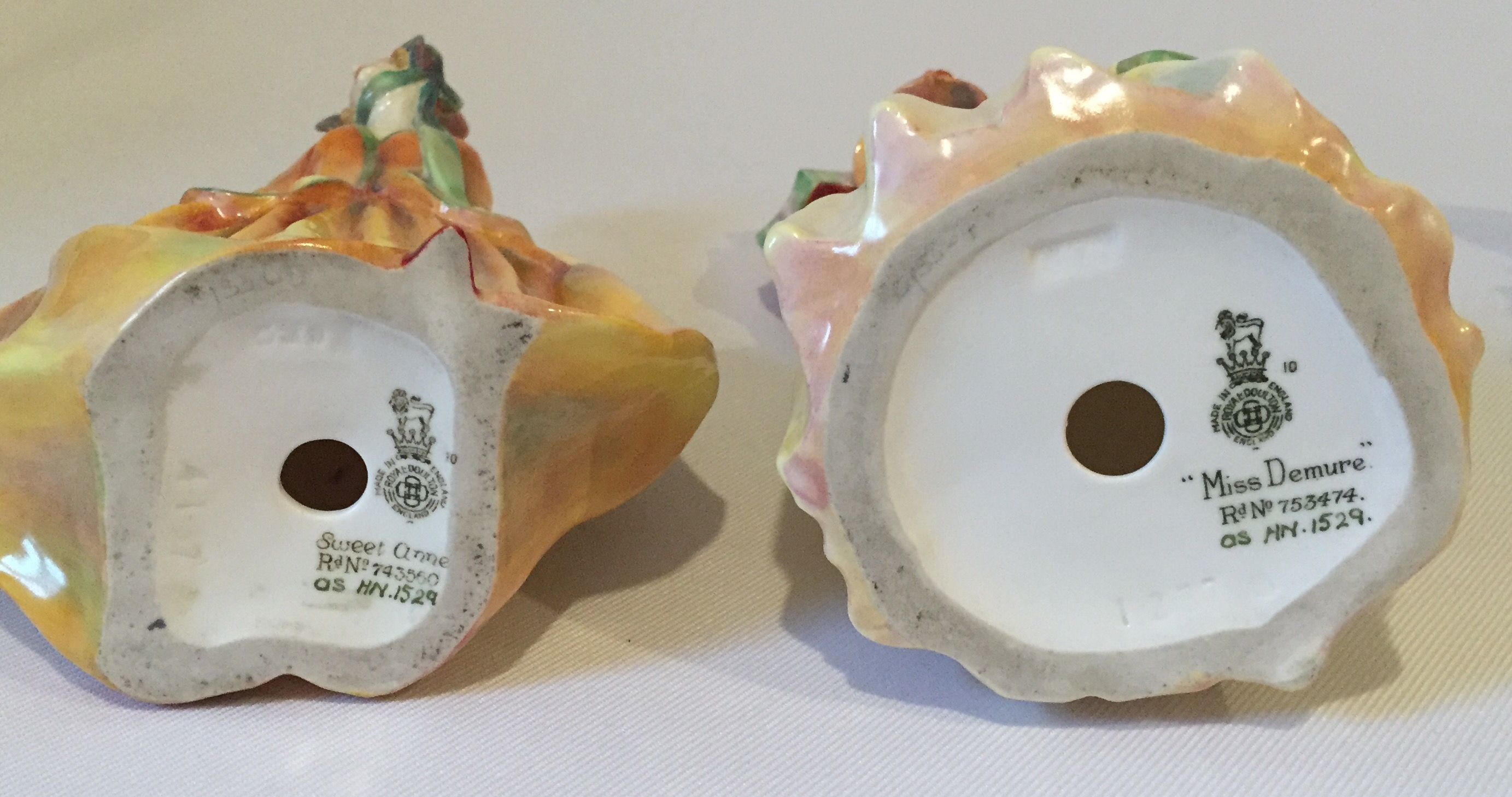
Victorian Lady HN 1529 and two complimentary colourways of Sweet Anne and Miss Demure.

Such was the case with the Sweet Anne and Miss Demure pictured who are painted in the same style as Victorian Lady HN 1529, and both of which also carry that same HN number to their bases!  The bases of the two complimentary figurines. 

Both models as you can see were not only painted in the same year but also by the same artist so you can imagine my surprise when I recently came across the version of Miss Demure and more so when I realised the identical artist and date code! Interestingly the actual models were both produced in early 1937 too (one in January and the other February)! So they must have been part of the same order. Once more Doulton proves you never do know what to expect!

Collecting Doulton’s identical miniature figures! 

Doulton’s early range of miniature figures or M series as it is known offers collectors an additional element to their collection – for if you have the large figure, why not hunt down the miniature as well, or alternatively if space is at a premium, collect just the miniature!  

 Chloe HN 1765 and M 10.

The most popular figures from the HN collection can be found in a miniature size although as always some are much harder to trace and thus carry a premium; thus a miniature Pierette will always outshine a Victorian Lady for example. 

  
Victorian Ladies HN 728 & 1345 with M 25 & M 2.

However, the pleasure of collecting often means that we concentrate on a particular theme – this one being identical colourways to the ‘grown up’ versions of figures. 

  
Veronica HN 1517 and M 64.

Many we can predict having been produced such as Victorian Lady, Veronica or even Chloe. All of whom were produced in a rainbow of  M series colourways too that had no corresponding large size partner. 

  
Little Bridesmaid HN 1434 and M 30.

The M range began in 1932 although there are several miniature designs pre-dating this date and which were typically given an HN number, yet, four models bear no HN at all (Pierette, Chelsea Pensioner, Spook and Robert Burns). 

  
Patricia HN 1431 and M 28.

As you would expect there are many versions of M figures that do not have corresponding large size partners and these too make a distinct display when shown all together! 

  
Rosamund HN 1497 and M 33.

The M series of miniature lady and child figures ceased around the end of the Second World War, but realistically would have stopped long before that date, save for a handful of the most popular models such as Paisley Shawl M4 that continued briefly after the war. The M series continued in spirit although the M number was omitted with the small size Dickens figures that were made up to the 1980’s.