Category Archives: Uncategorized

Collecting Doulton’s “solid colour” animals.

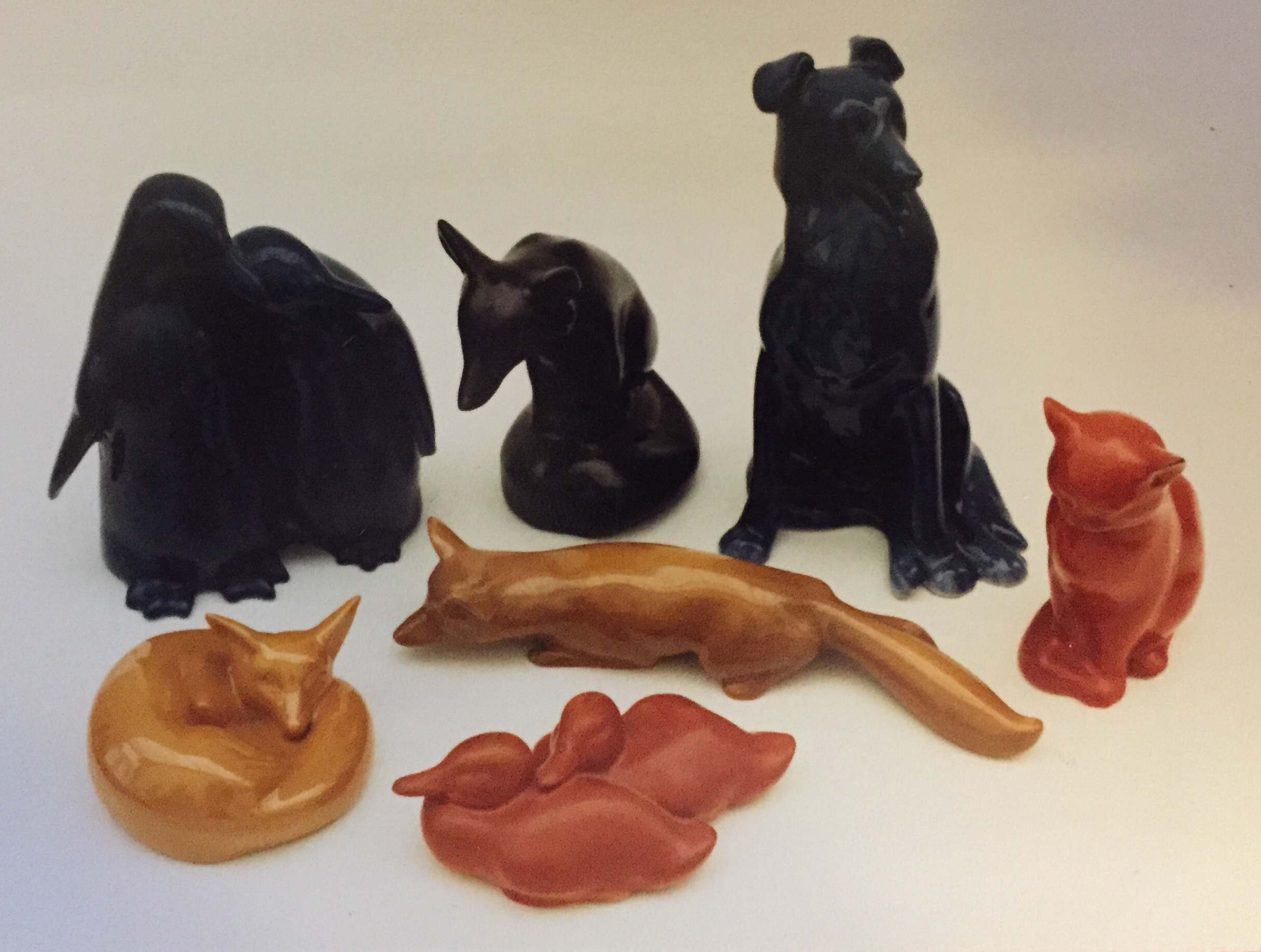
The early years of the 20th century were a time of great experimentation at Doulton’s Burslem studio and these early animal figures in block colours belong to that period.

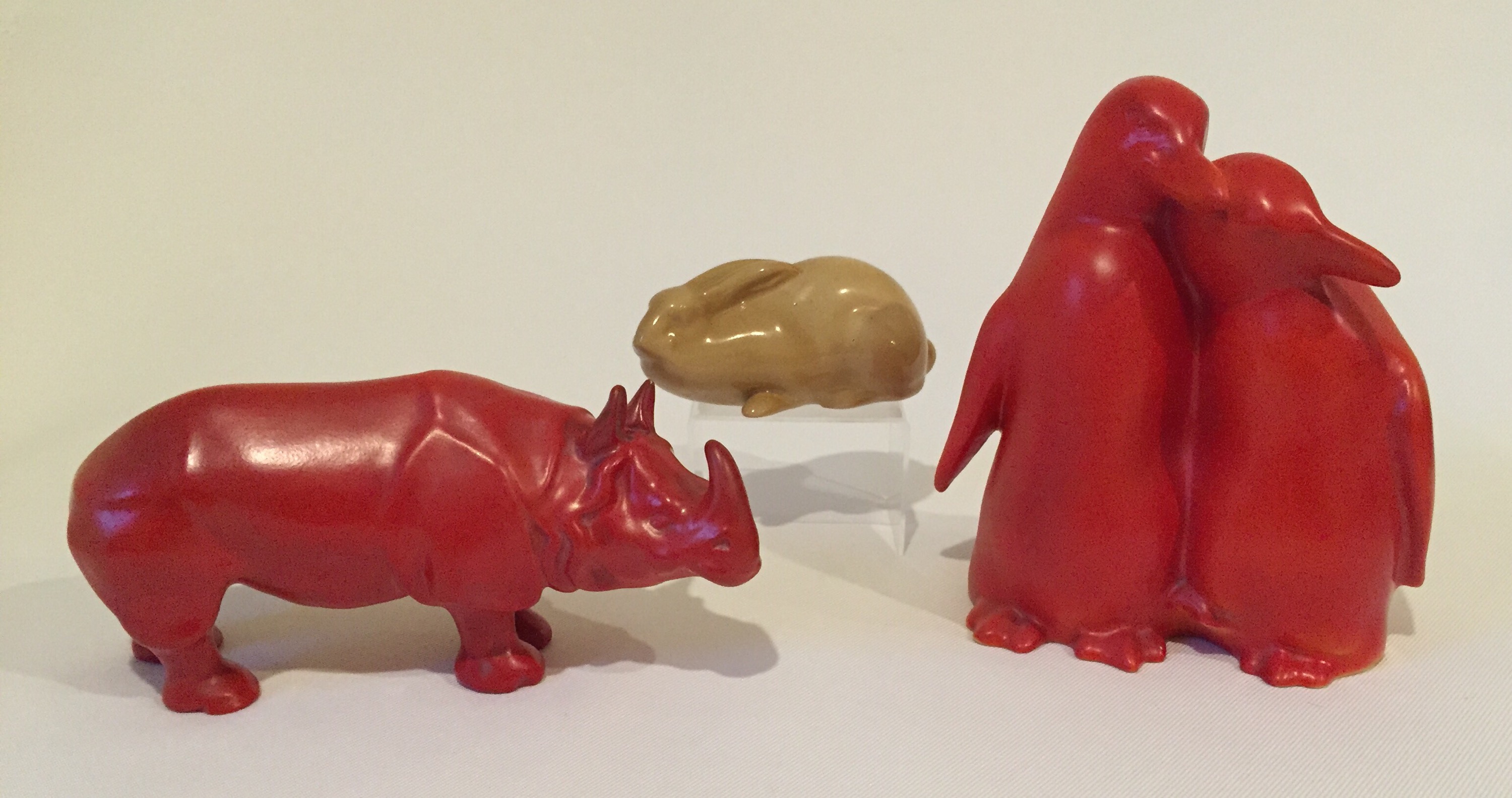
 A group of popular early animals in single colour glazes.

Only the earliest animals seem to appear in these flat one-colour versions and judging from the backstamps I have seen they ceased being produced like this by 1930.

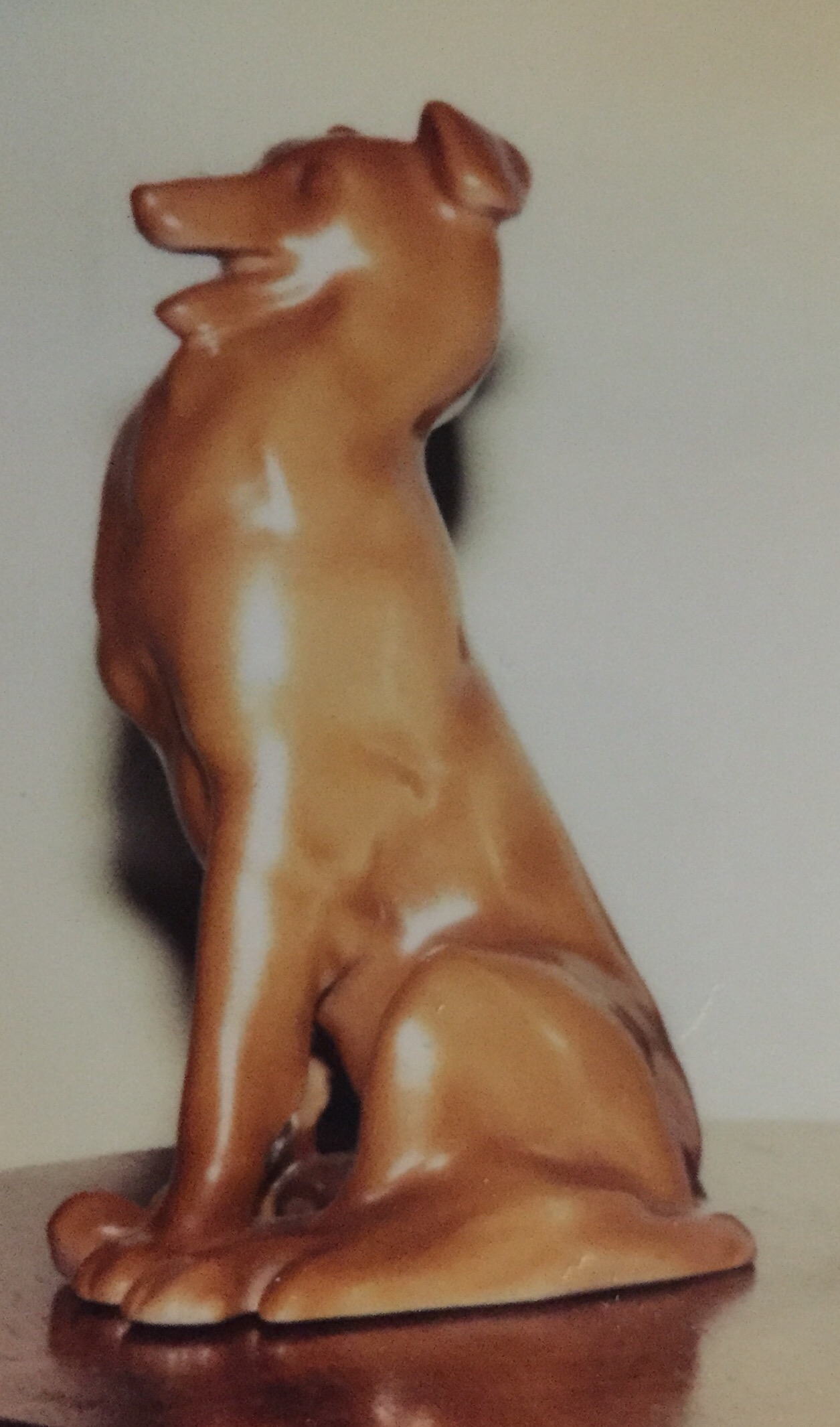
 Collie in a tan colourway. 

Whilst they may not appeal to all collectors the one tone colouring gives them a sculpted feel, no doubt the original intention behind the idea. These unusual animals can be found in either matt or typical glossy glaze and bear no other information but the model number impressed into the base.

 ‘Tomato red’ penguins and rhino with a tan hare. 

As I repeatedly say with Doulton – expect the unexpected! The rhinoceros illustrated above was a find just the other day and is such an early and rare model to find!

Collecting Doulton exclusives for W.T.Lamb.

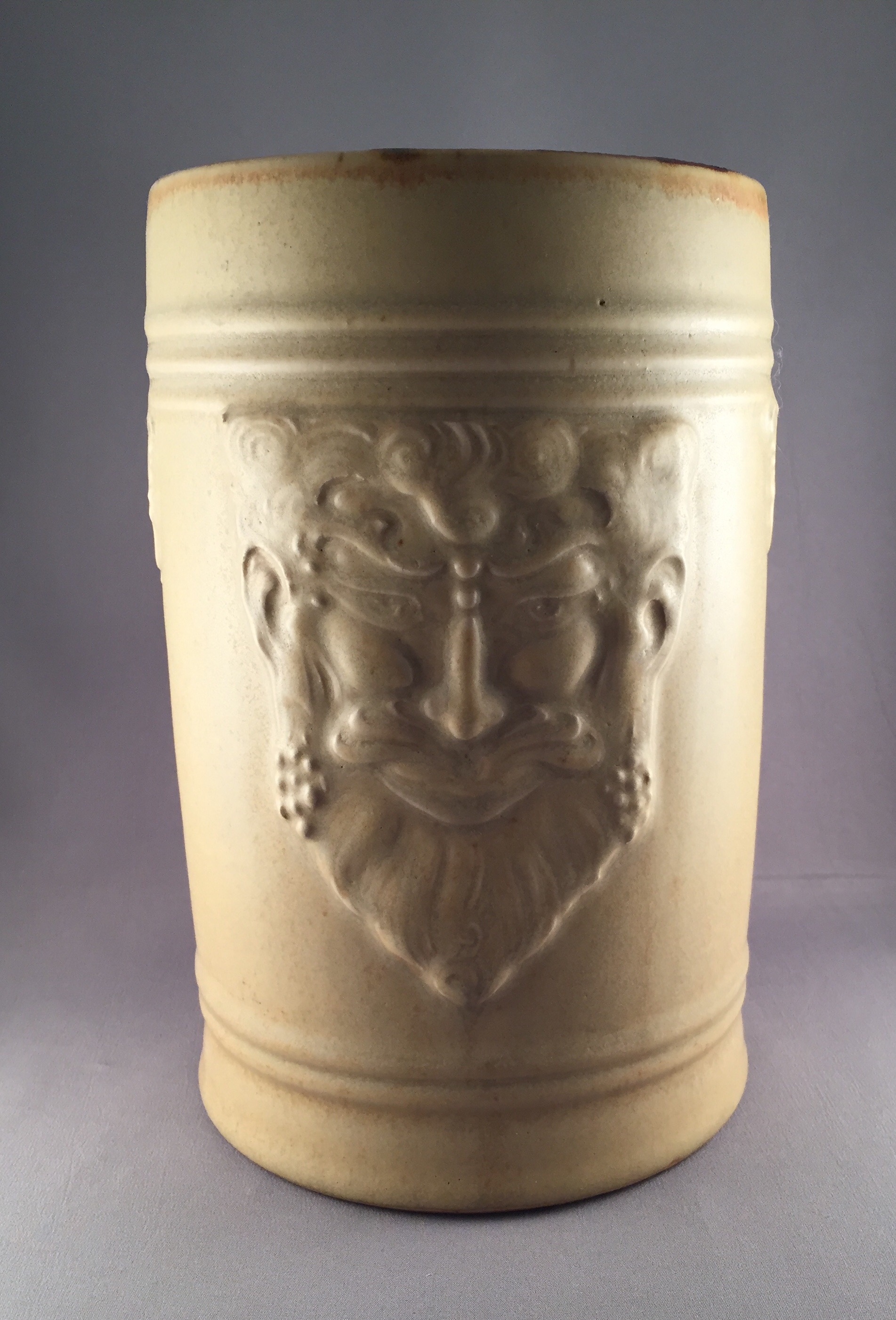
The Distillers W. T. Lamb & sons like many other firms commissioned exclusive designs from Doulton to supply as commemoratives or in the case of Lamb’s as Christmas Presents. 

This large size jug measuring 8.5″ features the head of Bacchus with appropriate vinery decorating the sides and bearing the initials of the company and the date 1929.


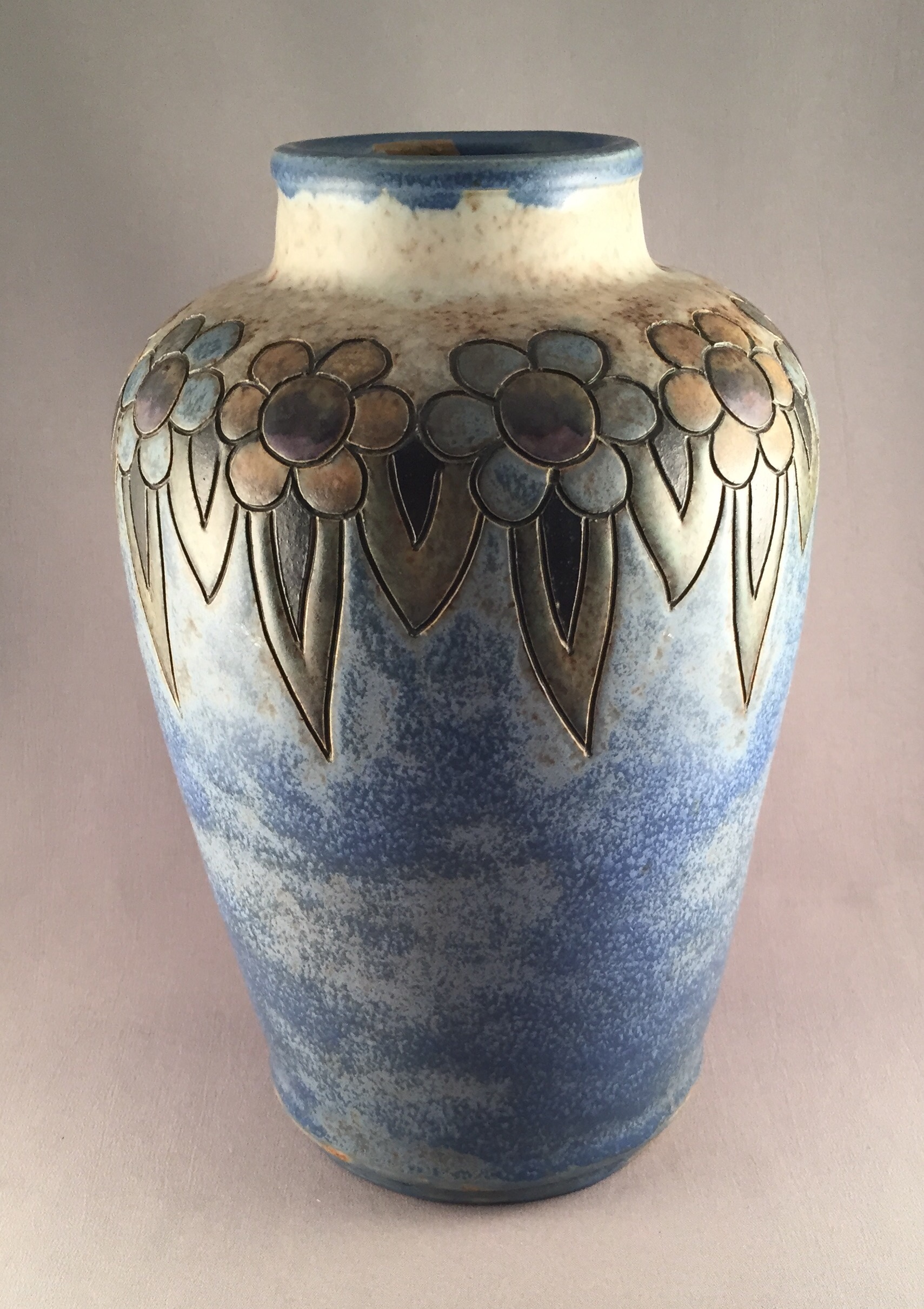
In total there have been 5 Doulton items found that were produced for W. T. Lamb including an early jug, a typical 1920’s comport, the above tankard, a fire-well or well head and this vase, probably a design by Vera Huggins and dated 1928. 

  
 These dated pieces date from 1927 through to Christmas 1931.

Other conpanies to Doulton also produced wares for Lambs including Poole but there are certainly other Doulton items out there to be found! 

Collecting William Savage Cooper’s nursery rhyme designs for Royal Doulton. 

  
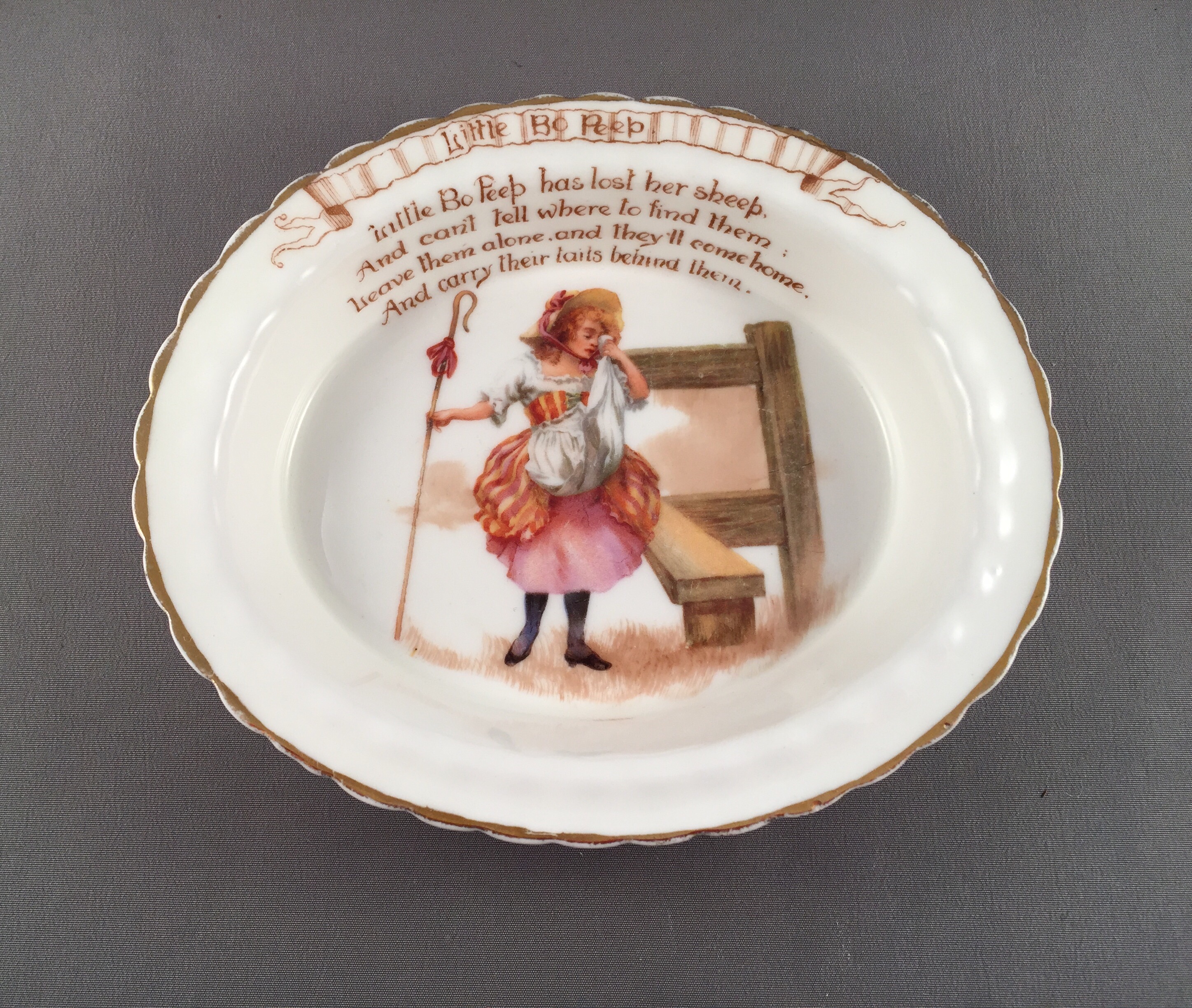
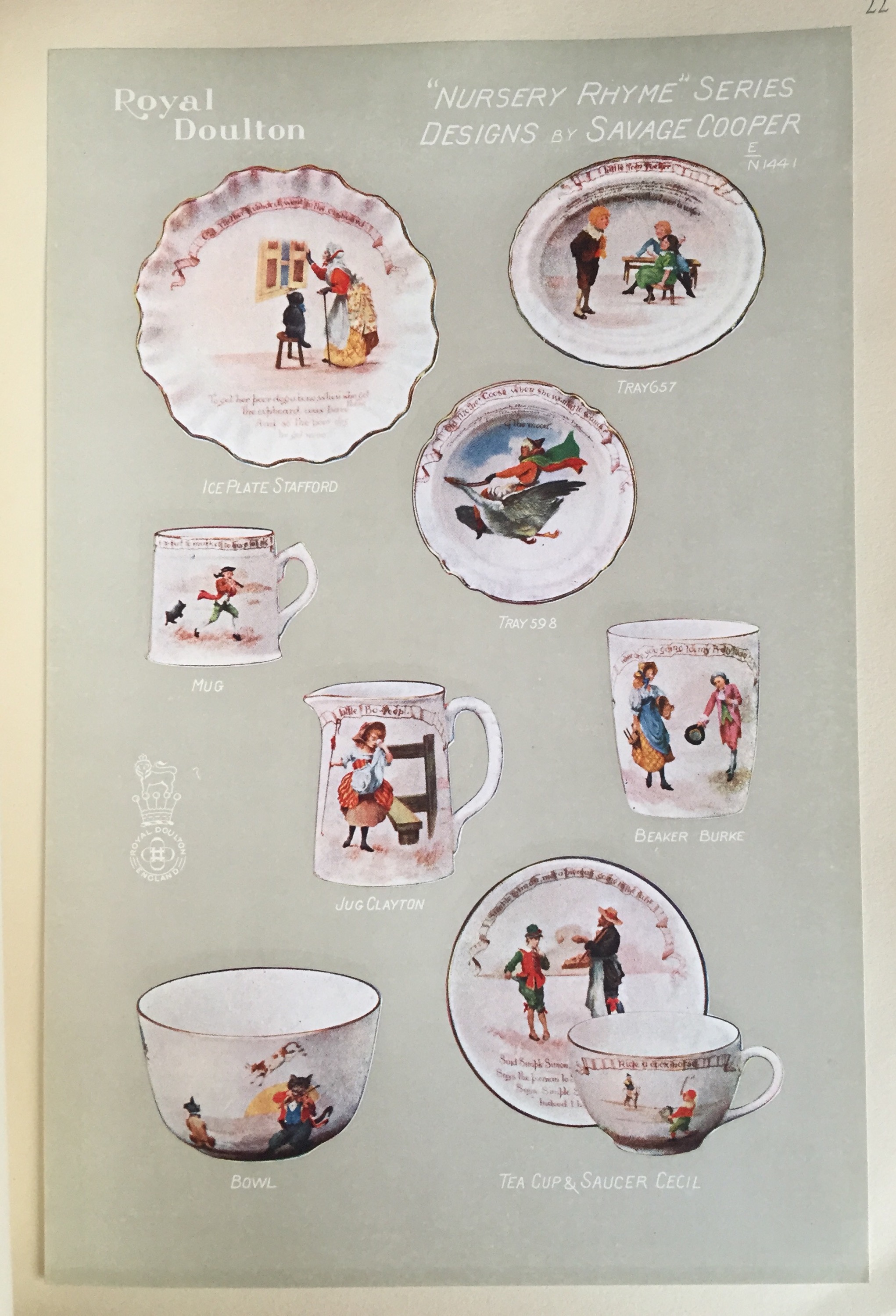
Introduced in 1903 there are around 20 different nursery rhyme designs based on illustrations by William Savage Cooper to collect and still other designs by others too. The earliest pieces of Savage Cooper’s are found on china with gold accenting, whilst later earthenware examples can be found on Doulton’s Art Deco earthenware shapes.


Typically gifts for children these pieces were no doubt broken and many today show signs of much use along the way, but their popularity ensured that they remained in production for a relatively long period to around 1939, meaning that there are examples in good condition to collect. Unusual boxed sets do turn up occasionally and I know of collectors who solely collect nursery wares and who have amassed great collections.

  
A catalogue page from the 1920’s. 

Collecting Doulton Marqueterie ware.


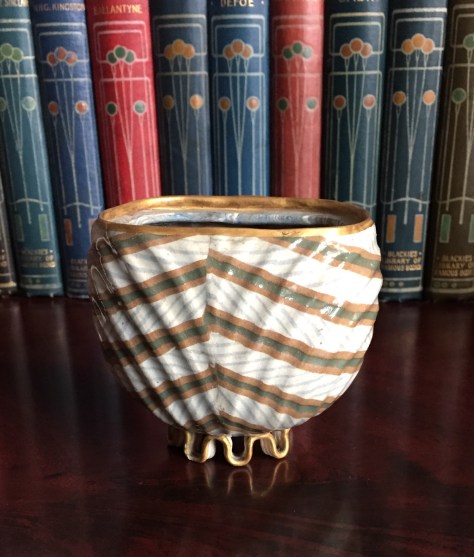
 Marqueterie sugar bowl. 


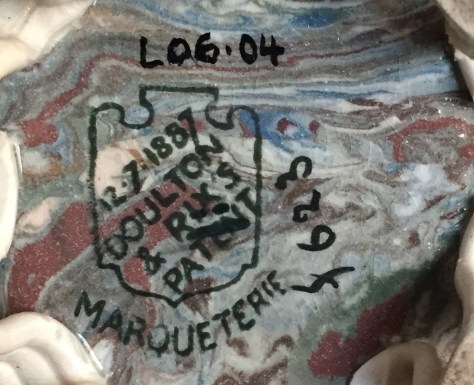
This distinctive Lambeth ware was produced between 1886-1906, although examples are unusual due to its fragile nature. Multi-coloured clay in blue, white and brown were compressed together resulting in a marble effect clay, which would then be moulded into often intricate shapes. This particular ware bears a Doulton & Rix mark to its base,William Rix was art director at Lambeth between 1870-1897. 


Marqueterie backstamp.

Introducing the Doulton Collectors Club magazine!

doultonchristopher1's avatardoultoncollectorsclub

With subscribers from four continents already, no matter where in the world you live don’t wait to subscribe to the ONLY Doulton magazine available. Subscribe today to ensure you receive Issue 1 this March!

IMG_1793 Packed full of information on all things Doulton – you won’t be disappointed with this full colour, 24 page magazine. Published quarterly, you will be able to build your own up to date Doulton reference library. Covering everything from the many, diverse Doulton wares produced over the last 200 years, to fairs, auctions and events – the Doulton Collectors Club magazine will be essential reading for all Doulton collectors! Subscribe today using the location links below via our

UK agent Paul Webster Antiques’s website. UK Subscriptions  http://paulwebsterantiques.co.uk/index.php?route=product/product&path=114&product_id=310

USA & CANADA Subscriptions http://paulwebsterantiques.co.uk/index.php?route=product/product&path=114&product_id=312

AUSTRALIA, SOUTH AFRICA, RoW Subscriptions http://paulwebsterantiques.co.uk/index.php?route=product/product&path=114&product_id=313

Please be sure to select the subscription for your location.

Any Questions, please ask by emailing Doultoncc@gmail.com

View original post

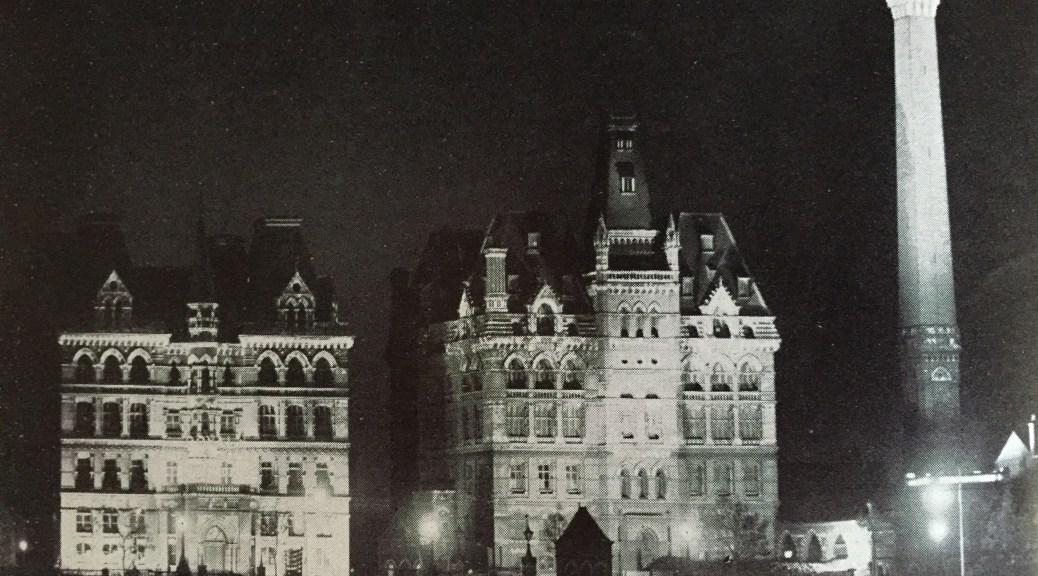
Royal Doulton’s famous, former Headquaters in Lambeth. 

Built in the 1870’s in the gothic style  ‘A’ and ‘B’ blocks as they were known and the huge chimeney that stood next to them were a London landmark for 75 years and witnessed many of Doulton’s major accomplishments as well as playing host to many famous visitors from Royalty, to politicians, to latter day celebrities.

A floodlit view of blocks A and B from 1935 celebrating a Royal jubilee.

Doulton vacated these impressive buildings in early 1940, moving to the newly erected Doulton House, then just a few hundred yards along the Albert Embankment. Lying unoccupied and suffering bomb damage during WWII there was little option left than to demolish these impressive buildings in 1951.

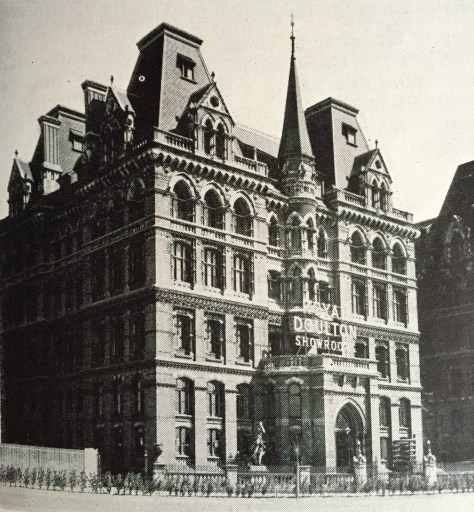
A close up of the showroom and main offices block.

On the left is the former main office and showroom building, on the right a factory block and chimeney.

A drawing of the Albert Embankment by Arthur Pearce showing the extent of the Doulton works in 1924. Note the corner building that still stands today. 

Doulton Artist Profile – Herbert Bettley

<!–


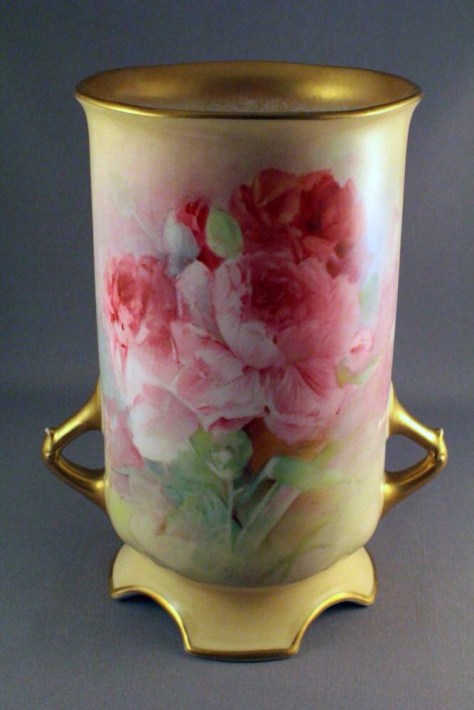
Handpainted vase signed H. Bettley and dated 1913.

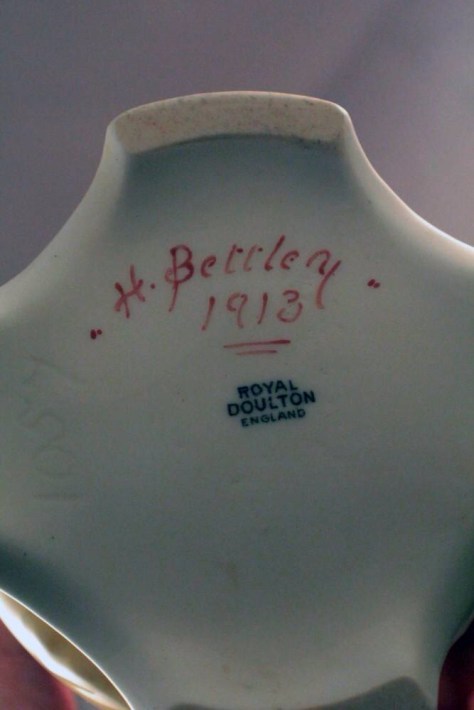
The ’HB’ initials gracing early Burslem wares of the 20th Century often bemuse collectors today, but they are in fact the initials of this artist Herbert (Harry) Bettley. Adding to confusion is the actual spelling of his name as it is generally recorded as ‘Betteley’. Actual examples of his work are unusual.


Base of vase a handpainted by H. Bettley.


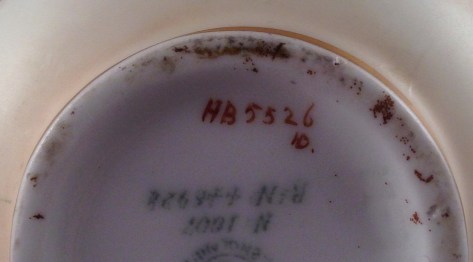
Harry was a former student of the Burslem School of Art before joiningDoulton at the age of 26 in 1886. He was given the responsibility of a ‘studio’ of artists within the Burslem factory, just like Robert Allen and the two studios ran in ‘competition’ to one another. Just like the RA numbers that are well documented there were HB numbers, but alas the records detailing the precise dates for the sequencing of these numbers have been lost over the years. Harry retired from Doulton in 1930.


Base of an early Spanish ware vase with HB number.


Doulton’s most unusual glazes: Sung, Chang and Chinese Jade

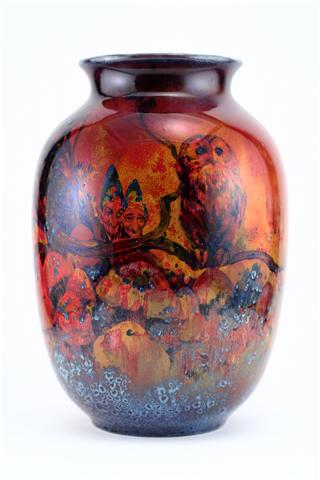
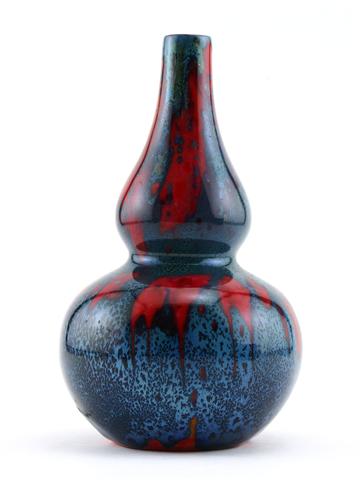
Charles Noke continued to experiment with glazes long after the departure of Cuthbert Bailey with whom he had perfected the Flambé glaze in the early 1900’s. And so in 1920 Sung was introduced, whereby painted decoration, colour and gilt are fused with the a flambé glaze.
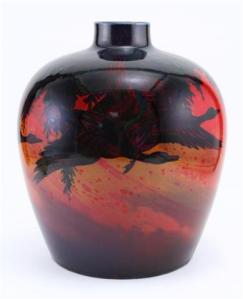
FLM_Sung Vase Ducks in Flight (Small)

A stunning Sung vase.

I am sure you will agree that these pieces are magnificent. However, it is in the flesh that these pieces must be enjoyed to full effect as in this slide. Vases, large and small were decorated with exotic birds, pixies in woodlands, fish in seascapes along with many other subjects.
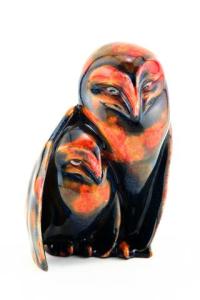
FLM_Sung Owl with Owlet Wing HN160 (Small)

Sung owls.


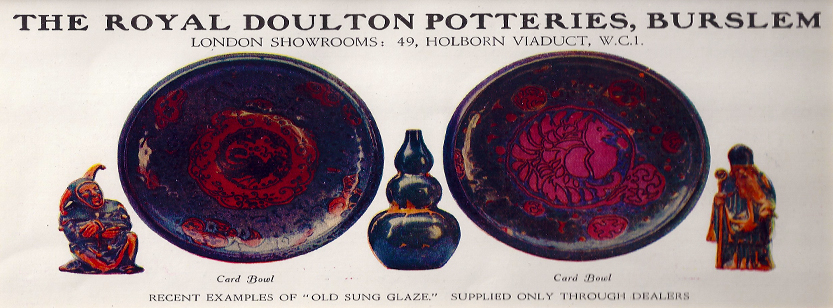
These pieces were painted principally by Harry Nixon, Arthur Eaton and Fred Moore. Sung glazes can be found on Buddhas, as can also be seen here in this advert from the 1920’s, a handful of suitable early figures from the HN range such as A Spook, as well as animals, in particular elephants, a favourite of Charles Noke can also be found.
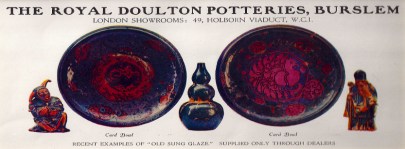
Image

Orignial Sung advert ca. 1920.

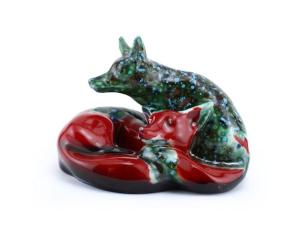
FLM_Sung Foxes Curled HN117 (Small)

Sung curled foxes.

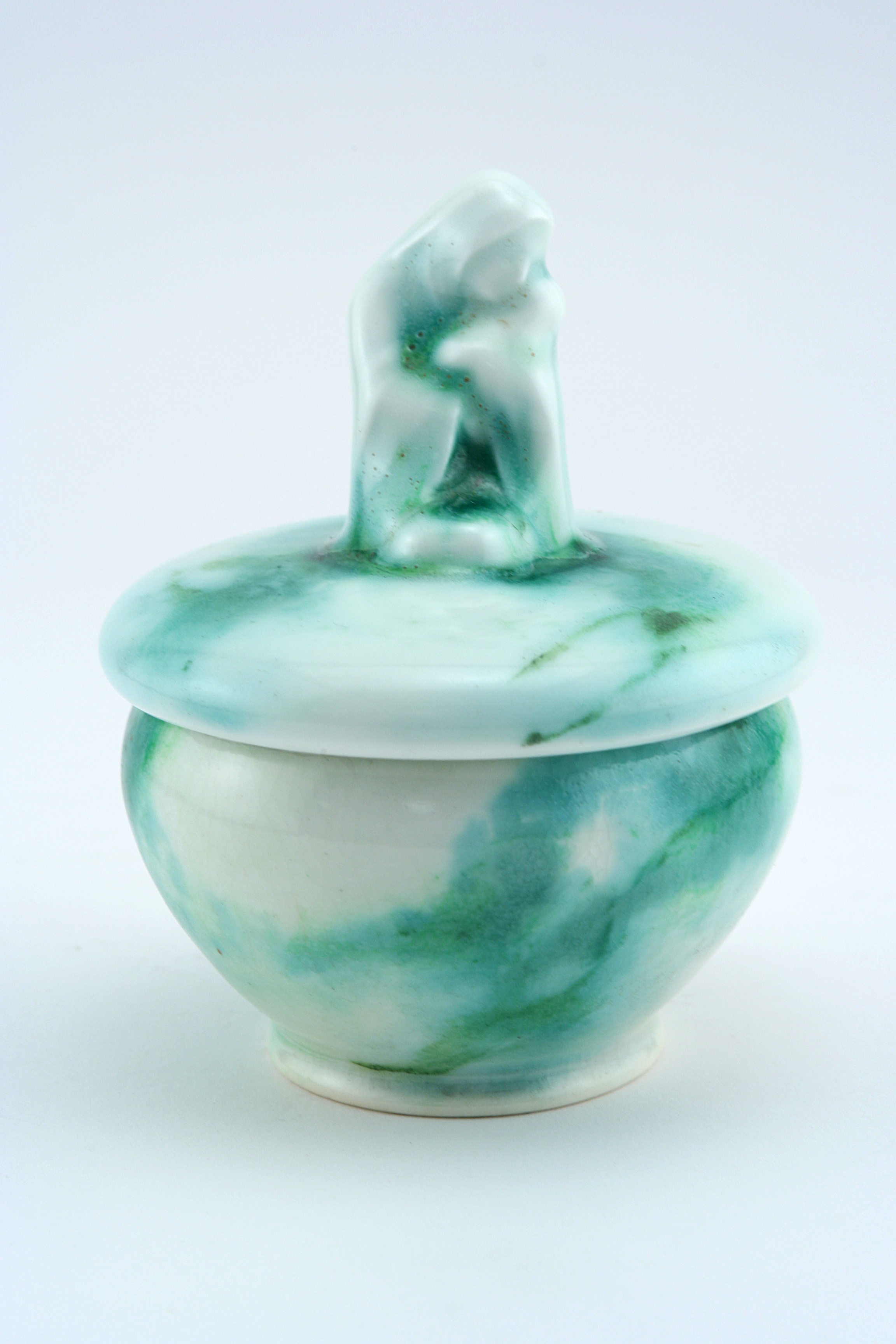
Another magnificent addition to the Burslem range in 1920 was the Chinese Jade glaze, imitating the ancient Chinese glazes of centuries before, by using a thick white glaze streaked with green. Pieces of Chinese Jade are exceptionally rare, due to the costliness of production, together with the high proportion of rejects due to the inherent difficulties in achieving this technique.
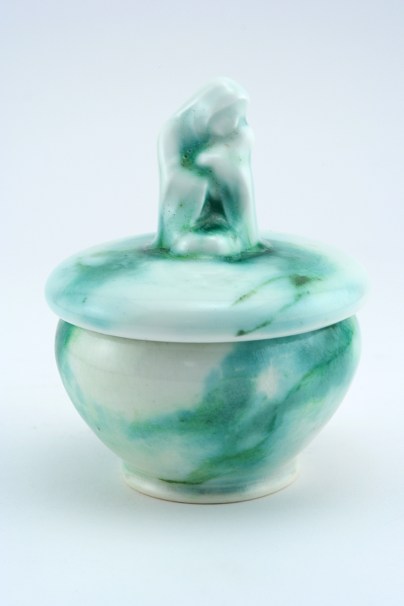
Image

Chinese Jade lidded bowl with ‘Despair’ HN596 as the finial (the name of this figure is only a name given when the original figure book was published in 1978 as there is no record of its actual name).

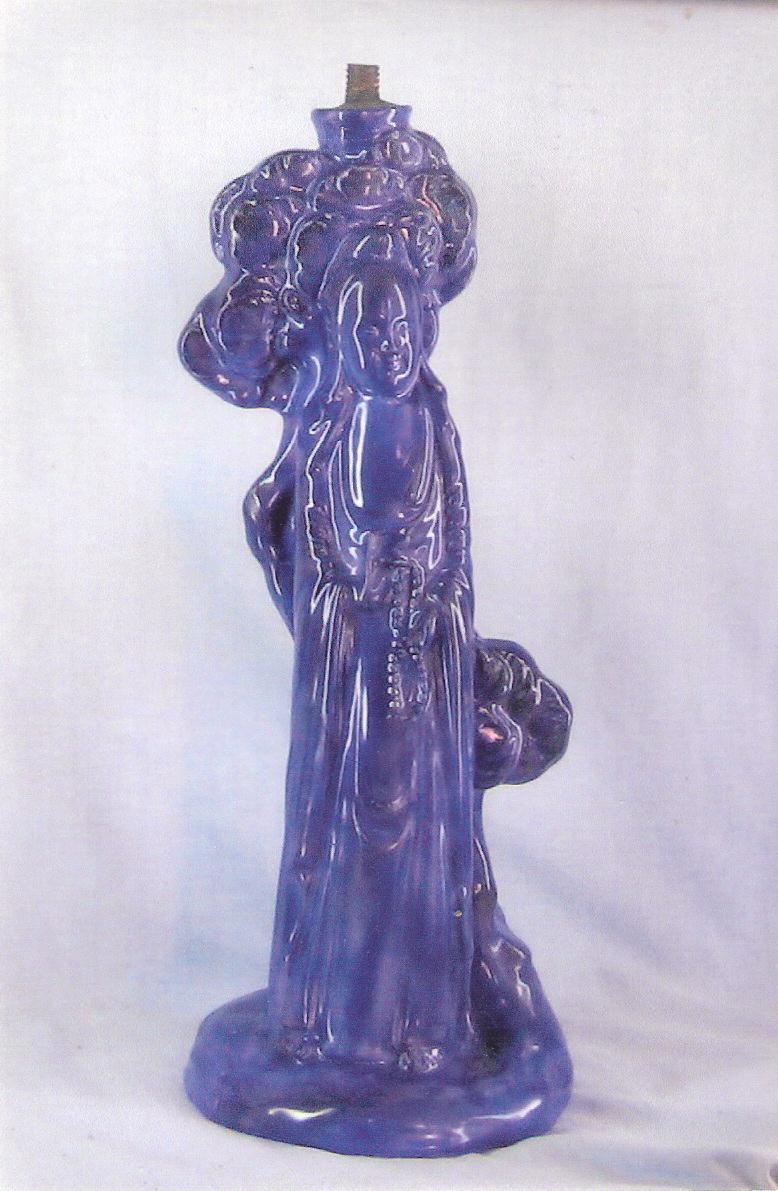
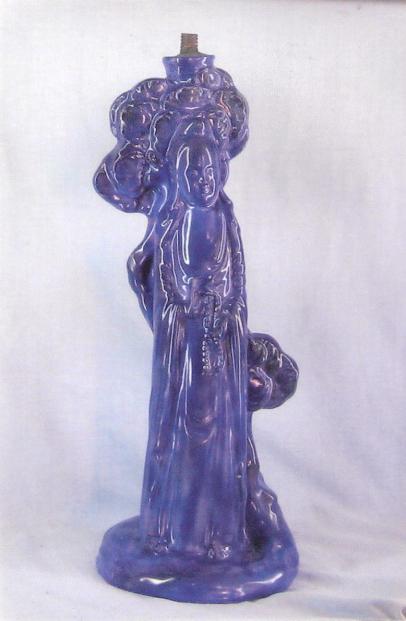
A variation of this ware exists whereby the green streaks are replaced by blue ones, and this extraordinarily rare glaze is aptly named Lapisware.
Image

A very rare Lapisware lamp base.

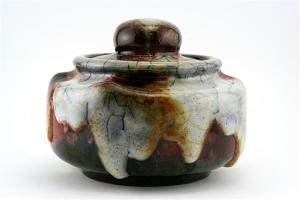
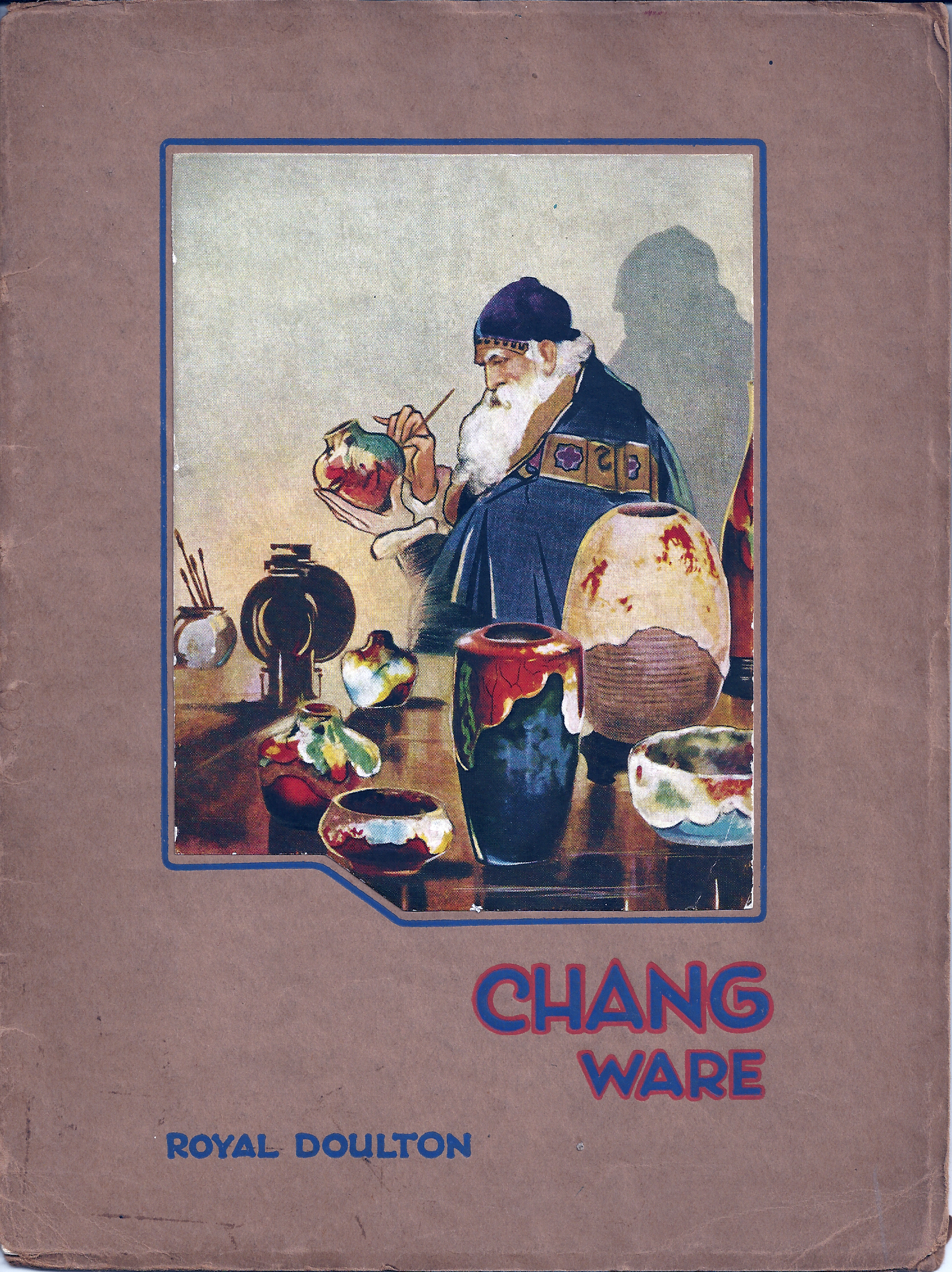
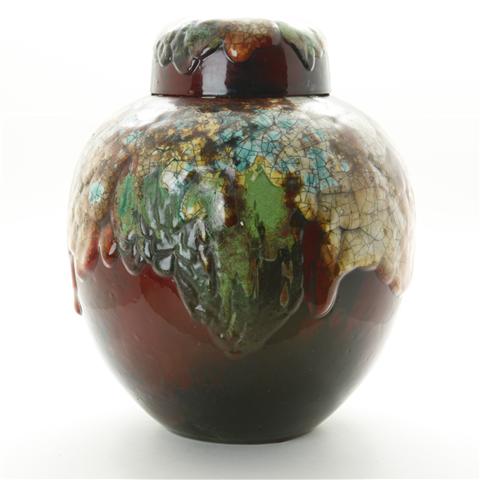
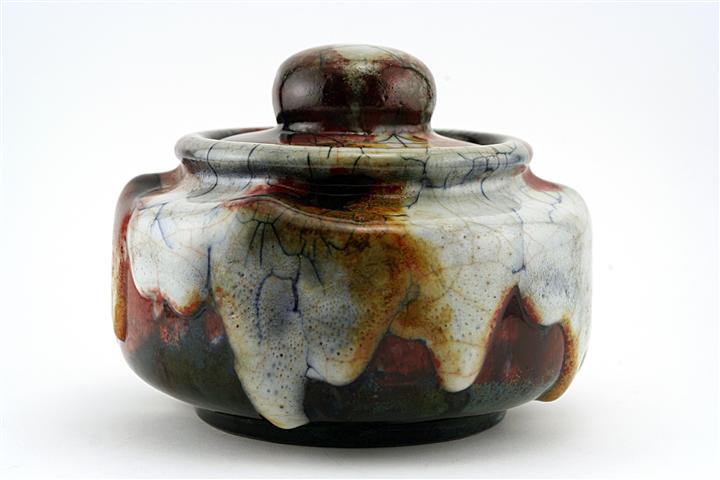
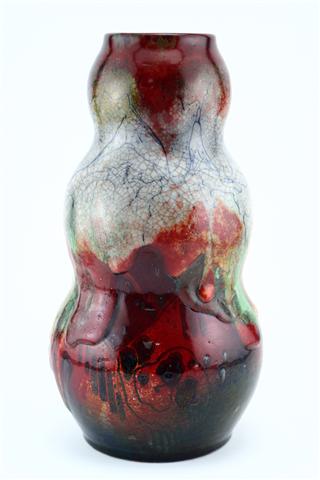
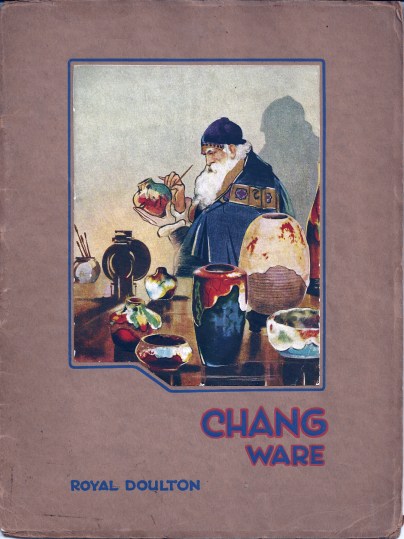
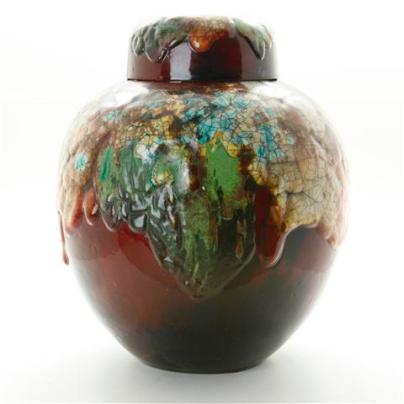
Another glaze worthy of inclusion here is perhaps the most magnificent of all. Chang ware was introduced in 1925 and involved a thick body upon which multi-coloured thick glazes were allowed to run and crackle – contrary to all usual pottery rules.
Image

Original Chang catalogue cover.

The results you can see from this slide are breathtaking. Nothing like this glaze had been sen before even in ancient times, and it was greeted by worldwide acclaim. Chang pieces are usually found with the monogram for Harry Nixon on their bases together with Noke, for either Charles or Jack Noke, who succeeded his father as art director in the late 1930’s. The addition of Noke’s name signified the quality such work achieved.
Image

Chang ginger jar and cover.

To finish here are a selection of other glaze pieces from the early 20th Century. Enjoy!
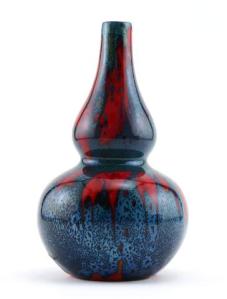
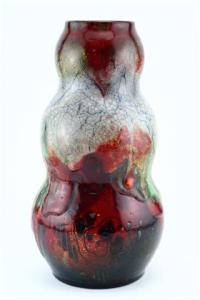
FLM_Sung Vase Gnomes in Tree 13H (Small) FLM_Sung Vase Gourd Shape 6H (Small) FLM_Chang Tobacco Jar (Small) FLM_Chang Vase 3 Tier 11H (Small)

Royal Doulton Tablewares – an art deco surprise!

doultonchristopher1's avatardoultoncollectorsclub

Just as Doulton’s Lambeth art studio was supported by the manufacture of drainpipes, the Burslem enterprise was in its turn supported by the sale of Doulton’s famous tablewares.

20140530-201538-72938976.jpg

A contemporary publicity shot for the Syren pattern.

Just as the many other pottery companies of the time, Doulton attempted to stay bang up to day whether it be imitating arts and crafts, designs, Victorian styles or geometric art deco patterns, yet, Doulton managed to climb to the top of the pile playing upon their heritage for producing quality items in modern tastes.

photo 5

A leaflet promoting Doulton’s latest designs ca. 1935.

As well as producing items for the humble households up and down the country and around the world, Doulton also supplied some of the top hotels and restaurants with exclusive tablewares including The Savoy and Claridges in London. Certain patterns were targeted at particular markets such as the Maple Leaf pattern…

View original post 191 more words

W S Penley as CHARLEY’S AUNT (second version)  Issued in 1930 H. Fenton

20140601-110147-39707794.jpg

The contempory theatre greatly influence Noke’s figurine range. W S Penley was popular in his role in Charley’s Aunt by Brandon Thomas, where he plays an Oxford undergraduate who impersonates an “Aunt from Brazil” who is to act as chaperone to some young ladies  he and his friends wish to entertain. Charley’s Aunt ran for 1,466 performances after opening in 1913. On various anniversaries ladies in the audience were presented with a Doulton figurine of the main character commissioned by the author Brandon Thomas. About 500 – 600 of this commissioned figure were given away, together with a range of other souvenirs of the performances like those in the advert above. Early in his career in 1916, Noel Coward played the part of Charley.

20140601-110236-39756858.jpg


A contemporary picture and version 2 of this unusual figure, modeled in an identical post and holding a cup of tea.

20140601-110251-39771373.jpg

The figure was modelled by Albert Toft (1862 – 1949 ) who taught Leslie Harradine at Camberwell School of Art at evening classes when he was completing his apprenticeship at Doulton Lambeth. Toft  himself had studied at Stoke on Trent and  later at the Royal College of Art.