How to recognise a prototype…

One of the most heart stopping moments for any collector is the moment they hope that they have spotted a prototype figure. The hunt for prototypes is, however, a real mine field as there are always unscrupulous people out there wanting to cash in on our desire for that one special piece for our collections. That is why my advice is always to buy from a reputable dealer with a proven track record for discovering and supplying the unusual!

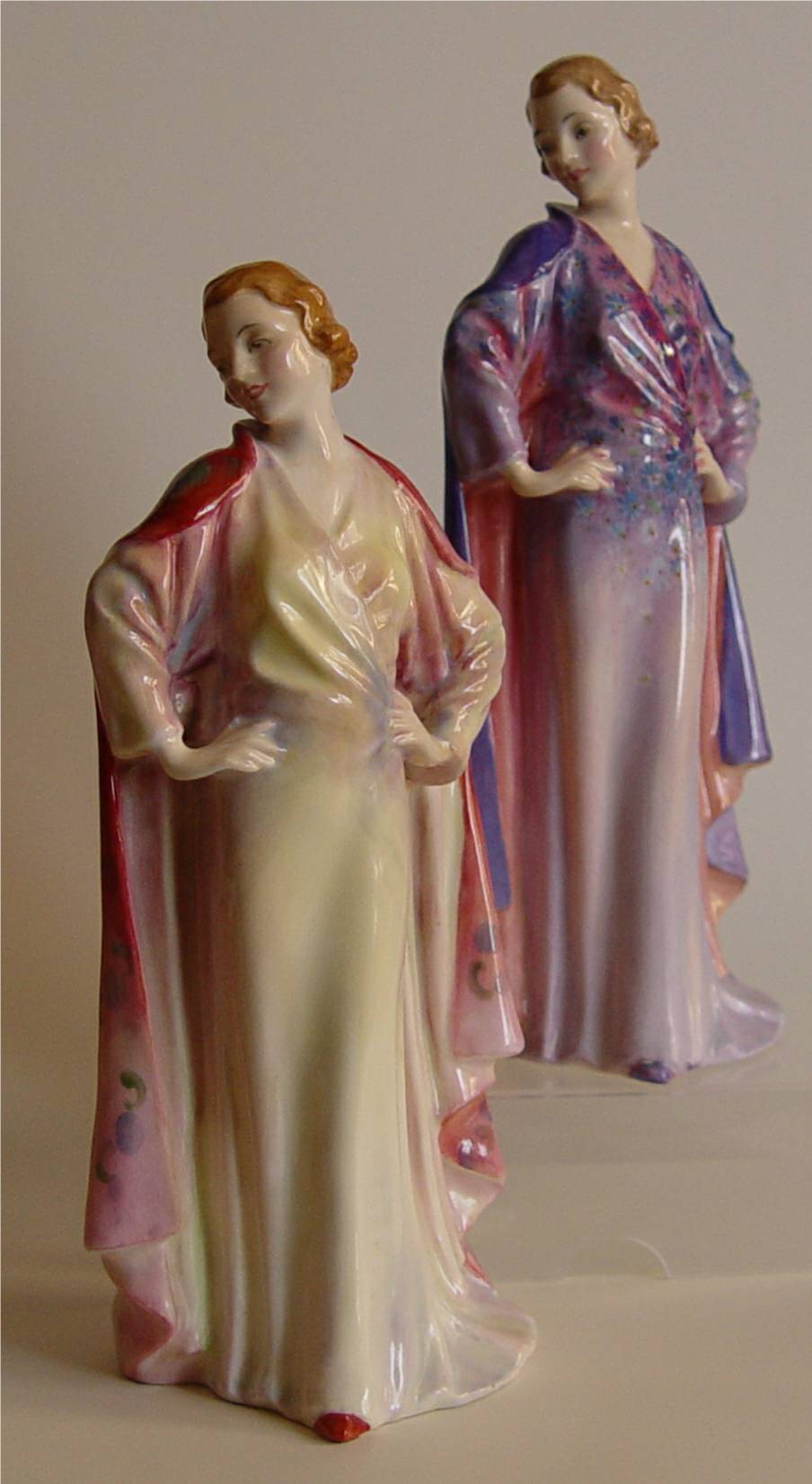
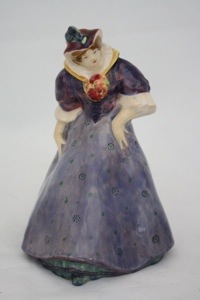
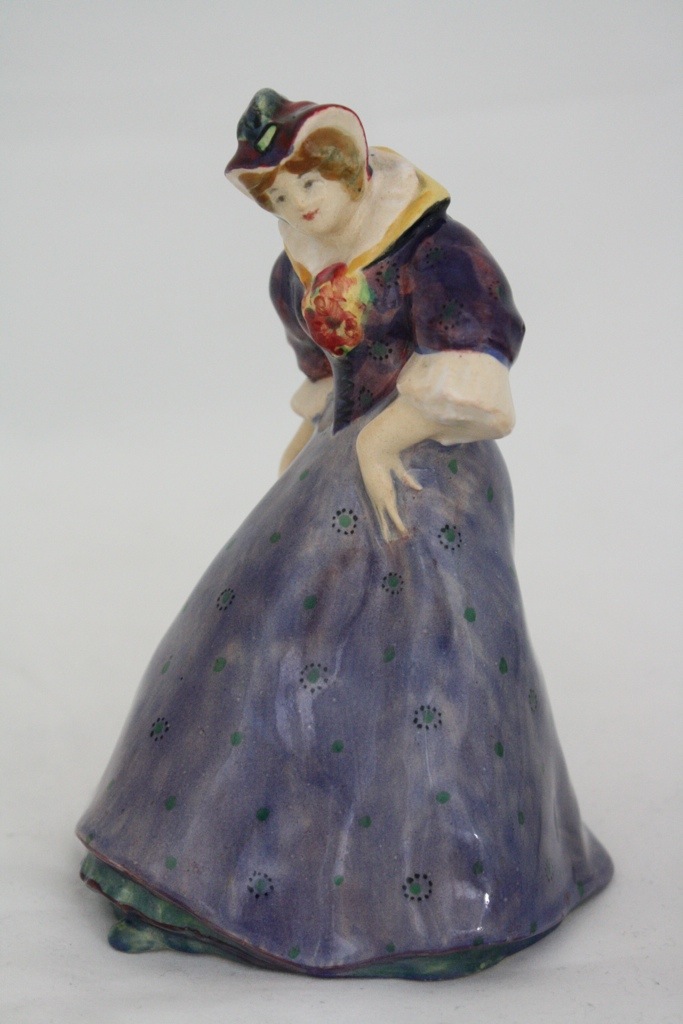
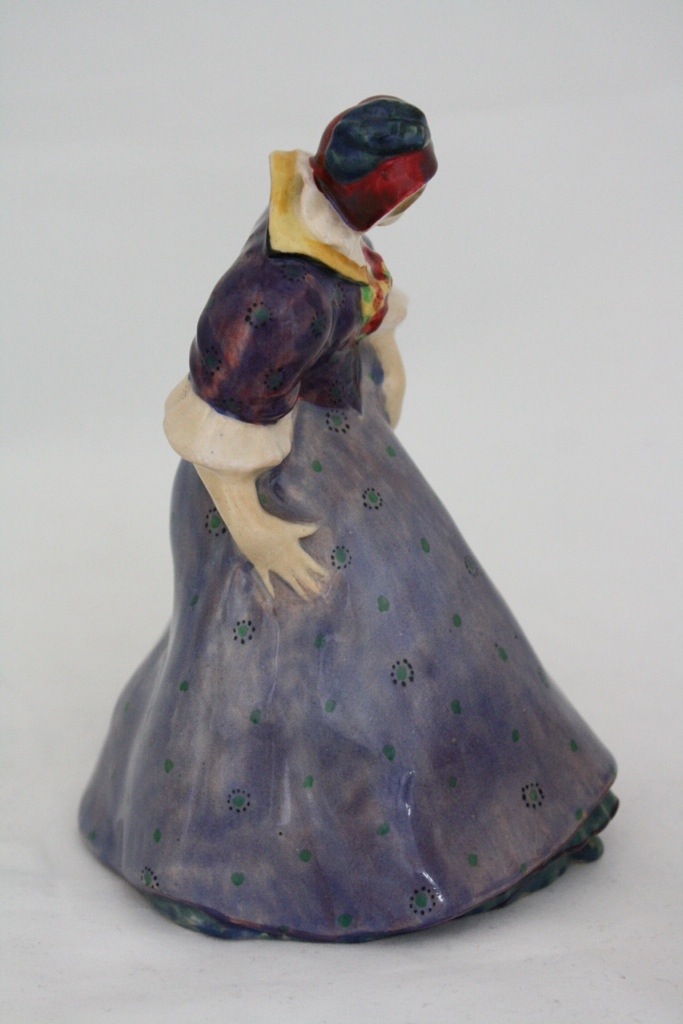
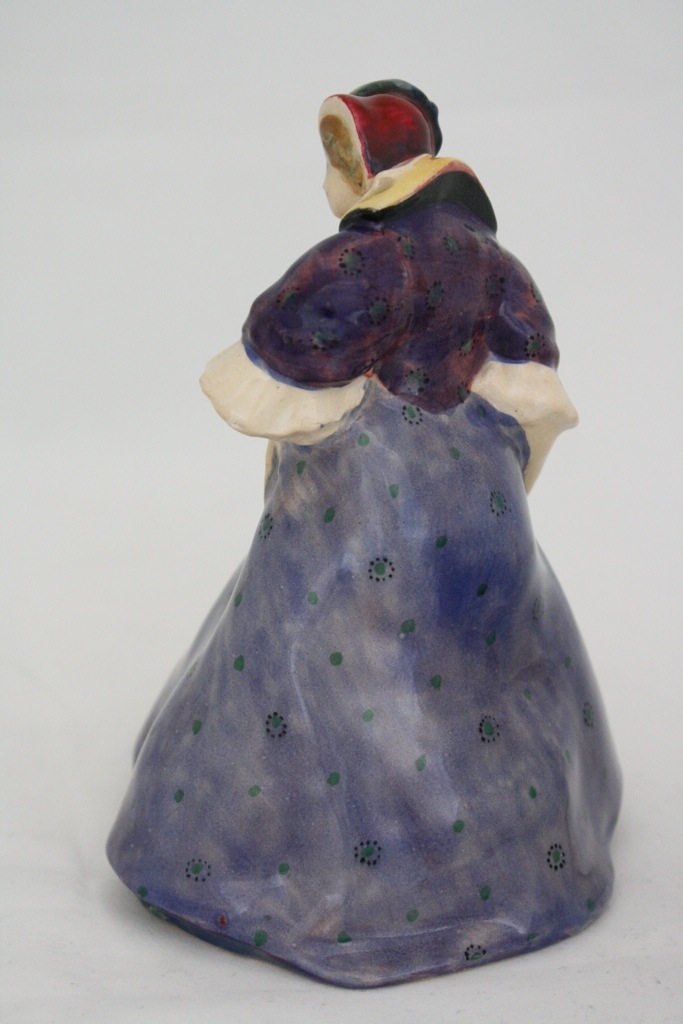
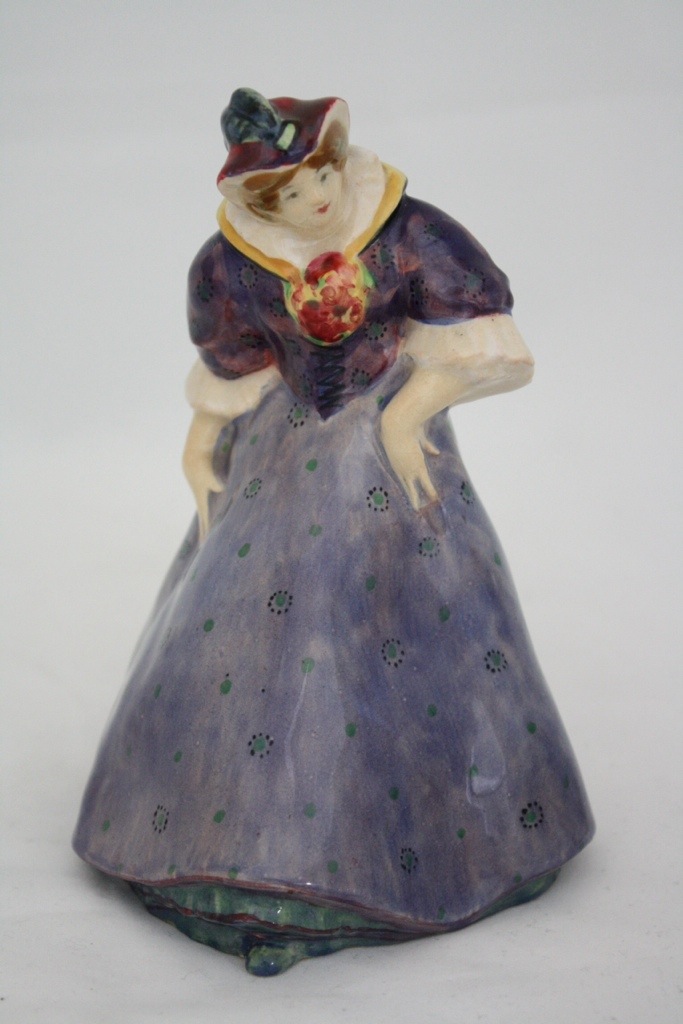
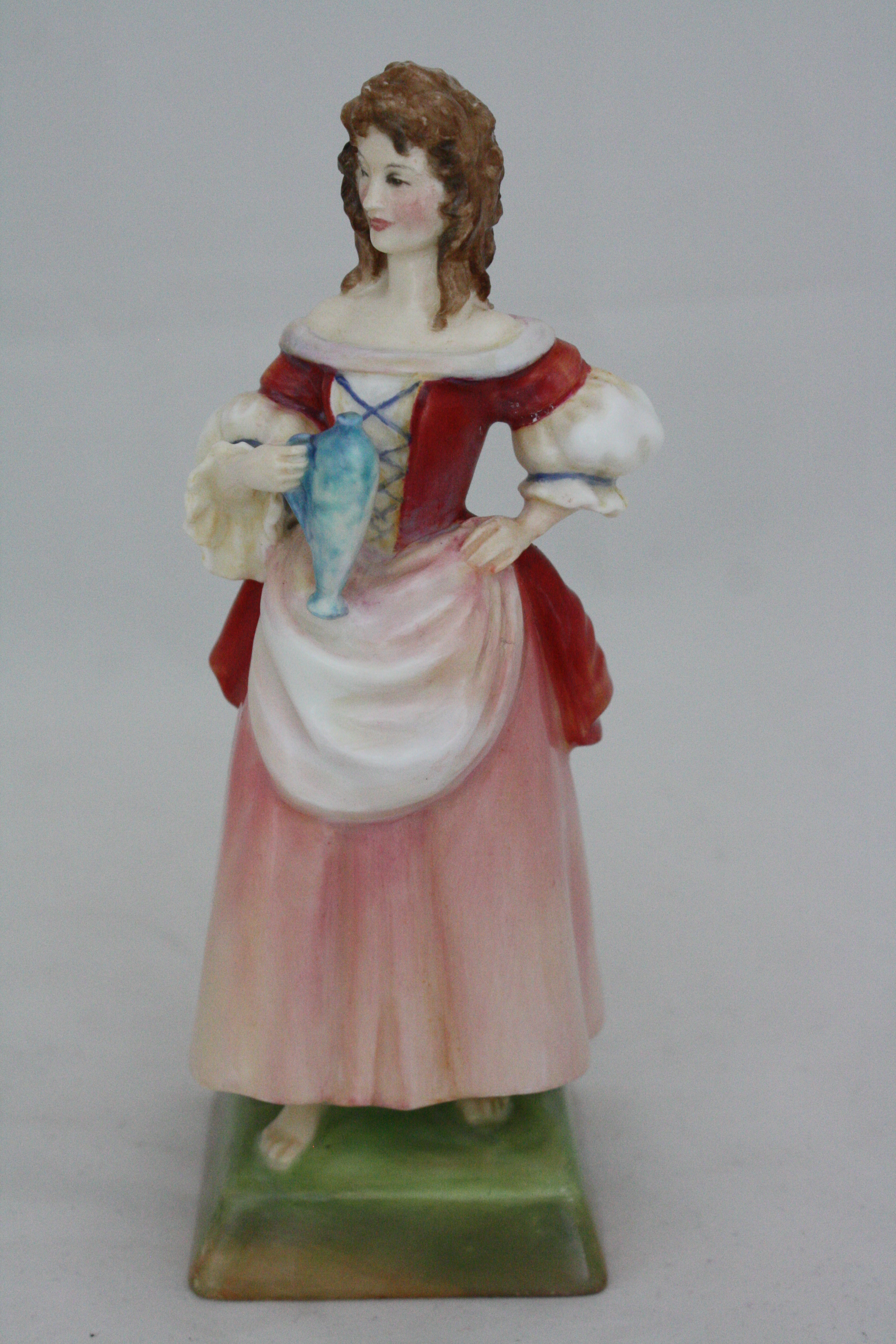
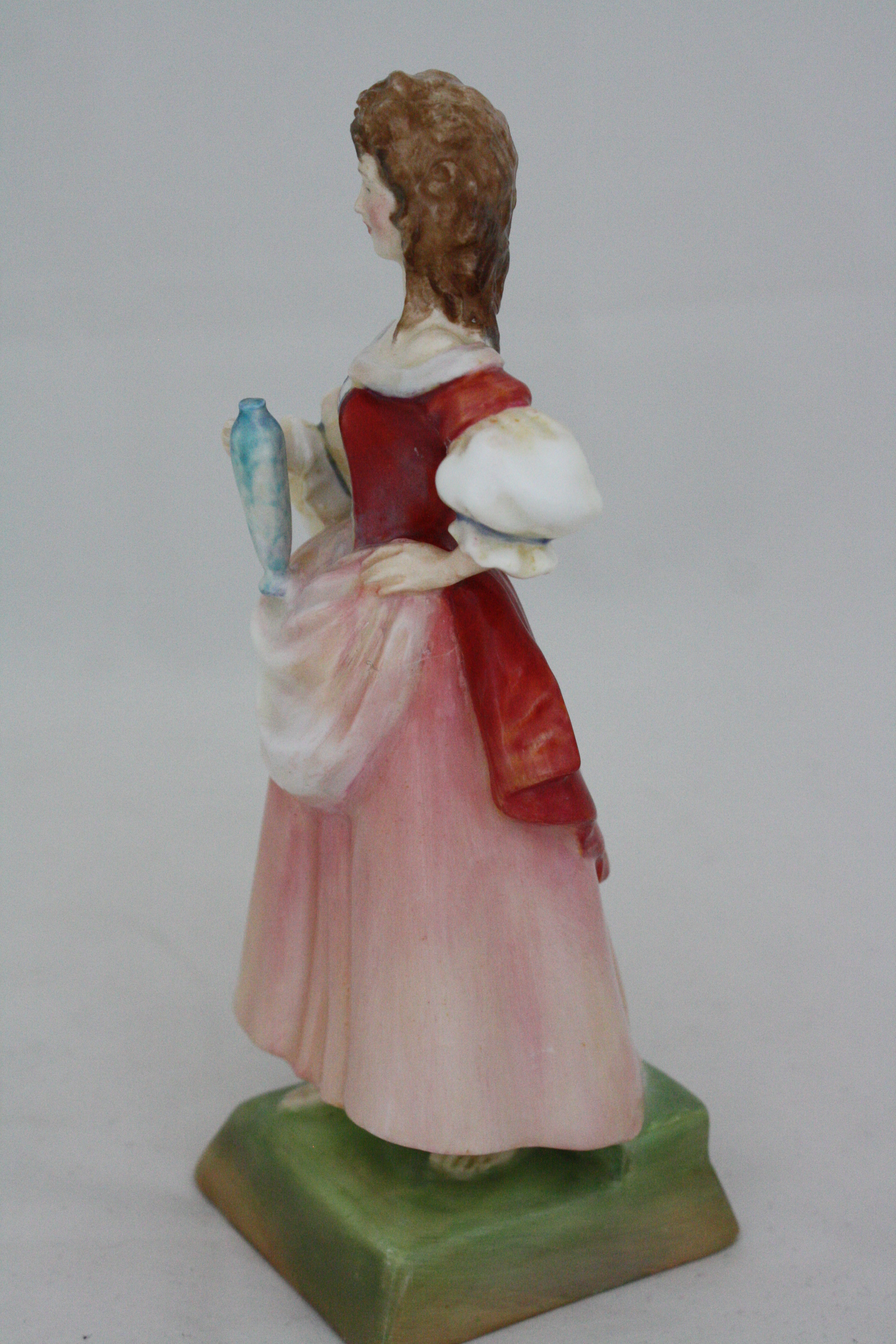
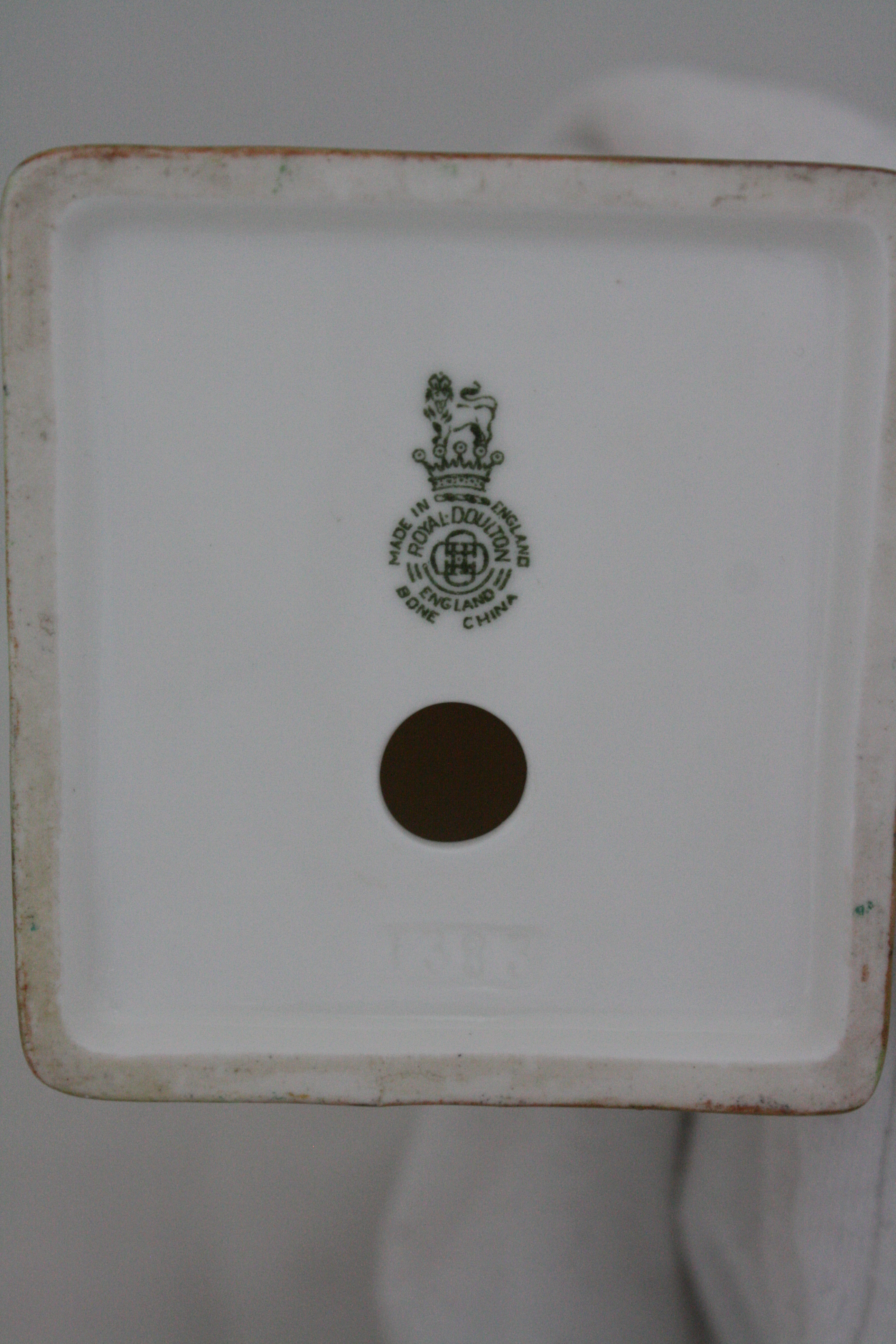
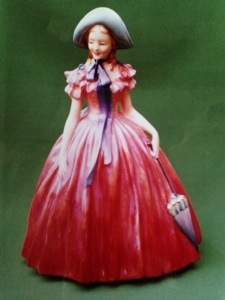
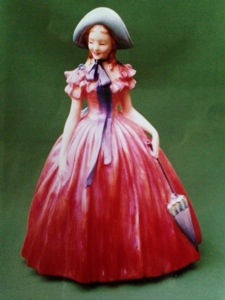
I have recently been asked for advice from Karyn and Gordon Harvey on the figure below from their collection, purchased recently and something they hope is a prototype. Here are the pictures they sent in.

Image

IMG_1323 IMG_1326


My initial thoughts were that it was clearly a Peggy Davies figure; note the style of the head and the hair and also the detailed modelling. At this time I think she really was trying to imitate Harradine, before developing her own individual style. The head and hair are very reminicent to her figures The Leisure Hour and also Promenade.  One give away to any unknown figure is always the face – I once heard that only after 10 years in the figure department would a painter be allowed to paint faces! Here we can see a very typical Doulton face of the 1950’s. Then we look at the base, and whilst there is a Doulton stamp – this cannot be taken in isolation to say for definite that it is a Doulton figure. However, here you can clearly see an impressed model number. Alas the shape books and design books are no longer available for us to consult, but through my own research I have put together a numbering sequence which leads me to believe that the model dates from the early 1950’s, and specificially to ca. 1953 and I am confident in saying that it is a Doulton piece.

Many prototypes from this time appear to be the work of Peggy Davies, a time when Doulton themselves were trying to rationalise production but also manage the cost effective production of their famous figures. No doubt this particular piece was deemed too expensive to reproduce due to the detailed modelling.

Earlier prototypes and colourways often carry the artist who painted them’s initials. In my experience there are two names which crop up time and again here, and they are RB for Reginald Brown and HA for Harry Allen. This practice seems to have stopped in the 1950’s however when the painter’s initials began to be omitted.

In recent times I have noticed a whole hoard of so-called colourways and prototypes coming on to the market – and all I can do is re-iterate my belief that it is always best to buy from a reputable dealer as we would all hate to loose out on a fake!

My thanks to Karyn and Gordon Harvey for their pictures.

Leslie Harradine – Part 1 The early Lambeth years

Leslie Harradine – Part 1 The early Lambeth years

Much has been written about Leslie Harradine over the decades since the resurgence of interest in Doulton art wares.

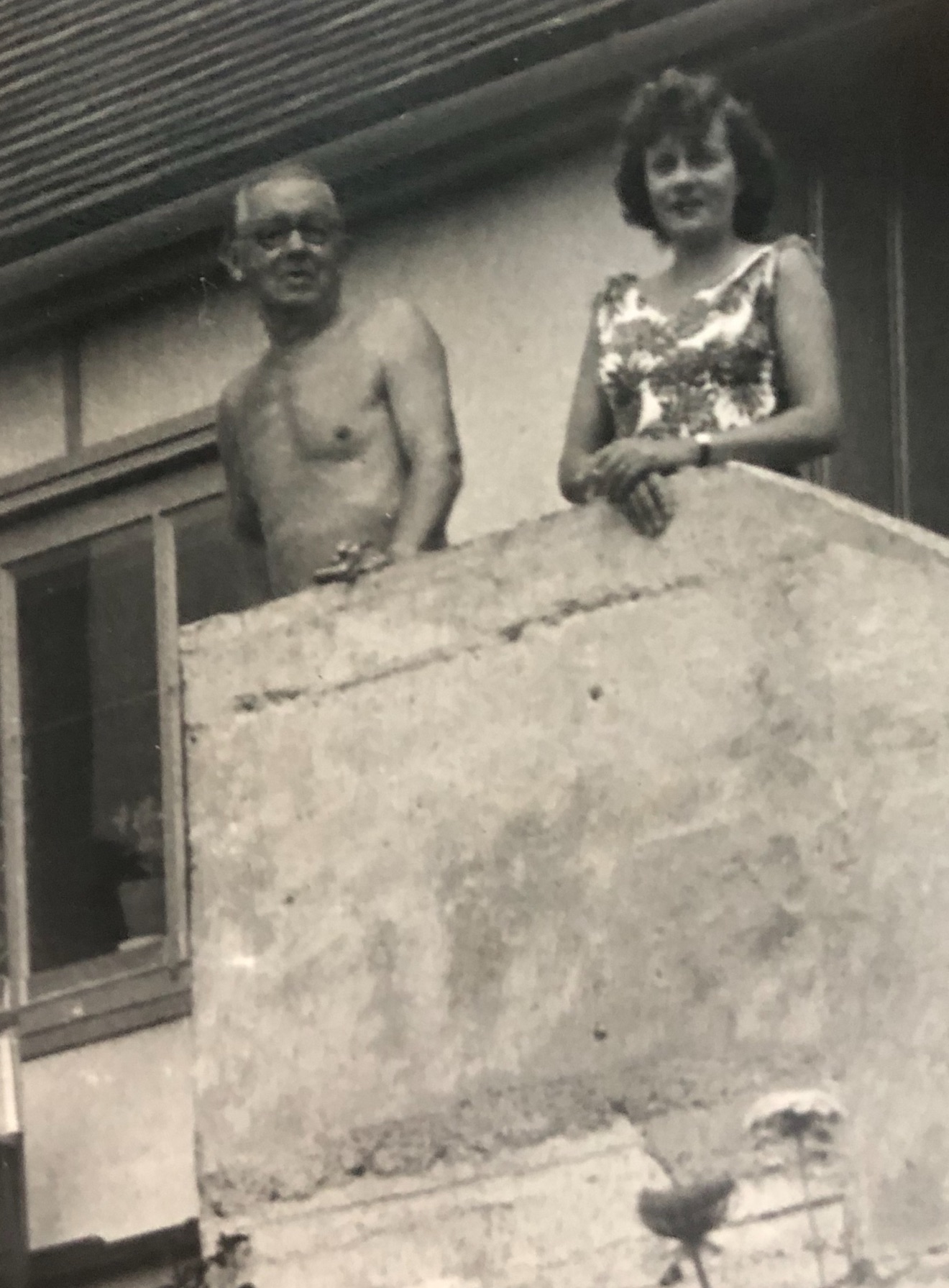
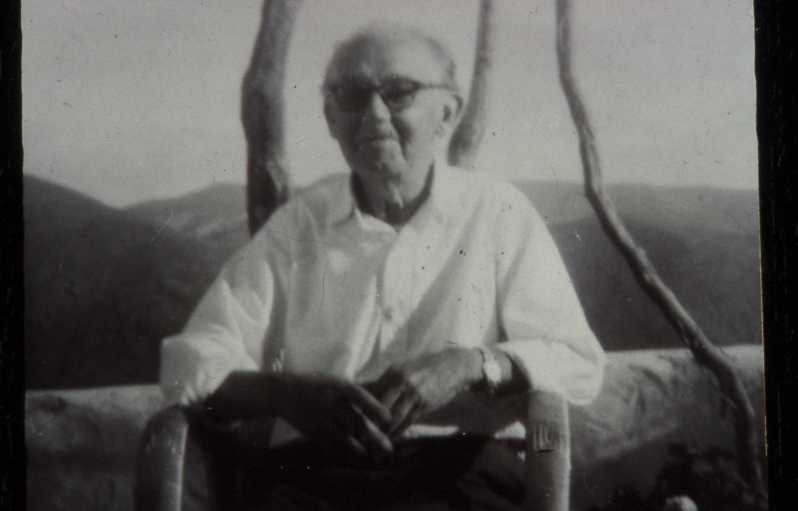
Above: A rare glimpse into Harradine’s life with his 3rd wife.

Arthur Leslie Harradine was born in 1887 in Clapham, London, the son of a solicitor. In 1902 at the age of 15 he began an apprenticeship at Doulton as a learner modeller under the tutelage of George Tinworth and John Broad, although he also assisted Mark Marshall and Frank Pope at this time too. He would late remark about his experiences at this point in his life that he wished ‘he (Tinworth) would give up those dreary religious plaques and concentrate on mice and frogs’. Perhaps providing us with a clue not only into his own artistic preferences but also into his personal beliefs too.

During this early training Harradine attended evening classes at Camberwell School of Art under Albert Toft, who ironically would provide the model W. S. Penley as Charley’s Aunt HN35 to what would become the HN collection, that Harradine himself would influence so dramatically only a few years later.

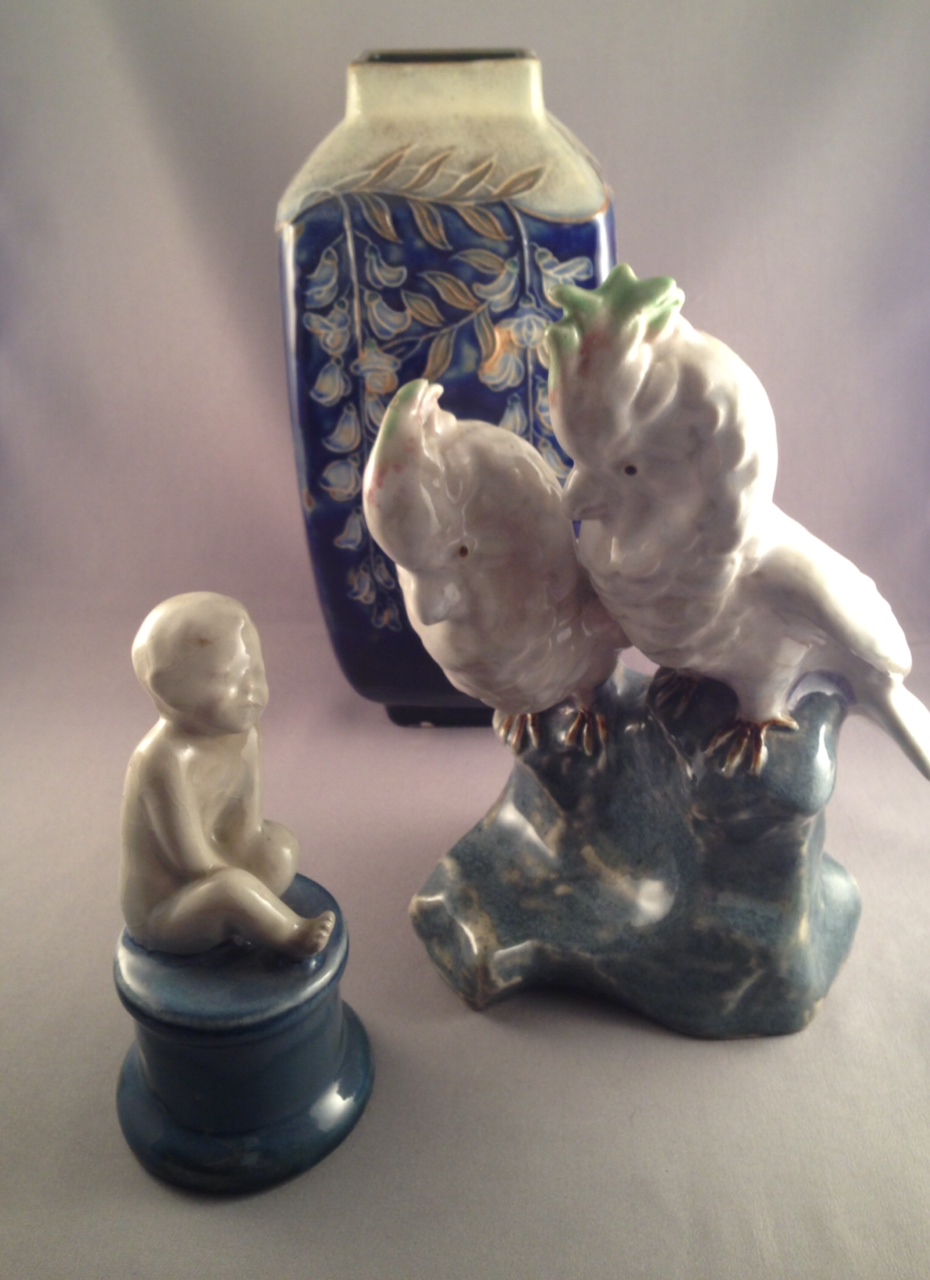
In 1908 suffering from the confines of factory life, Harradine left Doulton at the end of his apprenticeship and unexpectedly set up as a poultry farmer in Hertfordshire with his brother Percy. Naturally he set up a studio there and continued the link with Doulton by sending in over eighty different models for them to reproduce as slip cast art ware. The list of items sent varied from figure groups to vases to child figures. These early piece demonstrated perfectly his ability to interpret people from all walks of life and all cultures.

Image

Three examples of Harradine’s early work for Lambeth

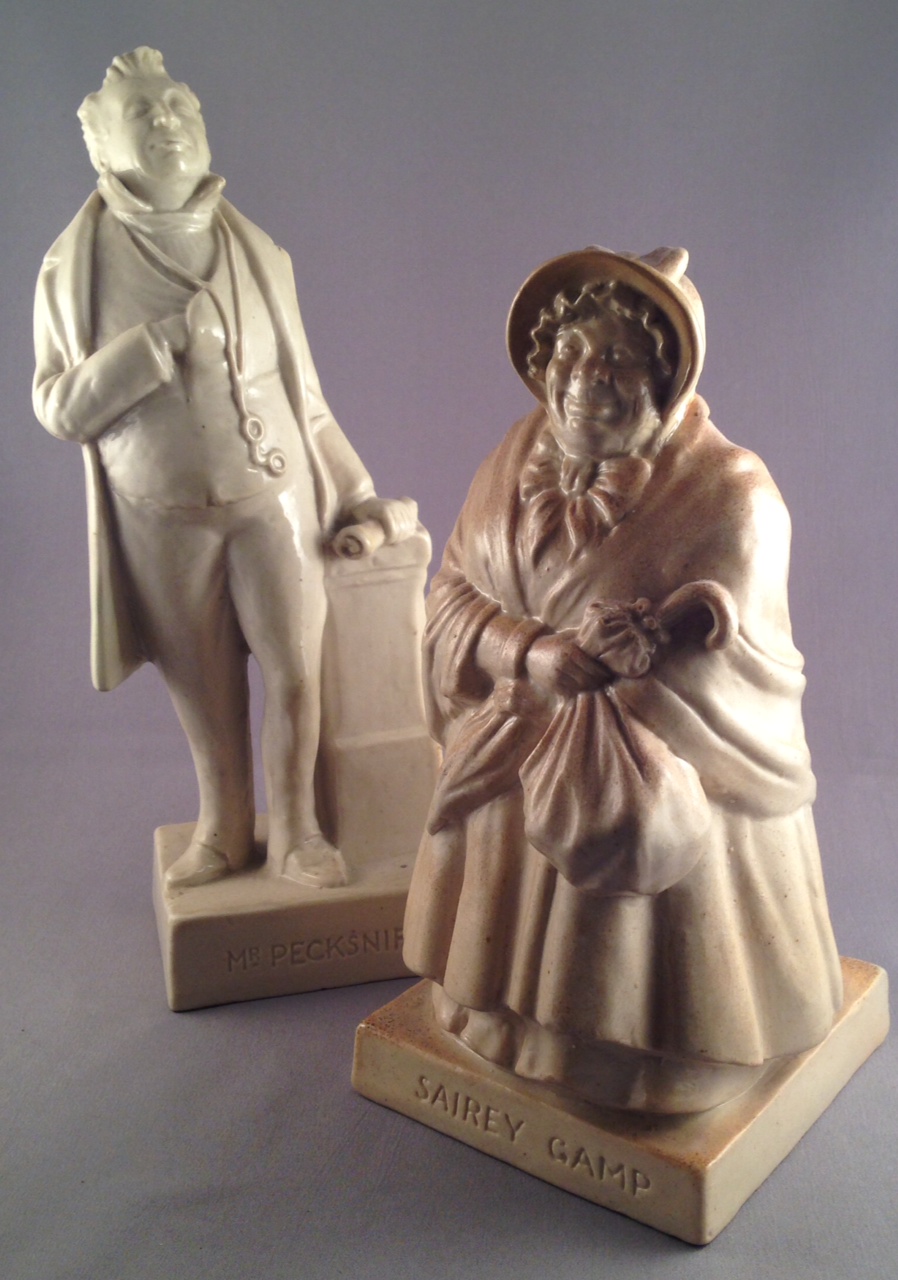
With the outbreak of World War I in 1914 Doulton’s art ware production was curtailed and so Harradine decided to emigrate to Canada with his brother, where they acquired 4000 acres of farming land in Saskatchewan. The open spaces suited both brothers and Harradine continued to model pieces but alas could not fire them. In 1916 the brothers enlisted into a Canadian regiment, Lord Strathcona’s Horse Regiment and saw action in France. Leslie had three horses shot from under him and unfortunately the last fell on him, injuring his leg, resulting in his being ‘invalided out’ after long spells in hospitals convalescing.

Image

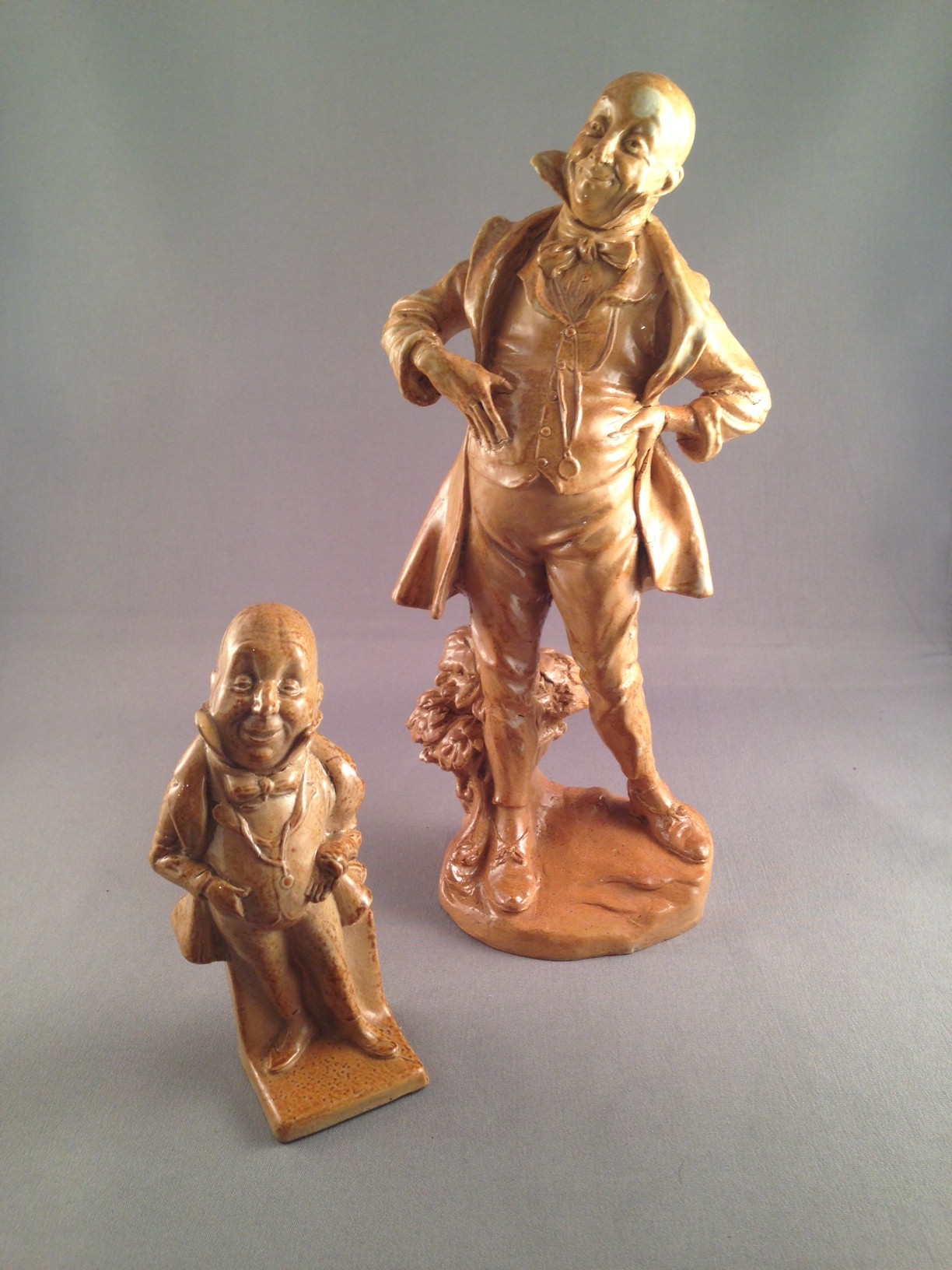
Two of Harradine’s large size Dickens figures made at Lambeth

By the end of the war family life had added a new dimension to his bohemian life. With a wife and a daughter, with two more daughters to follow, Harradine became a freelance artist to support his young family; continuing to do models for Doulton’s Lambeth works.

Image

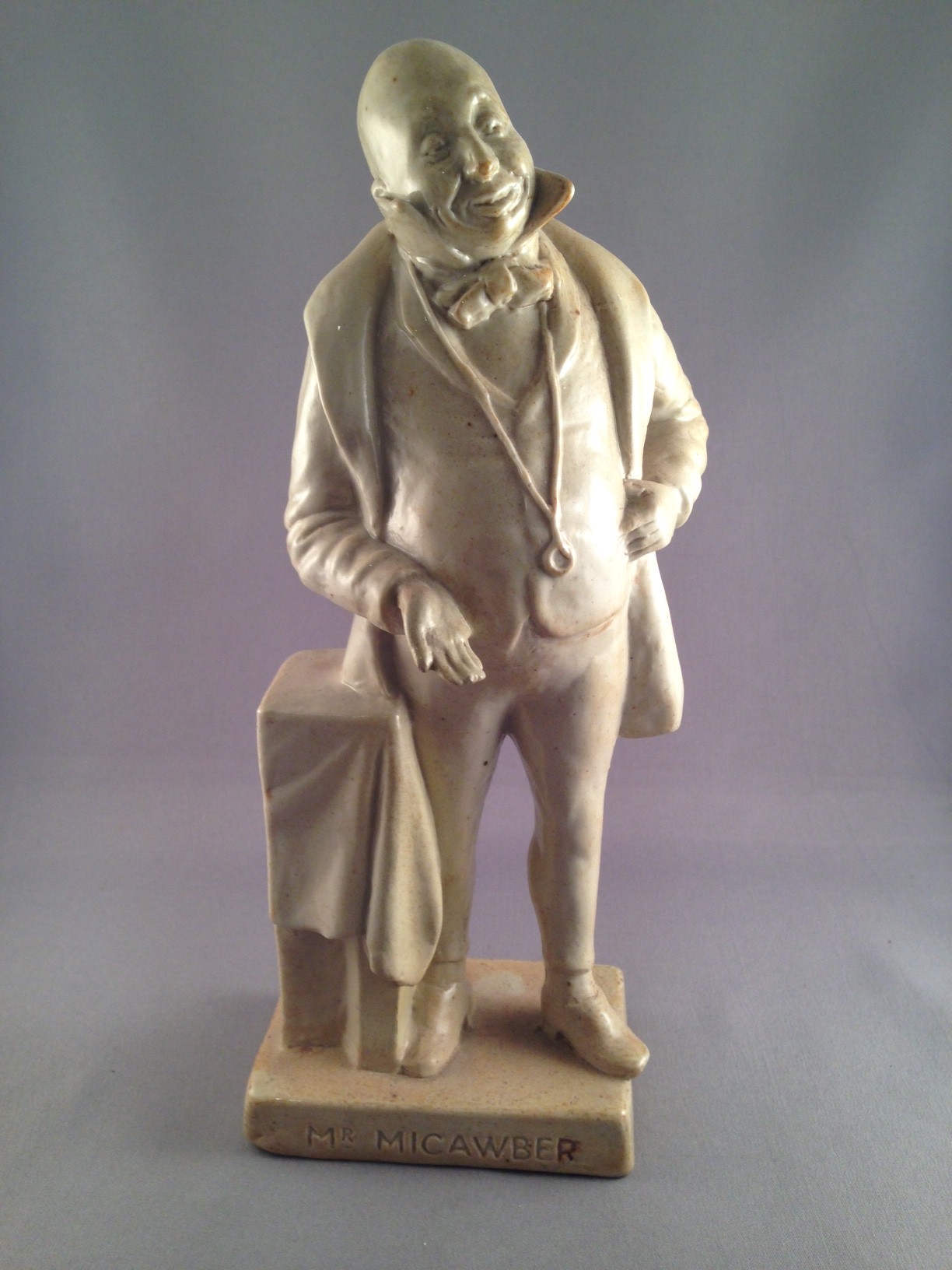
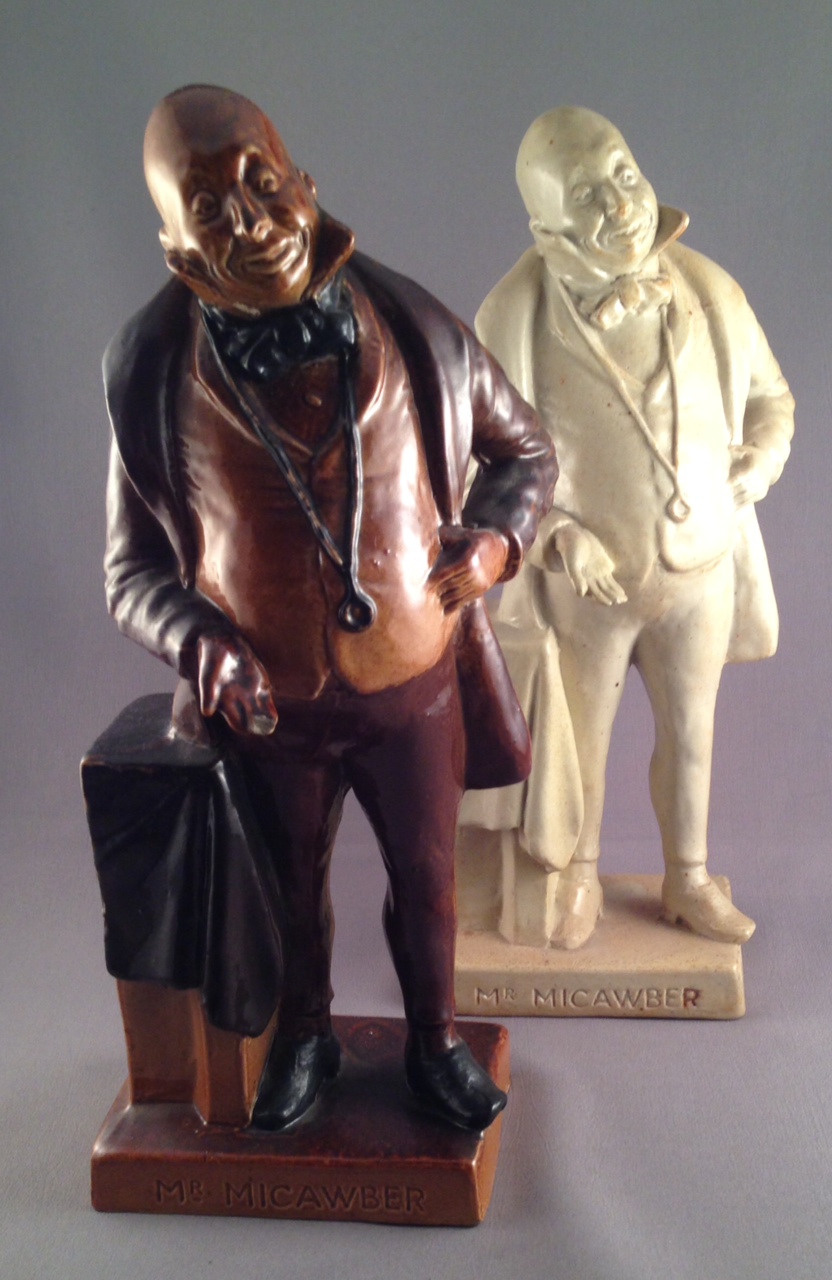
Mr Micawber made at Lambeth. The brown glazed version is much more unusual, although perhaps less popular than the usual white glazed figure

And so the first chapter of Harradine’s association with Doulton comes to a close. In the next we will look at how new links were established with Doulton at Burselm and the great influence he made on the HN collection for Doulton.


Key Burslem dates – part 1

Some of the most frequent questions I am asked revolve around key dates for Doulton or Royal Doulton as they became.

Image

Over the next period I intend to set out what I consider to be the key dates for first of all the Burslem factory and thereafter the Lambeth factory. So here goes…

Part 1: 1780-1899

1780       A Nile St. Pottery was established

1878       Doulton and Pinder Bourne began a partnership. At this time Pinder Bourne had a workforce of ca. 160

1878       ‘Corolian’ introduced

1880       ‘Cobalt Blue’ introduced

1882       The pottery became Doulton & Co.

1882       John Slater was appointed Art Director for Burslem

‘Hispano Moresque’ introduced

John Bailey became the General Manager

1884       Fine china body introduced

1889       A workforce of 1200 is recorded

1889       ‘Photographic ware’ introduced

C. J. Noke joined Doulton & Co.

‘Seriesware’ introduced

1890       ‘Spanishware’, ‘Chiné’, ‘Lustre’, ‘Tapestry’ and ‘Blue Figures/Children’ all introduced

1893       Noke’s ‘Vellum figures’ introduced

1895       Royle’s Patent used

1895       Advertising wares introduced

‘Holbein’ introduced

1896       ‘Luscian’ introduced

1897       Princess Louise gave a Doulton dessert service to Queen Victoria

1898       ‘Kingsware’ introduced

‘Rembrandt’ introduced

1899       ‘Lactolian’ introduced

In the next part we will cover the next 20 years of the 20th Century, that proved so pivotal to the success of the Burslem venture and shape the products we associate with Doulton to this day.


Princess Elizabeth visiting Royal Doulton in 1949 – another video clip

I thought you might all like to see this extra montage of the Queen’s visit to Royal Doulton at Burslem in 1949, when still Princess Elizabeth. Of particular interest is some Seriesware inspired by Brangwyn ware and also the decorating of figures from this period and a comprehensive display of them! Well worth a look!

http://www.britishpathe.com/video/princess-elizabeth-visits-the-potteries/query/Doulton


Still on the topic of ‘Reflections’…here is Lady and Blackamoor HN375 and her inspiration!

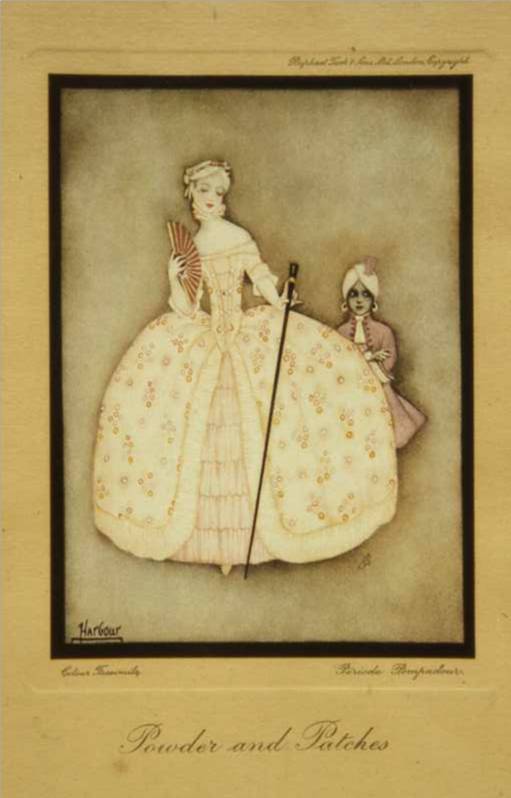
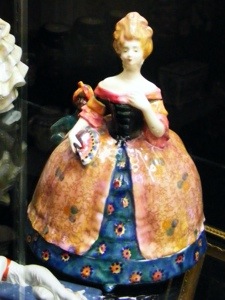
This original illustration is by the popular illustrator Jennie Harbour and clearly is the source for Tittensor’s Lady and Blackamoor. Interestingly this example spotted at the Seaway China/Whitley event in Detroit 2009, is modelled as a powder bowl and the base separates from the rest to provide a place for the powder and puff! The colouring of HN375 is identical to that of HN374, but the former indicates that it is modelled as a powder bowl.

Image

Illustration by Jennie Harbour ‘Powder and Patches’.


20140421-130346.jpg

And here is the rare Lady and Blackamoor HN375 to compare to the original.

An updated discovery! Peter Pan’s Wendy by Arthur Rackham and Tittensor’s Pretty Lady

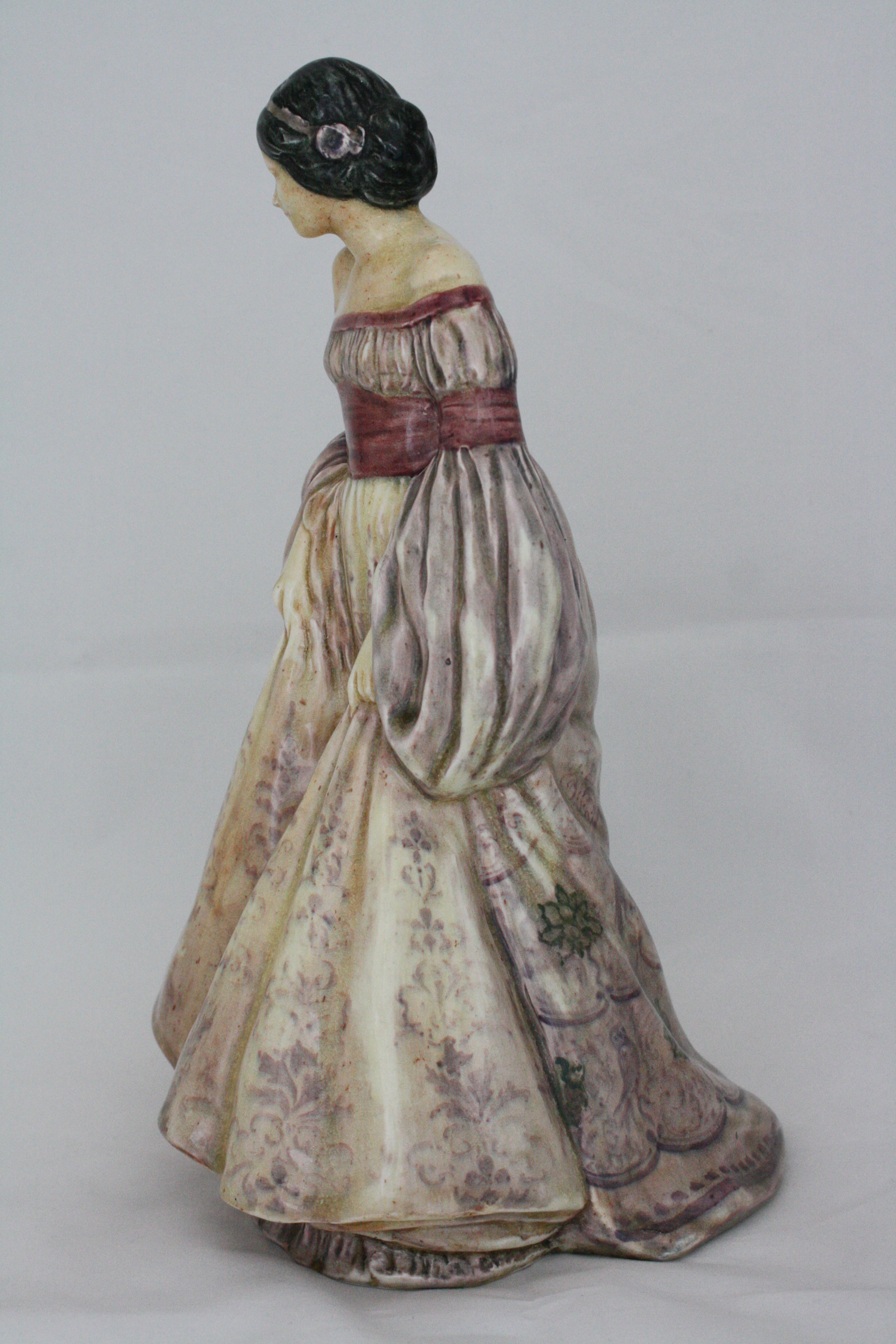
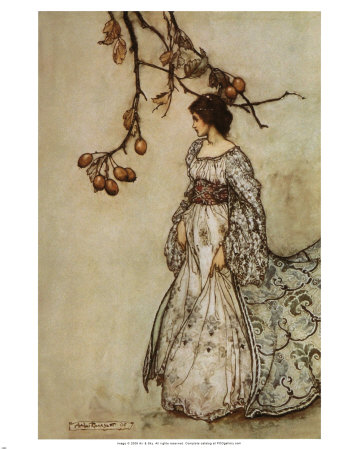
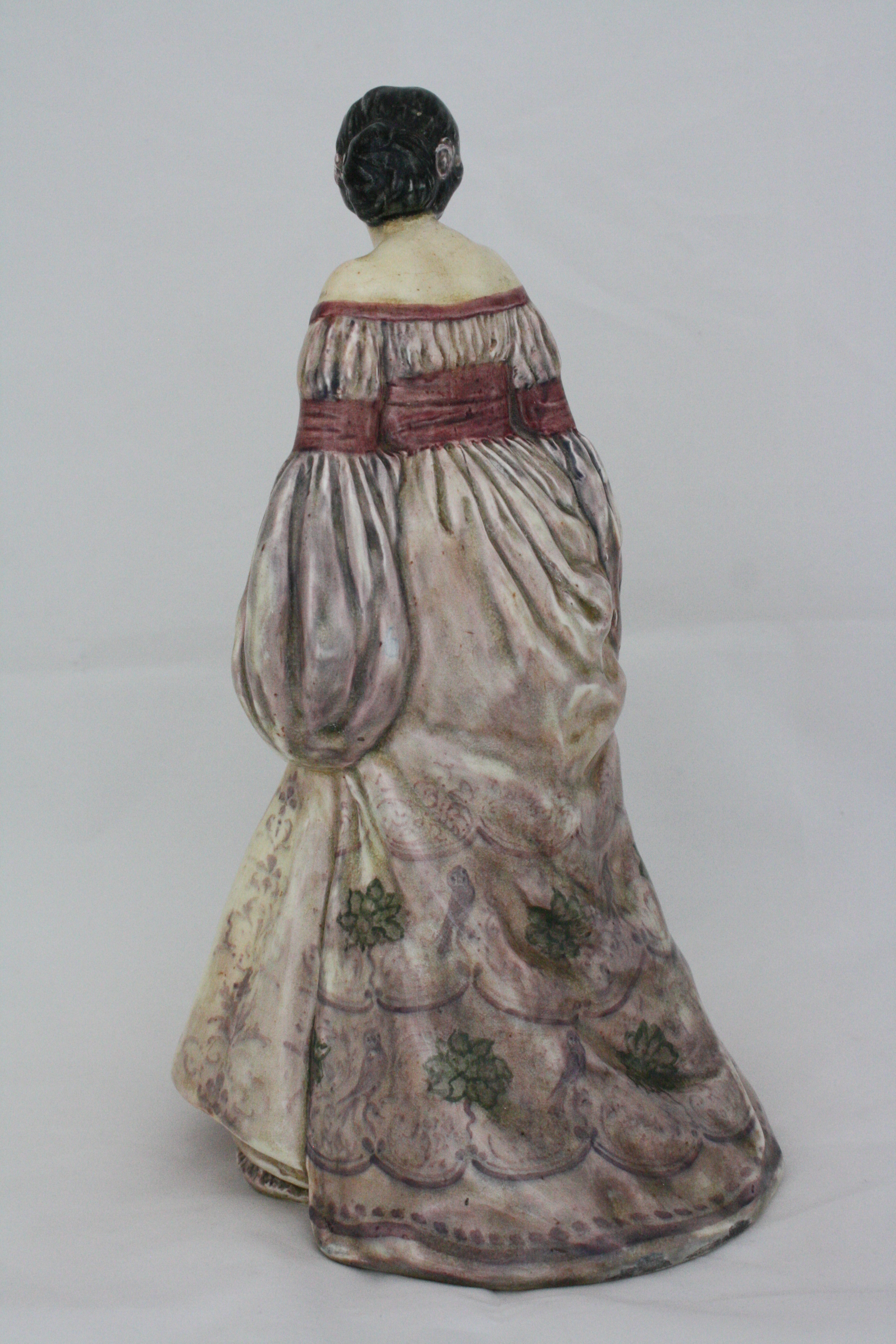
I thought it would be of interest to collectors to see this colourway of Harry Tittensor’s Pretty Lady originally introduced in 1920 together with the inspiration for this special lady. This particular colourway, just discovered, is exceptional and really evokes the textile patterns of the original ilustration, which are so typical of this time when there was a revival in such romanticism and also pre-raphaelite art.

ImageImage

The rare Pretty Lady and Artur Rackham’s “Wendy”. Below is a rear view of the Doulton figure that really does show how true to the original illustration, Doulton have tried to be.

Image

Many thanks to Harvey’s Collectables for the pictures of Pretty Lady.

An Easter Day surprise!

A treat for fellow figure collectors is this early version of Easter Day by Leslie Harradine, modelled after a still of Vivienne Leigh in ‘Gone with the Wind’ from 1938 when the actress played Scarlet O’Hara. The actual version of this figure that went into production in 1945 was accurate in almost every detail to the photograph that has previously been listed here!

20140420-175758.jpg

An A-Z of Collecting Royal Doulton – Bunnykins

With so many collectors of Doulton’s famous Bunnykins nursery ware out there, it is hardly a surprise that it reamins a popular line to this day. Originally created by Barbara Vernon (she took her mother’s surname when she became a nun) in 1934 and famous patrons of this ware have helped perpetuate its success.

Image

An example of an early pen-and-watercolour illustration by Barbara Vernon (1930)

In 1937, the late Queen Mother first saw examples of Bunnykins and since then it has been a regular in Royal nurseries around the world. Interestingly, Barbara was actually the daughter of Cuthbert Bailey, the manager of Doulton’s Burslem factory and hence the Doulton connection.

Image

Examples of nurseryware and the rare Billy Bunnyking

Due to failing eyesight Barbara’s creations for Doulton curtailed in the late 1940’s and Walter Hayward took up the reigns and designs of this most famous nuersery ware continue even to this day. At the most recent Doulton fair here in the UK, once again there was a special limited edition piece, a Bunnykins figure commissioned by Ceramics International for the event and of course it was another sell out!

Image

Bunnykins figures being decorated

Here you can see a picture of the various backstamps used on Bunnykins over the years. Of interest to collectors of nurseryware itself are the signed pieces by Barbara Vernon. Walter Hayward, rather than use a facsimilie signature used a mouse to indicate his designs.

Image

Examples of Bunnykins nurseryware backstamps

The range of early Bunnykins figures are charming with their doleful eyes and there is an early range of tableware with modelled heads to compliment these figures. These modelled pieces of tableware are extremely rare and very popular with collectors today.

Image

The rare and ever popular Mother Bunnykins

As with all things Doulton colourways and prototypes dominate this field of collecting. Yet, there are many variations to be found more modestly, especially when special limited editions have been and are made as commemoratives and also for fairs around the world. So happy hunting and happy Easter!!


Doulton at War (1939-45) – A brief account of the damage at both the Burslem and Lambeth factories

Much is documented about the wares produced by Doulton during this period as much of what was produced is so very rare that only one or two examples of items exist to this day.

However, very little has been documented about what actually happened at the Burslem and Lambeth factories at this time. Naturally there was a shortage of raw materials that had a major impact on production, but also the calling up of employees from both factories must have almost halted production of most wares, save utilitarian items needed for the war effort.

Image

Damage to the Burslem warehouse October 1940

The war came early to the Burslem factory, when in October 1940 a three-storey warehouse housing finished goods and also the Art Director’s studios were bombed. Here you can see a couple of pictures of the debris it left behind. Try as I might the only things I can pin point are a Limited Edition Jug and what is probably some Flambé ware.

Image

A further view of the damage cause to the warehouse at Burslem in 1940

At Lambeth too, the factory sustained damage as did many of their employees’ homes. In May 1941 the Lambeth showrooms took a direct hit and were destroyed but fortunately there was no loss of life at that point. In typical Doulton form for the company at this time, financial assistance was provided to employees suffering from war damage to their homes.

Whilst the above is merely a snap-shot of events during the war-years, it allows us to share these unique pictures from the time.

A place to share enthusiasm for all things Royal Doulton! All original content ©Christopher Evans 2014 unless otherwise credited. No unauthorised reproduction permitted.