Category Archives: C. J. Noke

Royal Doulton’s Lustre wares Part 1

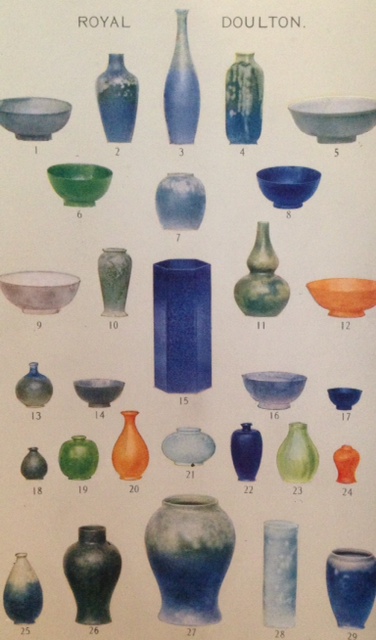
Doulton produced their lustre wares from the late 19th Century to the mid 20th Century, so there are plenty of variations to collect. Here is an interesting page from a Doulton catalogue from 1924 showing their range of lustred vases and bowls to collect.

Image

An early catalogue page.

Looking at the price list for these items, they were equivalent to other Doulton wares including Flambé and Titanian. Today these pieces are available at much more modest prices and many interesting shapes in vases etc…can be found.

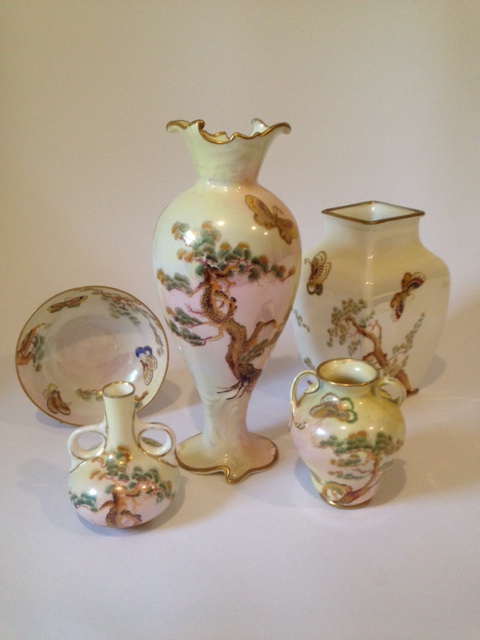
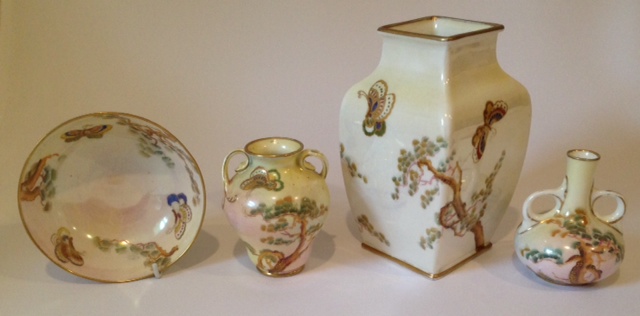
Lustre is achieved by a thin metallic glaze being fired over the existing glaze. There are several transfer decorated items to collect in this lustre glaze, and one particular favourite of mine is this set featuring a japanese style tree and butterflies.

Image

A group of oriental inspired lustre pieces.

As always with Doulton expect the unexpected for I have seen the interior of vases with lustre glazes where just the flared lip of the vase can be seen to Titanian bowls with a lustre finish either inside and out or just lustred on the inside.

Image

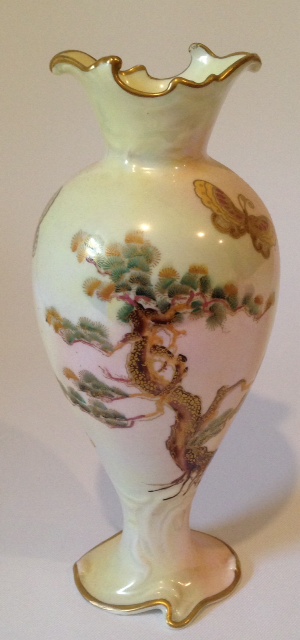
A single view of the tall lustre vase. This shape was popular at the turn of the 20th Century and many fine pieces of handpainted Doulton can be found on this shape.

Figures and animals too were given a lustre glaze and in cases where the piece has lost its lustre it is impossible for us to tell that it would have had a lustre glaze as there was no special backstamp for this ware.

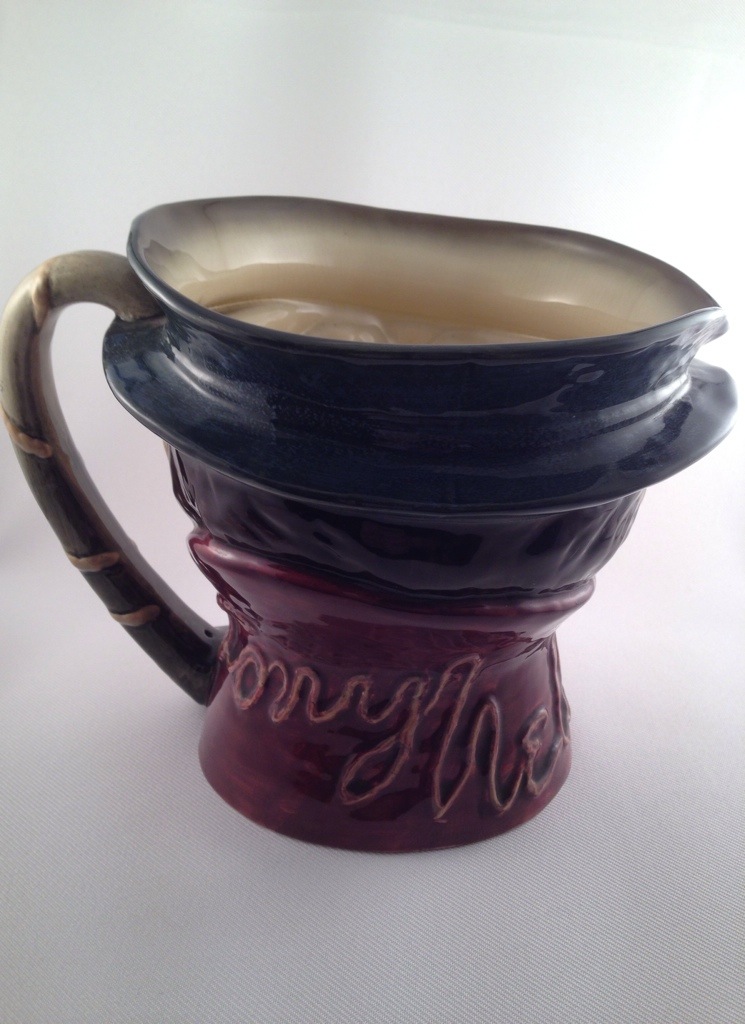
Royal Doulton’s fantastic musical character jugs

20140524-164518-60318395.jpg20140524-165630-60990103.jpg

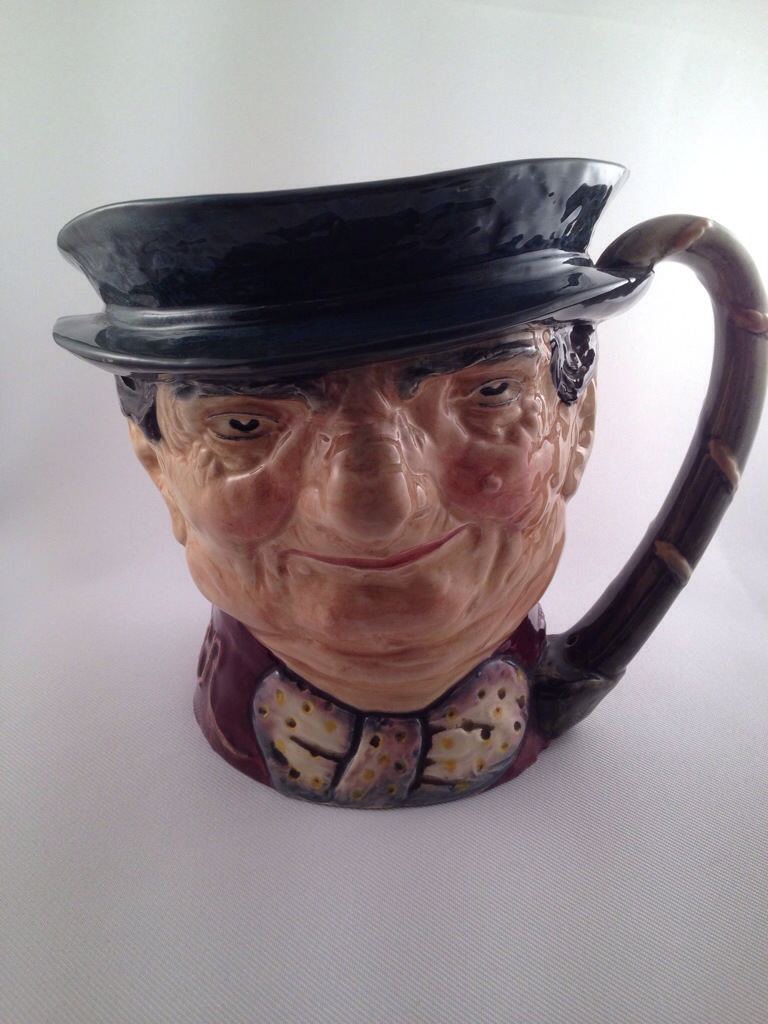
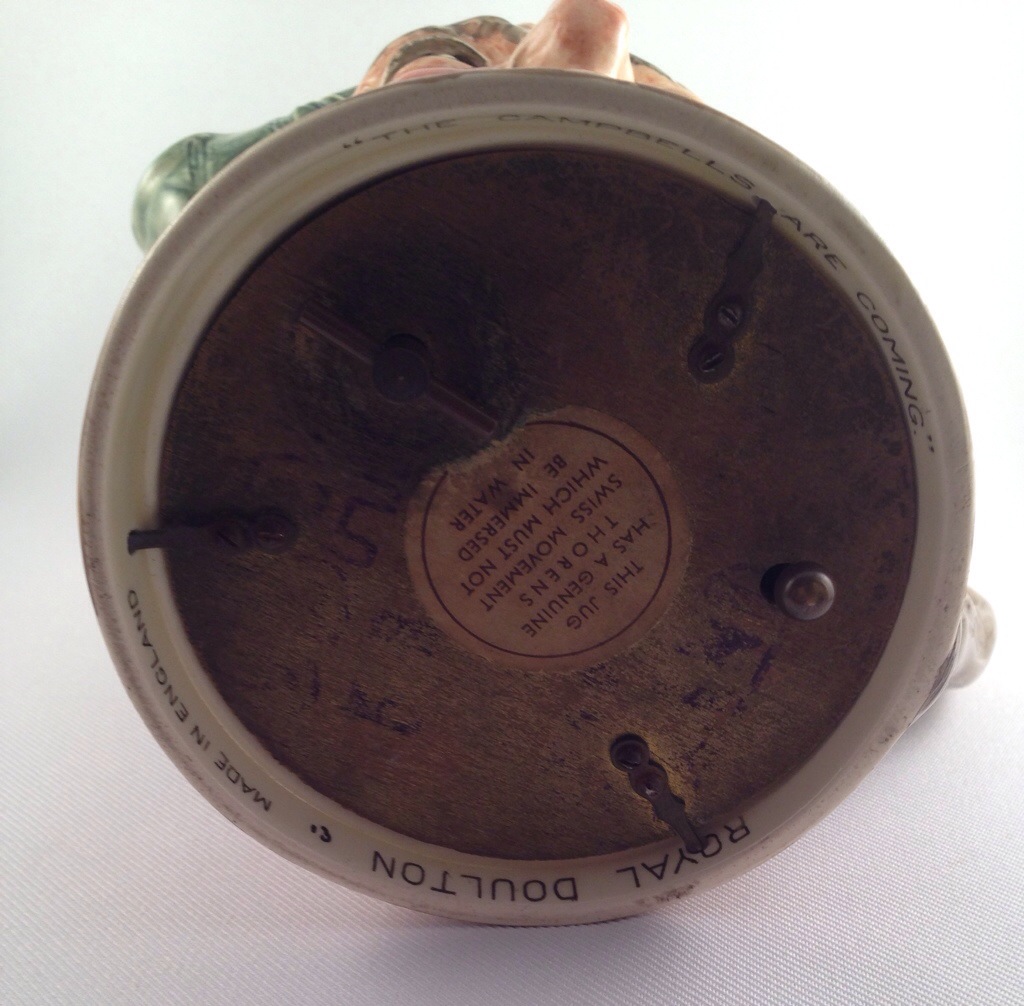
Two views of the Tony weller musical jug.

In the immediate years before the outbreak of WWII, Royal Doulton were avidly addidng to their many successful series of figures, seriesware and of course character jugs. Items from this period are amongst the most sought after of the Doulton wares, simply because the outbreak of war interrupted or halted production completely of many of these lines.

This small group of five musical character jugs, fall into this category. Production of these musical jugs was interrupted by the outbreak of the war and musical jugs were probably not made long after its commencement, given their scarcity in today’s market place. This is borne out particularly by the scarcity of the Old King Cole jug.

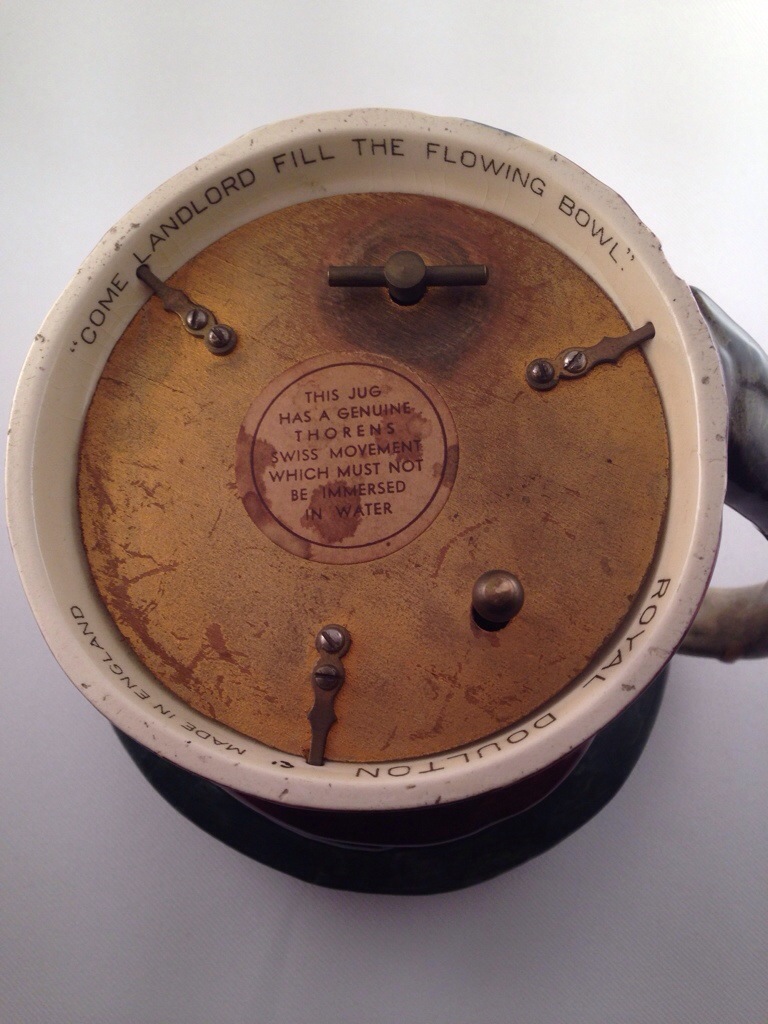
Each of these jugs is fitted with a ‘Thorens’ Swiss movement and the title of the melody it plays is printed around the base of the jug.

20140524-164520-60320376.jpg

Detail to the base of the Tony Weller jug.

The details of these five jugs are as follows:

D5858     Old Charley     1937-42

‘Here’s a Health unto His Majesty’

D5887     Paddy                   1938-42

‘An Irish Jig’

D5888     Tony Weller      1938-42

‘Come, Landlord Fill the Flowing Bowl’

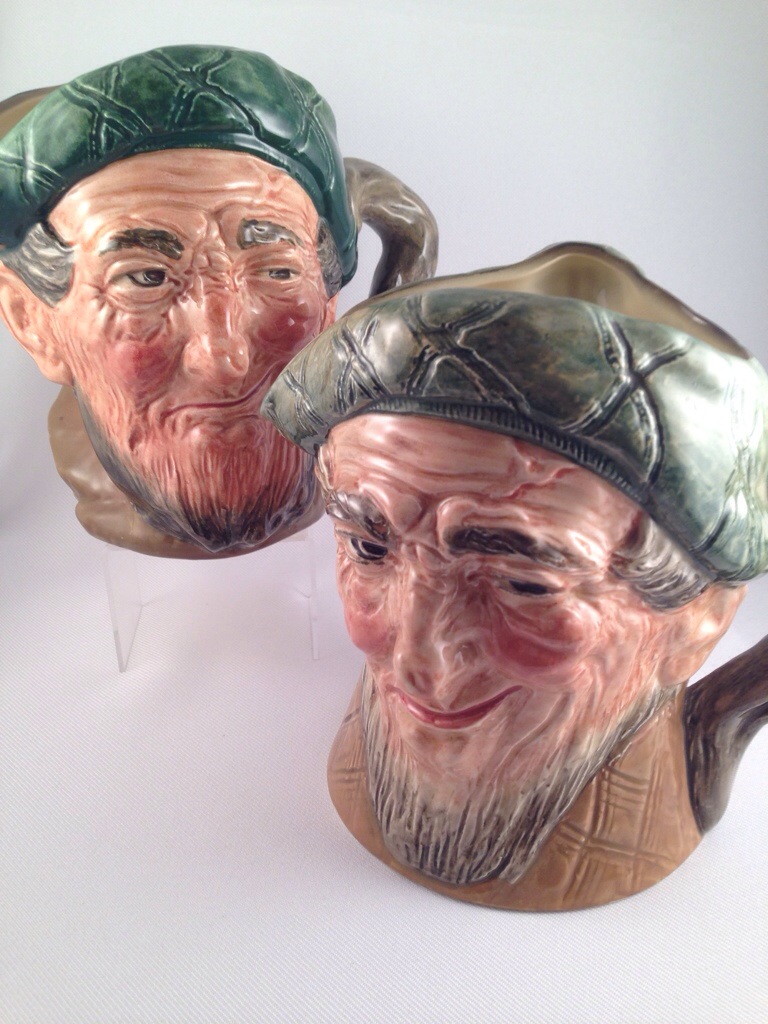
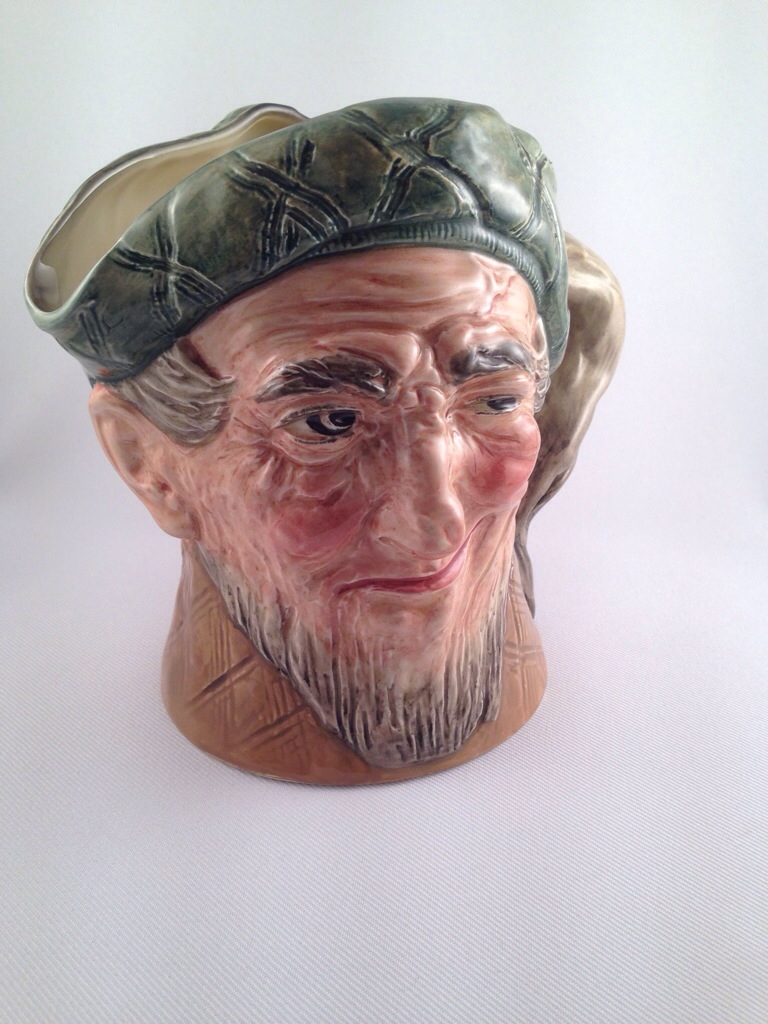
D5889     Auld Mac            1938-42

‘The Campbells are Coming’

D6014     Old King Cole   1939-42

‘Old King Cole’

(a yellow version of this last title exists)

20140524-164523-60323098.jpg

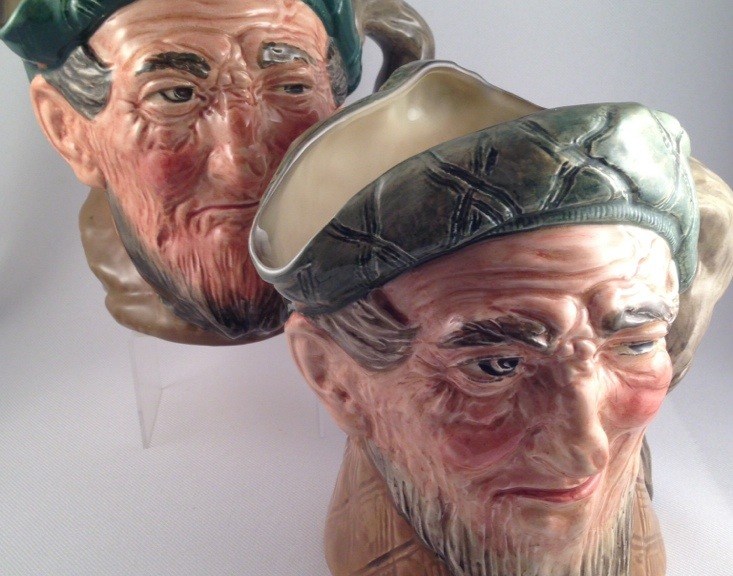
Two versions of Auld Mac. On the left is an ‘A’ mark version ca. 1950’s and on the Right is a musical version.

20140524-164521-60321248.jpg

The musical Auld Mac.


20140524-164522-60322249.jpg

Auld Mac’s base.

Derivatives form an exciting sub-theme for collecting and other derivatives including bookends, busts, teapots, milk jugs and sugar bowls exist.

Happy collecting!


Royal Doulton’s wigged ladies (and gents too!)

We all know that Royal Doulton is famous for it’s bonneted ladies, but there is another theme that is popular amongst collectors, namely ladies with powdered white wigs.

English history is the source of many figures in the HN range and as with all figures so-called artistic license was used in abundance. Figure collectors the world over very often focus on one or two areas to focus their collecting and the Regency period offers collectors some of the best examples of Royal Doulton figures.

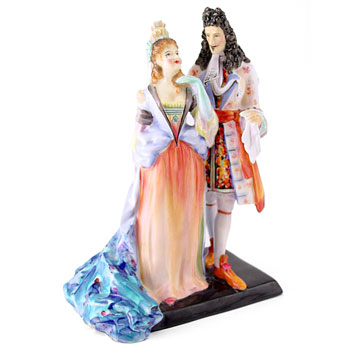
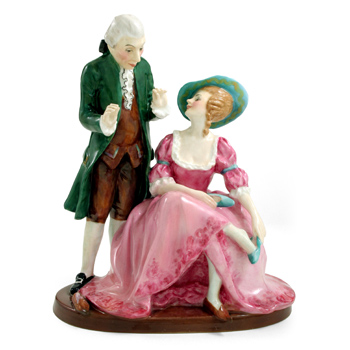
The Regency period in English history is a difficult period to date precisely and when one recalls the towering powdered wigs and cumbersome, elaborate dresses, we are actually thinking of the late Georgian and early Regency Periods. Royal Doulton has paid homage to this period on several occasions since A Lady of Georgian Period HN41 in 1914. Leslie Harradine was one of its greatest champions and his first figure from this period in English History is Tête à Tête HN799 which portrays a gentleman in typically long coat with wide cuffs, powdered wig and heeled shoes. The lady whose attention he is so assiduously seeking is sat wearing a powdered wig and low cut, elaborate dress. The obvious French name of the group, together with the costume, confirm that this and several later pieces were actually based on the French Regency Period.

Image

Tête à Tête.

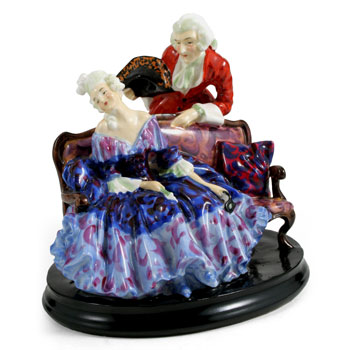
The Courtier HN1338 was the next figure in this style to be introduced and is seen here in his wig and elaborate costume including lace collars, heeled boots and lace tops on his boot hose.

Image

The Courtier.

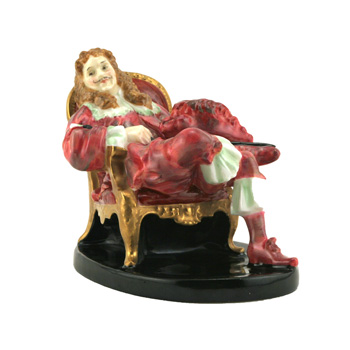
Other figures soon followed including Eugene HN1521 and Lisette HN1524 both seen here in outfits again more reminiscent of the time of Louis XVI of France with their gowns looped up and both holding a fan. Two further French inspired figures followed swiftly as collectors clamoured for this style of figure. Camille HN1586 and Fleurette HN1587 are very much in this style, although Camille is actually based on a Stanislaus Longley picture from the 1930’s.

Image

Camille.

Harradine’s Regency HN1752 is very much true to its name and is a precise reflection of her time, with her stylish riding outfit, riding crop and tricorn hat. In the same year, 1936, The Court Shoemaker HN 1755 was introduced. Whilst the focus of the figure is undoubtedly the lady, we get an accurate glimpse of a servant’s attire in the shoemaker, with his simplified costume.

Image

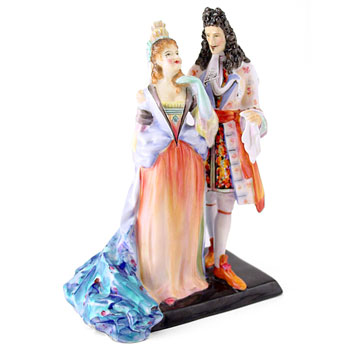
In the immediate post-war years after 1945 Peggy Davies again presented two figures in this style, namely Hermione HN2068 and Georgiana HN2093, both of whom are elaborate in style and expertly researched and executed as all of Peggy’s figures were. A final piece to mention here is Promenade HN2076. The sheer complexity of this figure must have made this piece particularly difficult to produce and this no doubt accounts for its scarcity today. Once more Peggy’s research is second to none and both figures are presented in costumes from ca. 1700 taken directly from fashion illustrations.

Image

Promenade.

On first glance themes amongst the many figures introduced over the last century are not always apparent, but rest assured others do run through the HN collection and they provide an excellent basis on which to form a collection or even a display.

As always, thank you to Seaway China for the use of their pictures!

Don’t forget if you like my Doulton articles, join our facebook page for more discussion, articles and pictures!

doultonchristopher1's avatardoultoncollectorsclub

Search facebook for: Doulton Collectors Club and ask to join the group!

Image

View original post

A celebration of Doulton’s Jackdaw of Rheims seriesware pattern

20140519-192355-69835354.jpg

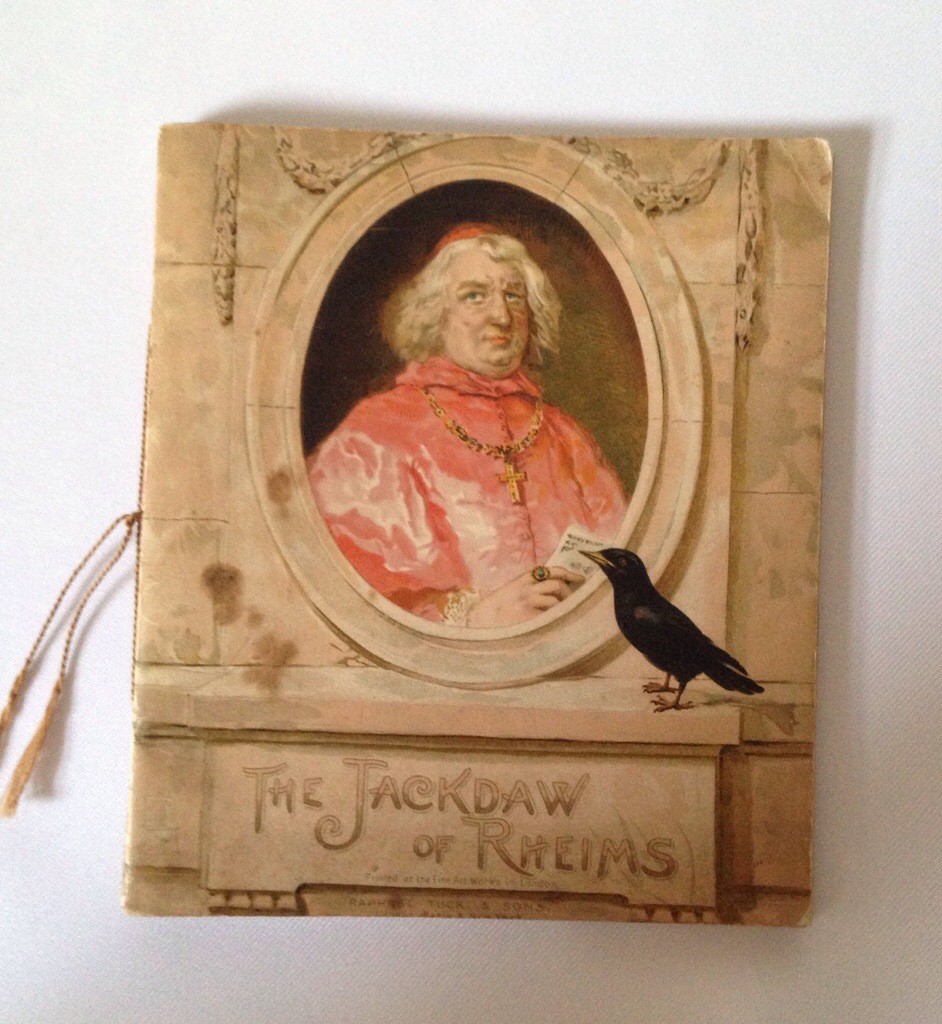
The cover of an early pictoral edition of the poem.

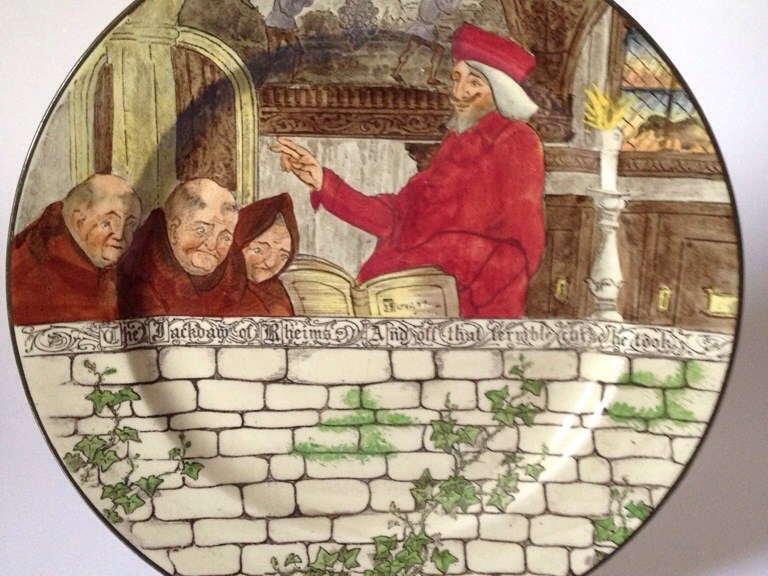
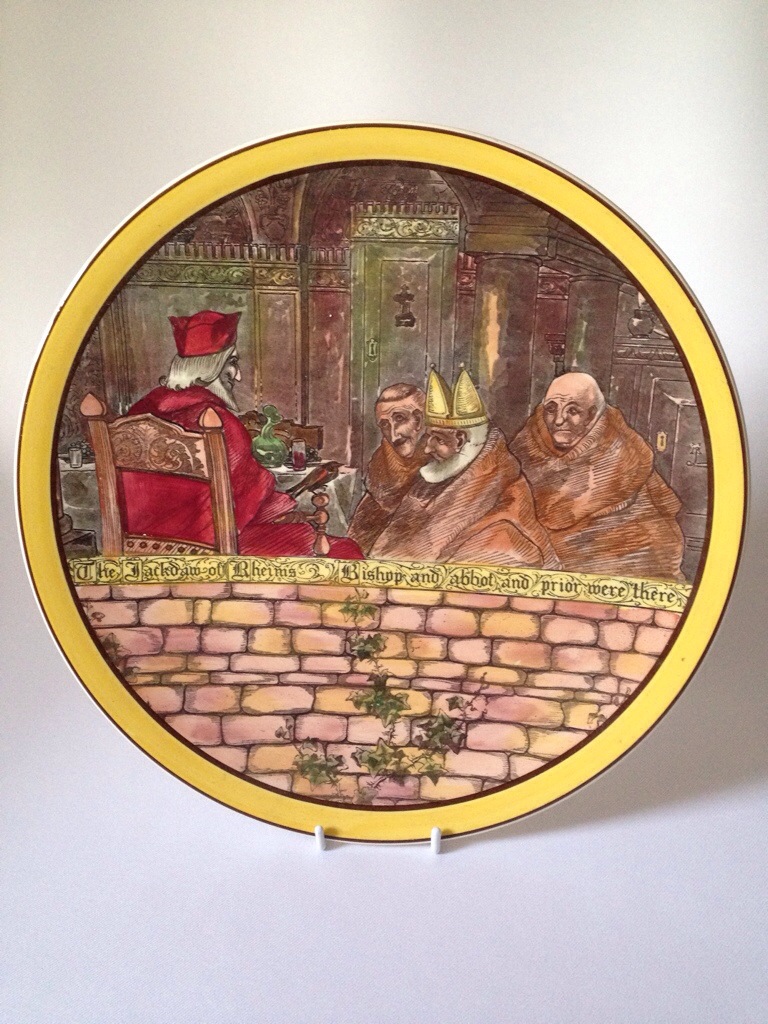
Doulton’s seriesware pattern the Jackdaw of Rheims is of course based on the Victorian poem by Thomas Ingoldsby of Tappington Manor, actually a pen-name of an English clergyman named Richard Harris Barham, and his verse is famous for its wit and heroic tales. Of the many Ingoldsby legends this is perhaps his most popular and so it is no surprise that Doulton chose to base a seriesware pattern upon this story.

20140519-192436-69876305.jpg

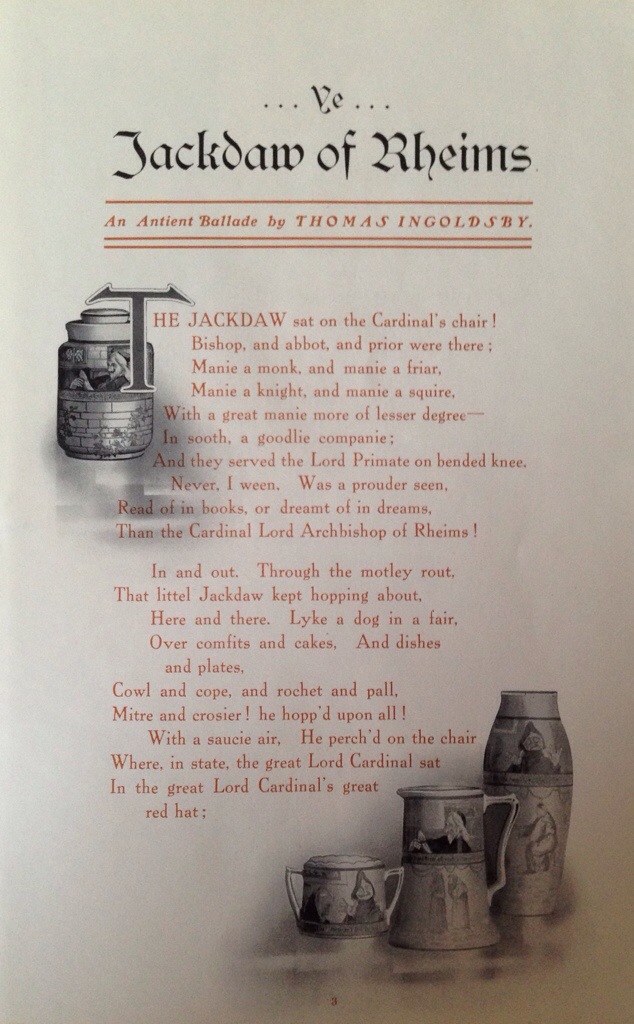
A page from a Doulton catalogue advertising this story ca. 1906.

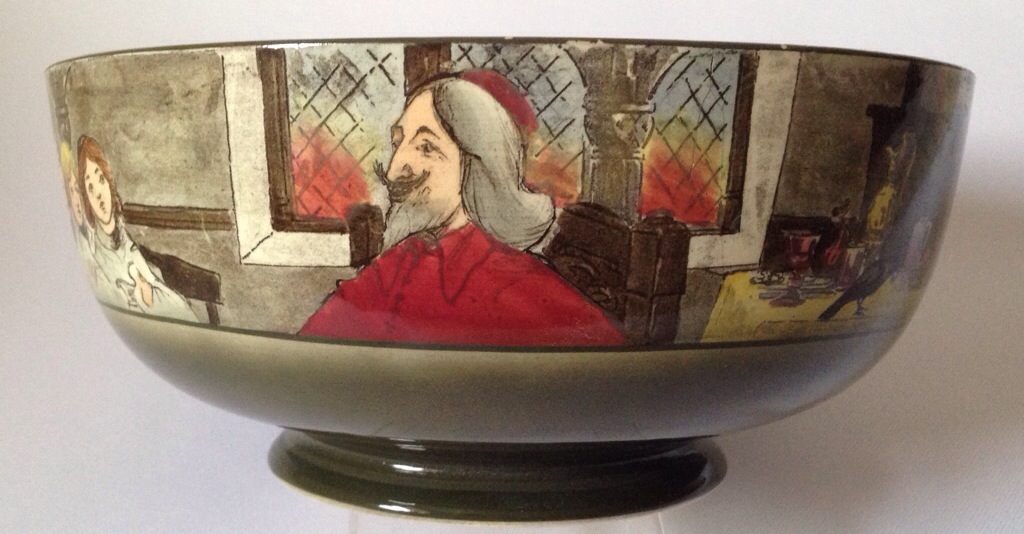
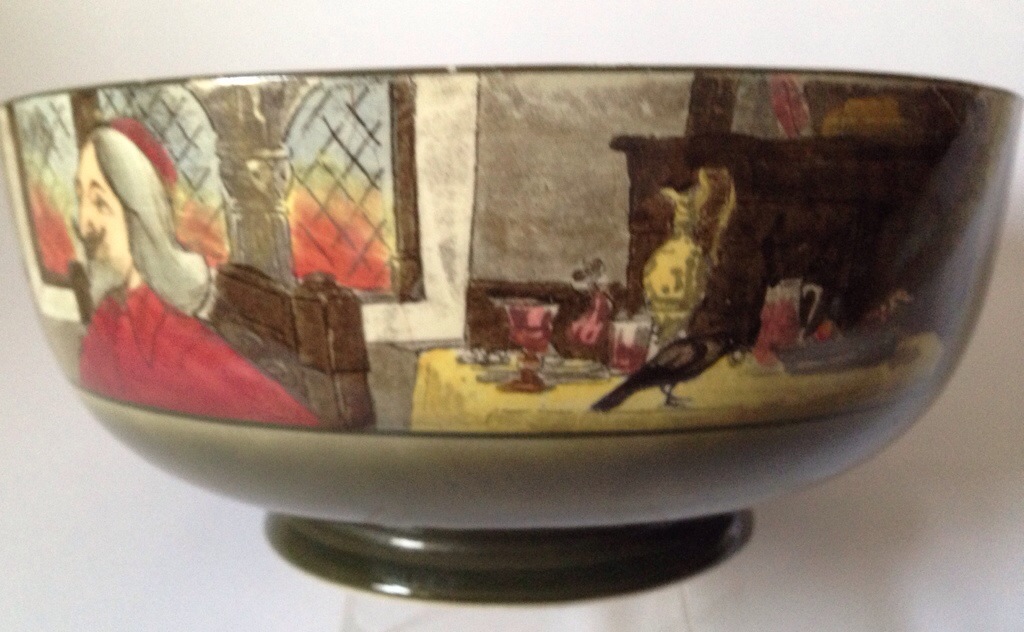
The story starts with a scene at the Cardinal’s Court in Rheims, where a stately feast is taking place, thereafter the cardinal’s ring mysteriously disappears, a fearsome curse is then placed by him on the unknown thief, it’s terrible effect is seen upon the poor jackdaw and finally the jackdaw’s return to favour are vividly described for us.

20140519-192909-70149950.jpg

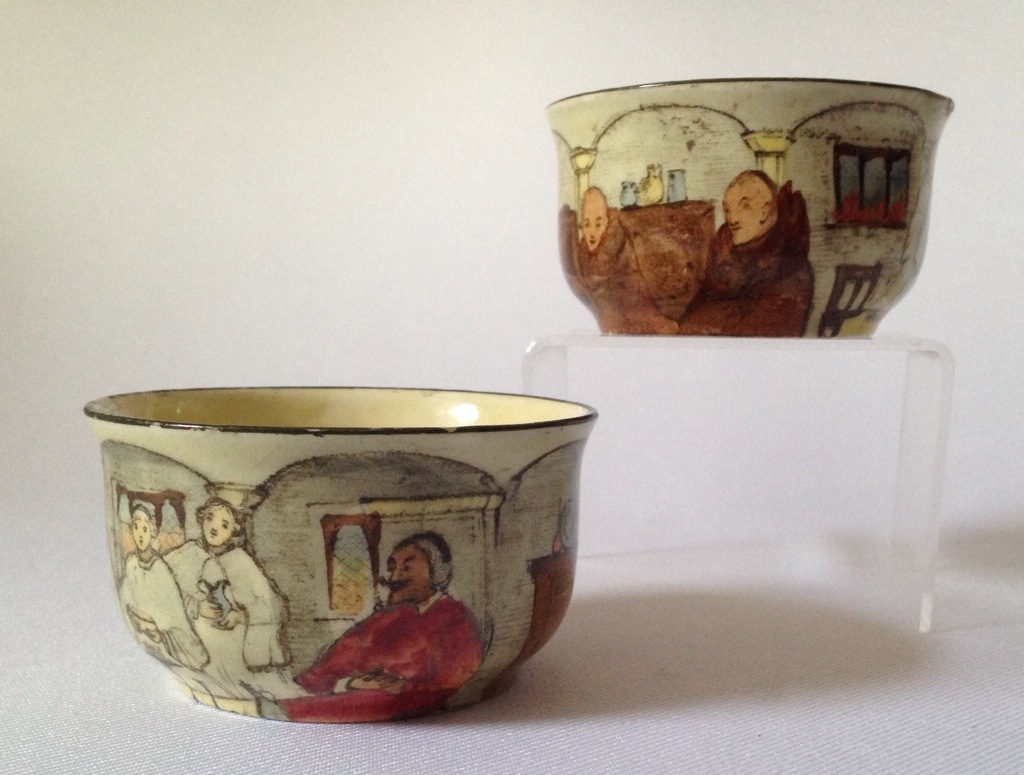
A pair of early sugar bowls.

These colourful incidents provide the inspiration for Doulton’s series and lend themselves so well to pictorial illustration as can be seen. First introduced in 1906 there are typically an array of scenes and shapes to collect.

20140519-193041-70241670.jpg

20140519-193040-70240286.jpg

20140519-193041-70241035.jpg

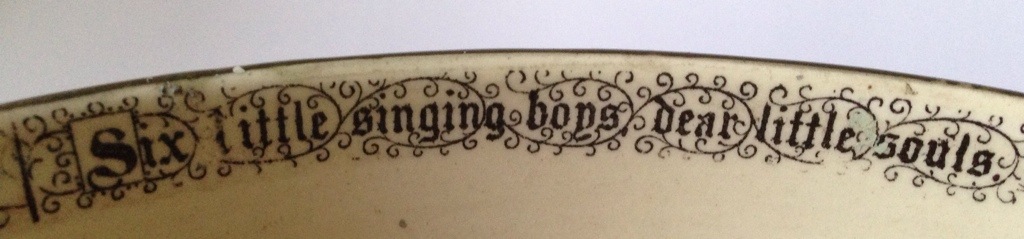
Three views of a large fruit bowl including the inscription around the inside edge of the bowl.

Today this seriesware pattern remains amongst the most sought after and more unusual shapes and scenes can make a considerable dent in the wallet.

Doulton described the series as a”Keramic Edition” of this famous tale and so it is, with sections of the verse used as part if the illustrations.

20140519-193335-70415490.jpg

Royal Doulton Flambé – the King of Egyptian commemoratives

Royal Doulton always followed the mantra of offering something for everyone and this certainly rings true when you consider the variety of wares produced over the last 100 years to commemorate Egypt’s great history.

From seriesware such as Tutenkhamen’s Treasures series, to handpainted desert scene pieces, to Flambé pieces, to figures ….. here once again there is something for everyone.

As a child I remember being fascinated by all things Egyptian – a study whilst at school, a trip to museums with grandparents…all fuelled this mania. This mania gripped the world in the early 1920’s with the discovery of this now world famous tomb and Doulton was at the front of the queue to produce commemorative pieces for this event.

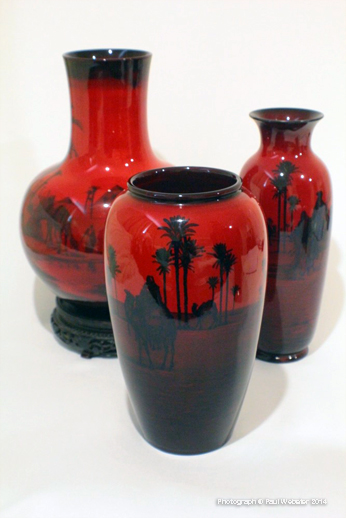
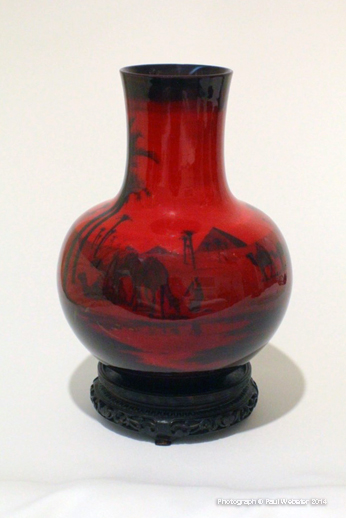
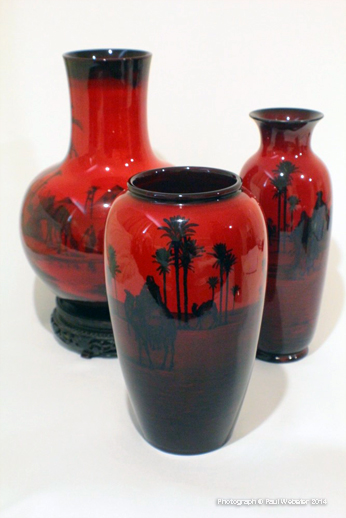
One of the most striking series Doulton produced is the Flambé range of wares, featuring  pyramids, the sphinx and numerous other desert scenes. Here are a selection of pieces for you to enjoy!

Image

A striking 14″ vase with a variety of scenes from Cairo.

Image

The same vase on the left, together with two variations of Egyptian scenes to suit the shapes of their respective vases.

Doulton’s Titanian ware

There were two great Doulton art factories in the 1920’s, with others factories both in the UK and in Europe too where more utilitarian goods such as Doulton drainpipes and sanitaryware were produced.

In Burslem, where figure production had been revived, Doulton’s Art Director, C. J. Noke was simultaneously keen to establish and indeed re-discover many of the ancient Chinese transmutation glazes of yesteryear. He had already re-discovered, introduced to the public in 1904 at the St. Louis Exhibition and by the 1920’s firmly established the world famous Doulton Flambé glazes but Noke together with his team of assistants continued experimenting with glazes and bodies so that today we have other glaze wares including Chang, Chinese Jade and of course Titanian to collect.
20140511-155407.jpg

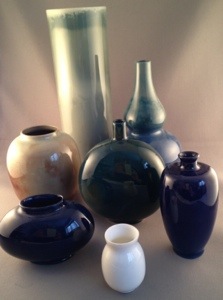
The diversity of Titanianwares from handpainted, to glaze, to seriesware.

The unique Titanian glaze uses a titanium oxide which results in a bluey colour and pieces of Titanian ware can vary from white to dark blue glazes.
20140511-155538.jpg

An unusual Titanian vase illustrating the varied colour of this glaze.

It was often used as the background to Doulton’s fine porcelain wares that were painted with typically birds but also oriental figures and flowers by leading artists including Harry Allen, F. Henri and Harry Tittensor.
20140511-155413.jpg

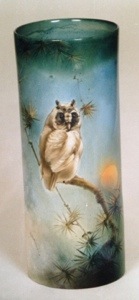
A charming Titanian vase and owl, handpainted.
20140511-155426.jpg

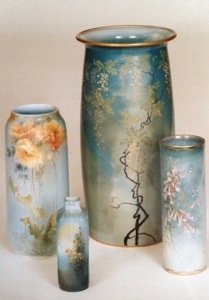
A group of desireable, floral Titanian vases.
20140511-155545.jpg

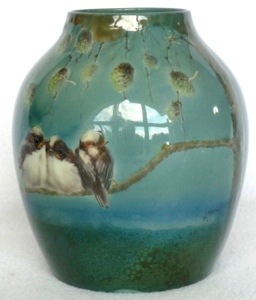
A typical Titanian vase signed F. Allen.
20140511-155434.jpg

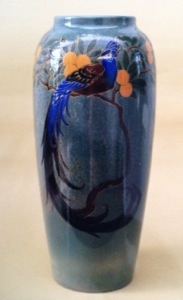
A tall Titanian vase with a Bird of Paradise design.

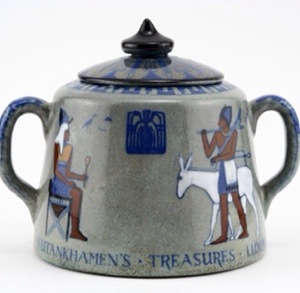
Doulton’s seriesware was also in some instances given a Titanian glaze including the Sunset with Poplars range and of course the Tutankhamen set commemorating the opening of the Egyptian King’s tomb in the early 1920’s.
20140511-155557.jpg

A Titanian lidded sugar commemorationg the opening of Tutankhamen’s tomb.

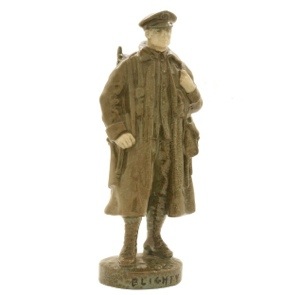
Figures too were given the Titanian treatment and three of the rarest figures today are commonly found in Titanian when they occasionally do turn up, namely the Australian and New Zealand Digger figures and their British counterpart Blighty – all issued at the end of the first world war.
20140511-155606.jpg

The rare Blighty in a Titanian glaze.

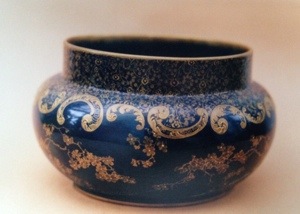
The body of Titanian pieces can vary immensely from an egg-shell like porcelain to a heavy earthenware. This diversity in body is reflected in the price range for these wares, but this in turn allows varied scope for collectors today.
20140511-155419.jpg

Here is a heavily gilden earthenware Titanian rose bowl.

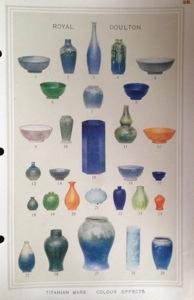
My own particular tastes when it comes to Titanian are for the unusual shapes and glaze effects rather than the handpainted items. The Titanian glaze was introduced in 1915 and in production until ca.1930  and so pieces of Titanian ware can be found if you have a keen eye or if you have a dealer onside who will search these pieces out.
20140511-155401.jpg

A catalogue page from 1924 illustrating the types of pieces that appeal to me.
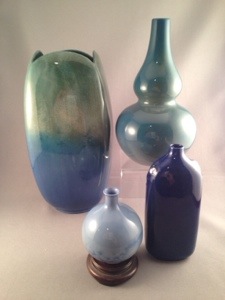
20140511-155441.jpg

A group of interesting shaped Titanian vases.
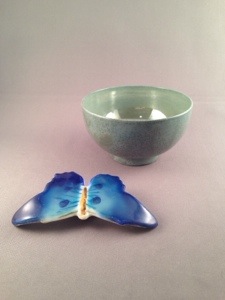
20140511-155453.jpg

Above and below a lustred Titanian dish with butterfly.
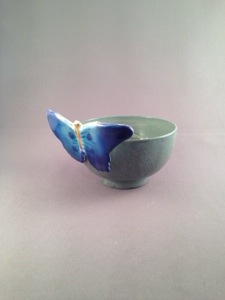
20140511-155500.jpg

As always, if you have pieces in your collections please share via our Doulton Collectors Club facebook page!


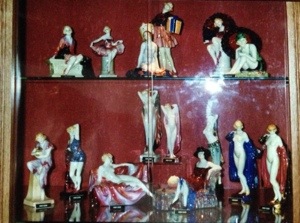
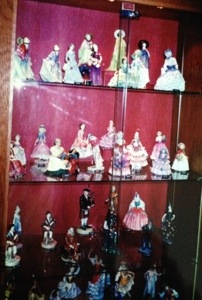
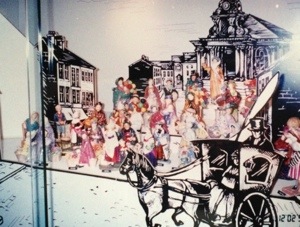
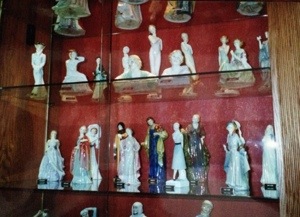
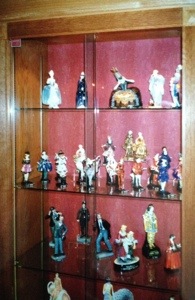
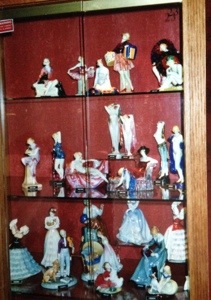
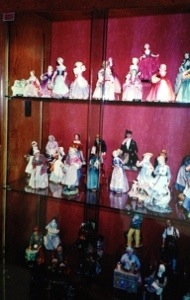
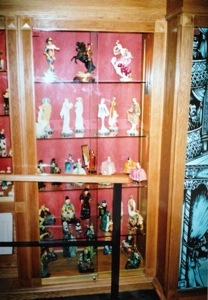
The former Doulton Museum at Nile Street

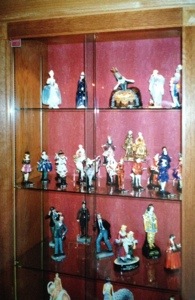
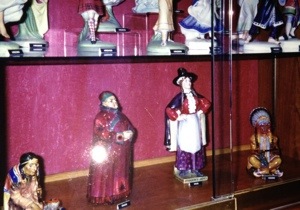
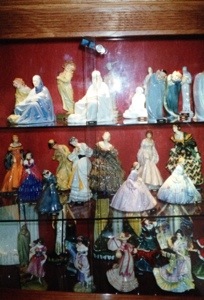
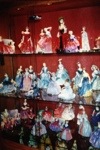
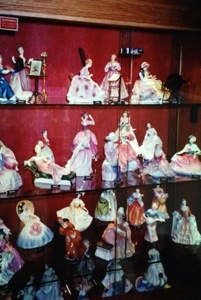
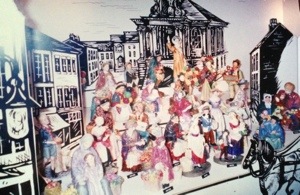
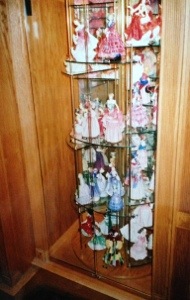
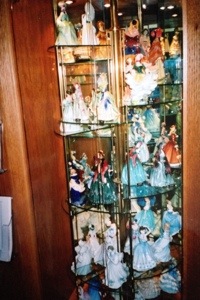
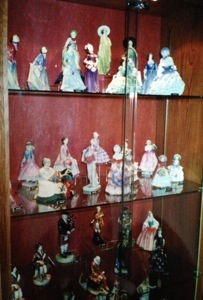
Just a few pictures from the old figure museum on one of the last times I visited ca.2002.
Thank goodness I had the chance to visit many times as sadly it was sold off many years ago now.
Whilst the museum was built up in relatively recent times, the figures in it formed the basis of the original Doulton Figures Book in 1978. They were sought from all corners of the globe by Richard Dennis and his then assistant Jocelyn Lukins before she left to set up on her own.

Anyway, enough chat…here are a handful of pictures! Enjoy…..
20140509-191552.jpg

20140509-191600.jpg

20140509-191608.jpg

20140509-191615.jpg

20140509-191622.jpg

20140509-191630.jpg

20140509-191640.jpg

20140509-191647.jpg

20140509-191656.jpg

20140509-191706.jpg

20140509-191714.jpg

20140509-191721.jpg

20140509-191729.jpg

20140509-191737.jpg

20140509-191743.jpg

20140509-191750.jpg

20140509-191757.jpg

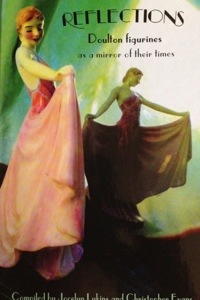
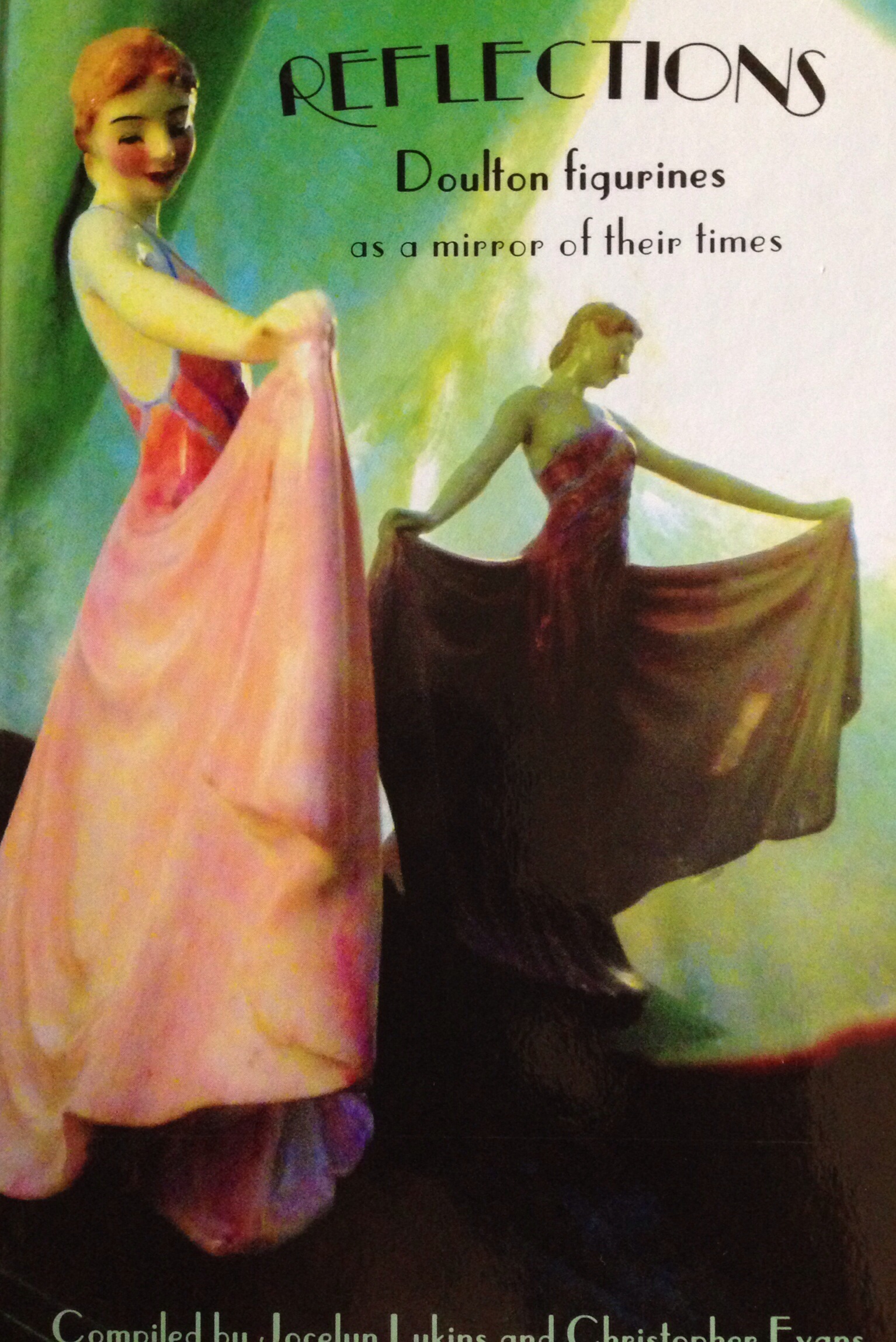
A short video to advertise my book Reflection – Royal Doulton figures as a reflection of their times

Follow this link for a sample of pages and a brief explanation of the book!

20140427-181720.jpg

Key Burslem Dates Part II

Part II : 1900-1929

1900       Cuthert Bailey, a Chemist joined Doulton & Co.

Ivory Body introduced

Hyperion and Morrisian wares introduced

1901       Gibson Girl designs introduced

1902       Lion and Crown Backstamp used for Royal Doulton

1904       Flambé – experimental wares begun

1905       Mandarin and Crested wares introduced, together with Christmas miniatures

1906       Seriesware introduced

1907       Crystalline introduced

1908       Flambé aninals first seen and Dickensware introduced

1911       First attempts at a new figure range begun

1913       Famous visit to Burslem by King George and Queen Mary to Doulton at Nile St.

HN Figures and animals launched

1914       John Slater Art Director at Burselm retires. Charles J. Noke takes up the reins

1915       Titanian wares introduced

1916       Reco Capey lustre and flambé designs introduced

1919       John Slater purchases the Slater Collection

1920       Barbotine, Chinese Jade and Sung launched

1924       Shagreen and Maori wares introduced

1925       Chang launched

1929       Classic Doulton figure ‘Old Balloon Seller’ introduced

Image

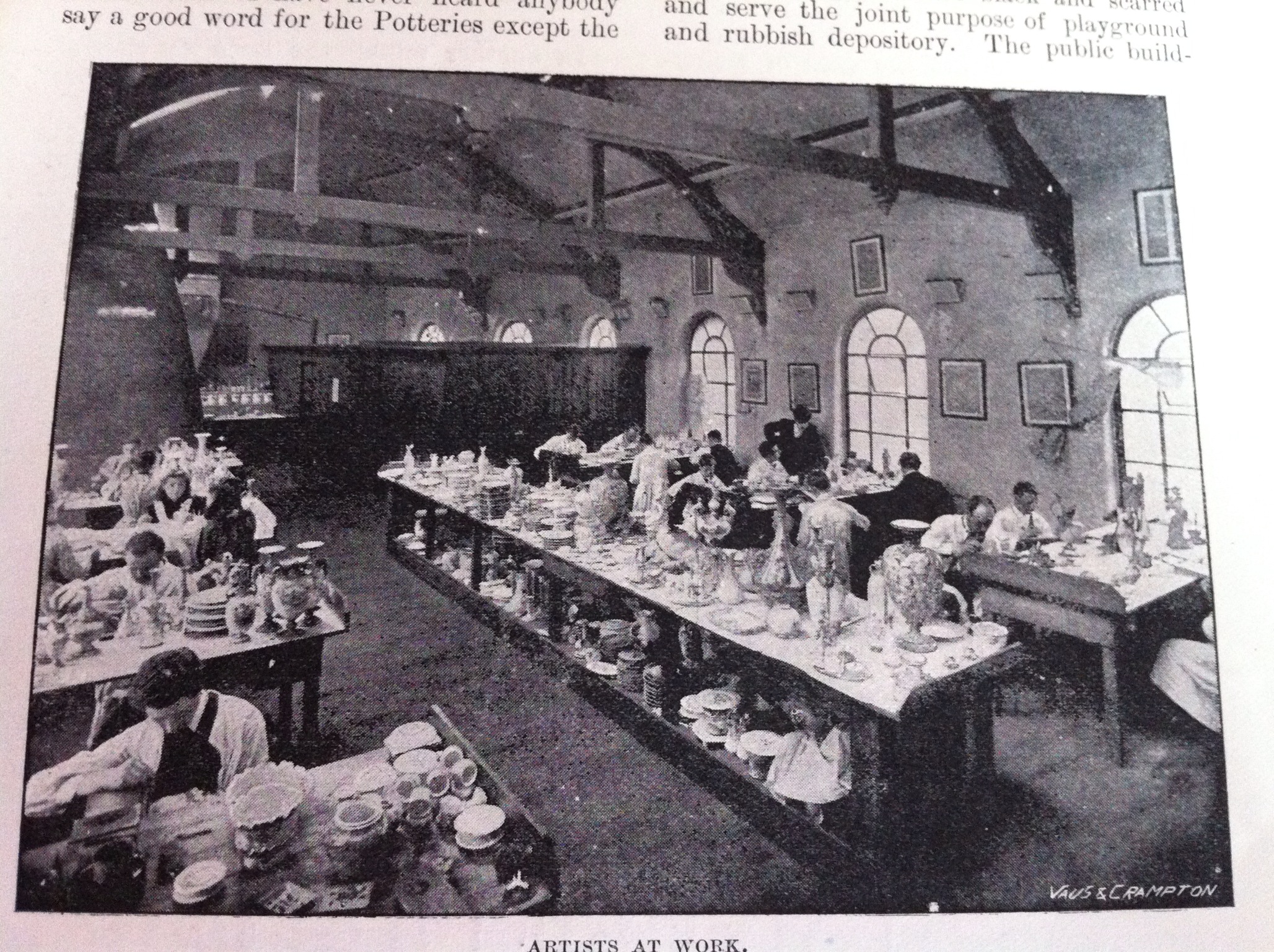
An early view of the Doulton studio ca. 1910