Category Archives: Figure Articles

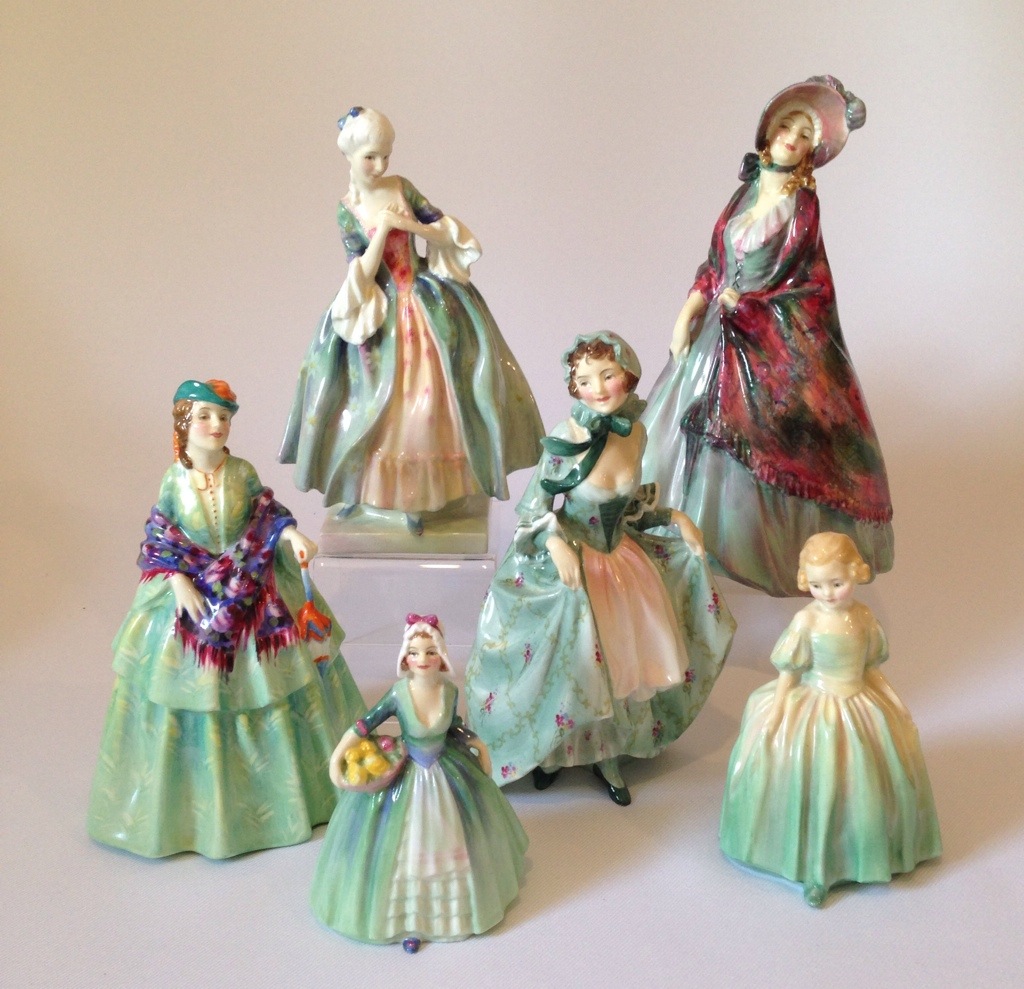
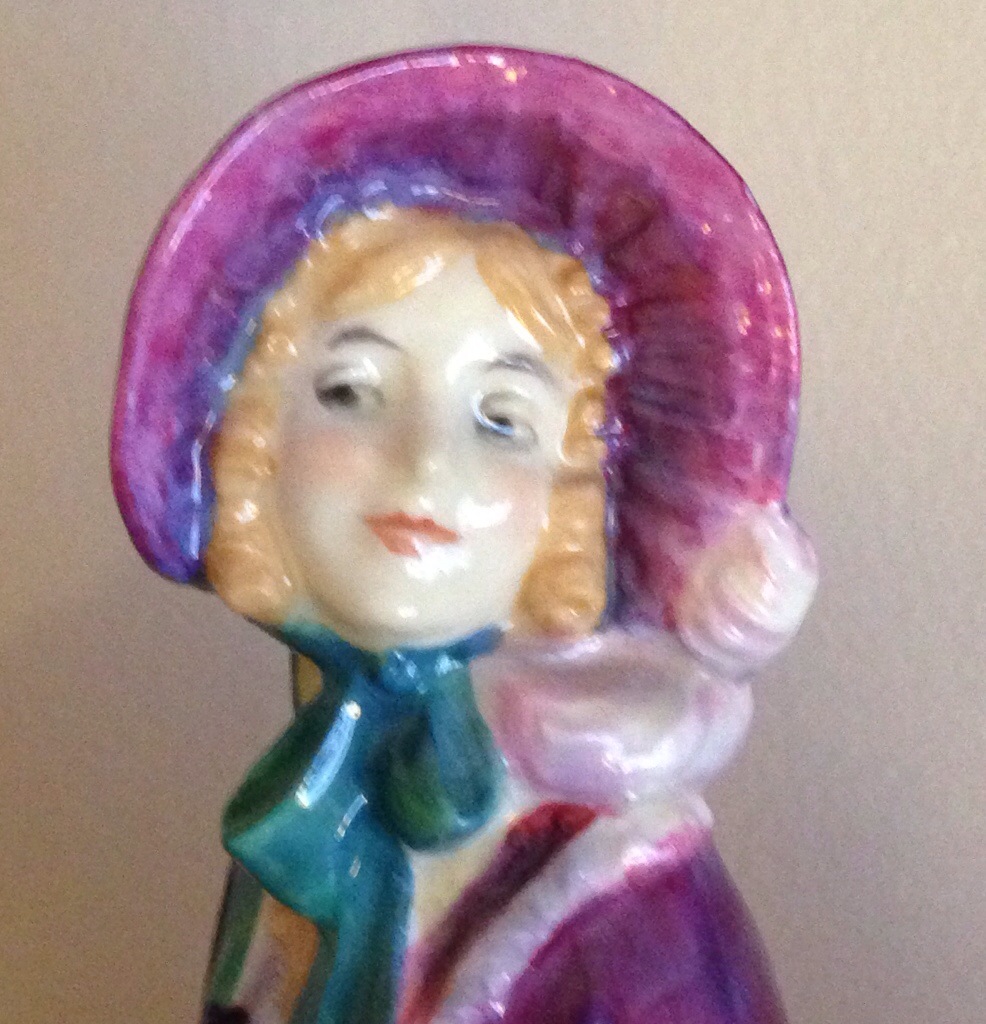
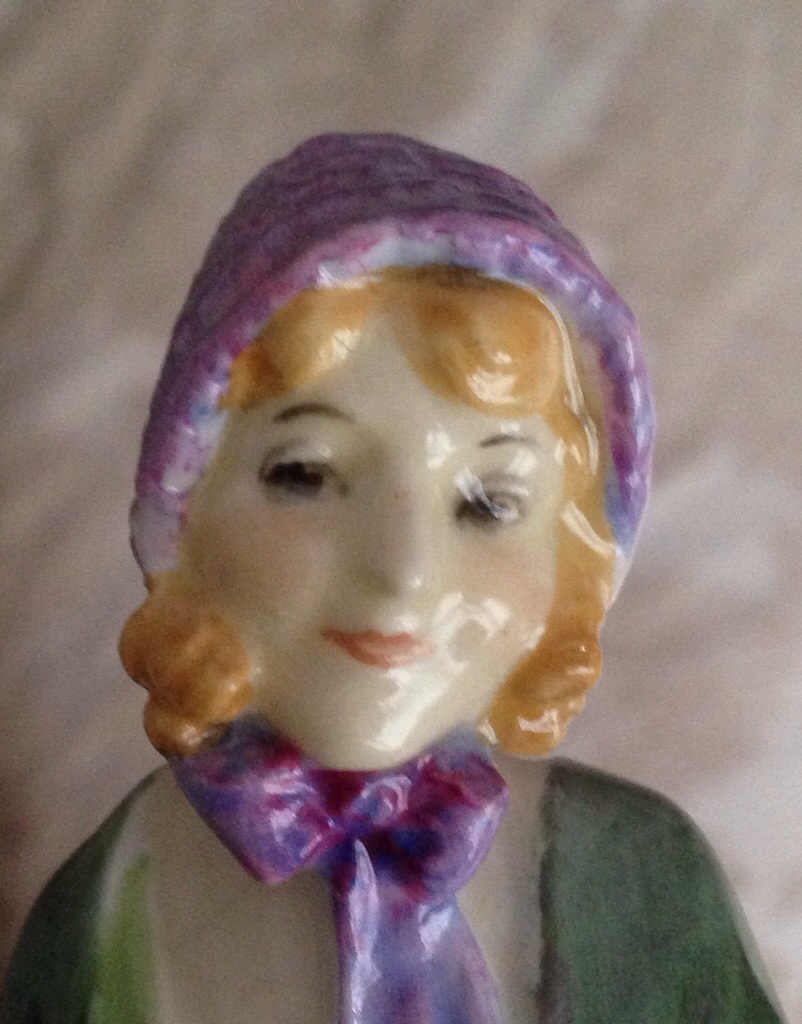
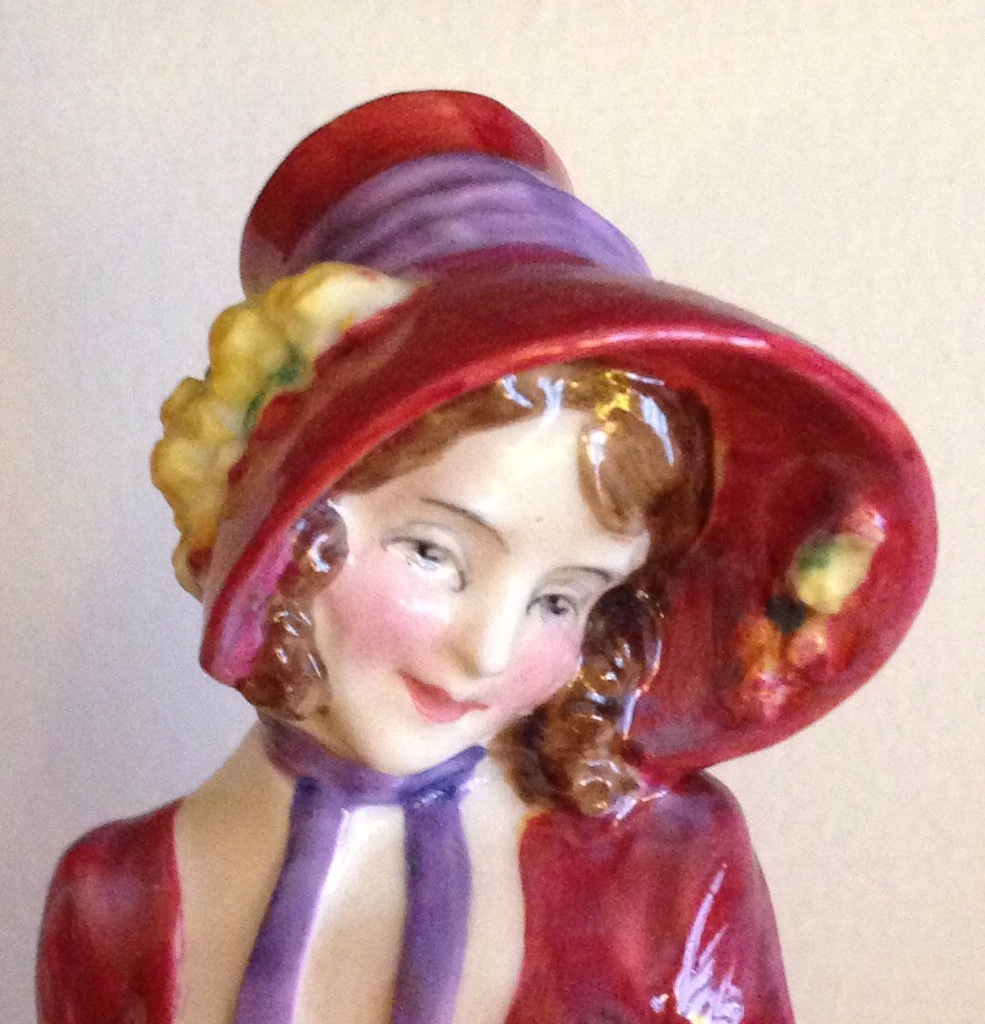
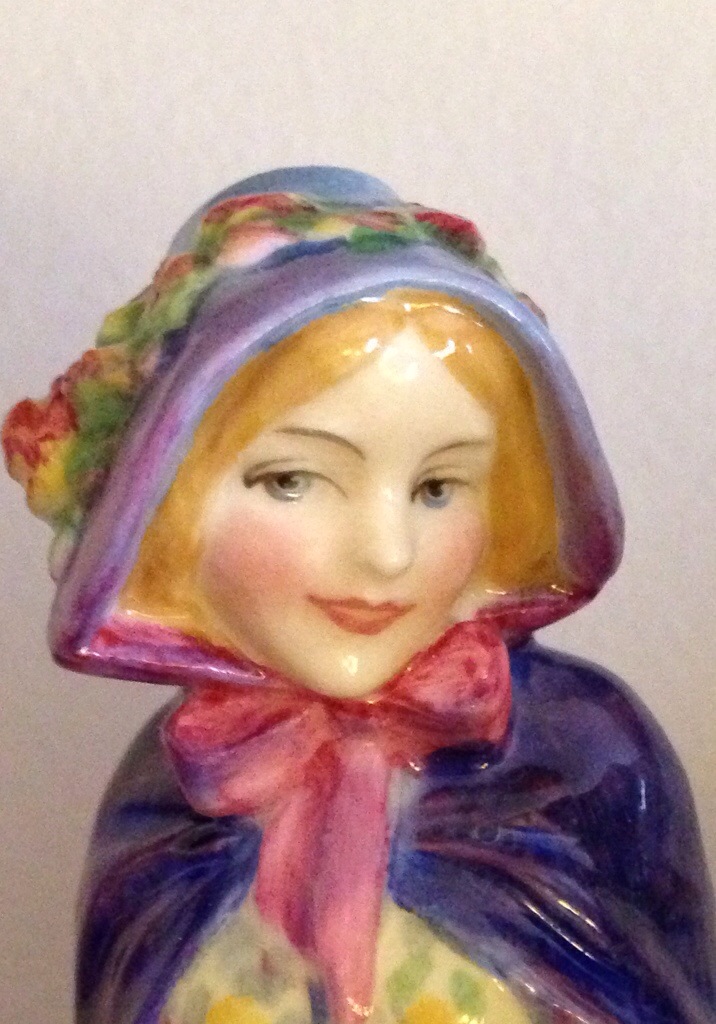
Royal Doulton’s glorious green ladies!

20140720-172222-62542680.jpg
Here again is another display or collecting theme that I suddenly felt compelled to write, sitting in the ‘green’ garden enjoying the sun: Doulton’s green ladies…
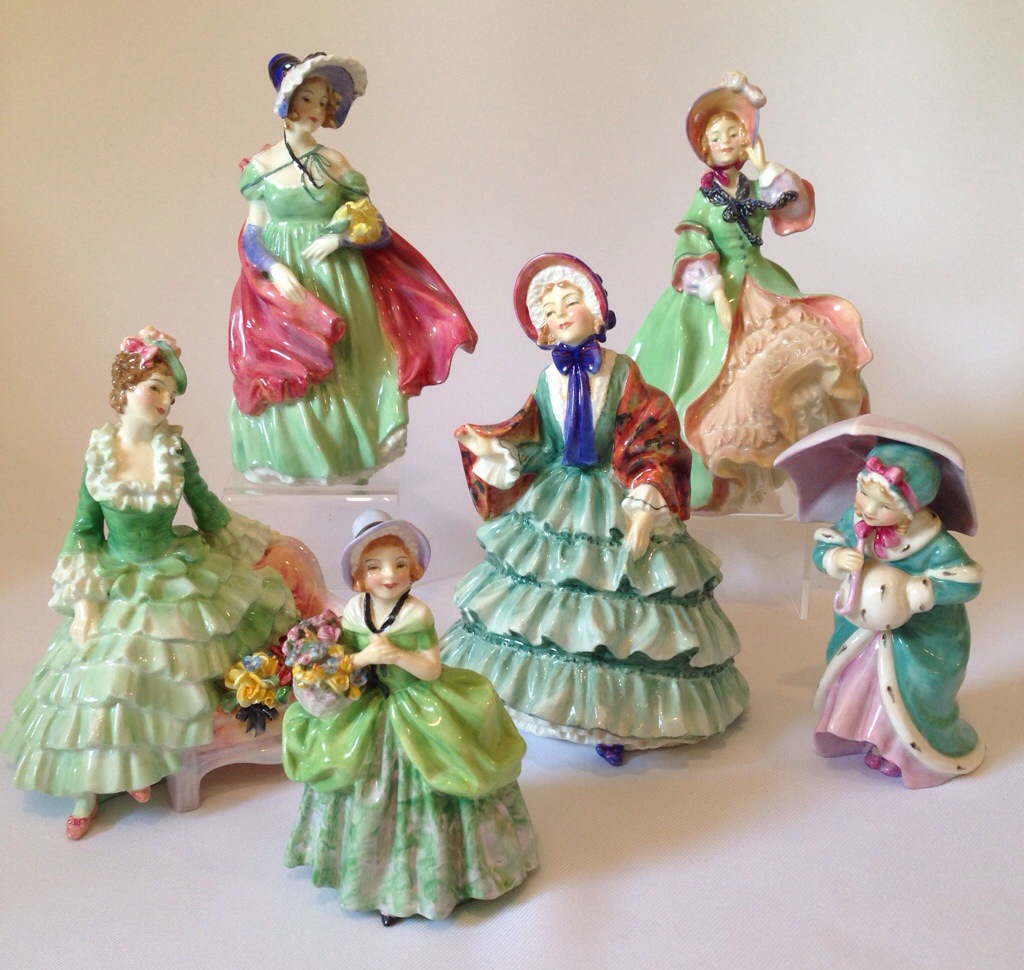
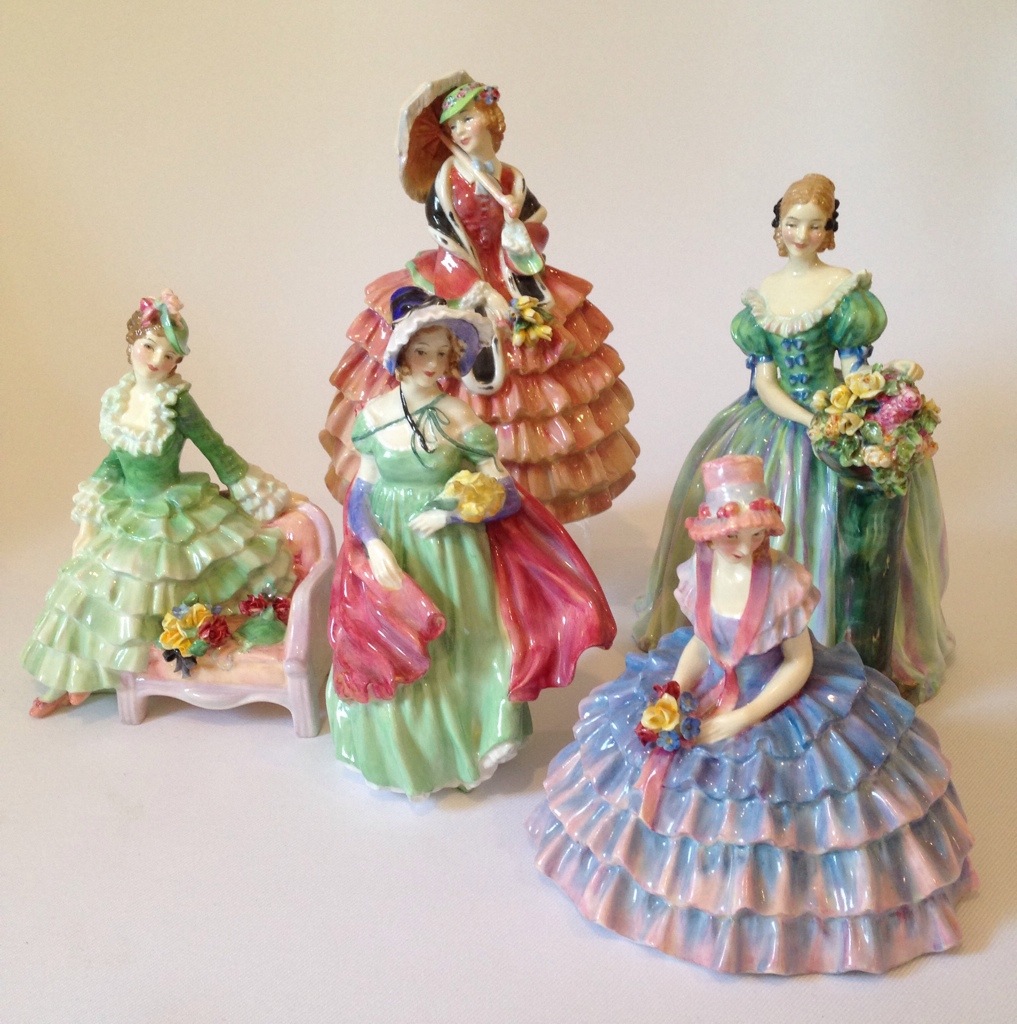
Whilst reds and pinks have remained perennial favourites among collectors, the vogue for producing ‘green’ ladies has come and gone and come and gone again. Yet, those from the 1930’s remain, in my opinion some of the most appealing, not least because of the crispness of the modelling but the detail in the painting too.

20140720-172306-62586159.jpg
There are so many familiar faces that are so much harder to find in green such as Cissie, Sonia and one that I would love to have in green, Meriel, who remains probably my favourite figure produced.
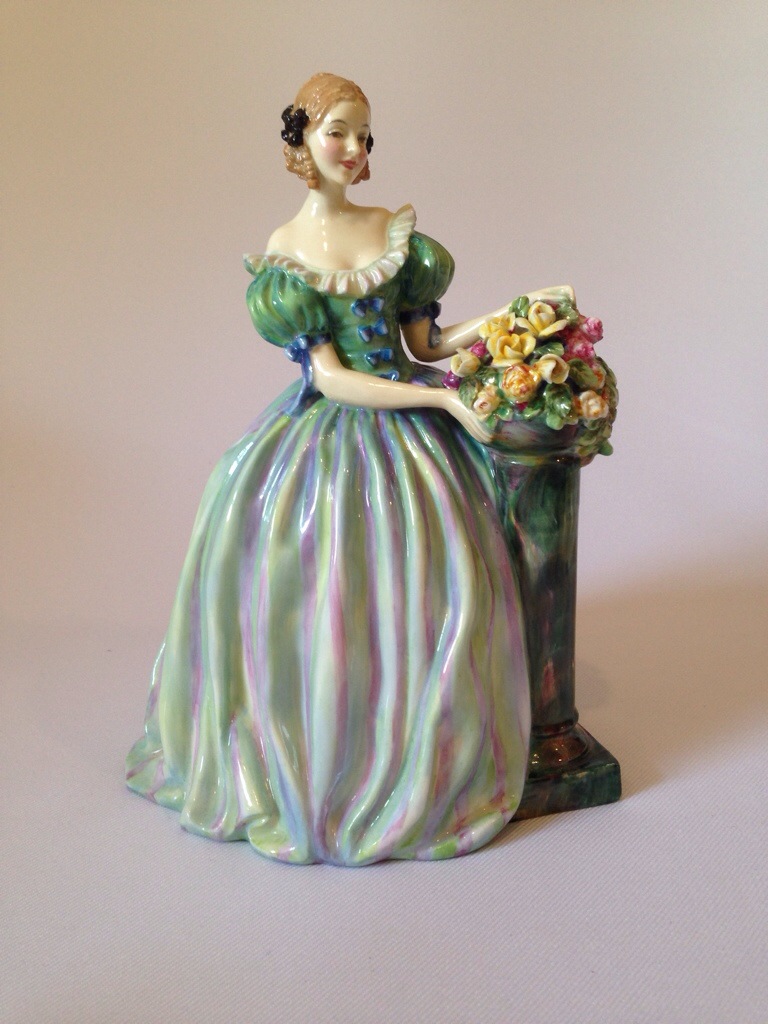
I think part of the reason for the short production runs of these green ladies is the added detail in the colourways, consider Roseanna for example with her stripey skirt.

20140720-172341-62621206.jpg
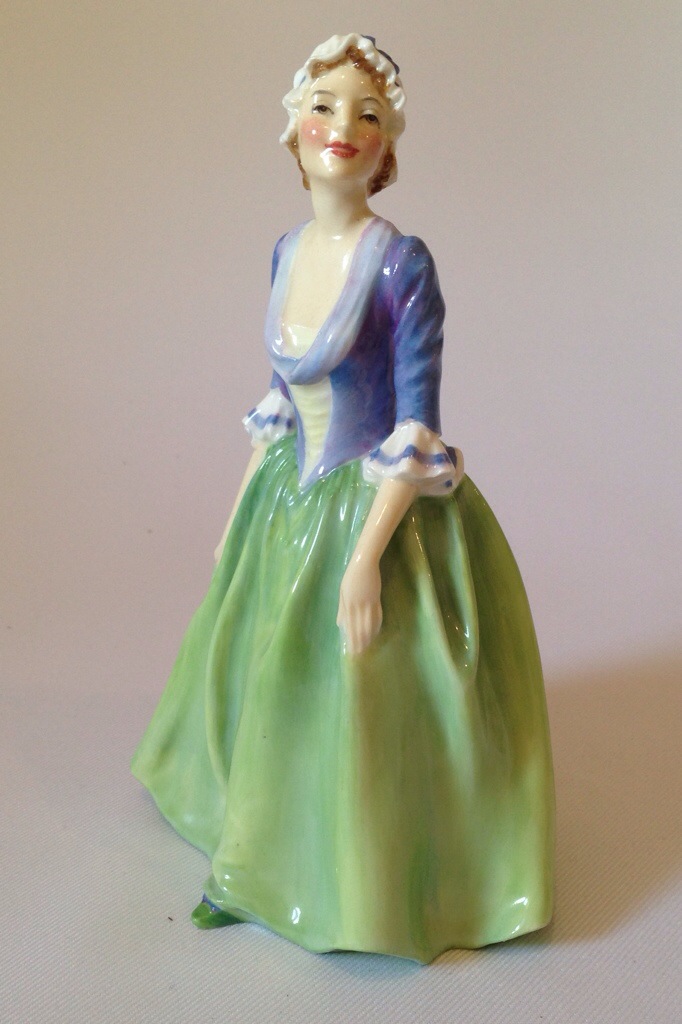
I have a few green colourways and a favourite I have been lucky enough to find is this version of Gwynneth dated 1942 and pictured here.

20140720-172508-62708123.jpg
Perhaps you also display your figures according to colour? If so why not share a picture on our Facebook page ‘Doulton Collectors Club’!

Royal Doulton’s Nell Gwynne and her inspiration

Leslie Harradine we all know was prolific in his output of figure models for Royal Doulton and he took inspiration from all corners of the world around him.
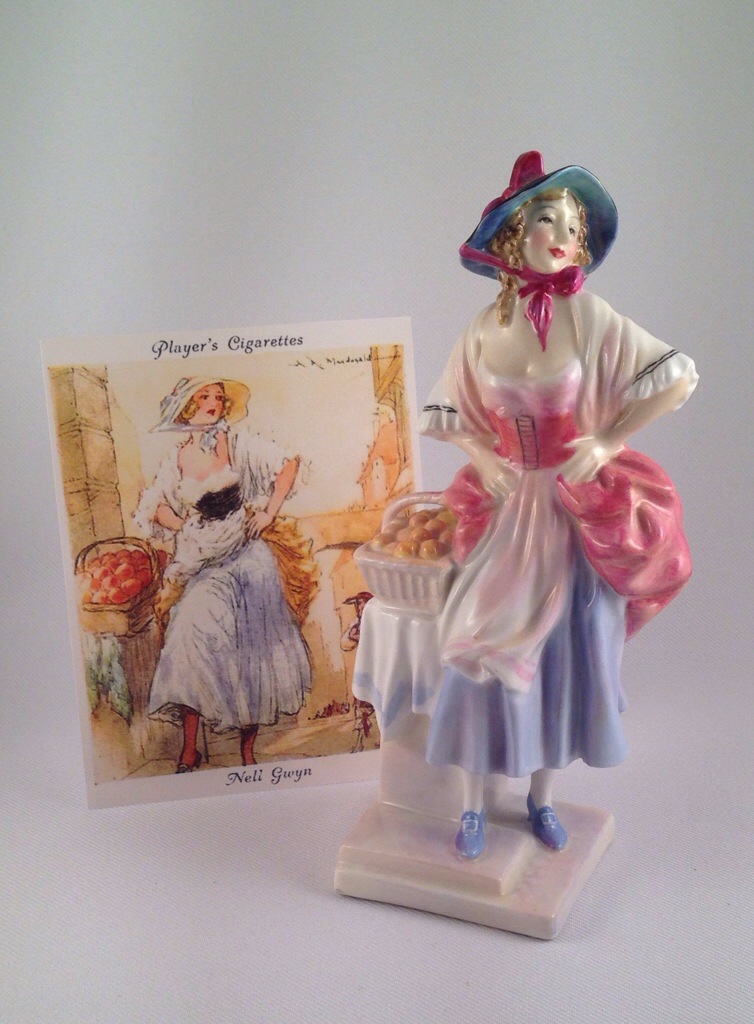
This charming figure of Nell Gwynne is based directly on this Player’s cigarette card from the ‘Famous Beauties’ series dating to the 1930’s.
The card in turn is based on the character of the same name who was the mistress of King Charles II, after she caught his eye selling oranges to the audience at the Drury Lane theatre at a performance he also attended. Nell remained a favourite mistress of the King and bore him two children. On his deathbed he is reputed to have asked “let not poor Nellie starve”.
Royal Doulton’s personification of this character fits in perfectly with the many street sellers they also produced.

20140719-170438-61478404.jpg
Royal Doulton’s Nell Gwynne HN1887 and the illustration that inspired her.

Royal Doulton’s beautiful blues…

We looked at collecting and assembling a collection of red Royal Doulton figures a few weeks ago, and here is another theme to make a display – heavenly blues and the odd purple too!

20140719-084748-31668672.jpg

In the period before WWII, Doulton experimented greatly with various colourways of their figures, the most popular colours being red, pink, green and of course blue.

Whilst red and pink were clearly the best sellers much like today, collectors nowadays seek out the most unusual colourways for their collections and many of these are these blue figures.
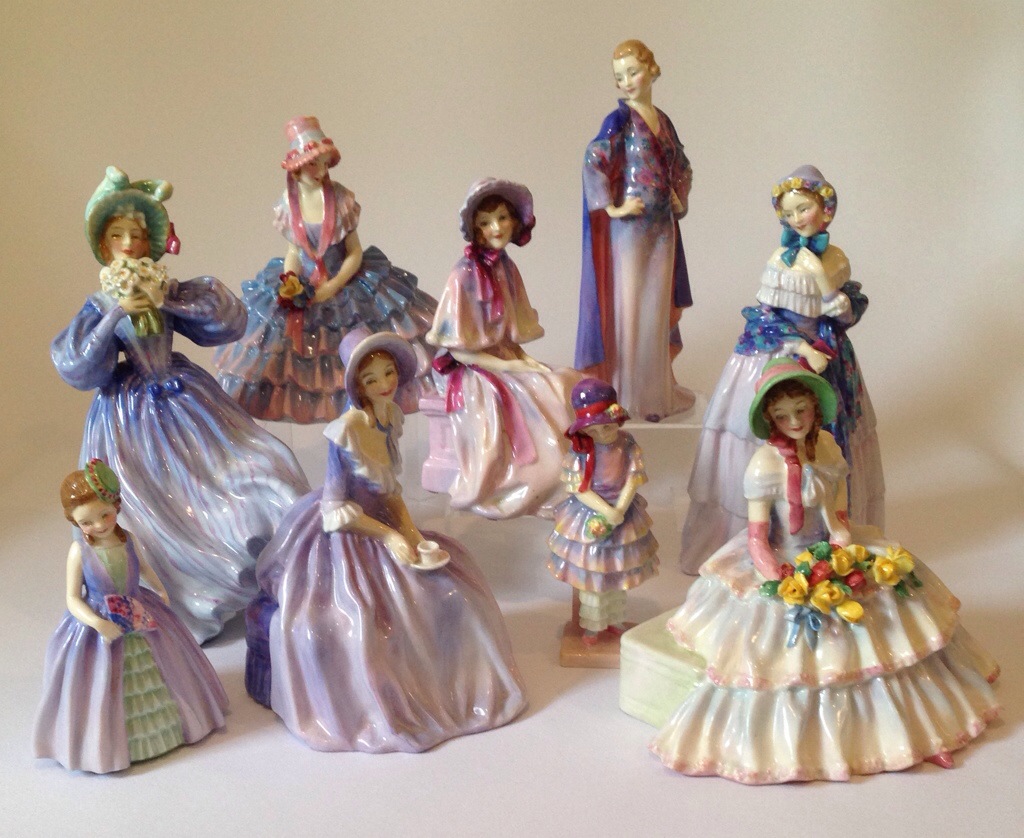
Popular figures such as Maureen, Marguerite, Day Dreams and a handful of others can be tracked down in beautiful bluey hues and a grouping of these unusual ladies makes an eye catching display. Ironically some figures that one would expect to see in blue have never been found, one such figure being Pyjamas HN1942, that I think would be perfect in blue!

20140719-085354-32034922.jpg

Perhaps you have other figures to add to this ‘stream’ of blue ladies or other collecting themes that you follow? If so do share via our Facebook page ‘Doulton Collectors Club’.

Pantalettes and petticoats!

20140715-184709-67629330.jpg
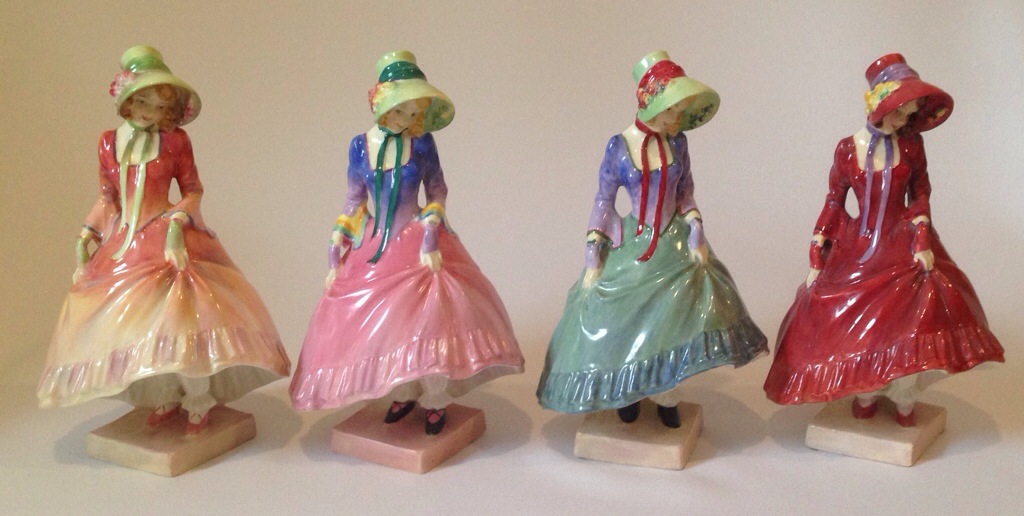
The four available colourways of Pantalettes.

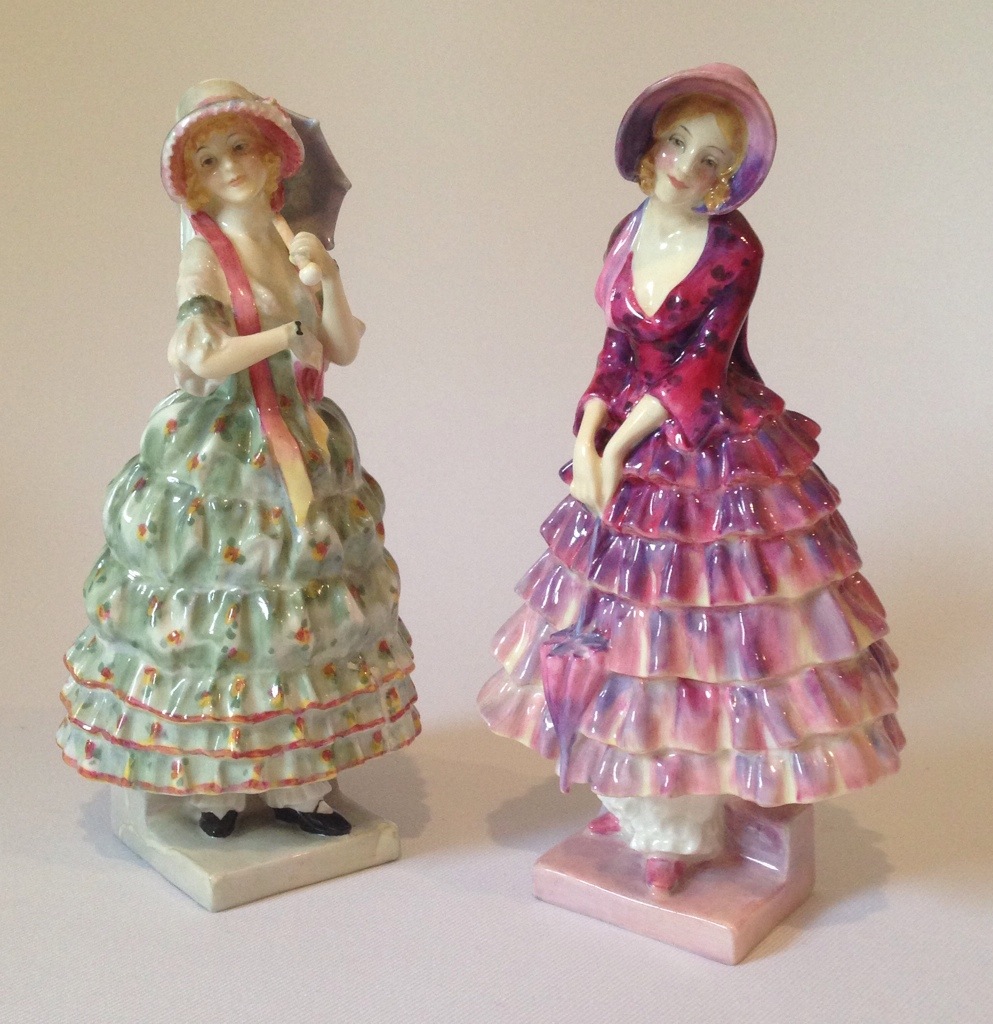
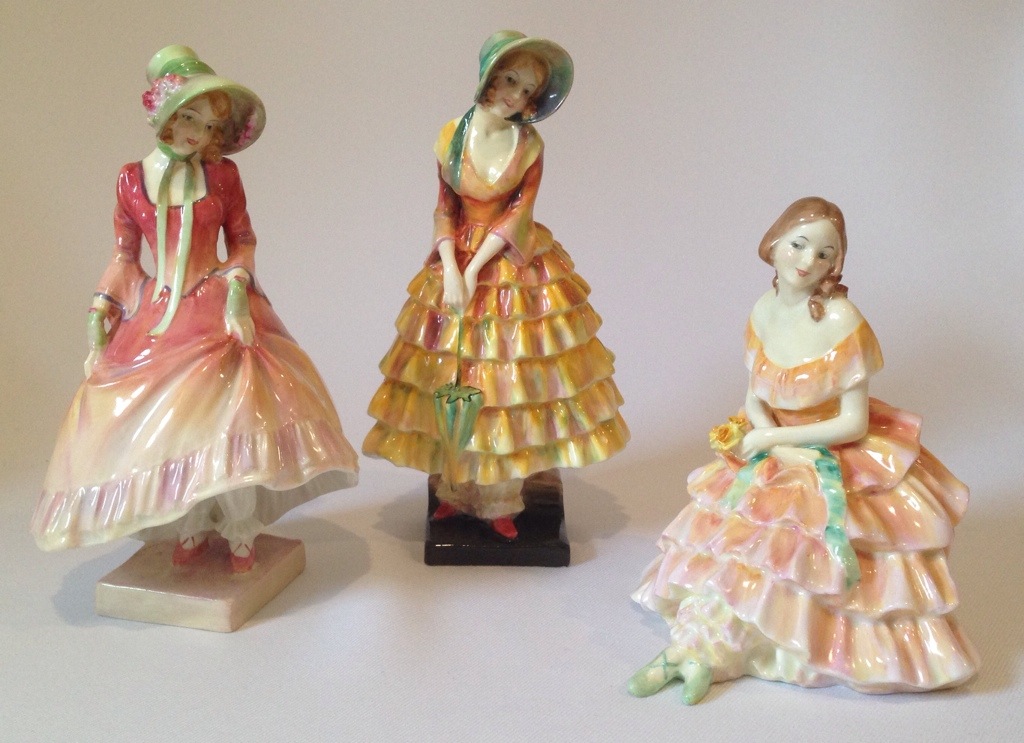
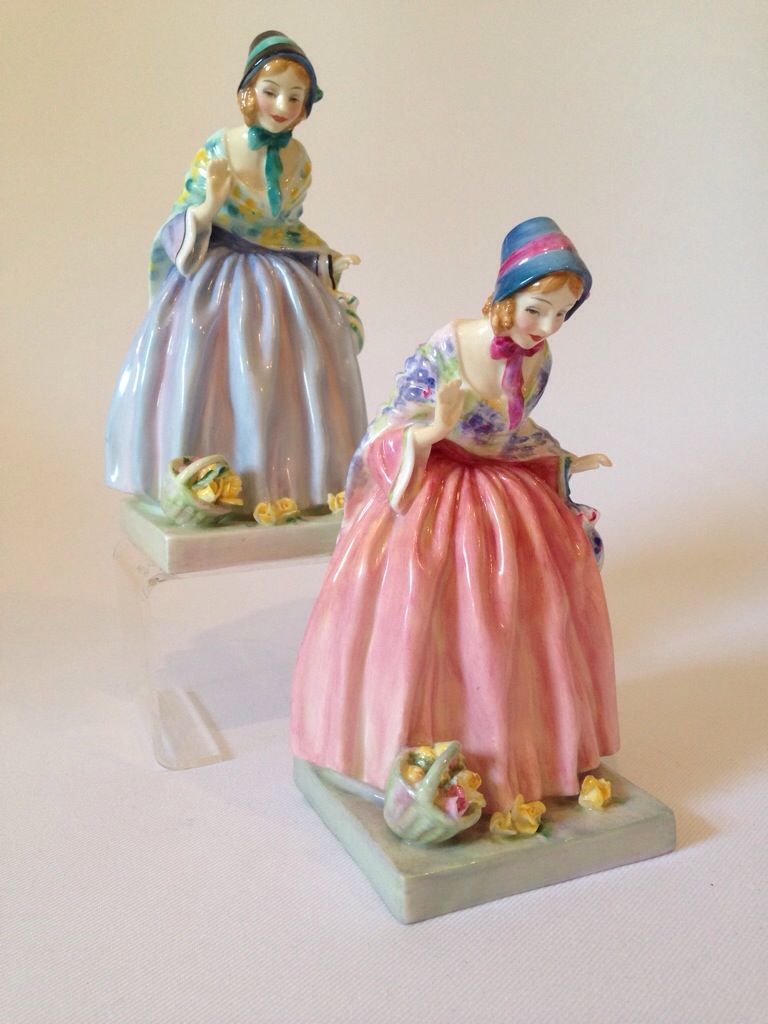
Some of the most popular Royal Doulton figures are those from the early 1930’s that recall those halcyon days of the Victorian era with all of its romanticism and courtship rituals.

This band of coy young ladies demurely pose with their pantalettes and numerous petticoats on show – each supposedly causing a minor sensation! Oh how times have changed.

20140715-184858-67738108.jpg
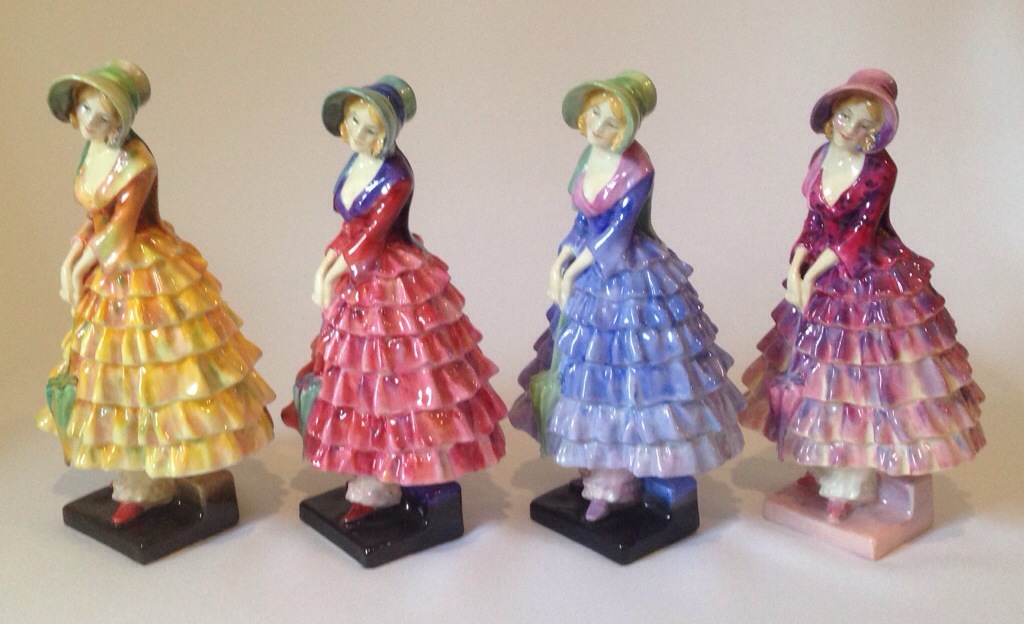
Four of the five available versions of Priscilla.

Of course we must start with the figure Pantalettes HN1362, introduced in 1929 and withdrawn by 1952, not the erroneous date given in the books on the subject of ‘by 1942’. She has three other ‘sisters’ to collect the rarer of the two being HN1507 and the lushious red HN1709. She has always been a favourite of mine and I remember hunting down an early version many years ago!

20140715-185222-67942623.jpg
The rare Helen and a more unusual colouring of Priscilla.

Another favourite among collectors is Priscilla HN1340 introduced in the same year. She is modelled coyly swaying in a soft breeze with her head posed in a coquettish manner!
Other rarer figures can be added to this theme including the rare Helen HN1508, who would later be adapted to June HN1690 in 1935, presumably meaning that Helen’s production had ceased by that point… As was always typical of Doulton various figures were produced in complimentary colourways and we can add Gwendolen HN1503 to this group of ‘pantalette and petticoat’ ladies!

20140715-185318-67998866.jpg
A complimentary group of petticoat and pantalettes wearing damsels.

Far from bring a definitive list, perhaps you also collect this theme of ladies? If so why not post a picture to our Doulton Collectors Club page?

Collecting Doulton postcards

20140705-085308-31988354.jpg

I always say Doulton, unlike any other pottery has something for every collector and here is another theme to collect – postcards.

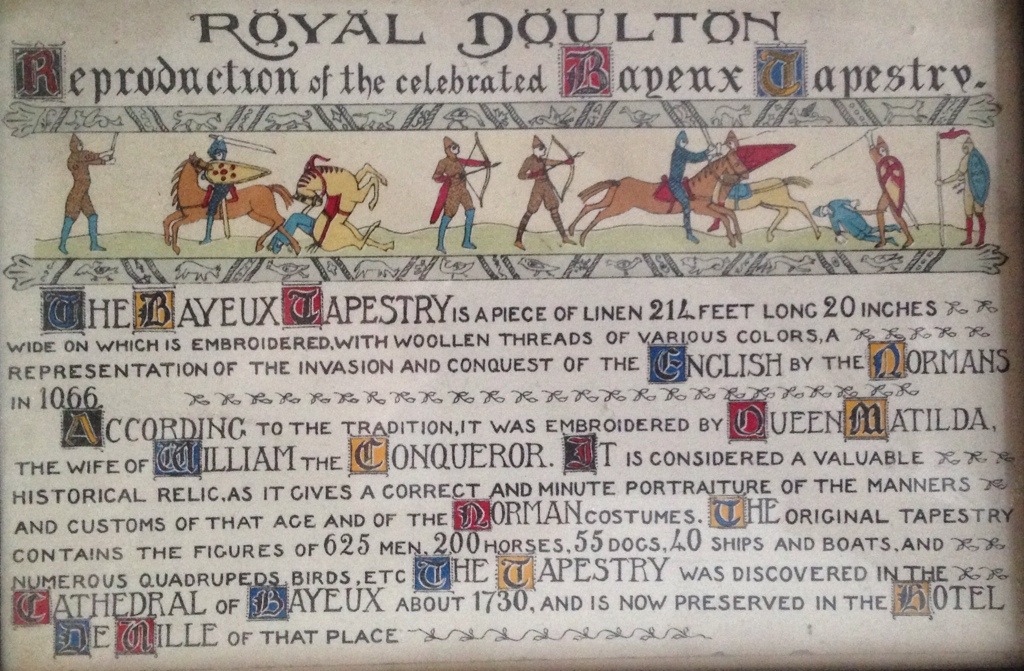
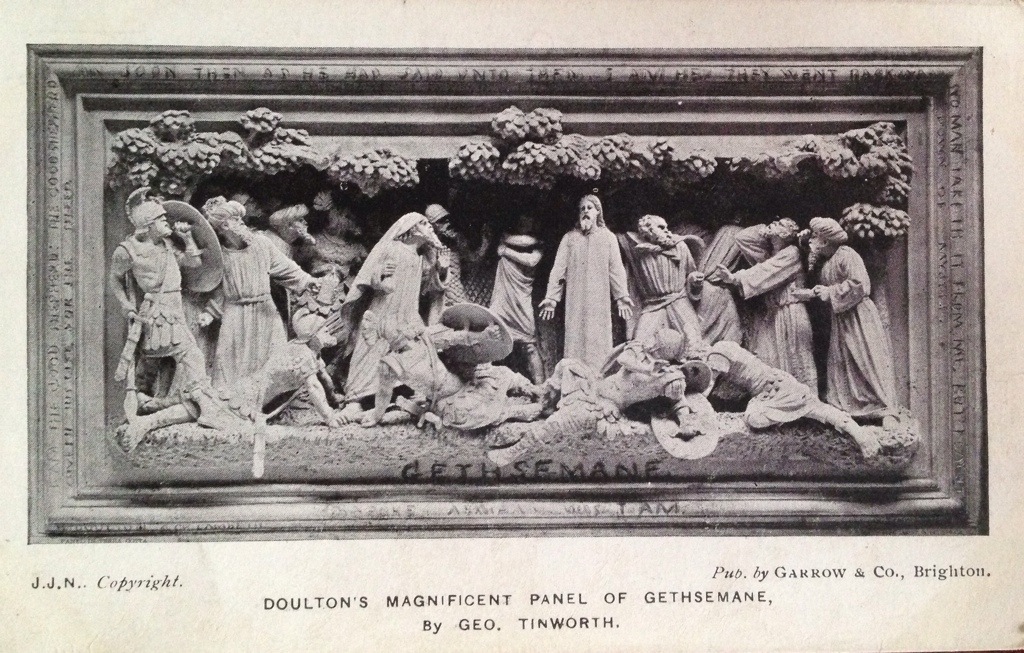
Doulton produced or rather had printed postcards to advertise a number of their wares such as serieswares, Lambeth wares and also figures.

20140705-085408-32048836.jpg

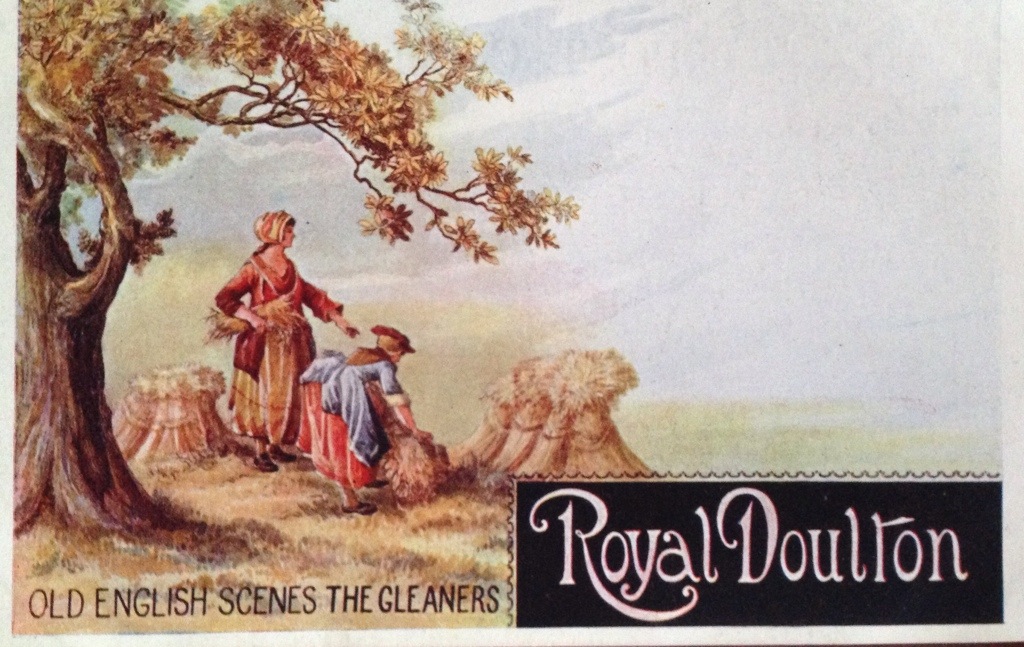
Some postcards, like the two illustrated for seriesware are works of art in their own right and can stand along side pieces of actual seriesware in a display.

20140705-085438-32078306.jpg

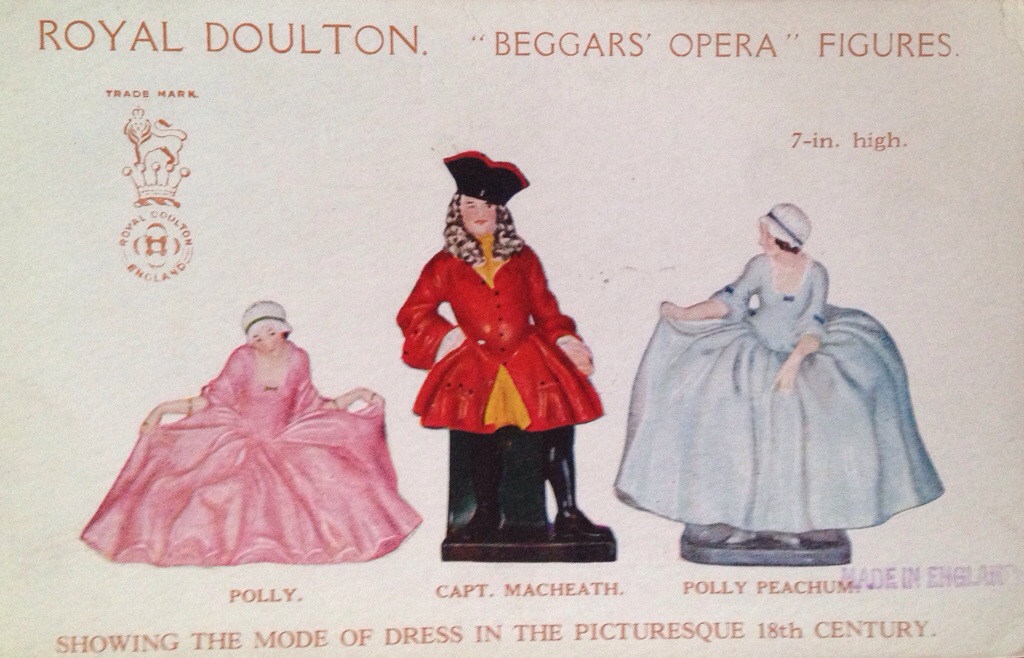
I have not found many advertising figures but this one for the Beggar’s Opera series is a favourite.

20140705-085506-32106424.jpg

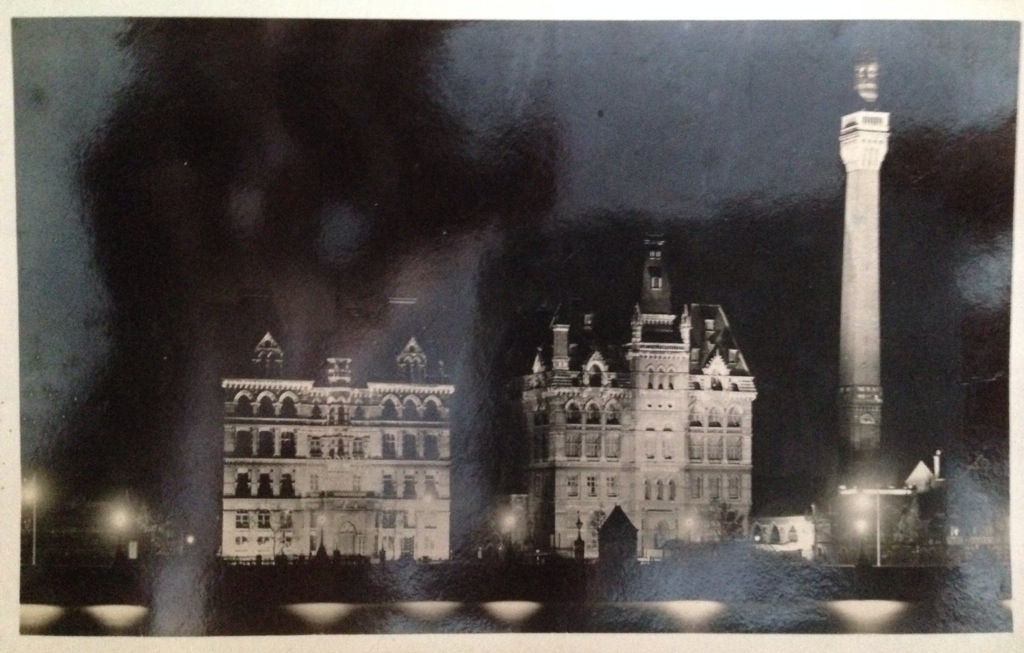
Postcards were produced not only to sell items but to re-enforce Doulton as a world player in the pottery market. Here is a great postcard advertising their Lambeth showrooms.

20140705-085532-32132258.jpg

In recent times postcards were produced for the old visitor centre at Nile St. Burslem featuring their artists at work as well as displays and prized museum pieces.

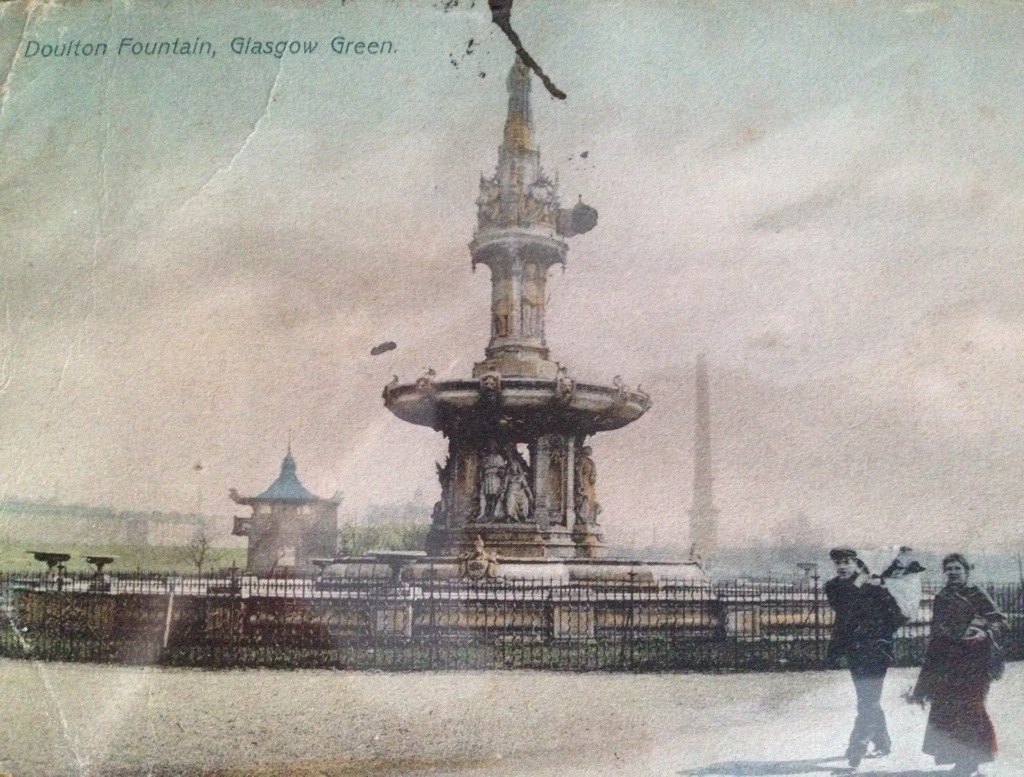
Postcards featuring Doulton were also popular and I have a series of birthday cards featuring Doulton items. Here is a postcard from Glasgow featuring their famous Doulton fountain.

20140705-085718-32238845.jpg

Whatever your interest in Doulton you are bound to find some derivative such as postcards to enhance your collection!

Peggy’s ‘Prima’ Ballerinas!

When Peggy Davies began to supply regular models to Doulton for reproduction she was determined to set her style apart from anything else hitherto produced. Whilst Doulton wanted to continue their house style after Harradine, Peggy had other ideas.

Among her first productions were a handful of ballerina figures, something that had not been created since the early and rare Pavlova HN487.

The delicacy and detail of these ballerinas are synonymous with Peggy’s style and so very distinguishable from other figure modellers.

The first in the series are Coppelia HN2115 and Ballerina HN2116, the origins of the latter are discussed in my book Reflections but Coppelia is based on the mechanical doll in Delibes’ comic ballet from which the figure takes her name.

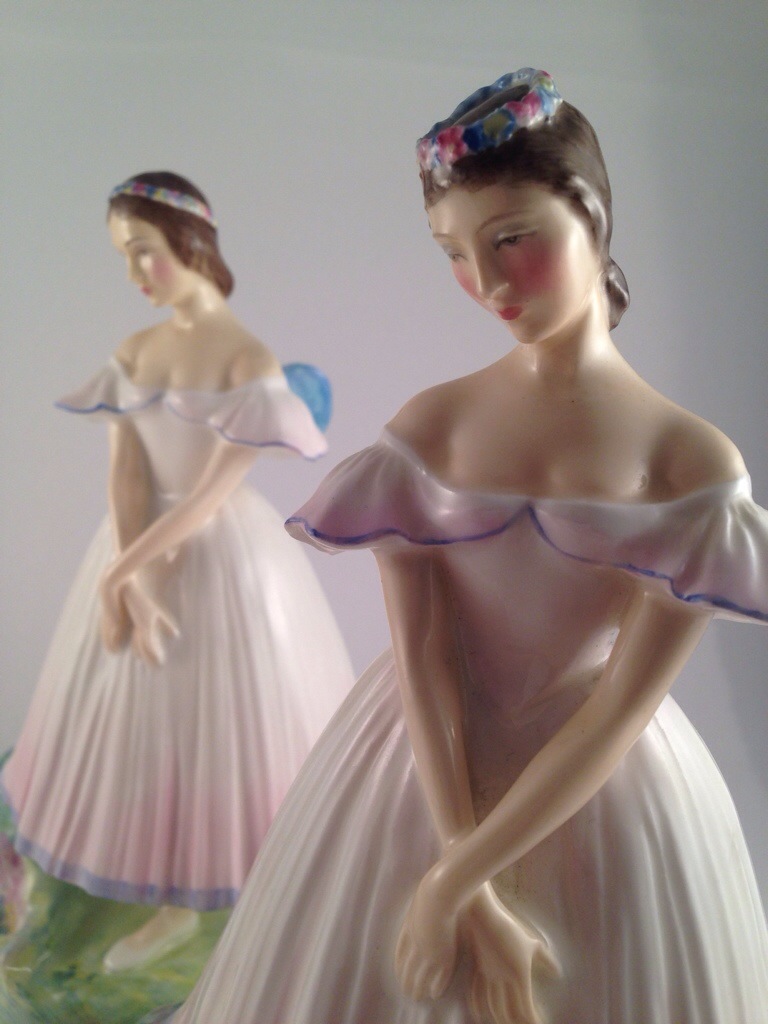
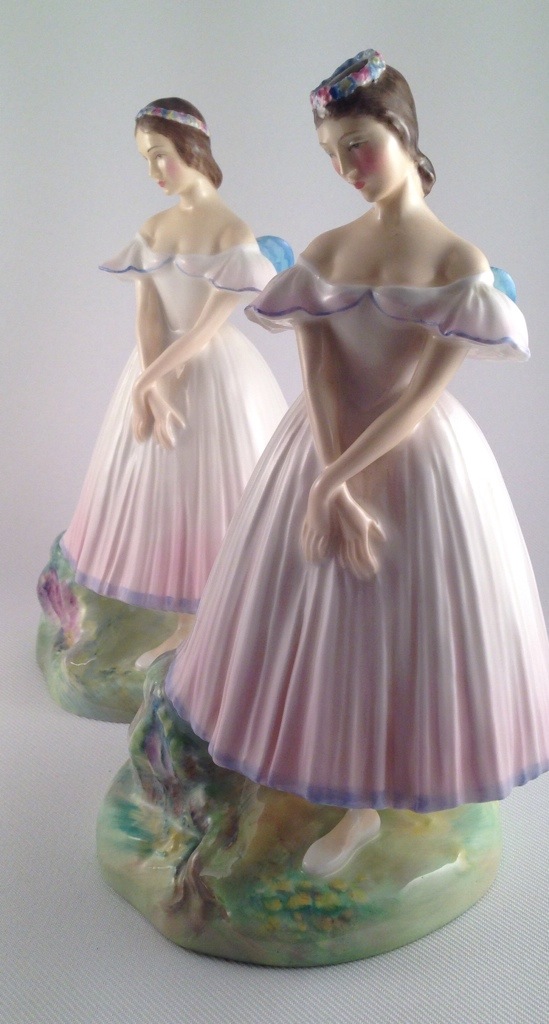
However, the most accurate ballet figures are the trio that followed these two models. The first, la Sylphide, is based on the ballet of the same name. La Sylphide should not be confused by the later ballet Les Sylphides which took inspiration from the original and also features a sylph – a mythological spirit if the air. I have recently discovered the prototype version of this figure with a crown of flowers sitting proudly above her head rather than the band of flowers on the model that went into production.

20140701-204401-74641652.jpg
L-R the production version of la Sylphide and the prototype..

20140701-203400-74040874.jpg
Full views of the two figures that illustrate their common features. Yet, the detail is of course much more defined on the prototype. The prototype version simply carries the Doulton marks as one would expect.

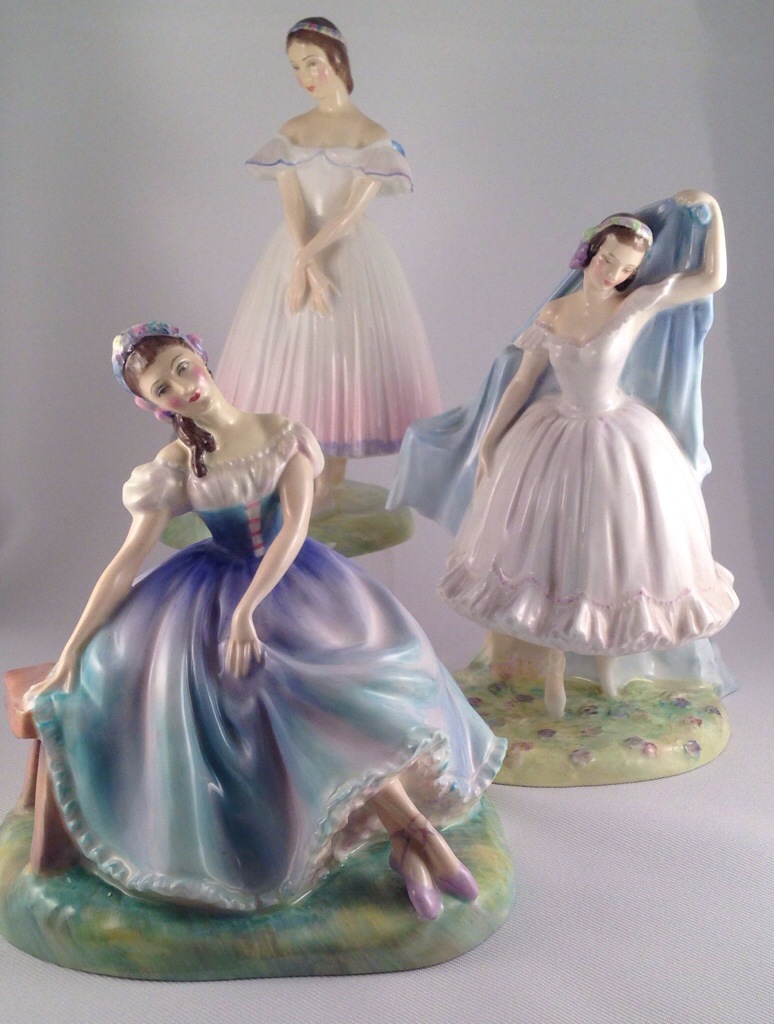
The second two are based on the ballet Giselle by Gautier first performed in 1841. Here are all three studies!

20140701-203711-74231126.jpg
L-R Giselle HN2139, La Sylphide HN2138 and Giselle, the Forest Glade HN2140.

This group of figures make an excellent display and loan themselves to any room in the house!

The many faces of Doulton ladies!

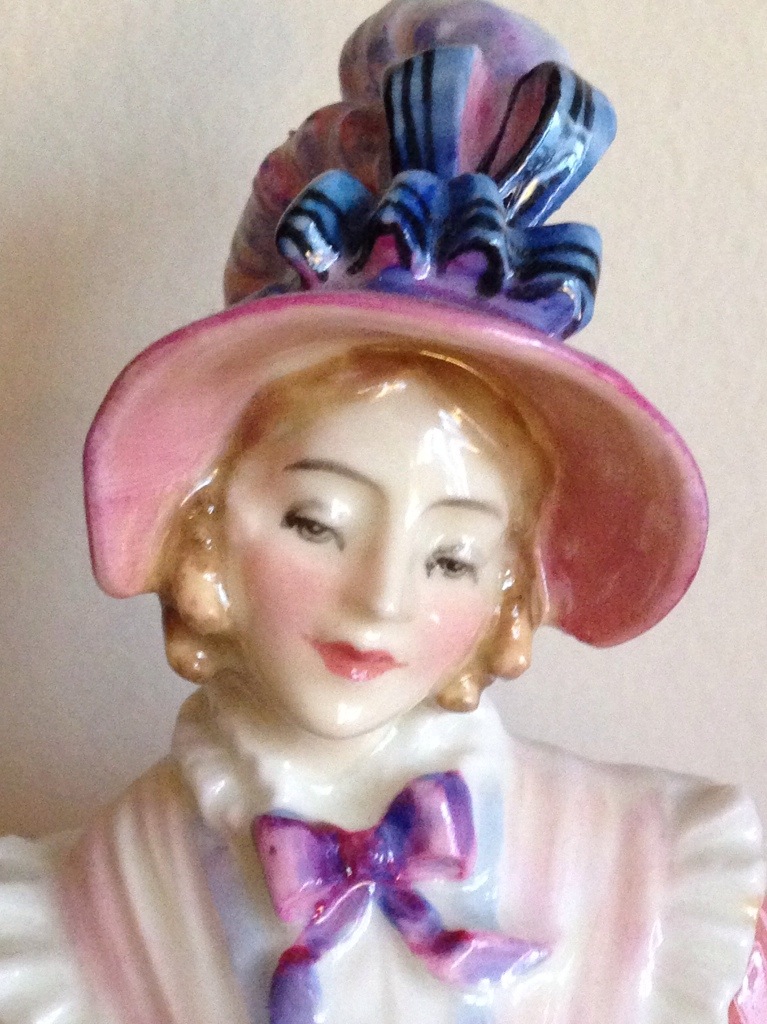
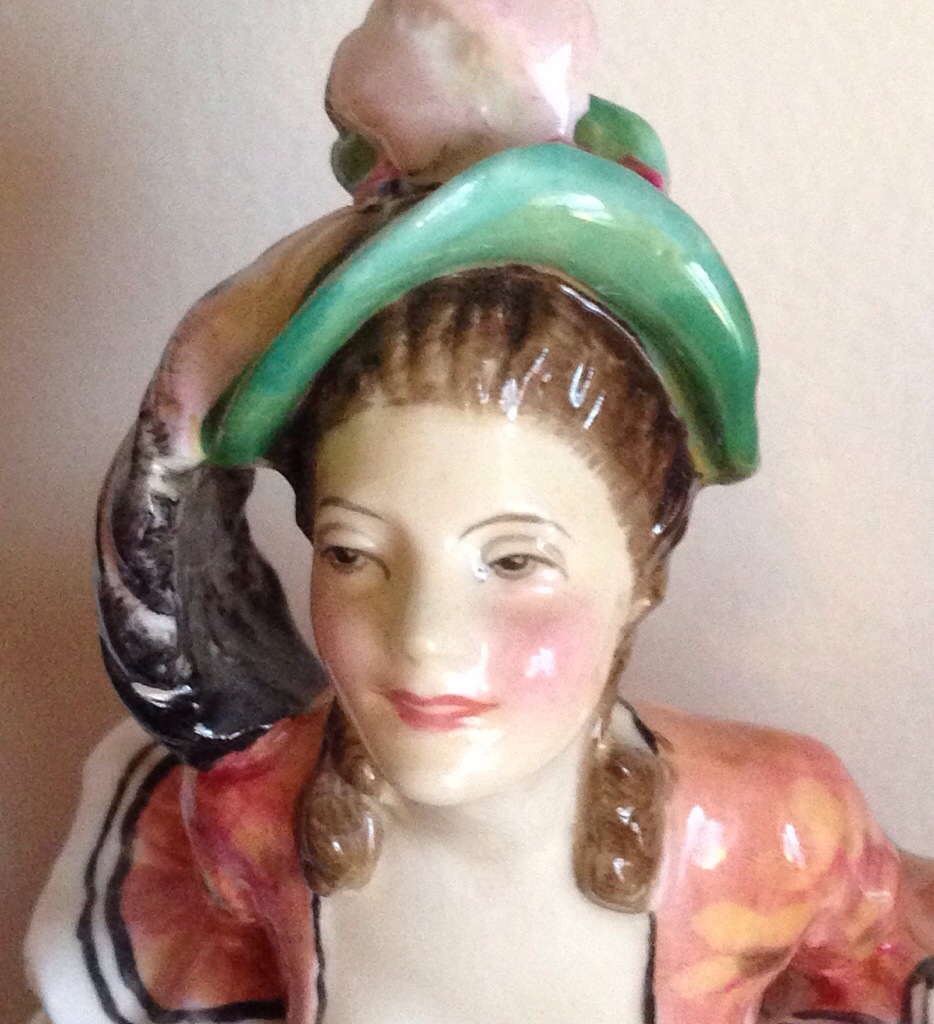
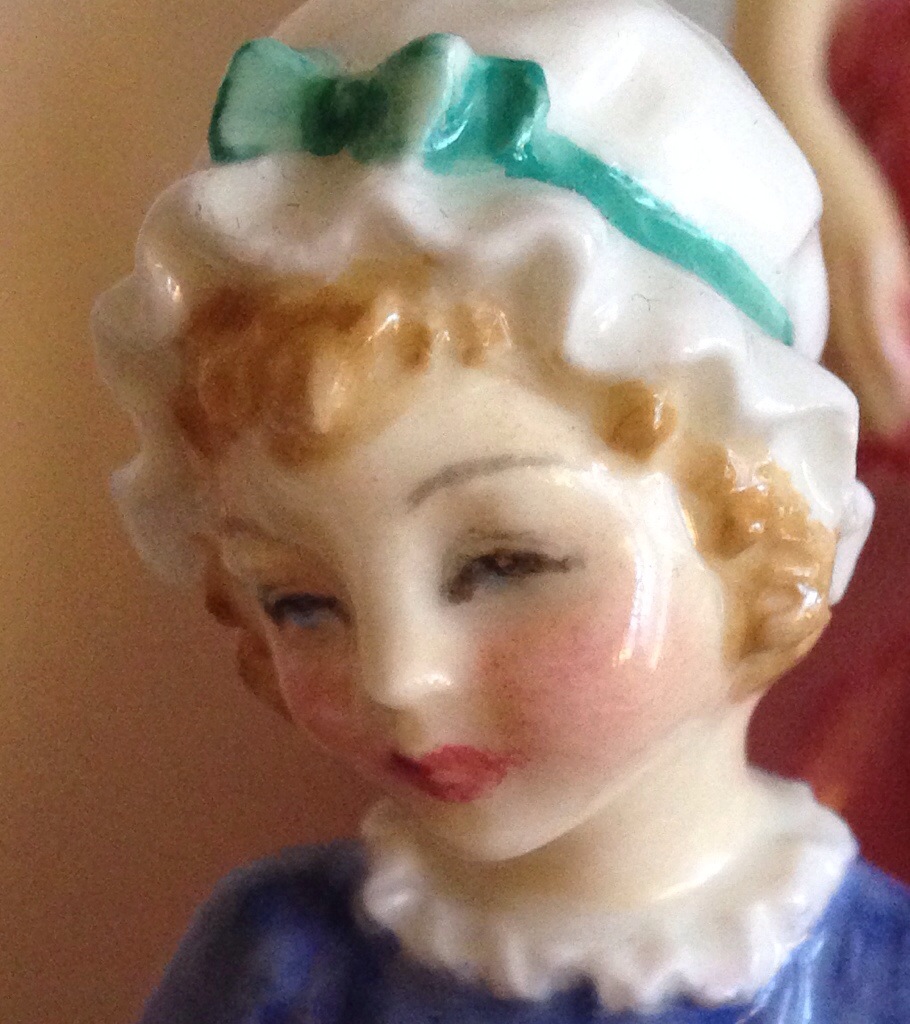
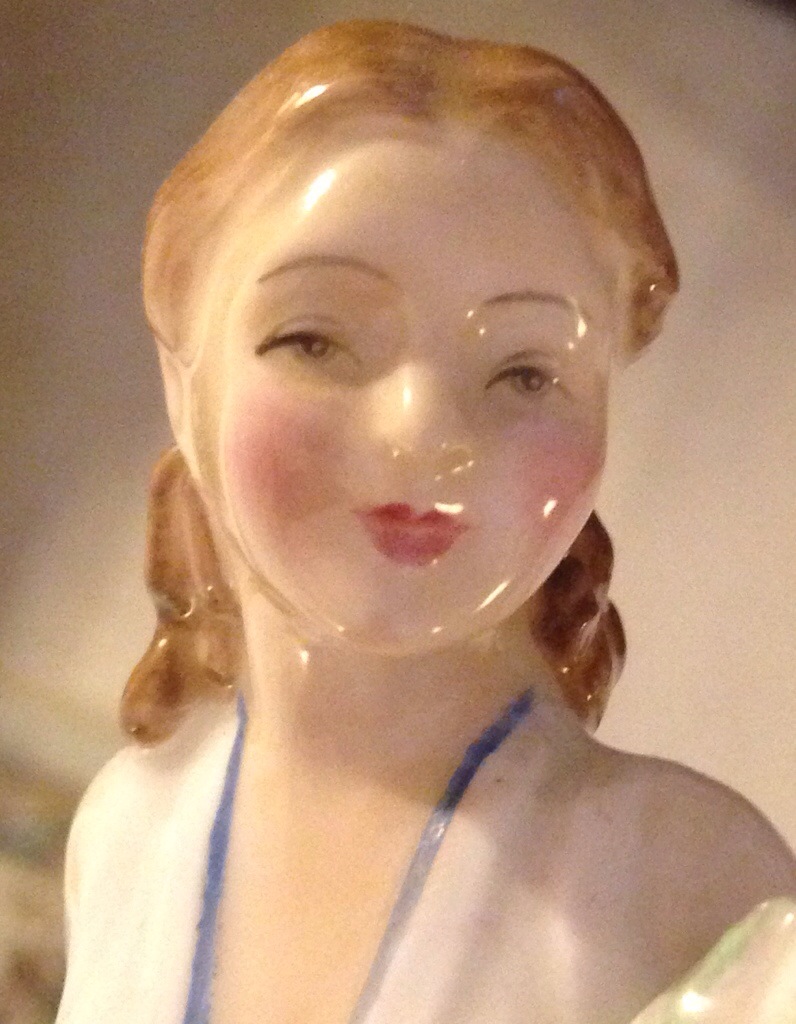
I’ve recently been asked to describe how to use the face of a Royal Doulton lady to identify her age.
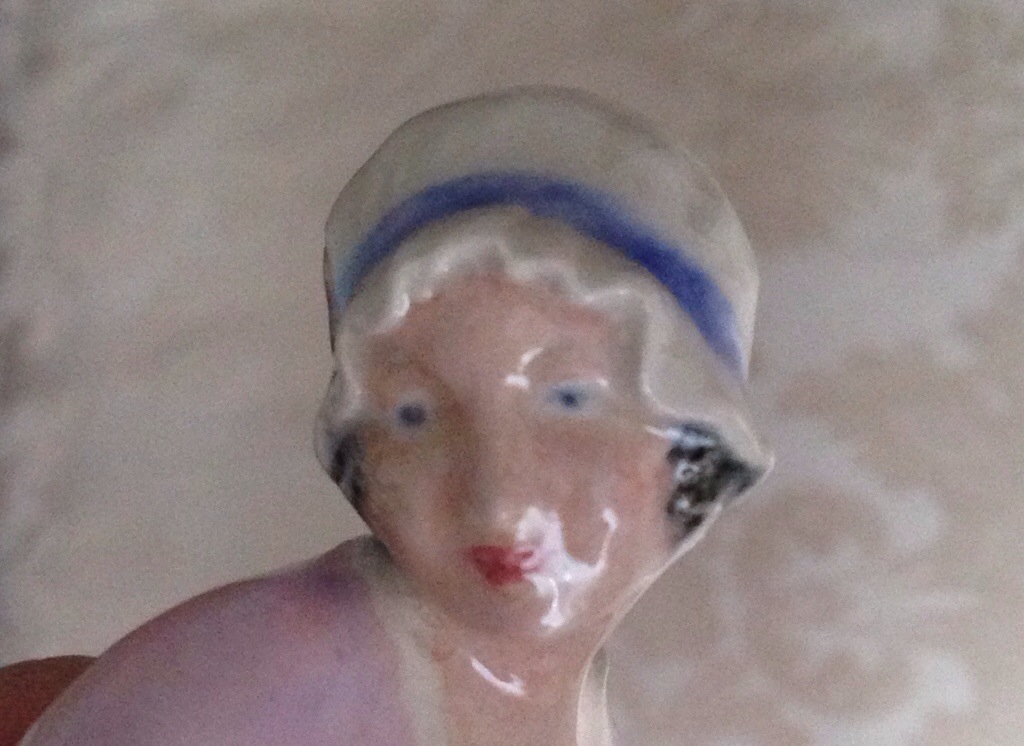
The earliest pretty lady size figures had very simple faces, often with just black dots for eyes. I have in my own collection this version of a Polly Peachum with simple blue dots – I’ve never seen another like this.

20140627-173049-63049155.jpg
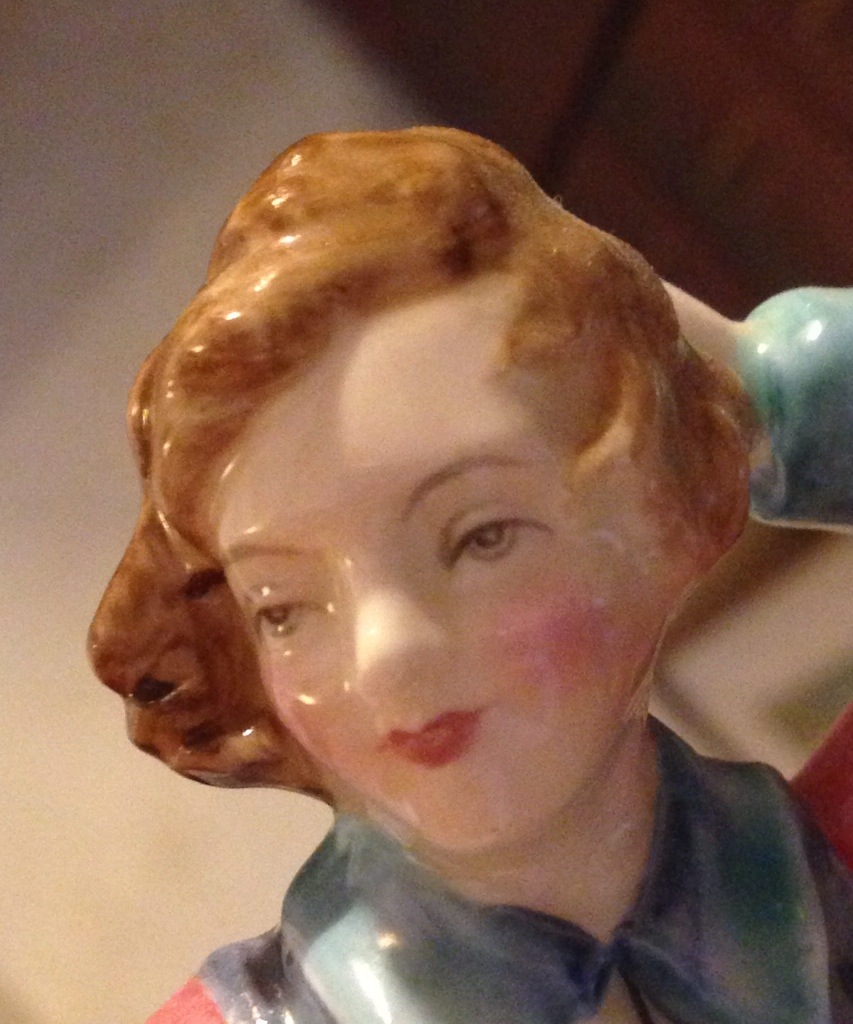
In the early 1930’s faces were typically like this one belonging to Sweet Maid.

20140627-173147-63107225.jpg
And here is a similar face belonging to Barbara.

20140627-173225-63145082.jpg
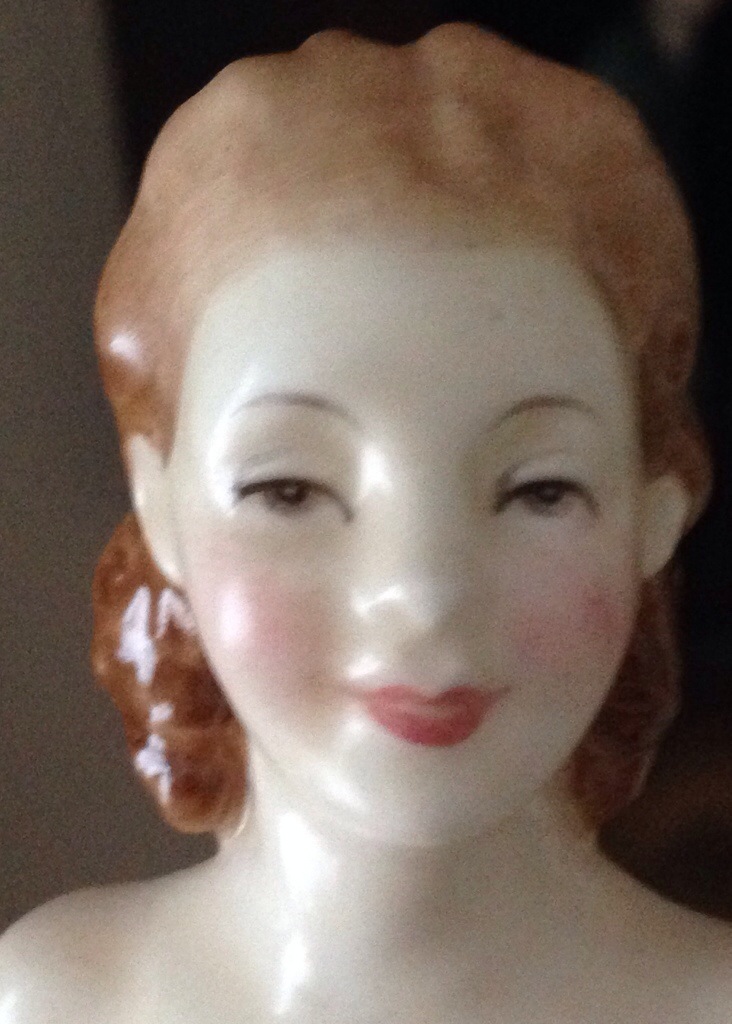
Around 1932 there was a further change among Doulton’s artists and faces like this one on Pantalettes became the norm.

20140627-173333-63213047.jpg
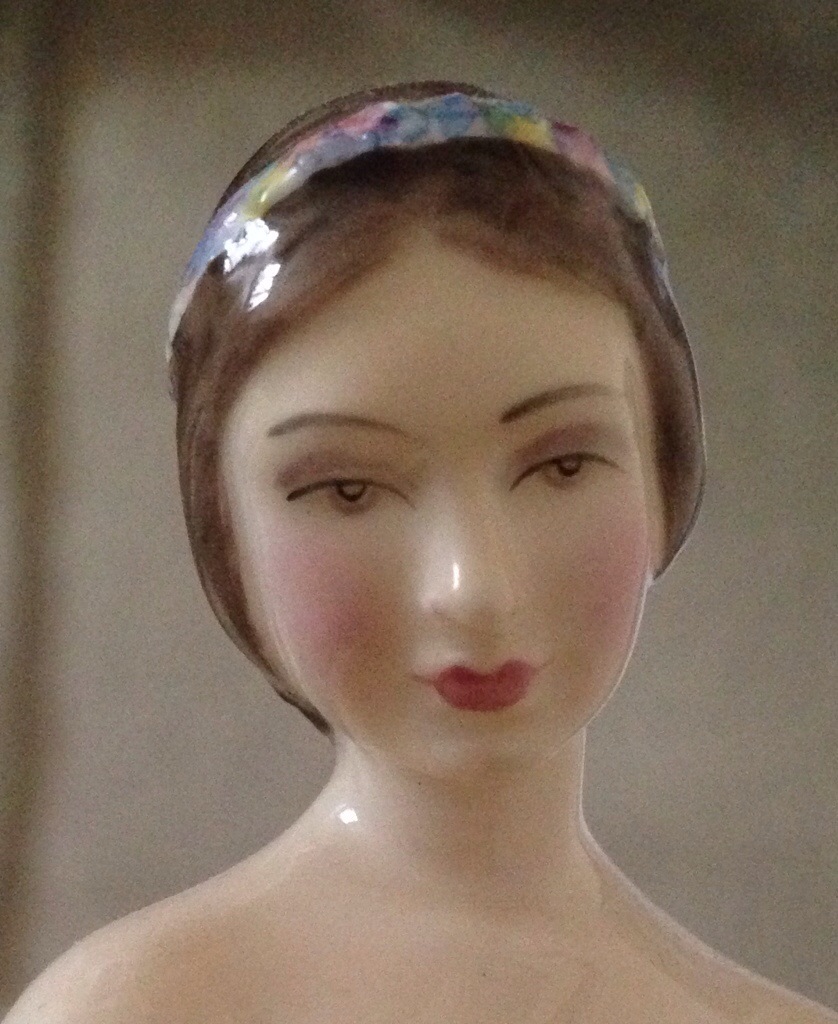
Then ca.1935 these faces with coloured eyes appeared popular and are readily found on figures from this time.


Thereafter until production ground to a halt sometime in 1944 the faces of Doulton’s ladies remained quite similar to the two here from Verena and Meriel.

20140627-173610-63370785.jpg


Post WWII there was often a return to blue eyes on some figures but the ladies generally appeared less ‘max-factored’ as I call it. Here is one such example.

20140627-173807-63487378.jpg
By the early 1950’s there was a further change to a more simple face like these belonging to Carolyn and Judith.

20140627-173918-63558629.jpg

20140627-173919-63559458.jpg
As Doulton figures at this time were all purely handpainted much variation exists and whilst I personally prefer the faces from the late 1930’s it is possible to find ‘max-factored’ faces on later figures such as Giselle and Jacqueline down here.

20140627-174153-63713551.jpg

20140627-174152-63712860.jpg
It would be impossible for me to describe every single face ever painted but I hope this general description helps collectors identify or distinguish figures from various decades.

Doulton’s famous flower girls!

20140626-174722-64042832.jpgWhat set Doulton apart from their several counterparts who were also trying to establish a market for figurative studies in the early 1900’s, was the quality and the detail of their studies.20140626-174722-64042832.jpg

20140626-174751-64071350.jpg
One particular detail which today remains very popular with collectors throughout the world is the addition of hand modelled flowers.
These ranged from moulded tulips, to lilies, to daffodils, to forget-me-nots, to the more typical roses found on many 1930’s Doulton ladies.

20140626-174828-64108624.jpg
This once praised ceramic technique has now all but died out in the potteries but lives on in the many figures produced by Doulton in the first half of the 20th Century.

20140626-174902-64142289.jpg
Some of the most sought after figures today happen to be those with flowers and you can clearly understand their popularity when you see the extra detail, flowers make to these figures. During WWII restrictions figures were often simplified and I have seen versions of Harradine’s Honey carrying entirely moulded flowers!
In the post WWII period the number of flowers was reduced on popular figures including Roseanna and even changed on others including Day Dreams, which incidentally also became ‘Daydreams’ at some point in the late 1940’s.

20140626-174932-64172906.jpg

Doulton’s flair for fashion

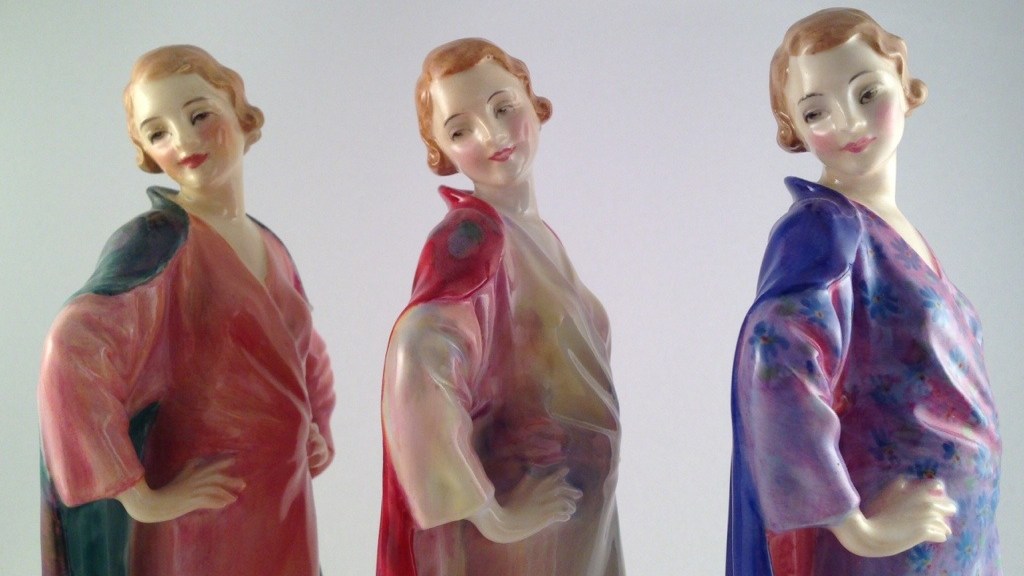
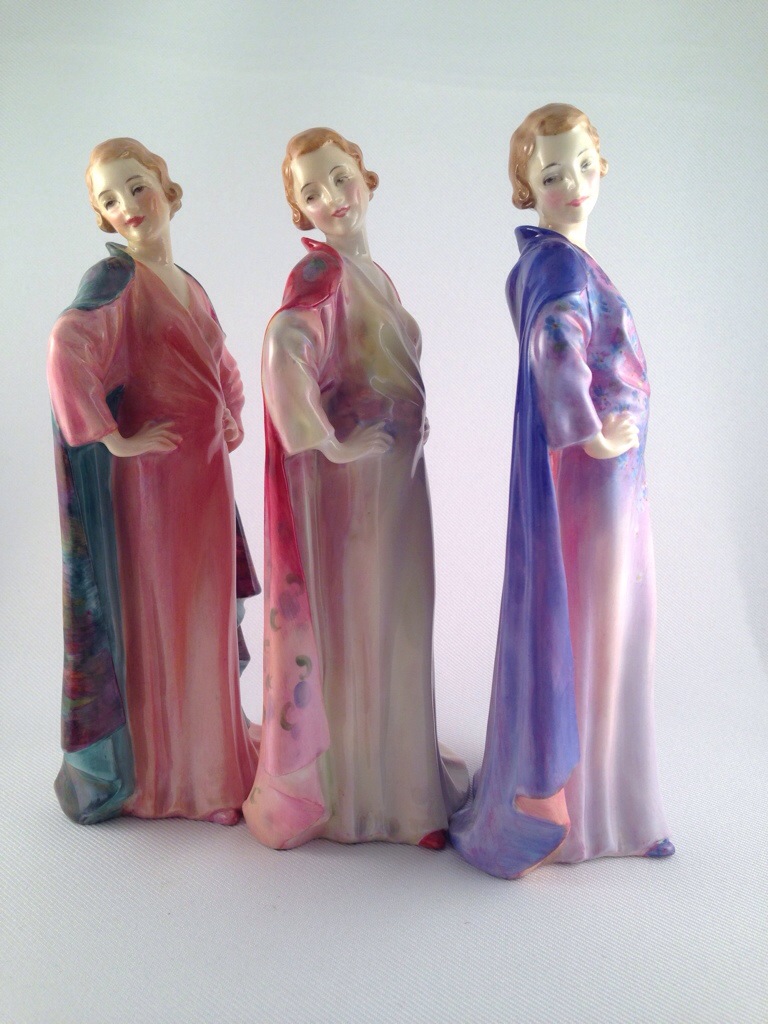
Shortly after the Art Deco period there was a time in the 1930’s when Hollywood glamour became ‘the’ look and typically Royal Doulton roze to the challenge of producing a stream of stylish 1930’s ladies.

Among the first such figures is undoubtedly Clothilde shown here in three colourings. Her wrap dress and long cape capture the Hollywood style perfectly.
20140624-200714-72434578.jpg
The ever popular Clothilde.

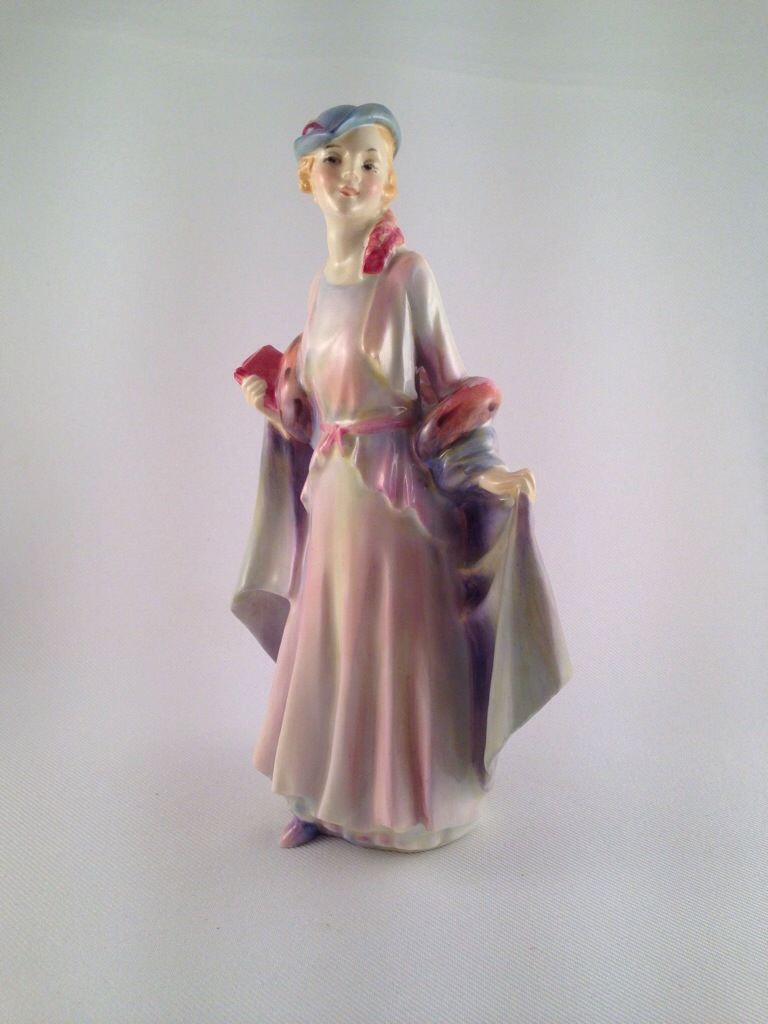
Almost a partner to Clothilde is Gloria in her daytime attire and chic clutch so evocative of this decade.

20140624-200845-72525384.jpg
Gloria HN1488.

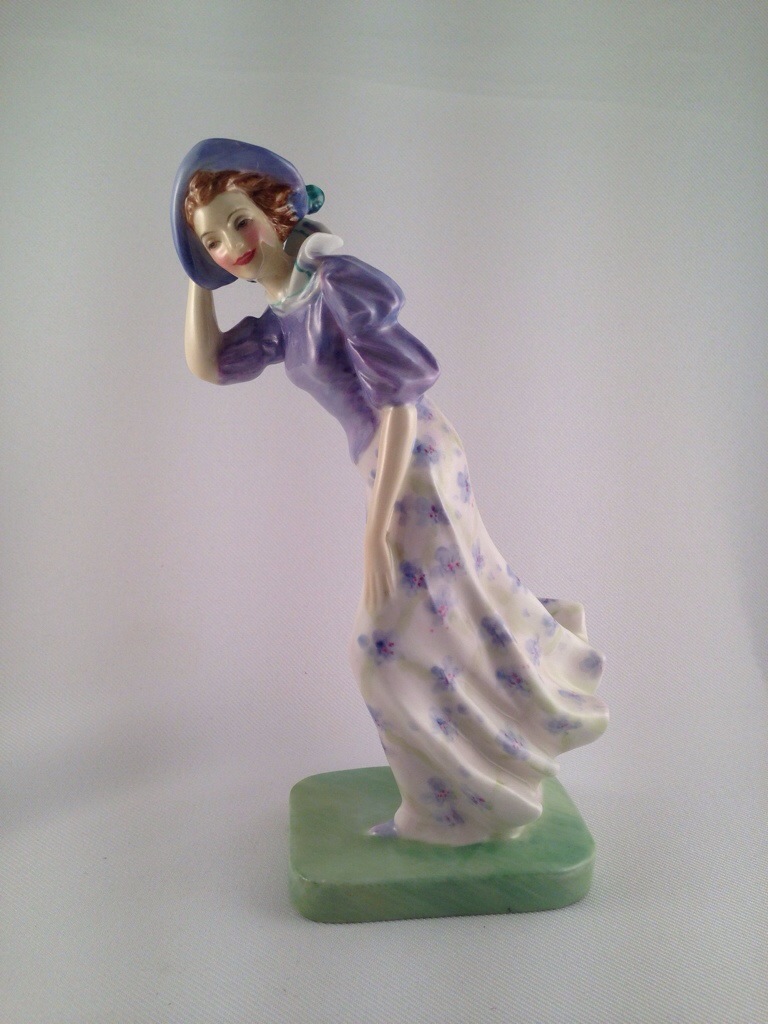
A favourite of mine which fits perfectly into this group is Windflower, a model of a young girl walking into a summer’s breeze, deftly holding her hat in place.

20140624-201120-72680350.jpg
Windflower HN1764.

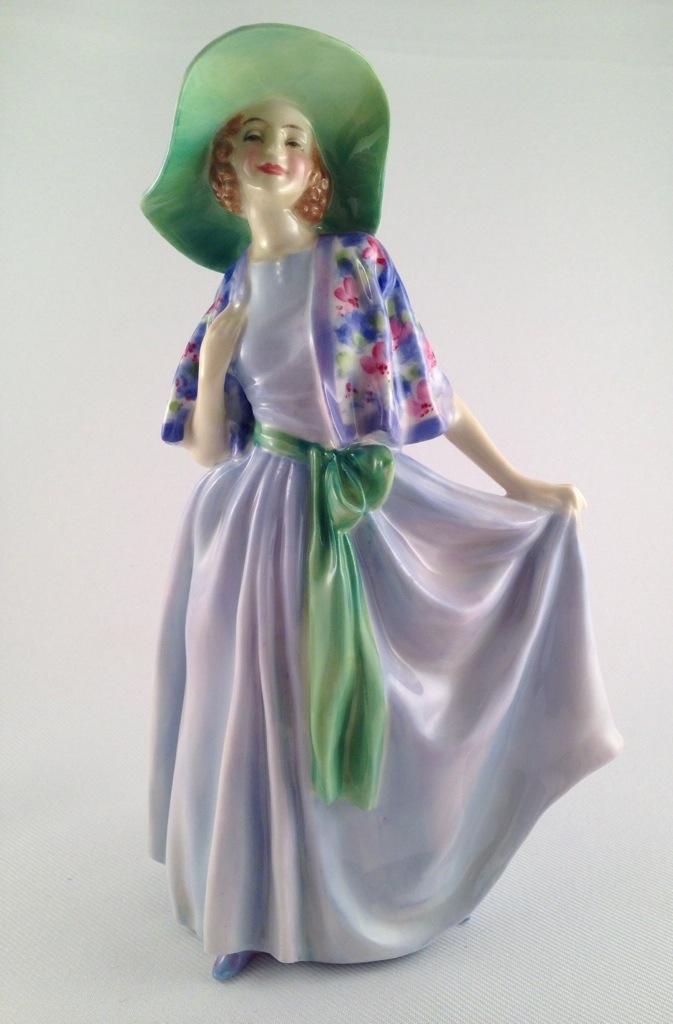
The glamorous Nadine looks as though she has just walked off the screen from a big Hollywood production set on the French Riviera with her cartwheel hat and extravagant sash bow.

20140624-201307-72787853.jpg
Nadine HN1885.

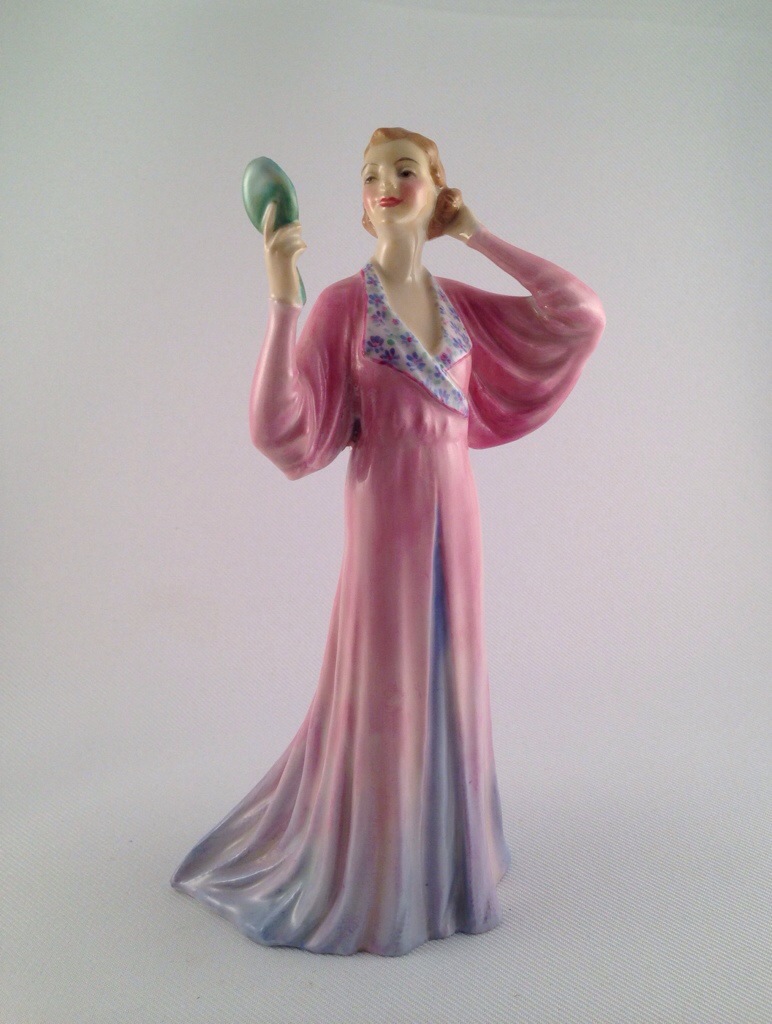
Moving to the boudoir we have the ever stylish and rare figure The Mirror, seen admiring herself in her hand mirror.

20140624-201430-72870534.jpg
The Mirror HN1882.

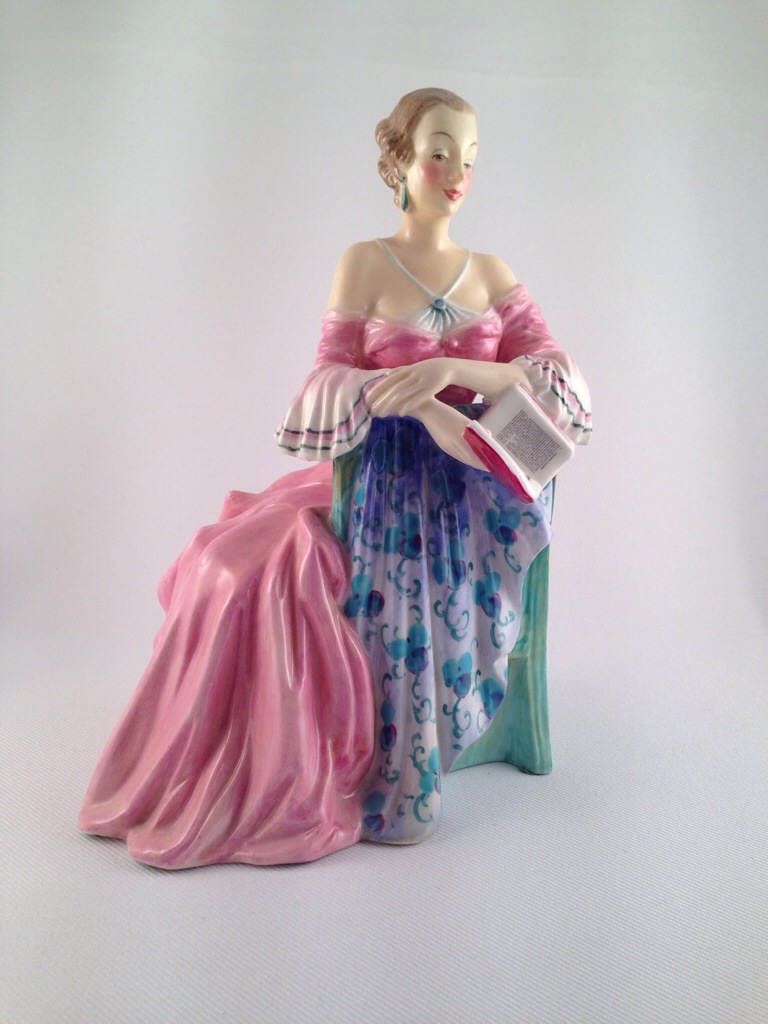
No doubt engaged in conversation is the unusual figure Sweet & Fair, seen here perched on her elegant chair in her simply stylish ensemble.

20140624-201548-72948503.jpg
Sweet & Fair HN1864.

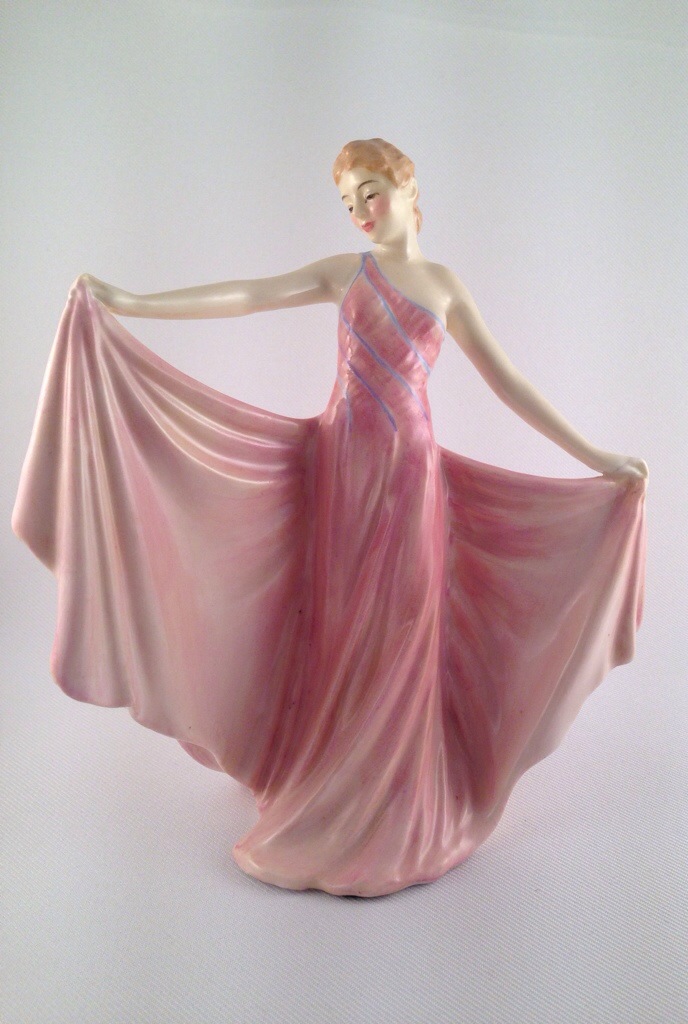
A final figure which belongs to this typical sized Doulton lady is Rhythm, seen here swaying gently to the music. She is a particularly hard figure to find today and her short production run was no doubt the result of her elongated arms, which are as fragile as they look.

20140624-201821-73101483.jpg


Two views of Rhythm HN1903.

Before we finish there is one more figure to mention, namely the wonderful figure The Lambeth Walk. She is seen carefully taking a step to the tune of the same name from the hit musical Me and My Girl. My reason for leaving her to last is not her insignificance but rather her size – she unlike her counterparts stands a magnificent 25 cms tall and so is instantly distinguishable from this band of glamorous gals!

20140624-203000-73800127.jpg
The Lambeth Walk HN1880.

As you will be able to tell this latter group of Hollywood style figures all date from the same period and their HN numbers are all in the late 1800’s. Together they create something of a wow factor as I am sure you can imagine!

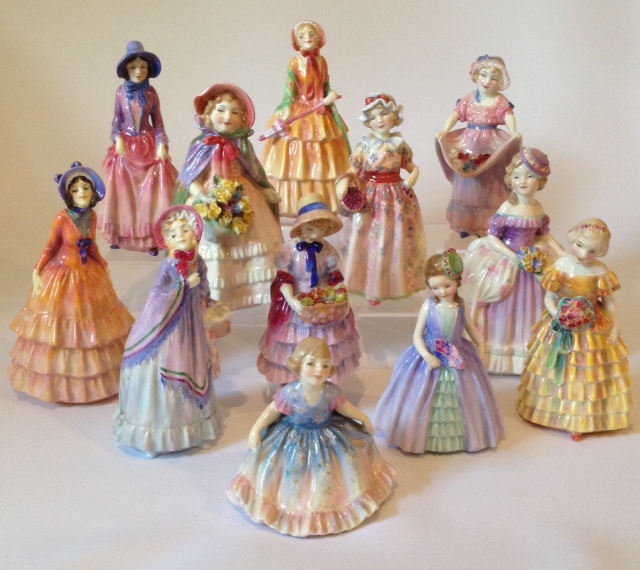
Royal Doulton’s early Child figures.

Refelctions 6 00004

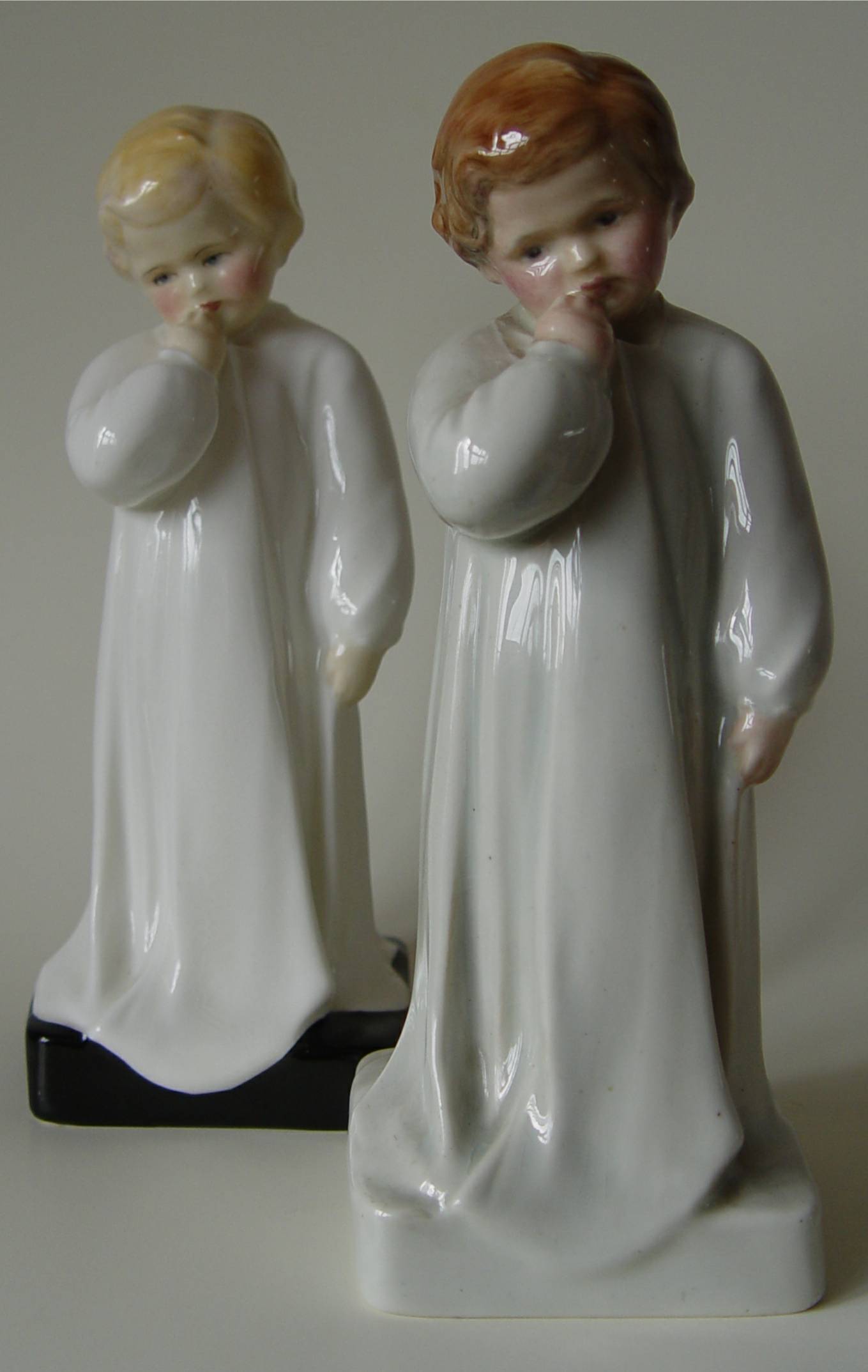
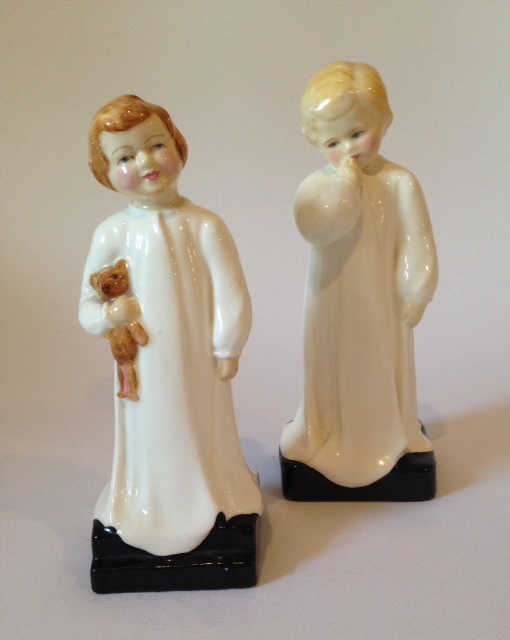
L-R Darling HN1319 and HN1.

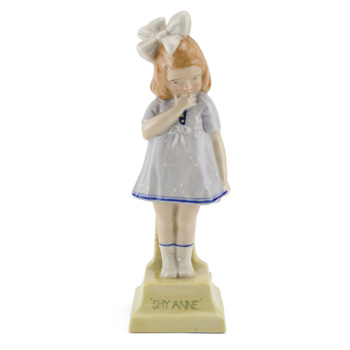
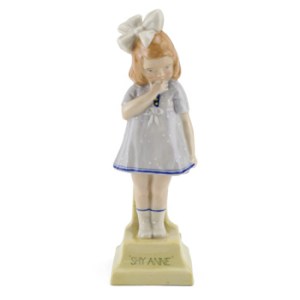
The prominence and popularity of Darling HN1 has proved over the last century that child figures are among the most popular Doulton have produced as part of the HN figure collection. Darling was sculpted by the great Charles Vyse and as was often the case in the first half of the twentieth Century, Charles Noke, Doulton’s art director approached prominent sculptors of the time to provide models for possible inclusion in the collection.  In the first decade of production of the HN collection Darling remained a clear favourite of collectors, it is therefore no surprise to see that many other child studies followed this iconic sculpture. These first studies remained somewhat sculptural, just like Darling, who was succeeded by a line-up of other famous faces including Dolly, Shy Anne HN60, the Coquette HN20 and a handful of Noke’s own studies such as the very rare Boy on Crocodile HN373.
FIG_Shy-Anne-HN65

Shy Anne HN65.

It was not until the 1920’s when a former apprentice modeller from their Lambeth factory, one Leslie Harradine, began to submit models to Doulton in Burslem that the typical figures we all now know as child figures began to emerge.
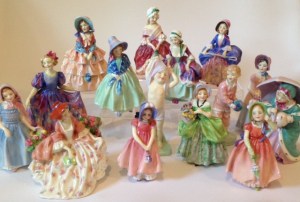
photo 2 (4)

A group of Harradine children.

Harradine revolutionised the collection from the very start, introducing much slicker lines and also a smaller size in figure.
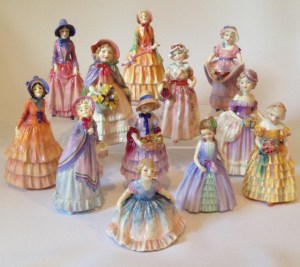
photo 1 (4)

A group of early 1930’s child figures.

Classic Harradine child figures such as Betty HN1404 and Pinkie HN1552 are easily recognisable not only as Doulton but also as the work of Harradine. His ability to interpret moods and trends was unrivalled at the time and I am sure all other factories would have been envious of Doulton’s great in house talent. Ironically no visit by Harradine was ever recorded to Burslem, instead former employees recall the monthly arrival of a parcel from Harradine and the stir it would cause in the factory. It is a tribute to Harradine that so few prototypes from his time as lead figure sculptor have turned up, indicating that the majority of his models actually went into production.
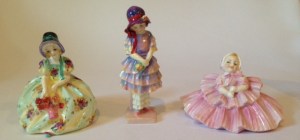
photo 5 (1)

Three deco children: Monica, Pinkie and Rosebud.

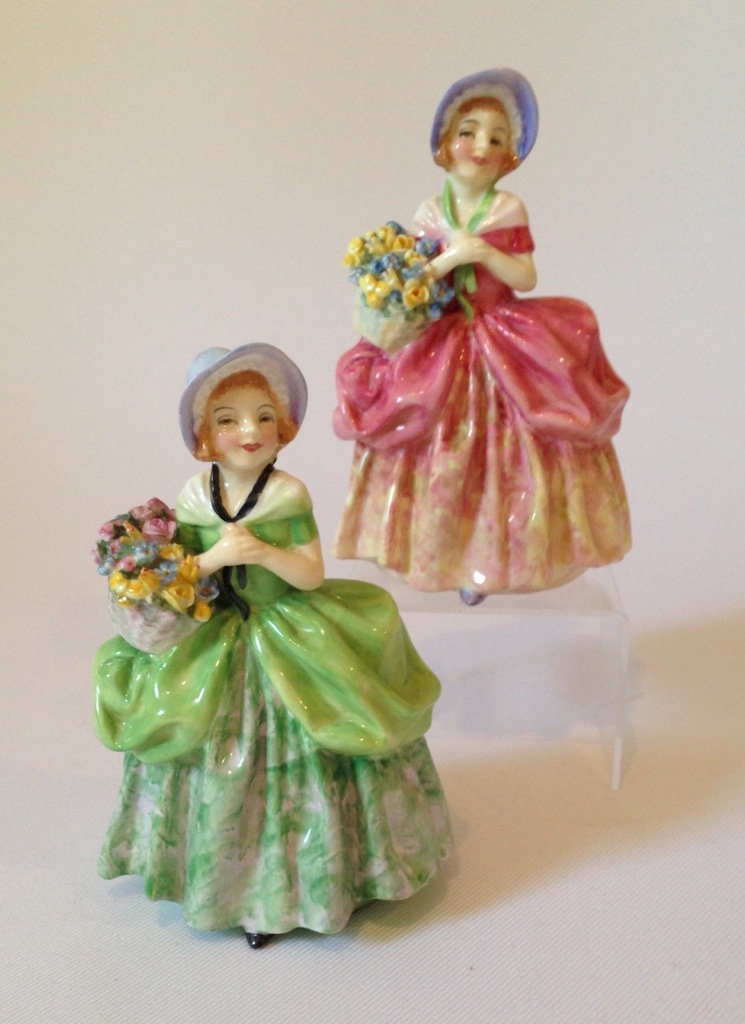
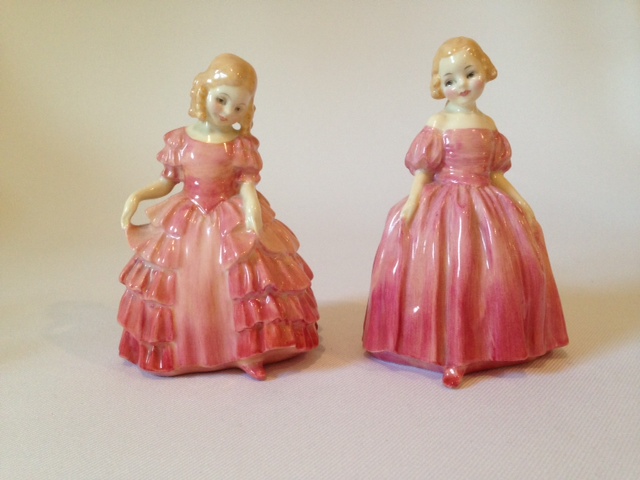
Harradine’s ability and versatility brought us a long line of youthful figures including Rose HN1368 and Marie HN1370, an aptly named pairing available in several complimentary colourings, Bo-Peep HN1810 and Cissie HN1808 another pairing and other popular figures such as Diana HN1716, Lily HN1798 and Nana HN.
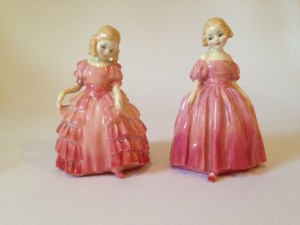
photo 3 (2)

Rose and Marie in complimentary colourways.

Yet, Harradine did not restrain himself to small size figures and his large size Estelle is still highly sought after by collectors the world over.
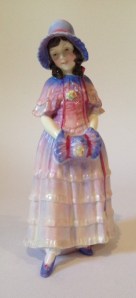
photo (2)

Estelle HN1566.

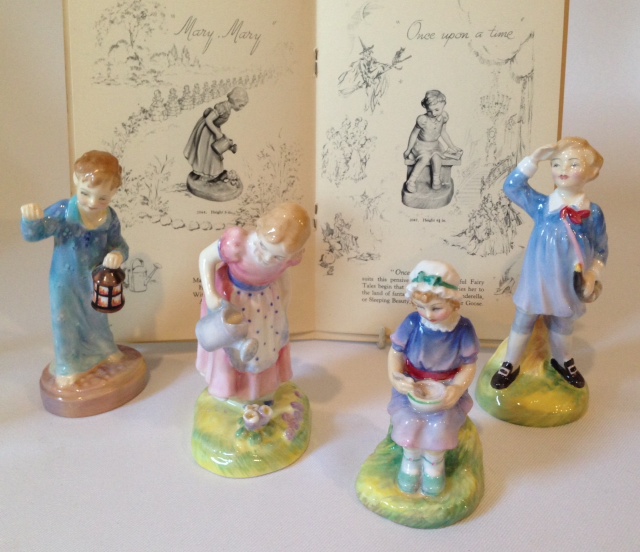
One of the last child study series modelled by Harradine and introduced by Doulton was a set of Nursery Rhyme figures. Harradine, together with a then new but equally talented modeller, Peggy Davies, were set the task of interpreting key figures from popular children’s nursery rhymes for this set. I am sure you will all agree the effectiveness of these models secures both artists reputations as expert modellers as each study is the embodiment of the verse it represents.
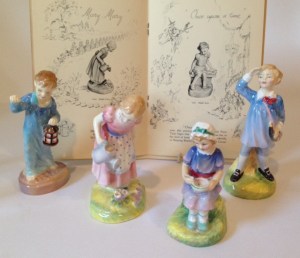
photo 4 (2)

Four nursery rhymes characters including a prototype of Little Miss Muffit.

The fact that several of these key figures within the HN collection remained in production until close to the millennium confirms the popular demand the world over for child studies, something that Doulton to this day continues to ‘feed’ with the introduction of new child studies. As seems to always be the case imitation should be construed as flattery and so to finish, here is a version of Darling made by another Staffordshire pottery next to a Doulton version from 1934 – the quality of the Doulton model leaps out.
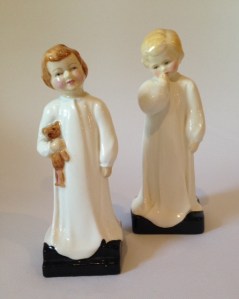
photo (1)

Doulton’s Darling HN1319 together with an inferior copy