Category Archives: Doulton

Tinkle Bell’s inspiration – another one that didn’t make the final cut…

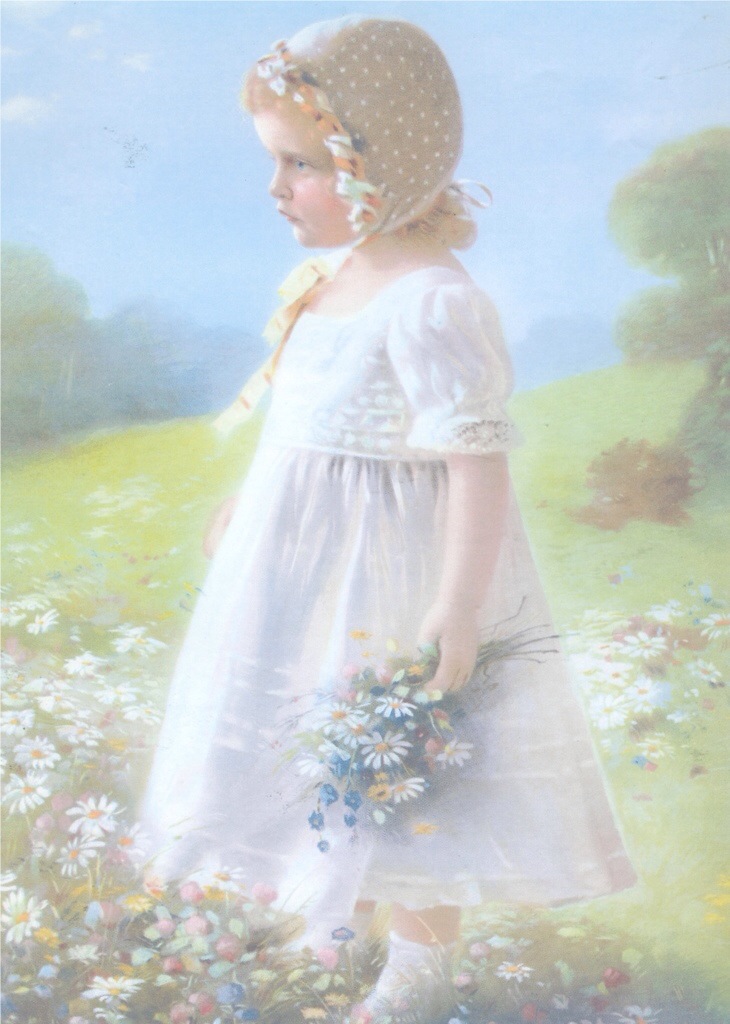
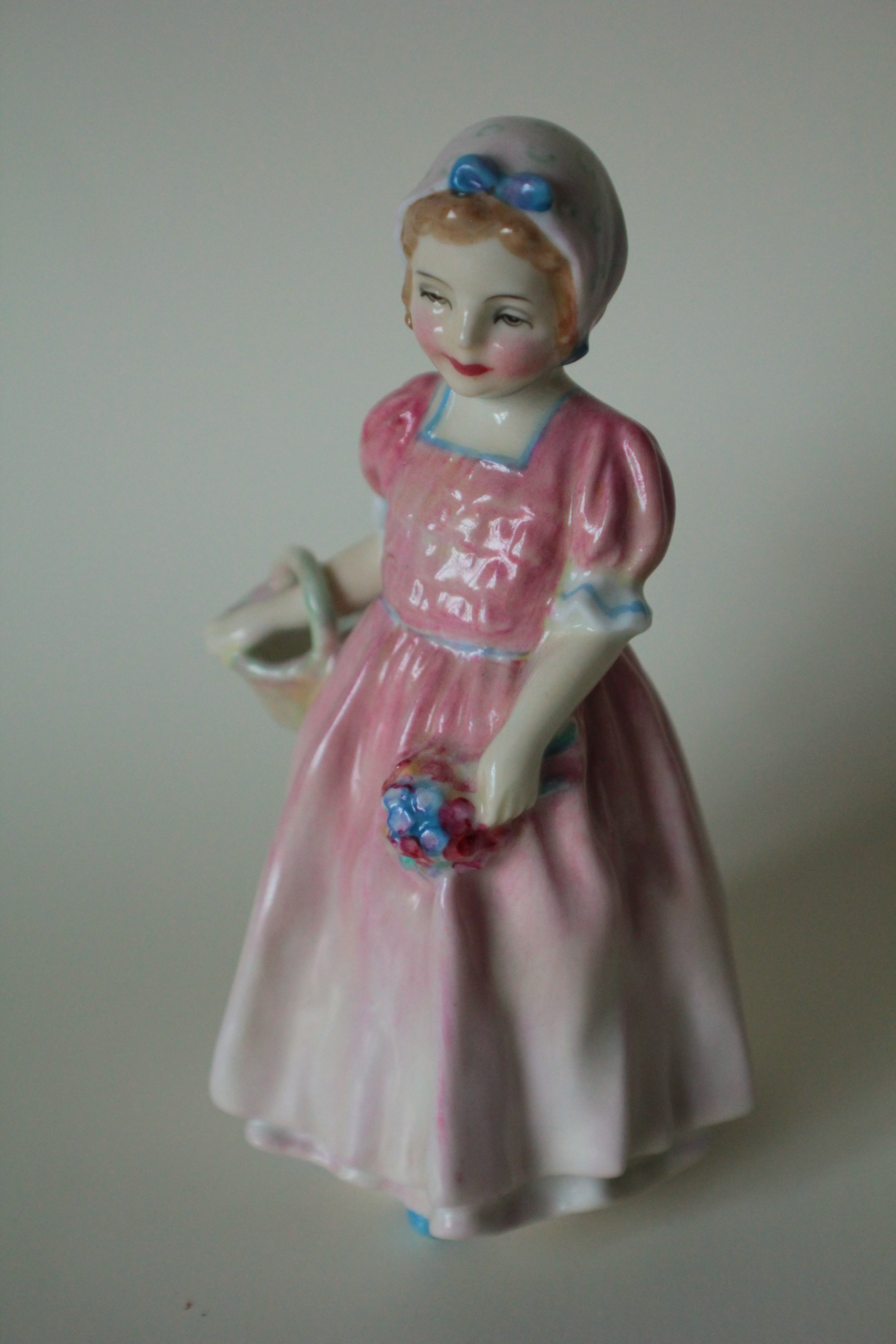
Another picture for you all to add to your lists of pictures that inspired figures is this charming child study by  an unknown artist ‘Pieperhoff’.

As Jocelyn and I were selecting the themes we would include in our book Reflections: Doulton Figures as a Mirror of their Times, it was inevitable that we could not include everything we had found.

Typical of this time, many unknown artists’ work was used for greetings cards, in a similar vein to those published by Raphael Tuck and Valentine & Co. that we have already looked at.
20140601-073522-27322761.jpg


Pieperhoff’s sentimental child study that inspired Tinkle Bell HN1677 below.
IMG_1593

This particular illustration was clearly popular at the time (1930’s) as it can be found relatively readily and I have a miniature and a larger (30cm by 20cm) version.
Royal Doulton’s Lustre wares Part 1

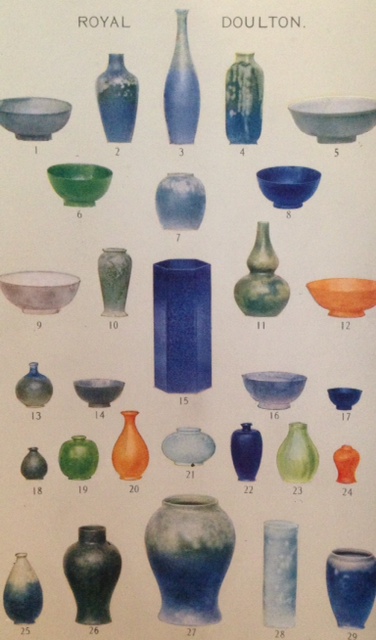
Doulton produced their lustre wares from the late 19th Century to the mid 20th Century, so there are plenty of variations to collect. Here is an interesting page from a Doulton catalogue from 1924 showing their range of lustred vases and bowls to collect.

Image

An early catalogue page.

Looking at the price list for these items, they were equivalent to other Doulton wares including Flambé and Titanian. Today these pieces are available at much more modest prices and many interesting shapes in vases etc…can be found.

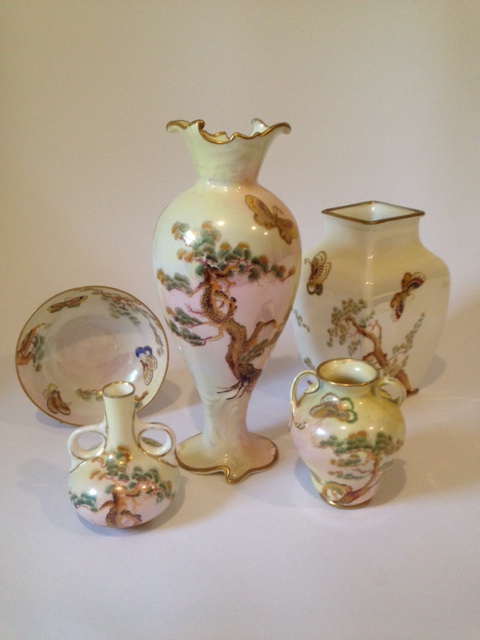
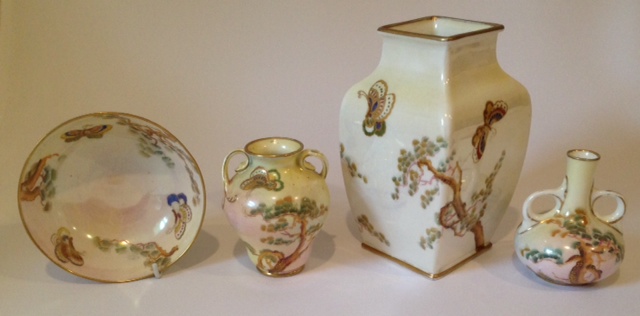
Lustre is achieved by a thin metallic glaze being fired over the existing glaze. There are several transfer decorated items to collect in this lustre glaze, and one particular favourite of mine is this set featuring a japanese style tree and butterflies.

Image

A group of oriental inspired lustre pieces.

As always with Doulton expect the unexpected for I have seen the interior of vases with lustre glazes where just the flared lip of the vase can be seen to Titanian bowls with a lustre finish either inside and out or just lustred on the inside.

Image

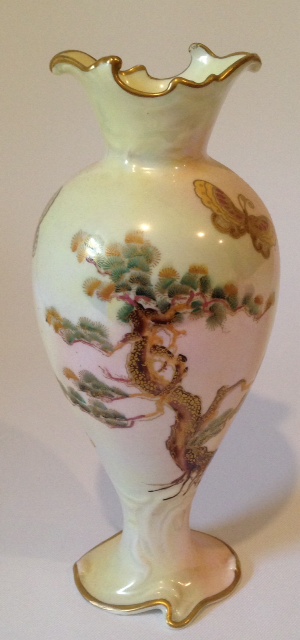
A single view of the tall lustre vase. This shape was popular at the turn of the 20th Century and many fine pieces of handpainted Doulton can be found on this shape.

Figures and animals too were given a lustre glaze and in cases where the piece has lost its lustre it is impossible for us to tell that it would have had a lustre glaze as there was no special backstamp for this ware.

Doulton’s Williamsburg Figures

The original Williamsburg figures were introduced in 1960 and of course for this time were the models of the great Peggy Davies. Subsequently other figures were added to the series and also a set of Character Jugs.

These figures represented what would have been the major personalities of 18th Century Williamsburg, once the seat of government. Wherafter Williamsburg fell into decay and it wasn’t until the early 20th Century that the decision was made to restore this shrine of American Character and tradition. Each of the town’s buildings would be reconstructed and refurnished exactly to suit the dignity of its 18th Century heyday.

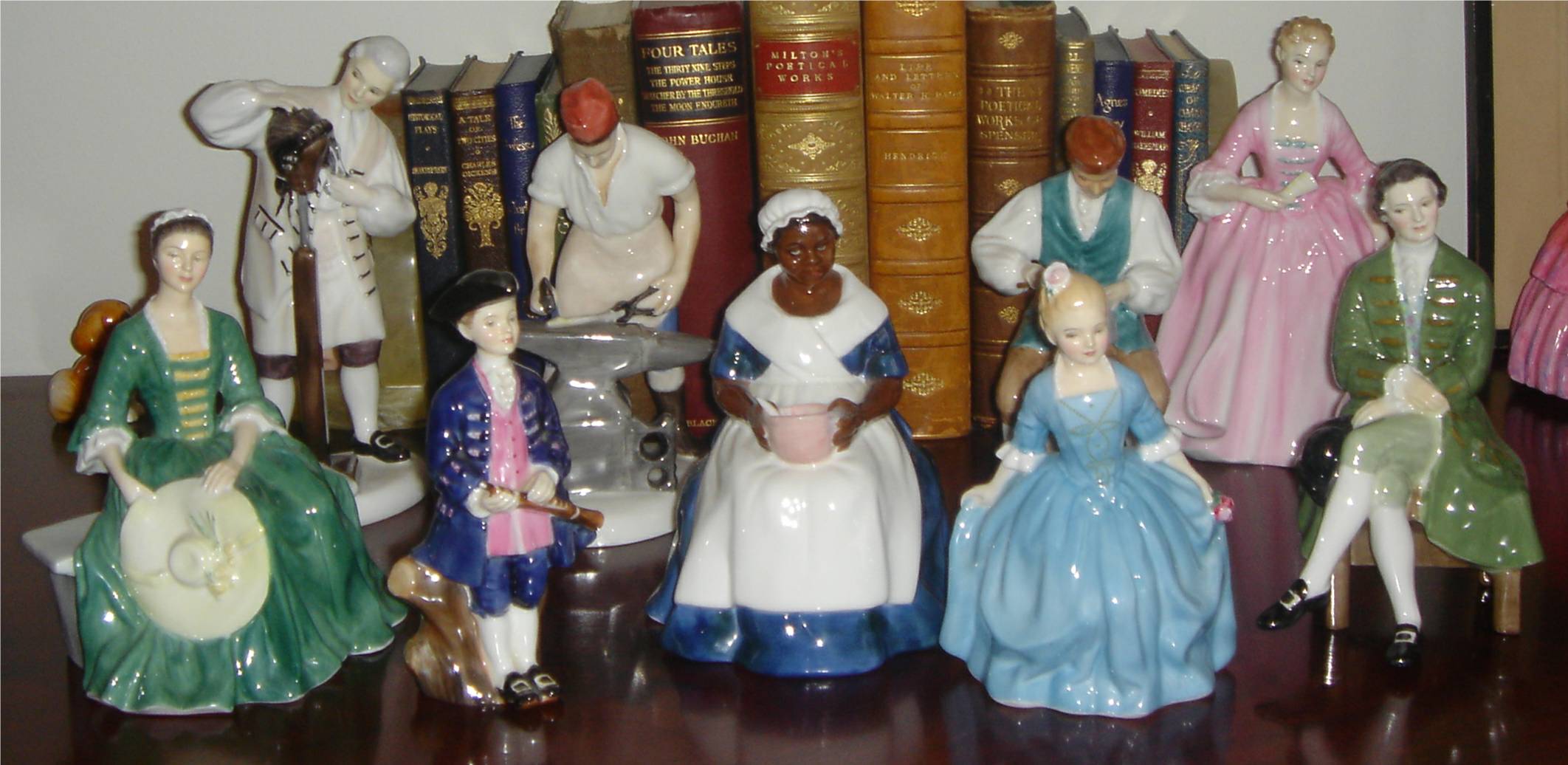
Today, side by side with the restored town, costumed tradesmen ply the trades of over 2 centuries ago – and this is where the inspiration for the range comes from. So we have a Silversmith, a Wigmaker, the famous Hostess and a lady and gentleman of the town among other characters.

Image

The eight figures in the series.

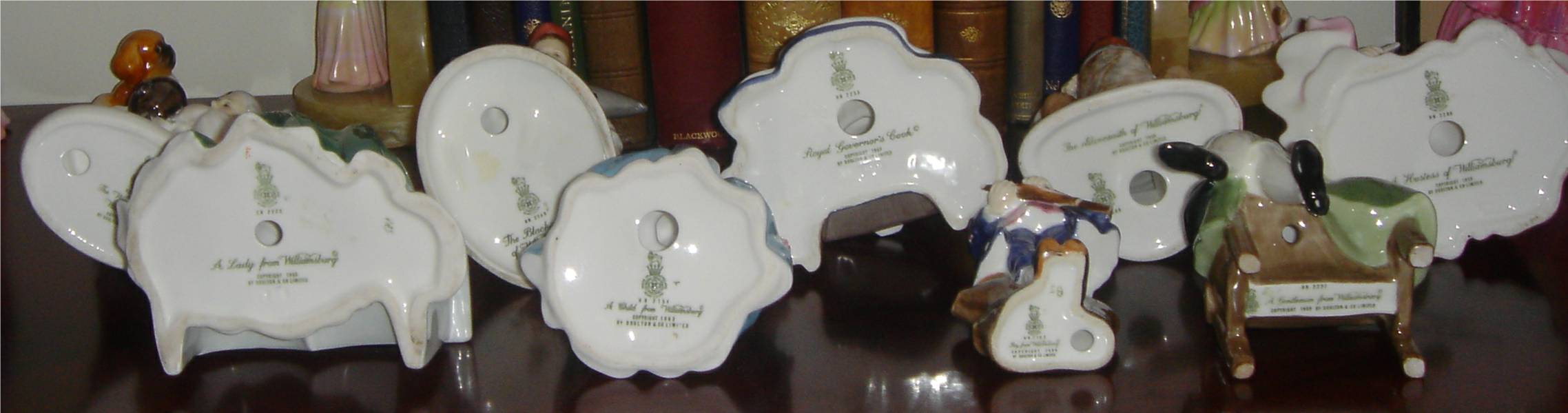
These figures had a special backstamp as shown below.

Image

The bases of the figures showing the special backstamp.

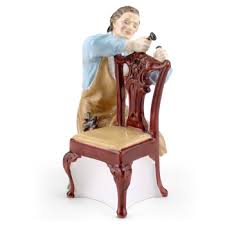
For me the great thing about this series is the opportunity to add other figures to it, for many of Peggy’s ‘Pretty Ladies’ fit ideally into this group of figures, as do Mary Nicoll’s character figures such as The Coachman HN2283, The Clockmaker HN2279 and of course her study of The Craftsman HN2284 (below).


Image

How do you pair your Doulton figures?

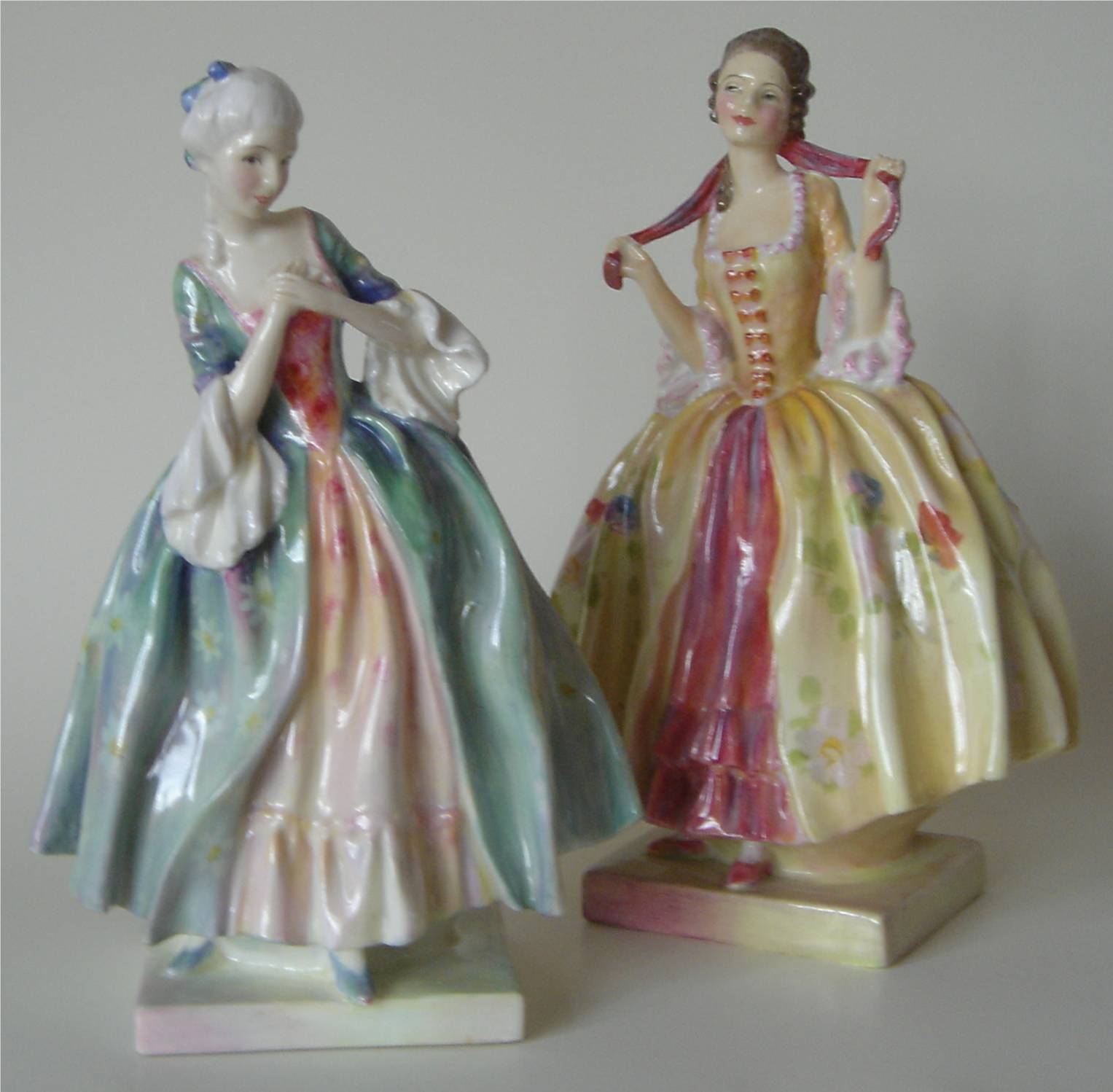
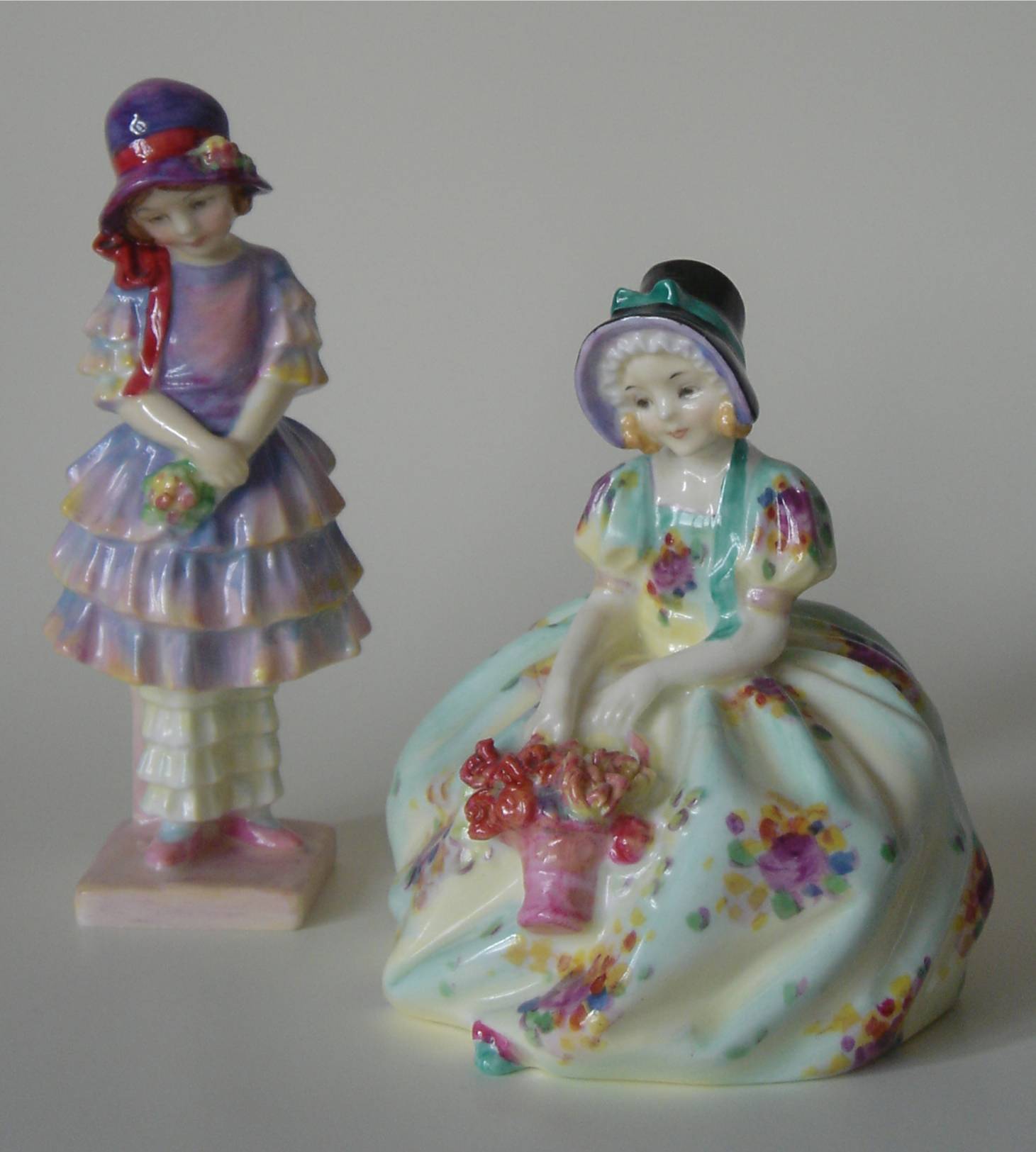
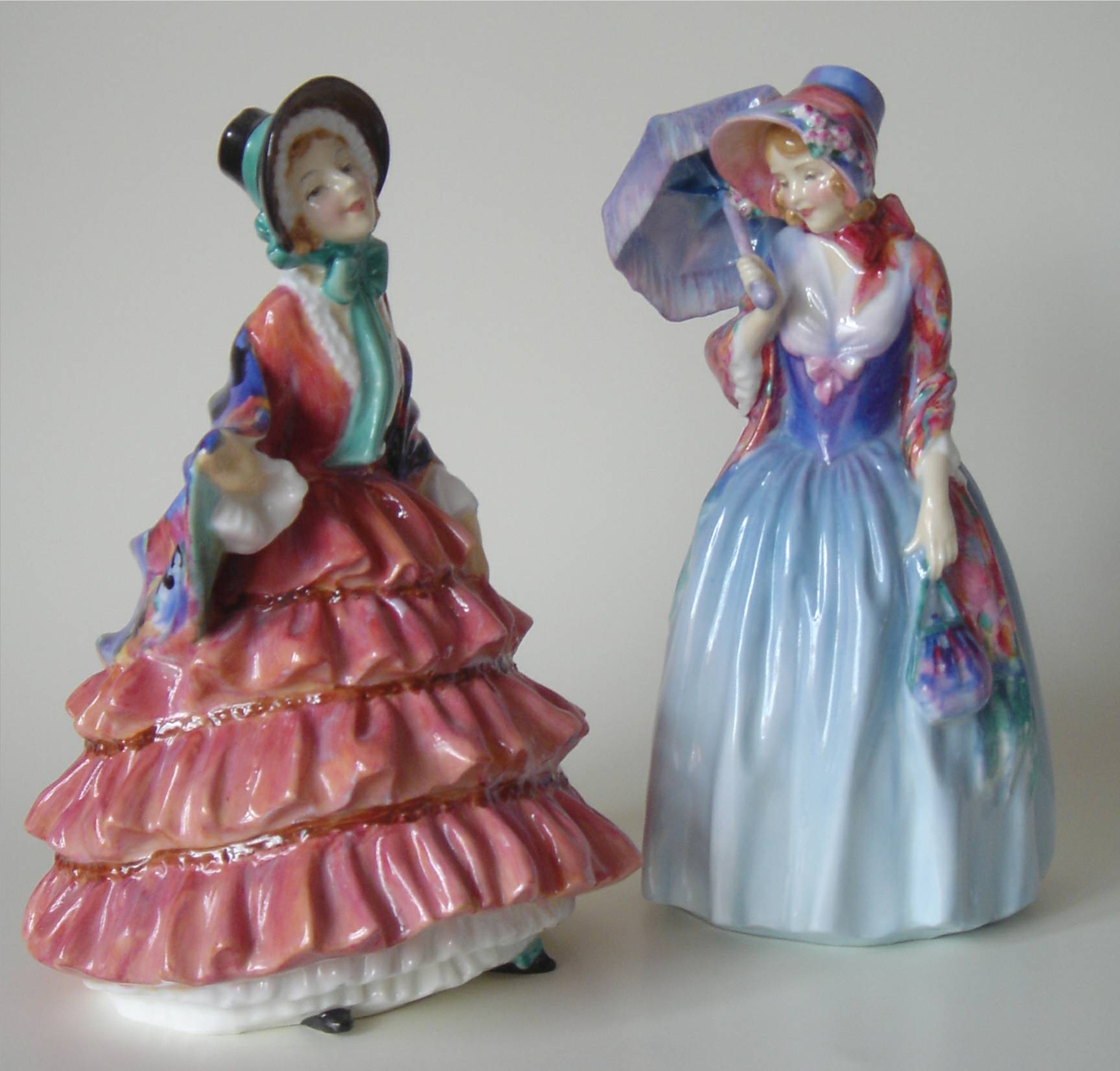
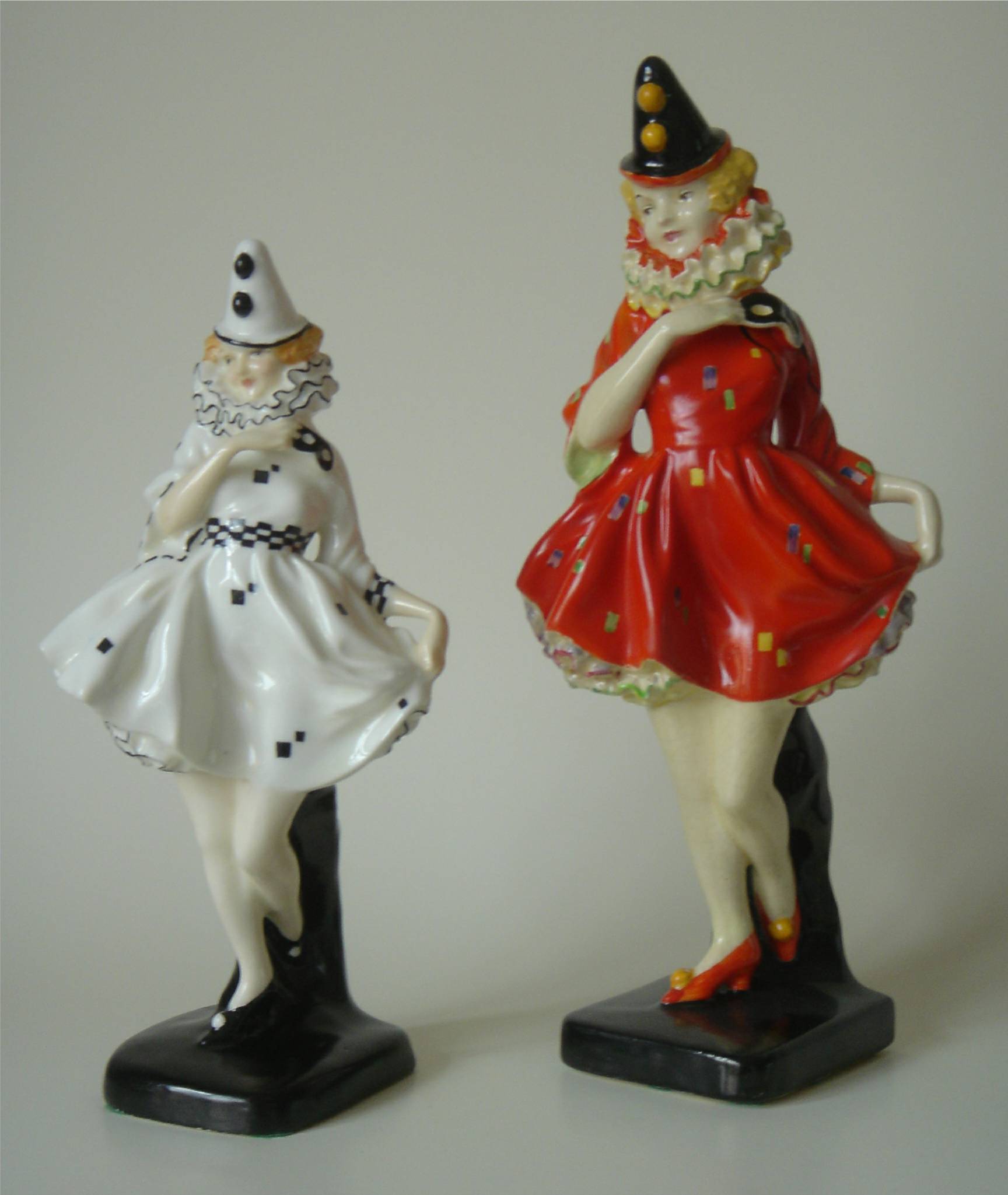
With so many collectors sharing views of their collections and enjoying arranging their collections, I thought I would share a few groups and pairings that I think work together. Enjoy!

figs 11 Apr 08 00002

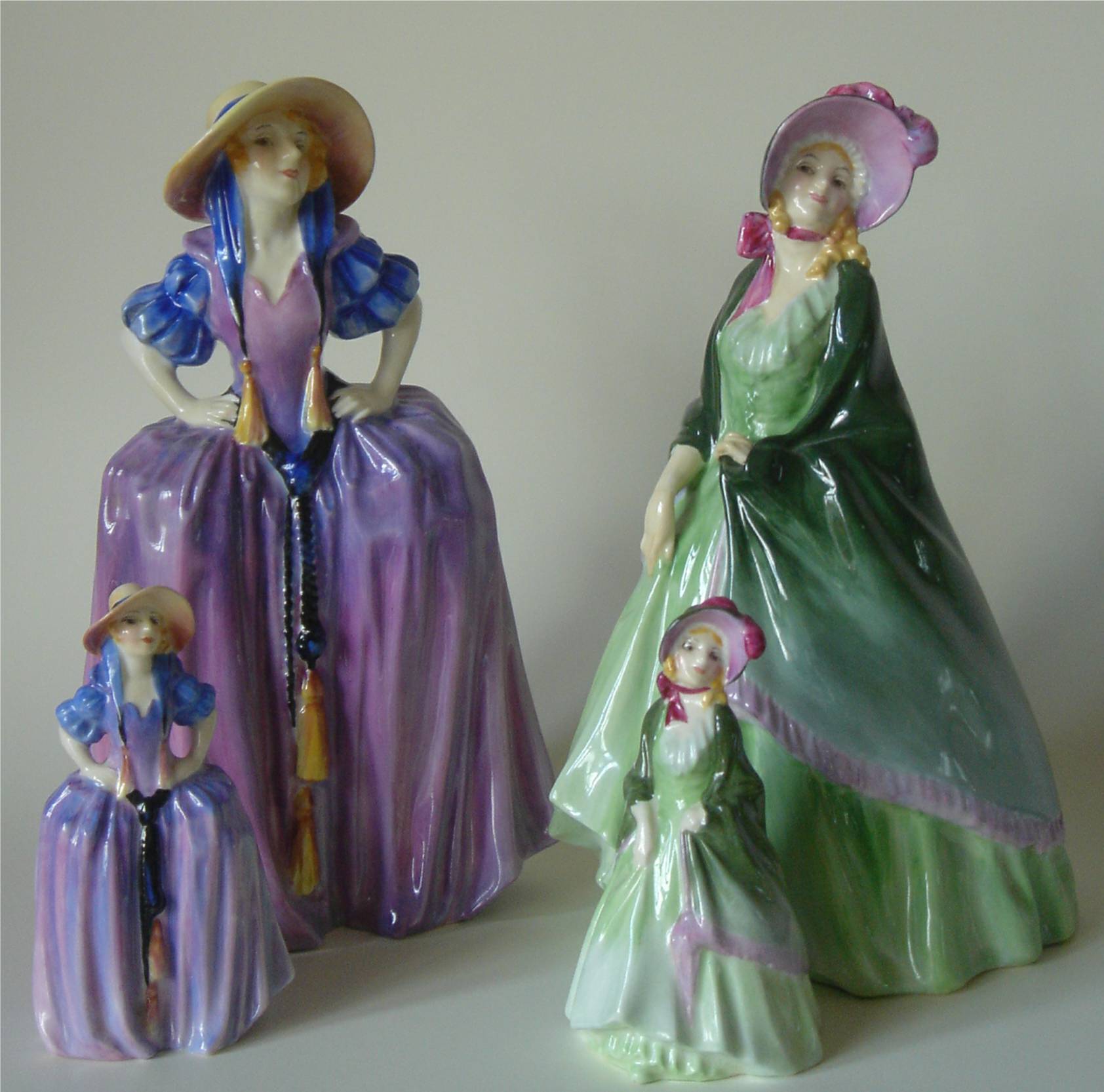
Patricia and The Paisley Shawl in two sizes.

figs 11 Apr 08 00016

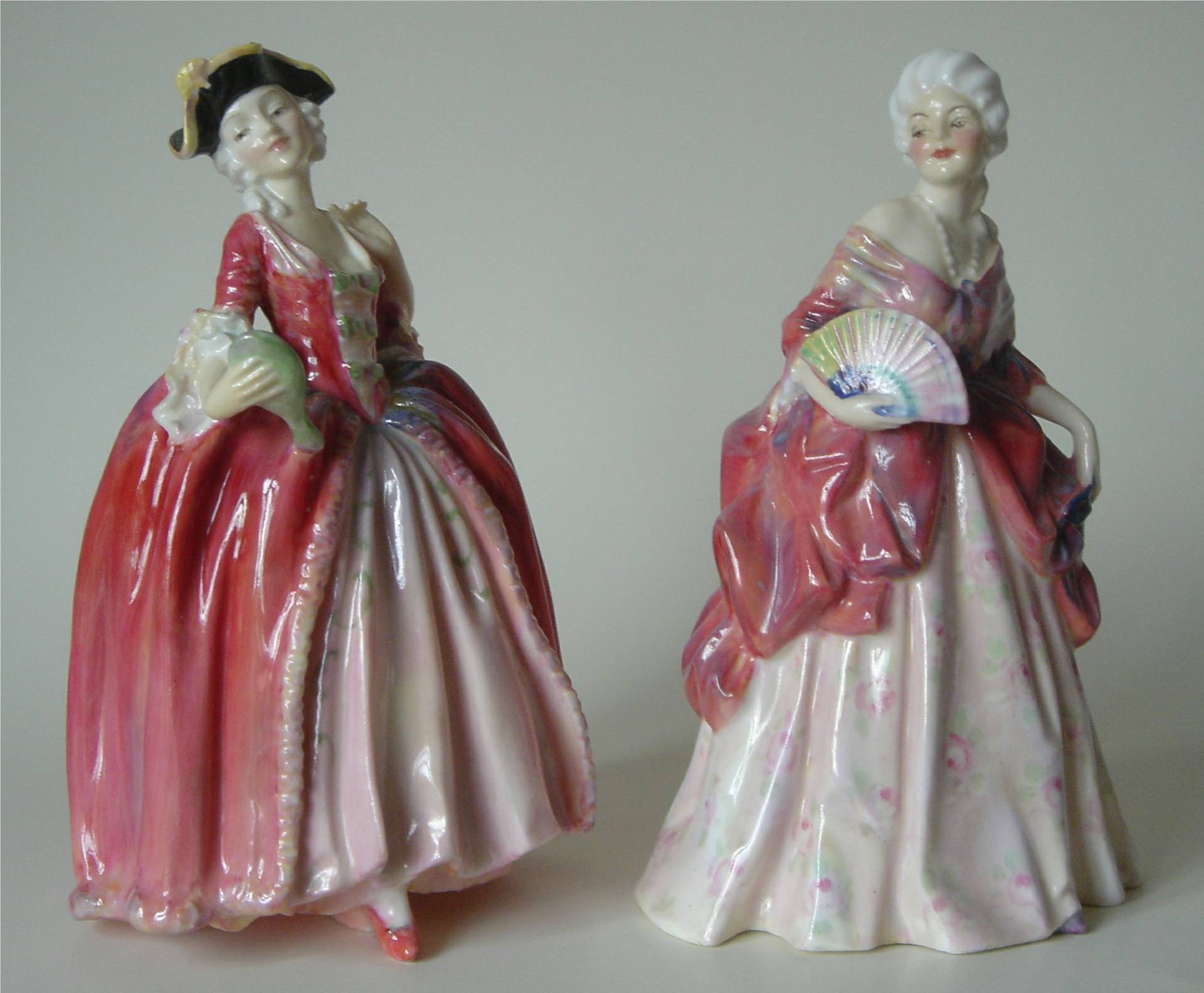
Camille and Fleurette look picture perfect together, as do Camilla and Virginia below.

figs 11 Apr 08 00031

figs 11 Apr 08 00038

The lovely Pinkie and Monica.

figs 11 Apr 08 00043

Bon Jour and a colourway of Miss Demure.

figs 11 Apr 08 00055

Two sizes of Pierette.

figs 11 Apr 08 00056

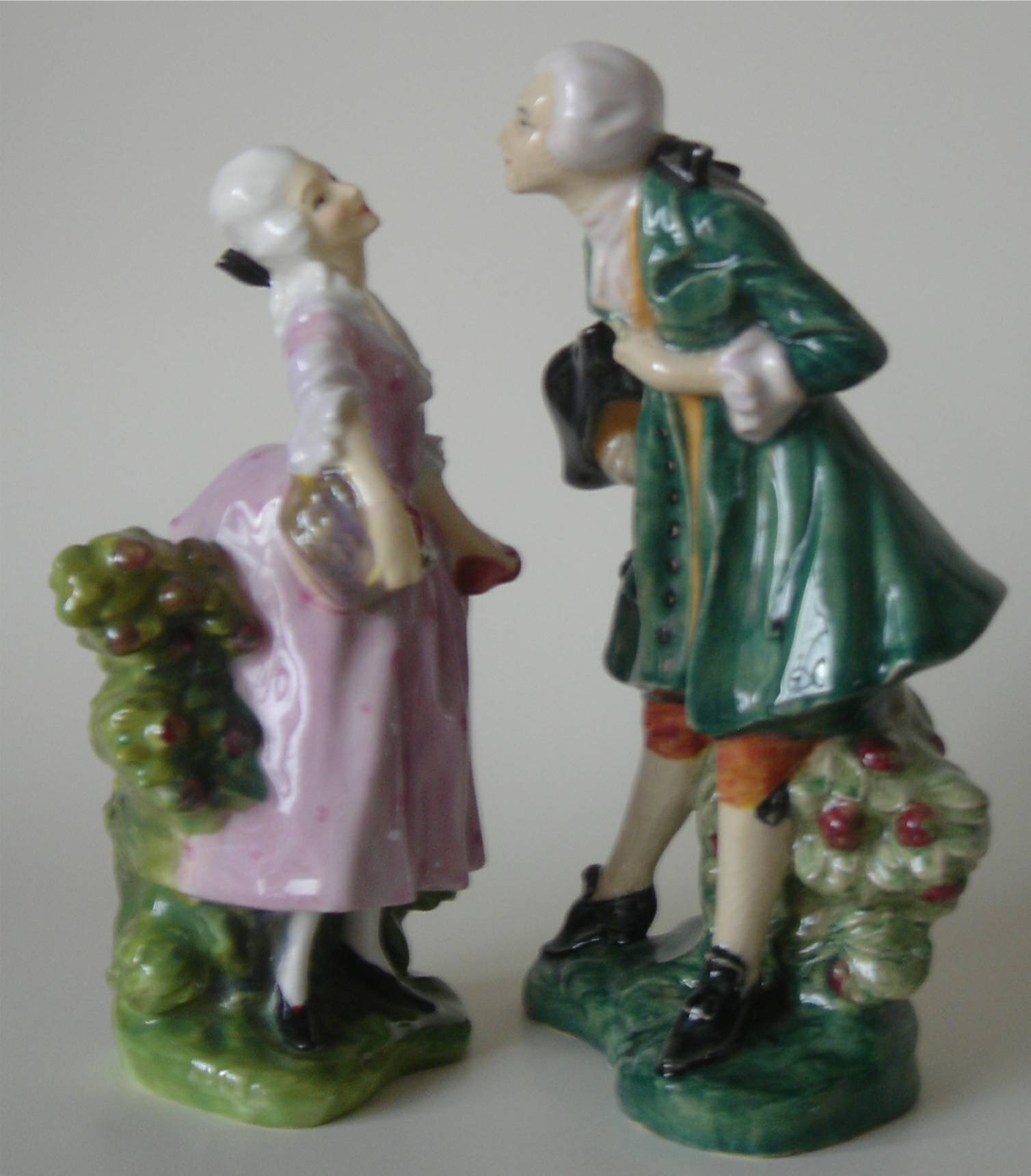
The Masqueraders with their interlocking bases, that allow them to kiss!

Captured 2008-4-11 00421

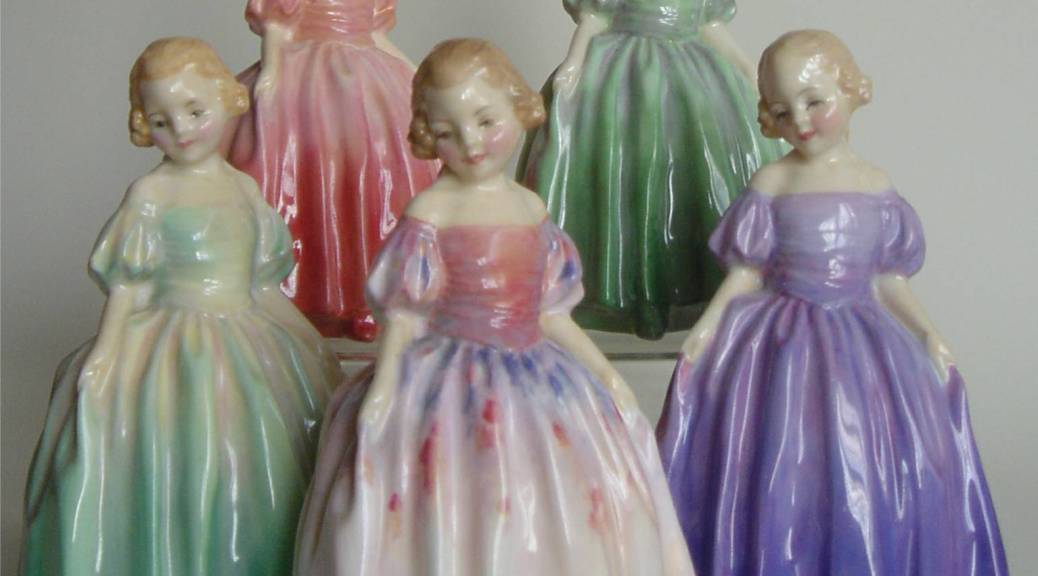
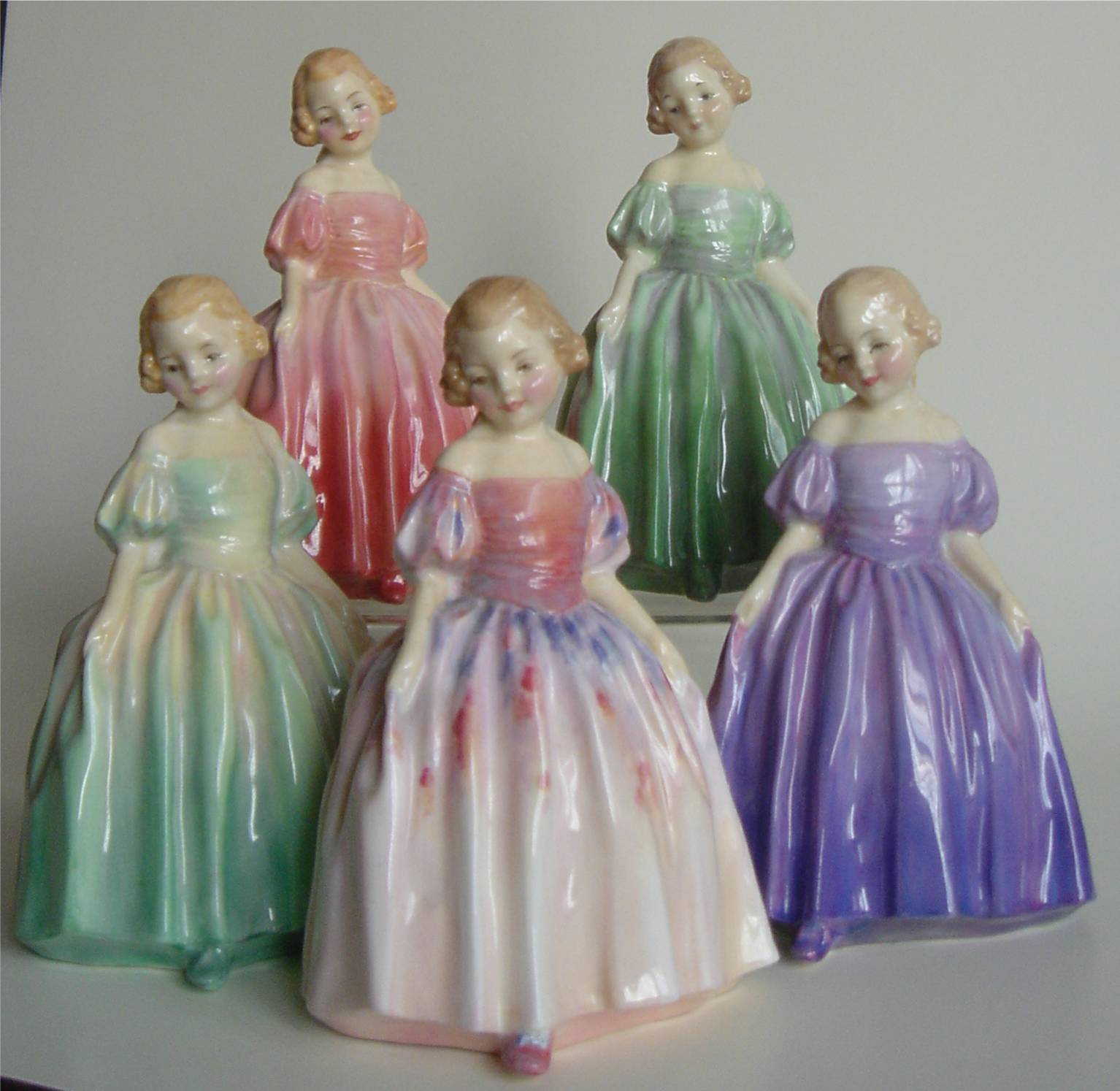
Marie in a variety of colurways.

Captured 2008-4-11 00423

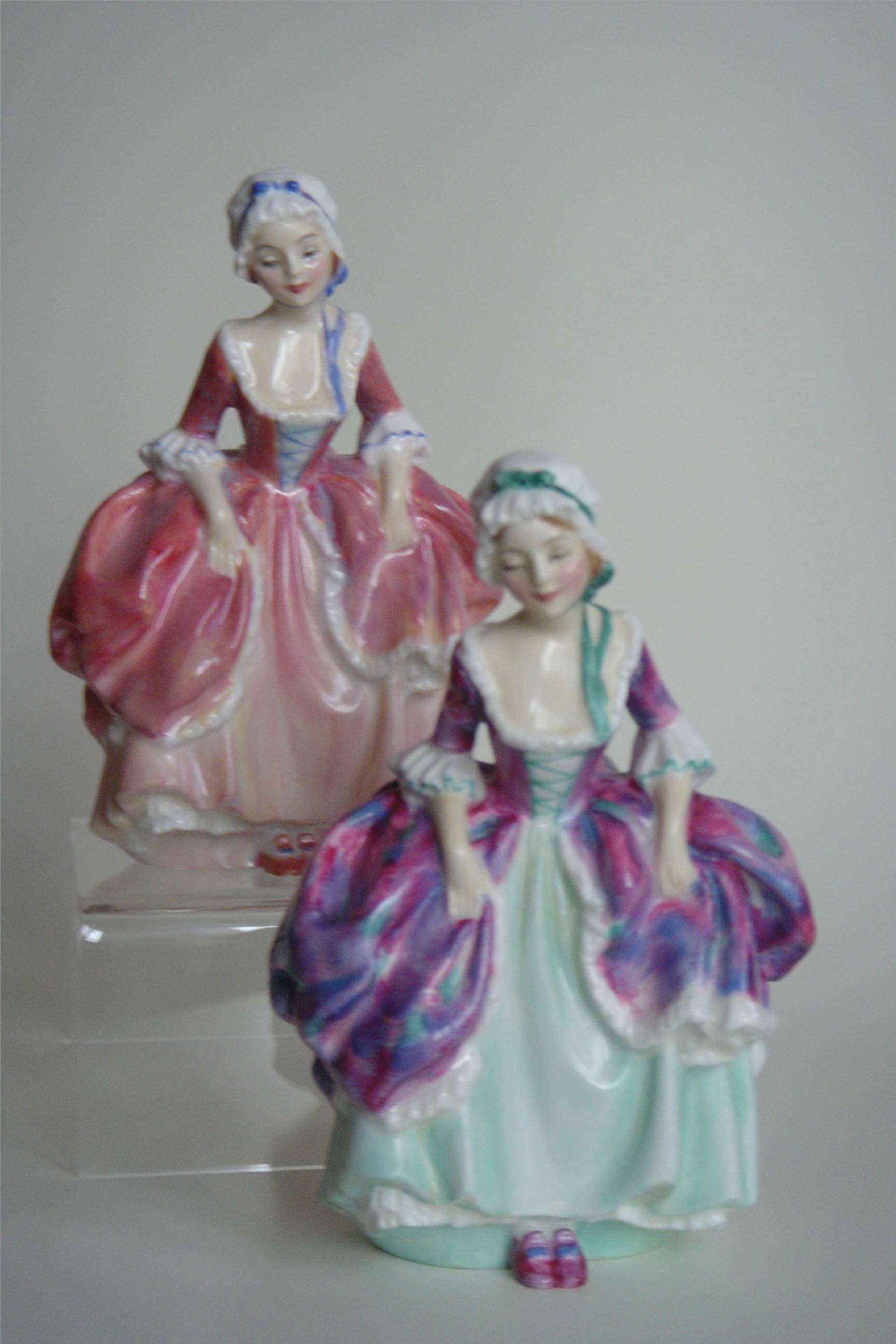
Two versions of Goody Two Shoes.

So how do you choose which pieces to put together? Don’t forget to share your pictures on our facebook page: Doulton Collectors Club

Thanks

CE


Another personal favourite, Velluma ware

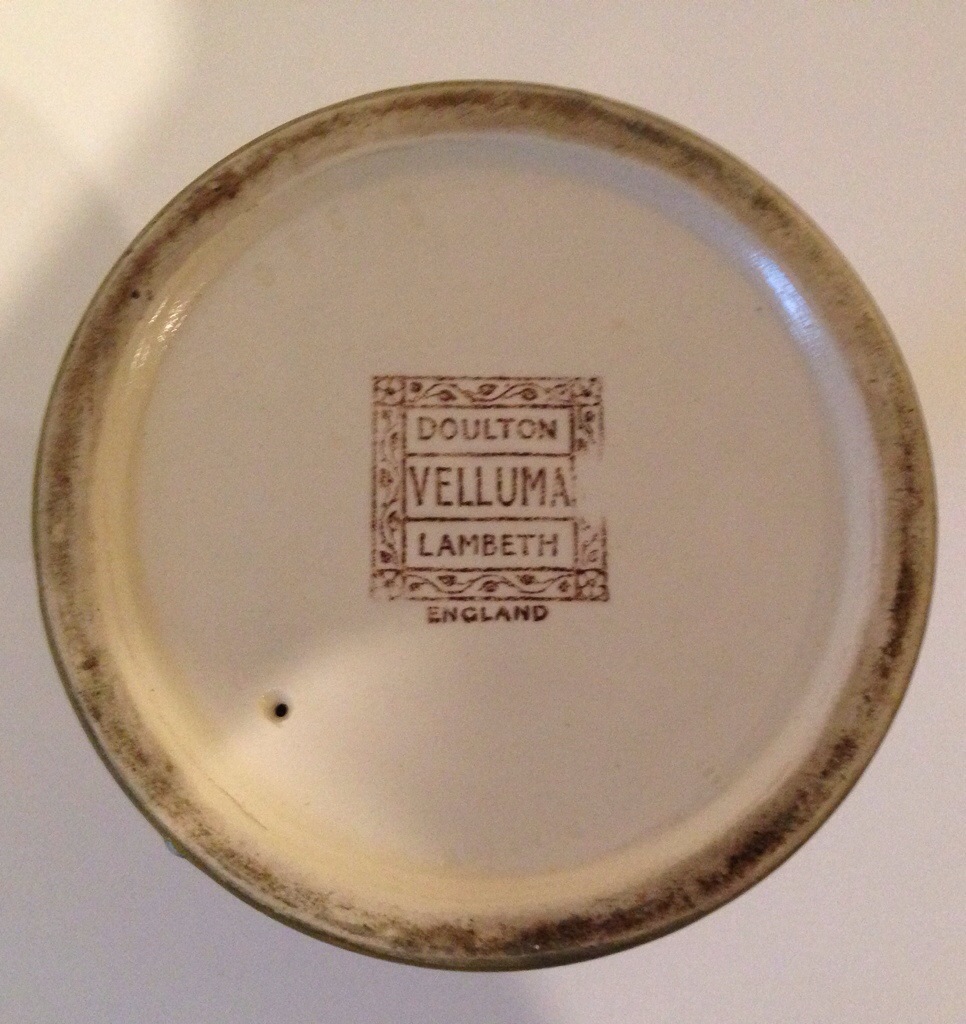
20140528-194709-71229104.jpg
The Velluma backstamp.

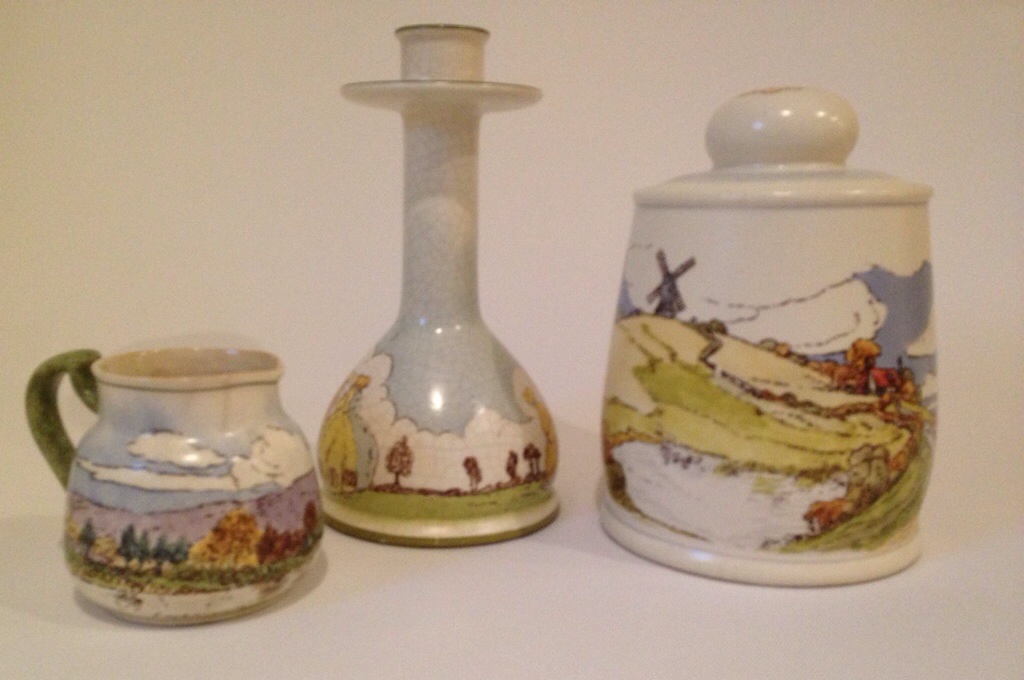
Velluma is a particularly rare ware today and pieces rarely turn up. The body has an almost parchment texture to it and the tea wares particularly are prone to damage. The colours are often quite muted, which adds to the vellum feel of this particular ware. These pieces were fired at high temperatures to enhance the soft effect desired.

20140528-194745-71265016.jpg
Three items of Velluma ware by the two of the main artists.

Unusually the pots were made at Burslem and then decorated at Lambeth to the designs of Arthur Pearce, William Rowe and Margaret Thompson.

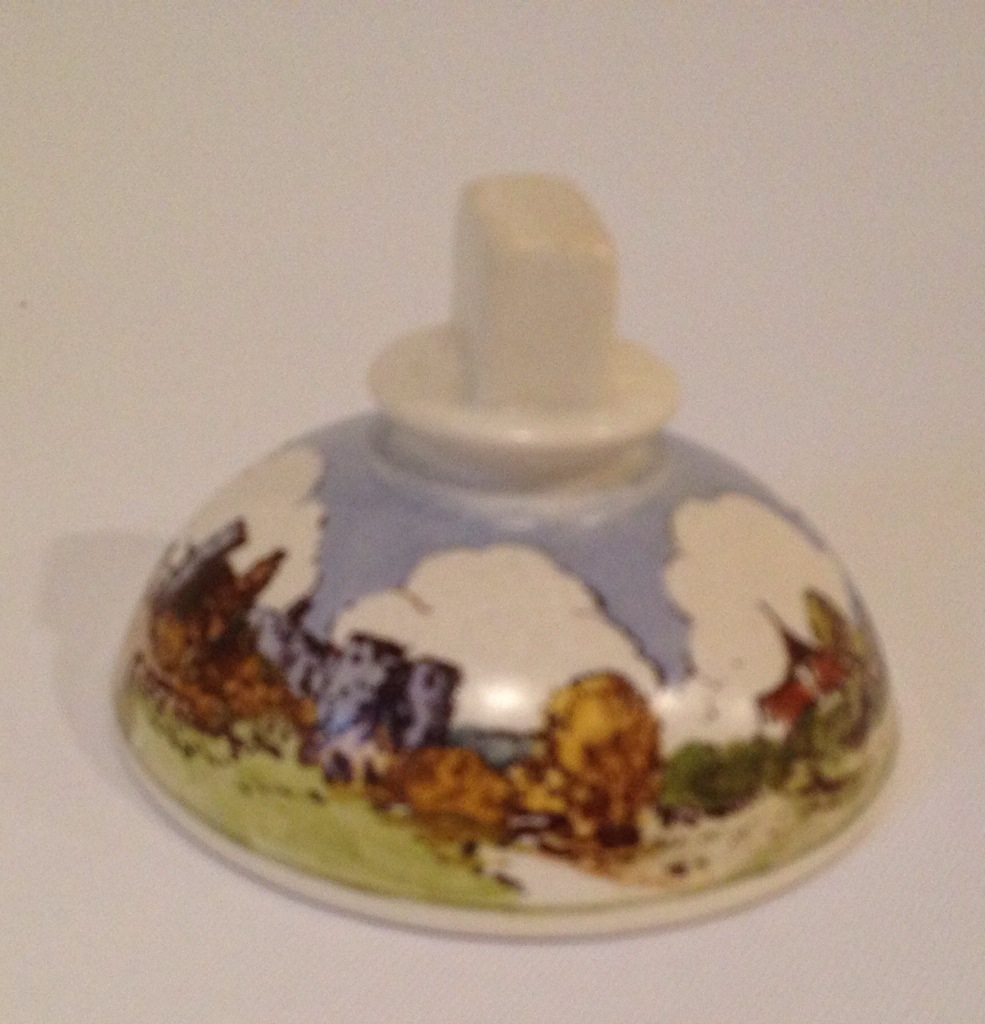
20140528-194823-71303335.jpg
A rare match box stand.

Through deduction it appears that Arthur Pearce was responsible for the castle and topographical scenes, William Rowe the countryside scenes and Margaret Thompson the crinoline ladies and fairies.

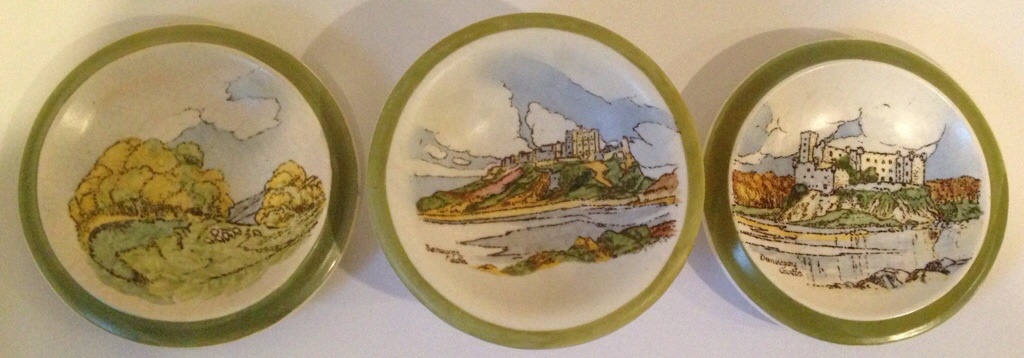
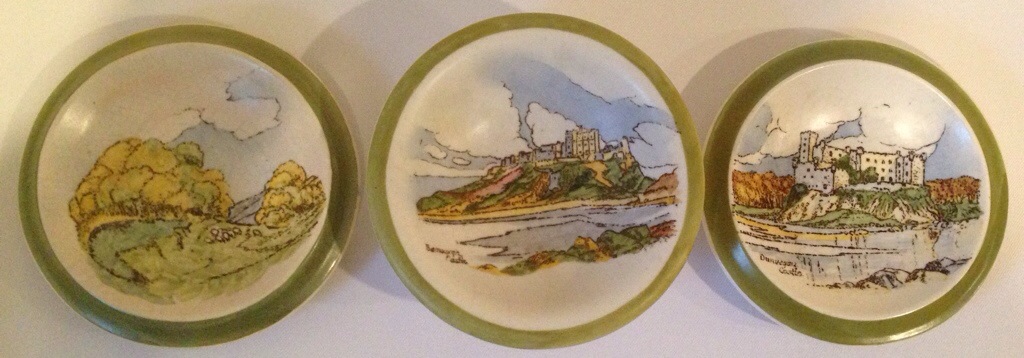
20140528-194855-71335617.jpg
Three dishes with countryside or castle designs. Bamburgh Castle seems to have been a popular design as I have seen most items with this design.

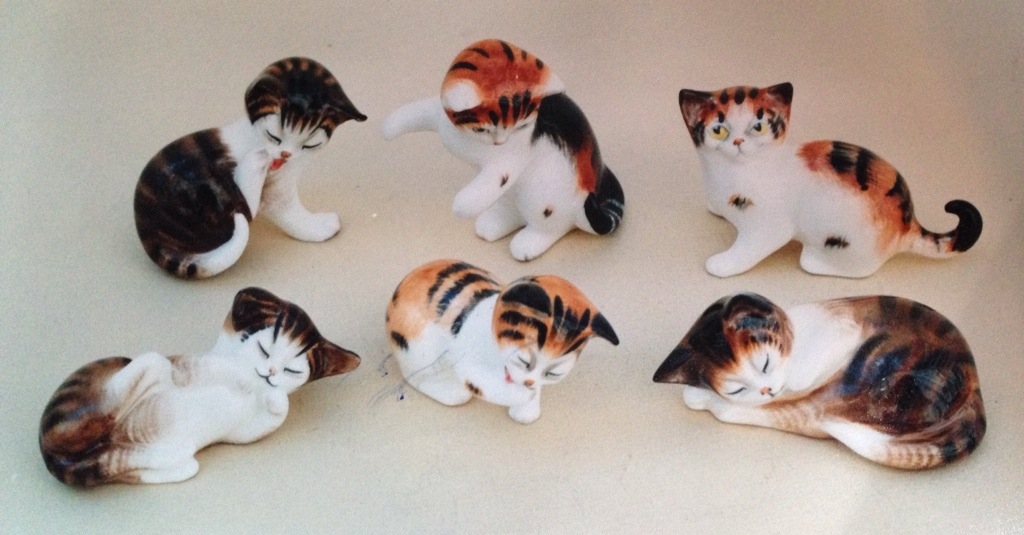
Doulton’s miniature kittens!

20140528-151349-54829153.jpg

There are a number of animal groups popular with collectors and which are fun to track down to complete the set.

Just like the piglets we looked at recently, there are six kittens in this set too, and conveniently three are ginger and three are brown, again allowing us to create a pleasant grouping.

These kittens, just like the piglets were the work of the great Peggy Davies when first apprenticed to Doulton. They were introduced in 1941 and withdrawn in the mid 1980’s.

As with all things a Doulton the longer an item is out of production, the more it is sought after and these kittens are no exception. Happy collecting!

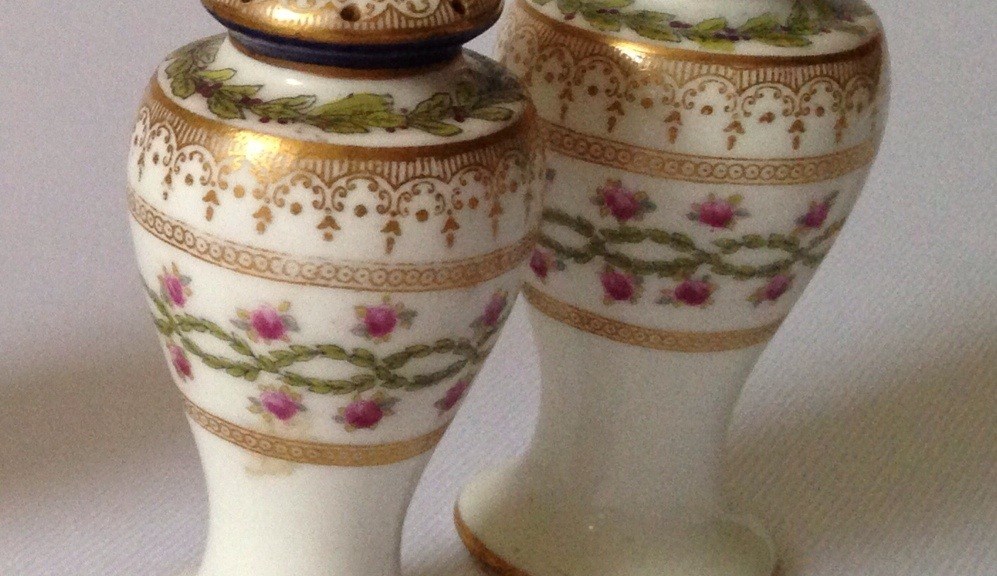
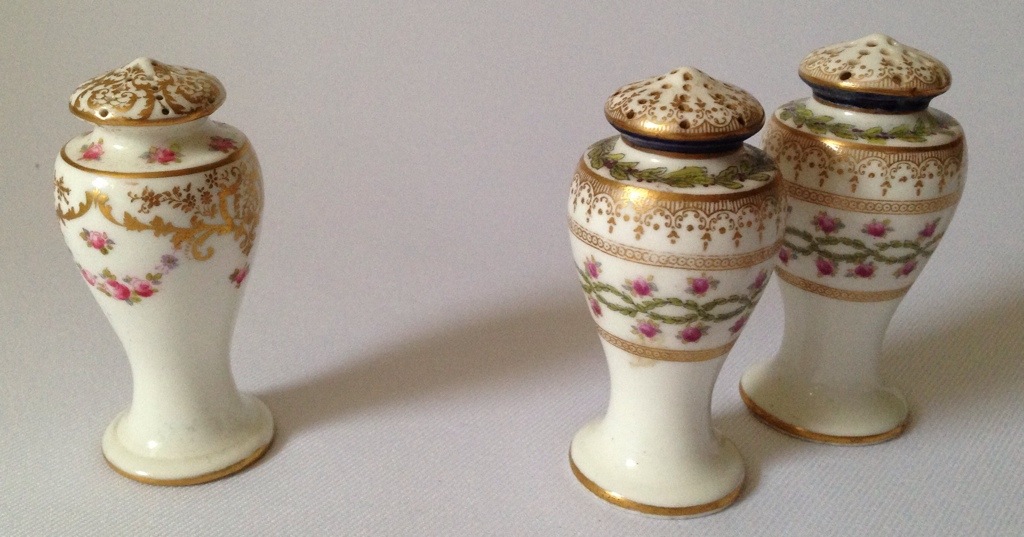
Teaware, dinnerware and …. pepper pots?

20140528-145818-53898488.jpg

Yes you read it correctly! Something I have never seen until recently and then another promptly turns up! Typical of Doulton, typical of collecting…don’t you agree?

These charming pepper pots were of course the work of the famous Robert Allen studio at Doulton’s in Nile Street and date to the early 20th Century.

Alas they didn’t come with a salt or a mustard, but perhaps they weren’t produced to, but rather they are stand alone pieces? Who knows?

Anyway, just when you think you’ve seen it all here is something relatively inconsequential to brighten up the day!

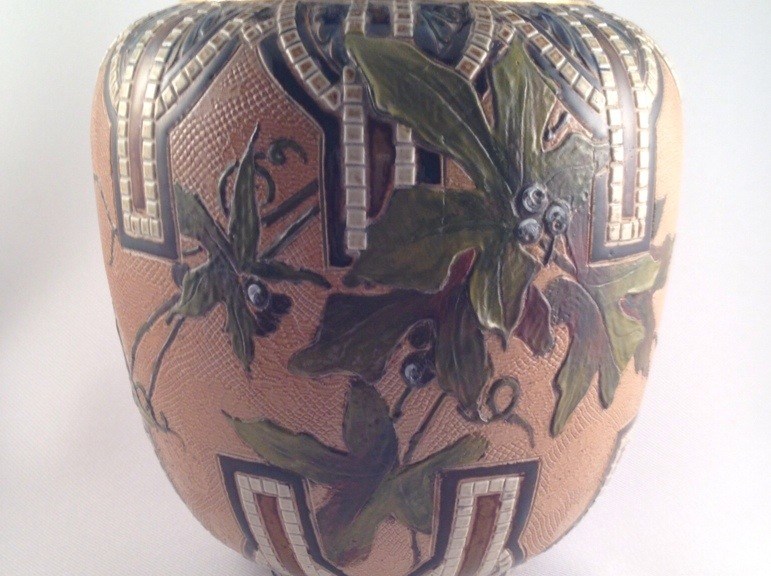
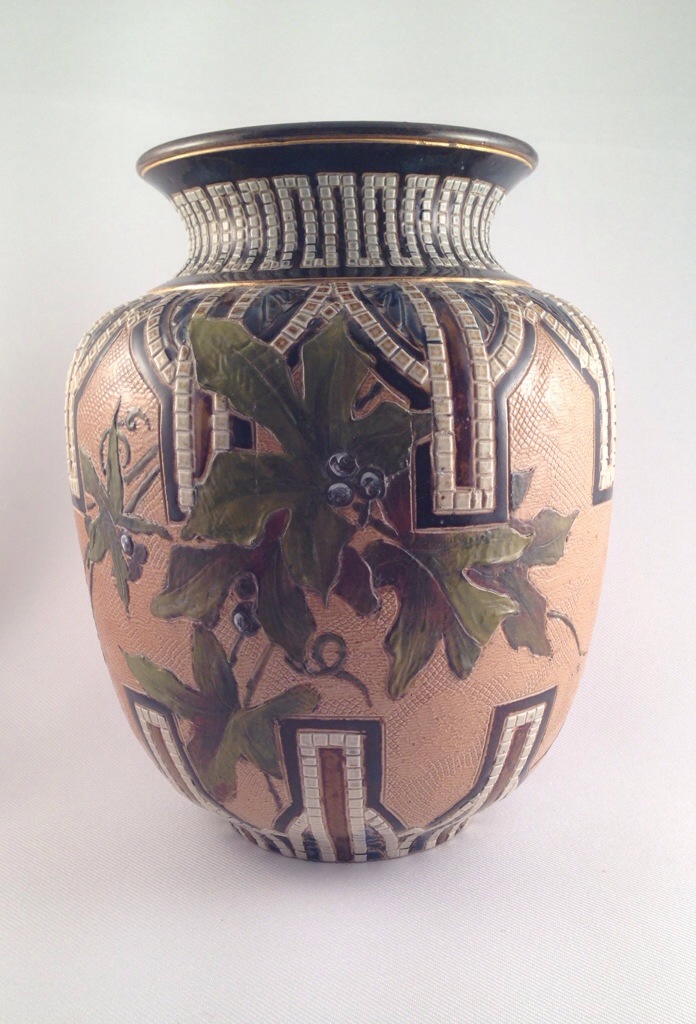
Doulton Lambeth’s pâte-sur-pâte technique.

A chance finding of the vase below inspired me to do a quick résumé of this once popular technique. Literally translated it means paste on paste, this type of ware was produced between 1878 and ca. 1906.

20140526-172437-62677474.jpg

This type of ware was favoured by Florence Barlow who painted her birds and also Eliza Simmance who used it to highlight her flower designs.

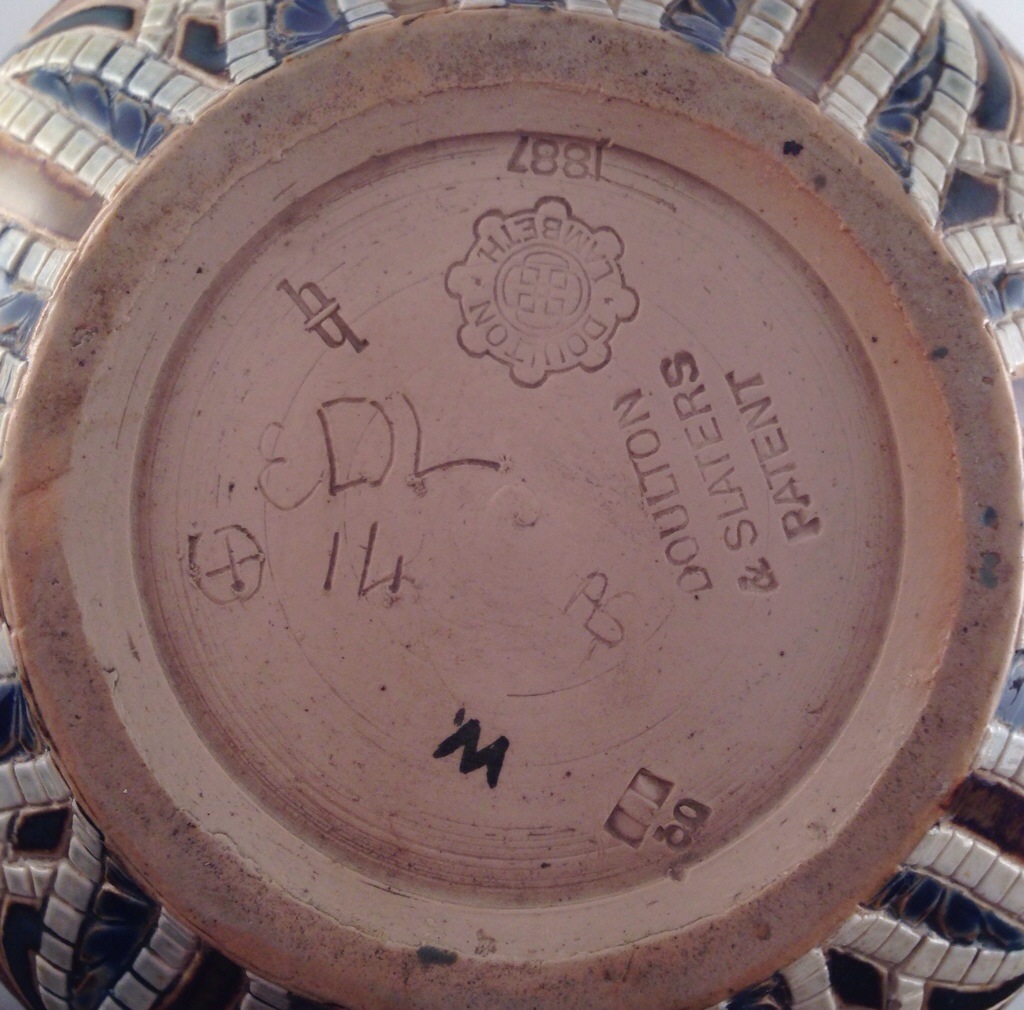
An unusual technique and pieces of this ware are relatively scarce. Here is the base I the vase above with Edith Lupton’s initials and a series of clear markings including a date.

20140526-172554-62754073.jpg

Royal Doulton’s ‘K’ series

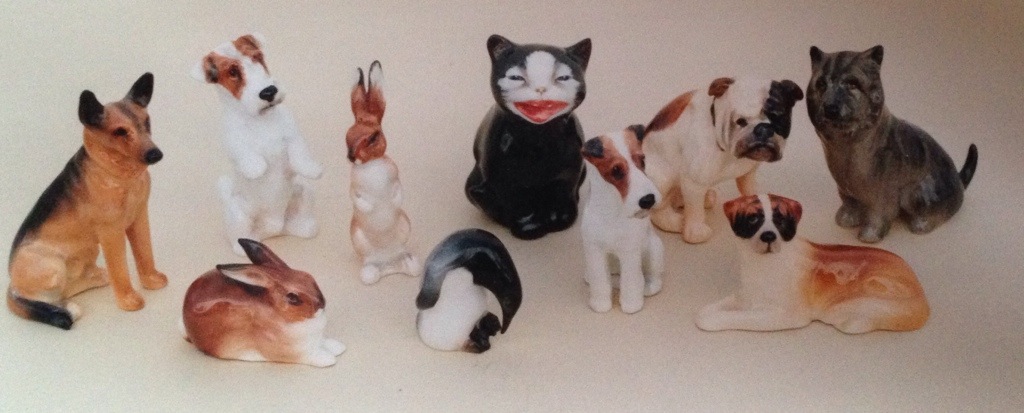
20140526-160900-58140636.jpg

The ‘K’ series began in 1931 with the introduction of 12 dogs and 1 cat. In total there are 39 subjects in this series. There are 18 breeds of dogs, one cat (Lucky K12), penguins, birds and finally a trio of hares!
The penguins are perennial favourites amongst collectors and the 11 birds are all particularly rare as they were introduced in 1940 and withdrawn by 1946.
Whilst the designers if the majority are unknown, the popular penguins can be attributed to Peggy Davies.
The ‘K’ dogs in particular can readily be found mounted on calendars and ashtrays, although pen holders and pipe holders have turned up.
This range offers collectors a real cross section of Doulton animals to collect and the discerning eye will readily distinguish between an early and a late model.
Happy hunting!

Royal Doulton figures in pictures

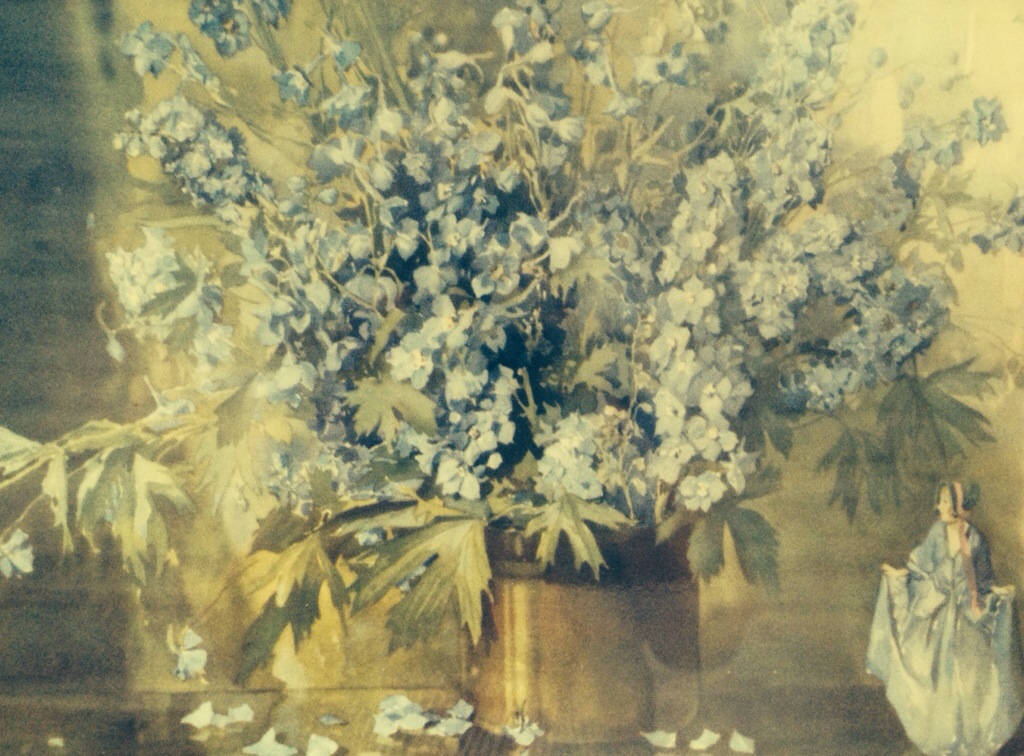
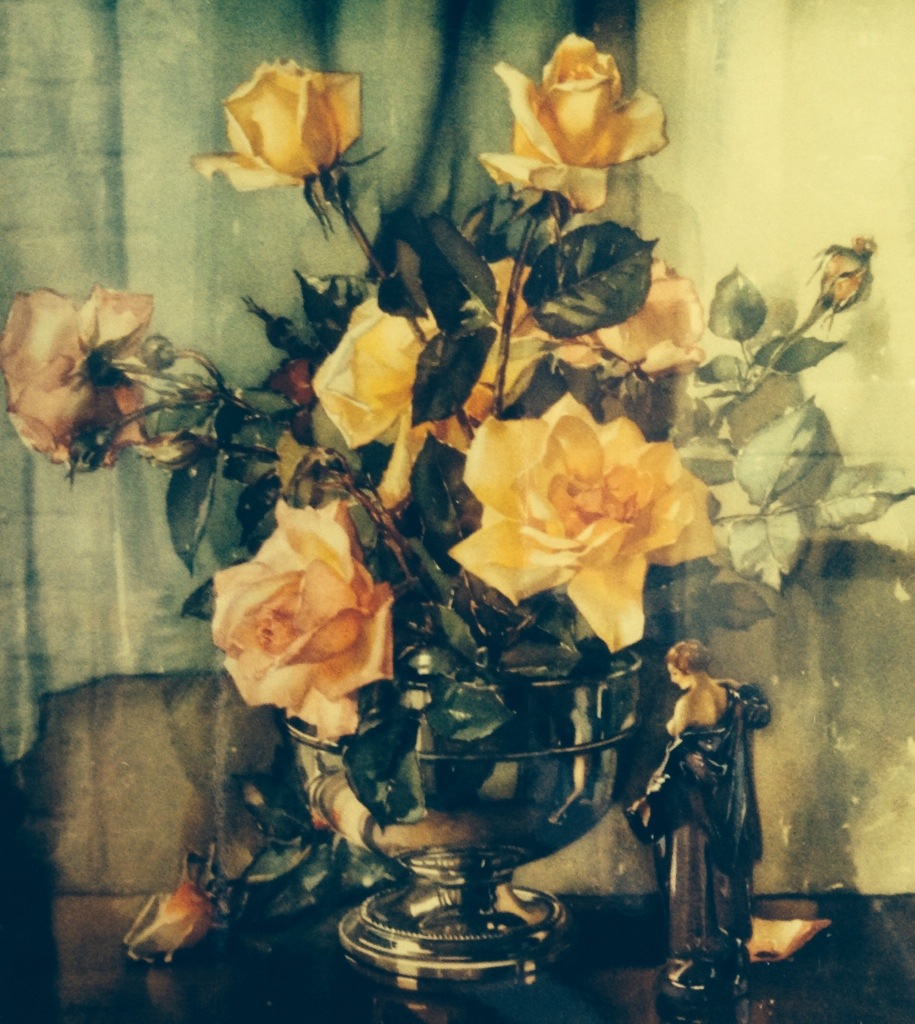
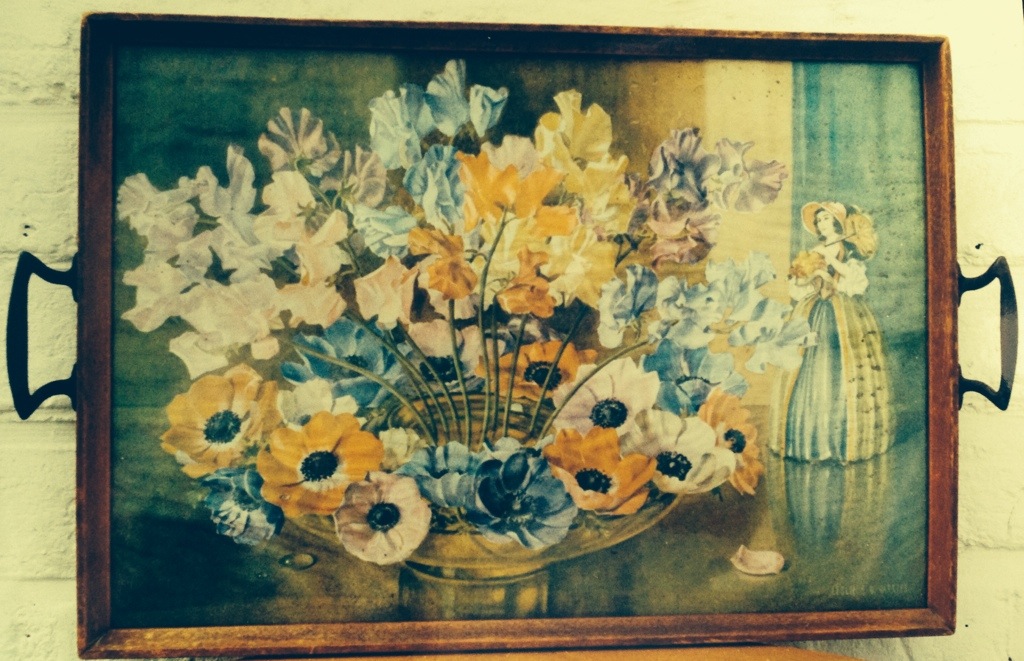
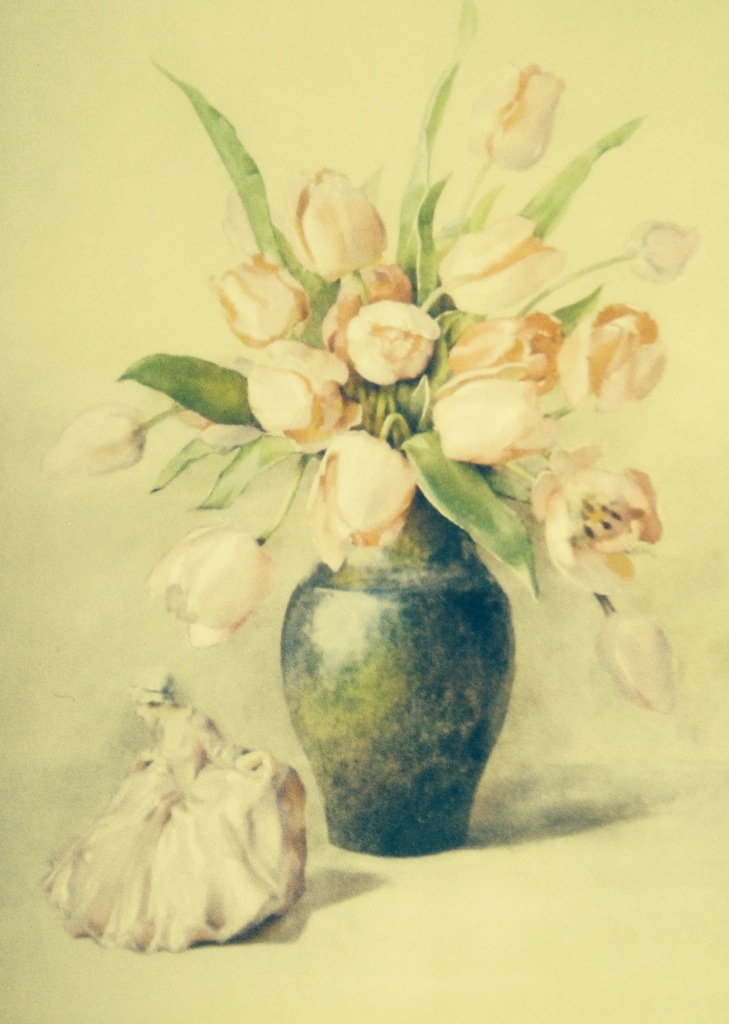
Whilst these pictures below appear a little bizarre or possibly kitsch today, when the originals were painted Doulton’s figures were obviously highly regarded even then to be used in still life pictures. The painters of these pictures remain largely unknown although I have a similar picture with Harradine’s Covent Garden figure with the signature Wood.

There is little left to say other than the majority of these images have turned up as framed prints save the clear exception below that is clearly a tea tray!

20140525-151630-54990519.jpg

Sweet Anne.

20140525-151759-55079060.jpg

The Bather.

20140525-151837-55117280.jpg

June as a tea tray.

20140525-151904-55144924.jpg

Polly Curtsey as she appears to have originally been known.

Perhaps you have other examples you can share with us? If so please go to out Facebook ‘Doulton Collectors Club’ page to do so.
CE.